India is huge and varied, and a first visit can feel like a lot: forts and palaces in Rajasthan, the evening fire ceremony on the ghats of Varanasi, Himalayan monasteries, Goan beaches, slow days on the Kerala backwaters. It's cheap, the trains go almost everywhere, and there's a growing hostel scene where you'll meet other solo travellers without much effort. The mistake most people make is trying to see too much of it on one trip. The sections below cover where to go, how long to stay, costs, when to go, visas, safety and getting around, with links to every detailed guide and to our own trips.
Where to go
India splits into three real chunks: the north (monuments, forts and the Ganges), the high Himalaya (a short, summer-only season) and the south (beaches, ruins and backwaters). Pick a region rather than a route through the whole country. Our where to go in India guide covers who each place suits, how long to spend and the best months, place by place.
Delhi, Agra and Jaipur: the Golden Triangle
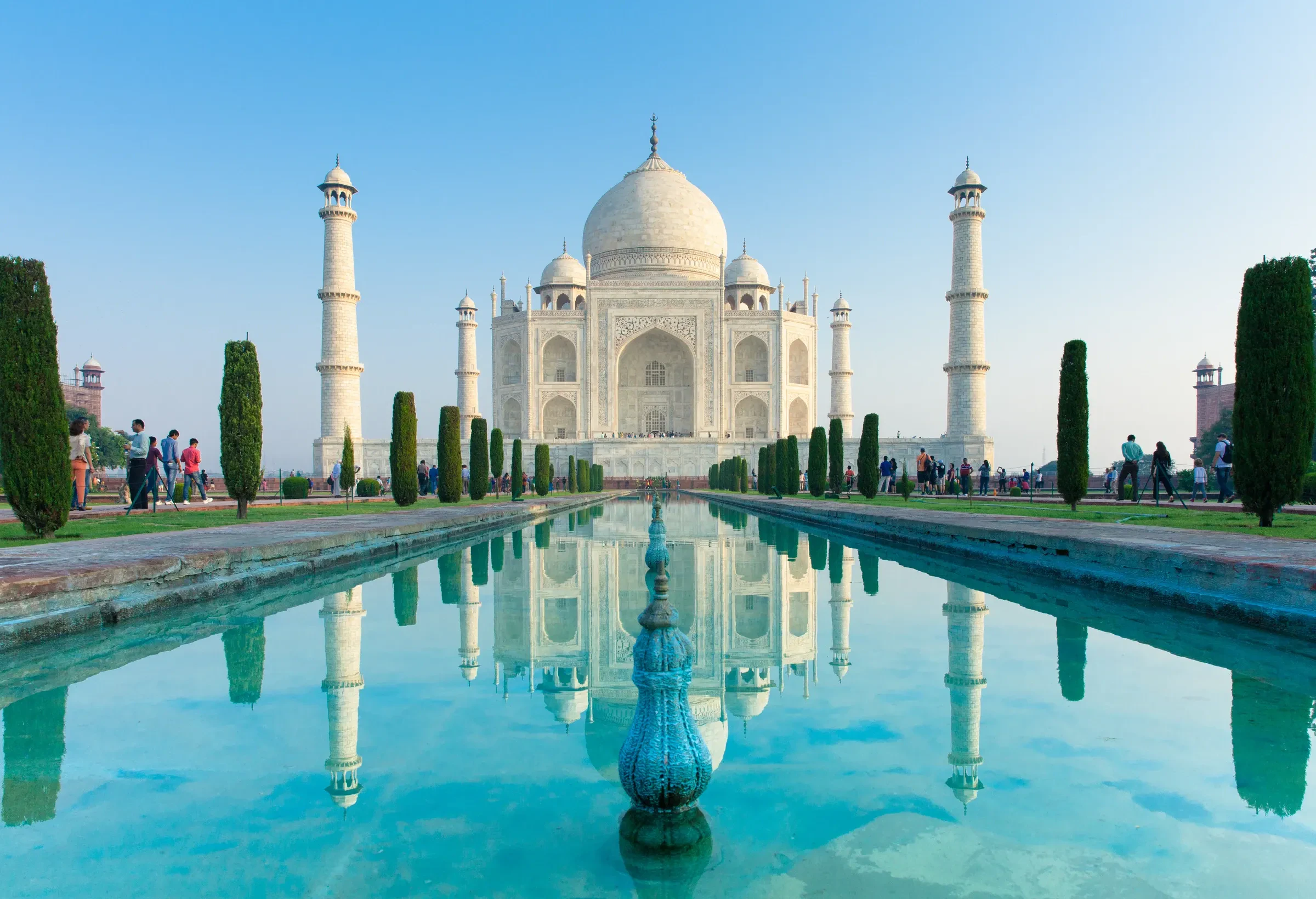
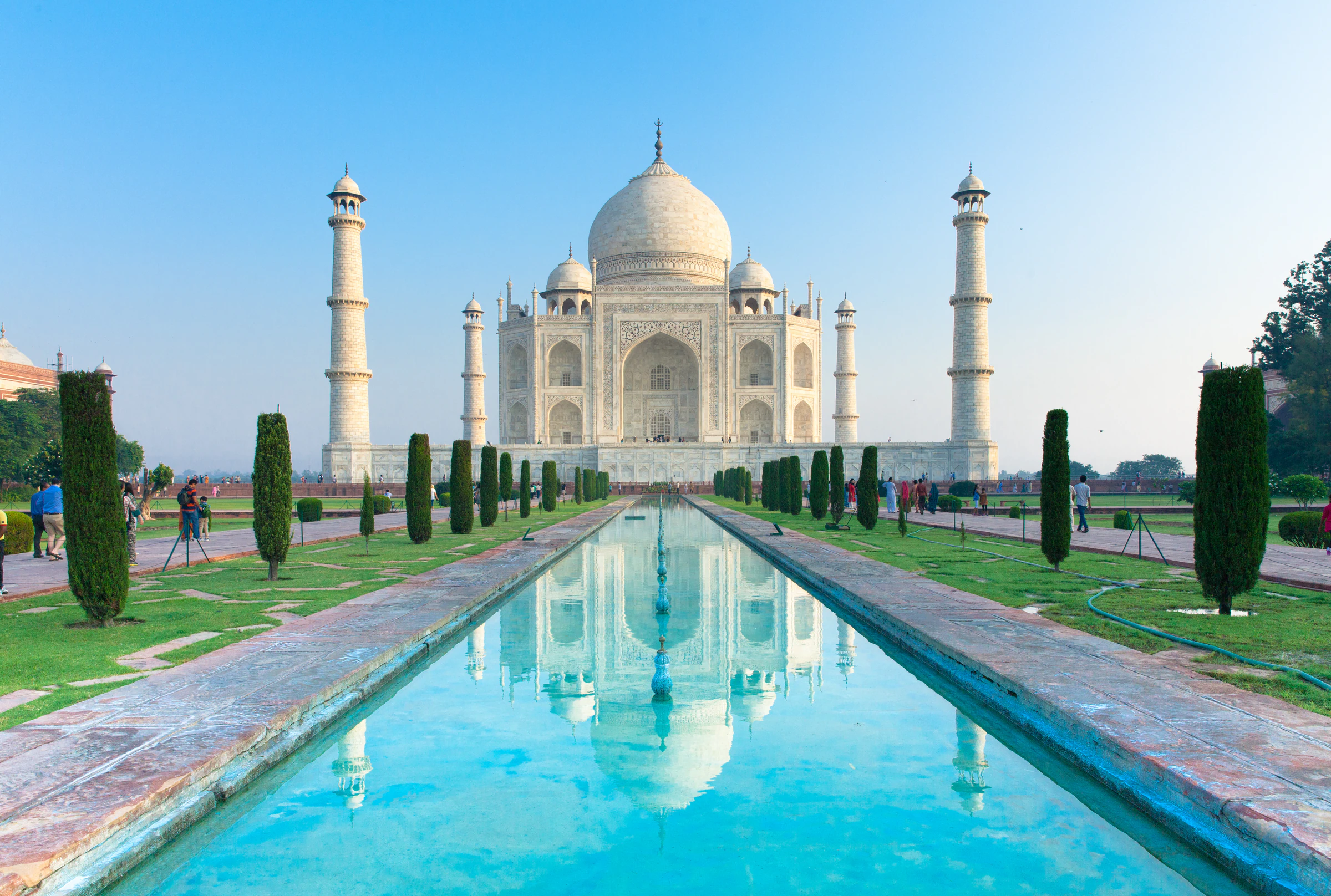
The classic first week: Old Delhi's lanes and Mughal tombs, the Taj Mahal at sunrise in Agra, and Amber Fort and the bazaars of the Pink City in Jaipur. The three cities sit close together and are well linked by train, which is why this is nearly everyone's introduction to the country. See the Delhi guide, the Agra guide, the Jaipur guide and the Golden Triangle itinerary, or our Golden Triangle Express trip if you'd rather have it booked for you.
Rajasthan: Pushkar, Udaipur and beyond
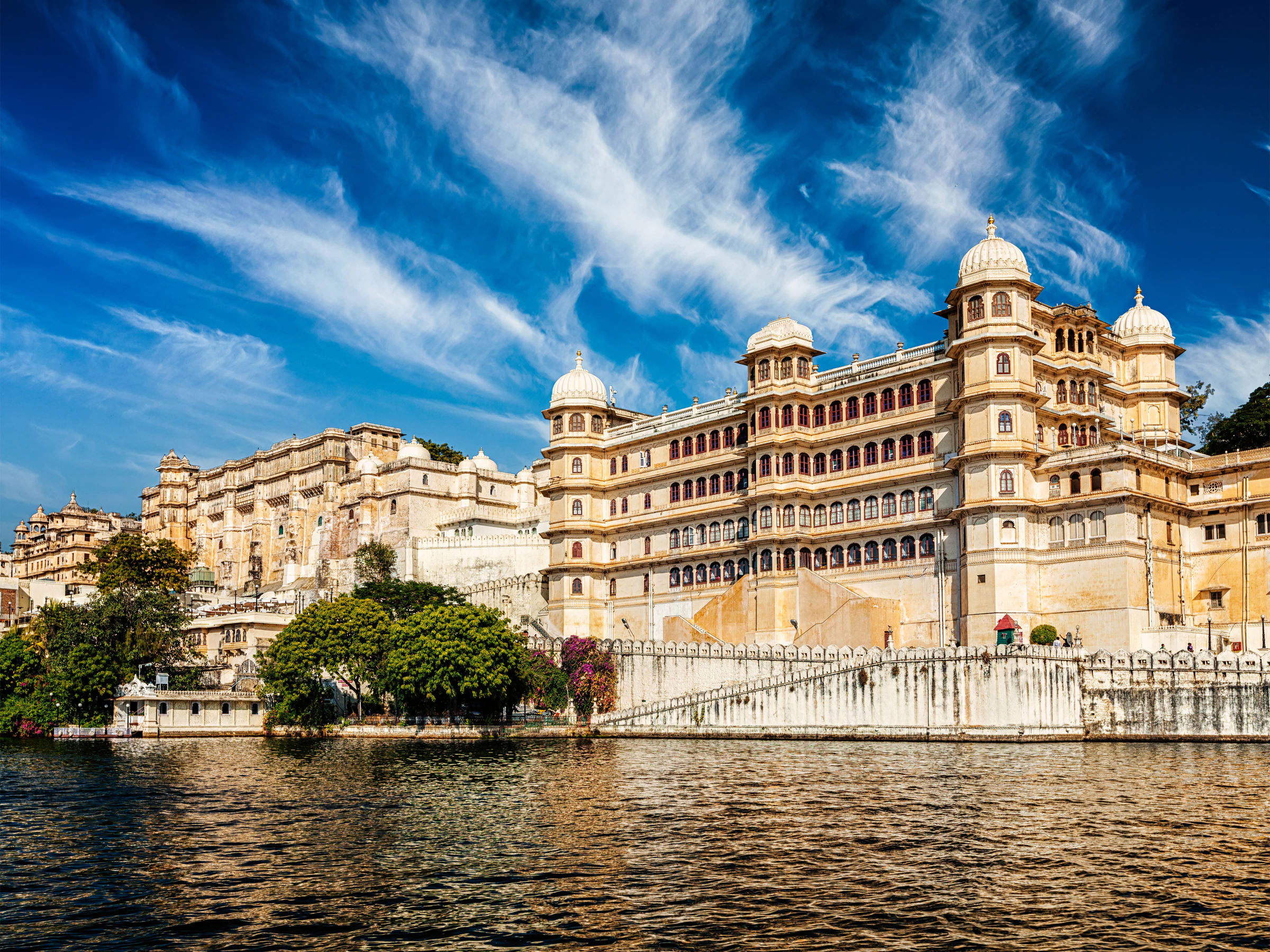
Beyond Jaipur, Pushkar is a small holy town around a lake, home to the autumn camel fair; Udaipur is built around lakes, with the City Palace rising over Lake Pichola; and Jodhpur and Jaisalmer add blue streets and desert forts if you have more time. See the Rajasthan guide, the Udaipur guide and compare Jaipur vs Udaipur.
Varanasi and the Ganges
One of India's oldest cities and one of the holiest places in Hinduism. The ghats along the river are where people bathe, pray and cremate their dead. Take a rowing boat at sunrise, then come back for the evening Ganga aarti. See the Varanasi guide, or our Rajasthan & Varanasi trip, which puts sunrise on the Ganges in the same two weeks as Rajasthan's forts and the Taj Mahal.
Rishikesh and the Himalayan foothills
Rishikesh sits where the Ganges leaves the mountains, known for yoga, the evening aarti, suspension bridges and white water rafting. See the Rishikesh guide, things to do in Rishikesh, rafting in Rishikesh and Rishikesh weather.
Ladakh and Spiti: the high Himalaya
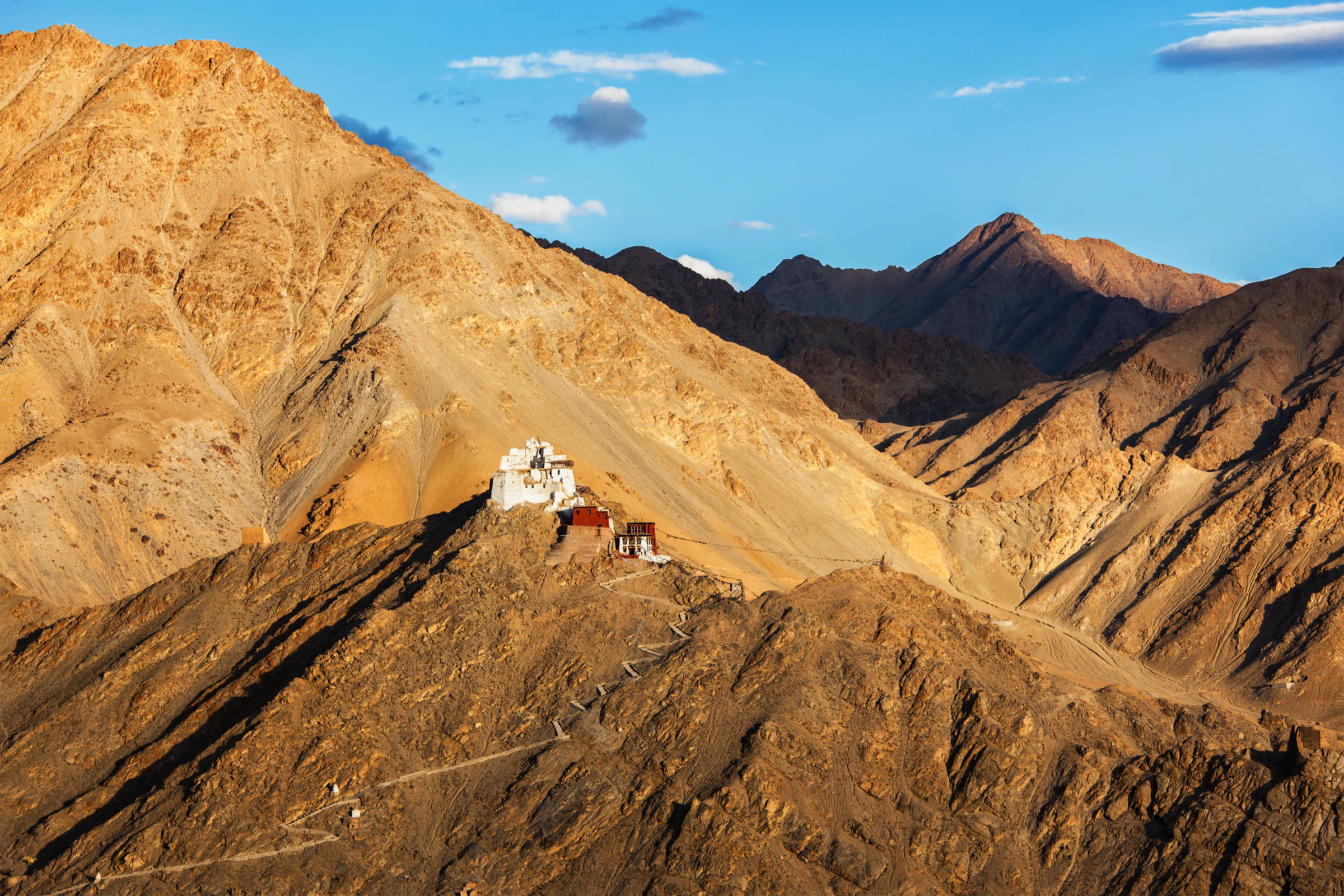
Ladakh is a high altitude desert of Buddhist monasteries, bare mountains and turquoise lakes, reached by a short flight from Delhi or a seasonal road. Spiti is a remoter valley between Kinnaur and Lahaul, with older, quieter monasteries and a gentler climb in from Shimla. Both really only work from about June to September. See the Ladakh guide, the best time to visit Ladakh, the Spiti Valley guide and how to choose between Ladakh vs Spiti, or see our Ladakh Road Trip for a guided route to the Nubra Valley and Pangong Lake.
Mumbai and Goa
Mumbai is India's biggest city: the Gothic railway station of Chhatrapati Shivaji Terminus, Marine Drive at sunset, and the ferry out to the Elephanta Caves. Goa is the beach state, split between North Goa's hostels and nightlife and South Goa's quieter bays, and it's in season from October to March, with many travellers continuing down the coast to Gokarna. See the Mumbai guide, the Goa guide, the Gokarna guide and North Goa vs South Goa.
Hampi and Kerala: the south
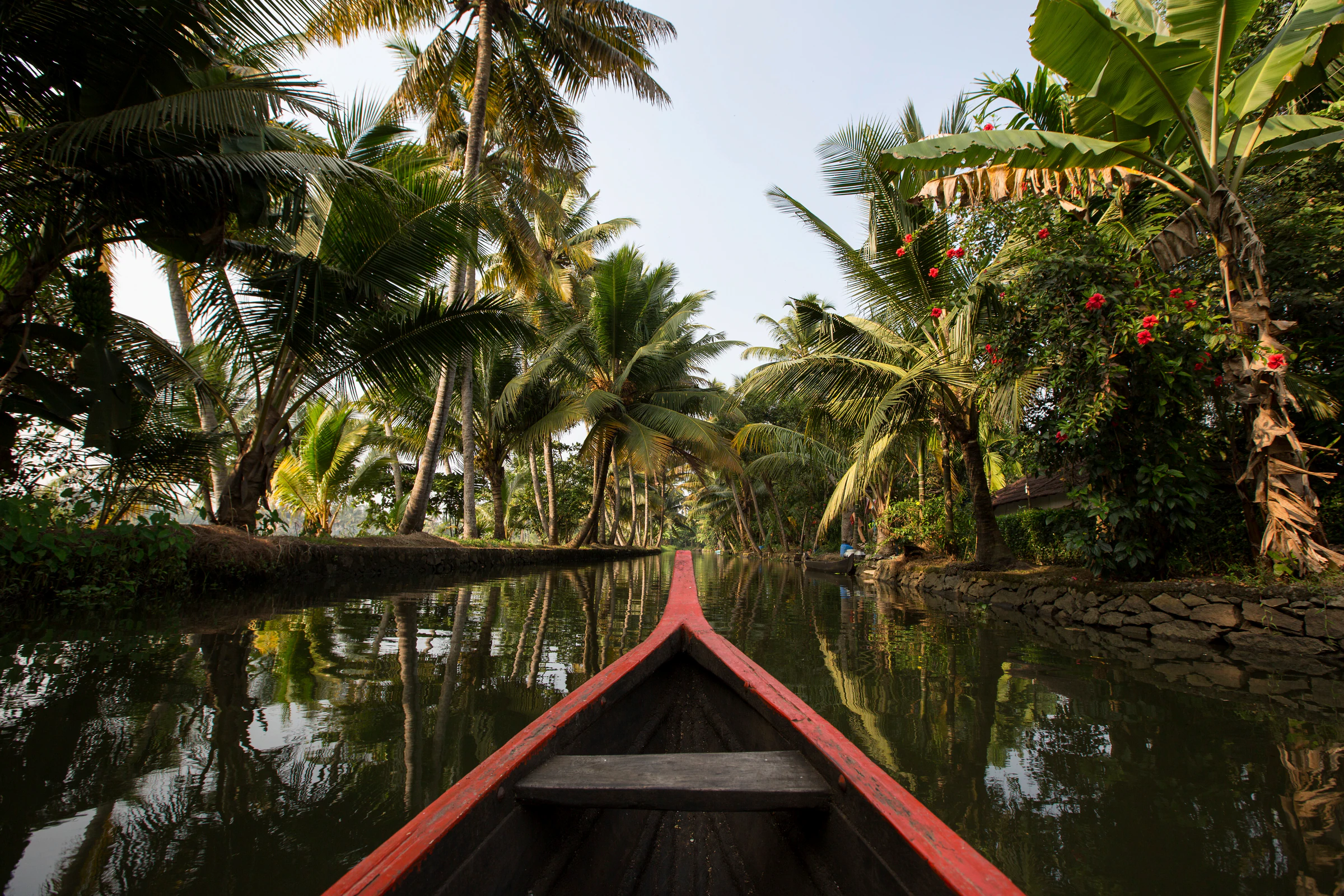
Hampi is a village among the ruins of the Vijayanagara empire, its temples scattered across a landscape of giant granite boulders. Kerala is green and slow: the Chinese fishing nets of Fort Kochi, a night on a houseboat in the Alleppey backwaters, the cliffs at Varkala and the tea hills of Munnar. See the Hampi guide and the Kerala guide, or our Goa, Hampi & Kerala Backwaters trip, which links all three in ten days.
The Andaman Islands
Far out in the Bay of Bengal, the Andamans have some of India's best beaches and diving, reached by flight to Port Blair, usually from Chennai or Kolkata, and then a fast ferry to Havelock. See the Andaman Islands guide.
How long do you need in India?
India needs a region per trip, not one itinerary that tries to cover the whole country. Our India itinerary guide compares every route by length; the five sections below link straight through to the ones that fit each.
1 week
A week suits one region on its own, with no add-on.
- Golden Triangle itinerary: Delhi, Agra and Jaipur's forts, tombs and bazaars.
- Rajasthan itinerary: Jaipur, Pushkar, Jodhpur and Udaipur, without Jaisalmer's desert camp.
- Kerala itinerary: Kochi's fishing nets down the coast to the Varkala cliffs.
- Goa and Gokarna itinerary: North Goa's beaches down the coast to Gokarna.
- Gujarat and Kutch itinerary: Ahmedabad's old city out to the White Rann's salt desert.
- Himachal Pradesh itinerary: McLeod Ganj, Bir Billing and Kasol to Manali, without Shimla.
- Ladakh itinerary: Leh and Nubra Valley to Pangong Lake, without Tso Moriri.
- Meghalaya itinerary: Shillong to Sohra's waterfalls and the living root bridges.
- Sikkim and Darjeeling itinerary: Darjeeling's toy train to Gangtok and Tsomgo Lake.
- Spiti Valley itinerary: Manali over Kunzum Pass to Kaza and Chandratal.
- Tamil Nadu and Pondicherry itinerary: Chennai's temples to Pondicherry's French Quarter and Madurai.
- Uttarakhand itinerary: Haridwar and Rishikesh's rafting up to the hill station of Mussoorie.
- Assam itinerary: Kaziranga's rhinos to Majuli island on the Brahmaputra.
Our 1-week India itinerary guide walks through the top picks day by day.
10 days
Ten days lets you add a neighbouring stop to a week-long route, or cover one region in full.
- Golden Triangle itinerary: adds Varanasi's ghats and the Ganga aarti to the Golden Triangle.
- Rajasthan itinerary: adds Jaisalmer's living fort and a night in a desert camp.
- Kerala itinerary: adds Wayanad's forest hills and a slower finish at Kovalam.
- Goa and Gokarna itinerary: adds Hampi's ruined temples among the boulders.
- Ladakh itinerary: Leh, Nubra Valley, Pangong Lake and Tso Moriri in full.
- Spiti Valley itinerary: the classic circuit up through Kinnaur and out over Kunzum Pass to Manali.
- Sikkim and Darjeeling itinerary: adds Pelling's monasteries and a Kanchenjunga viewpoint.
- Tamil Nadu and Pondicherry itinerary: adds an extra Pondicherry day and a finish in Kodaikanal.
- Meghalaya itinerary: adds Krang Suri Falls and splits the root bridge trek over two easier days.
Our 10-day India itinerary guide covers the top picks in full.
2 weeks
Two weeks covers a region properly, with room for a detour, or links two neighbouring regions by a flight or an overnight train.
- Rajasthan itinerary: the full 10-day circuit with the Golden Triangle added to the front.
- Himachal Pradesh itinerary: the full Dharamshala-to-Manali loop, including Shimla.
- Golden Triangle plus Rajasthan: the Golden Triangle continuing on to Pushkar, Jodhpur, Jaisalmer and Udaipur, with or without Varanasi.
- Goa and Gokarna plus Kerala: a short domestic flight linking the west coast to a Kerala houseboat.
- Ladakh or Spiti plus Delhi: a summer-only high-altitude loop, June to September.
Our 2-week India itinerary guide has the day by day for the recommended route and each alternative.
3 weeks
Three weeks is what it takes to link the north and the south properly, or to do the high Himalaya loop at a sensible pace.
- Rajasthan and Kerala: the recommended route, Delhi to Udaipur then on to Mumbai, Goa, Hampi and Kerala.
- Golden Triangle, Rajasthan and Amritsar: an all-north loop through the desert and the Ganges, finishing at the Golden Temple.
- Kerala and Tamil Nadu: an all-south sweep from Goa and Gokarna to Chennai, without doubling back.
- Himachal Pradesh and Spiti: the Himalaya loop, fit and acclimatised travellers only, June to September.
Our 3-week India itinerary guide has the day by day for each of these.
1 month
A month is what it takes to link the north and the south unhurried, or to add a third mountain region to the Himalaya loop.
- Rajasthan and Kerala: the recommended route, the full Rajasthan desert loop through to Munnar's tea estates and Kerala's backwaters.
- Rajasthan, Golden Triangle and Amritsar: the all-north classic, adding Varanasi, Rishikesh and the Golden Temple.
- Himachal Pradesh, Spiti and Ladakh: a serious, fit-traveller-only mountain month with two separate acclimatisation stretches.
Our 1-month India itinerary guide walks through the day by day for each of these.
Regional routes
Each of these covers one route in full, day by day, with its own glance box for the season and the daily budget.
- Golden Triangle itinerary: Delhi, Agra and Jaipur in a week, or ten days with Varanasi added, best October to March.
- Rajasthan itinerary: a week, ten days or two weeks through the forts and the Thar desert, best October to March.
- Kerala itinerary: a week or ten days from Kochi to the Varkala cliffs, best November to January.
- Goa and Gokarna itinerary: a week on the coast, or ten days on to Hampi's ruins, best November to February.
- Himachal Pradesh itinerary: a week or two weeks through Dharamshala, Kasol and Manali, best March to June or September to November.
- Ladakh itinerary: a week or ten days for Leh, Nubra, Pangong and Tso Moriri, June to September only.
- Spiti Valley itinerary: a week or ten days from Shimla or Manali, mid-June to early October only.
- Uttarakhand itinerary: a week in Rishikesh, Haridwar and Mussoorie, best September to June.
- Sikkim and Darjeeling itinerary: a week or ten days from Gangtok to the toy train, best March to May and October to mid December.
- Tamil Nadu and Pondicherry itinerary: a week or ten days of temples, the French quarter and Madurai, best December to February.
- Gujarat and Kutch itinerary: a week from Ahmedabad to the White Rann, best November to February.
- Assam itinerary: a week with Kaziranga's rhinos and Majuli island, best November to April.
- Meghalaya itinerary: a week from Shillong to the living root bridges, best October to April.
Things to do
Pick five if that's all the time you have: sunrise at the Taj Mahal in Agra, the nightly Ganga aarti fire ceremony on Varanasi's Dashashwamedh Ghat, a night aboard a houseboat in Kerala, a drive over Ladakh's high passes, and a camel ride out to a Rajasthan desert camp. Our things to do in India guide lists 20 in total, each with where to go, what it costs and how long to give it.
Food
India doesn't have one cuisine so much as a dozen, and the food changes almost every time you cross a state line. Old Delhi does stuffed paranthe and chole bhature, Rajasthan pairs dal baati churma with a fiery laal maas, Goa does fish curry and vindaloo, and Kerala does fish curry with red rice. Our Indian food guide works through it region by region, with notes on hygiene and vegetarian options, alongside dedicated guides to Rajasthani food, Goan food, Kerala food and Delhi street food.
Festivals
India's cool season doubles as its festival season. The five biggest for travellers are Holi (Holika Dahan on 21 March 2027, colours on 22 March), Diwali (main night 8 November 2026), Durga Puja in Kolkata (17 to 21 October 2026), the Pushkar Camel Fair (about 17 to 24 November 2026, estimated) and the Hornbill Festival in Nagaland (1 to 10 December). Most of these dates follow the Hindu lunisolar calendar and move from year to year (Holi was 3 to 4 March in 2026 and is 21 to 22 March in 2027), so check the dates for your year before you book anything. Our festivals in India guide has the full month by month calendar.
Costs
India is one of the best value countries in the world to travel. Budget around ₹2,900 to ₹3,400 a day if you're careful, roughly US$30 to $35, or £23 to £27, and that already includes a dorm bed, local food and trains. On top of that come the one off costs: an e-Tourist visa (US$25 for 30 days, US$40 for a year), a local SIM for about ₹300, and entry fees such as ₹1,300 for the Taj Mahal, which is closed on Fridays. At September 2026 rates, US$1 is about ₹96 and £1 is about ₹128. Our India cost guide breaks every category down.
Best time to visit India
November to February suits most of India best: dry, sunny and warm, with cool nights in the north. Ladakh and Spiti are the exception, since the high Himalaya only opens from about June to September, once the mountain roads clear of snow. Steer clear of the plains from April to June, when temperatures regularly pass 40°C, and of the monsoon, roughly June to September everywhere else. Delhi's air quality also drops sharply from November to January and is often at its worst in November. Our best time to visit India guide covers every region month by month.
Visa and entry
If you hold a UK, US, Canadian, Australian, New Zealand, Irish or EU passport, you need a visa for India, and none of these nationalities can get one on arrival. Apply for the e-Tourist visa on the official site, indianvisaonline.gov.in, between 4 and 120 days before you land. The 30 day e-visa costs US$25 (US$10 from April to June) and the 1 year version US$40, the same for all of these passports; the 5 year version now runs US$200 for most people, US$160 for Americans and US$484 for Britons. You'll also file two free forms before you fly: the e-Arrival card, up to 72 hours before you land, and the Air Suvidha health self-declaration, up to 24 hours before you arrive and before you board. Full rules, plus pages for travellers from the UK, US, Australia, Canada and Europe, are in our India visa guide.
Safety
Millions of people travel around India safely every year, plenty of them alone. The UK government advises against travel within 10 km of the Pakistan border and to parts of Jammu and Kashmir, and against all but essential travel to Manipur, none of which is on the classic tourist circuits. UK and Canadian advice also names the everyday risks: harassment of women, scams around railway stations and gem or carpet shops, taxis hailed on the street at night, and spiked drinks and food, with a rise in illness from alcohol containing methanol. None of that means stay away. It means plan your arrivals, stick to official transport, dress modestly, and take the precautions experienced India travellers already take. The emergency number for police, fire and ambulance is 112, nationwide. Check your own government's travel advice before you book, because it changes. Our India safety guide goes further, including advice aimed at women, and it's worth reading alongside what to pack for India.
Getting around India
Trains. Indian Railways is the best way to travel between cities, and the overnight trains are an experience in themselves. For foreigners, 3A (three tier air conditioned sleeper) and 2A (two tier, with curtains) are the comfortable classes. The Gatimaan Express takes about 1 hour 40 minutes from Delhi to Agra (it doesn't run on Fridays, when the Taj Mahal is closed too), and a Vande Bharat service runs from Delhi to Varanasi. Book on IRCTC. Foreign passport holders can use the Foreign Tourist Quota for some berths in 1A, 2A and executive chair up to 365 days ahead; 3A is not part of it, so you book that in the standard 60 day window, which fills fast on popular trains. In winter, fog can delay trains and flights, so leave a buffer before any flight home.
Domestic flights. IndiGo, Air India and Akasa fly between the big cities, and flights save a whole day on long hops such as Rajasthan to Mumbai or Delhi to Leh.
Taxis and drivers. For road legs, such as Jaipur to Pushkar or Udaipur, a car with a driver is the usual choice. In cities, use app based or pre paid taxis rather than hailing one on the street, especially after dark.
Comparisons
- India vs Thailand: for a first trip to Asia, Thailand is the easier on ramp, with no visa needed for a short holiday and direct flights from the UK. India is cheaper day to day and gives more back, if you're ready to sort an e-visa and book your first stretch with a group.
- Ladakh vs Spiti: choose Ladakh for the biggest lakes and a direct flight from Delhi, or Spiti for older, quieter monasteries, a cheaper daily budget and a gentler climb in through Kinnaur.
- Goa vs Gokarna: choose Goa for the scene, the hostels and a choice of beaches, or Gokarna for a quiet cliff trek linking four beaches, once Goa's pace gets too much.
- North Goa vs South Goa: North Goa (Anjuna, Vagator, Arambol) has most of the hostels, markets and nightlife; South Goa (Palolem, Agonda, Patnem) is quieter, with longer, emptier bays.
- Jaipur vs Udaipur: choose Jaipur for Rajasthan's headline forts and the easiest connections, or Udaipur for a slower few days built around a lake and rooftop dinners with a view.
Prefer to travel with a group?
If you'd rather not plan all of this alone, our India group trips cover the routes above in a small group of solo travellers aged 18 to 40. Your Trip Host travels with the group the whole way, and licensed local guides lead the visits to the big sights, from the Taj Mahal to Ladakh's monasteries and Kerala's backwaters.