
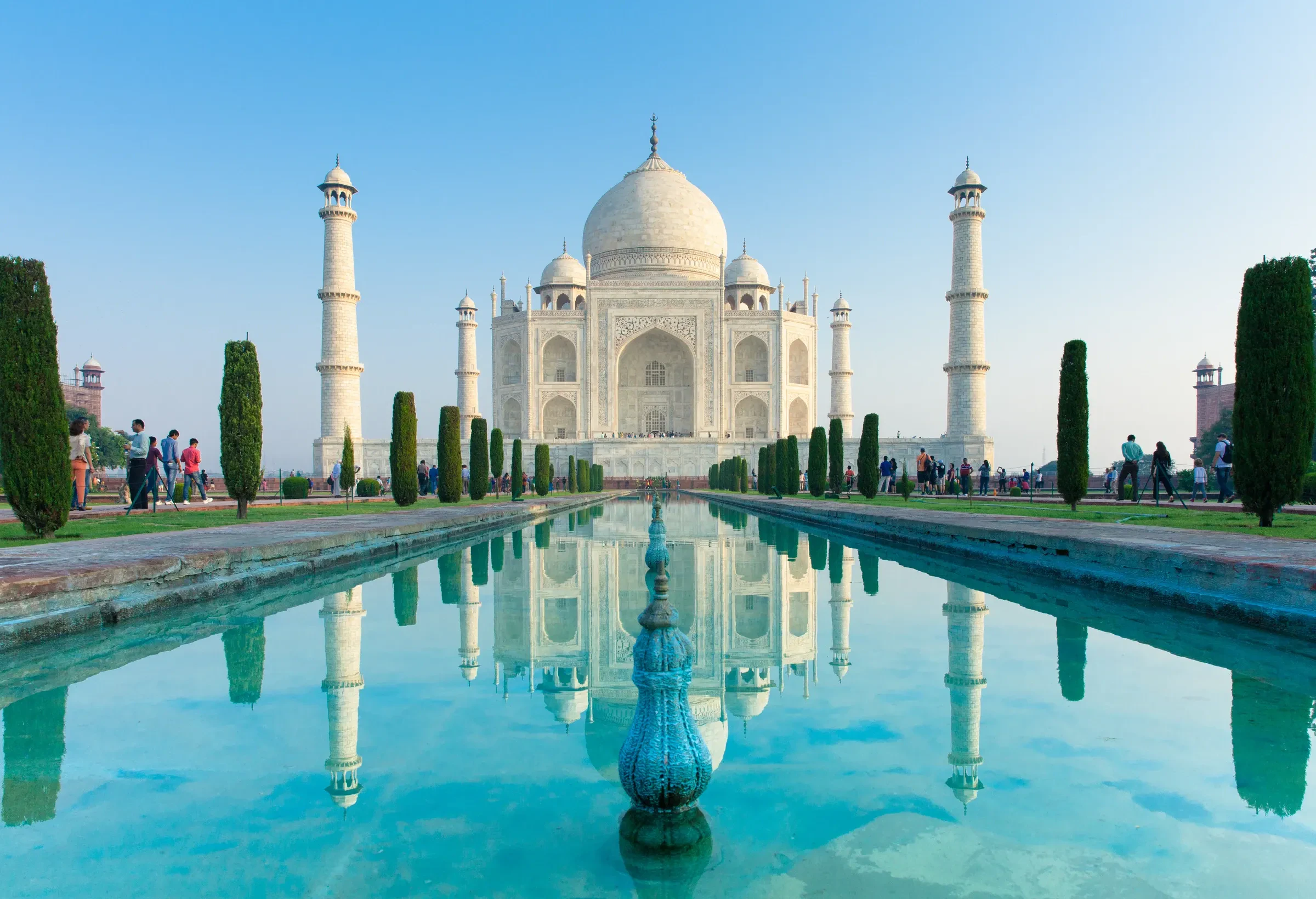
North: Delhi, Agra, Rajasthan, Varanasi and Amritsar
North India is where most first trips start and end, and it strings together by train and road more easily than any other region: Delhi's Mughal lanes and colonial boulevards, Agra's Taj Mahal, Rajasthan's forts and desert cities, Varanasi's ghats and Amritsar's Golden Temple.
Delhi
Who it suits: almost everyone. It's the usual start and end point for a wider India trip, most often the Golden Triangle route to Agra and Jaipur. How long: 2 to 3 days, covering both Old Delhi and New Delhi. Best months: October to March. Full guide: Delhi guide
Agra
Who it suits: first-time visitors who want the Taj Mahal, Agra Fort and Fatehpur Sikri, whether as a day trip from Delhi or an overnight stop. How long: 1 day from Delhi (a rushed but doable day trip), or 2 to catch the Taj at sunrise as well. Best months: October to March. Full guide: Agra guide
Rajasthan
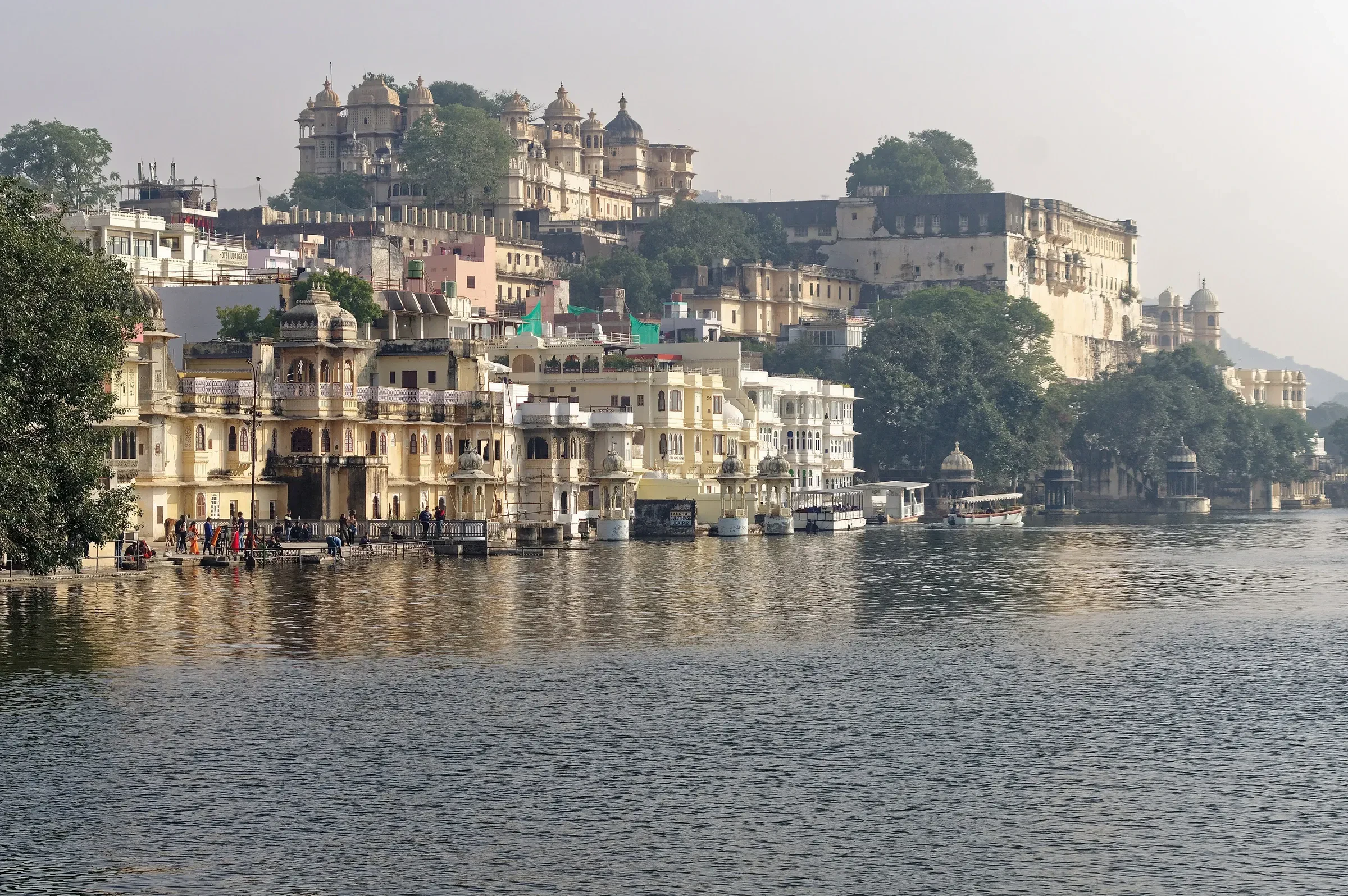
Who it suits: first-time visitors after forts, palaces, bazaars and desert camps, across Jaipur, Udaipur, Jodhpur and Jaisalmer. How long: 1 week for Jaipur, Pushkar, Jodhpur and Udaipur, 10 days to add Jaisalmer, 2 weeks to add Delhi and Agra at the start. Best months: late October to early March. Full guides: Rajasthan travel guide and Rajasthan itinerary
Varanasi
Who it suits: travellers after India's most intense, spiritual city: the Ganga aarti, sunrise boat rides and the ghats. How long: 2 to 3 days, up to 4 at a slower pace. Best months: October to March. Full guide: Varanasi guide
Amritsar
Who it suits: a short add-on to a Delhi or Himachal trip, for the Golden Temple and the Wagah border ceremony. How long: 1 to 2 days. Best months: October to March. Check first: the FCDO (updated 9 July 2026) advises against all travel within 10km of the India-Pakistan border, which includes the Wagah ceremony site, and lists the Wagah-Attari crossing as closed. Our Amritsar guide covers the current position. Full guide: Amritsar guide
The Himalaya: Ladakh, Spiti, Himachal Pradesh, Uttarakhand and Sikkim
India's mountains run in a band from Kashmir to the northeast, and they don't share a season. Ladakh and Spiti's high-altitude deserts only open in summer, while Himachal, Uttarakhand and Sikkim's lower hill stations work best either side of the monsoon.
Ladakh
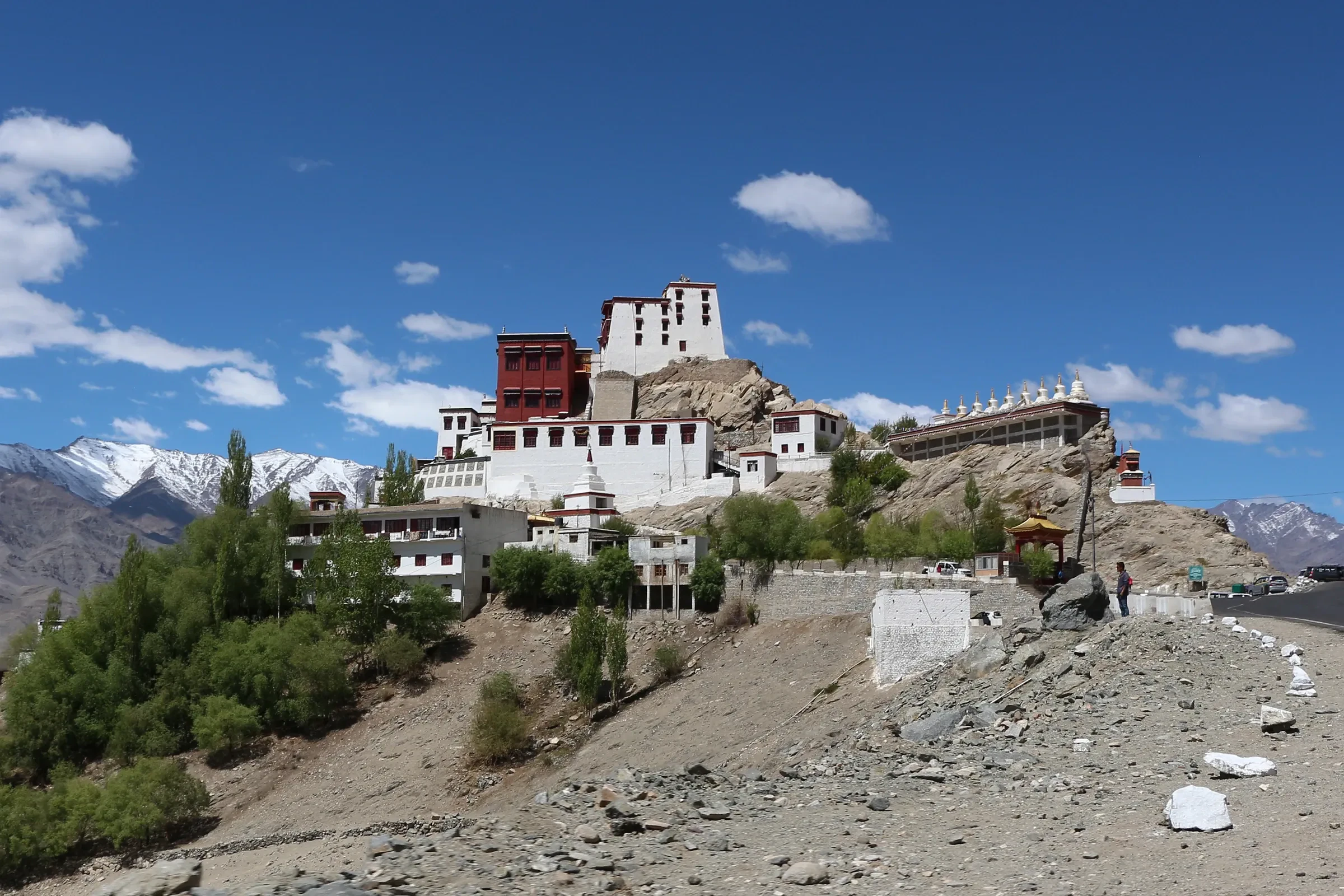
Who it suits: adventure travellers after a high-altitude desert of monasteries, lakes and mountain passes, and happy to plan around the altitude. How long: 1 week minimum (rest days in Leh, then Nubra and Pangong); 10 days adds Tso Moriri or the Sham Valley monasteries. Best months: June to September, when both the Leh to Manali and Srinagar roads are open. The Manali road usually opens to tourists between late May and mid June (1 June in 2026). Check first: foreigners need a Protected Area Permit, arranged through a registered travel agent, for Nubra, Pangong and Tso Moriri. The Srinagar road runs through Jammu and Kashmir, where the FCDO (updated 9 July 2026) advises against all travel. Ladakh is a separate Union Territory. Full guides: Ladakh travel guide, Ladakh itinerary and best time to visit Ladakh
Spiti Valley
Who it suits: a quieter, rougher version of Ladakh, reached overland from Shimla or Manali rather than by flight. How long: 1 week or 10 days. Best months: mid June to early October, with September the pick for clear skies and fewer people. Kunzum Pass, on the Manali side, is closed by snow from November to April, and early snow can close it from late September. Check first: foreigners need a Protected Area Permit for the villages near the Tibet border, such as Nako, Dhankar and Tabo. Whether Kaza needs one is disputed, so ask your agent. Full guides: Spiti Valley travel guide and Spiti itinerary
Himachal Pradesh
Who it suits: McLeod Ganj, Kasol and Manali for backpacker hill towns and drop-in yoga; Shimla for a colonial hill station. How long: 5 to 7 days for one sub-region, 10 to 14 for the fuller loop. Best months: March to June and September to November. Full guides: Himachal Pradesh travel guide and Himachal Pradesh itinerary
Uttarakhand
Who it suits: spiritual and yoga travellers, rafting fans, and first-timers wanting a taste of the Himalaya without committing to a full mountain trip. How long: 1 week for Haridwar, Rishikesh and Mussoorie. Best months: late September to June, avoiding mid June to late September (monsoon). Rafting reopened on 24 September in 2026 and closes for the monsoon from about 1 July. Check first: Ram Jhula, the old suspension bridge in Rishikesh, has been closed for repairs since 26 July 2026, with a reopening expected around February 2027. Full guides: Uttarakhand itinerary and Rishikesh guide
Sikkim (and Darjeeling)
Who it suits: Himalayan monasteries, tea culture and mountain views, without Ladakh's altitude and logistics. How long: 1 week for Gangtok and Darjeeling, 10 days to add Pelling's Kanchenjunga views. Best months: March to May and October to mid December. Check first: foreigners need a Restricted Area Permit for Sikkim (online only since January 2026, through the e-FRRO portal) and a Protected Area Permit for Tsomgo Lake. North Sikkim's roads have been unreliable since the October 2023 flood: the road to Lachen reopened on 29 August 2026 after a landslide on 5 April. Full guide: Sikkim and Darjeeling itinerary
West: Goa, Gokarna, Gujarat and Kutch, Mumbai, Ajanta and Ellora
The west coast runs from Mumbai down through Goa and Gokarna's beaches, with Gujarat's desert and the Ajanta and Ellora cave temples a little further inland.
Goa
Who it suits: North Goa for hostels, a scene and other solo travellers to fall in with; South Goa for calmer bays and beach huts. How long: 3 to 4 days for one half, a week to split your time or continue to Gokarna, 2 weeks to add Hampi or Kerala. Best months: November to February, busiest from mid December to early January. Full guides: Goa travel guide, Goa and Gokarna itinerary and North Goa vs South Goa
Gokarna
Who it suits: anyone who's had their fill of Goa's beach shacks and wants a quieter pilgrim town with a cliff path linking four beaches. How long: 2 to 3 nights, or a week combined with Goa. Best months: November to February. Full guides: Gokarna guide and Goa vs Gokarna
Gujarat and Kutch
Who it suits: desert-landscape photographers and history buffs after somewhere far less covered by backpacker routes, including the White Rann's salt desert and the Harappan ruins at Dholavira. How long: 1 week for the full Ahmedabad to Bhuj loop, or 2 to 3 nights based in Bhuj for the Rann alone. Best months: November to February. Full guides: Gujarat and Kutch itinerary and Rann of Kutch guide
Mumbai
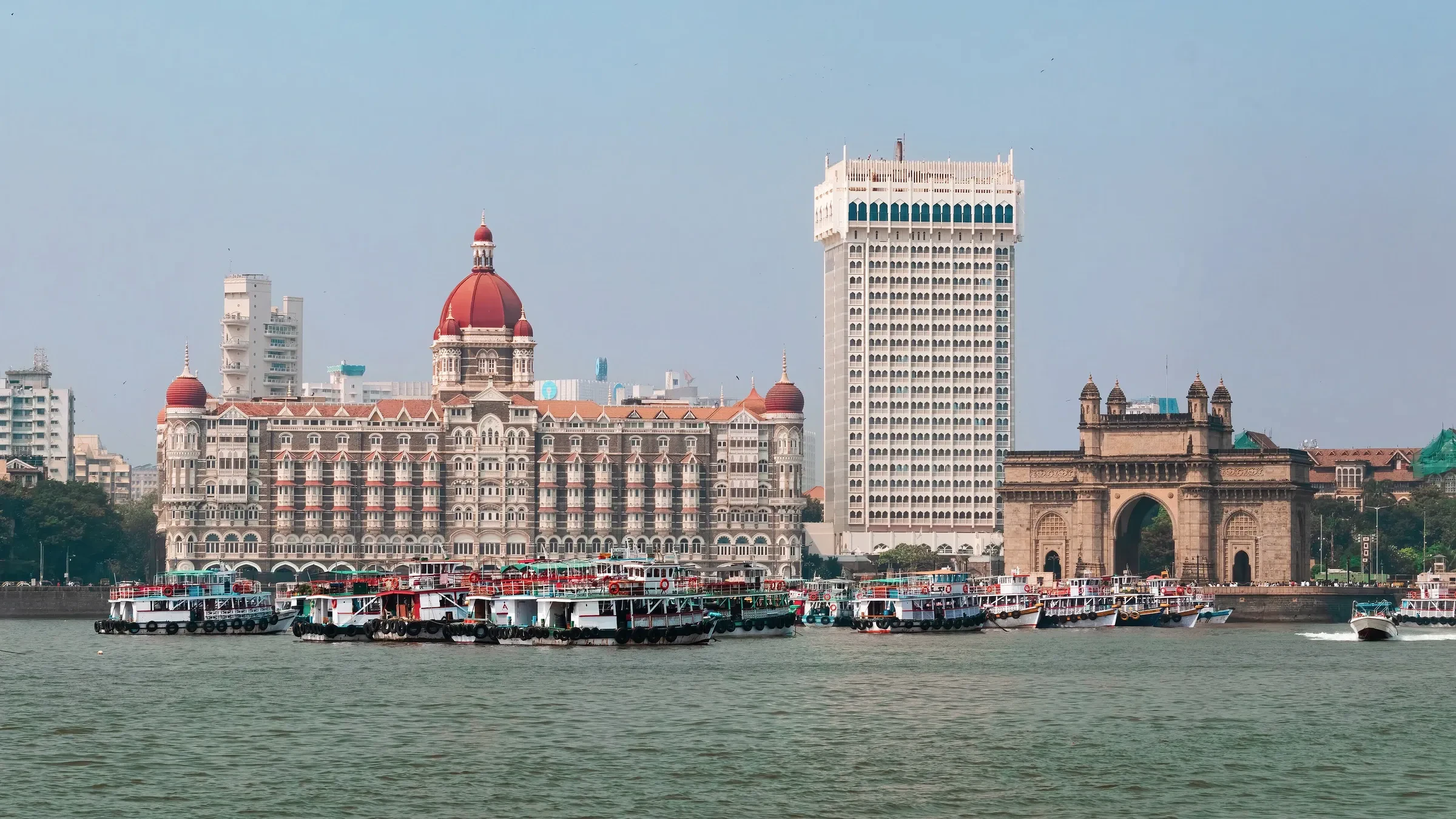
Who it suits: most travellers pass through rather than base themselves here, on the way to Goa or the Andaman Islands. How long: 1 to 2 days for the highlights, 3 to add Elephanta Caves. Best months: November to February. Full guide: Mumbai travel guide
Ajanta and Ellora
Who it suits: cave-art and history enthusiasts, reached from Mumbai by flight or train via Chhatrapati Sambhajinagar (Aurangabad). How long: 2 to 3 days at the caves, plus a travel day either side. Best months: November to February. Full guide: Ajanta and Ellora guide
South: Kerala, Kochi, Varkala, Hampi, Tamil Nadu and Pondicherry
The south trades North India's forts and deserts for backwaters, tea hills, beaches and temple towns, and makes a gentler, slower-paced introduction to the country.
Kerala
Who it suits: slow travel, food and nature: Kochi's old quarter, Munnar's tea hills, an Alleppey houseboat and Varkala's cliff. How long: 1 week or 10 days. Best months: November to January, with some rain possible in November. Munnar's Eravikulam National Park closes for the tahr calving season in February and March (1 February to 31 March in 2026). Full guides: Kerala travel guide, Kerala itinerary and Kerala food guide
Kochi
Who it suits: a gentler, more walkable introduction to India than Delhi or Mumbai, and the usual entry and exit point for a Kerala trip. How long: half a day at minimum, a full day with a Kathakali show. Best months: November to February. Full guide: Kochi guide
Varkala
Who it suits: clifftop cafes, a swim (season allowing) and a slow few days rather than a packed sightseeing list. How long: 2 to 3 days. Best months: November to February; avoid swimming June to September. Full guide: Varkala guide
Hampi
Who it suits: ruins and boulder-climbing, usually as a 2 to 3 day add-on to a Goa and Gokarna trip or a longer south India route. How long: 2 to 3 days. Best months: November to February. Where to base: Hampi village, or Sanapur and Anegondi on the north bank. The guesthouses on Virupapur Gaddi, the former "hippie island", were ordered demolished and most of the popular ones are closed. See hostels in India. Full guide: Hampi guide
Tamil Nadu (and Pondicherry)
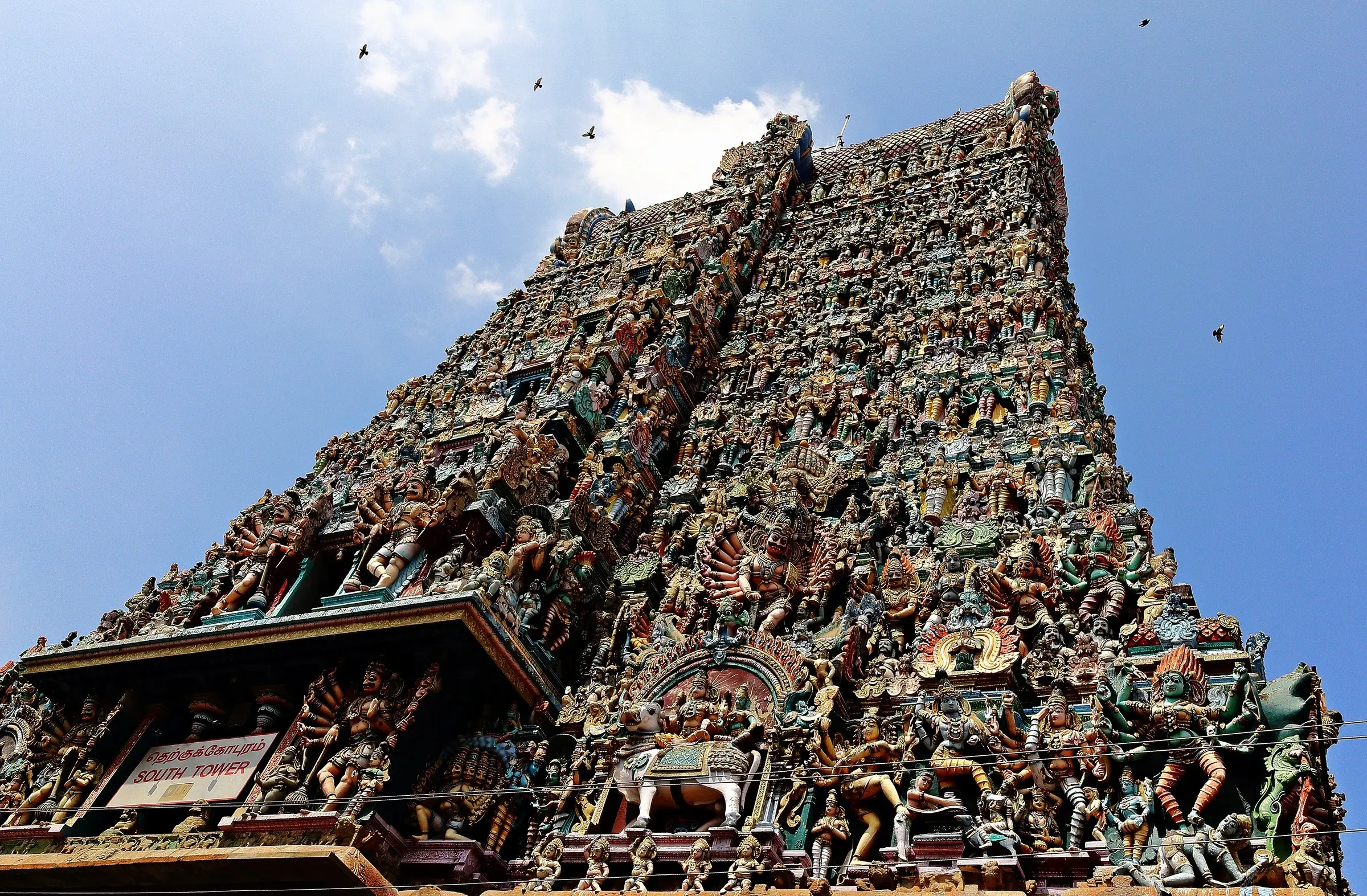
Who it suits: temple architecture and history over beaches, and travellers happy moving base every day or two. How long: 1 week or 10 days. Best months: December to February. Check first: camera phones are barred inside Madurai's Meenakshi Amman Temple and Chennai's Kapaleeshwarar Temple from 1 September 2026. You leave your phone at a deposit counter (₹5). Full guides: Tamil Nadu and Pondicherry itinerary and Pondicherry guide
East and Northeast: Kolkata, Assam, Meghalaya and Arunachal Pradesh
The east and northeast see far fewer international visitors than the rest of India: street art, wildlife and hill culture that most first trips skip entirely.
Kolkata
Who it suits: street art, architecture and one of India's most sociable big festivals to do solo, best timed around Durga Puja. How long: 2 to 3 evenings for serious pandal hopping during the festival's 5 main days. Best months: October, for Durga Puja itself. Full guide: Durga Puja in Kolkata
Assam
Who it suits: wildlife travellers after the one-horned rhinoceros at Kaziranga National Park, plus tea country and river life on the Brahmaputra. How long: 1 week. Best months: November to April. Kaziranga closes for the monsoon from late May (29 May in 2026) and reopened on 3 October for the 2026 to 2027 season. Full guide: Assam itinerary
Meghalaya
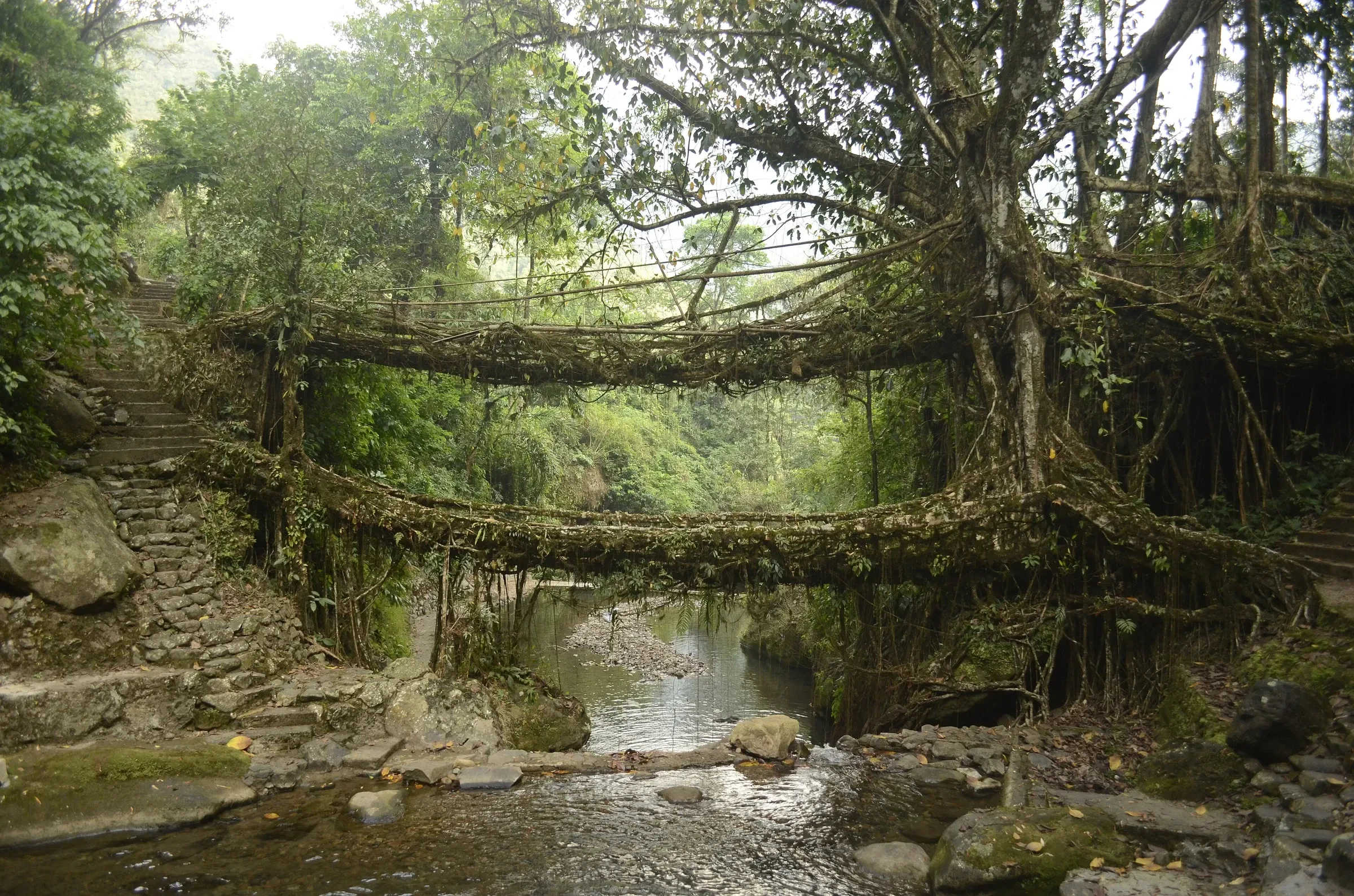
Who it suits: a cooler, matrilineal Khasi and Jaintia culture, waterfalls and karst hills, with the Nongriat living root bridge trek as the trip's centrepiece. How long: 1 week or 10 days. Best months: October to April, and Meghalaya Tourism lists October to March for the Nongriat trek. Check first: foreigners don't need an Inner Line Permit or Protected Area Permit for Meghalaya at present, though a visitor-registration system has been announced. The Umngot river at Dawki turned muddy in October 2025 after road-widening works upstream, so ask your driver whether it has cleared. Full guide: Meghalaya itinerary
Arunachal Pradesh (Ziro Valley)
Who it suits: music-festival travellers after an off-the-radar valley, and happy to deal with Inner Line and Protected Area permits. How long: 4 days on the ground for Ziro Festival, plus 4 to 6 days of travel either side. Best months: late September, when the festival runs. Full guide: Ziro Festival guide
Choose by interest
| Interest | Best places | Where to start |
|---|---|---|
| Beaches | Goa, Gokarna, Varkala | Goa, Gokarna, Varkala |
| Mountains | Ladakh, Spiti, Himachal Pradesh, Sikkim | Ladakh, Spiti, Himachal Pradesh |
| Culture and history | Rajasthan, Varanasi, Hampi, Tamil Nadu | Rajasthan, Varanasi, Hampi |
| Food | Delhi, Rajasthan, Goa, Kerala | Delhi street food, Rajasthani food, Goan food, Kerala food |
| Festivals | Holi (Rajasthan), Durga Puja (Kolkata), Diwali | Festivals calendar, Holi guide, Durga Puja |
| Wildlife | Assam (rhinos), Rajasthan (Ranthambore's tigers) | Assam itinerary, Rajasthan guide |
| Nightlife | North Goa | Goa guide |
| Spiritual | Varanasi, Rishikesh, Amritsar | Varanasi, Rishikesh, Amritsar |
Choose by month
For a full month-by-month breakdown across every region, see best time to visit India; for what's actually on the ground, see festivals in India.
Route guides and how long to plan
Once you've picked a region or two, these route guides set out a day-by-day plan: Golden Triangle, Rajasthan, Kerala, Goa and Gokarna, Himachal Pradesh, Ladakh, Spiti Valley, Uttarakhand, Sikkim and Darjeeling, Gujarat and Kutch, Tamil Nadu and Pondicherry, Assam and Meghalaya. For lengths that cross regions, start with our India itinerary hub, covering 1 week to 1 month.
Prefer to travel with a group?
If planning a route on your own feels like too much, our India trips are small group departures that cover many of these regions with a Trip Host and licensed local guides handling the logistics.


