
What makes Varanasi special
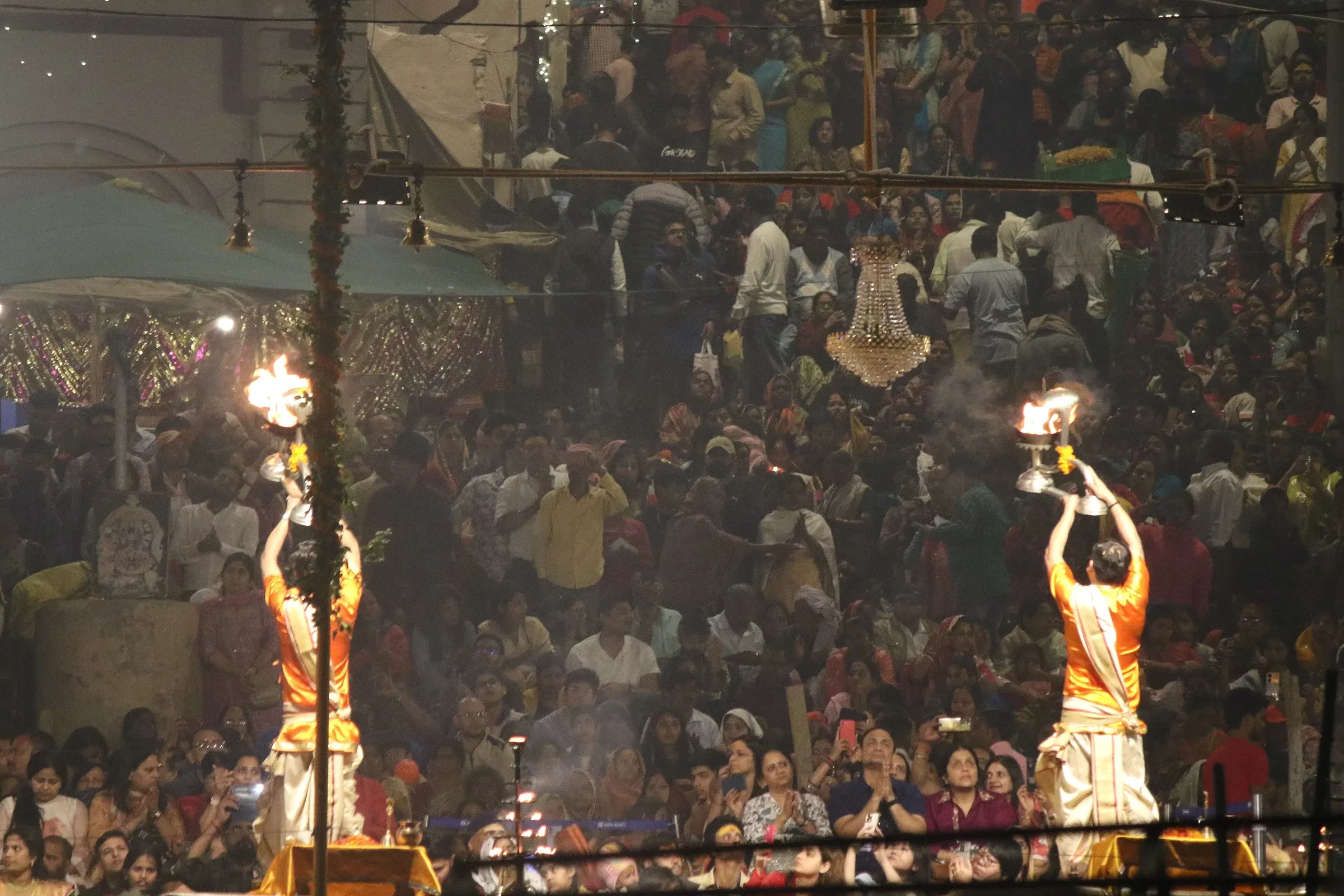
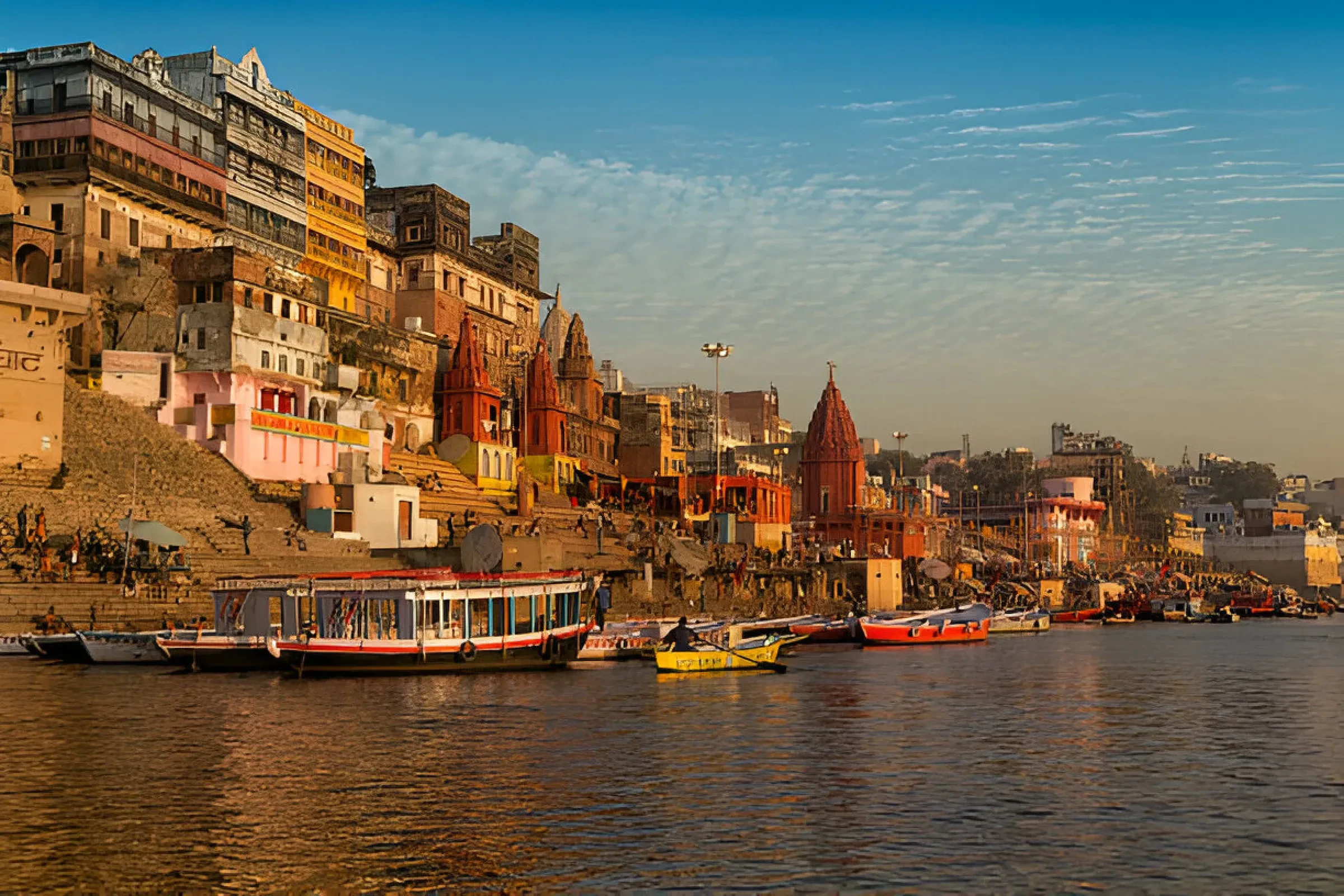
Varanasi is one of the world's oldest continuously inhabited cities, and its history isn't tucked away in museums, it plays out on the river every day. Pilgrims bathe at sunrise, cremations burn around the clock on open ghats, priests run through a fire ceremony each evening, and behind it all sits a tangle of alleys too narrow for cars. Photographers, spiritually curious travellers and anyone after "intense India" without a multi-week trip tend to love it. First-timers wanting a gentler introduction to the country sometimes find it a lot to take in, and that's a fair reaction, not a wrong one. Either way, a short and honest heads-up matters more here than a highlight reel: the cremation ghats are a normal, respectfully observed part of daily riverfront life, not a show staged for visitors, and this guide flags where to watch from a respectful distance and where photography is simply off the table.
Where to go within Varanasi
Dashashwamedh Ghat
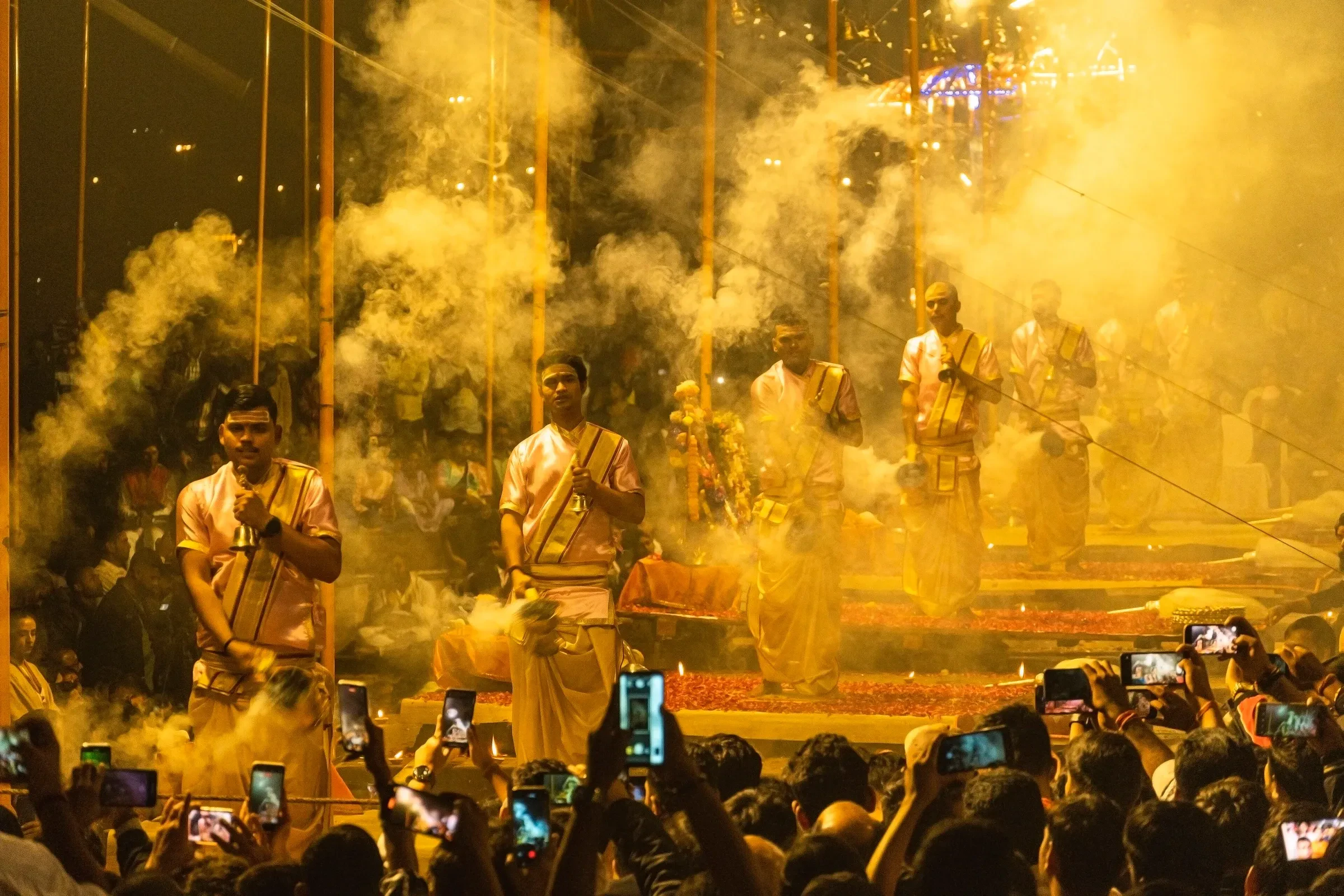
The busiest, most central ghat, and the stage for the nightly Ganga aarti. Worth visiting twice if you have time: once in the evening for the ceremony, once the next morning when the same steps are quiet and full of people bathing rather than watching.
The old city's ghats and alleys
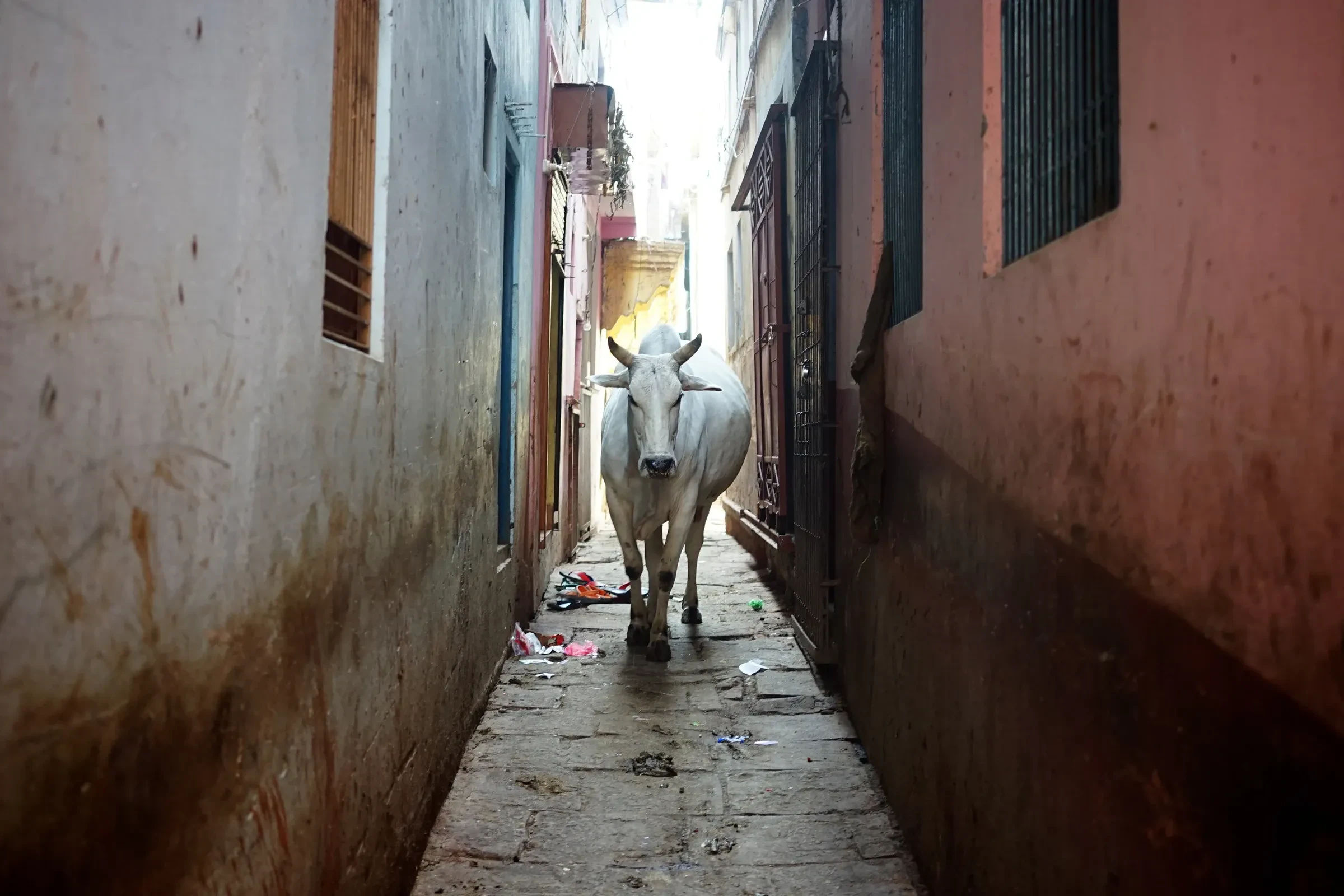
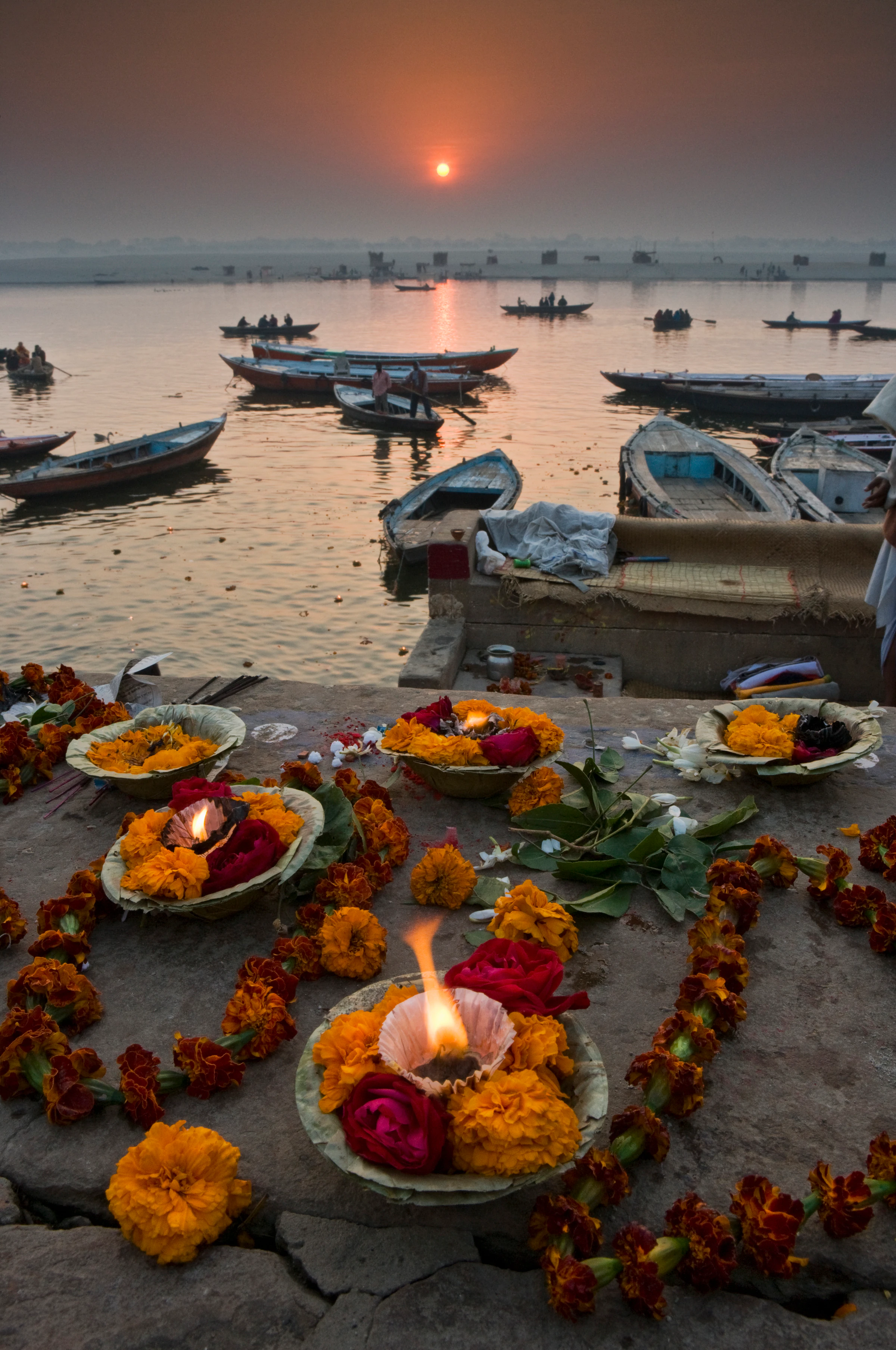
Varanasi has more than 80 ghats strung along the river (84 by the traditional count), and wandering between them, on foot or by boat, is the main event here rather than a warm-up for one. Behind the ghats, the old city's lanes (locally, "galis") are barely wide enough for two people and a cow to pass, lined with temples, silk shops and tea stalls. Allow at least half a day to get properly lost in them.
Kashi Vishwanath Temple
One of the twelve Jyotirlinga shrines sacred to Shiva, and the spiritual centre of the city. See the temple itself, then walk the Kashi Vishwanath Corridor, the wide modern walkway that links it to the river at Lalita and Manikarnika ghats. Foreign visitors get their darshan ticket through a helpdesk, and phones aren't allowed inside; see the access section below.
Manikarnika and Harishchandra ghats
Manikarnika is Varanasi's main cremation ghat, where the fires are said never to go out; Harishchandra, further south, is the other. Both are working cremation grounds, not tourist sites, and it's normal to walk past and observe respectfully from a distance or from a boat. Photography is not allowed at either; read the cremation ghat etiquette below before you go near them.
Sarnath
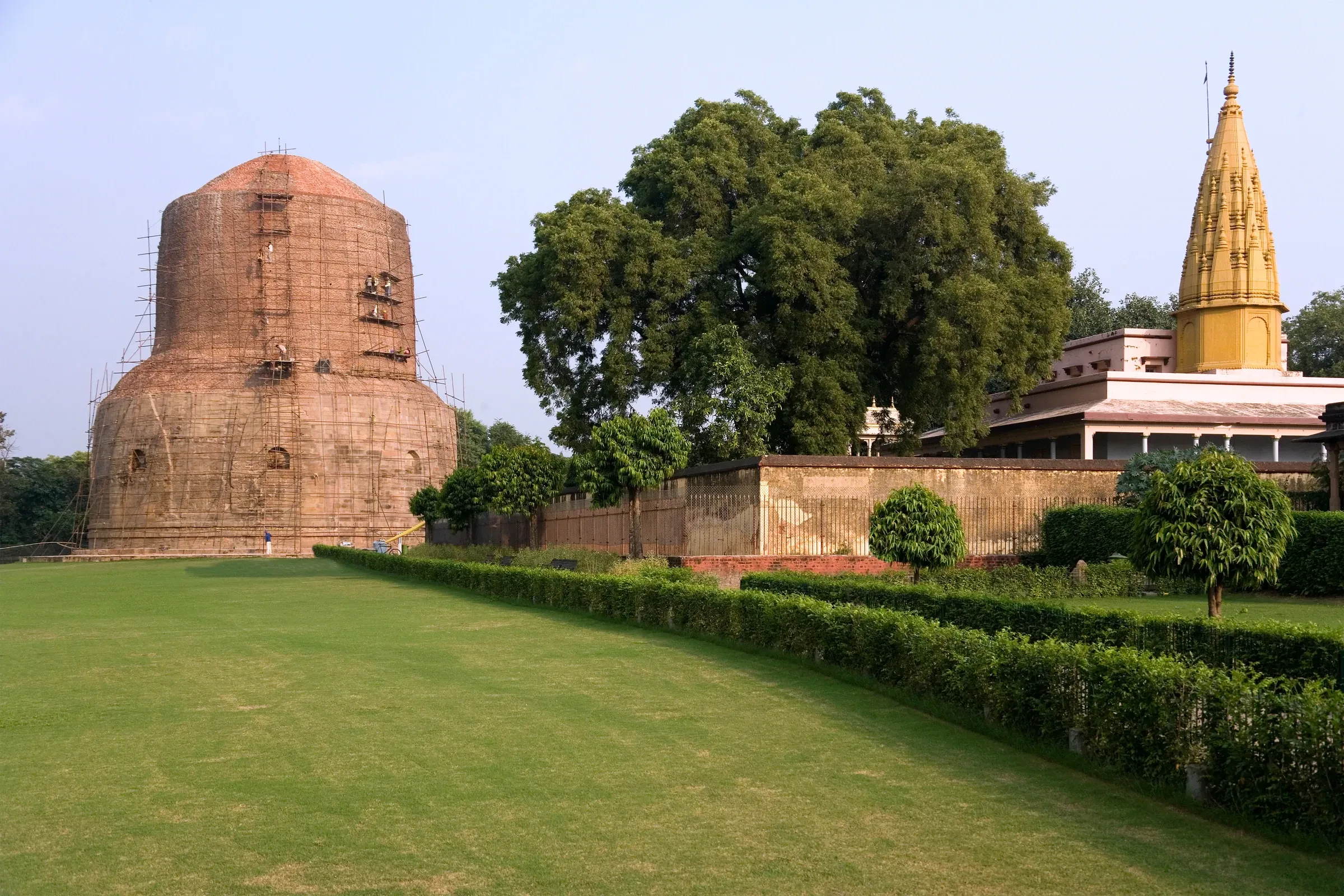
About 10 km north of the centre, roughly 30 minutes by auto-rickshaw, Sarnath is where the Buddha is said to have given his first sermon after enlightenment. It's a complete change of pace from the ghats: quiet lawns, the Dhamek Stupa, and an archaeological museum. UNESCO added the Ancient Buddhist Site of Sarnath to the World Heritage List on 25 July 2026. Half a day is enough. The museum is closed every Friday. Foreign visitors pay an Archaeological Survey of India ticket for the site, and 2026 listings quote different amounts, so ask at the counter.
Things to do
- Watch the Ganga aarti at Dashashwamedh Ghat. Seven priests perform a synchronised fire ceremony with brass lamps as the sun goes down, watched from the ghat steps (free) or from a boat moored just offshore (paid, and the better view when the steps are packed). Listings for 2026 put it at about 5:45pm from October to March and about 6:45pm from April to September, lasting around 45 minutes; it follows sunset, so check the time on the day.
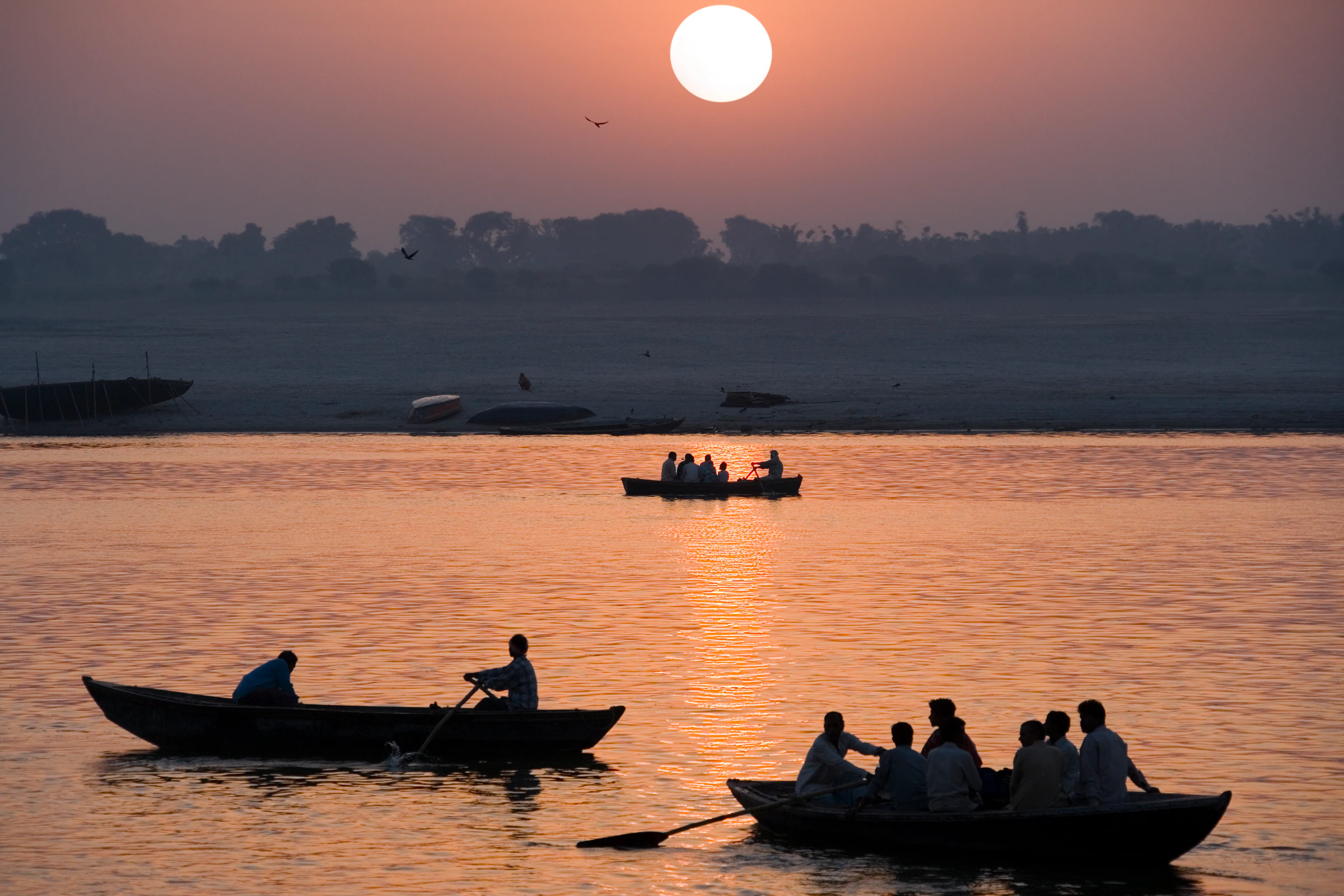
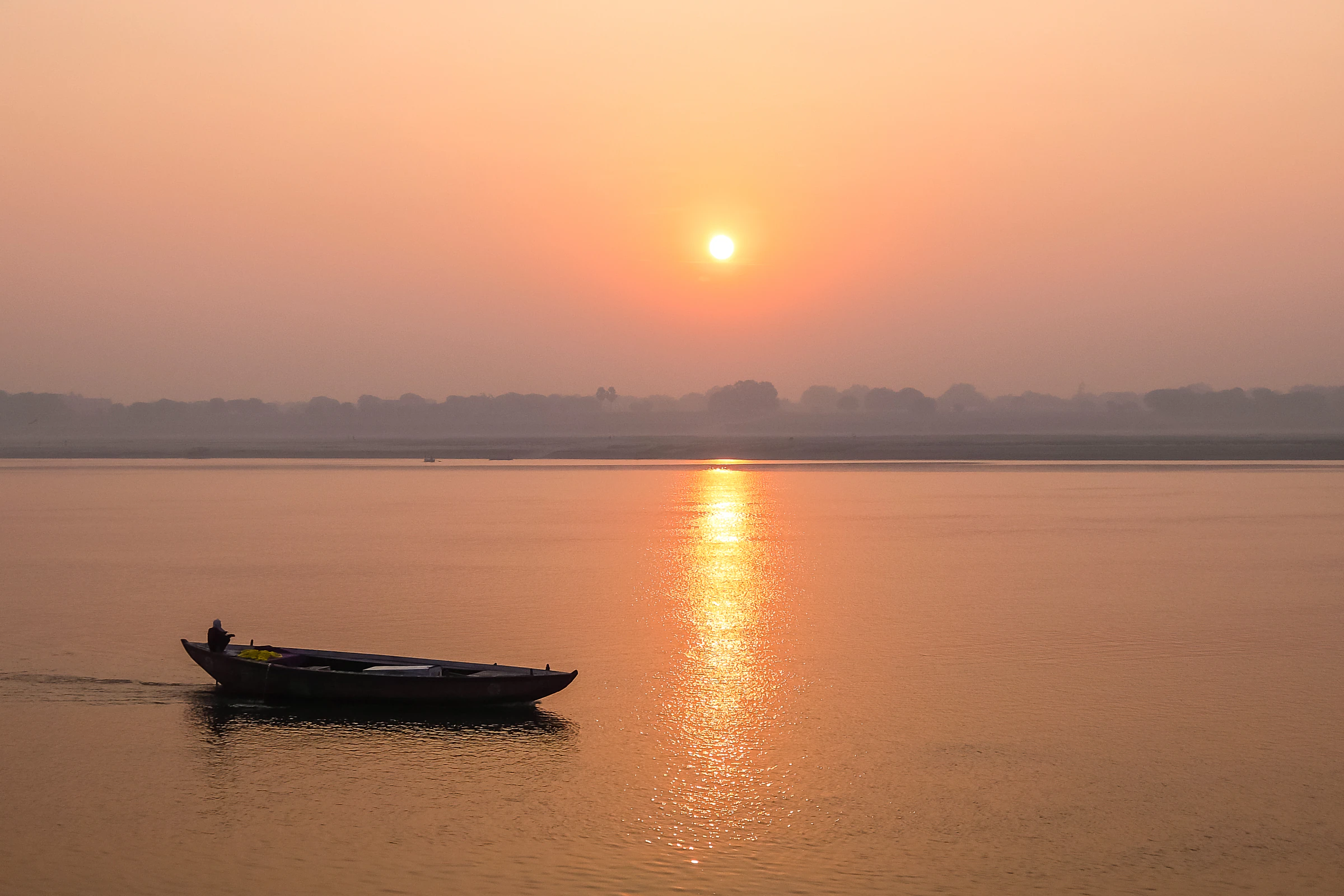
- Take a sunrise boat ride. The single most-recommended thing to do in Varanasi: a rowing boat past the ghats as the light comes up and the city starts its day. Book the evening before through your guesthouse or a boatman on the ghats, and agree the price first. The district administration has made life jackets mandatory on the boats, so expect to be asked to wear one.
- Walk the old city's alleys, ideally with a local guide the first time. The lanes follow no obvious logic, and phone signal inside them is patchy.
- Browse Varanasi's silk shops. The city is India's centre for Banarasi silk saris, hand-woven on pit looms in the old city; a few workshops let you watch weavers at work even if you're not buying.
- Visit Sarnath's Dhamek Stupa and museum for the Buddhist counterpoint to the Hindu riverfront.
What to eat
Start the day with kachori sabzi, a fried lentil-stuffed kachori served with spiced potato curry, sold at breakfast stalls all over the old city. Try a Banarasi thali for a fuller sit-down meal, and treat yourself to Banarasi paan (betel leaf folded around areca nut and spices) as an after-dinner experience rather than a habit to pick up. In winter, roughly November to February, look for malaiyo, a whipped, saffron-dusted milk foam sold only in the cooler months. Blue Lassi Shop, a small, long-standing stall near Manikarnika Ghat, is well known for its thick fruit lassi served in clay cups.
Best time to visit
October to March is the window, as for the rest of the north Indian plains: cooler mornings for the boat ride, clear evenings for the aarti. April to June turns brutally hot and humid this close to the river. July to September brings the monsoon, when the Ganges can rise several metres and submerge the lower ghat steps, changing how the city feels. When the river nears its danger mark, the district administration bans boats altogether. It did so on 22 August 2026, as reported by IANS. Check the river level before you plan around it, and don't count on a boat ride in those months. If your dates line up, Dev Deepawali (Kartik Purnima, 24 November 2026) lights the ghats with over a million lamps and is worth planning around; see the Dev Deepawali guide for how to see it.
How to spend your time in Varanasi
Day one: arrive and settle in near the ghats. Spend the afternoon getting your bearings on foot, then head to Dashashwamedh Ghat before sunset for the Ganga aarti. Kachori sabzi is an easy first breakfast; a thali works well for dinner.
Day two: set an early alarm for a sunrise boat ride past the ghats, arranged the evening before. Late morning, visit Kashi Vishwanath Temple and let a walk through the old city's alleys fill the rest of the morning. In the afternoon, head out to Sarnath for the Dhamek Stupa and the archaeological museum. In the evening, either watch a second aarti from a different spot or take a quieter walk along the ghats away from the crowds.
Day three, if you have it: a slower morning revisiting whichever ghat you liked best at a quiet hour, then browse the old city's silk shops before you leave. This is also the natural point to start a Bodh Gaya extension if you're continuing that way: it's about 250 km and 5 to 6 hours by road, with no fast rail link, so treat it as its own 2-day add-on rather than a day trip.
Getting there and around
The fastest way in from Delhi is the Vande Bharat Express 22436, which leaves New Delhi at 06:00 and reaches Varanasi Junction at 14:00, about 8 hours, stopping at Kanpur and Prayagraj on the way. Railway sites list it as not running on Thursdays (one lists it daily), so check IRCTC for your date. From Agra, the Agra Cantt to Banaras Vande Bharat 20176 leaves Agra Cantt at 06:00 and reaches Banaras at 13:00; check the days it runs when you book. Going the other way, the overnight Marudhar Express 14853 leaves Varanasi at 17:10 and reaches Agra Fort at 06:35, but it only runs on Mondays, Wednesdays and Saturdays. Varanasi also has its own airport, Lal Bahadur Shastri Airport (Babatpur), with direct flights to Delhi, Mumbai and other hubs; the Delhi flight takes under 2 hours.
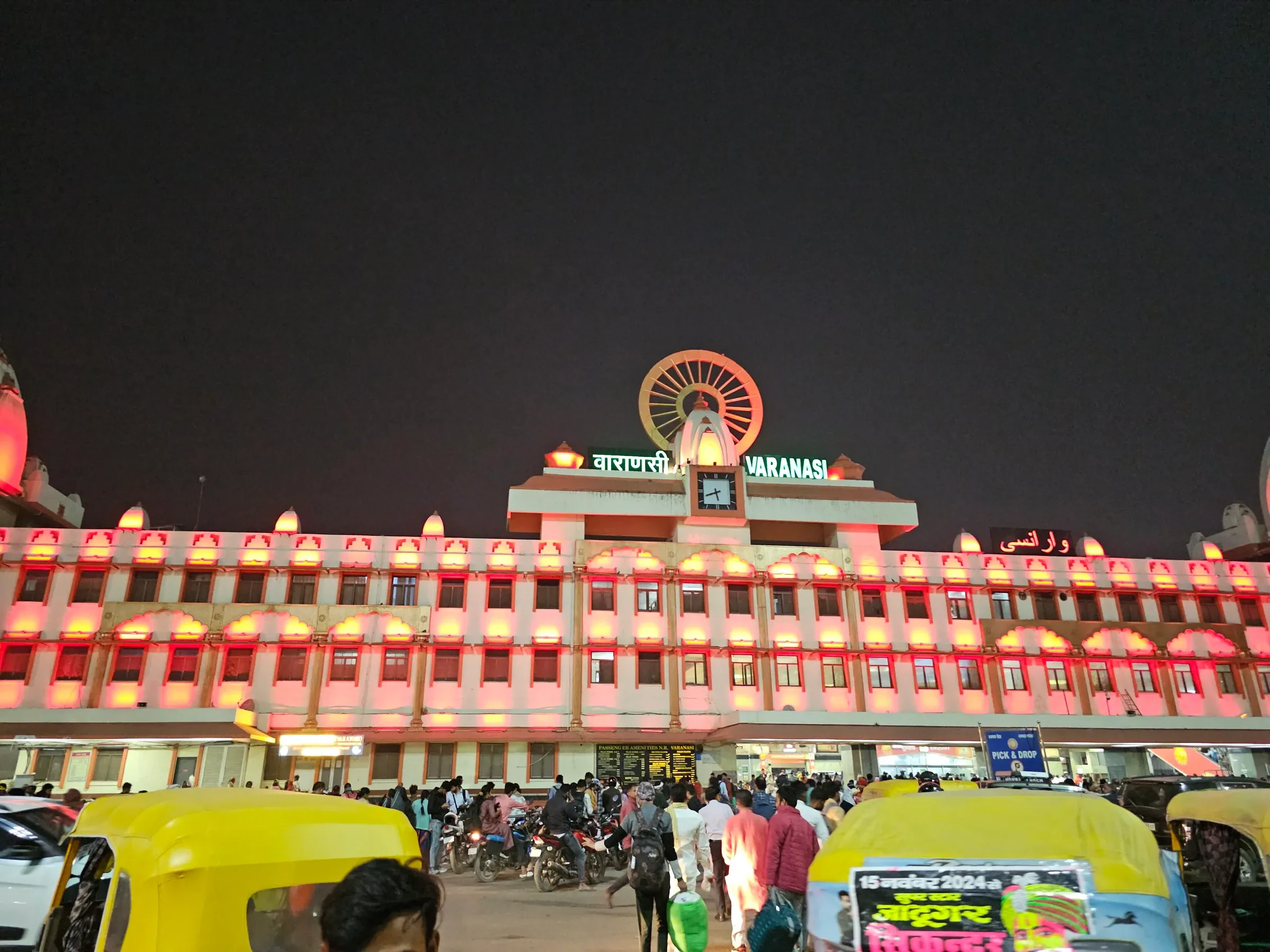
Within the city, the ghats and old city are walkable, but the lanes are too narrow for cars, so you'll rely on a mix of walking, cycle rickshaws and e-rickshaws for anything further, plus a boat for the river itself. Sarnath is a short auto-rickshaw ride from the centre.
Kashi Vishwanath Temple: access for foreign visitors
The temple's own site says foreign visitors with a valid passport get a darshan ticket from the foreigners' helpdesk near Shapuri Mall, not at the gate. Bring your original passport plus photocopies of your passport and visa; the ticket was ₹600 when we checked, and the helpdesk number is on shrikashivishwanath.org. Mobile phones and other electronics aren't allowed inside, and bags are restricted too, so leave them at your hotel if you can. The temple also sells an online Sugam Darshan (queue-less) ticket, listed at ₹250; ask the helpdesk whether it's open to foreign visitors. Queues vary enormously: short on a quiet weekday morning, several hours on a Monday in Shravan or around a major festival.
Cremation ghat etiquette
Manikarnika and Harishchandra are working cremation grounds, and it's normal to walk past them as part of a ghat walk. Never photograph or film the cremations, don't touch a body or a pyre, and keep a respectful distance and a quiet voice rather than treating it as a sightseeing stop. Touts at Manikarnika often offer to take you to a rooftop to watch and then ask for a "wood donation", usually in dollars. You're under no obligation to follow or pay; it isn't an official fee, so the simplest thing is to decline politely and keep walking.
Bhang
Licensed bhang shops operate in Varanasi, selling a cannabis-leaf preparation as lassi and thandai. Under the NDPS Act, charas (resin) and ganja (flowering tops) are banned, and possession carries heavy penalties. Bhang is strong and slow to take effect, which makes it easy to overdo. We'd skip it, and never accept it from a stranger.
Staying safe as a woman
Official advice on India is more cautious than for most of Southeast Asia. The UK's FCDO warns of harassment and sexual assault in tourist areas. In Varanasi, dress modestly, avoid isolated stretches of ghat and riverbank at any time of day, agree transport prices in advance and turn down offers from self-styled gurus. Our India safety guide has the full picture.
Gallery
Keep planning
Varanasi is one stop within a longer India route: see the India travel guide for how it fits into the bigger picture, the Golden Triangle itinerary for its most common 10-day pairing with Delhi, Agra and Jaipur, the 10-day India itinerary and 2-week India itinerary for two ways to build Varanasi into a full trip, and best time to visit India for how Varanasi's season lines up with the rest of the country.


