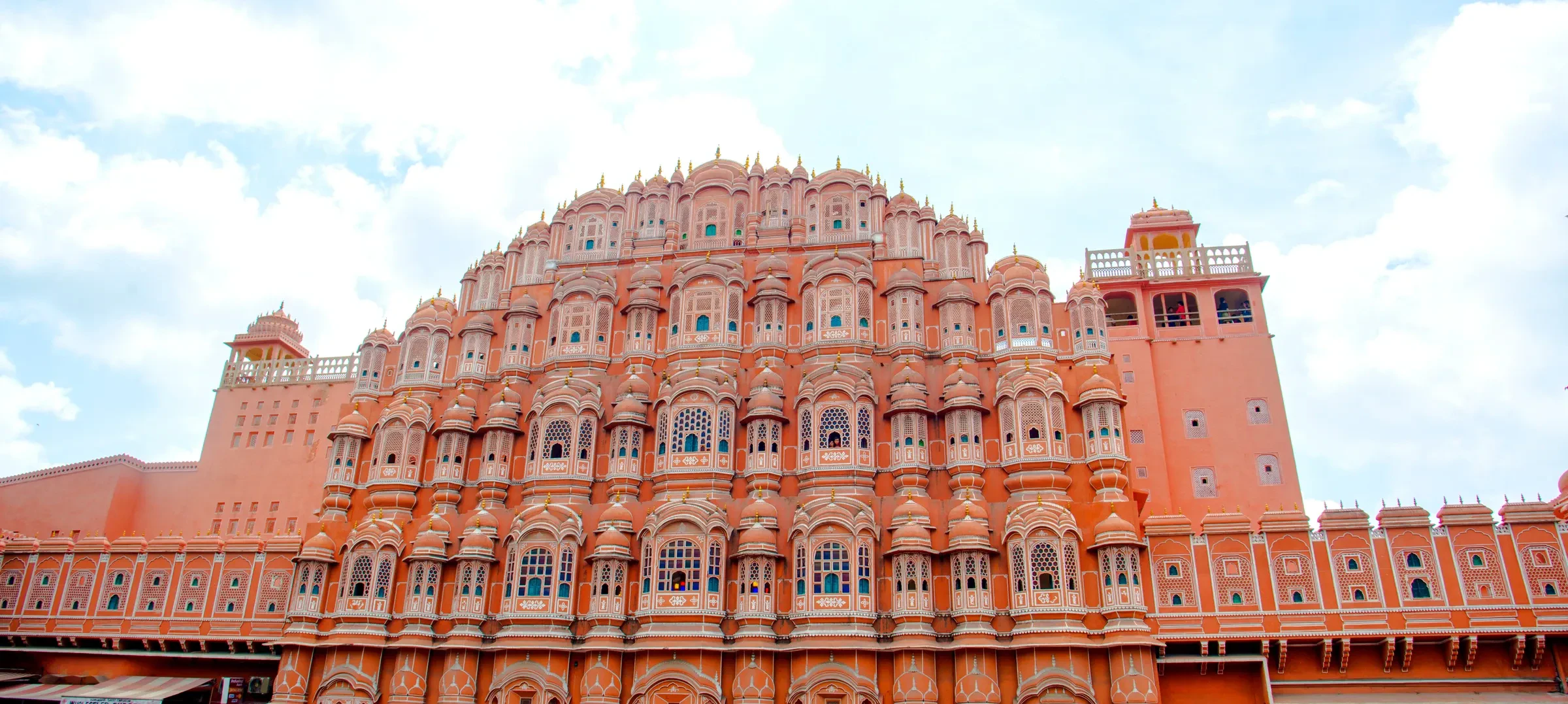
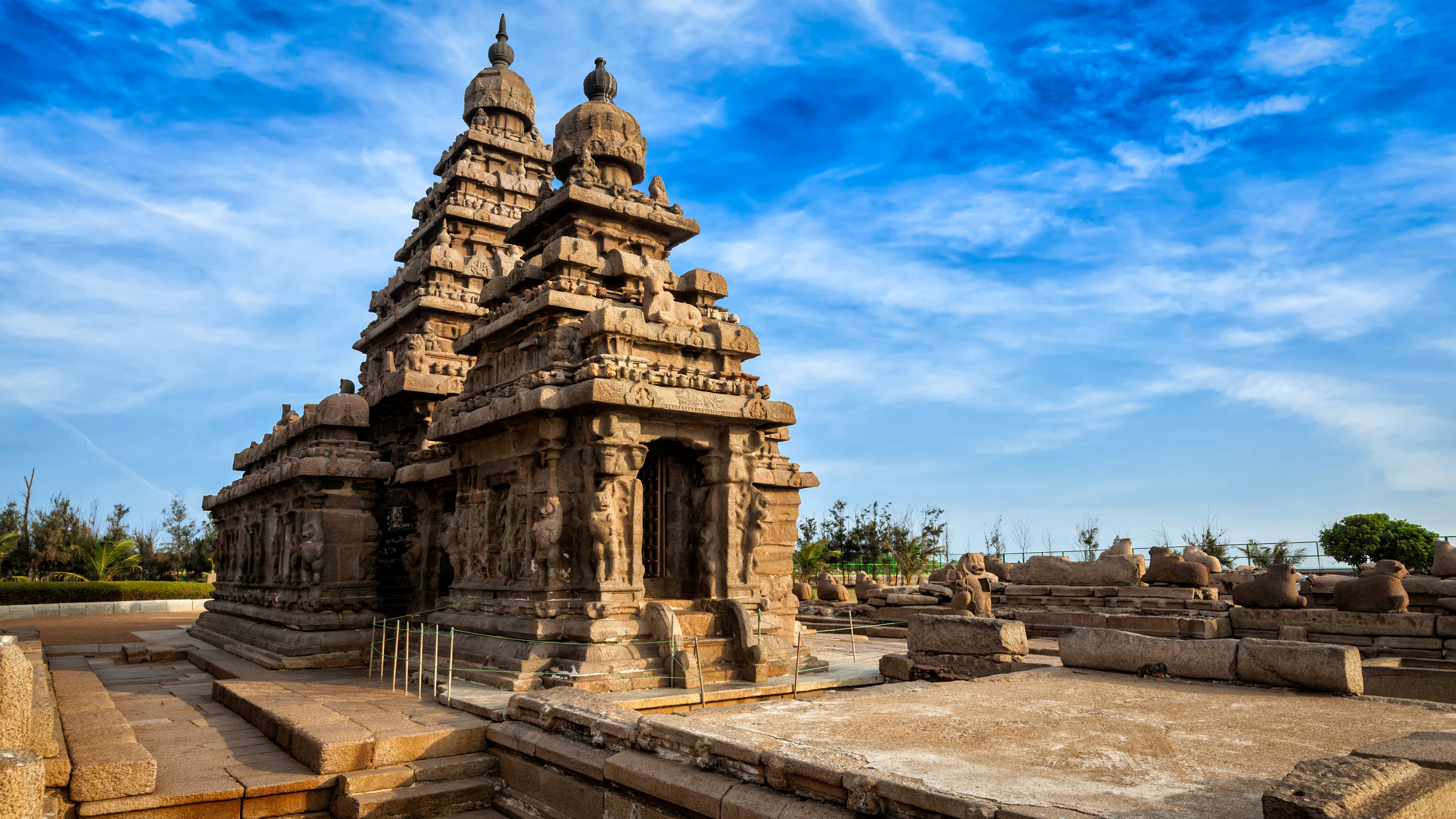
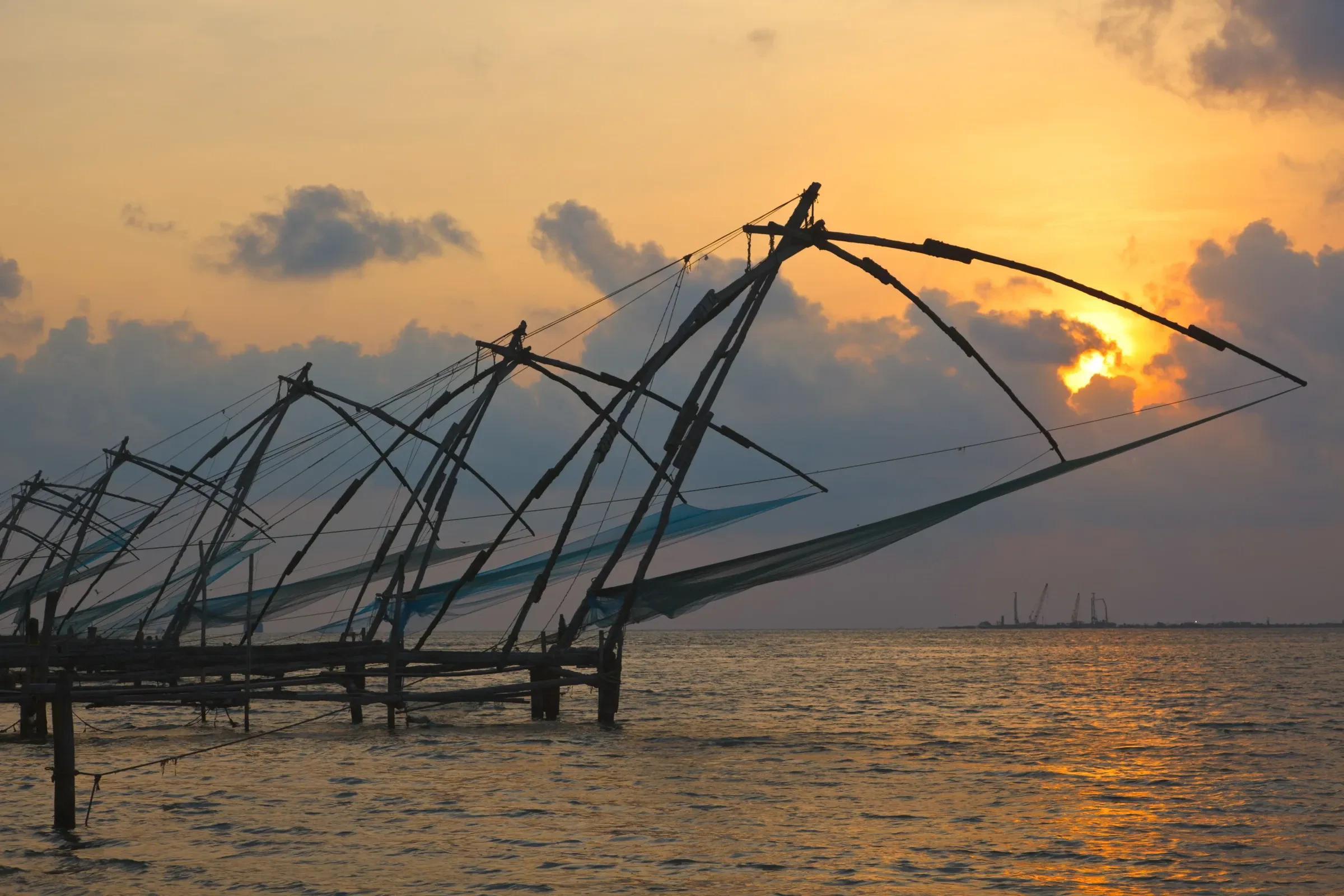
Rajasthan is a common first stop on a first trip to India, and it's easy to see why: pink and blue old cities, forts on hilltops, lakes with palaces floating on them, and camel tracks running out into real desert. The catch is that it's a big state, and the drive between its highlights takes longer than the map suggests. This route strings together the five towns most people come for, in the order that actually works on the ground, and says plainly where a shorter trip has to leave the desert out.
5 stops
- Minibus
- Train
Is this route for you?
This suits first-timers to India and anyone who wants the classic postcard version: forts, palaces, a camel and a lake at sunset, on a well-worn tourist trail with hostels and guesthouses in every town. Plenty of other independent travellers do the same loop. It's a poor fit if you want nightlife and beach time (that's Goa) or proper trekking (see our Himachal Pradesh and Spiti Valley routes instead).
The 1-week version below skips Jaisalmer and its desert camp entirely, to keep the pace to one town every day or two. If a night under the stars in the Thar is the reason you're going, pick the 10-day or 2-week version, both of which add it back in.
Day by day
Amber Fort and a sunset over the Pink City
Jaipur
Getting there fly into Jaipur (JAI), well connected to Delhi, Mumbai and other hubs, or take the train from Delhi, about 4 h 25 min on the Ajmer Shatabdi (06:10 from New Delhi, 10:35 into Jaipur)
- Afternoon
- Amber Fort. Skip the elephant rides up the ramp: World Animal Protection has reported abuse of the elephants used there, and you can walk up instead
- Evening
- Nahargarh Fort for sunset over the whole city, pink walls turning gold
Eat laal maas, a fiery mutton curry, at a Johari Bazaar dhaba; pyaaz kachori from a street stall to snack on along the way
Local tip the Jaipur composite ticket covers Amber Fort, Hawa Mahal, Jantar Mantar, Nahargarh and Albert Hall for two days, and the City Palace is separate. 2026 listings give the foreign-adult price anywhere from ₹1,000 to ₹1,700, so check the counter, and compare it with separate gates if you're seeing only two or three sights
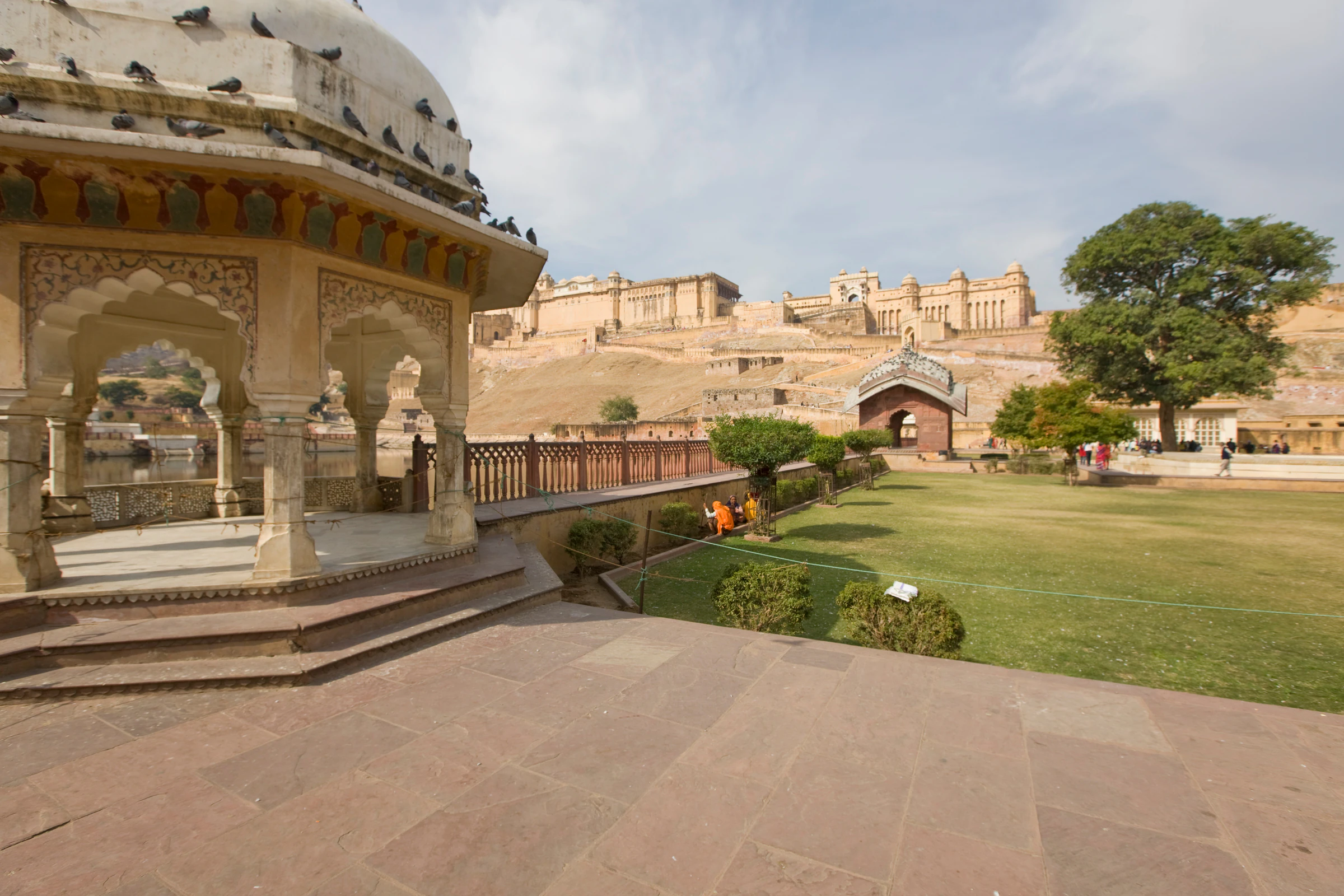
City Palace, then out to the lake
Pushkar
Getting there Jaipur to Pushkar by road, about 2 hours 30 minutes to 3 hours (about 145 km), by bus, shared taxi or private car
- Morning
- City Palace and Jantar Mantar, Jaipur's 18th-century open-air observatory
- Afternoon
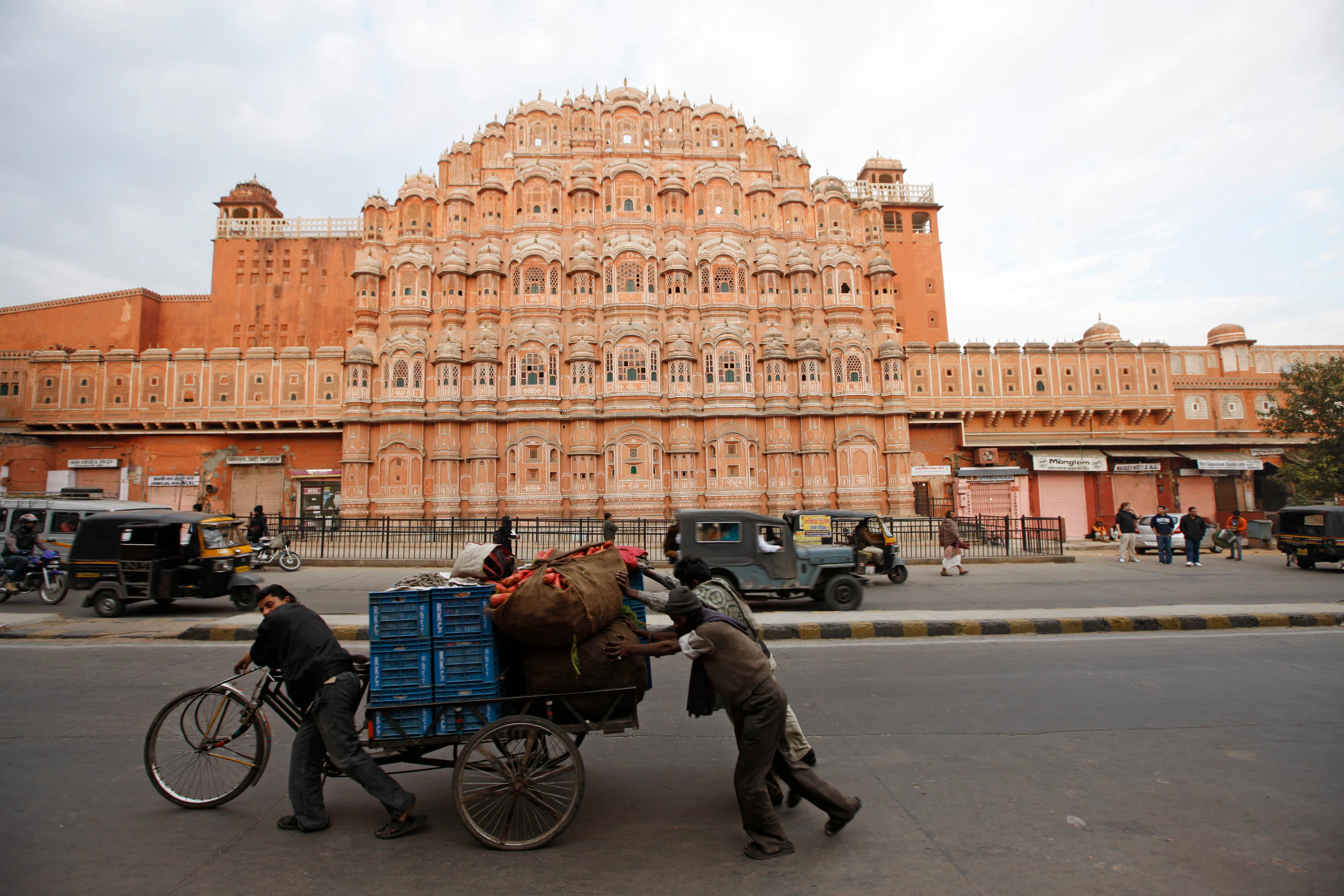
- Hawa Mahal, best photographed from the street below rather than from inside, then a last pass through Bapu and Johari Bazaars before the drive
- Evening
- arrive Pushkar, walk down to the ghats as the light drops
Eat gatte ki sabzi (gram-flour dumplings in curry) before leaving Jaipur; malpua, a sweet pancake, once you're in Pushkar
Local tip Pushkar is a holy town around a sacred lake, and meat, eggs and alcohol aren't sold there, so the food is vegetarian
The ghats and the Brahma Temple
Pushkar
- Morning
- walk the 52 ghats around Pushkar Lake, then the Brahma Temple, one of very few temples in India dedicated to Brahma
- Afternoon
- browse the market, which is calmer and less pushy than Jaipur's
- Evening
- sunset from a lakeside rooftop cafe on the backpacker strip
Eat a full Rajasthani thali; more malpua if the first round didn't cover it
Local tip cover your shoulders and knees near the ghats and temples, and if someone hands you flowers and offers a lake "blessing", a polite no before you take them is the easiest way to avoid a large donation request afterwards
Into the Blue City
Jodhpur
Getting there Pushkar to Jodhpur by road, about 4 to 5 hours (roughly 190 km); there's no useful direct train from Pushkar, so a bus or a private car covers it
- Afternoon
- arrive and walk the blue-painted lanes below Mehrangarh Fort, with no fixed route in mind
- Evening
- rooftop dinner looking up at the floodlit fort
Eat mirchi bada, a stuffed chilli fritter, from a Sardar Market stall
Local tip getting mildly lost in the blue lanes is part of the experience; every uphill alley eventually leads back toward the fort
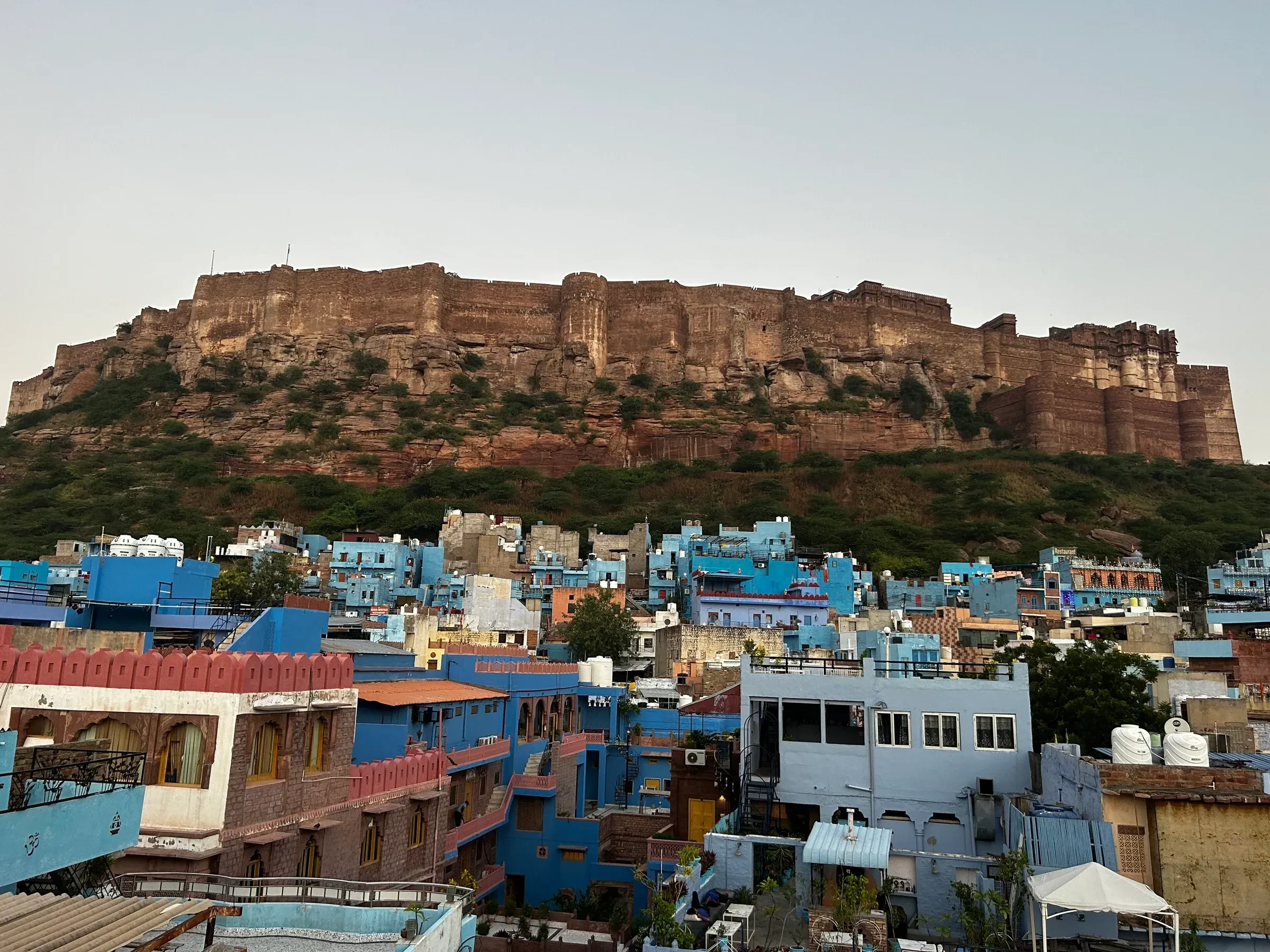
Mehrangarh Fort and the clock tower
Jodhpur
- Morning
- Mehrangarh Fort, the hilltop fort above the Blue City; an audio guide is available (listings say about ₹180 on top of entry)
- Afternoon
- Jaswant Thada, a marble cenotaph a short walk from the fort, then Sardar Market under the clock tower
- Evening
- another rooftop restaurant, this time for the view rather than the food
Eat makhaniya lassi, Jodhpur's thick, saffron-topped version of the drink, and a Jodhpur-style thali
Local tip most 2026 guides list foreign-adult entry to Mehrangarh at about ₹600, though one says ₹800, so check the price at the gate
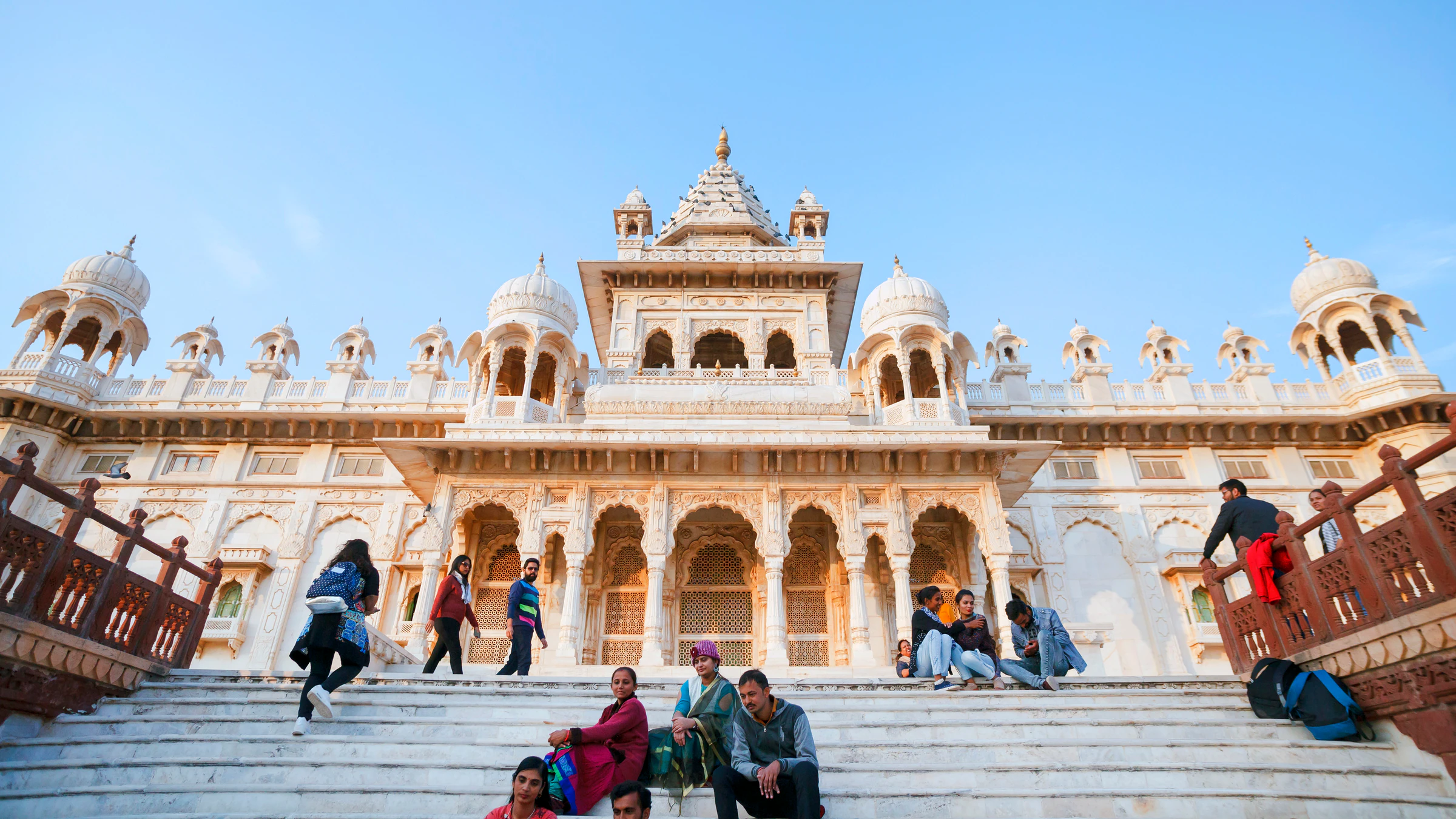
The long transfer south
Udaipur
Getting there Jodhpur to Udaipur by road, about 4 to 5 hours (about 260 km via Ranakpur); there's no direct train, the rail route runs via Ajmer and takes around 12 hours with a change, so almost everyone drives or takes a bus
- Afternoon
- arrive and take a first walk along Lake Pichola
- Evening
- rooftop dinner overlooking the lake, one of Udaipur's real highlights
Eat dal baati churma, Rajasthan's signature dish of baked wheat rolls, lentils and a sweet crumble
Local tip if you have a spare hour, ask your driver to stop at Ranakpur's marble Jain temples on the way; they're roughly on the route and don't cost a full extra day
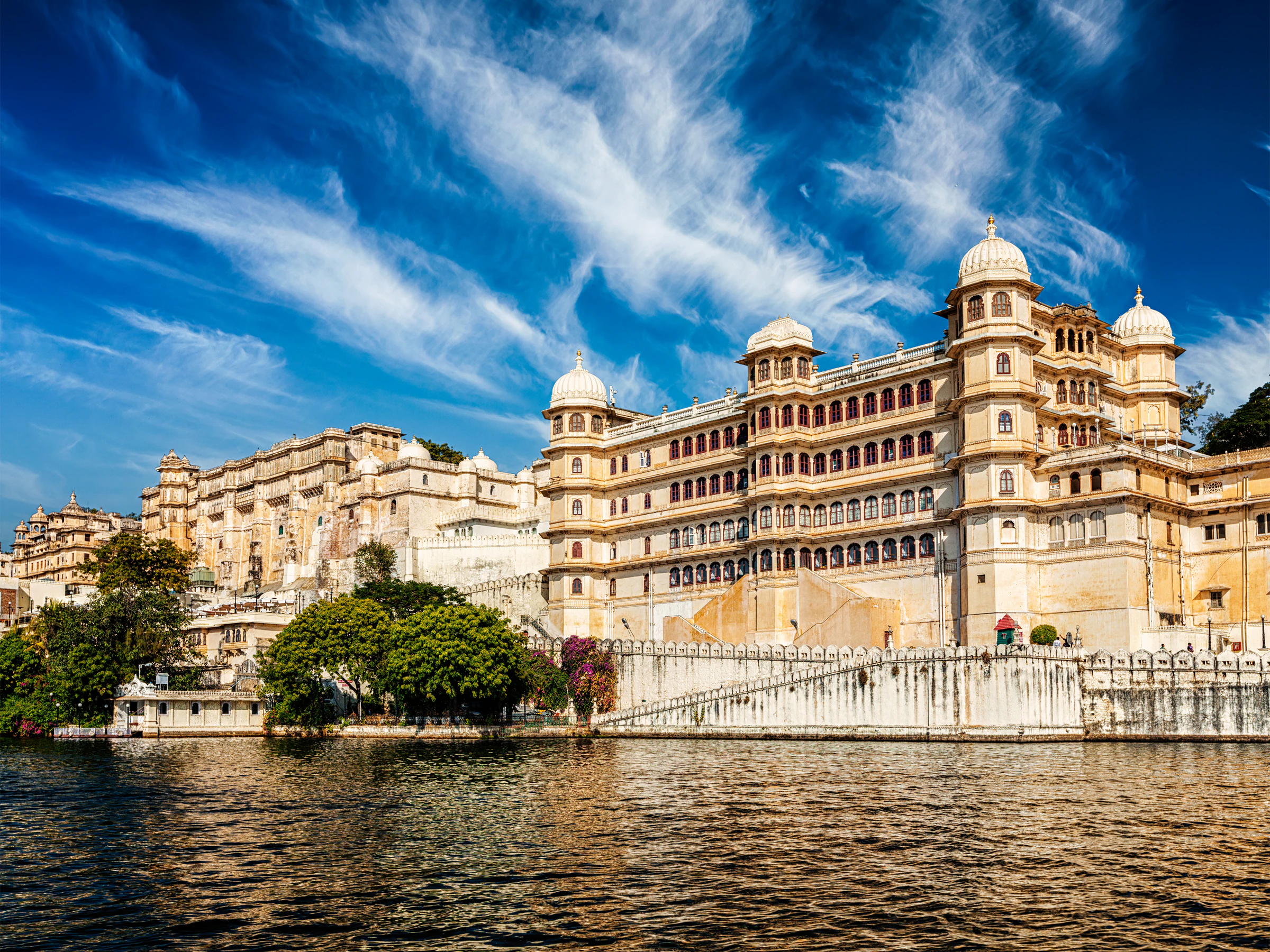
The City Palace and a boat on the lake
Udaipur
- Morning
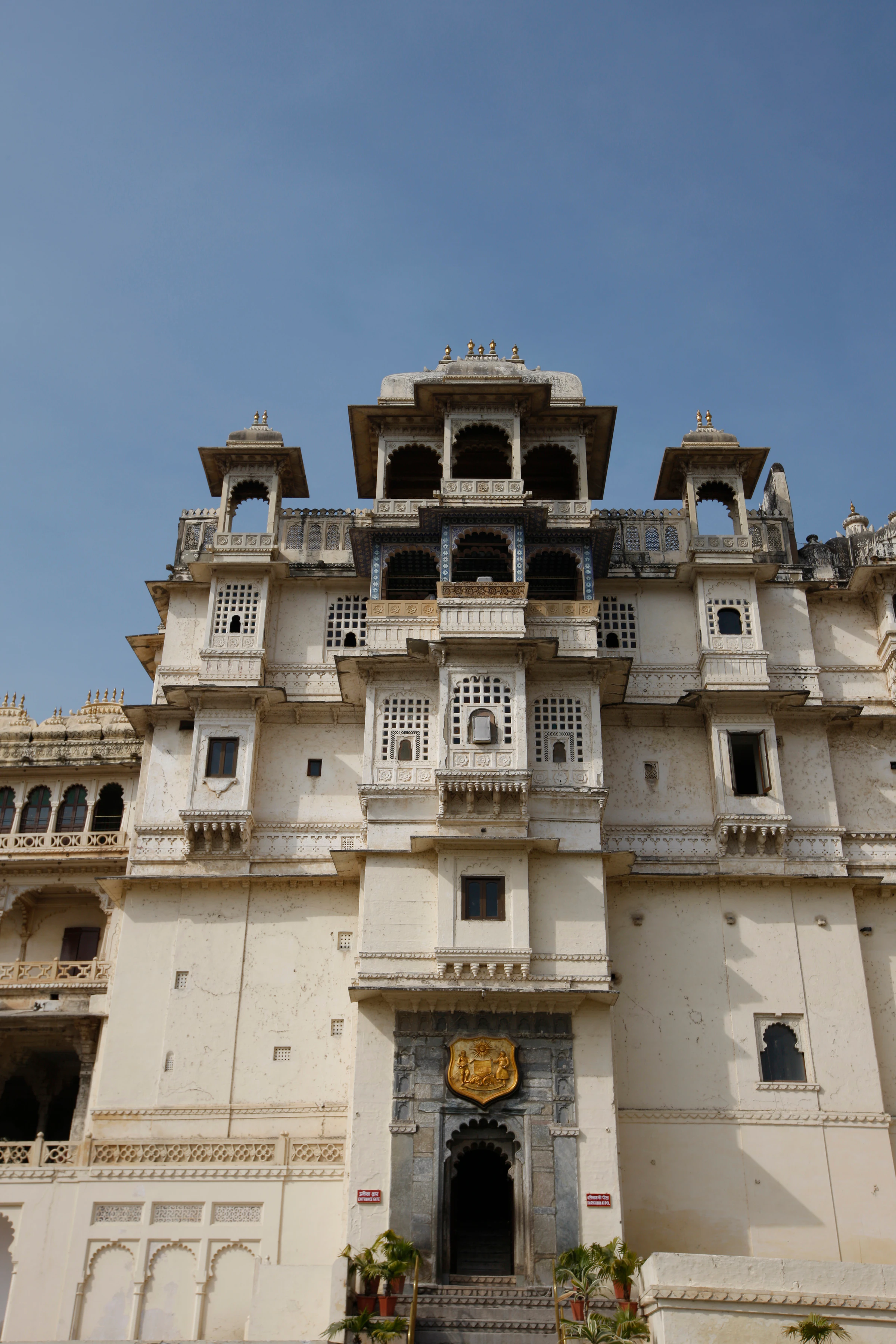
- the City Palace complex on the edge of Lake Pichola
- Afternoon
- a boat ride on Lake Pichola past the Taj Lake Palace and Jagdish Temple
- Evening
- free, or depart
Eat ker sangri, a desert bean-and-caper dish, on your last night
Local tip Udaipur's Maharana Pratap Airport has good connections to Delhi and Mumbai; book an afternoon or evening flight out so the morning on the lake isn't rushed
The 10-day version
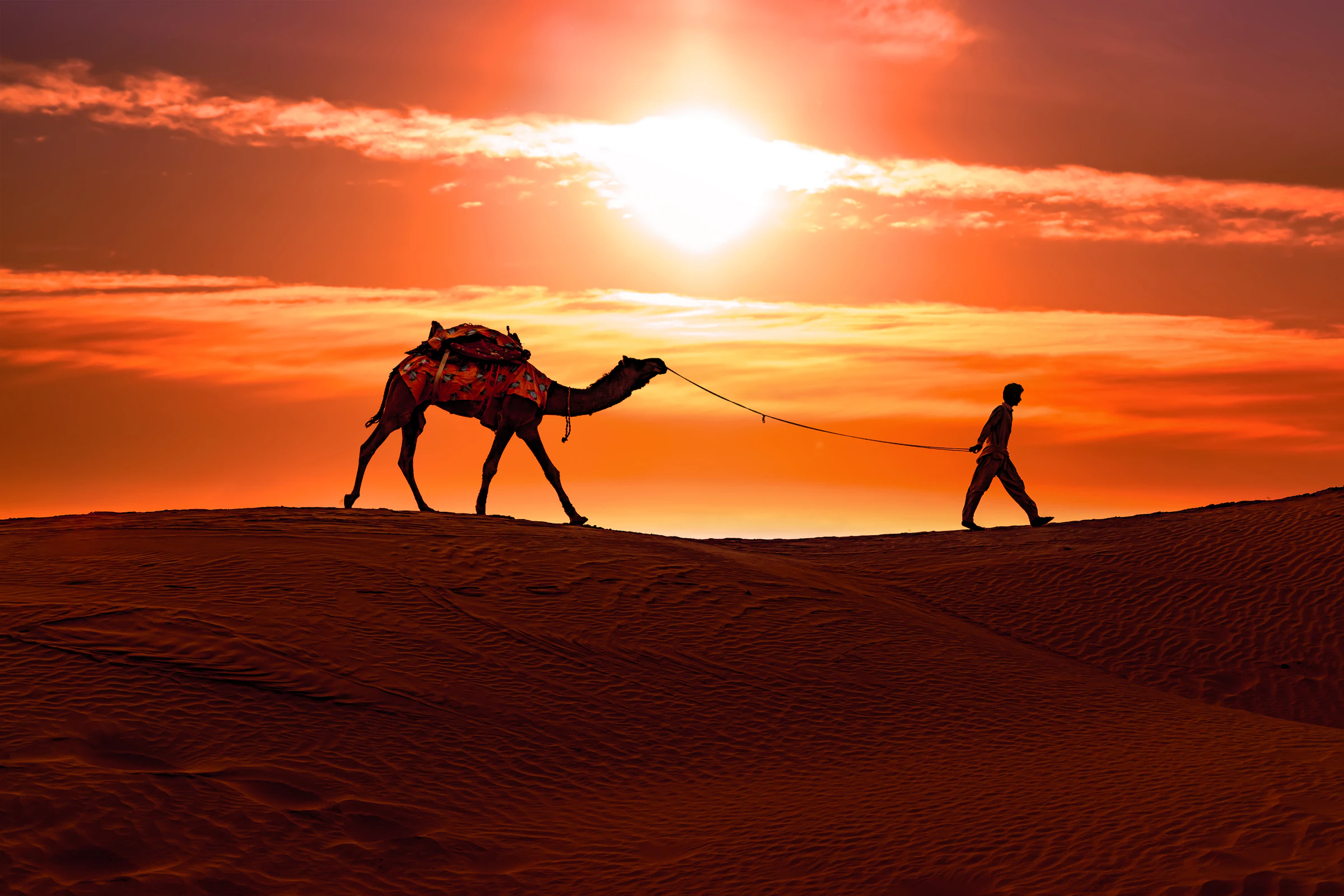
Ten days adds Jaisalmer and its desert camp, the part of Rajasthan most people picture when they book the trip.
| Day | Where | What | Eat |
|---|---|---|---|
| 1 | Jaipur | Amber Fort, City Palace, Nahargarh sunset | Laal maas, pyaaz kachori |
| 2 | Jaipur to Pushkar | Hawa Mahal and bazaars, then a 2.5-hour drive | Gatte ki sabzi; malpua on arrival |
| 3 | Pushkar | Ghats, Brahma Temple, a lakeside sunset | Rajasthani thali |
| 4 | Jodhpur | Travel (about 4 to 5 h), then a Blue City walk | Mirchi bada |
| 5 | Jodhpur | Mehrangarh Fort, Jaswant Thada | Makhaniya lassi |
| 6 | Jaisalmer | Travel (about 5 h 40 min by train), the living fort and its havelis | Ker sangri |
| 7 | Jaisalmer (desert camp) | Transfer to the dunes, a camel ride and a night under the stars | A thali at the camp |
| 8 | Udaipur | Travel (about 8 to 10 h by road; no direct train), first lakeside walk | Dal baati churma |
| 9 | Udaipur | City Palace, Lake Pichola boat, an evening folk-dance show at Bagore Ki Haveli | Rajasthani thali |
| 10 | Depart Udaipur | A last morning on the lake |
What changes. Jodhpur to Jaisalmer is about 296 km by rail. Two daily daytime trains, 20492 (06:10 to 11:50) and 20486 (14:50 to 20:30), each take about 5 h 40 min, with sleeper fares from about ₹240 on ixigo's listing. Jaisalmer to Udaipur is the hardest leg: there's no direct train, and the road is about 490 to 540 km depending on the route, so budget 8 to 10 hours, or split it with a night back in Jodhpur.
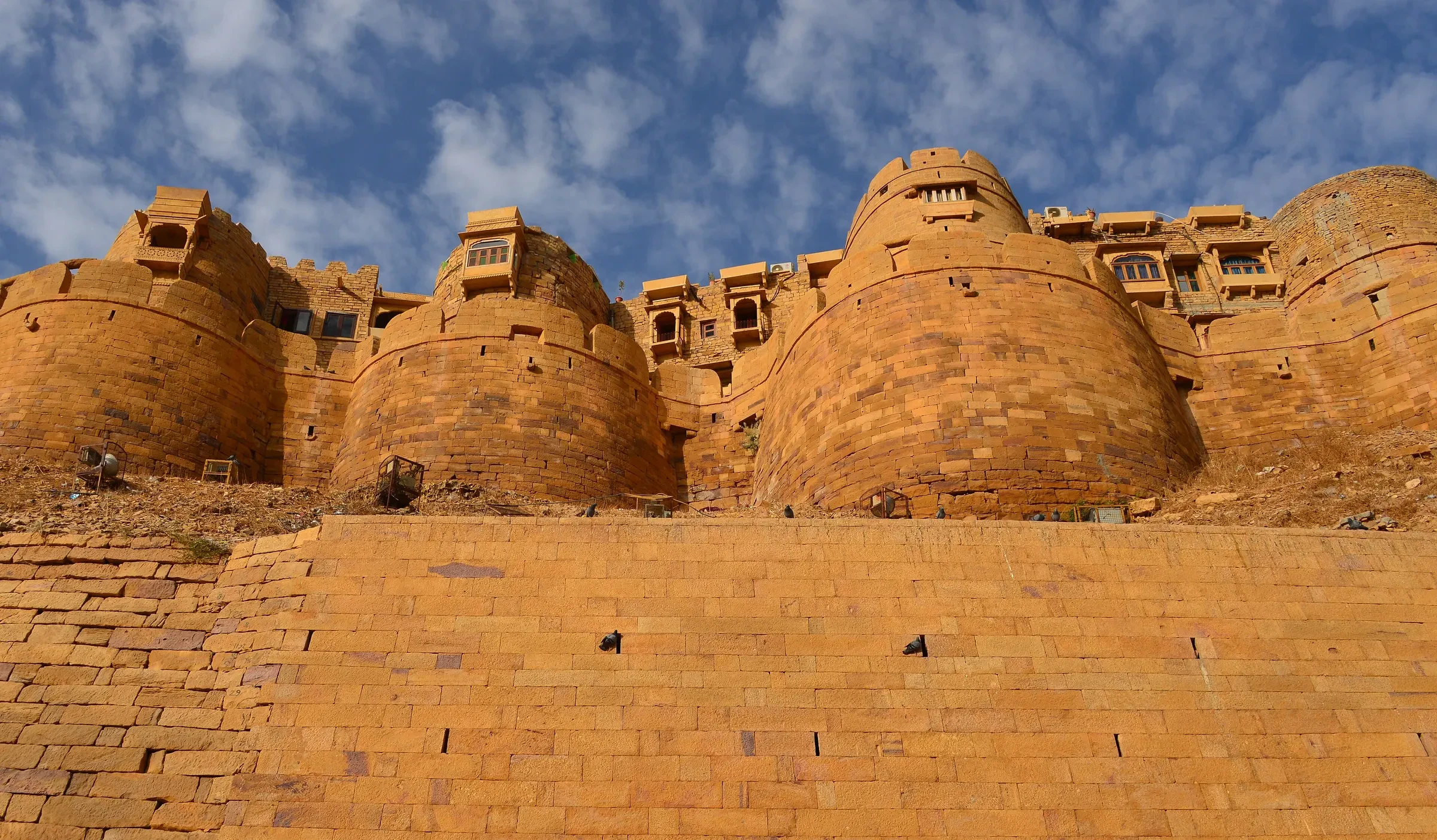
The desert camp, honestly. Most camps sit near the Sam dunes, about 40 km from Jaisalmer. Camp operators' own guides describe Sam as the bigger and busier option, with a sunset point, cultural evenings and a crowded afternoon in the October to March season when many jeeps arrive at once. Khuri is a little further out, about 47 to 50 km, and is described as quieter and less commercial, with smaller dunes. The difference is mostly how much crowd you can tolerate. Whichever you pick, ask the camp exactly what the price includes (transfers, dinner, breakfast, the camel ride) before you pay.
The 2-week version
Two weeks tacks the Golden Triangle onto the front, so the trip opens with Delhi and Agra before the Rajasthan loop begins. This is close to the route our Golden Triangle and Rajasthan and Varanasi trips draw on, though neither runs it exactly as laid out here.
| Day | Where | What | Eat |
|---|---|---|---|
| 1 | Delhi | Old Delhi: Jama Masjid, a cycle rickshaw through Chandni Chowk, then Humayun's Tomb | Paranthe, chole bhature |
| 2 | Delhi to Agra | The Gatimaan Express (08:10 from Hazrat Nizamuddin, about 1 h 40 min; no service on Fridays), then Agra Fort | Petha |
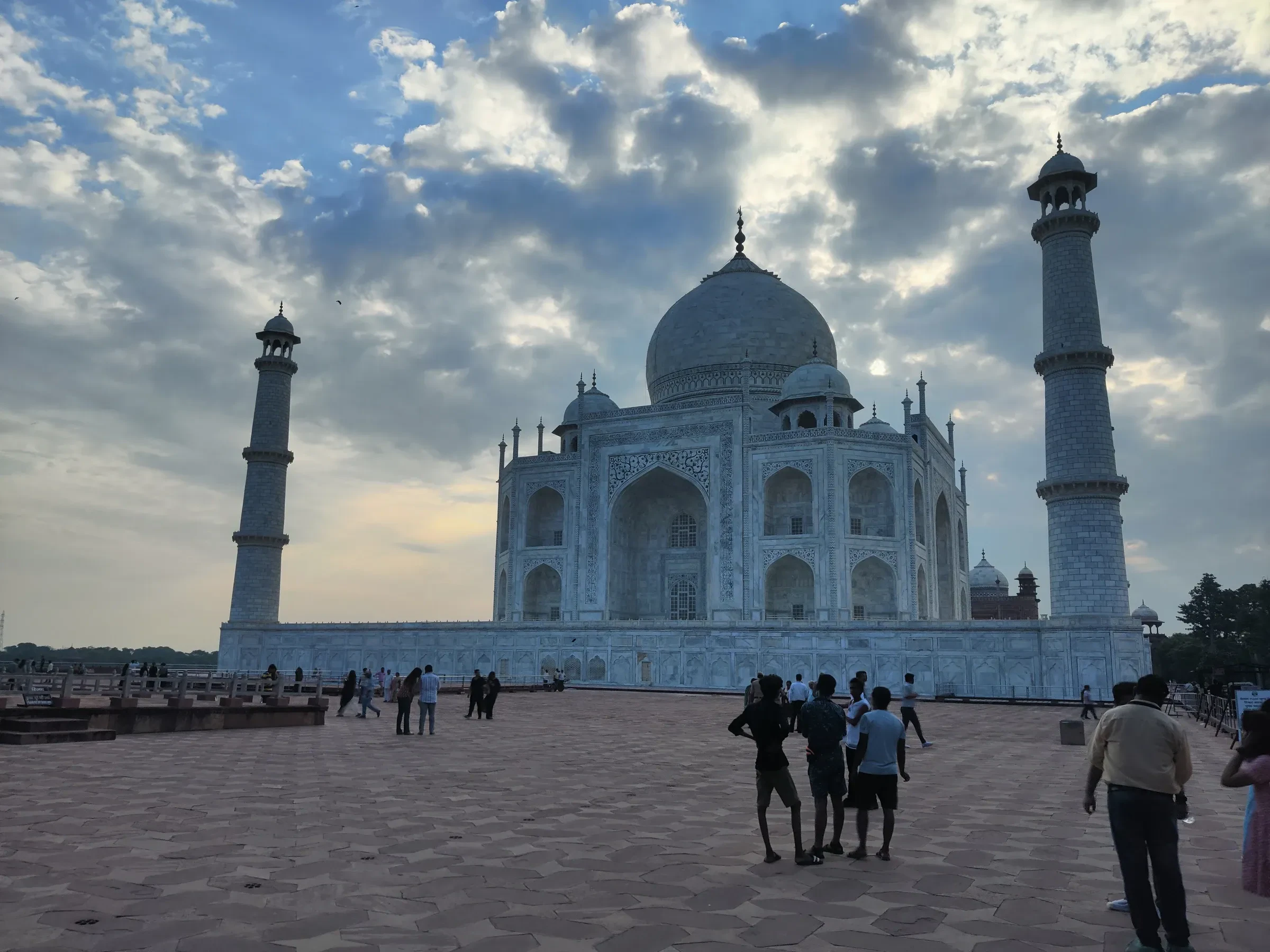
| 3 | Agra to Jaipur | Taj Mahal at sunrise (closed on Fridays), then the road to Jaipur via Fatehpur Sikri (about 4.5 to 5 h) | Mughlai kebabs |
| 4 | Jaipur | Amber Fort, City Palace | Laal maas |
| 5 | Jaipur to Pushkar | Hawa Mahal, bazaars, then the drive to Pushkar | Malpua |
| 6 | Pushkar | Ghats, Brahma Temple | Rajasthani thali |
| 7 | Jodhpur | Travel (about 4 to 5 h), Blue City walk | Mirchi bada |
| 8 | Jodhpur | Mehrangarh Fort, Jaswant Thada | Makhaniya lassi |
| 9 | Jaisalmer | Travel, the fort and its havelis | Ker sangri |
| 10 | Jaisalmer (desert camp) | Camel ride, a night in the dunes | A thali at the camp |
| 11 | Udaipur | The long transfer south (about 8 to 10 h by road) | Dal baati churma |
| 12 | Udaipur | City Palace, Lake Pichola boat | Rajasthani thali |
| 13 | Udaipur | A day trip to Ranakpur or Kumbhalgarh, or a free day | Ker sangri |
| 14 | Depart Udaipur |
What changes. Delhi to Agra is about 1 h 40 min on the Gatimaan Express, which doesn't run on Fridays; Agra to Jaipur is about 4.5 to 5 hours by road via Fatehpur Sikri, worth a 1 to 2 hour stop on the way. From Jaipur the route rejoins the 10-day version above. If you'd rather see Varanasi than the Thar desert, our Golden Triangle guide covers that variant instead.
What it costs
| Item | Typical price (₹) |
|---|---|
| Dorm bed | 300 to 800 |
| Thali at a local restaurant | 150 to 500 |
| Amber Fort entry (foreign adult) | about 1,000 on most 2026 listings; some still show 500 |
| Jaipur composite ticket (foreign adult, two days) | 1,000 to 1,700 depending on the listing |
| Mehrangarh Fort entry (foreign adult) | about 600 on most 2026 listings, one says 800; audio guide about 180 extra |
| Taj Mahal entry (foreign adult) | 1,100, plus 200 for the mausoleum |
| Agra Fort entry (foreign adult) | about 650 |
| Jodhpur to Jaisalmer train, sleeper class | from about 240 |
| Overnight desert camp | from about 1,500 for a basic camp to 8,000 or more for a premium one |
Entry fees change, and sources disagree, so treat these as a guide and check the price at the counter. A backpacker managing their own transport and eating at local places can do this route on roughly ₹2,900 to ₹3,400 a day (about £23 to £27, or US$30 to $35), before the desert camp and any private transfers. At September 2026 rates, US$1 is about ₹96 and £1 is about ₹128. Our India cost guide has the wider country picture.
Getting there, away and around
Fly into Jaipur (JAI), which has the best international and domestic connections of the five towns; Udaipur's Maharana Pratap Airport and Jodhpur's airport both work well as an end point instead. Trains link Jaipur and Jodhpur directly (the daily Intercity SF Express 22977 leaves Jaipur at 06:00 and reaches Jodhpur at 11:10), and Jodhpur and Jaisalmer (about 5 h 40 min). There's no direct train for Pushkar to Jodhpur, Jodhpur to Udaipur or Jaisalmer to Udaipur, so private cars and buses cover those legs for almost everyone. If you're heading back to Delhi, the Jaipur to Delhi Cantt Vande Bharat 20977 leaves at 07:47 and arrives at 11:30, but it doesn't run on Wednesdays. Ride-hailing apps work in the cities themselves but thin out fast on the open road between them, so a private car with a driver, booked per leg or for the whole loop, is a common way to do this route.
For entry, most travellers from the UK, US, Canada, Australia and the EU need an e-Tourist visa (30 days, 1 year or 5 years), and everyone has to file the e-Arrival card, mandatory since 1 April 2026. Our India visa guide has the fees and the steps.
Best time for this route
October to March is best across the board. In Jaisalmer, January averages about 24°C by day and about 9 to 10°C at night, and the coldest January nights usually drop to around 5°C, so a desert camp needs proper bedding. Avoid April to June: Jaisalmer's average highs reach about 42°C in May and June. Monsoon (July to September) is humid and hit-or-miss for rain; it's not dangerous here, but it's a low-visibility, low-appeal window for forts and dunes alike, though Udaipur's lakes can look their best just after it if levels are good that year.
Pushkar's own festival sits right on this route:
If your dates land during it, book Pushkar rooms well ahead, since prices rise sharply and the town fills up. Our Pushkar Camel Fair guide has the full programme.
What to eat on this route
Rajasthan's food is built for a hot, dry climate: dal baati churma (baked wheat rolls, lentils and a sweet crumble), laal maas (a fiery mutton curry), ker sangri (a desert bean-and-caper dish), mirchi bada and makhaniya lassi in Jodhpur, and malpua and a strictly vegetarian thali in Pushkar. Our Rajasthani food guide covers where to find each dish and what it should cost.
Rajasthan and Varanasi, our two-week trip through Delhi, Varanasi, Agra, Jaipur, Pushkar and Udaipur, covers most of this route's northern half with a Trip Host and licensed local guides at the main sites. It doesn't visit Jodhpur or Jaisalmer, so the desert leg above is one to do independently or through a local operator if it's the part you want most.