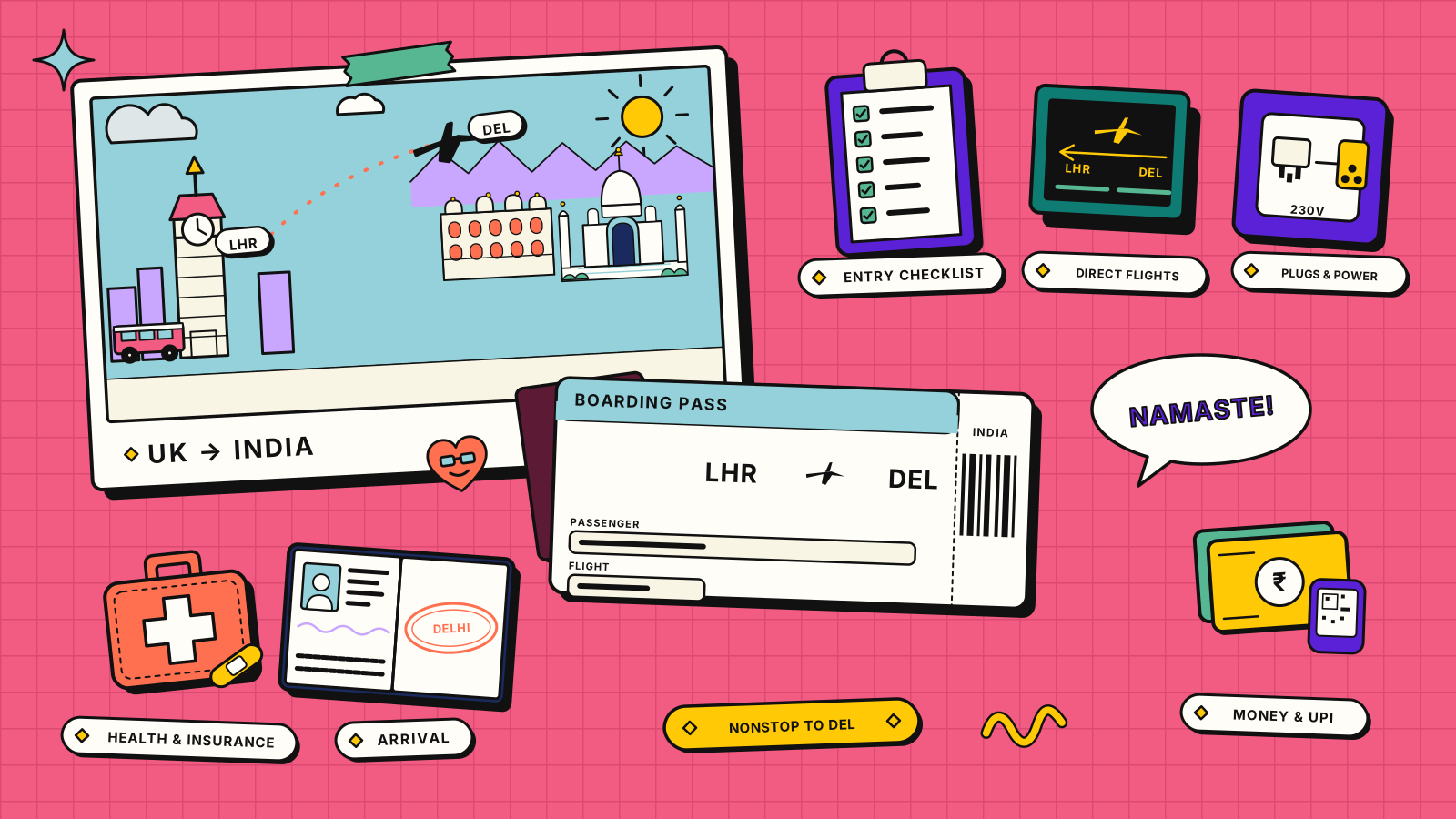
This page is the UK version of our India visa and entry requirements guide. It covers what's different for British passport holders, plus flights from the UK and a packing list that suits a first trip.
Which visa you need
The UK Foreign Office says British nationals need a visa to enter India. There's no visa on arrival for UK passports. The UK has been back on the e-visa list since 5 December 2022, after e-visas for British nationals were withdrawn in August 2021.
| e-Tourist visa | Fee (UK passport) | With 3% bank charge | Validity |
|---|---|---|---|
| 30 days, applied April to June | US$10 | US$10.30 | 30 days from first arrival |
| 30 days, applied July to March | US$25 | US$25.75 | 30 days from first arrival |
| 1 year | US$40 | US$41.20 | 365 days from the date it's granted, multiple entry |
| 5 years | US$484 | US$498.52 | 5 years from the date it's granted, multiple entry |
Source: the official fee table dated 8 September 2026. Jersey, Guernsey and Isle of Man passports pay the same UK rates. The table labels the US$10 rate "April to June" without saying whether that means when you apply or when you arrive, so apply and arrive within that window if you want the lower fee.
The 5-year price. It used to cost US$80. India raised it to US$200 for most countries and to US$484 for UK passports, the highest on the official table. The table gives no reason. The new UK price first appears in the official fee table dated 23 December 2025, at the same time as the general rise. News reports dating it to July 2026 were describing a later reissue of the table.
Something to weigh up. Unless you're fairly sure you'll return to India several times in the next five years, the 1-year visa at US$40 may make more sense. Twelve 1-year visas would still cost less than one 5-year visa. On the 1-year and 5-year visas you can stay up to 180 days per calendar year. That's the only stay limit in the official rules; the old 90-day cap on each visit that some sites still mention isn't part of them.
You'll need a regular visa instead if you have a military or police background (serving or retired), plan to stay more than 180 days, or want to enter overland. In the UK these go through VFS Global's application centres, which include London, Hounslow, Birmingham, Manchester and Edinburgh. Check the VFS Global India site for the current list before you book.
How to apply, step by step
Apply only at https://indianvisaonline.gov.in/evisa/. The official FAQ says no other website takes applications and you don't need an agent. Search for "india e visa uk" and you'll find plenty of lookalike sites that charge far more than the government fee.
- Apply between 4 and 120 days before you land. There's no official processing time, so aim for one to two weeks ahead.
- Fill in the form yourself. Write "NA" in the previous-visa fields if they don't apply.
- Upload a square JPEG photo (10 KB to 1 MB): full face, eyes open, no glasses, plain white or light background, no shadows or border.
- Upload your passport bio page as a PDF (10 KB to 300 KB).
- Pay by Visa or Mastercard. The fee and bank charge aren't refunded if you're refused.
- When the email arrives, check the site shows "GRANTED".
- Print the ETA. Check your name, passport number, date of birth and nationality match your passport exactly.
For payment problems there's a toll-free UK line, 0808 178 5040. For questions about your application, the e-Visa Support Centre is on +91 11 24300666 or indian-evisa@gov.in. Nobody at the airport should ask you to pay anything for an e-visa.
Entry checklist
- Passport valid for at least 6 months after arrival, with 2 blank pages
- Printed e-visa ETA showing "GRANTED"
- e-Arrival card confirmation, filed free within 72 hours of arrival at indianvisaonline.gov.in/earrival, boi.gov.in or the Indian Visa Su-Swagatam app (mandatory since 1 April 2026)
- Air Suvidha health self-declaration, filed in the 24 hours before you arrive (and before you board) at airsuvidha.civilaviation.gov.in. Mandatory since early July 2026 and still listed as mandatory by the UK and Irish governments in October 2026. Keep the acknowledgement to show immigration
- Yellow fever certificate, only if you've been in a risk country in the 6 days before arrival
- Protected Area Permit if you're going to Ladakh's valleys, Spiti, Sikkim or Nagaland (see the hub)
Flights from the UK
Direct flights
| Airline | From | To | Notes |
|---|---|---|---|
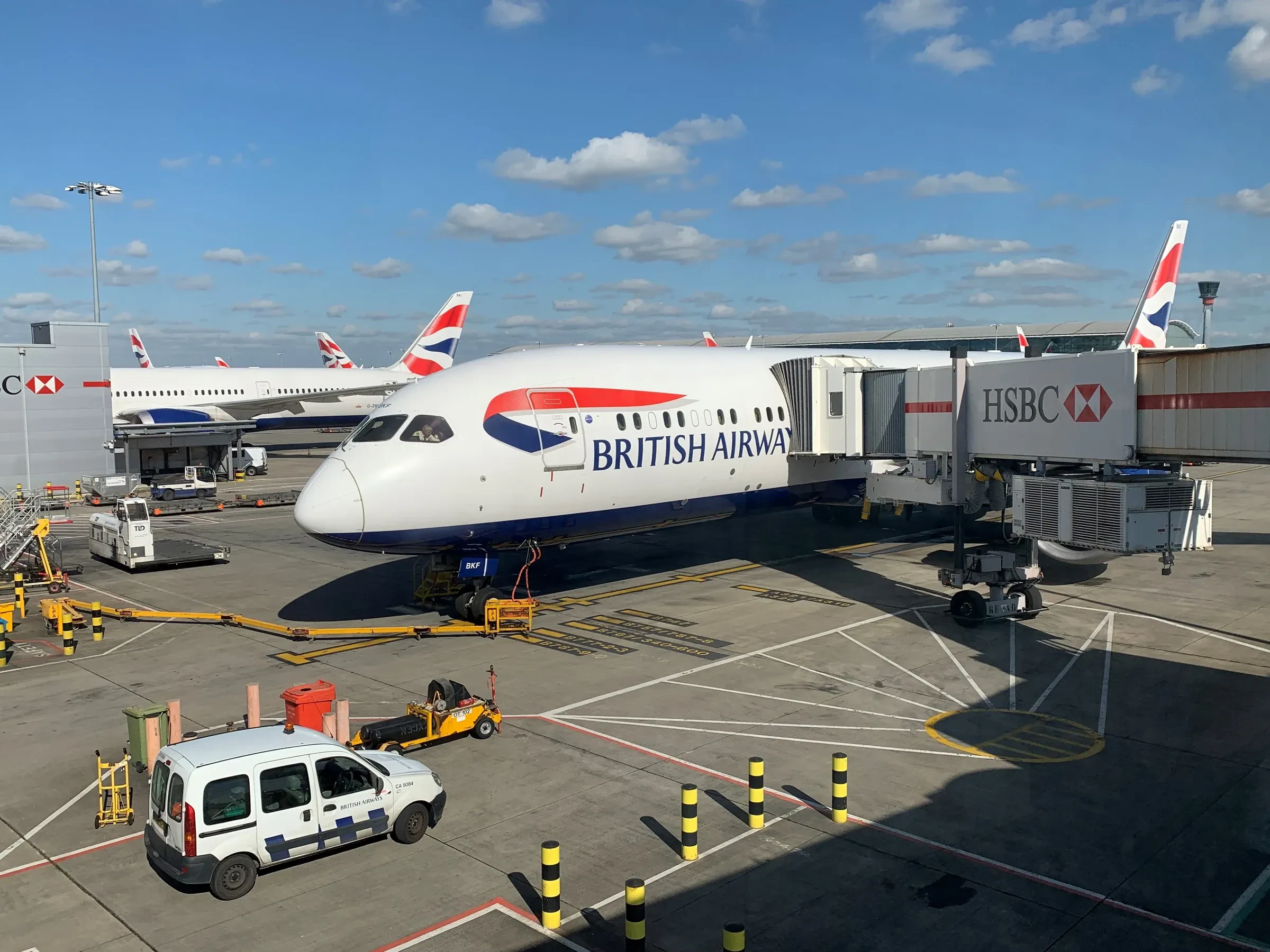
| British Airways | Heathrow | Delhi, Mumbai, Bengaluru, Chennai, Hyderabad | Up to 70 flights a week this winter, including up to 3 a day to Delhi (reported 23 September 2026) |
| Virgin Atlantic | Heathrow | Delhi, Mumbai, Bengaluru | Codeshare with IndiGo for onward flights within India |
| Air India | Heathrow, Gatwick, Birmingham | Heathrow to Delhi, Mumbai and Bengaluru. Gatwick to Ahmedabad. Birmingham to Delhi and Amritsar | Gatwick to Amritsar ends on 25 October 2026. Several routes were cut after mid-2025, so check the current timetable |
| IndiGo | Heathrow | Mumbai | Pauses from late October 2026, when IndiGo's leased 787s go back. Its Manchester flights to Mumbai and Delhi stopped on 31 August 2026 |
| TUI Airways (charter) | Gatwick, Manchester | Goa (Mopa) | Flew in winter 2025-26. TUI's winter 2026-27 programme release doesn't mention Goa (checked 6 October 2026), so check with TUI |
One-stop flights
The cheapest fares from the UK usually connect in the Gulf with Emirates (Dubai), Qatar Airways (Doha), Etihad (Abu Dhabi), Gulf Air or Oman Air. Gulf airspace closed from 28 February 2026, and Qatar Airways cancelled most of its flights until late March. By September 2026 the hubs had reopened, but the FCDO still flags disruption in the region. Buy a flexible fare and check that your travel insurance covers airspace closures.
Pakistan's airspace has been closed to Indian airlines since April 2025, so Air India and IndiGo flights to Europe take longer than they used to. British and Gulf airlines aren't affected by this closure.
Cheapest months and typical fares
Kayak's London to Delhi page showed return economy fares from £432, with typical fares of £480 to £574 (indicative, checked 24 Sep 2026). September was the cheapest month (around £493), and December (around £719) and July (around £670) the most expensive. Fares are volatile in 2026 because of fuel costs, so treat these as a rough guide only. Booking 8 to 12 weeks or more ahead and flying midweek usually helps.
For when to go based on weather rather than price, see the best time to visit India.
What to bring from the UK
- Plug adaptor. India uses type C, D and M sockets at 230 V. UK devices work fine with an adaptor. Type D (three round pins) is the most common, so a universal adaptor that fits it is the easiest option.
- Cards and money. Foreign visitors may bring in up to ₹25,000 in rupee notes when arriving by air, and no more. Change money on arrival at the airport or at authorised money changers, and bring a card for ATMs. The FCDO says you can withdraw rupees with a bank card but warns that card skimming is common. Set up UPI One World (for example through the CheqUPI app) with your passport and visa, top it up from a UK card and pay by scanning QR codes, which is how most of India pays. Declare cash over US$5,000 in notes.
- Insurance. Check it covers medical treatment and evacuation. If you're heading to Ladakh or Spiti, it needs to cover altitude above 2,400 m and mountain rescue.
- Medicines. Keep them in their original packaging and carry a prescription letter.
- Health prep. TravelHealthPro advises hepatitis A, tetanus and typhoid for most travellers, and others depending on your trip. It lists malaria risk in Mizoram, Odisha and Tripura and low risk elsewhere. Book an appointment with your GP surgery or a travel clinic well ahead.
- Leave at home: satellite phones, GPS devices and satellite messengers such as a Garmin inReach (people, including Britons, have been detained for carrying them), drones and vapes. Any of them can get you into serious trouble.
More in our India packing list.
Arrival day
At immigration. Have your passport, printed ETA, e-Arrival confirmation and Air Suvidha acknowledgement ready. Your fingerprints and photo are taken here. You may also have your temperature checked as part of the health screening. Foreign visitors use the regular immigration counters; the fast-track e-gates at Delhi and Mumbai are only for Indian citizens and OCI cardholders.
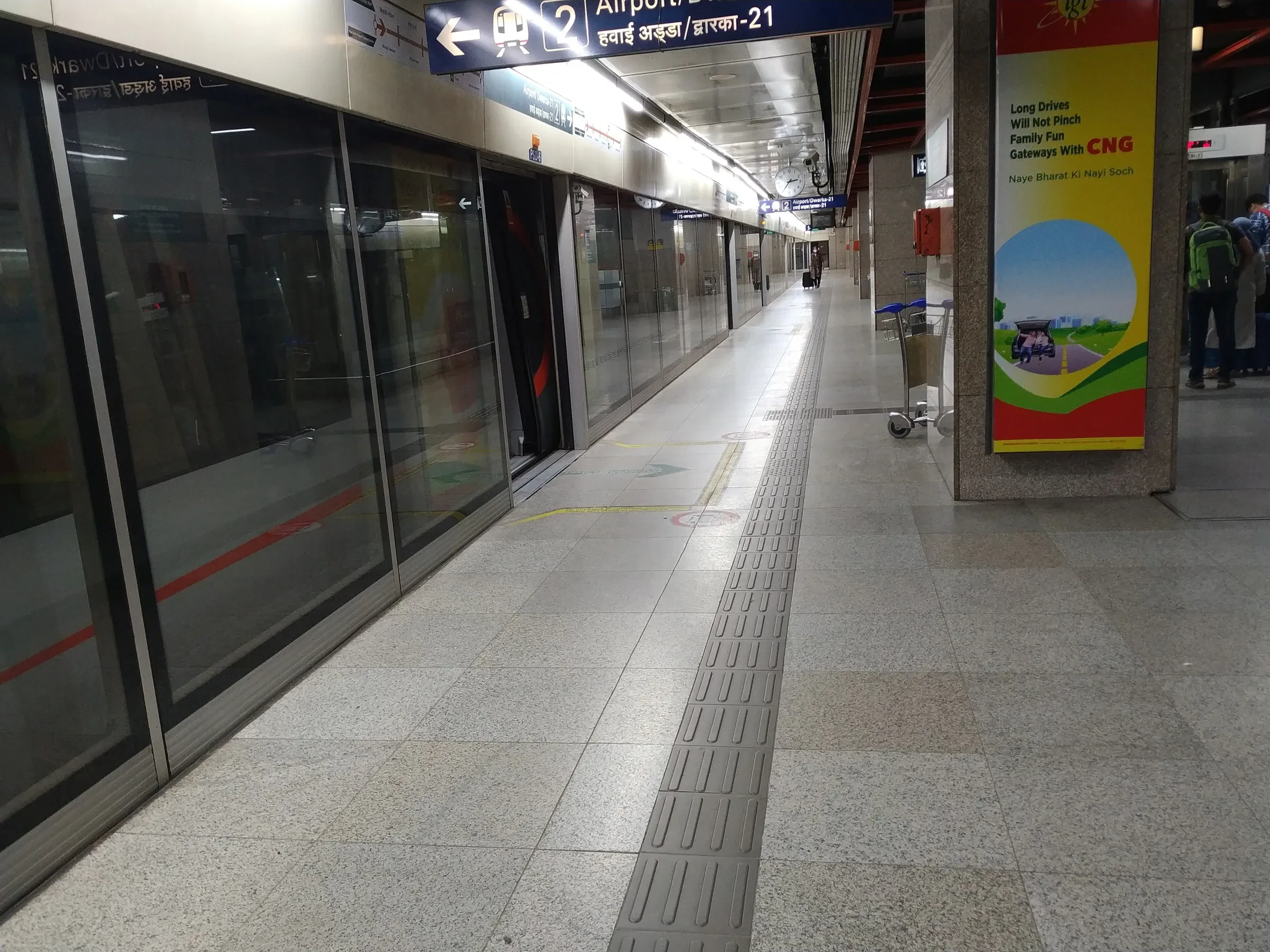
Delhi. Delhi is the main long-haul airport. All international flights use Terminal 3. The Airport Express metro runs from T3 to New Delhi station in under 20 minutes (about ₹60), and there's a prepaid taxi counter outside arrivals. Airtel sells SIM cards in the terminal: bring your passport and visa, plus a photo and your hotel address for the paperwork. Activation isn't instant, so a data-only travel eSIM set up before you leave is quicker.
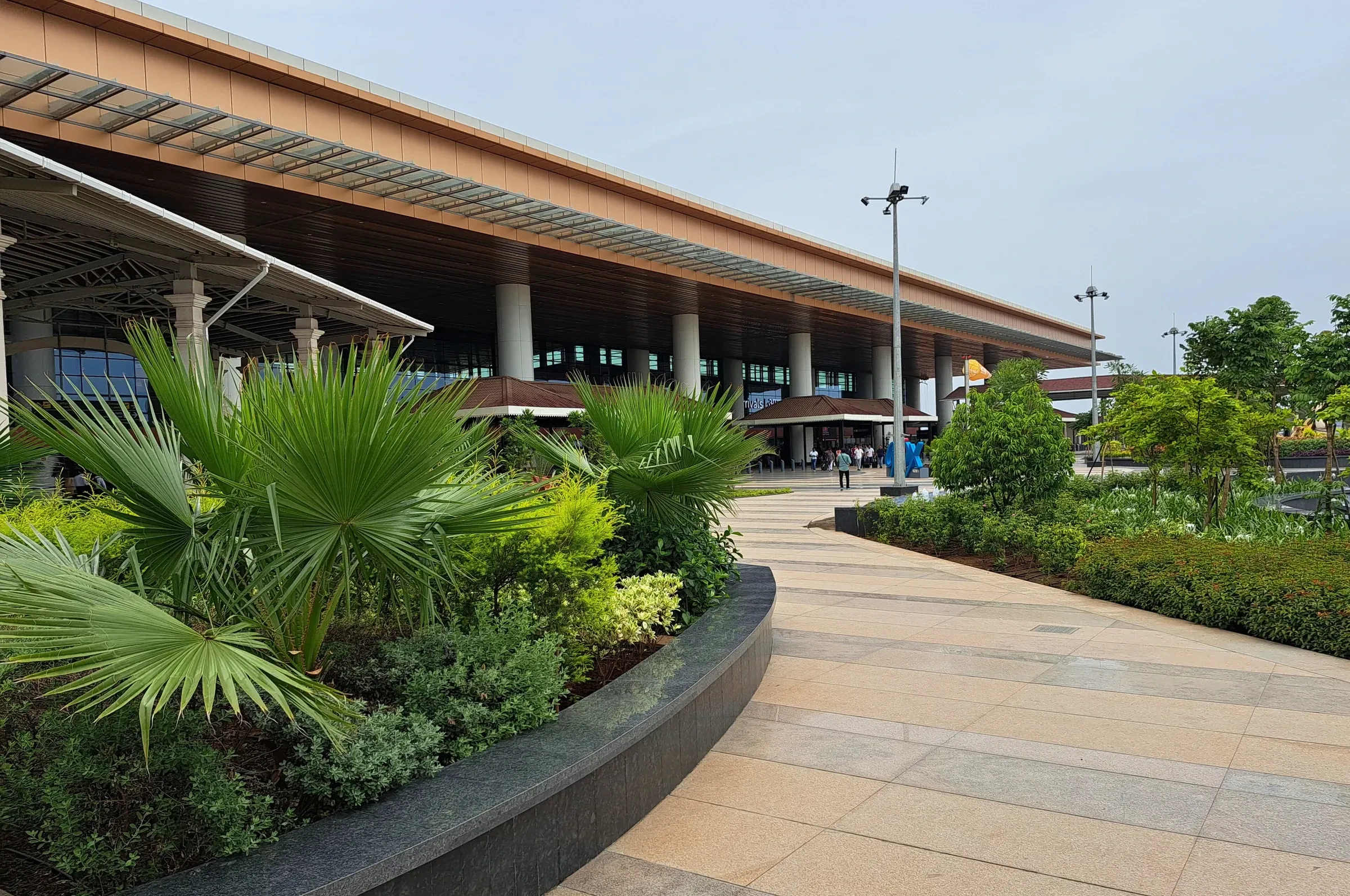
Mumbai. Direct flights from the UK land at Chhatrapati Shivaji Maharaj airport (BOM). Navi Mumbai is also an e-visa entry airport, but its only international route in 2026 is to Abu Dhabi. At the main airport, international flights use Terminal 2, which has its own station on Metro Line 3 (the Aqua Line), plus prepaid taxi counters in arrivals and a pickup area for app cabs.
Goa. TUI charters flew into Mopa, in the north of the state, in winter 2025-26. Goa has two e-visa airports, Mopa (GOX) and Dabolim (GOI), so check which one your flight uses before you book a transfer. From Mopa, Kadamba (KTCL) air-conditioned shuttle buses run to Calangute and Panaji (₹200) and Margao (₹400), and there are prepaid taxis and the state's GoaMiles app. Mopa is in the far north of the state, so allow extra time if you're staying in south Goa, which is closer to Dabolim.
Getting to your hotel. The FCDO advises against hailing taxis alone on the street, especially at night. Use a prepaid taxi, Uber, Ola or a transfer from your hotel, and check the driver's identity. Share your journey with someone.
Government advice. The FCDO advises against all travel within 10km of the India-Pakistan border and against all travel to the Union Territory of Jammu and Kashmir, except air travel to and within the city of Jammu. It advises against all but essential travel to Manipur. The Wagah-Attari border crossing is closed. Read the FCDO's India page again before you book.
Travel with us
Our India Golden Triangle packs Delhi, Agra and Jaipur into 7 days, which works well with a week's leave. If you have two weeks, India Rajasthan & Varanasi goes deeper. Both are small groups for solo travellers aged 18 to 40, and I'm with you the whole way as your Trip Host.