4 stops
- Train
- Minibus
Is this route for you?
This suits desert-landscape photographers, history buffs and anyone who's already done Rajasthan or Kerala and wants somewhere far less covered by international backpacker content, even though Rann Utsav itself draws heavy domestic tourism. Dholavira rewards anyone curious about the Indus Valley civilisation: it's one of the best-preserved Harappan sites anywhere, UNESCO-listed since July 2021.
It suits you less well if you're short on time or don't like long drives. Kutch is spread out, and this is car-and-driver country rather than somewhere you can hop between towns by bus. If you want temples, forts and shorter driving days between stops, the Rajasthan itinerary or the Golden Triangle covers similar desert-state ground with much easier logistics. If you'd rather stay on the coast, the Goa and Gokarna itinerary is a gentler pace entirely.
Day by day
The old city and Gandhi's ashram
Ahmedabad
- Morning
- Sabarmati Ashram, Gandhi's former residence on the riverbank, free to visit and quiet.
- Afternoon
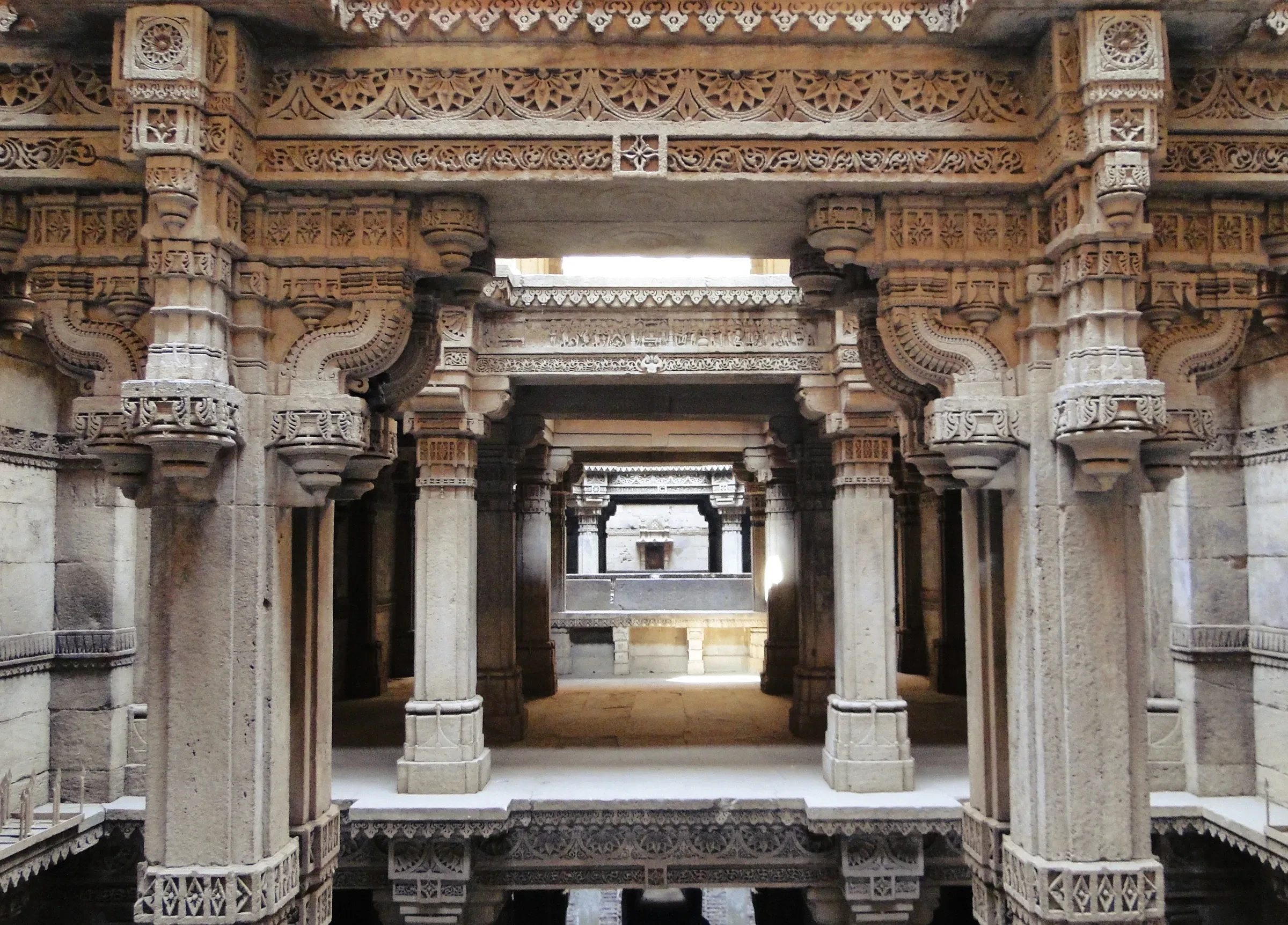
- the Adalaj Stepwell, an intricately carved five-storey well built in 1499, about 19km outside the city; or, if you'd rather stay in town, the old city's pols (its traditional walled neighbourhoods) and the Jama Masjid.
- Evening
- Manek Chowk, which turns into a lively night food market once the sun goes down.
Eat a full Gujarati thali (unlimited, and built around a sweet, savoury and sour balance on one plate); khaman dhokla as a snack.
Local tip the stepwell and the old city are on opposite sides of Ahmedabad, so pick one for the afternoon rather than both.
Crossing into Kutch
Bhuj
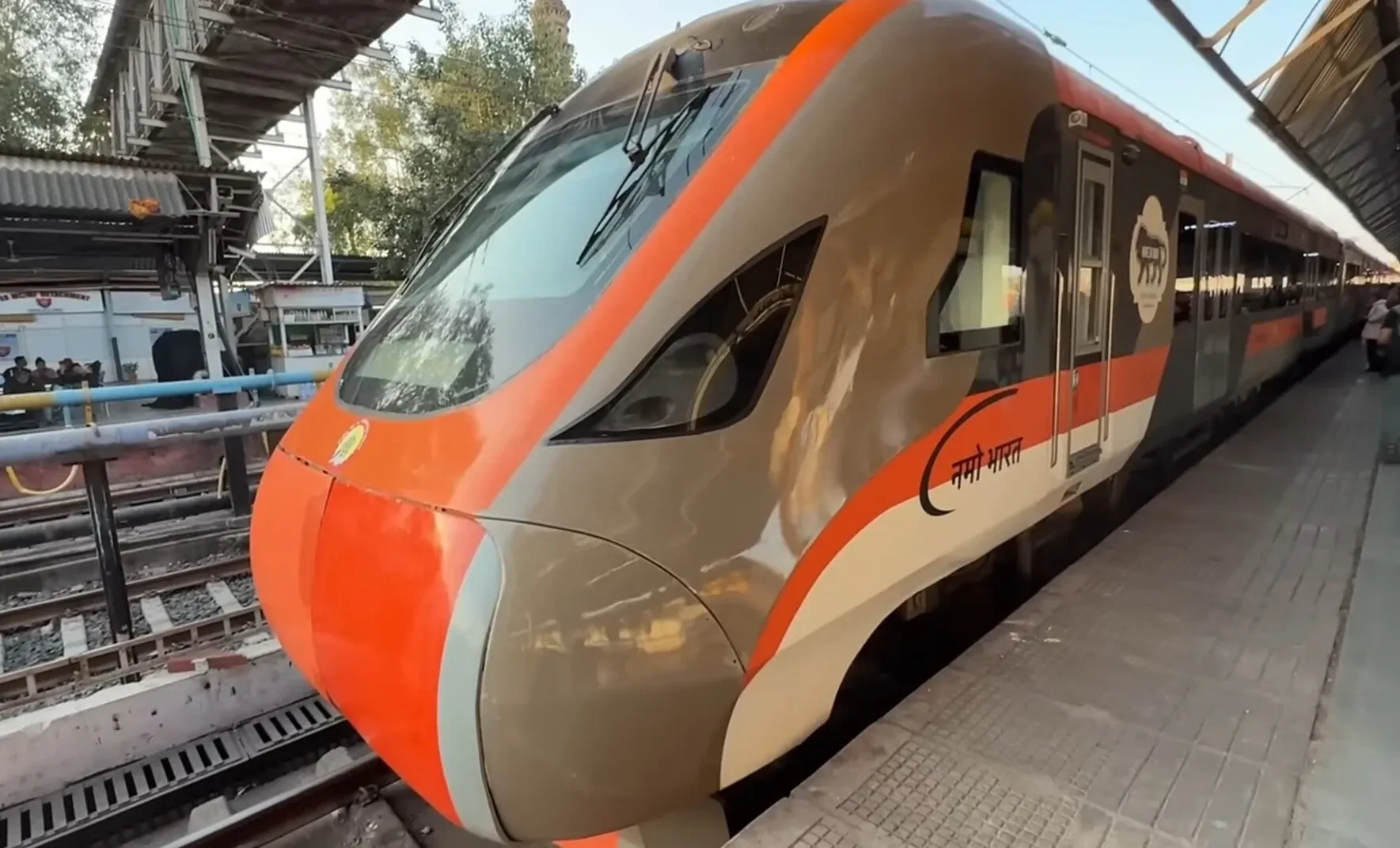
Getting there the overnight Kutch Express from Ahmedabad, about 7 h (departs around 01:30, arrives Bhuj around 08:30), a cheap way to save a day if you can sleep on a train. The Namo Bharat Rapid Rail covers the same route in under 6 h but leaves Ahmedabad in the early evening, Sunday to Friday, so you reach Bhuj late at night.
- Morning
- arrive off the overnight train and rest.
- Afternoon
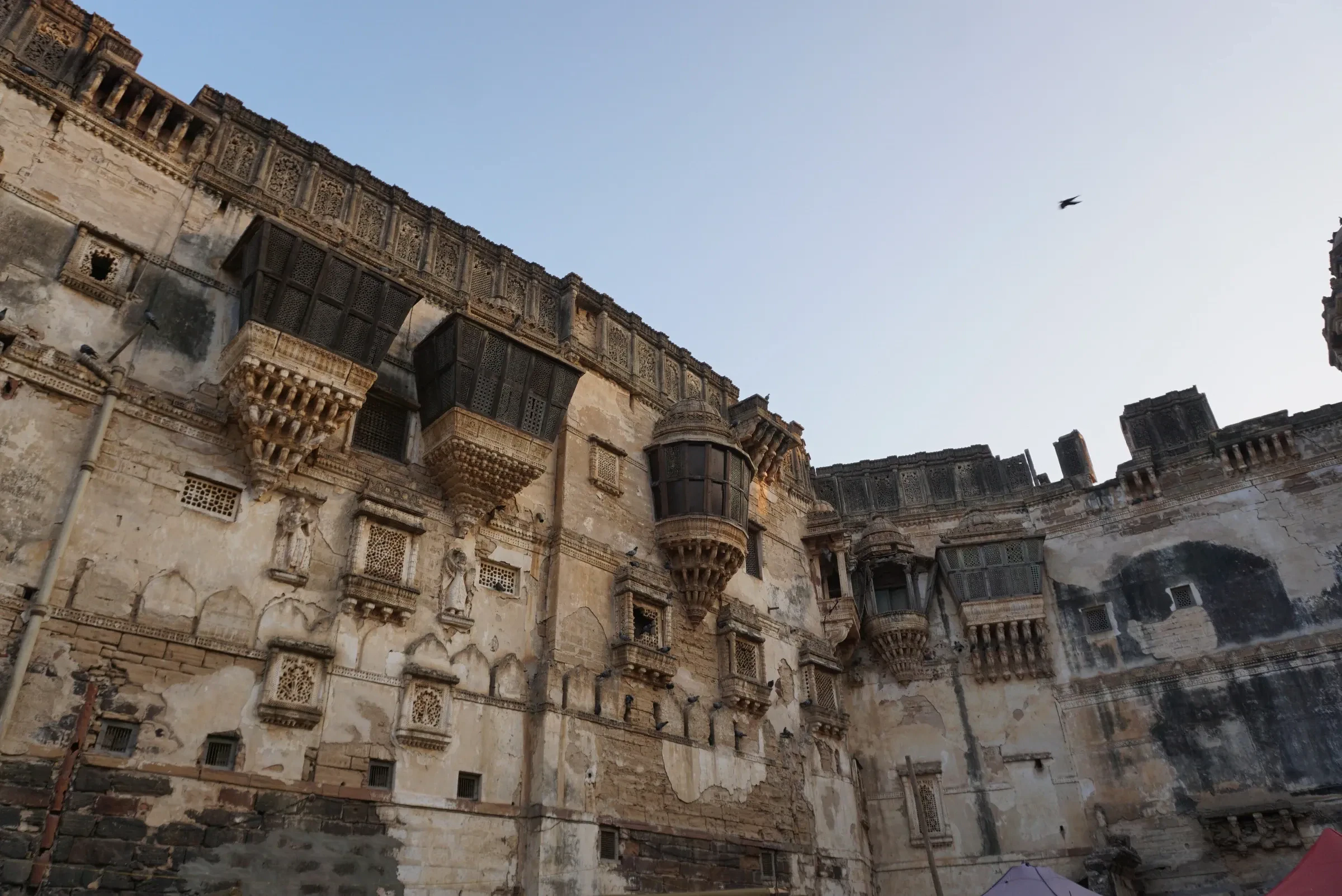
- Bhuj's Aina Mahal and Prag Mahal, two 18th- and 19th-century palaces in the old town.
- Evening
- the old-town bazaar, and an early night before tomorrow's craft-village loop.
Eat Kutchi dabeli, a spiced-potato bun snack sold from carts across the old town; Kutchi kadhi.
Local tip if you want a drink on this trip, use the free afternoon to ask your hotel about an alcohol permit. You'll collect your White Rann permit in person at the Bhirandiyara checkpost on day 4.
Kutch's craft villages
Bhuj
- Morning
- Bhujodi, a weavers' village a short drive from Bhuj, known for its shawls and stoles woven on traditional pit looms.
- Afternoon
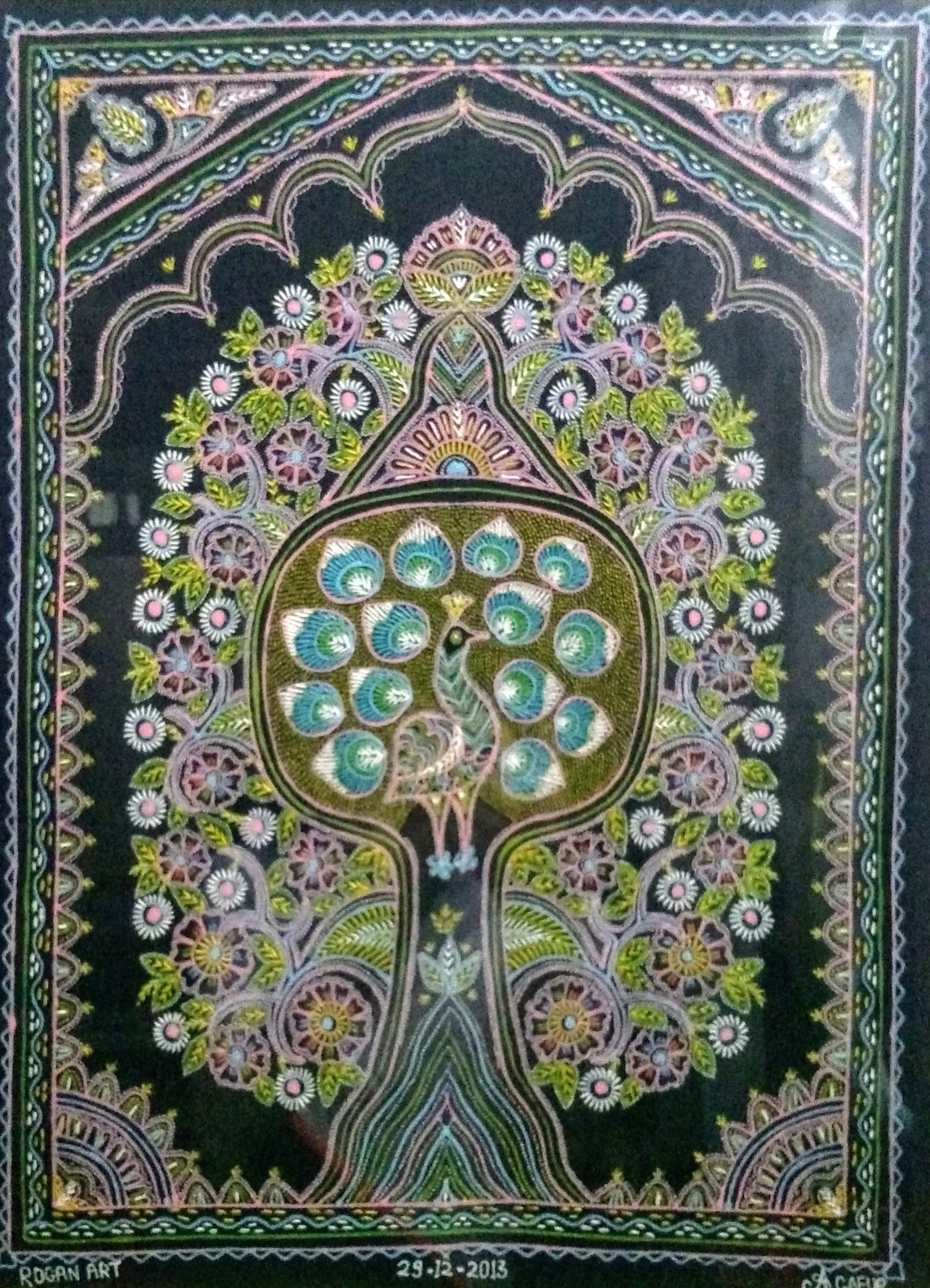
- Ajrakhpur, for hand block-printed textiles, and Nirona, home to the last families still practising Rogan art, a form of painting done with a thick, boiled castor-oil paste rather than a brush.
- Evening
- back to Bhuj; if you have energy left, the bazaar again for anything you didn't buy the first evening.
Eat Kutchi bajra rotla with white butter and jaggery, a farmhouse staple worth trying at a village stop.
Local tip hire a car and driver for the day rather than trying to string together these villages by public transport; there isn't a reliable one.
With more time Hodka and Ludiya, further out in the Banni grasslands, add embroidery and mud-mirror-work houses if you have a spare half-day.
Onto the salt desert
Dhordo (White Rann)
Getting there Bhuj to Dhordo, about 85km, 1.5 to 2 h by car.
- Morning
- settle in near Dhordo, the village that hosts the Rann Utsav tent city, and get your permit at the Bhirandiyara checkpost (foreign visitors collect it in person) before heading onto the salt.
- Afternoon
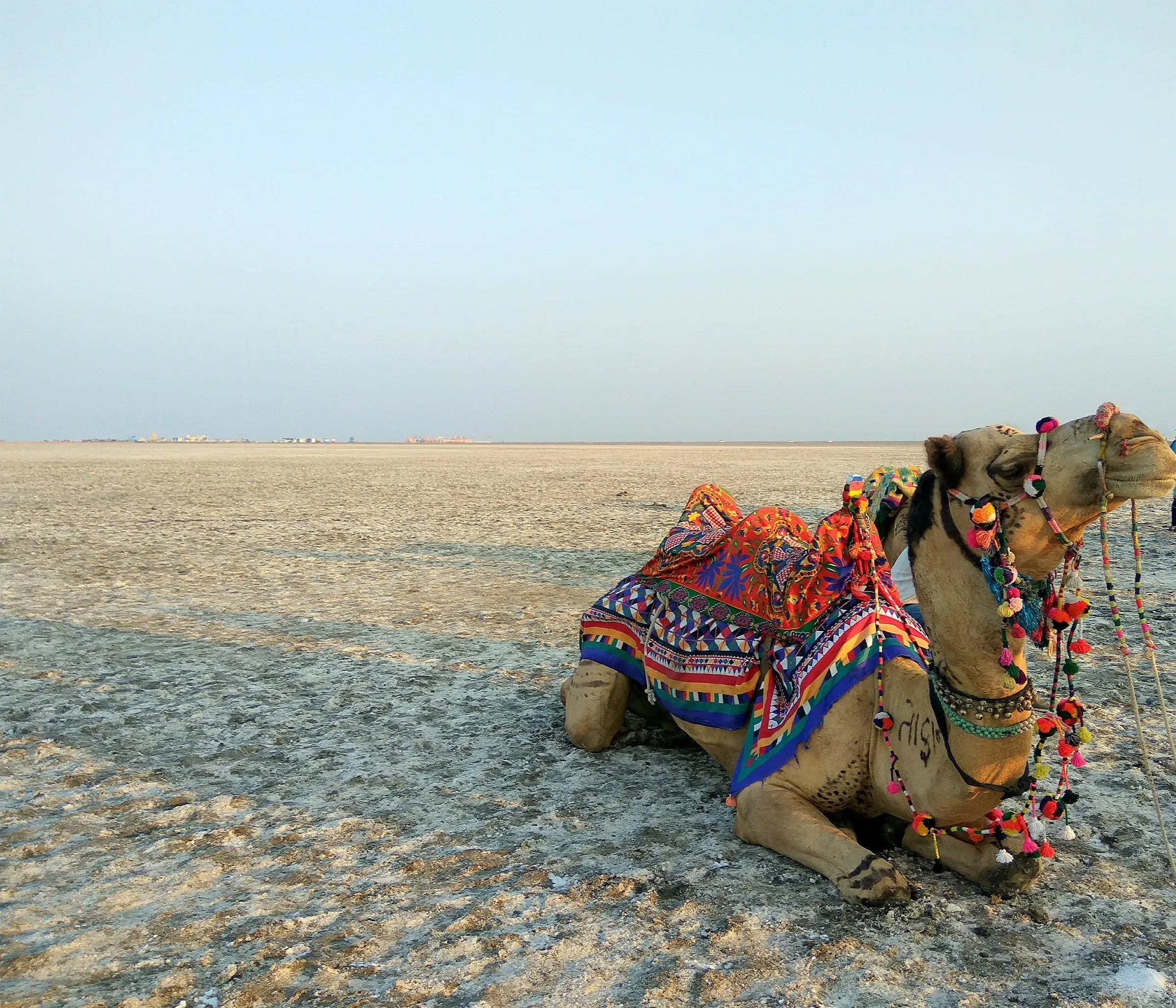
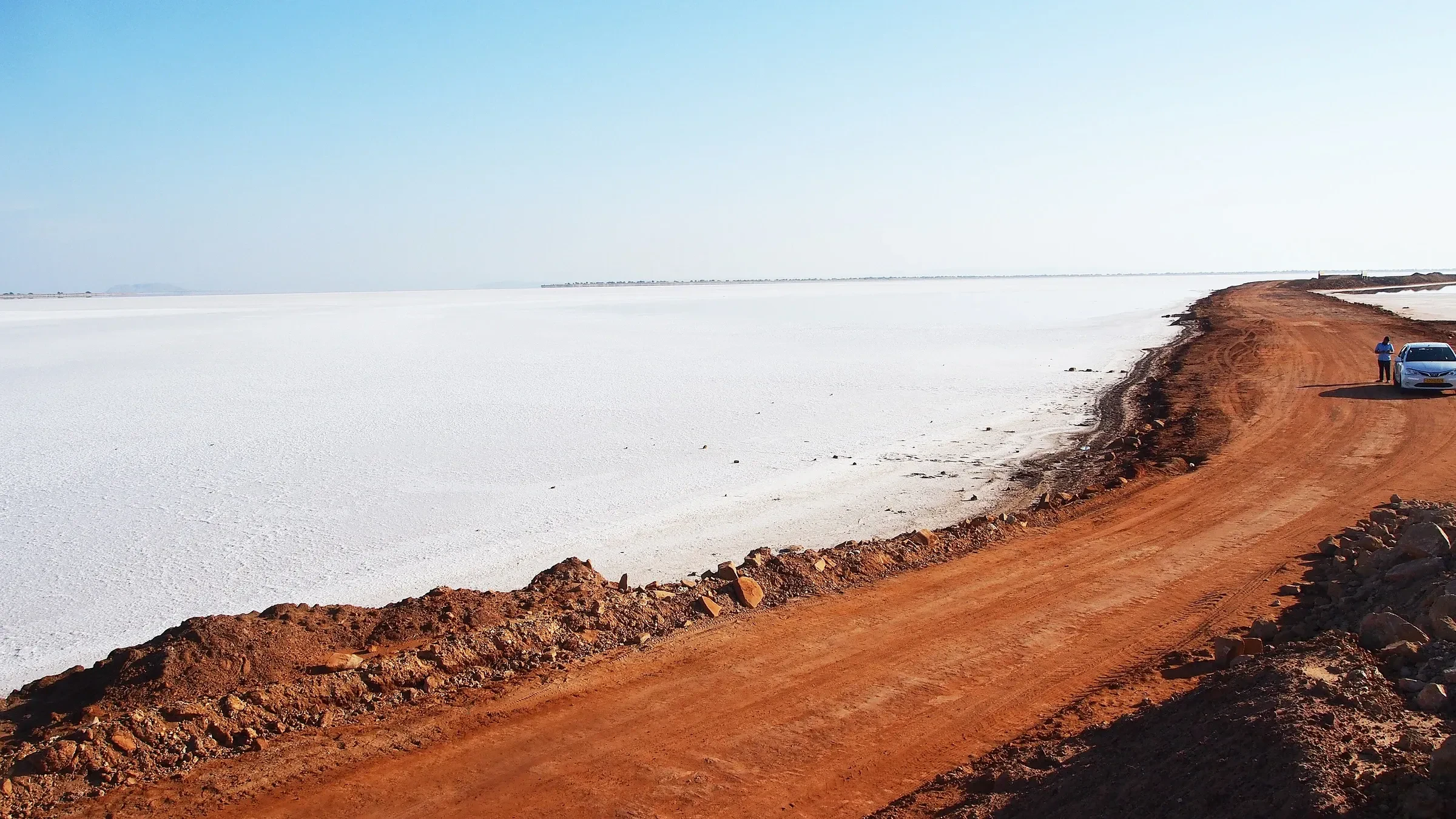
- a camel-cart ride or safari onto the White Rann's salt flats, with handicraft stalls along the way if you're travelling in the Rann Utsav season.
- Evening
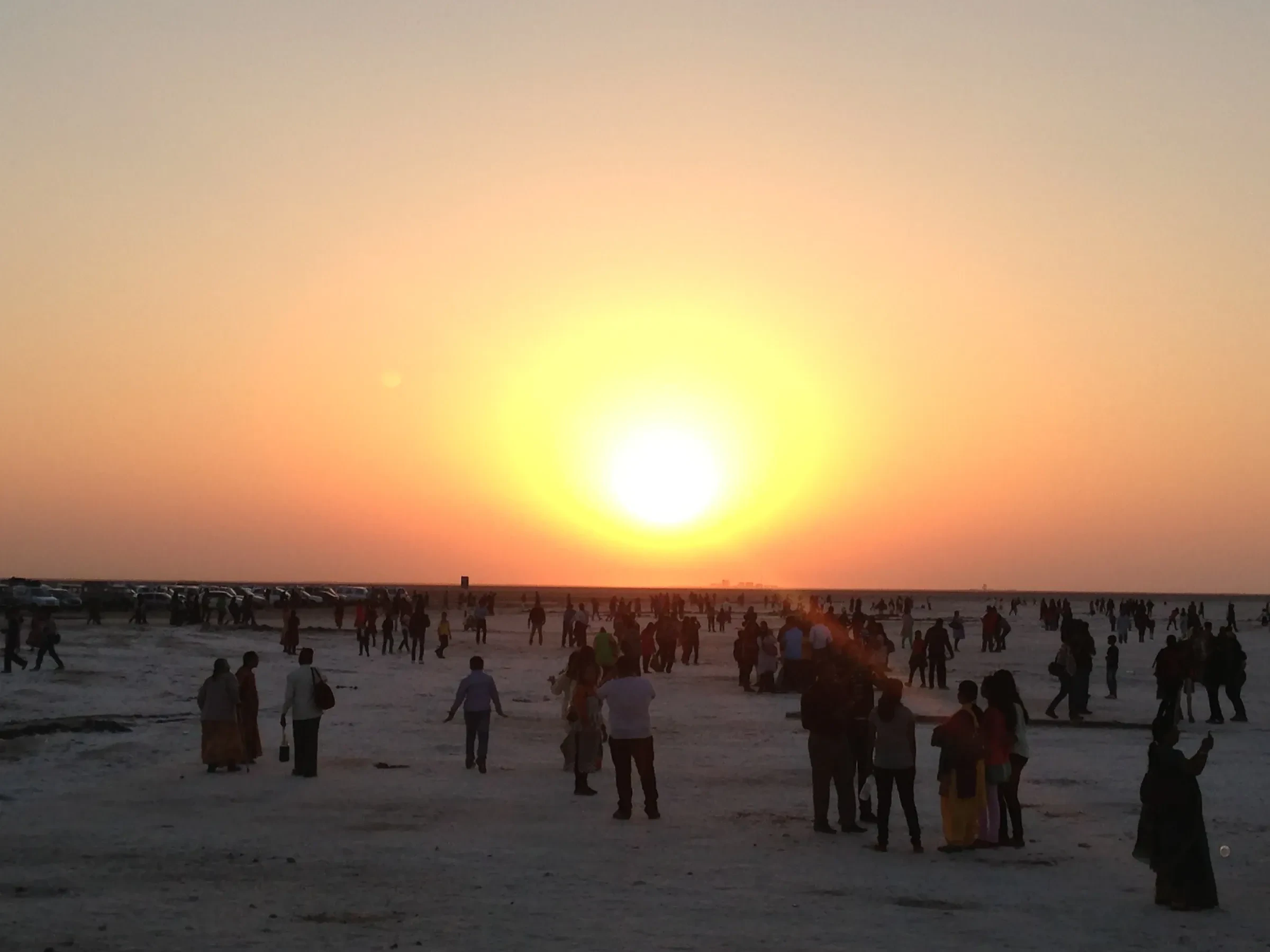
- sunset on the salt, when the crust turns from white to pink to grey; a folk-music-and-dance performance if you're staying at the tent city itself.
Eat a Rann Utsav camp dinner if you're at the tent city; otherwise a simple Kutchi thali at a Dhordo guesthouse.
Local tip bring a headtorch. There's no ambient light out here, which is exactly what makes the stargazing worthwhile.
Kalo Dungar and the Road to Heaven
Dholavira
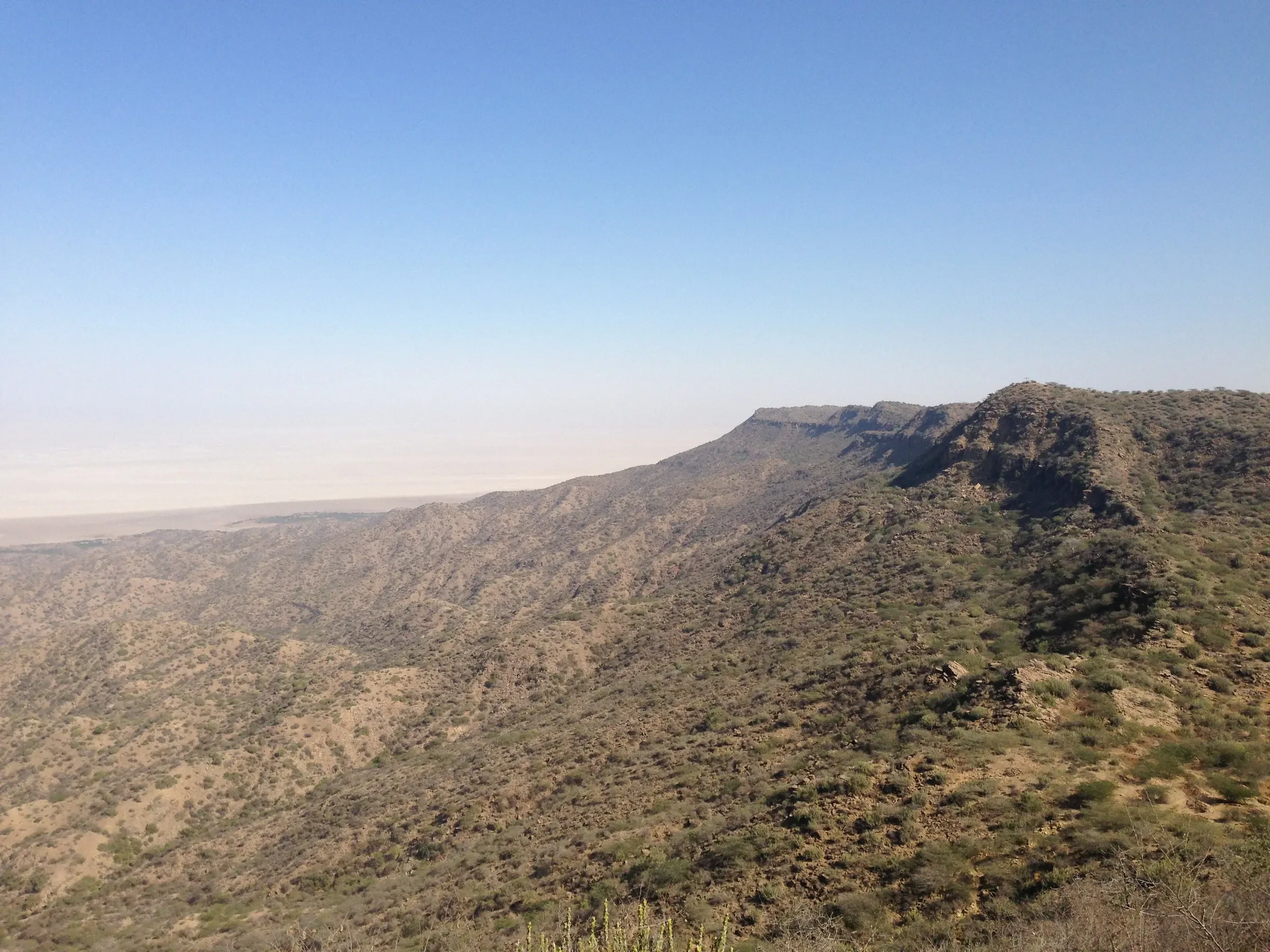
Getting there Dhordo to Dholavira via Khavda, about 2.5 to 3 h by car, most of it on NH 754K, nicknamed the "Road to Heaven" for the roughly 30km stretch that runs in a straight line across the White Desert itself.
- Morning
- Kalo Dungar (Black Hill), the highest point in Kutch, for the widest view over the Rann. The same permit that covers the White Rann applies here, and photography isn't allowed at the top, which is under army jurisdiction.
- Afternoon
- the drive on to Dholavira, stopping in Khavda for its own small pottery tradition if you have time.
- Evening
- sunset over the Rann from Khadir Bet, the island Dholavira sits on.
Eat whatever your guesthouse or homestay serves; eating options are limited this far out, so it's worth asking what's available when you book.
Local tip fill up on fuel and water in Bhuj or Khavda. There isn't much of either between here and Dholavira.
The Harappan ruins
Dholavira
- Morning
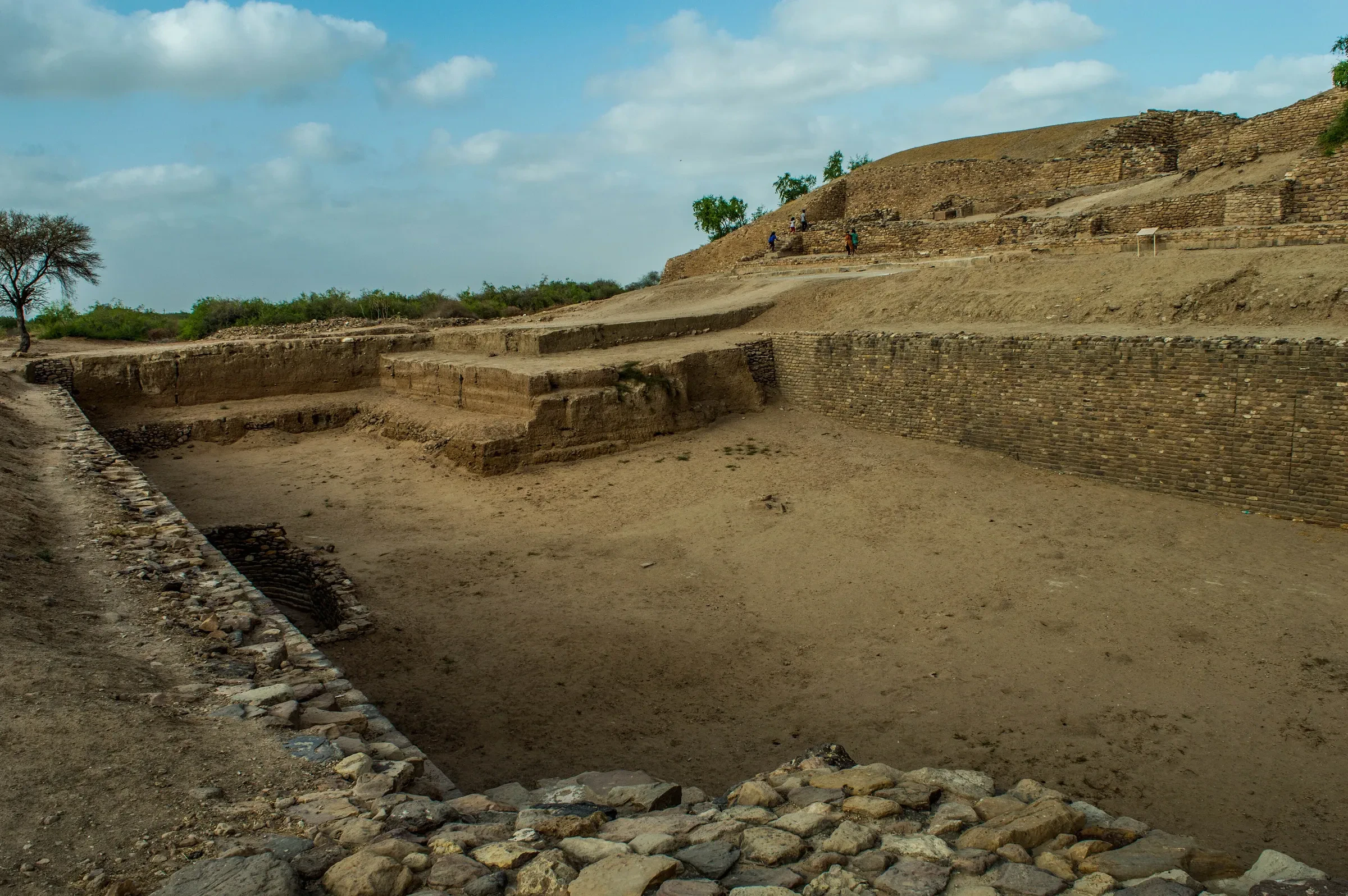
- the Dholavira Archaeological Site and Museum, one of the best-preserved cities of the Indus Valley civilisation, with its stone reservoirs, a stadium and the famous inscribed signboard at the entrance.
- Afternoon
- more time at the site if you're interested in the water-management system, which is what most archaeologists come here for; otherwise a slow afternoon back at your stay.
- Evening
- another sunset over the salt desert from Khadir Bet.
Eat local Kutchi cooking at your guesthouse; there's little else on offer.
Local tip the site is largely unshaded, so come early and carry more water than you think you'll need, especially outside the coolest months.
Back across the desert
Bhuj
Getting there Dholavira to Bhuj, the same Road to Heaven route in reverse, about 2.5 to 3 h.
- Morning
- a last look at the salt desert before heading back.
- Afternoon
- arrive in Bhuj with time to spare before the overnight train onward.
- Evening
- departure, or an extra night in Bhuj if your onward connection is early the next morning.
Eat one last Kutchi meal, or Gujarati thali if you're passing back through Ahmedabad.
Local tip build in slack on this day. It's the longest single drive of the trip, and Kutch's roads, while decent, aren't fast.
What it costs
A rough daily budget, per person, travelling as part of a pair sharing rooms. It's our own estimate, not priced item by item:
| Budget | Mid-range | Comfort | |
|---|---|---|---|
| Stay | ₹800 to ₹1,500 | ₹2,500 to ₹4,000 | ₹4,500 and up (a tent at the Rann Utsav tent city; prices vary widely by reseller) |
| Food | ₹400 to ₹600 | ₹800 to ₹1,200 | ₹1,500 and up |
| Car hire (shared) or local transport | ₹800 to ₹1,500 | ₹1,500 to ₹2,500 | ₹3,000 and up |
| Entry fees and permits | ₹200 to ₹400 | ₹200 to ₹400 | ₹200 to ₹400 |
| Daily total | about ₹2,200 to ₹4,000 (£17 to £31) | about ₹5,000 to ₹8,000 (£39 to £63) | ₹10,000 and up (£78 and up) |
The biggest single cost swing is where you sleep on the Rann nights. A shared guesthouse room in Dhordo village costs a fraction of a tent at the official Rann Utsav tent city, which is priced more like a resort.
Getting there, away and around
Ahmedabad is the arrival point. From there, Bhuj is reached by one of two trains: the overnight Kutch Express, about 7 h, cheap, and useful for saving a day of travel while you sleep; or the Namo Bharat Rapid Rail, faster at under 6 h but leaving Ahmedabad in the early evening, Sunday to Friday, so it suits an overnight-in-transit plan less well. Bhuj has an airport, but we couldn't find a direct Ahmedabad to Bhuj flight listed in October 2026, so check before you plan around one.
Beyond Bhuj, this is car-and-driver country. There's no useful public transport network linking the craft villages, Dhordo and Dholavira, so hire a car with a driver in Bhuj for the rest of the route; most Bhuj travel agents and hotels can arrange one. The road between Bhuj and Dholavira via Khavda (the Road to Heaven) is the direct, scenic option at about 2.5 to 3 h. A longer route avoiding it exists but adds an hour or more for no real benefit, unless the direct road is closed for repair, which is worth checking locally if you're travelling just after the monsoon.
Everyone needs a permit to enter the White Rann itself, tent city guests included, since it sits inside a notified border zone. The official online portal (rannpermit.gujarat.gov.in) says it is only for Indian nationals, so foreign visitors get the permit in person at the Bhirandiyara checkpost, taking their passport and Indian visa details. The portal doesn't describe the foreign-visitor process, so ask your hotel in Bhuj to confirm it. The official fee is ₹100 for anyone over 12 (₹50 for ages 6 to 12, free up to 5, vehicles free), and fees can change, so check at the checkpost. The same permit covers Kalo Dungar. See our Rann Utsav guide for the festival side.
Gujarat is a dry state, so alcohol is restricted along this route, including in Ahmedabad and Bhuj, and visitors who want a drink need a permit. Foreign visitors can ask their hotel or an authorised dealer about a tourist permit, bringing their passport and visa details. The application route, fee and validity change, so check the current rules with your hotel or the state's Prohibition and Excise Department before you travel, and keep the permit on you when you buy or drink alcohol.
Best time and festivals on this route
November to February is the only realistic window. It's the only season that's bearable, temperature-wise, in a place that's a genuine desert, and the White Rann is at its whitest in the second half of it, from late December through February. Avoid April to June, when Kutch regularly hits 40°C and above, and July to September, when the monsoon floods the salt marsh and the whole point of a White Rann visit, the dry, cracked white crust, disappears underwater.
If your dates line up, Ahmedabad's Uttarayan kite festival, which falls on 14 January every year, is worth building a day around at the start or end of the trip.
What to eat on this route
Gujarati food changes character as you move from Ahmedabad into Kutch. In Ahmedabad, it's the full thali: a sweet, savoury and sour balance served across a dozen small dishes, plus khaman dhokla as a between-meals snack and, if you're around at the weekend, fafda-jalebi for breakfast. In winter, look out for undhiyu, a slow-cooked mixed-vegetable dish that's very much a cold-season specialty.
Kutch cooks differently again: drier, more millet-based, shaped by a harsher landscape. Kutchi dabeli (a spiced-potato bun snack), bajra rotla with white butter and jaggery, and Kutchi kadhi turn up on menus from Bhuj out to the villages. Our India food guide covers the wider regional picture.
Keep planning
- India itinerary: routes from 1 week to 1 month
- Rajasthan itinerary: 1 week, 10 days or 2 weeks
- Golden Triangle itinerary
- Rann Utsav: the White Desert festival, dates and tent cities
- Rann of Kutch guide: the white desert, when to go and getting there
- Indian food: what to eat in India, region by region
- Best time to visit India
- India e-visa and entry requirements 2026