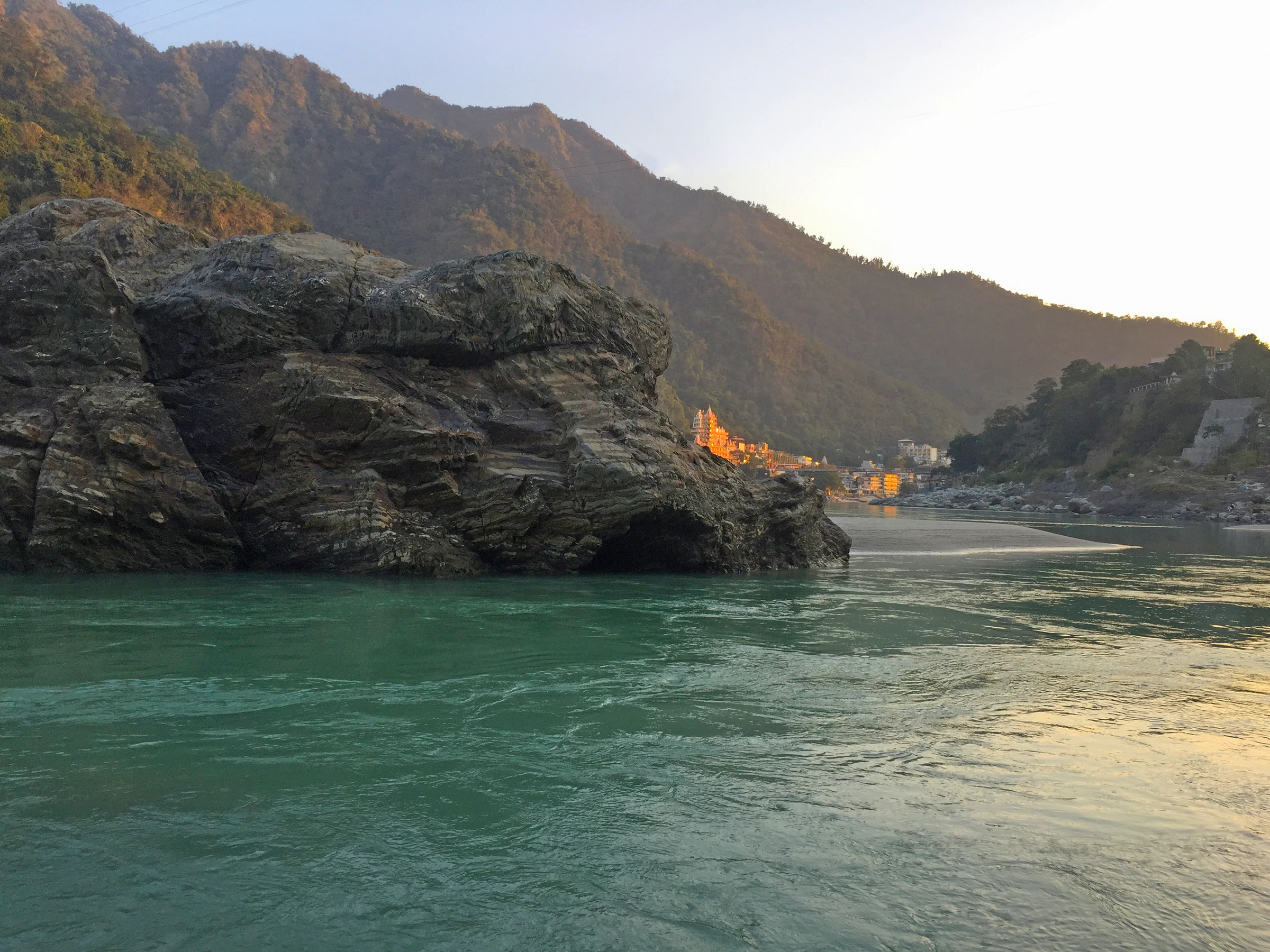
Rishikesh sits where the Ganges comes down from the Himalaya onto the plains, so its weather is a mix of both: hot summers like the rest of northern India, but with a wetter, more landslide-prone monsoon than the cities further south, because the rain falls on steep mountain roads rather than flat ground.
This guide goes month by month through the weather, then covers the things that actually change your plans: the rafting season, road conditions in the monsoon, the yoga festival, and the crowds that build up around Char Dham. For everything else on planning a visit, see our Rishikesh travel guide.
Rishikesh weather month by month
| Month | Max / min temp | Rainfall | Notes |
|---|---|---|---|
| January | 19°C / 6°C | 59 mm | Cool days, cold nights |
| February | 22°C / 8°C | 49 mm | Warming up, still cool at night |
| March | 27°C / 12°C | 45 mm | International Yoga Festival |
| April | 33°C / 18°C | 22 mm | Warm, Char Dham opens |
| May | 36°C / 21°C | 42 mm | Hot, Char Dham crowds building |
| June | 36°C / 24°C | 131 mm | Hot, rains start building |
| July | 32°C / 24°C | 444 mm | Monsoon, rafting closed |
| August | 32°C / 23°C | 399 mm | Monsoon, rafting closed |
| September | 31°C / 22°C | 198 mm | Rain easing, rafting reopens late month |
| October | 30°C / 17°C | 54 mm | Clear, one of the best months |
| November | 25°C / 10°C | 10 mm | Driest month, excellent weather |
| December | 21°C / 7°C | 30 mm | Cool days, cold nights |
Climate averages from weather2travel.com, checked September 2026. Treat these as a guide rather than a promise. Every year is a little different, especially with the monsoon.
October and November: the best months
The rain has cleared, the river runs its usual green rather than the muddy brown of the monsoon, and rafting is back in full swing after the season reopens (late September; 24 September in 2026). Days are warm, nights are pleasantly cool, and the roads north are calm before the spring pilgrimage traffic builds. If you only get one shot at Rishikesh, aim for this window.
December and January: cool and quiet
Daytime temperatures stay comfortable, around 19 to 21°C, but nights get properly cold, down to about 6 to 7°C, so bring a warm layer if you're out for the evening aarti or an early yoga class. It's a quieter time to visit, with fewer travellers than the autumn or spring peaks.
February to April: warm and busy
The weather turns pleasant again, building from about 22°C in February to a hot 33°C by April. This is also Rishikesh's busiest stretch: the International Yoga Festival fills Parmarth Niketan in March, Holi falls in the same month most years, and by late April the Char Dham pilgrimage season is underway, which means more traffic on the roads north. Book accommodation ahead if you're travelling in this window.
May and June: hot, before the rains
Highs push to 36°C, and it's the hottest stretch of the year on top of the plains. Rafting is still open right through June, but plan around the heat of the afternoon. Char Dham traffic is at its heaviest in these two months, since the pilgrimage season is in full flow.
July to September: the monsoon
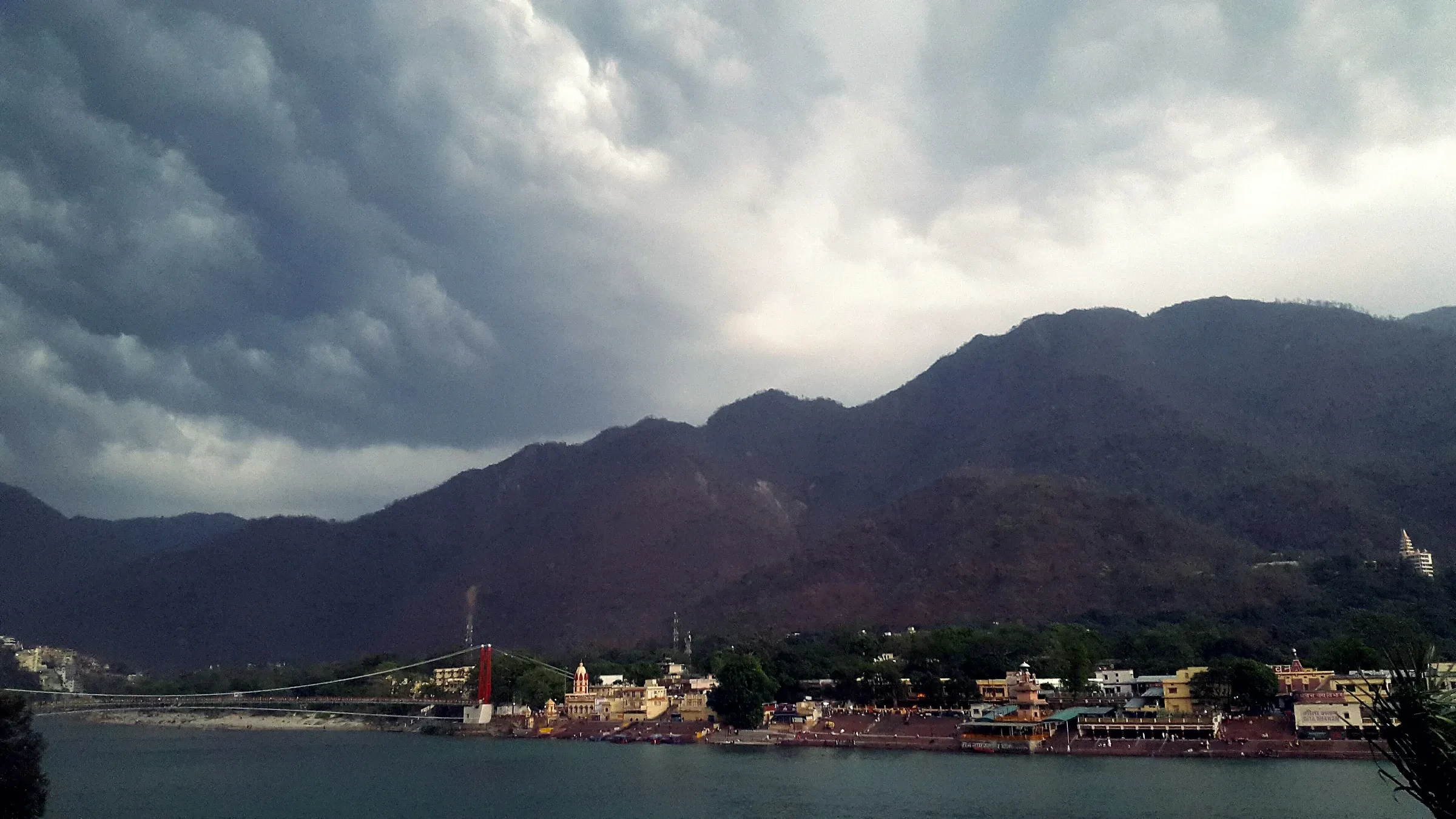
Rain peaks in July and August, when Rishikesh gets its heaviest rainfall of the year and the river runs high, fast and brown. Rafting closes for the whole of this stretch, for good reason: the water is genuinely more dangerous. Roads on the way to the high Himalaya can also be affected by landslides. Rain eases through September, and rafting usually reopens around its last week, so the tail end of the month starts to feel like the good season again.
The Char Dham pilgrimage keeps running through the monsoon, but it stops whenever the rain brings landslides down onto the roads. In July 2026 the yatra was suspended on 20 July and again for two days from 28 July.
Monsoon landslides and road closures
The mountain roads around Rishikesh, especially the routes towards Uttarkashi, Badrinath and Kedarnath, are prone to landslides during the monsoon, and the UK Foreign Office (FCDO) specifically warns that flash floods and landslides in the mountains can happen with little warning at this time of year. If you're travelling in July or August, keep your onward plans flexible and check local news before setting off on any road trip further into the hills. Rishikesh itself, being lower down in the valley, is less affected than the roads above it, but getting in and out of town can still be disrupted.
Rafting season and Rishikesh's weather
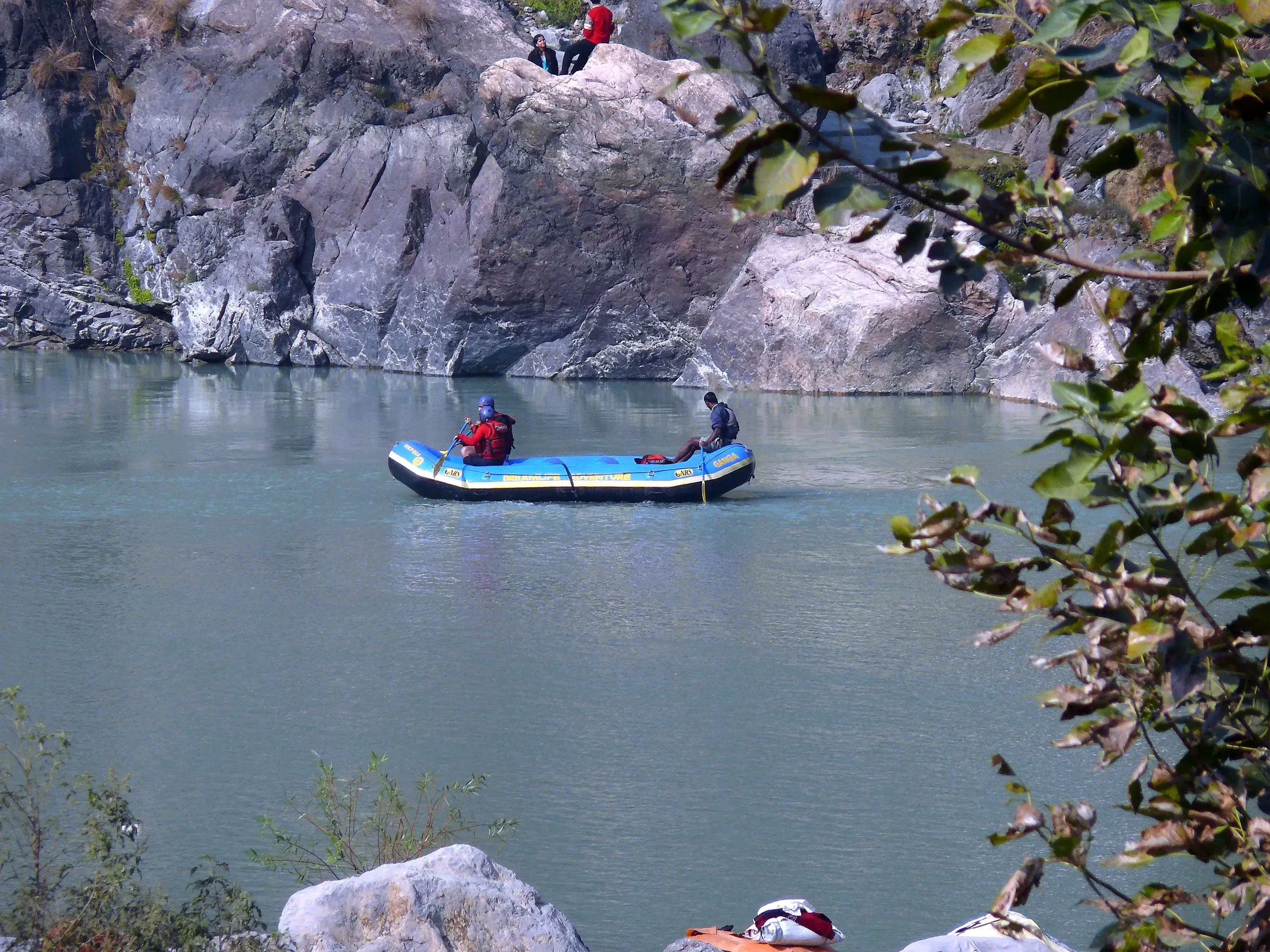
Rafting on the Ganges runs from late September to the end of June, closing completely for the monsoon. The rafting committee sets the reopening date each year; in 2026 it was 24 September. The closure follows from the weather above: a river swollen with rain is too dangerous to run commercially. Our Rishikesh river rafting guide has the stretches, prices and safety rules.
The International Yoga Festival
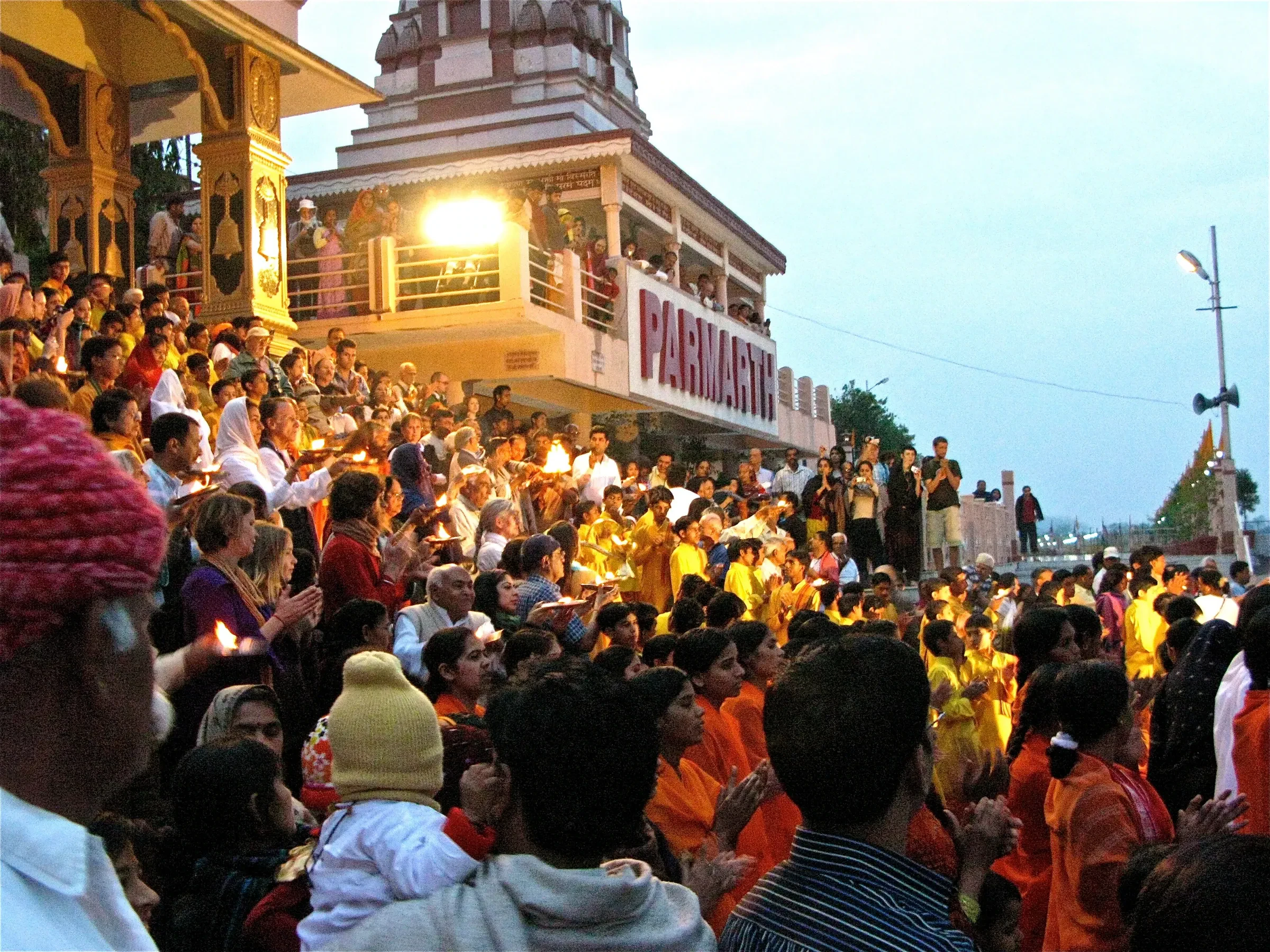
Parmarth Niketan holds its International Yoga Festival every March, and the 2027 edition runs from 9 to 15 March 2027, according to the festival's own site (internationalyogafestival.org). It's one of the busiest weeks of the year in Rishikesh, so if you want to attend, or want to avoid the crowds, plan around those dates and book accommodation well ahead.
The Ganga Aarti through the year
The evening aarti at Parmarth Niketan happens every day of the year, around sunset, so the start time moves with the seasons. Sources disagree on the exact clock times, so ask your hostel or the ashram on the day. You don't need to time your trip around it, but in the short days of December and January it starts early, so plan to be at the ghat well before dark.
Char Dham traffic
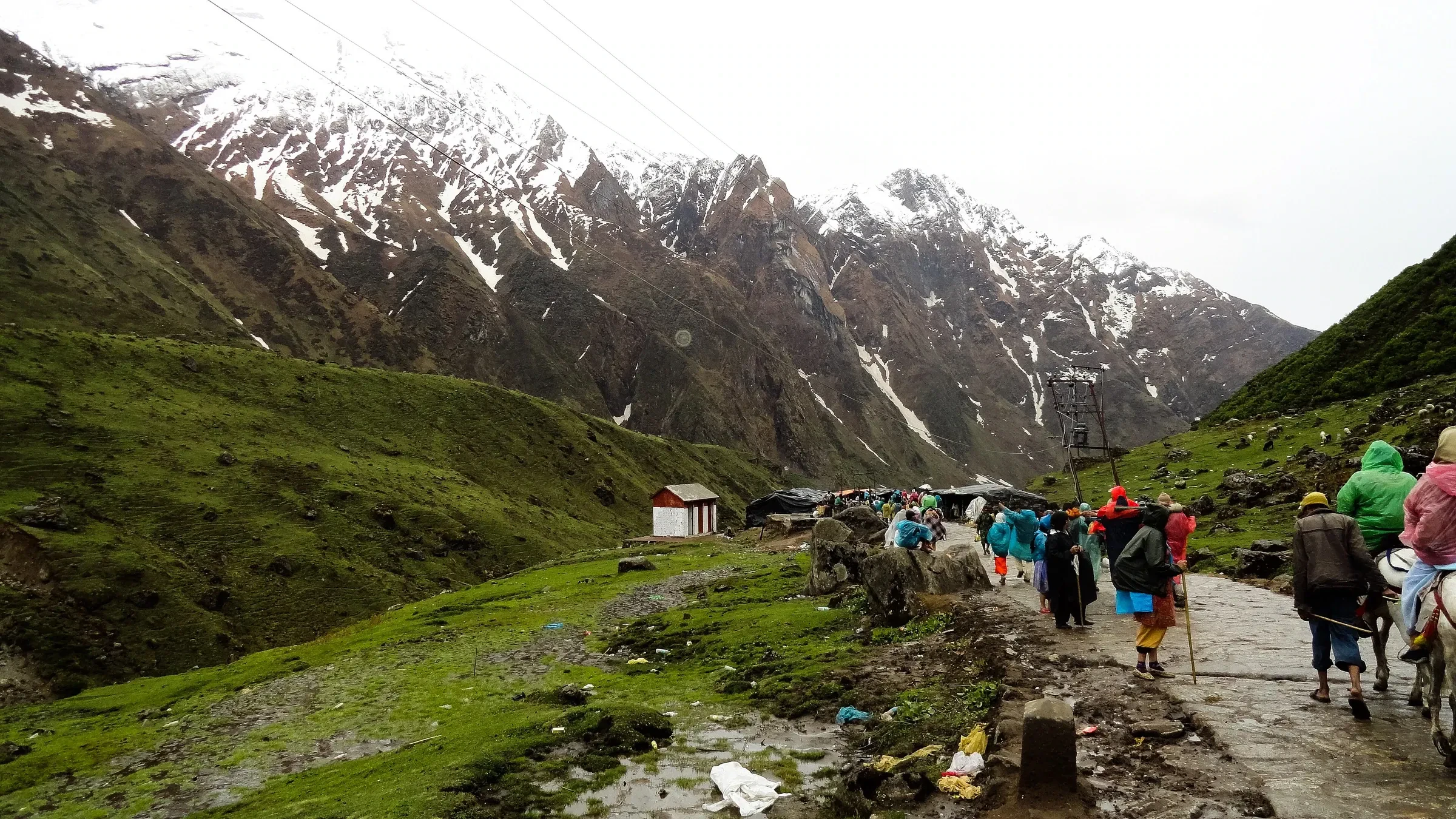
Rishikesh is the last major town before the road climbs towards the Char Dham temples: Yamunotri, Gangotri, Kedarnath and Badrinath. Once the temples open for the season, usually in late April or May, and right through until they close for winter a few days after Diwali (between late October and mid November, depending on the year), traffic on the roads north picks up noticeably and hotels in Rishikesh get extra demand from pilgrims passing through. In 2026 the four temples opened between 19 and 23 April and are due to close between about 10 and 13 November. For 2027, Yamunotri and Gangotri traditionally open on Akshaya Tritiya, which falls on 9 May, with Kedarnath and Badrinath following a few days later; the temple committees announce the exact dates early in the year. None of this affects Rishikesh's own weather, but if you're travelling by road in spring, expect heavier traffic and fewer free rooms.
Best time for...
- Best all-round weather: October and November, or February to April.
- Rafting: any time the season is open, late September to the end of June; October, November, February and March combine good weather with a calm river.
- The International Yoga Festival: 9 to 15 March 2027.
- Avoiding crowds: June, once Char Dham traffic has settled into its routine, or December and January, though evenings are cold.
- Avoiding the monsoon entirely: stick to October through June.
Plan your trip around the season
Our Rishikesh trip runs across most of the good months, so you don't need to worry about landing in the monsoon closure.
India Rishikesh & Himalaya is scheduled outside the monsoon, which keeps every departure inside the rafting season.