
What makes Delhi special
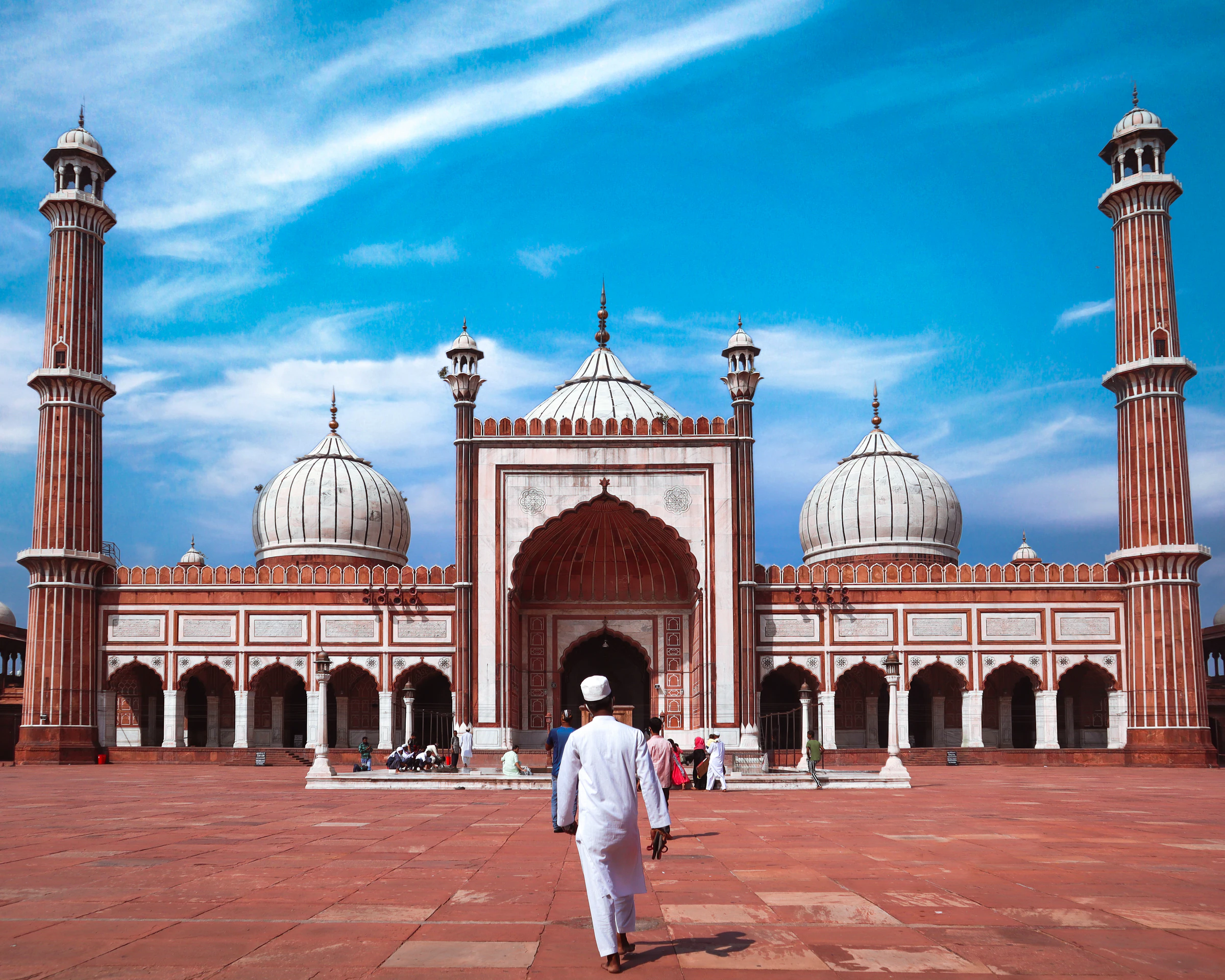
Delhi has been a capital under half a dozen empires, and it shows. Old Delhi is what's left of Shahjahanabad, the walled city Mughal emperor Shah Jahan built in the 1600s: narrow lanes, the Red Fort and Jama Masjid, and a food scene that's barely changed in generations. A few kilometres south, New Delhi is the planned capital the British built in the 1910s and 20s: wide avenues, government buildings, and older Delhi Sultanate era monuments like Humayun's Tomb and Qutub Minar scattered through parks and suburbs. Not many capitals pack this much history into a two-day visit. Delhi is also the easiest way into India, since most international flights land here and the Golden Triangle route to Agra and Jaipur starts from the same city. For the rest of the country, see our India travel guide.
Where to go in Delhi
Old Delhi. The walled city: Red Fort, Jama Masjid, Chandni Chowk's markets and food lanes, and the Sikh temple Gurudwara Bangla Sahib nearby. Dense, noisy and best done slowly on foot or by cycle rickshaw. Give it at least half a day, a full day if you want to eat your way through it (see our Delhi street food guide).
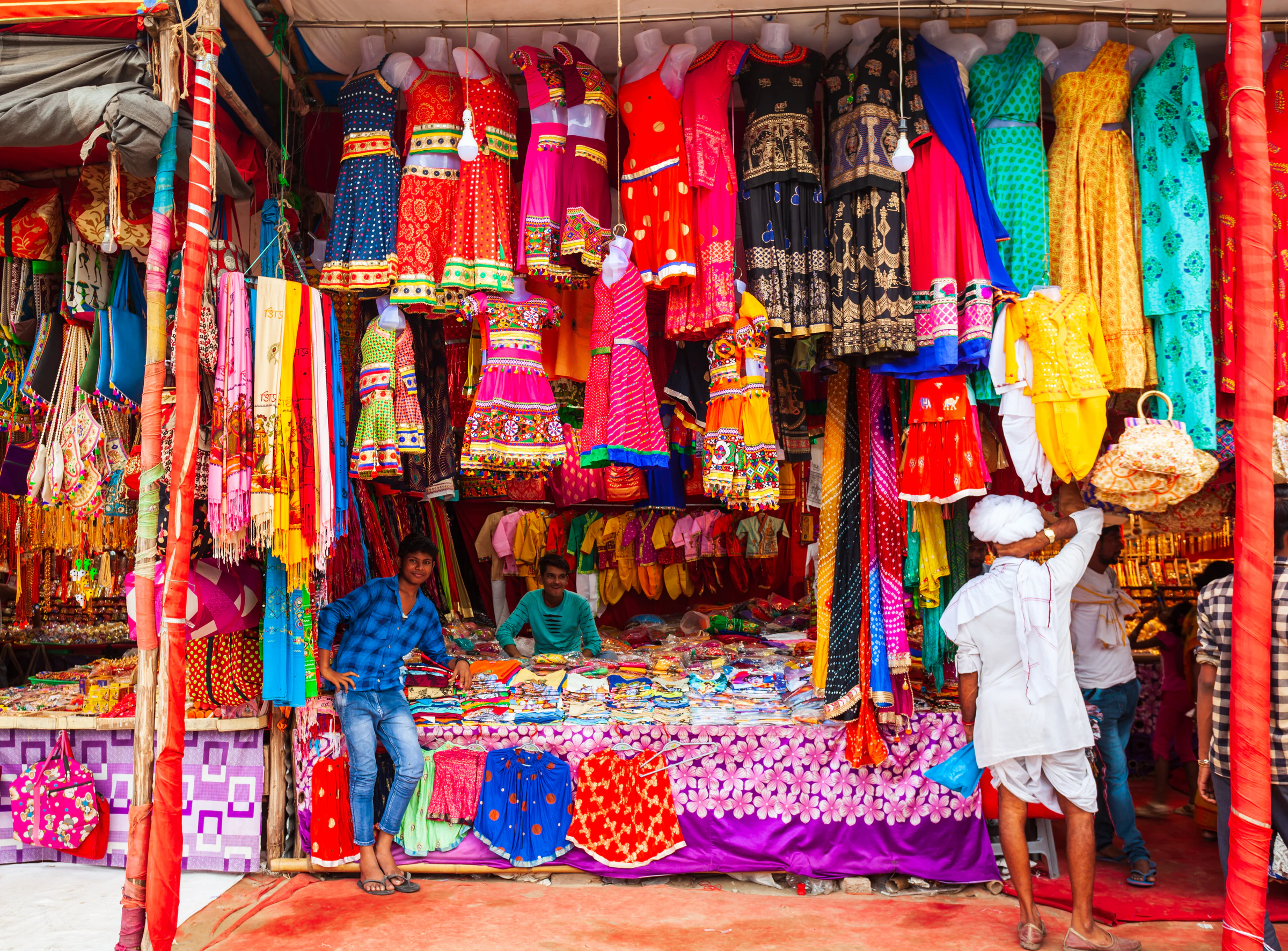
New Delhi and Lutyens' Delhi. The colonial-era government quarter: India Gate, Rashtrapati Bhavan (viewed from outside the gates), and Lodi Gardens' quiet Sayyid and Lodi era tombs. Good for a slower morning or an evening walk. Half a day.
South Delhi. Humayun's Tomb, Qutub Minar and, for an evening out, Hauz Khas Village's lanes of cafés and bars around a 14th-century reservoir and madrasa ruins. These sights are spread further apart than Old Delhi's, so budget a full day if you want all three unhurried, or half a day for Humayun's Tomb and Qutub Minar alone (they're roughly 30 to 40 minutes apart by road).
Things to do in Delhi
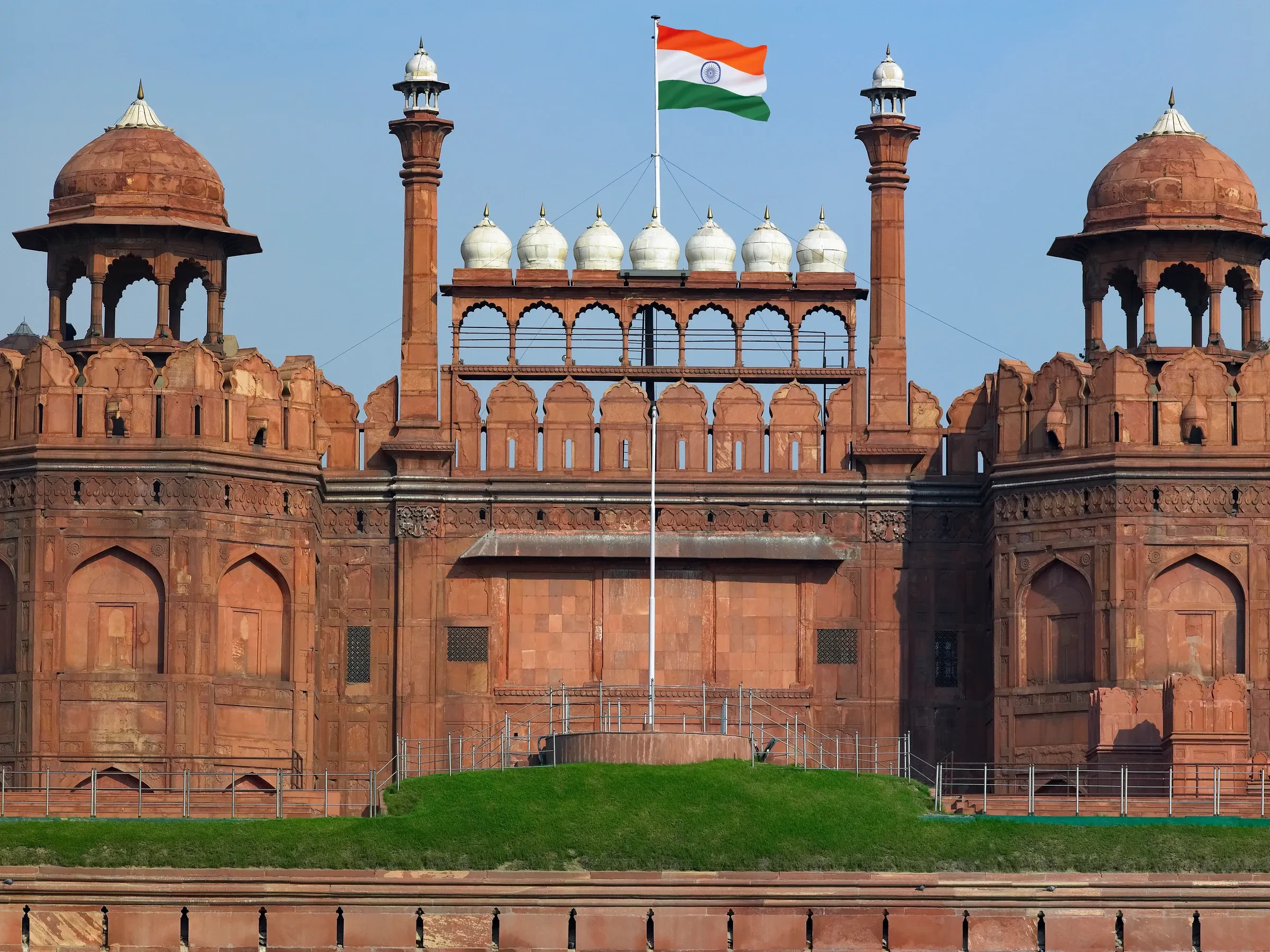
Red Fort
Shah Jahan's red sandstone fort, built in the 1600s as the seat of Mughal power, with the Diwan-i-Am (public audience hall) and the marble Diwan-i-Khas inside. Foreign visitors pay about ₹600 on 2026 listings, a little less if you book online through the ASI's ticketing site, and Indian nationals pay a small fraction of that. It's open in daylight hours every day except Monday, when it's closed, and listings quote about 9:30am to 4:30pm, so check the ASI listing before you go. The ASI also closed the fort to the public from 15 July to 15 August 2026 for Independence Day preparations, so check before you plan around mid-July to mid-August. Go early to avoid both the heat and the tour-group crush, and allow an hour and a half to two hours.
Jama Masjid and Chandni Chowk
One of India's largest mosques, finished in 1656, sits at the top of Chandni Chowk's main lane. Entry to the courtyard is free, but listings report a camera fee of about ₹200 to ₹300 and a separate small fee to climb a minaret, and the figures differ between sources, so ask at the gate. Dress modestly: shoulders and knees covered, and women should carry a scarf for their head; free robes are usually available at the gate if you need one. Non-Muslim visitors aren't let into the mosque during prayer times, especially around Friday midday prayers, so avoid visiting then. Below the mosque, Chandni Chowk's lanes (cars struggle in the lanes, so a cycle rickshaw or e-rickshaw works better) are a good introduction to Old Delhi's food, from paranthe to jalebi.
Qutub Minar
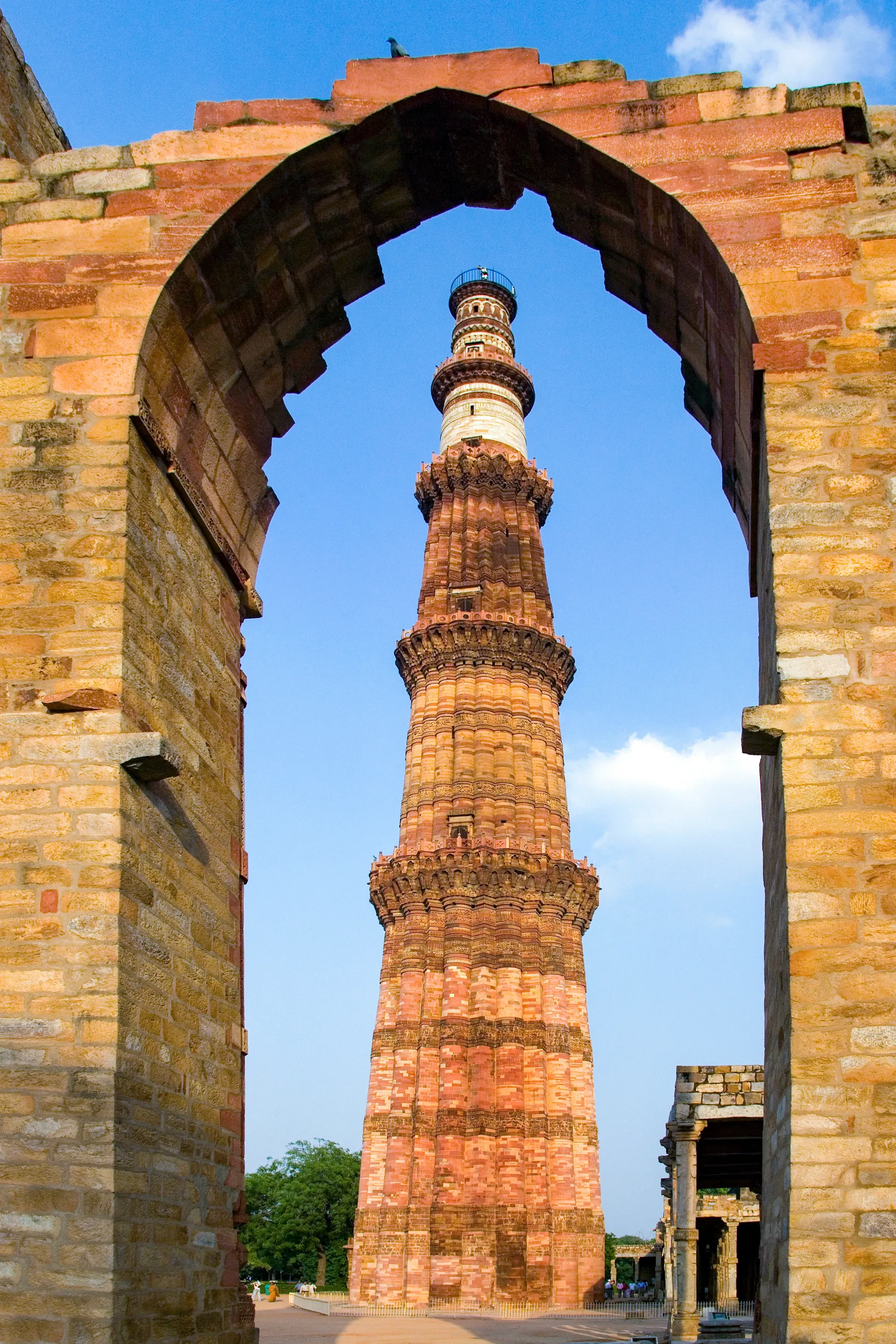
A 73-metre sandstone and marble minaret begun in the late 12th century, said to be the tallest brick minaret in the world, surrounded by a UNESCO-listed complex of ruins including the Quwwat-ul-Islam mosque and the famous iron pillar that hasn't rusted in over 1,600 years. Foreigners pay about ₹600 on 2026 listings (a little less online). Listings show it open daily with no weekly closure. An hour is enough unless you're keen on the history.
Humayun's Tomb
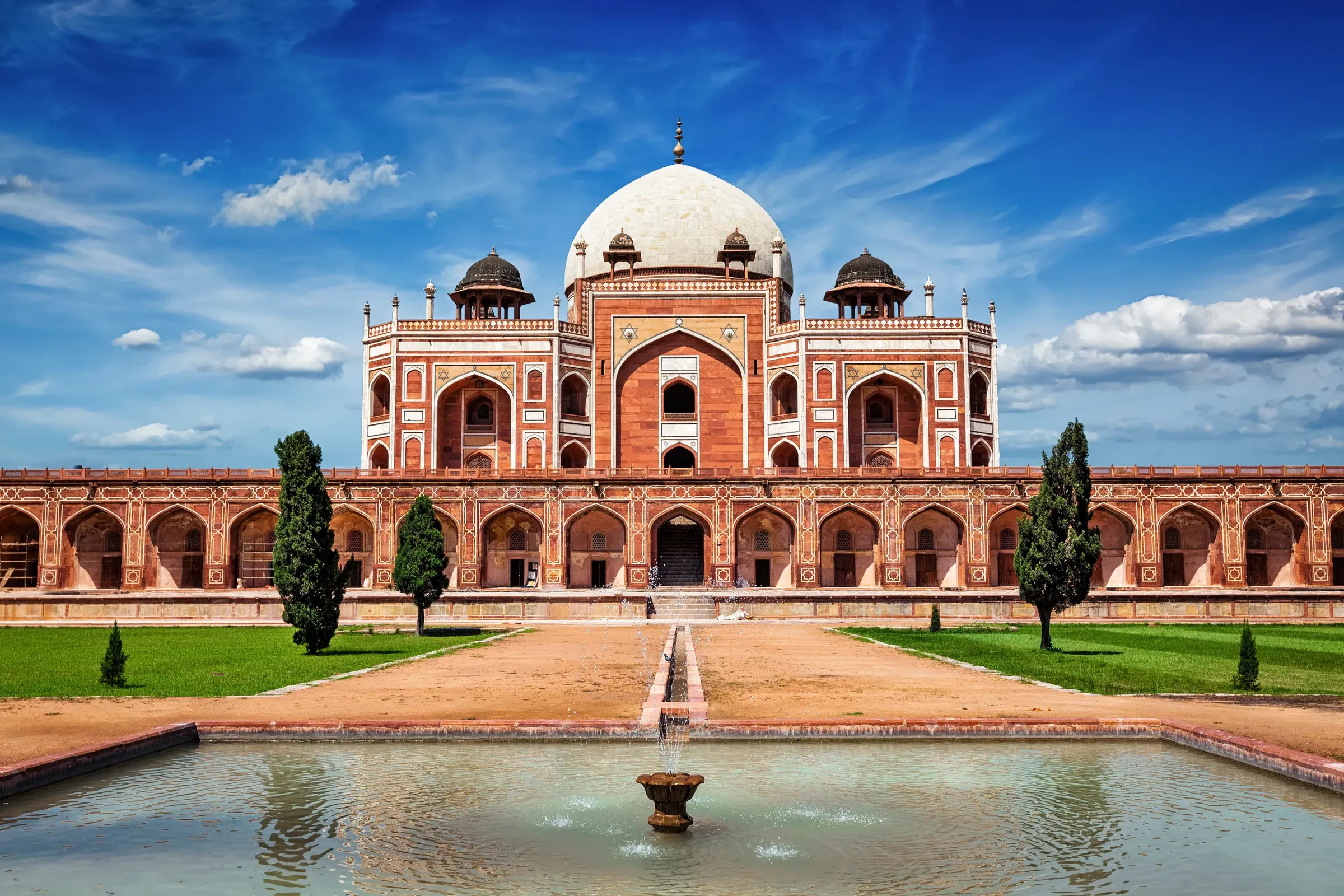
The Mughal garden tomb that's widely seen as the design template for the Taj Mahal, built in the 1560s for Emperor Humayun and set in a formal Persian-style charbagh garden. Listings give the same ASI price as the Red Fort and Qutub Minar, about ₹600 for foreigners, and show it open every day with no weekly closure. Go for the golden hour before sunset if you can; the light on the sandstone is worth timing for.
Chandni Chowk and Old Delhi by rickshaw
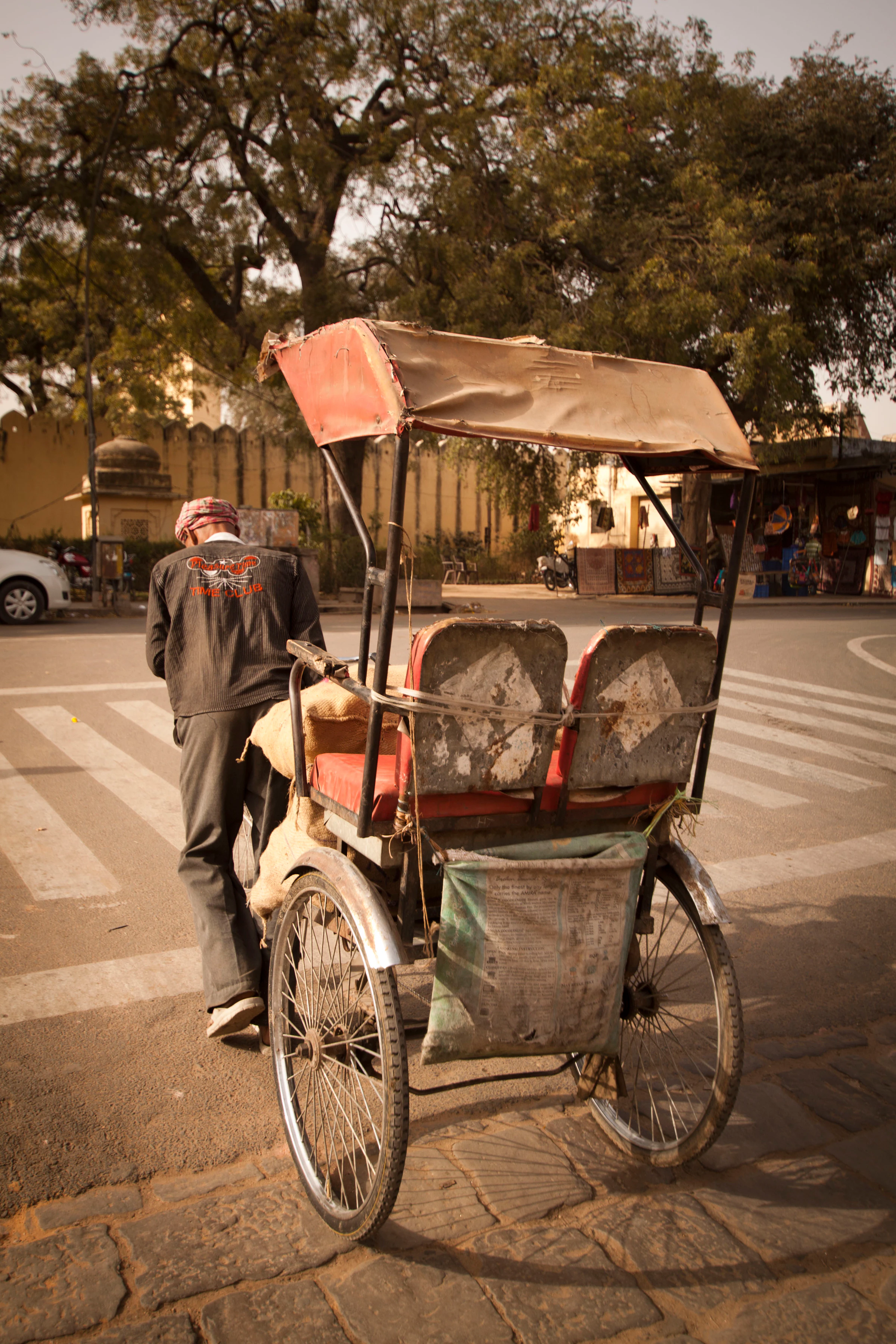
A cycle-rickshaw ride through Old Delhi's lanes, weaving between the Spice Market (Khari Baoli), the sari lanes and the wholesale bazaars, is cheap, memorable and a fixture on most group itineraries. Agree the fare before you set off.
Gurudwara Bangla Sahib
A Sikh temple with a white and gold facade and a large sacred pool, a short auto ride from Connaught Place. Entry is free; cover your head (scarves are provided at the door), remove your shoes, and leave alcohol and tobacco outside. The langar hall serves a free vegetarian meal to everyone, all day, and visitors are welcome to help out in the kitchen if they want to see how it runs.
India Gate, Lodi Gardens and Hauz Khas Village
India Gate is a war memorial best seen in the evening, when locals picnic on the lawns around it. Lodi Gardens is a quiet park scattered with 15th-century tombs, good for an unhurried morning walk. Hauz Khas Village, built around a reservoir and madrasa ruins from the same era, is where Delhi's cafés, bars and independent shops cluster, and makes a good place for dinner after a day of sightseeing.
What to eat in Delhi
Old Delhi has a good claim to being India's street food capital: paranthe (stuffed flatbreads) from Paranthe Wali Gali, chole bhature, and Delhi's own invention, butter chicken, said to have first been served at Moti Mahal in Daryaganj. Chandni Chowk's lanes are the best place to graze through several of these in one evening.
!Chole bhature, fried bread with spiced chickpeas, at a stall in Chandni Chowk We've written a longer Delhi street food guide covering exactly where to go and what to order.
Best time to visit Delhi
October to March is the comfortable window: warm days, cool nights, and none of the pre-monsoon heat that pushes Delhi past 40°C in May and June. One thing worth knowing before you book: Delhi's air quality drops sharply from November through January, as crop-burning smoke from neighbouring states, vehicle emissions and construction dust build up in the cooler, stiller winter air. This is a genuine health issue, so if you're sensitive to air pollution, or travelling with someone who is, consider February or March instead. Otherwise, check the daily air quality index and keep outdoor time down on the worst days.
Getting there and around
Indira Gandhi International Airport's Terminal 3 handles most international arrivals. The Airport Express metro line runs from the airport to New Delhi railway station in 15 to 20 minutes, with trains every 10 to 15 minutes from about 05:00 until about 23:30. Listings give the fare as about ₹60 to ₹65 (DMRC revised Airport Express fares in 2025, so check the machine), and the line has its own tickets rather than the regular network's. A prepaid taxi counter and app-based cabs are also available at the terminal.
Once you're in the city, the wider Delhi Metro network is the easiest way to cover the distances between Old and New Delhi and out to South Delhi. If you're staying more than a couple of days, a Delhi Metro tourist card, which Delhi Tourism lists at ₹100 for one day or ₹250 for three days plus a refundable ₹50 deposit, gives unlimited travel on the main network. Check at a station that it is on sale, and note it does not cover the Airport Express line. The first coach in the direction of travel on every train is reserved for women. Inside Old Delhi's lanes, where cars can't easily go, a cycle rickshaw or e-rickshaw is the way to get around.
One thing worth knowing before you arrive: New Delhi railway station, particularly around the Paharganj side entrance, has a long-running tout problem. People posing as railway staff or "tourist office" employees will tell you your train is cancelled or your booking doesn't exist, then try to steer you to a private travel agency instead. The real International Tourist Bureau is upstairs inside the station's main building, on the first floor. If anyone outside the station tells you it's "closed" or "moved," ignore them and walk in yourself, or book your onward trains online in advance through IRCTC so you don't need the counter at all.
How long to spend, and where to go next
Two full days covers Delhi's highlights comfortably: one for Old Delhi (Red Fort, Jama Masjid, Chandni Chowk), one for New and South Delhi (Humayun's Tomb, Qutub Minar, India Gate or Lodi Gardens). Add a third day if you want Hauz Khas Village, a slower food crawl, or a day trip to Agra and back on the Gatimaan Express (it leaves Nizamuddin at 08:10, takes about 1 hour 40 minutes and doesn't run on Fridays, when the Taj Mahal is closed anyway). Most solo travellers treat Delhi as the start of a longer route rather than a stand-alone trip: our Golden Triangle itinerary guide covers the classic next step to Agra and Jaipur in a week or 10 days, and it's the route our Golden Triangle trip below follows almost exactly.


