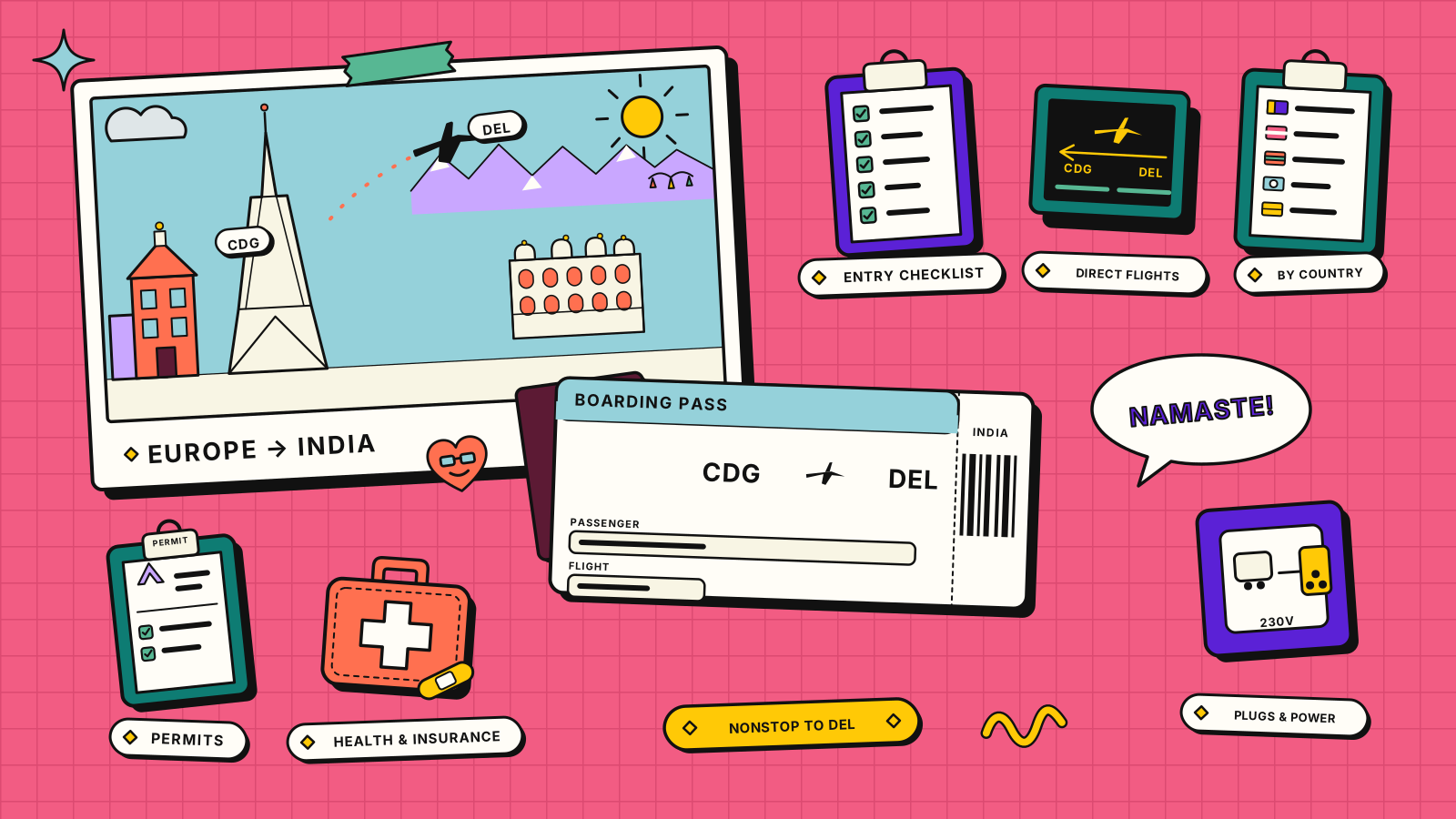
The visa rules for these seven countries are the same, so they share this page. The few differences are in a table below. For everyone else, see our main India visa and entry requirements guide.
Which visa you need
All seven nationalities need a visa or an OCI card. Ireland's Department of Foreign Affairs is blunt about it: Irish citizens who arrive without a visa will be refused entry and will likely be detained. Visa on arrival is only for Japanese, South Korean and some UAE nationals.
| e-Tourist visa | Fee | With 3% bank charge | Validity |
|---|---|---|---|
| 30 days, applied April to June | US$10 | US$10.30 | 30 days from first arrival |
| 30 days, applied July to March | US$25 | US$25.75 | 30 days from first arrival |
| 1 year | US$40 | US$41.20 | 365 days from the date it's granted, multiple entry |
| 5 years | US$200 | US$206 | 5 years from the date it's granted, multiple entry |
Fees are charged in US dollars, not euros or kronor. Source: official fee table dated 8 September 2026. The table labels the US$10 rate "April to June" without saying whether that means when you apply or when you arrive, so apply and arrive within that window if you want the lower fee.
The 5-year visa went up from US$80 to US$200. The 30-day and 1-year prices didn't change. The new price first appears in the official fee table dated 23 December 2025. News reports dating it to July 2026 were describing a later reissue of the same table.
So which one? The 1-year visa costs a fifth of the 5-year one and gives multiple entries for 12 months. If you're only planning one trip, I'd start there. The 5-year visa makes sense if you already expect to come back in later years. On either you can stay up to 180 days per calendar year. That's the only stay limit in the official rules. Some sites still mention an old 90-day cap on each visit, but it isn't in them.
If you have a military, police or security background (serving or retired), you'll need a regular visa. In Spain, applications go through BLS International. In Germany, the Netherlands, Ireland, France, Italy and Sweden you apply at the Indian embassy (or consulate) itself, usually by appointment. Check the embassy website for your country first.
Differences by country
| Country | 5-year e-visa | Direct flights (as of Sep 2026) | Government travel advice |
|---|---|---|---|
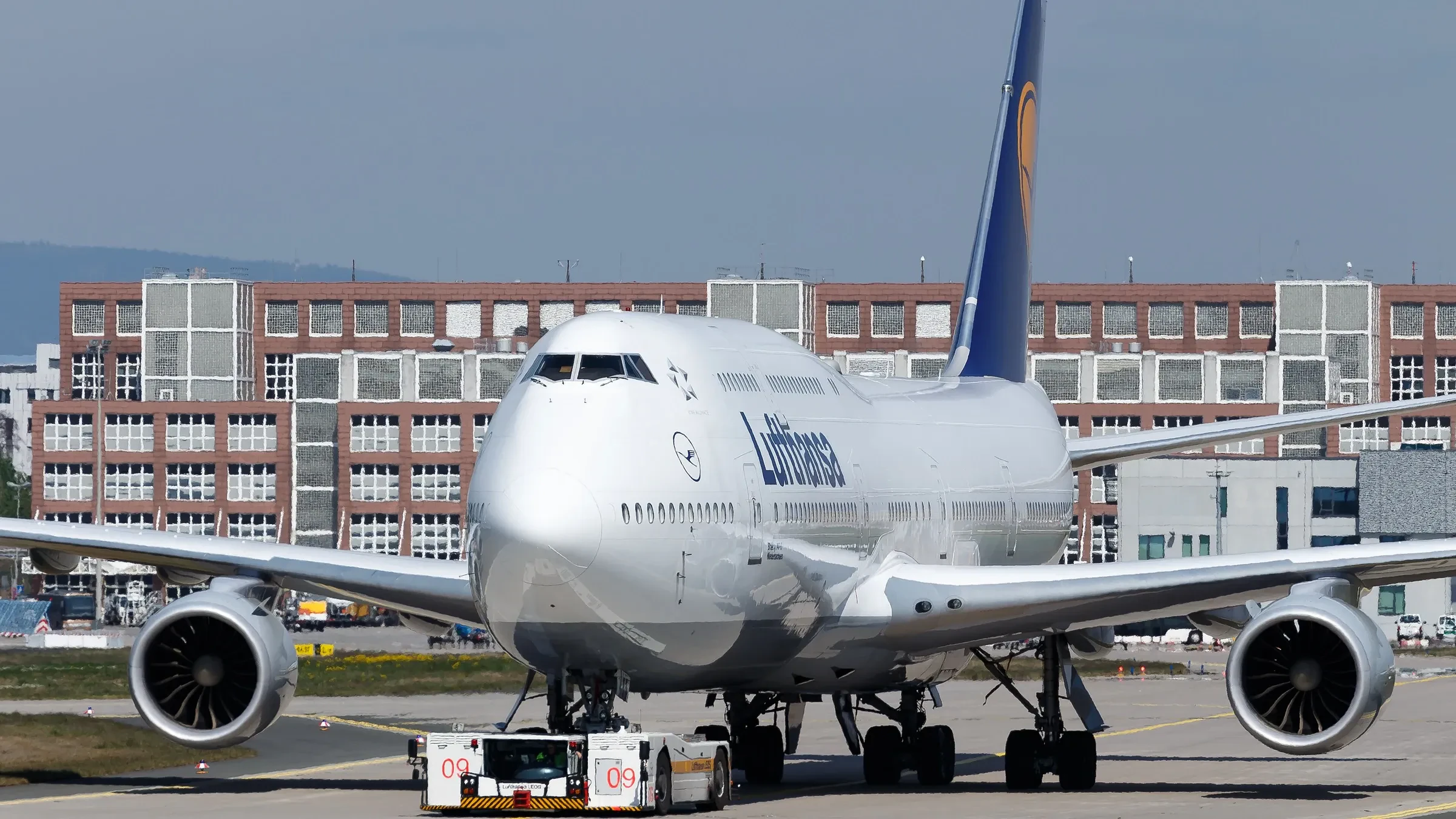
| Germany | US$200 | Lufthansa from Frankfurt and Munich to Delhi, Mumbai, Bengaluru, Chennai and Hyderabad. Air India from Frankfurt to Delhi and Mumbai | Auswärtiges Amt: partial travel warning. Warns against travel to Jammu and Kashmir, strongly advises against Manipur and advises against the area right on the Pakistan border |
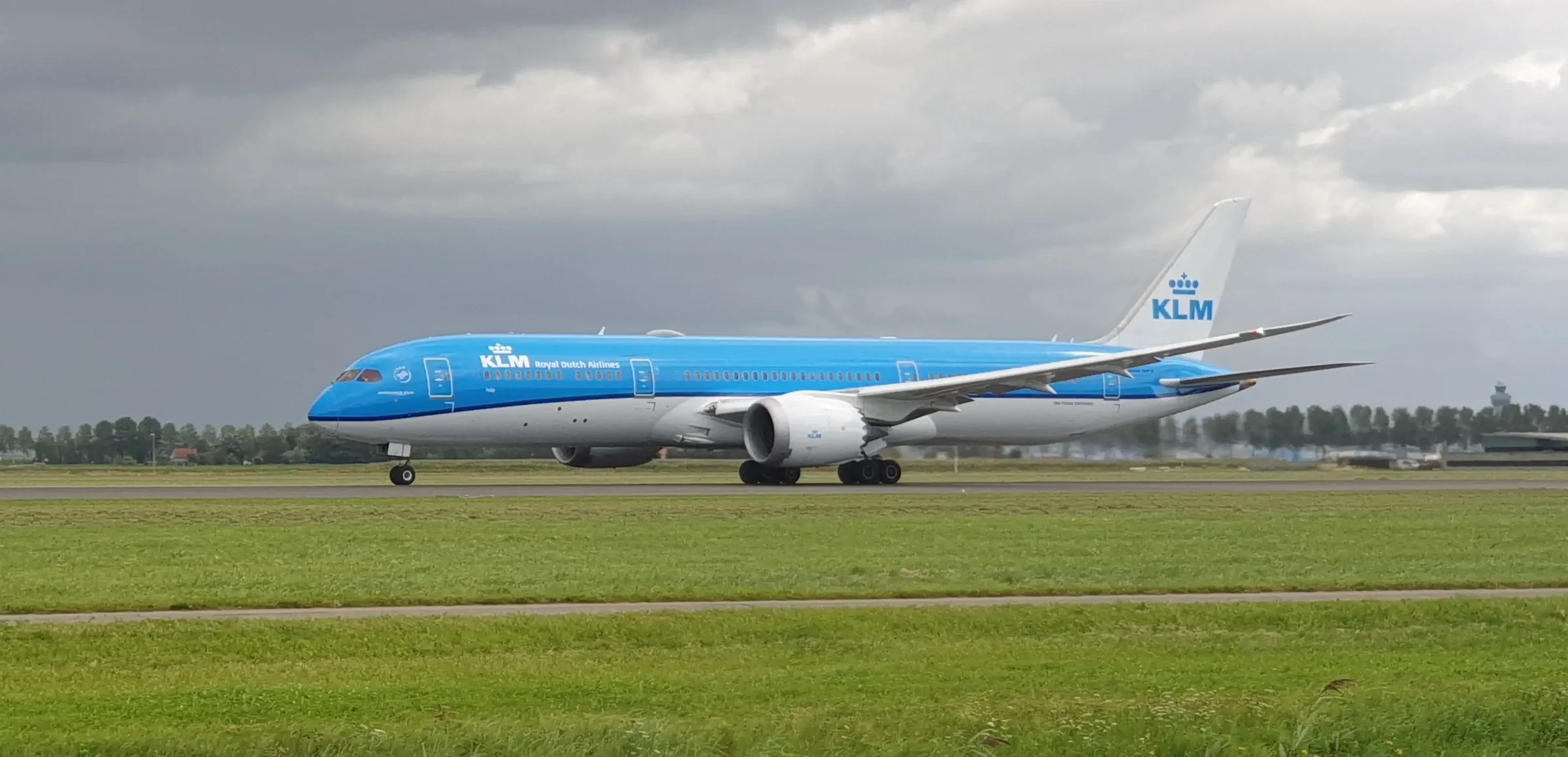
| Netherlands | US$200 | KLM from Amsterdam to Delhi, Mumbai and Bengaluru. IndiGo Mumbai-Amsterdam moves to the A321XLR on 25 October 2026, at three flights a week | Nederland Wereldwijd: yellow (take care) for most of India. Red for Jammu and Kashmir, Aksai Chin, Manipur and a 20 km strip along the Pakistan border. Orange for some border and rural areas, including Nagaland and Mizoram |
| France | US$200 | Air France from Paris CDG to Delhi, Mumbai and Bengaluru. Air India from Paris to Delhi | France Diplomatie: country page updated 5 October 2026. Check the colour map on its security page |
| Ireland | US$200 | None. Connect via London, mainland Europe or the Gulf | DFA: "High degree of caution" (level 2 of 4). Avoid Jammu and Kashmir, Tripura and Manipur outside Imphal |
| Spain | US$200 | None. Connect via another European hub or the Gulf | Exteriores: travel with caution and avoid certain areas, including Jammu and Kashmir, the Pakistan border and Manipur |
| Italy | US$200 | ITA Airways from Rome to Delhi. Air India from Rome and Milan to Delhi | Viaggiare Sicuri: advises against the Kashmir Valley, the Srinagar to Ladakh road, the Pakistan border area and Manipur |
| Sweden | US$200 | None from Stockholm. Air India flies Copenhagen to Delhi. IndiGo has flown Copenhagen to Mumbai, so check it still runs after its leased 787s go back in late October 2026 | UD: advises against all travel to Jammu and Kashmir and within 10 km of the Pakistan border |
Flights are based on airline announcements and route news up to October 2026. Travel advice was checked on 6 October 2026 for Germany, the Netherlands, France, Spain and Sweden, and on 24 September 2026 for Ireland and Italy. SWISS also flies Zurich to Delhi and Mumbai, adding Bengaluru this winter, and Finnair flies Helsinki to Delhi. Schedules change, so check the airline's own timetable.
How to apply, step by step
Apply only at https://indianvisaonline.gov.in/evisa/. The official FAQ says there's no other website for applications and you don't need an agent. Lookalike sites charge far more than the real fee.
- Choose an arrival date 4 to 120 days ahead. There's no official processing time, so apply one to two weeks before you fly.
- Fill in the form yourself. Write "NA" in the previous-visa fields if they don't apply.
- Upload a square JPEG photo (10 KB to 1 MB): full face, eyes open, no glasses, plain white or light background, no shadows or border.
- Upload your passport bio page as a PDF (10 KB to 300 KB).
- Pay by Visa or Mastercard. The fee isn't refunded if you're refused.
- When the email arrives, check the site shows "GRANTED".
- Print the ETA and check your name, passport number, date of birth and nationality match your passport.
For questions about your application, the official e-Visa Support Centre is on +91 11 24300666 or indian-evisa@gov.in. There's no toll-free number for European countries.
Entry checklist
- Passport valid for at least 6 months after arrival, with 2 blank pages
- Printed e-visa ETA showing "GRANTED"
- e-Arrival card confirmation, filed free within 72 hours of arrival at indianvisaonline.gov.in/earrival, boi.gov.in or the Indian Visa Su-Swagatam app (mandatory since 1 April 2026)
- Air Suvidha health self-declaration, filed in the 24 hours before you arrive (and before you board) at airsuvidha.civilaviation.gov.in. Mandatory since early July 2026 and still listed as mandatory by the UK and Irish governments in October 2026. Keep the acknowledgement to show immigration
- Yellow fever certificate if you've been in a risk country in the 6 days before arrival
- Permits for Ladakh's valleys, Spiti, Sikkim or Nagaland if they're on your route (see the hub)
Flights from Europe
Direct flights
Lufthansa, Air France and KLM run the main direct services from Frankfurt, Munich, Paris and Amsterdam (see the table above). IndiGo is adding European flights with its new long-range A321XLR: Mumbai-Amsterdam switches to it on 25 October 2026, at three flights a week instead of the daily service first planned, and IndiGo also flies to Athens from Mumbai and Delhi. Its Heathrow flights stop on the same date. Air India flies from Delhi to Paris, Frankfurt, Milan, Rome, Copenhagen, Vienna and Zurich, and from Mumbai to Frankfurt, though its network has changed a lot since 2025.
Pakistan's airspace has been closed to Indian airlines since April 2025, so Air India and IndiGo flights to Europe take longer. Some need a technical stop and some routes have been cut. The closure doesn't apply to European airlines.
One-stop flights
Connecting through the Gulf with Emirates, Qatar Airways, Etihad, Gulf Air or Oman Air is often the cheapest option. Gulf airspace closed from 28 February 2026, and Qatar Airways cancelled most of its flights until late March. The hubs had reopened by September 2026, but the Irish DFA still flags disruption. Book a flexible fare and check your insurance covers airspace closures.
Fares and cheapest months
Kayak showed these return economy fares to Delhi (indicative, checked 24 Sep 2026):
| From | Cheapest found | Typical or average | Cheapest month | Most expensive month |
|---|---|---|---|---|
| Frankfurt | €518 | €596 to €795 | September (around €582) | December (around €781) |
| Amsterdam | €439 | €543 to €776 | September (around €526) | December (around €778) |
| Paris | €483 | €546 to €738 | September (around €544) | July (around €734) |
| Dublin | €479 | €560 to €764 | September (around €519) | July (around €790) |
| Madrid | €534 | €518 to €663 | January (around €521) | August (around €667) |
| Rome | €431 | average €583 | June (around €503) | August (around €708) |
| Stockholm | 5,464 kr | 5,836 to 8,523 kr | September (around 5,631 kr) | December (around 8,785 kr) |
Fares are usually lower if you book at least 8 to 12 weeks ahead and fly midweek. For weather, see the best time to visit India.
What to bring from Europe
- Plug adaptor. India uses type C, D and M sockets at 230 V, 50 Hz. European devices work with an adaptor. Type D (three round pins) is the most common socket, so bring an adaptor that fits it.
- Money. Foreign visitors may bring in up to ₹25,000 in rupee notes when arriving by air, and no more. Change euros or kronor at the airport or at authorised money changers. Set up UPI One World in an app such as CheqUPI with your passport and visa, load it from a European card and pay by QR code. Declare foreign cash over US$5,000 in notes. The UK Foreign Office says you can withdraw rupees with a bank card but warns that card skimming is common.
- Insurance. Make sure it covers medical treatment and evacuation. For Ladakh or Spiti you need cover above 2,400 m and mountain rescue; above 3,000 m there's no commercial rescue in India.
- Health. The UK's TravelHealthPro and the US CDC both recommend hepatitis A and typhoid for most travellers. Check your own country's travel-health service too, and see a travel clinic about malaria, rabies and altitude. Keep medicines in their original packaging with a prescription.
- Leave at home: satellite phones, GPS devices and satellite messengers such as a Garmin inReach (tourists have been arrested for carrying them), drones and vapes. The Irish DFA adds that powerful cameras, binoculars and recording devices may need a licence.
See our India packing list for more.
Arrival day
Immigration. Have your passport, printed ETA, e-Arrival confirmation and Air Suvidha acknowledgement ready. Fingerprints and a photo are taken at the desk. Your temperature may be checked as part of Ebola screening.
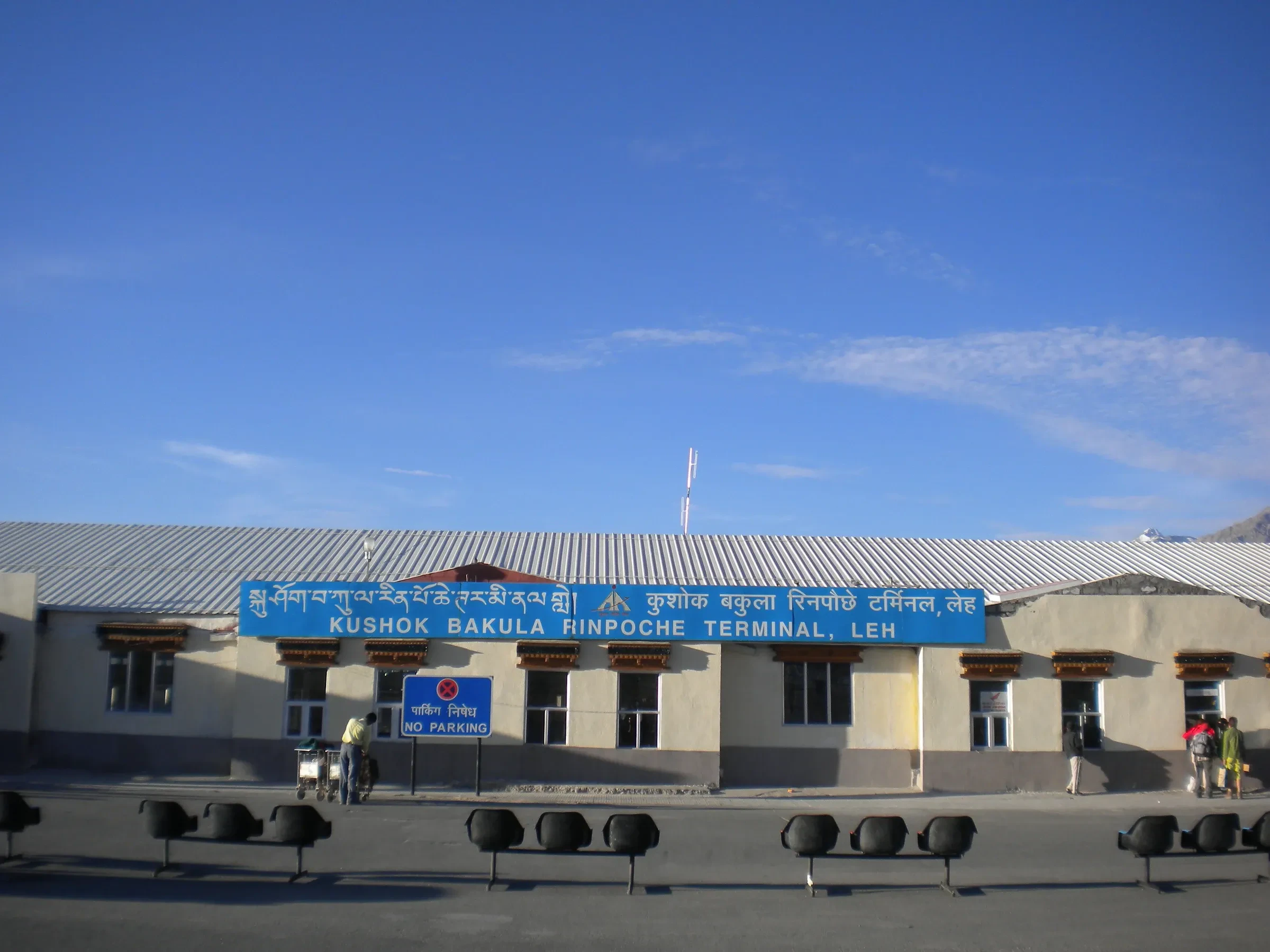
Delhi. This is the main long-haul hub and where you'll land if you're heading to Ladakh. Leh isn't an e-visa entry airport, so you fly on from Delhi on a domestic flight. All international flights use Terminal 3. The Airport Express metro runs from T3 to New Delhi station in under 20 minutes (about ₹60), and there's a prepaid taxi counter outside arrivals. Airtel sells SIM cards in the terminal: bring your passport and visa, plus a photo and your hotel address for the paperwork. Activation isn't instant, so a data-only travel eSIM set up before you leave is quicker.
Mumbai. Mumbai's main airport (BOM) is served by all three European airlines above. International flights use Terminal 2, which has its own station on Metro Line 3 (the Aqua Line), plus prepaid taxi counters in arrivals and a pickup area for app cabs.
Goa. Goa has two e-visa airports, Mopa and Dabolim. Check which one your connection uses before booking a transfer.
Getting to your hotel. The Irish DFA advises taking extra care in the evening and using women-only metro carriages. The UK Foreign Office advises against hailing taxis on the street alone, especially at night. Use a prepaid taxi, Uber, Ola or a hotel transfer and check the driver's identity.
Travel with us
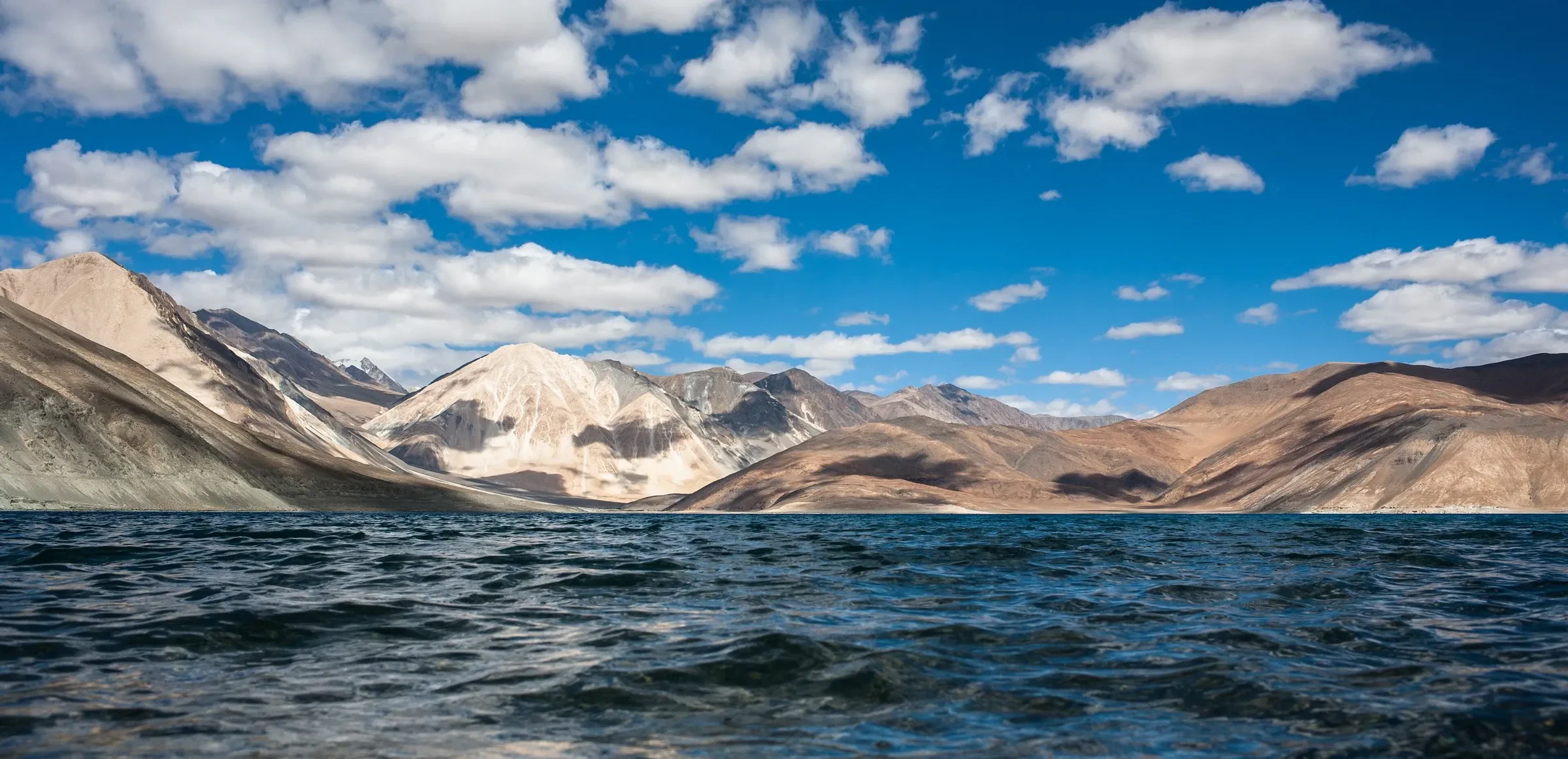
If you want mountains, our Ladakh Road Trip (10 days) and Spiti Valley Road Trip (10 days) go into some of India's highest valleys. Both are small groups for solo travellers aged 18 to 40, and I'm with you the whole way as your Trip Host. Both routes pass through protected areas that need a permit for foreign visitors, so read the permits section of our visa guide before you book.