India doesn't have a single "safe" or "unsafe" answer, because it depends on where you go, how you travel and, to some extent, your gender. This guide pulls together what the FCDO, Canada's travel advisory and other official sources actually say, plus the everyday, practical side: scams, transport, health and what to do if something goes wrong. Our India travel guide covers routes and seasons; this page is about staying safe once you're there.
What official travel advice says
Neither the UK nor Canada advises against all travel to India, and both name the same regions to avoid. Canada's overall level is "exercise a high degree of caution"; the FCDO gives regional advice instead of an overall level.
| Government | Overall level | What it flags |
|---|---|---|
| UK (FCDO, updated 9 July 2026) | No whole-country warning | Advises against all travel within 10 km of the Pakistan border and to Jammu and Kashmir (except flying into Jammu city and travel within it). Advises against all but essential travel to Manipur. Says female travellers often face verbal and physical harassment |
| Canada (updated 13 July 2026) | Exercise a high degree of caution, with regional advisories | Avoid all travel to Jammu and Kashmir and within 10 km of the Pakistan border. Avoid non-essential travel to Manipur. Says reports of assault have increased in Goa, Delhi, on public transport and at spiritual retreat centres |
| Ireland (DFA, updated 12 August 2026) | High degree of caution | All but essential travel to Imphal and no travel to the rest of Manipur or to Tripura |
The US State Department and Australia's Smartraveller publish their own ratings and name further regions. Read both before you book, because they change.
Ladakh is a separate Union Territory from Jammu and Kashmir, but the Srinagar to Leh road runs through Jammu and Kashmir. Fly into Leh or use the seasonal Manali route. See our Ladakh guide for the detail.
Common scams and how to avoid them
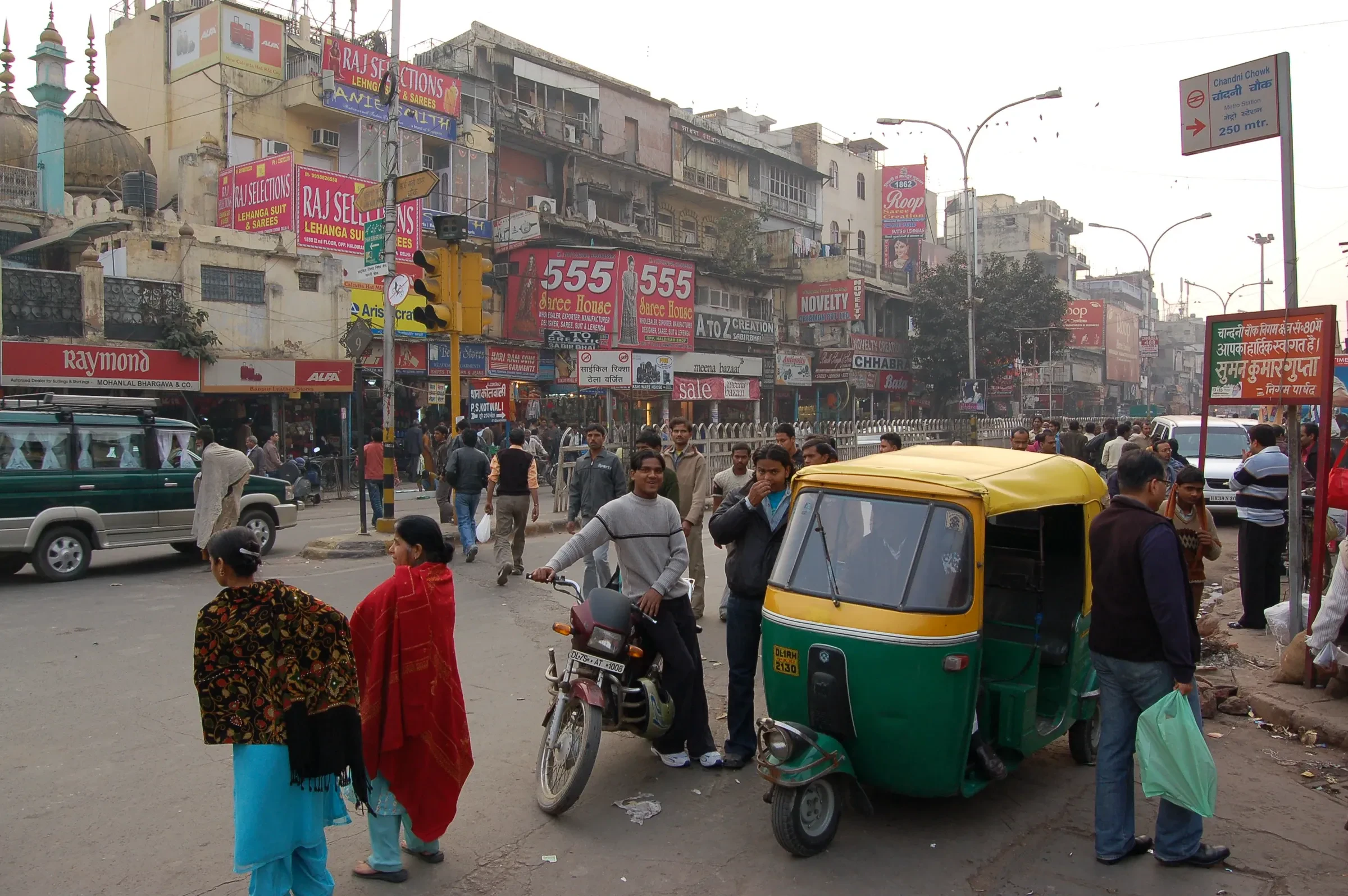
The FCDO specifically warns that "cybercrime, internet scamming, card skimming and confidence scams are common" in India, and it tells travellers to avoid people who approach them at railway stations offering tickets and tours. It also warns that criminals sometimes impersonate British High Commission or Embassy staff online, so verify anything that claims to be official before you respond or pay.
Beyond those official warnings, several scams come up again and again in traveller reports (these are secondary sources, not official advice, but they're worth knowing):
- The "your hotel is closed" switch. A driver or tout claims your booked hotel is shut, full or unsafe, and takes you to a different one that pays them commission. Call the hotel yourself before you believe it.
- Gem, carpet and "export scheme" shops. Friendly strangers steer you towards a shop with a story about a special deal or an export business. Walk away from anyone selling an investment opportunity in gems or carpets.
- Meter refusal and long routes. Some taxi and auto-rickshaw drivers claim the meter is broken or quote a flat fare well above the going rate. Agree a price first, or use an app that shows the fare upfront.
- Fake QR codes. A sticker over a real payment QR code redirects your UPI payment to someone else's account. Check the name that appears before you confirm any payment.
Not everyone who approaches you is running a scam, but treat unsolicited offers of tickets, tours, shops and "closed" hotels with the same scepticism you'd use at home.
Transport and getting around safely
- Don't hail a taxi or auto-rickshaw on the street at night. The FCDO specifically advises against this. Book through an app such as Uber or Ola, use a hotel transfer, or use a prepaid taxi counter at the airport or station.
- Book your first night and your arrival transport in advance, especially if you land after dark.
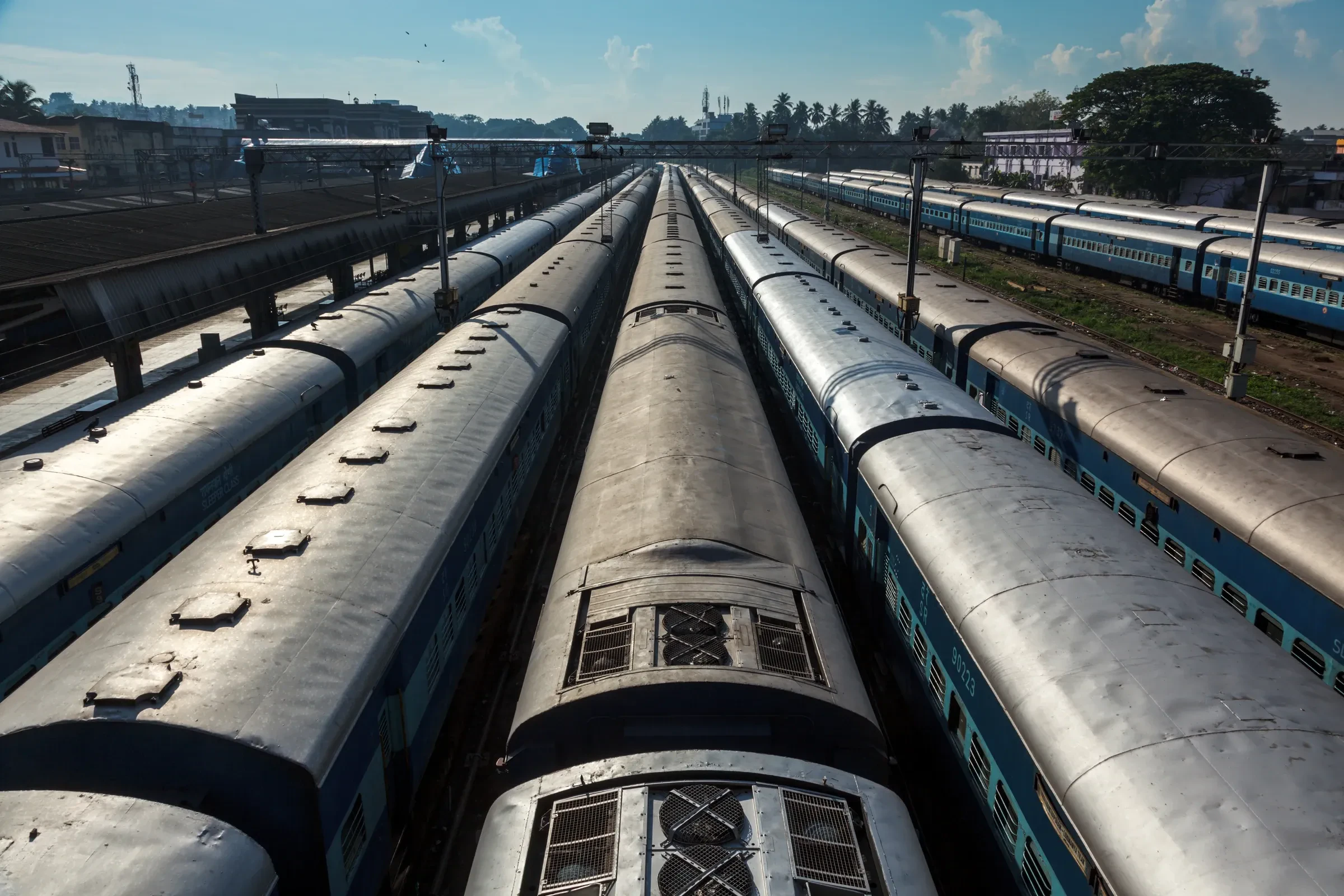
- On trains, keep your passport and valuables close, since theft is common according to the FCDO. Booking a 2A or 3A berth gives more privacy than a general sleeper carriage, and some trains have women's police teams.
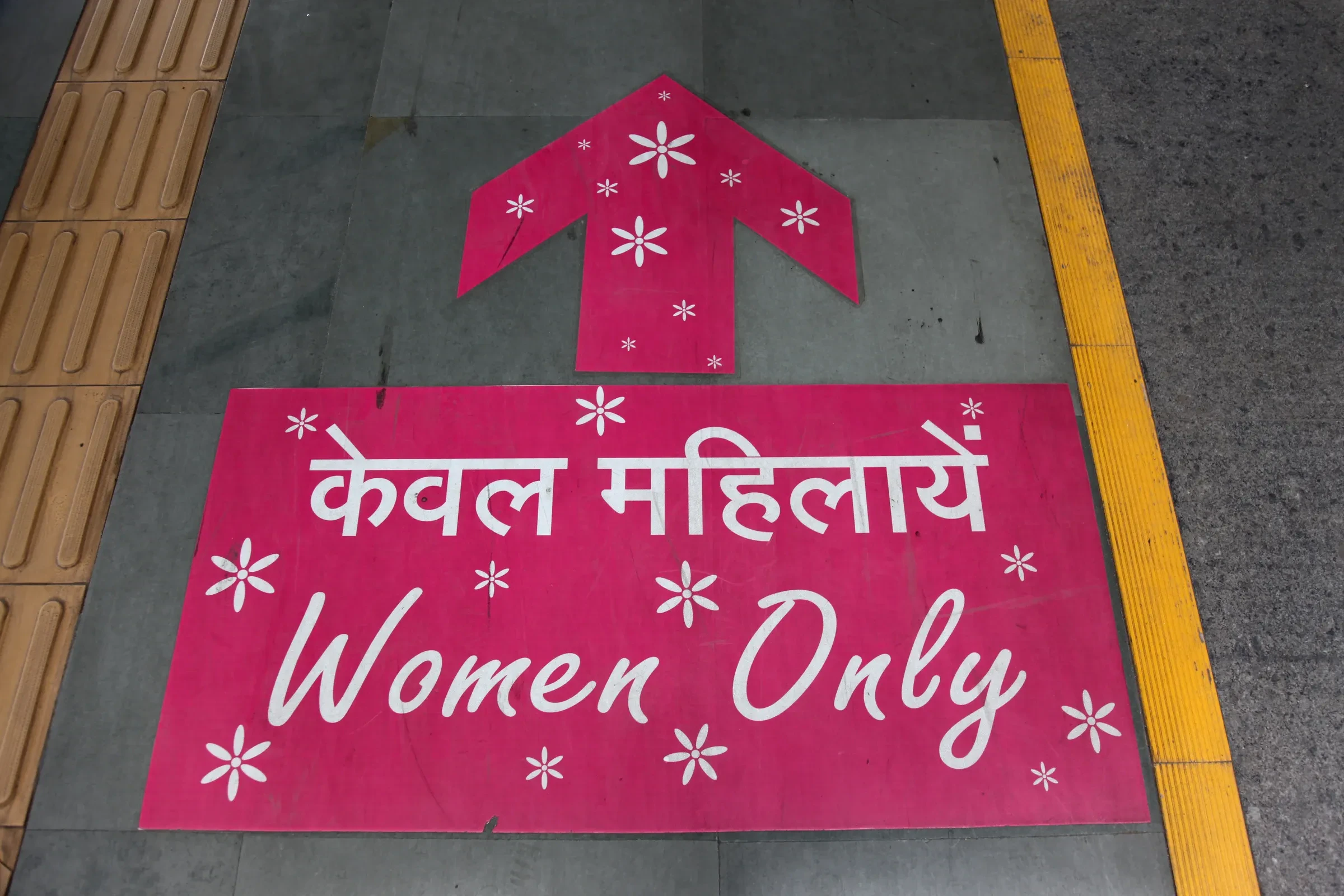
- Use women-only spaces where they exist. The Delhi Metro reserves its first carriage for women, and Indian Railways sets aside a small number of berths for women travelling alone or together.
- Avoid night travel by road where you can. The FCDO notes India's high rate of road accidents, and rural roads and driving standards vary a lot after dark.
Our India packing list covers what to bring for overnight trains and for the plains versus the Himalaya.
Safety for women travelling alone
This is the area where official advice is most direct, and it's worth reading in full rather than skimming.
The FCDO says there's "a risk of sexual assault, including attacks on female foreign national visitors in tourist areas and cities," and that "female travellers often experience verbal and physical harassment by individuals or groups of men." It advises avoiding isolated areas, including beaches, when alone at any time of day, and specifically warns against hailing taxis on the street at night. Canada says crimes against women happen frequently, that foreign women are often targeted, and that reports of assault have increased in Goa, Delhi, on public transport and at spiritual retreat centres.
That's the official picture. In practice, plenty of women travel India alone and enjoy it. What seems to make the difference:
- Plan arrivals, don't improvise them. Arrange your airport pickup in advance or use a prepaid taxi counter, not a driver who approaches you in the arrivals hall.
- Dress modestly, especially at religious sites and in smaller towns and villages. Loose clothes that cover your shoulders and knees draw less attention.
- Avoid isolated places when alone, including quiet beaches, forest paths and riverbanks, at any time of day, not just after dark.
- Be wary of self-styled gurus or spiritual guides offering private sessions, particularly around ashrams and pilgrimage towns.
- Expect to be asked for selfies. It's fine to say no.
- Save 112 in your phone. The 112 India app can share your location and has a panic alert feature.
Emergency numbers for women specifically: 181 is the national women's helpline, available in almost every state (not West Bengal). 112 covers police, fire and ambulance everywhere.
Our dedicated solo trips for women guide covers this across all five countries we run trips in, including India, in more depth.
Health basics
- Food and water. Stick to bottled or filtered water and hot, freshly cooked food. The FCDO reports spiked drinks and food, with British nationals robbed or assaulted, and an increase in serious illness from alcoholic drinks containing methanol in popular travel destinations.
- Malaria. The CDC says there's risk throughout India, including in Delhi and Mumbai, but none above 2,000 m. TravelHealthPro rates most tourist areas, including Goa and the Andamans, as low risk where bite avoidance is enough. The two don't fully agree, so ask a travel clinic what fits your own trip.
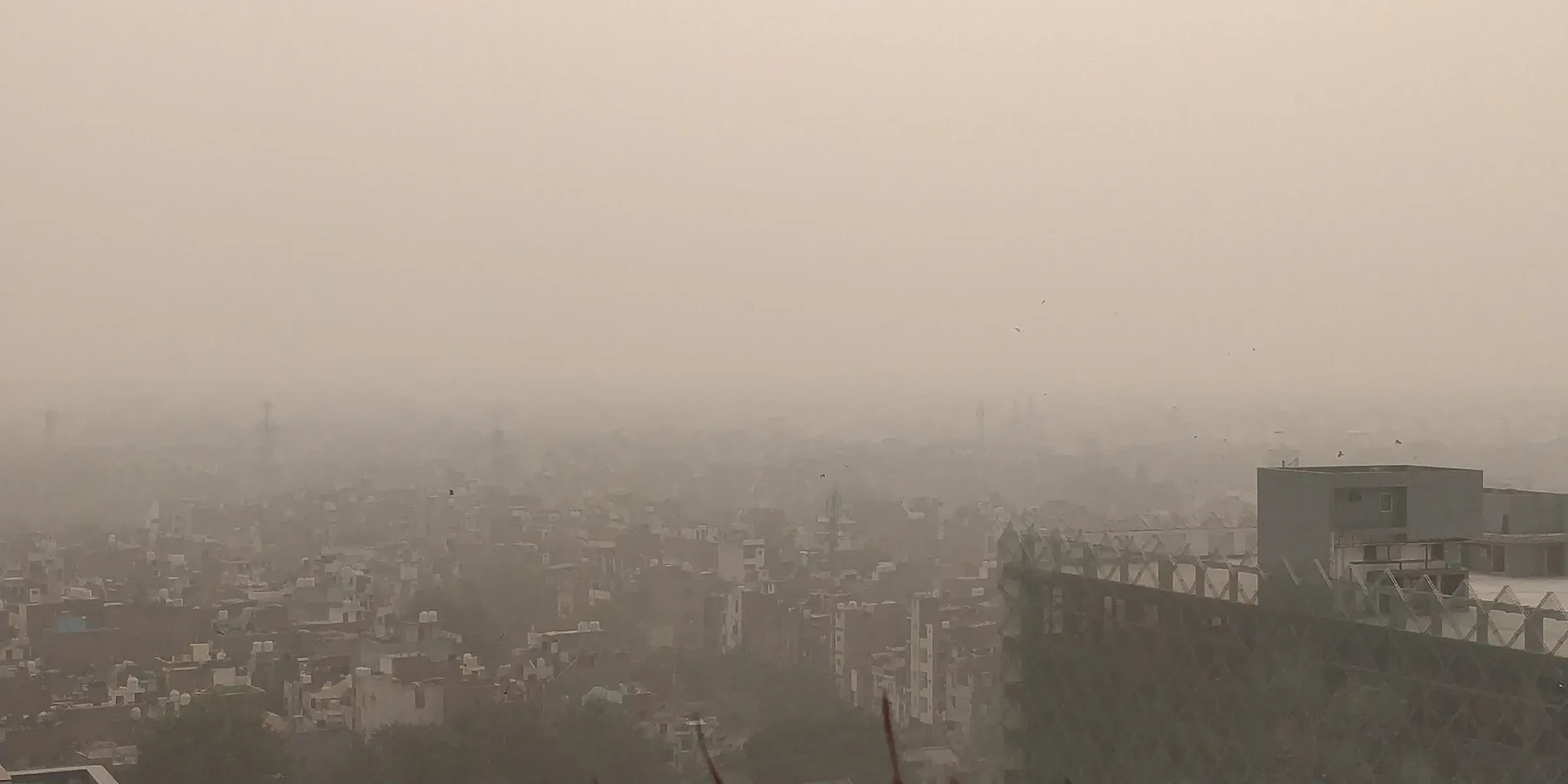
- Air pollution. A real health risk in north Indian cities, severe from about October to February. If you have asthma or another respiratory condition, speak to your doctor before you go and consider an N95 mask.
- Altitude. If you're heading to Ladakh, Spiti or a Himalayan trek, altitude sickness is the main risk, not crime. Build in rest days, and make sure your travel insurance covers the specific altitudes you'll reach.
- Vaccines and medicines. A travel clinic can advise on routine vaccines plus hepatitis A and typhoid for most trips. Carry any regular medication in its original packaging with a prescription letter.
Our India visa and entry guide has more on the health declaration you now file before you fly, and permits for the Himalaya and other protected areas.
Emergency numbers in India
| Number | What it's for |
|---|---|
| 112 | Police, fire and ambulance, nationwide |
| 181 | National women's helpline (all states except West Bengal) |
| 139 | Railway helpline |
Save these before you travel, along with your embassy or consulate's number and your travel insurance's emergency line.
Safety on our India trips
If you're travelling with us, here's specifically what's in place, and what isn't.
- Your Trip Host is with the group in person from the first evening to the last morning, on every departure.
- Licensed local guides lead visits to major sights, such as the Taj Mahal.
- Rooms are shared with a traveller of the same gender, and a private room is available on request.
- Groups are small: no more than 16 travellers on our main India trips, and no more than 12 on the trekking trips.
- Transport between stops is arranged for you, so you're not negotiating taxis or buses alone during the trip. Airport transfers aren't included on most of our India trips, so book a prepaid taxi or an app cab for your arrival, as described above.
We don't currently run women-only departures, and there's no dedicated 24-hour support line beyond your Trip Host and your travel insurance's emergency number. If either of those change, we'll update this page.