
What makes Rajasthan special
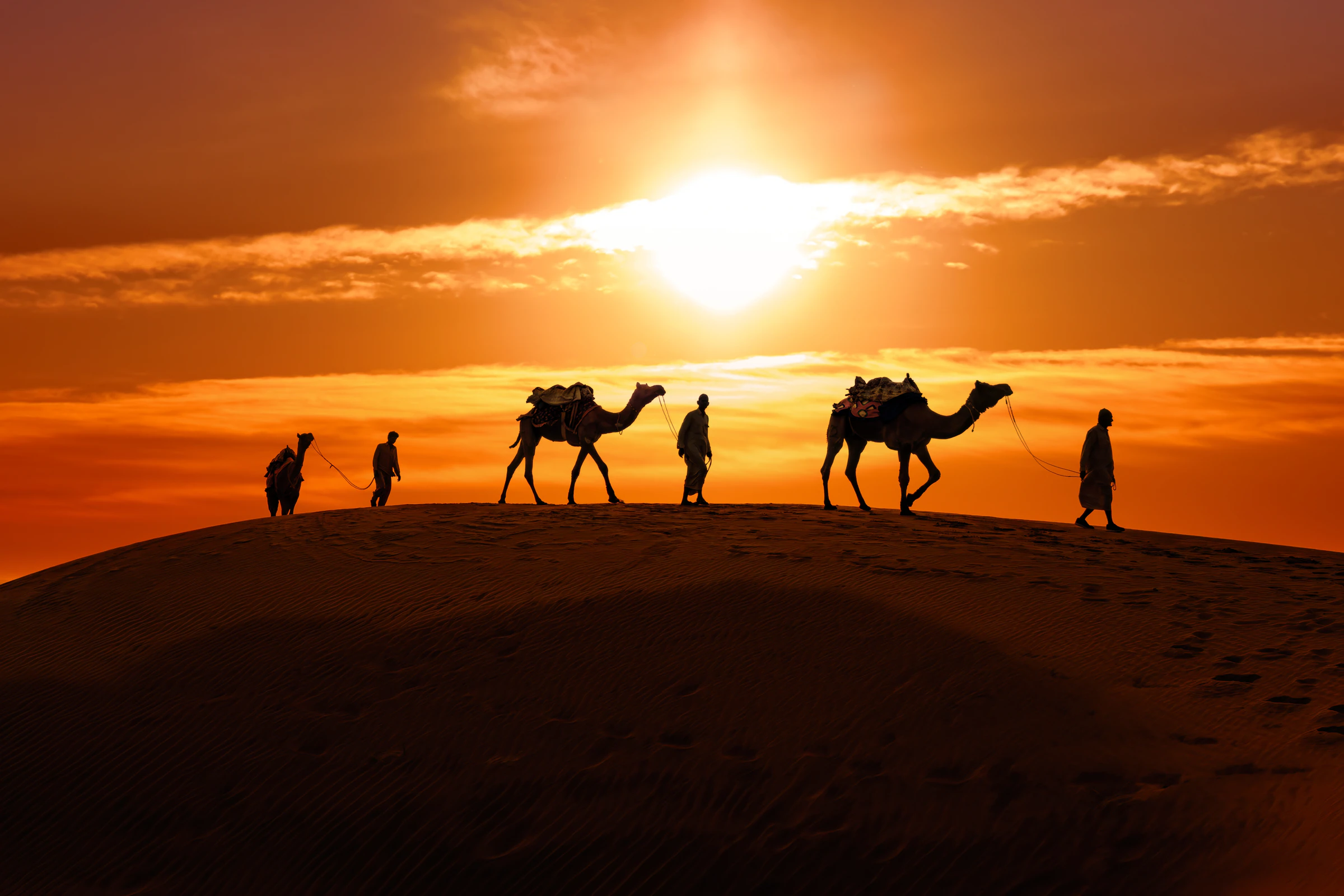
Rajasthan is the image most people have of India before they've been: sandstone forts on hilltops, camel trains crossing the dunes, mirror-work palaces, bazaars stacked with textiles and jewellery. It also has one of the country's more solo-friendly circuits, with a long-established hostel and organised-tour scene running through Jaipur, Pushkar and Udaipur in particular. Each city has its own colour: Jaipur's forts, Jodhpur's blue lanes, Jaisalmer's living fort. The appeal is the sequence, not any single stop.
Where to go within Rajasthan
Jaipur: 2 to 3 days
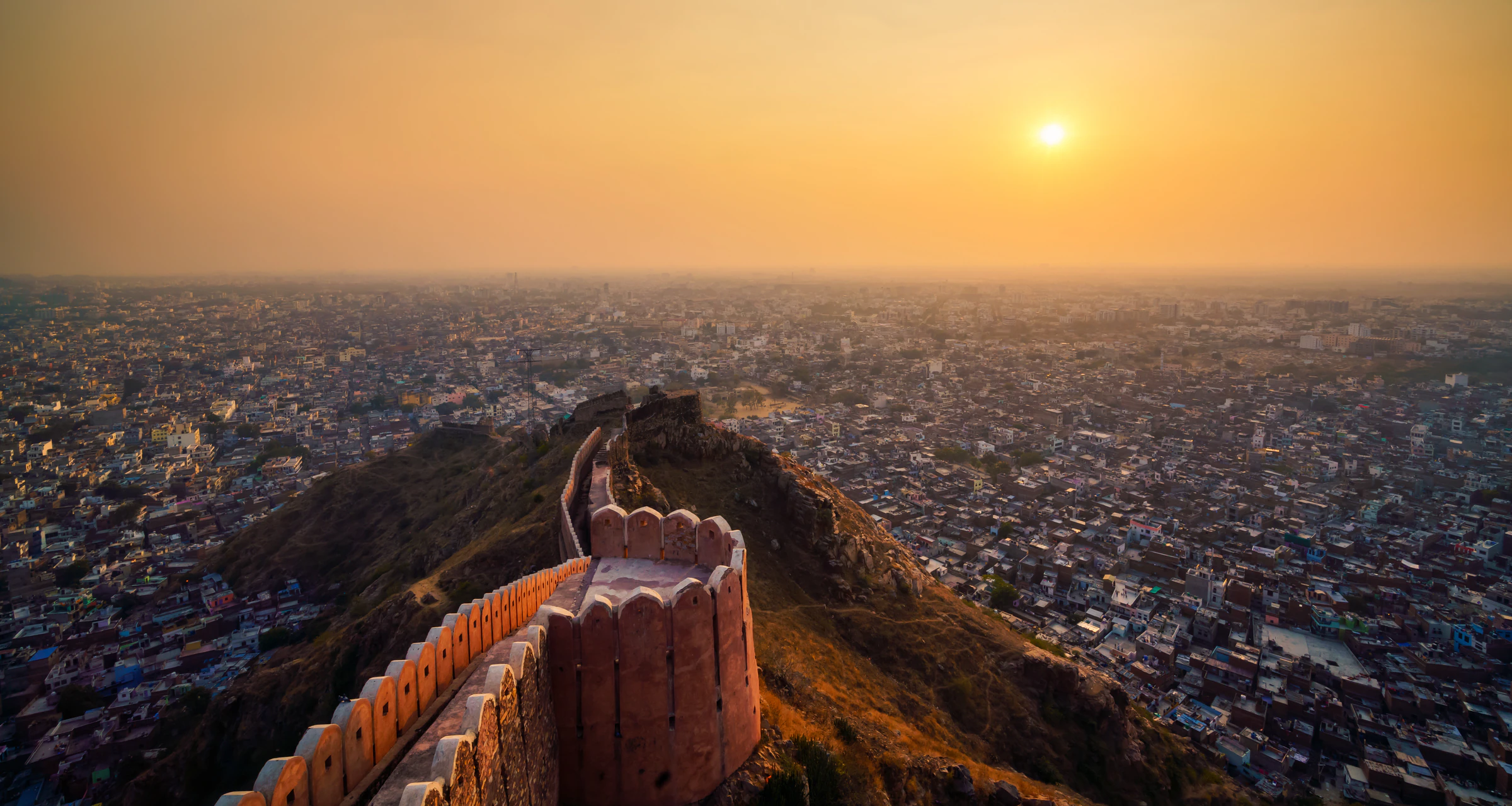
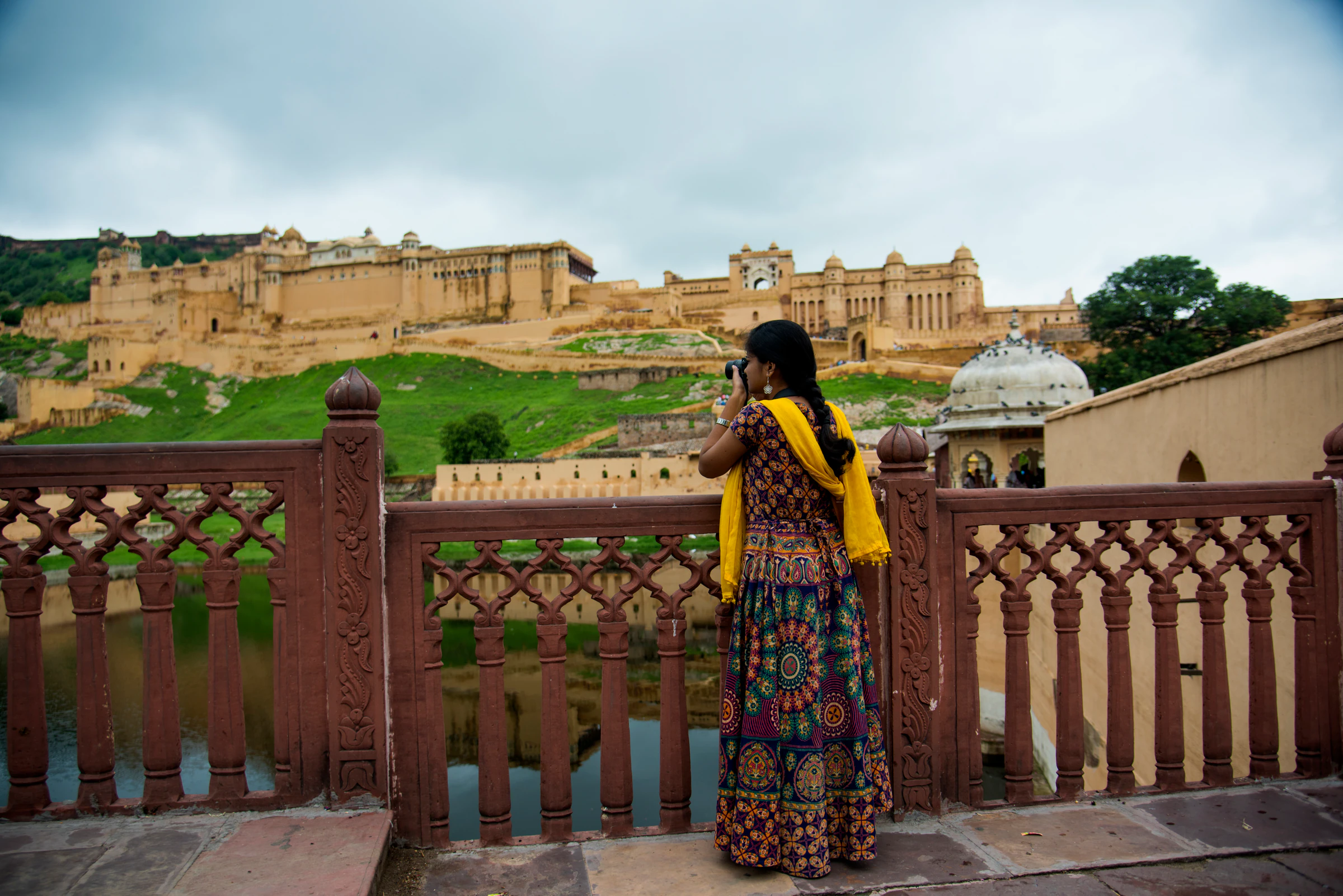
The state capital and usual starting point, Jaipur (the "Pink City") has the region's most famous fort, Amber Fort, on a hilltop above a lake outside town, plus the City Palace, Hawa Mahal's honeycomb facade, and Nahargarh Fort for a sunset view over the whole city. It's also the best base for a half-day trip to the Abhaneri stepwell or the village-experience complex Chokhi Dhani. Two full days covers the highlights; three lets you add the stepwell or slow down in the bazaars. See our Jaipur guide for a fuller breakdown of the forts and the old-city market streets.
Pushkar: 1 to 2 days
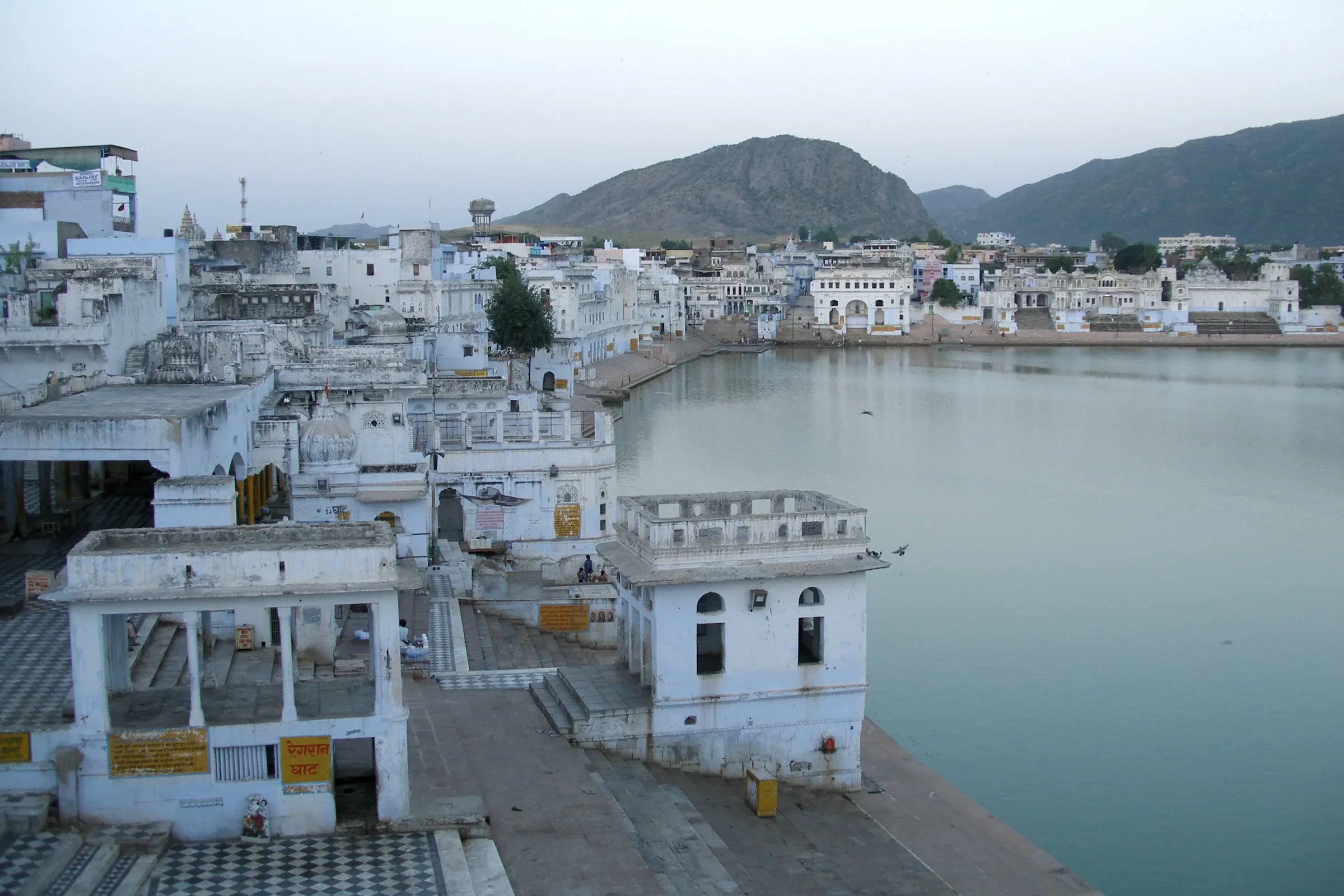
A small, strictly vegetarian and alcohol-free pilgrim town built around a sacred lake with 52 ghats and one of India's only Brahma temples. It's a deliberate change of pace after Jaipur: no traffic inside the old town, a backpacker cafe strip, and good, cheap shopping without Jaipur's crowds. One day covers the lake and the temple; add a second if your visit lines up with the Pushkar Camel Fair (see below), when the town fills with traders, camels and a genuine mela atmosphere.
Jodhpur: 2 days
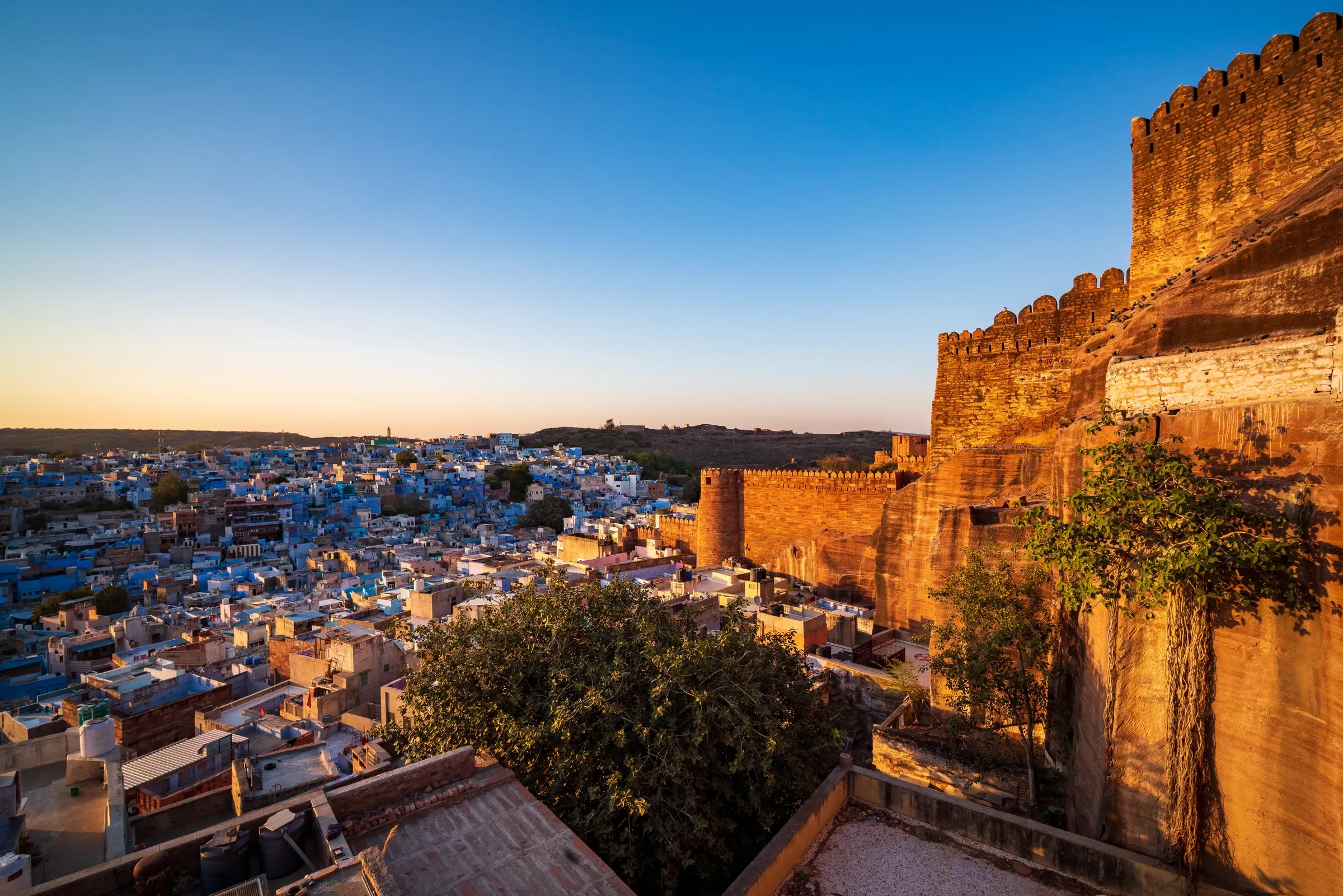
The Blue City, named for the indigo-washed houses that spread out below Mehrangarh Fort, one of the best-run forts in India, with a strong audio guide and a hilltop position that dominates the skyline. Add Jaswant Thada, a marble cenotaph nearby, and the clock tower spice market (Sardar Market) for the Jodhpur speciality, makhaniya lassi. Two days is enough: one for the fort and market, one to wander the blue lanes and eat.
Jaisalmer and the Thar desert: 2 to 3 days
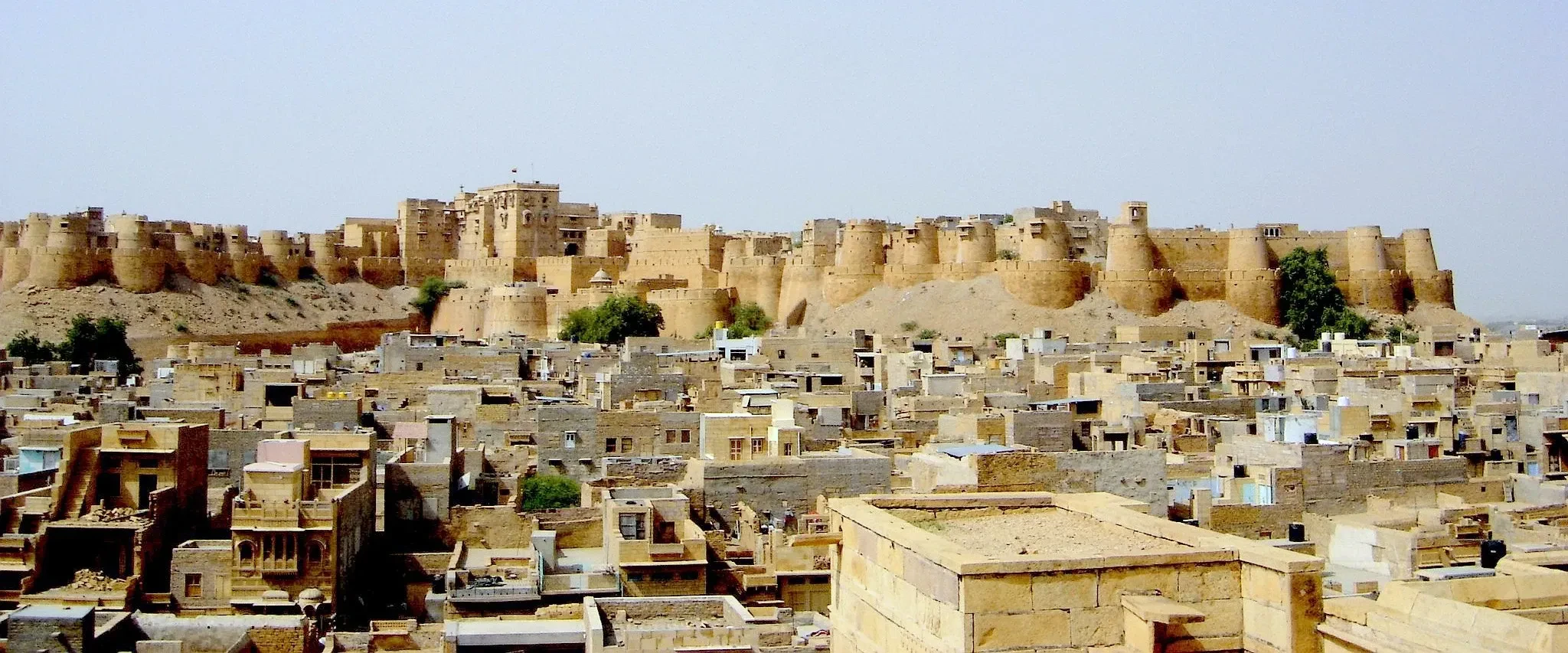
A living fort city at the far western edge of Rajasthan, close to the Pakistan border, where people still live and trade inside the fort walls rather than it being a museum piece. It's also the base for a desert camp: an afternoon camel or jeep transfer out to the Sam or Khuri dunes, dinner and folk music once you're there, and a night under a properly dark sky. It's the furthest city from everywhere else in the loop, so budget the travel time (see "Getting there and around" below) as much as the time in Jaisalmer itself. Two days covers the fort and one desert night; three lets you add the merchant havelis (Patwon Ki Haveli) without rushing.
Udaipur: 2 to 3 days
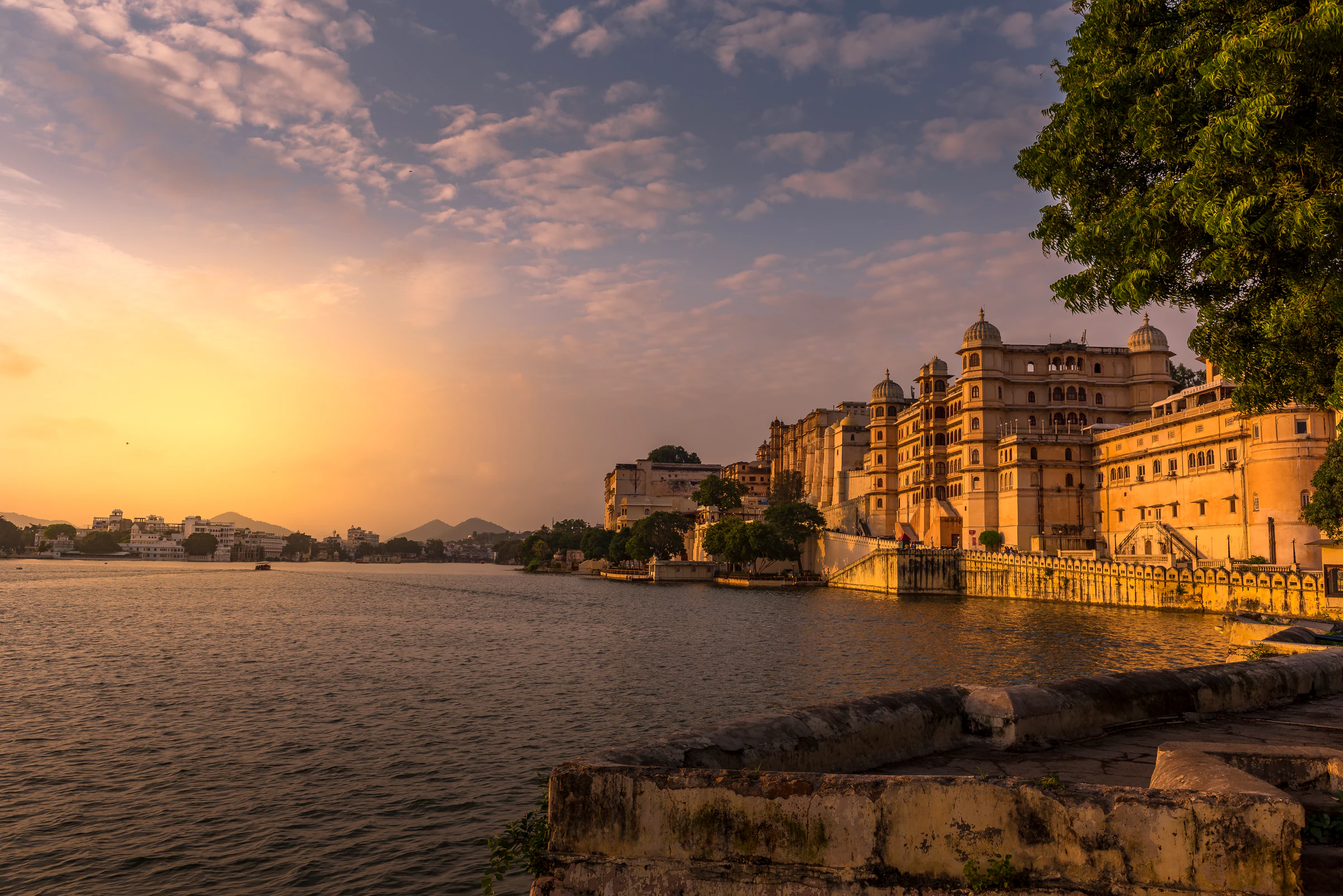
The "City of Lakes", built around Lake Pichola with the City Palace and the Taj Lake Palace floating in the water, this is Rajasthan's most romantic stop and usually the highlight for first-time visitors. A lake boat ride, the Bagore Ki Haveli folk-dance show, and a rooftop-restaurant scene that's better than most cities its size are the reasons to give it more than a flying visit. Often the last stop on a loop since it has decent onward flight connections. See our Udaipur guide for the palace and lake detail.
Bundi: worth a detour if you have the days
A quieter, less-visited blue city about 3 to 4 hours by road from Jaipur (about 218 km), with its own hilltop fort (Taragarh) and stepwells but a fraction of the tourist traffic of Jaipur or Jodhpur. It works well as a connector stop on a 14 to 16 day route rather than a place to build a trip around; a day is usually enough.
Ranthambore: 2 days, only if wildlife is the point
Ranthambore National Park, Rajasthan's best-known tiger reserve, sits on the eastern side of the state near Sawai Madhopur. It's a worthwhile add-on if seeing a tiger matters to you specifically, but it's a detour from the main loop rather than on it, and safaris need booking well ahead (see below). Two days gives you two safari attempts, since sightings are never guaranteed.
Mount Abu: only if you're already close, and have a spare day
Rajasthan's one hill station, near the Gujarat border, is best known for the Dilwara Jain temples' marble carving and cooler air. It's a long way from the rest of the loop (closer to Udaipur than anywhere else, still several hours by road) and most solo group itineraries skip it in favour of Bundi or Ranakpur, which sit more naturally on the route. Only add it if you already have a free day near Udaipur and specifically want the temples or the hill-station cool-off.
Things to do
Beyond the city sights above: a half-day block-printing or blue-pottery workshop in Jaipur; the camel safari and desert camp near Jaisalmer; a sunset boat ride on Lake Pichola in Udaipur; walking Jaisalmer's living fort, still full of shops and homes rather than roped off; and, if your dates line up, the Pushkar Camel Fair, the region's biggest annual gathering of traders, camels and pilgrims (see our Pushkar Camel Fair guide for 2026 dates and what the week involves).
Fort and palace entry fees (2026 listings; sources disagree, so check at the counter):
- Amber Fort, Jaipur: most 2026 listings give about ₹1,000 for foreign adults, though some still show ₹500. A combined Jaipur monument ticket is also sold.
- Mehrangarh Fort, Jodhpur: most 2026 listings give about ₹600 for foreign adults, and one says ₹800. An audio guide costs about ₹180 extra and is worth it here.
- City Palace, Udaipur: listings give about ₹700 for foreign visitors to the palace complex, and one 2025 listing says ₹1,000. The museum section is sometimes charged extra.
We couldn't open an official price page for any of the three, so treat these as approximate. Dual pricing for Indian and foreign nationals is standard across Rajasthan's monuments and the figures change from time to time.
Ranthambore safaris: book online in advance. Sources say bookings open up to 90 days ahead, foreign visitors give passport details when they book, and the best zones can sell out quickly in peak season. The safari season runs from October to June, and the park's core zones close for the monsoon from July to September. Expect a jeep (Gypsy) or shared canter safari. Fees vary by zone and vehicle and park charges are revised from time to time, so confirm the current fee and zone availability when you book.
Desert camp realities, Jaisalmer: camps range from basic tents with shared facilities to glamping-style setups with proper beds and en-suite toilets, and most package a camel ride, a jeep transfer to the dunes, and a folk-music evening together. The camel ride itself is a slow, swaying couple of hours rather than a long trek: uncomfortable for the first ten minutes, fine after that. Winter nights in the desert get properly cold, sometimes close to freezing in December and January, so a camp that skimps on bedding is a real problem rather than a minor gripe. Jeep and quad-bike add-ons are where camps tend to upsell; agree the full price, including any extras, before you leave Jaisalmer.
What to eat
Rajasthan's food skews meat-forward in the cities (this is historically a hunting and warrior culture) but Pushkar is strictly vegetarian. Look for dal baati churma (baked wheat rolls with lentils and a sweet crumble, the state's signature dish) in Udaipur or Jodhpur; laal maas (a fiery mutton curry) and pyaaz kachori (onion-stuffed fried pastry) in Jaipur; makhaniya lassi in Jodhpur; ker sangri (a desert bean-and-caper dish specific to this region) at a Jaisalmer desert camp; and malpua (a sweet pancake) in Pushkar. A Rajasthani thali, ordered anywhere, is the easiest way to try several of these in one sitting. For the fuller list by dish and where to order it, see our Rajasthani food guide.
Best time to visit
Late October to early March is the window: daytime temperatures in Jaipur, Jodhpur and Jaisalmer sit in the low-to-mid 20s°C, though desert nights get cold, sometimes near freezing in December and January. April to June is peak heat, with Jaisalmer and the desert belt regularly above 42 to 45°C: risky for a desert camp in that window, not just uncomfortable. Monsoon (July to September) is humid and unpredictable for rain, low-appeal for the fort and desert sections, though Udaipur's lakes can look their best just after monsoon if levels are good that year. December, January, and the days around Diwali or the Pushkar Camel Fair get booked out well in advance, so book accommodation early if you're travelling then. See our India best-time guide for the full month-by-month picture across the country.
Getting there and around
Jaipur has the region's main airport and good rail links to Delhi and Agra, making it the natural entry point if you're arriving from the Golden Triangle. Udaipur's Maharana Pratap Airport has decent connectivity to Delhi and Mumbai and works well as an exit point at the other end of the loop. Between the cities, road and rail are both realistic. Jaipur to Jodhpur is about 340 km, 5 to 6 hours by road, or about 5 hours by the daily Intercity SF Express 22977 (06:00 to 11:10). Jodhpur to Jaisalmer is about 296 km by rail, and two daytime trains, 20492 (06:10 to 11:50) and 20486 (14:50 to 20:30), each take about 5 hours 40 minutes. Jaisalmer to Udaipur has no direct train and is the loop's sting: about 490 to 540 km and 8 to 10 hours by road. Private cars and shared taxis cover every leg if train timings don't fit your schedule. Check current train numbers and fares on IRCTC close to your travel dates, since schedules and prices change.
How long to spend, and which route to follow
A week covers Jaipur, Pushkar, Jodhpur and Udaipur if you're willing to drop Jaisalmer and its desert detour. 10 to 12 days is the natural length for the full five-city loop, including the desert night. 14 to 16 days lets you add Bundi, Chittorgarh or the Ranakpur Jain temples as connector stops along the way. For the full day-by-day breakdown, travel times between each stop and what each version costs, use our Rajasthan itinerary guide. If you're combining Rajasthan with Delhi and Agra, our Golden Triangle itinerary and 2-week India itinerary both show how that fits together.
Prefer to travel with a group?
Our Rajasthan and Varanasi trip and our India North to South trip both cover Jaipur, Pushkar and Udaipur with a Trip Host, and the Golden Triangle Express includes Jaipur. A licensed local guide leads the visits at the major sights. None of them goes to Jodhpur or Jaisalmer. See our India trips for current routes and dates.


