India vs Thailand at a glance
| India | Thailand | |
|---|---|---|
| Cost per day | About US$30 to 35 for a careful backpacker, including a dorm bed, local food and trains | About US$30 to 45 (1,000 to 1,500 baht) for food, drinks and local transport, plus a dorm bed at 150 to 700 baht a night; 20 to 40% more on the islands |
| Best months | November to February on the plains; the high Himalaya (Ladakh, Spiti) only opens June to September | Mid-December to about 20 February for the whole country; June to August as a second window |
| Flight time from the UK | Roughly 9 to 10 hours nonstop from London Heathrow to Delhi (British Airways, Virgin Atlantic, Air India) | Roughly 11 to 12 hours out, nonstop from London to Bangkok |
| Flight time from the US | Roughly 14 to 15 hours nonstop from New York to Delhi (Air India, United, American); Air India's are longer since Pakistan closed its airspace to Indian airlines | No nonstop; the quickest one-stop option from Los Angeles is about 19.5 hours (via Taipei) |
| Flight time from Australia | About 13 hours on Qantas's seasonal nonstop from Melbourne to Delhi (26 October 2026 to 27 March 2027); otherwise one stop | Roughly 9.5 to 10 hours nonstop from Sydney or Melbourne to Bangkok |
| Visa | e-Tourist visa required for UK, US, Australian, Canadian and EU passports; apply online before you fly: US$25 for 30 days or US$40 for a year | Visa-free for 30 days for the same passports since 15 September 2026 (was 60); a free arrival card only |
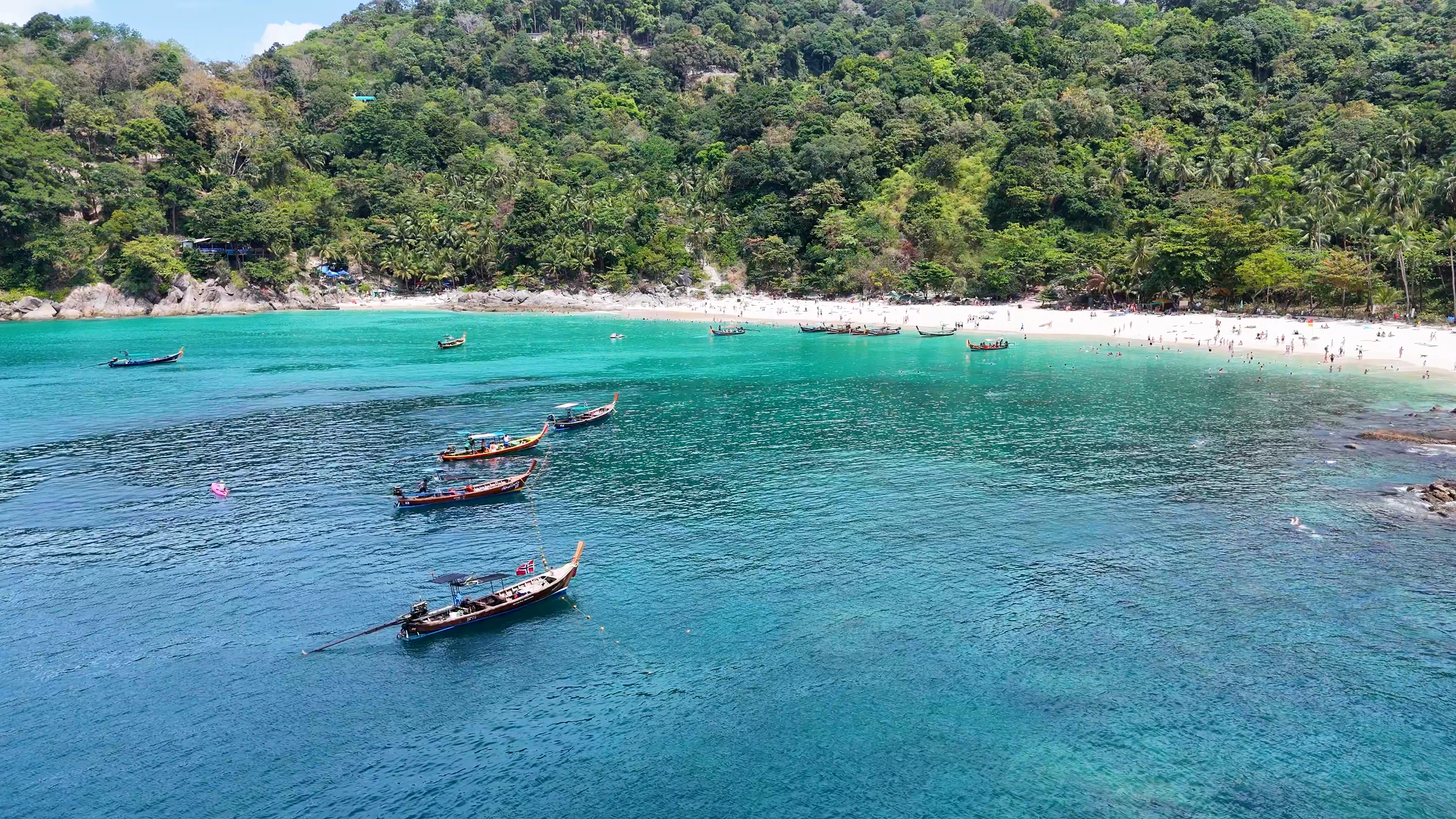
| Beaches | Goa, Gokarna, the Andaman Islands and Varkala; quieter and less developed than Thailand's | Two coastlines (Gulf and Andaman) with far more islands, boat trips and dive schools |
| Food | Deeper regional variety: thalis, street snacks, curries that change completely state by state | Consistently good and cheap street food and night markets almost everywhere you go |
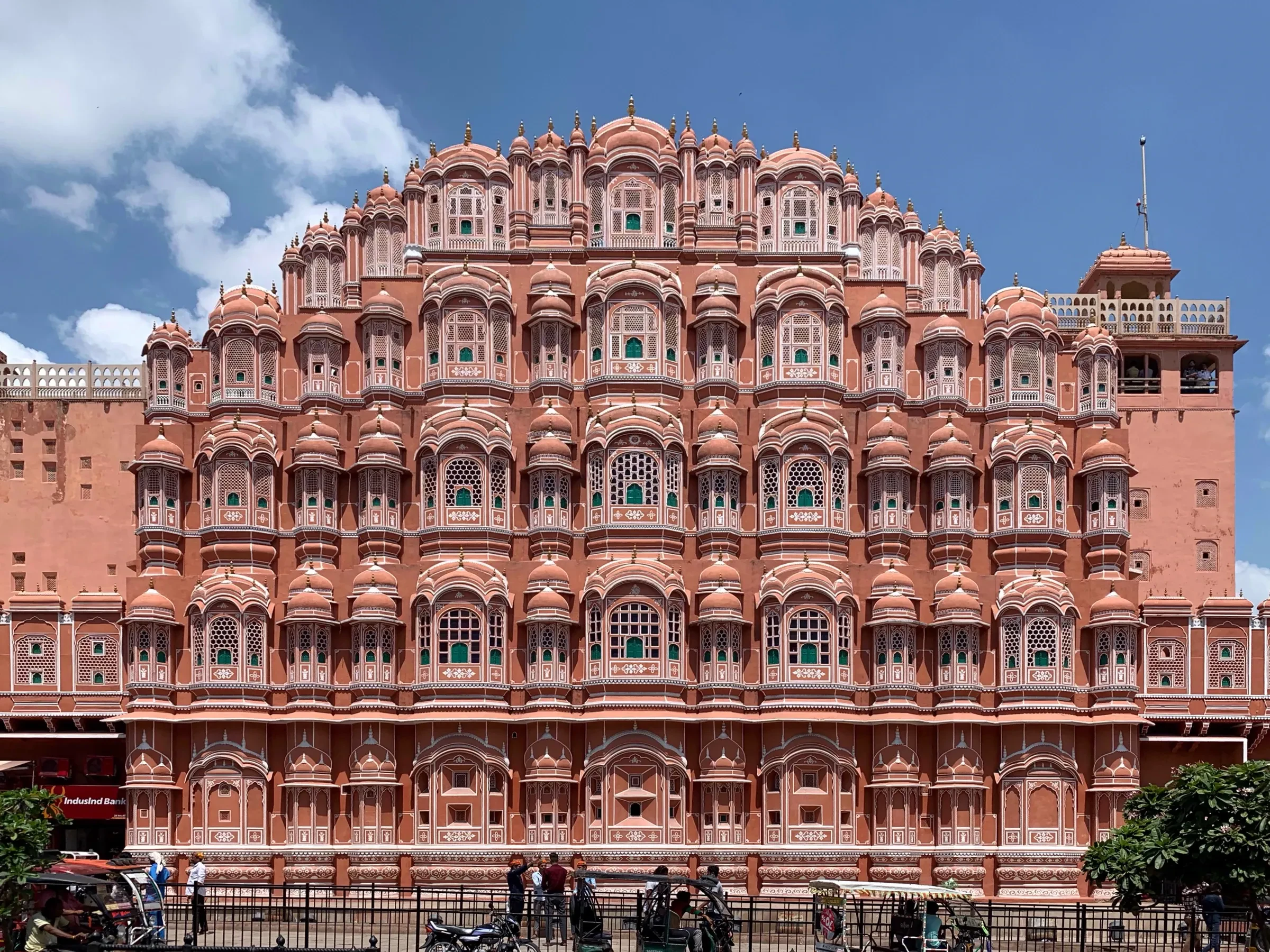
| Culture and sights | Mughal forts, Hindu and Sikh temples, the Taj Mahal, Rajasthan's palaces, the Himalaya | Buddhist temples, royal palaces, hill-tribe villages in the north |
| Nightlife | Low-key outside a handful of cities and Goa; not the draw of the trip | A bigger part of the trip: Bangkok's bars, Chiang Mai's night markets, full moon parties on Koh Phangan |
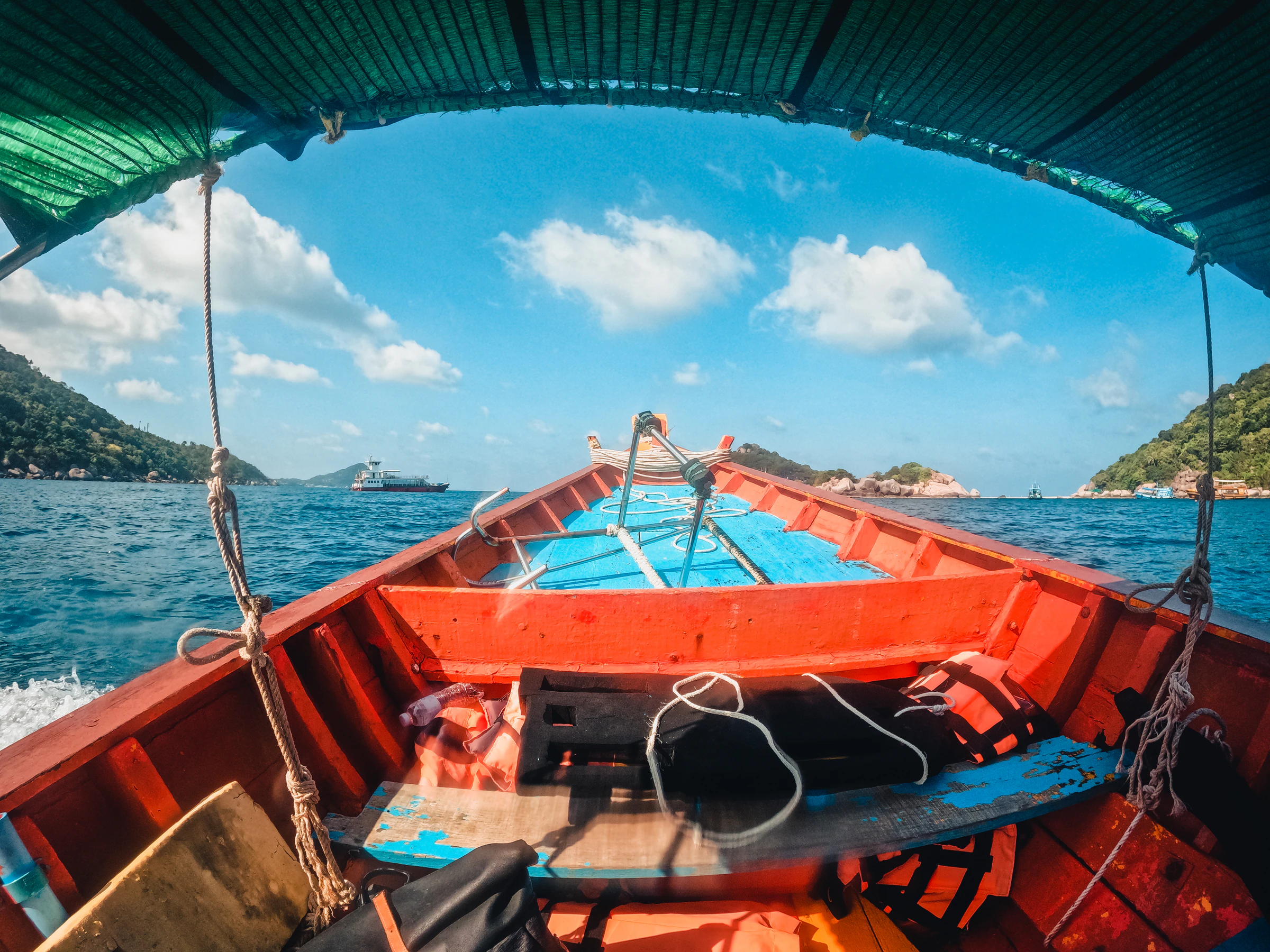
| Adventure | Himalayan trekking, Ladakh's high mountain passes, wildlife safaris | Scuba diving on Koh Tao, jungle trekking around Khao Sok and Chiang Mai, island hopping |
| Ease for first-timers | Harder: visa paperwork, more scams to know about, buses and trains need planning | Easier: no visa, a well-worn backpacker trail, English widely spoken in tourist areas |
| Getting around | Trains are excellent but need booking ahead; distances are long | Overnight trains, budget flights and ferries are simple to book, even last minute |
| Solo-friendliness | Rewarding but needs more care, especially for women (see below) | One of the easier countries in Asia to travel alone, including for women |
Cost per day
The two cost guides count different things. In India, a careful backpacker spends roughly US$30 to 35 a day including a dorm bed, local food and trains, and dorm beds run ₹300 to ₹800 a night (India cost guide). In Thailand, about 1,000 to 1,500 baht (US$30 to 45) a day covers food, drinks and local transport only, with a dorm bed at 150 to 700 baht a night on top, and everything costs 20 to 40% more on the islands (Thailand cost guide). Put on the same basis, a typical day in Thailand costs more than a careful backpacker's day in India. Flights, entry fees and private drivers add to both and push either country well past these figures.
Winner: India, on day-to-day cost.
Best months to go
Thailand has one clear best window, mid-December to about 20 February, when the whole country is dry and warm (Thailand best time guide). India doesn't have a single answer: the plains, Rajasthan and the south are best November to February, but the high Himalaya (Ladakh and Spiti) only opens from June to September, when the rest of the country is in monsoon or extreme heat (India best time guide). If your dates are fixed and fall outside December to February, that flexibility can decide it: India always has a region in season, but you may have to change your route to find it.
Winner: Thailand, for having one simple answer.
Visa and entry
Thailand has been visa-free for UK, US, Australian, Canadian and EU passports since 15 September 2026, for a 30-day tourist stay (cut down from 60 days); you file a free TDAC arrival card online, and you can extend once in Thailand by another 30 days for 1,900 baht (Thailand visa guide). India requires an e-Tourist visa for every one of those nationalities, applied for online at indianvisaonline.gov.in between 4 and 120 days before you fly, plus a free e-Arrival card (within 72 hours of landing) and an Air Suvidha health form (within 24 hours before arrival). For a like-for-like 30-day trip the e-visa costs US$25 (US$10 if you travel from April to June), and the 1-year e-visa costs US$40 for these passports. The 5-year visa now costs US$200 for most passports, US$160 for Americans and US$484 for British ones (India visa guide). Thailand doesn't ask for this step, and you need to finish it well before you fly, not at the airport.
Winner: Thailand, no contest.
Beaches
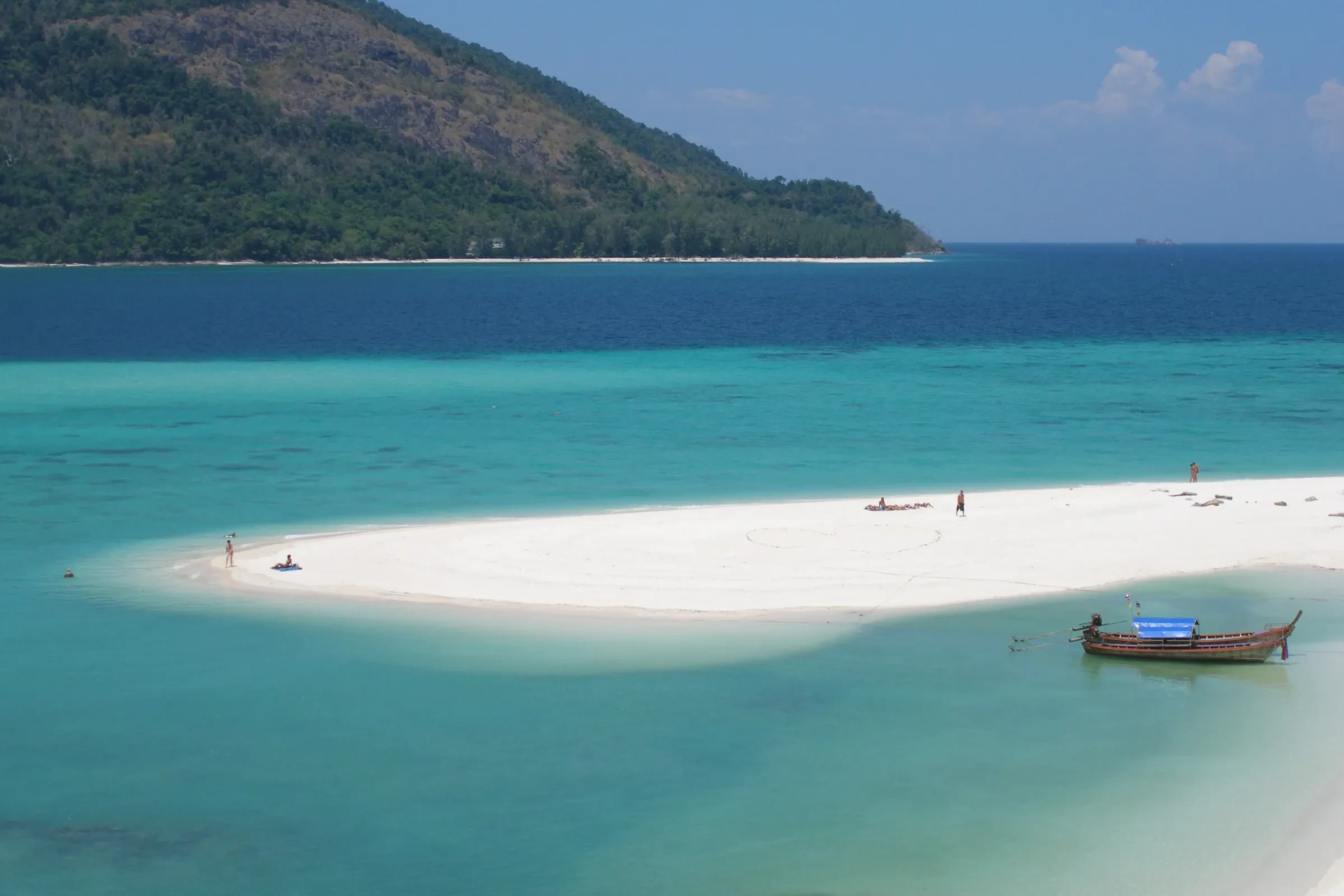
Thailand has the bigger, more developed beach scene: two coastlines, dozens of islands, and infrastructure built specifically around beach tourism, from dive schools on Koh Tao to the Full Moon Party on Koh Phangan. India's beaches, mainly Goa, Gokarna and the Andaman Islands, are smaller in number and generally quieter and less built up, which some travellers prefer and others find limiting if a beach holiday is the main goal.
Winner: Thailand, if beaches and islands are the priority.
Food
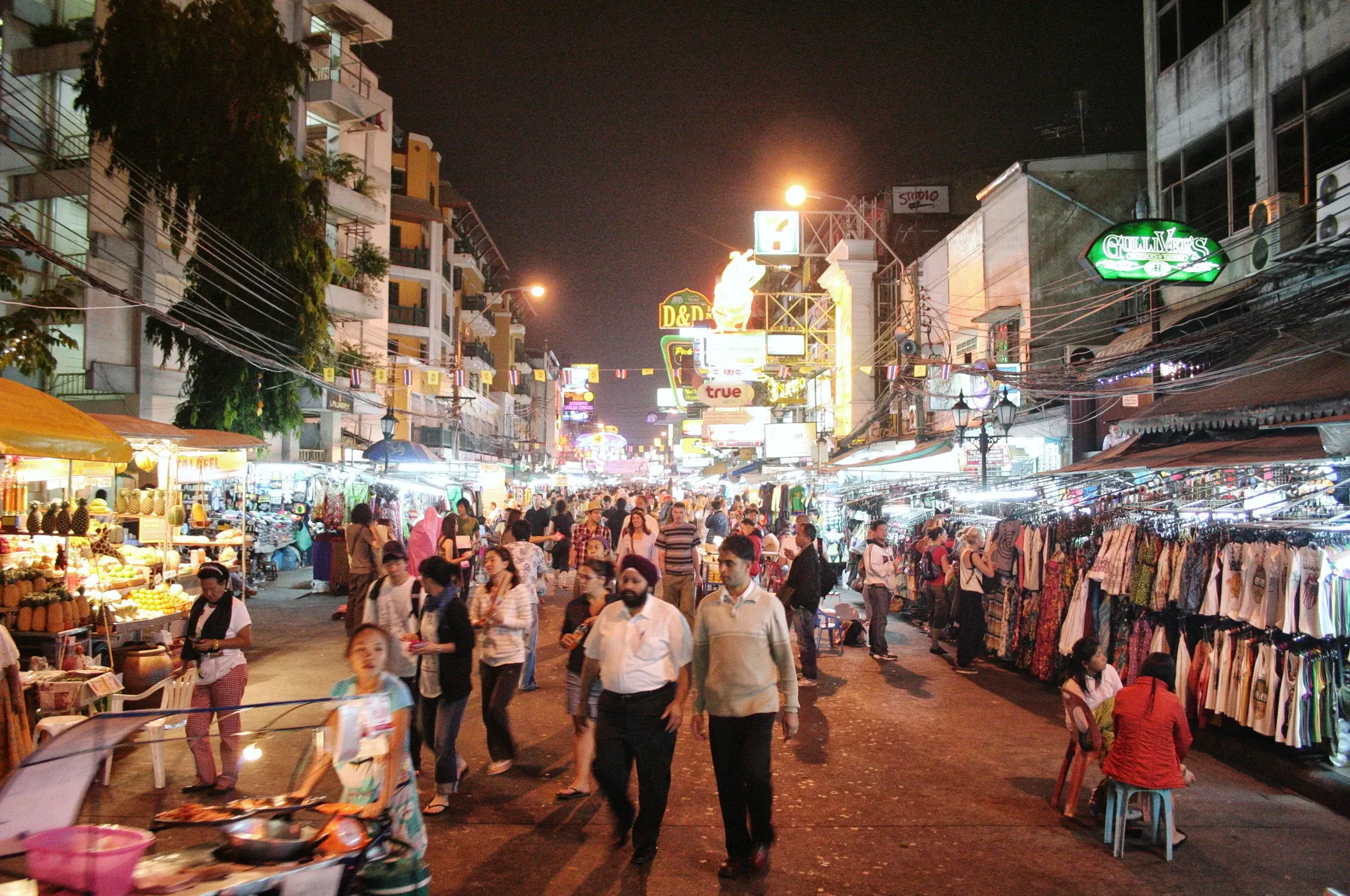
Both countries are genuine food destinations, but India's food changes more completely as you cross the country: a Rajasthani thali, a Kerala fish curry and a Punjabi dal have little in common beyond the name "Indian food" (India food guide). Thailand's regional food also varies, but its street food and night markets are more consistently easy to find and eat safely almost everywhere on the tourist trail, which matters if you're travelling on a budget and don't want to think too hard about where to eat.
Winner: India for depth, Thailand for consistency; call it a tie.
Nightlife
Thailand's nightlife is a bigger part of the trip itself: Bangkok's rooftop bars and Khao San Road, Chiang Mai's night markets, and Full Moon parties on Koh Phangan (see our Thailand safety guide for what official advice says about them). India's nightlife is much lower-key outside a handful of cities and parts of Goa; for most travellers it isn't the reason to go.
Winner: Thailand.
Adventure
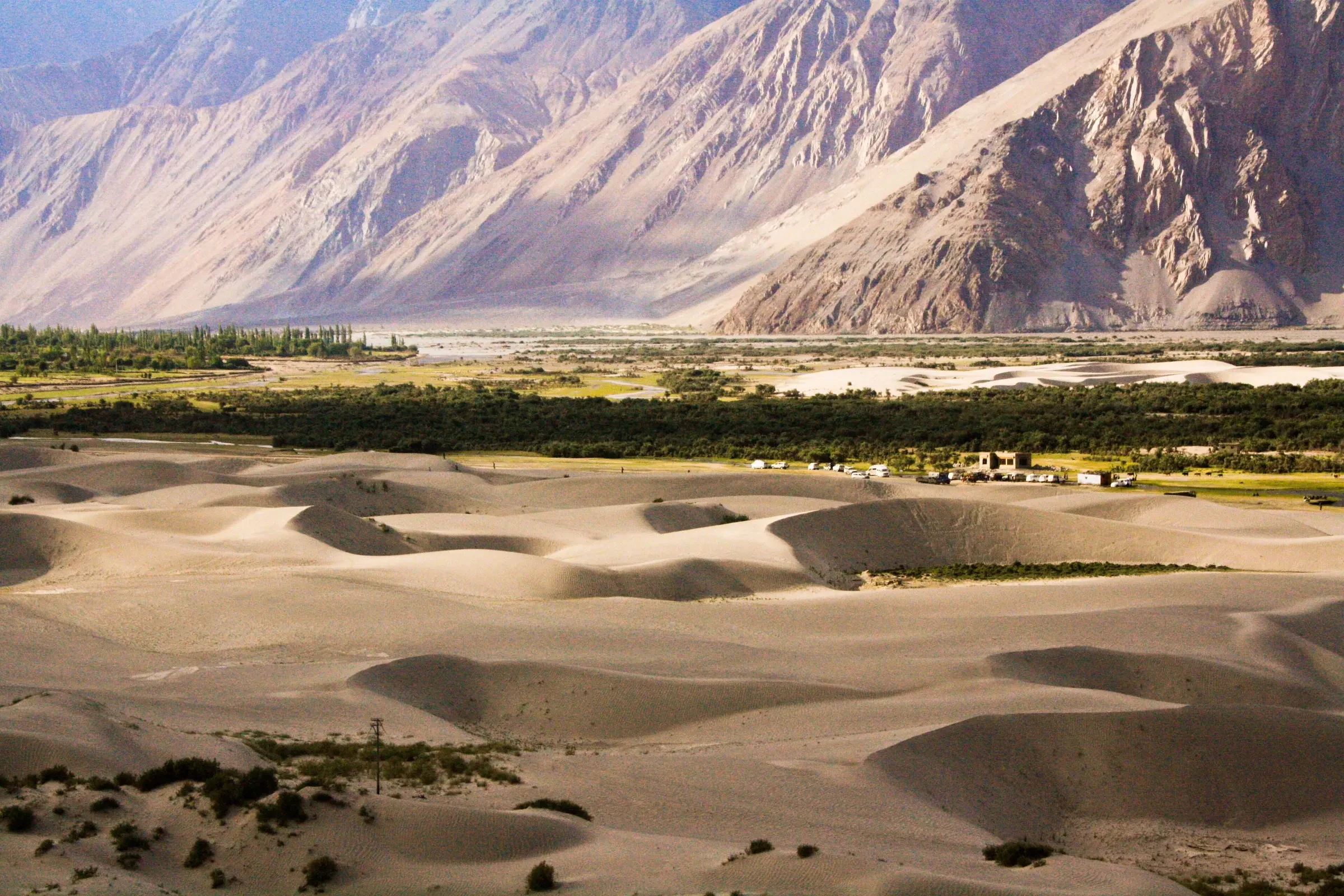
India's adventure draw is the Himalaya: high-altitude trekking, Ladakh's mountain passes and lakes, and wildlife safaris further south. Thailand's is more accessible and less extreme: scuba diving certification on Koh Tao, jungle trekking around Khao Sok, and island hopping by boat. If you want serious mountains, India wins; if you want an easier introduction to adventure activities on a first trip, Thailand does.
Winner: Tie, depending on what "adventure" means to you.
Ease for first-timers
Thailand has fewer moving parts for a first-timer to get wrong: no visa to arrange, an airport that's simple to navigate, English widely spoken on the tourist trail, and a backpacker route (Bangkok, Chiang Mai, the islands) refined by decades of travellers doing exactly this. India asks for more upfront planning: the e-visa, knowing which scams to avoid (see our India safety guide), and trains that need booking ahead rather than turning up and going. None of that makes India unmanageable, and the Golden Triangle is an easy week even for a first-timer; it's just that Thailand asks less of you before you land.
Winner: Thailand.
Getting around
Both countries have good, cheap internal transport once you understand it. Thailand's overnight trains, budget flights and ferries are simple to book online. India's train network is one of the best in the world for the price, but popular routes can sell out well ahead, and distances between regions are longer, so an India trip needs more of its own logistics planned before you land.
Winner: Thailand, for how last-minute you can be.
Solo-friendliness and safety
Both countries are travelled solo, including by women, every day. For Thailand, Canada rates the country "exercise a high degree of caution" overall, the FCDO publishes no single level, and neither advises against travel to Bangkok, the north or the islands. The FCDO advises against all but essential travel within 20 km of the closed Cambodian border, and it says assaults in tourist areas are most common around full moon parties and late at night near bars (Thailand safety guide). For India, the FCDO says there is a risk of sexual assault against female foreign visitors in tourist areas and cities, and advises against hailing taxis on the street at night (India safety guide). Each country also has regions the governments advise against, so read the current advice for your passport. Plenty of solo women visit India, but the official wording is firmer there, so planning arrivals, avoiding isolated areas alone and booking transport in advance matter more. Our guide to solo trips for women in Asia compares all six countries on exactly this point.
Winner: Thailand, on the wording of official advice; India is more manageable with a group.
Which should you choose?
| If you're... | Choose |
|---|---|
| Planning your first-ever trip to Asia | Thailand |
| Watching every dollar or pound | India, by a small margin |
| A solo woman wanting the easiest possible first trip | Thailand |
| Drawn to mountains, forts and deep history | India |
| Mainly after beaches, islands and diving | Thailand |
| Happy to book your first India stretch with a group and go it alone later | India |
| Short on time (a week or less) and want zero visa admin | Thailand |
| Already comfortable travelling solo in Asia and want something more demanding | India |
Why not both?
You don't have to choose. Delhi and Bangkok are roughly 4.5 hours apart by direct flight (Thai Airways, Air India and IndiGo all fly it), so a two-country trip works well if you have 2 to 3 weeks. A realistic route: start with our 7-day Golden Triangle Express (Delhi, Agra and Jaipur), fly Delhi to Bangkok, then join the 8-day Thailand Express (Bangkok, Chiang Mai and Koh Phangan). That's 15 days on the ground plus the flight between, giving you the Taj Mahal and Rajasthan's forts, then Thailand's temples, mountains and an island, without living out of a backpack in either country long enough to feel rushed. Our Golden Triangle runs from October to March and our Thailand trips from mid-December to February and June to August, so the two only overlap from mid-December to February. Travelling independently, add a few spare days either side of the flight for delays. If you book both of our trips, check the dates on each trip page and leave a gap for the flight.
Keep planning
- India travel guide for itineraries, regions and costs
- Thailand travel guide for itineraries, regions and costs
- India visa guide and Thailand visa guide
- Solo trips for women in Asia, comparing all six countries
- India group trips and Thailand group trips