Delhi, Agra and Jaipur form the tightest triangle in Indian travel: three cities, three very different characters, and short enough distances between them that a week is spent sightseeing rather than travelling. It's the default first route into India for a reason, built around the Taj Mahal but not limited to it: Old Delhi's lanes, Jaipur's forts and bazaars, and a stepwell or two along the way. With three more days, the same route folds in Varanasi and the Ganges, using an overnight train so the extension doesn't cost you a wasted travel day.
4 stops
- Train
- Minibus
Is this route for you?
This is the classic first route into India, and a good one: short distances, a genuine icon in the Taj Mahal, and fast trains that make the whole thing forgiving for a first-timer. It also works well as a bolt-on for anyone doing a longer Southeast Asia or Sri Lanka trip who wants "India's greatest hit" rather than a deep dive.
It's a poor fit if forts and monuments aren't the draw and you'd rather have beaches or backwaters; our Goa and Gokarna itinerary or Kerala itinerary suit that better. If you want the desert and a longer, slower Rajasthan trip rather than a quick Jaipur stop, our Rajasthan itinerary continues west from Jaipur into Pushkar, Jodhpur and Jaisalmer instead of looping back to Delhi.
Day by day
Arrival
Delhi
- Afternoon
- arrive and settle in
- Evening
- street food nearby, an easy first night
Eat chole bhature or a plate of chaat from a street stall
Local tip Delhi's air quality can be poor in the days after Diwali and through November, from crop-burning smoke; it's not usually a reason to change plans, but check the forecast if you have a respiratory condition
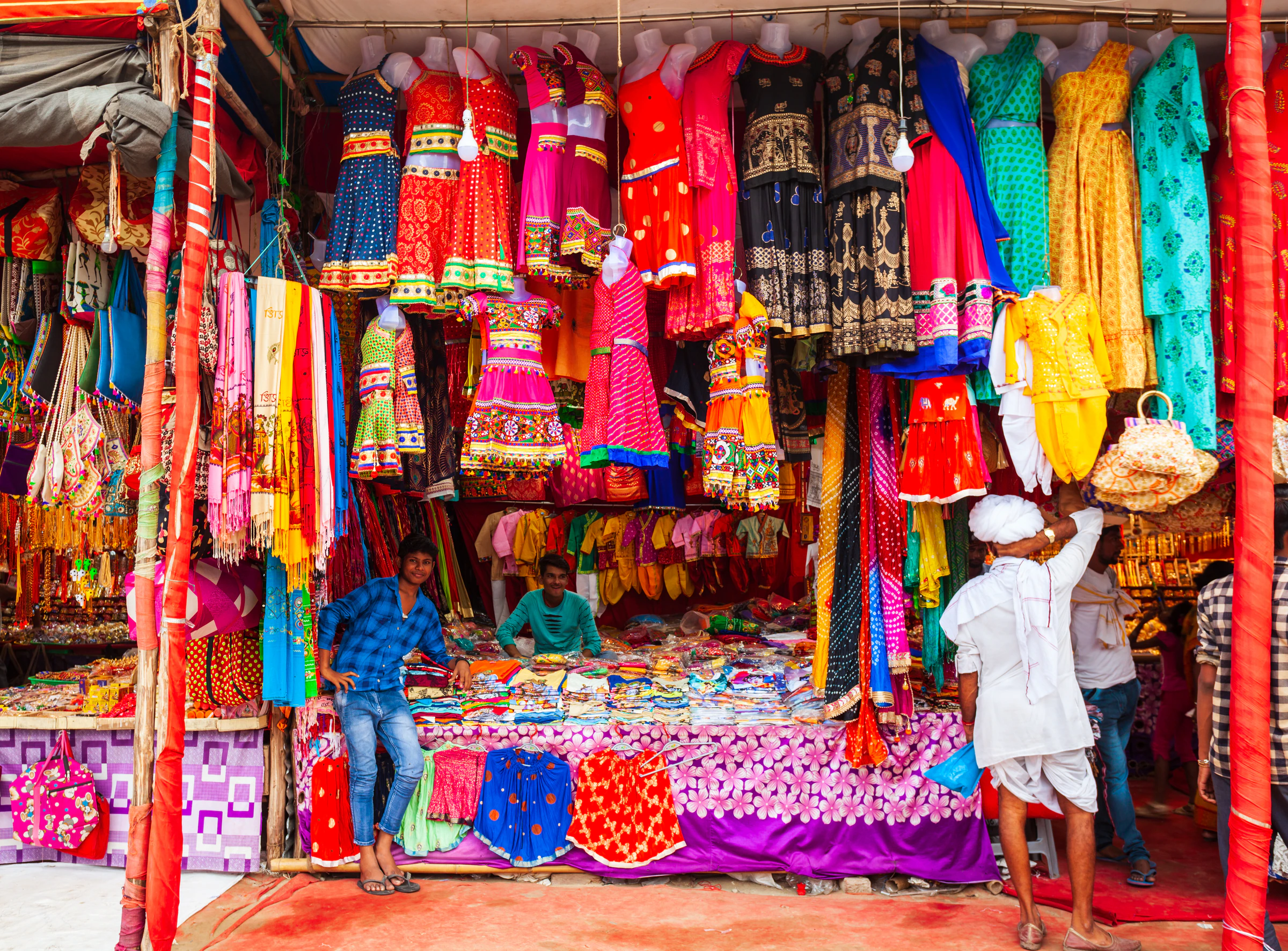
Old Delhi and Humayun's Tomb
Delhi
- Morning
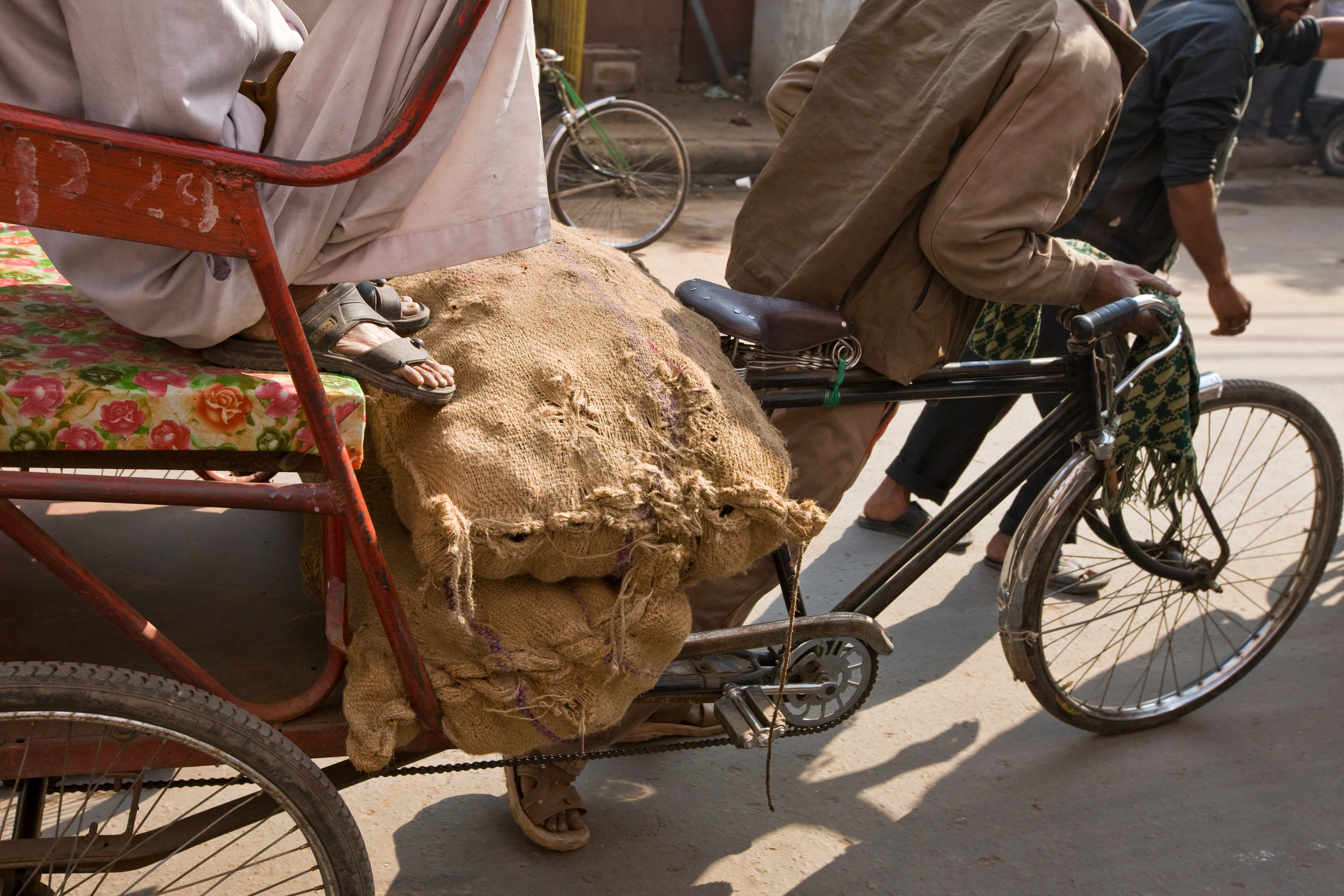
- Jama Masjid, India's largest mosque, then a cycle-rickshaw ride through the lanes of Chandni Chowk
- Afternoon
- Gurudwara Bangla Sahib, where volunteers cook free meals for thousands every day, then Humayun's Tomb at golden hour
- Evening
- free, or Hauz Khas Village for dinner
Eat parathas from Paranthe Wali Gali and chaat, eaten as you walk through Chandni Chowk
Local tip cover your head with the scarves provided before entering Gurudwara Bangla Sahib, and leave your shoes at the entrance
The Gatimaan Express and Agra Fort
Agra
Getting there the Gatimaan Express from Hazrat Nizamuddin to Agra Cantonment, 08:10 to 09:50 (about 1 hour 40 minutes), roughly ₹690 to ₹1,365 depending on class (about £5 to £11, or US$7 to US$14); it doesn't run on Fridays, so avoid landing your Agra day on one
- Afternoon
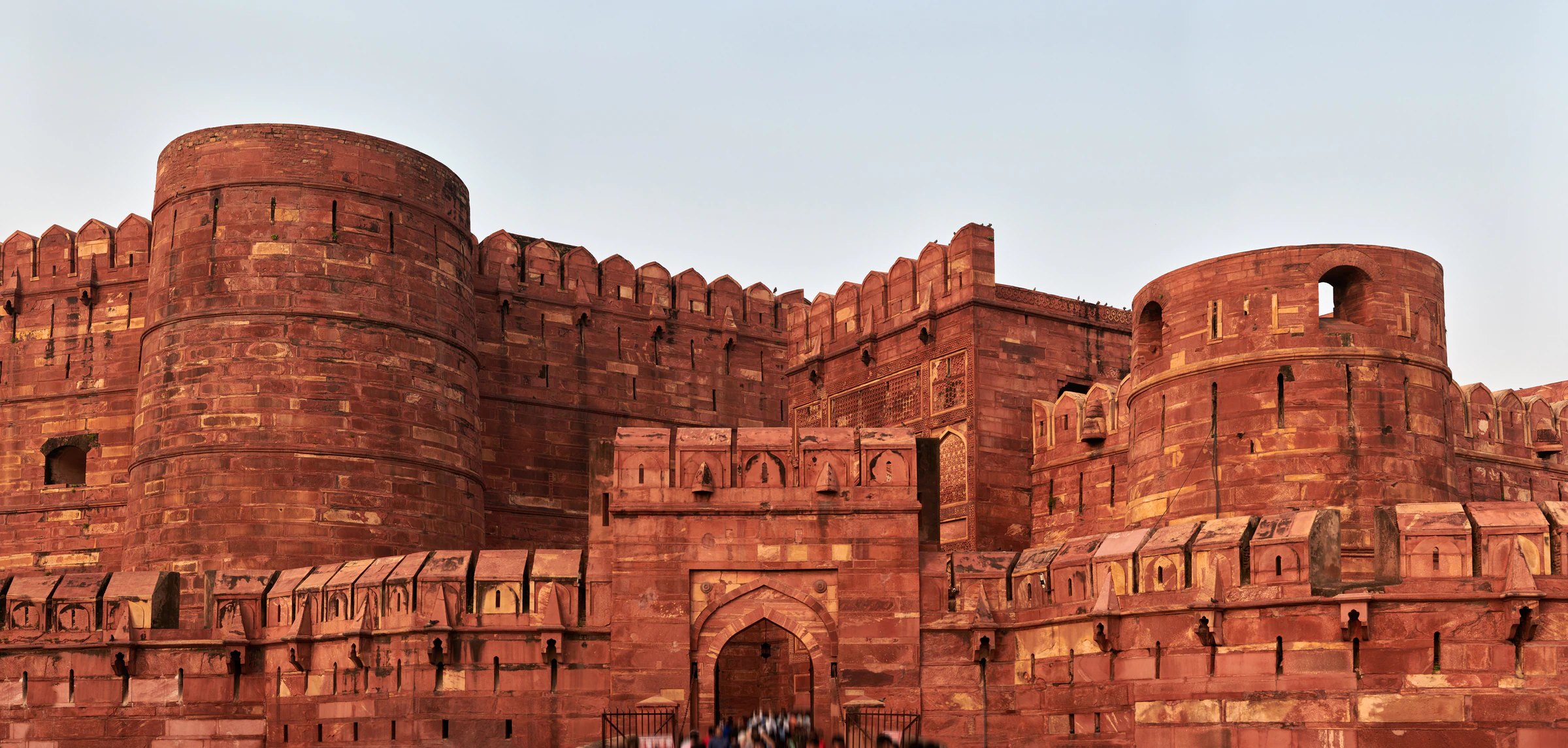
- Agra Fort, the red sandstone fortress on the Yamuna
- Evening
- sunset at Mehtab Bagh, the garden across the river from the Taj, for a first look before tomorrow's sunrise visit
Eat petha, Agra's ash-gourd sweet, and Mughlai-style kebabs
Local tip book the Gatimaan Express as early as you can; regular IRCTC bookings open 60 days ahead and berths sell out well before that in December and January, though the Foreign Tourist Quota opens up to 365 days ahead
The Taj Mahal at sunrise, then on to Jaipur
Jaipur
Getting there a shared taxi or private car from Agra to Jaipur, about 4 hours 30 minutes to 8 hours depending on stops, via Fatehpur Sikri and the Abhaneri stepwell if you're driving rather than taking one of the daily intercity trains (about 4 to 5 hours)
- Morning
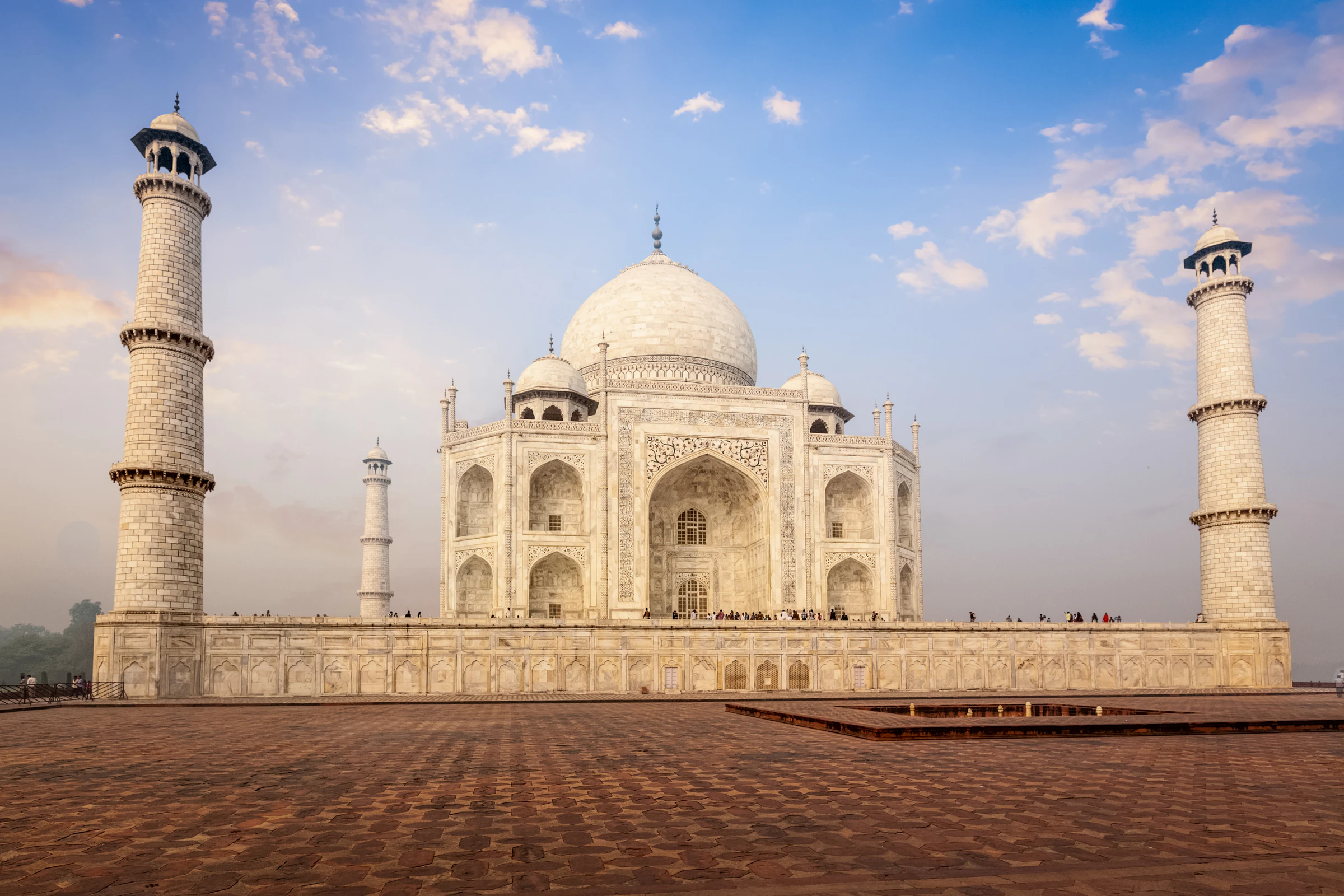
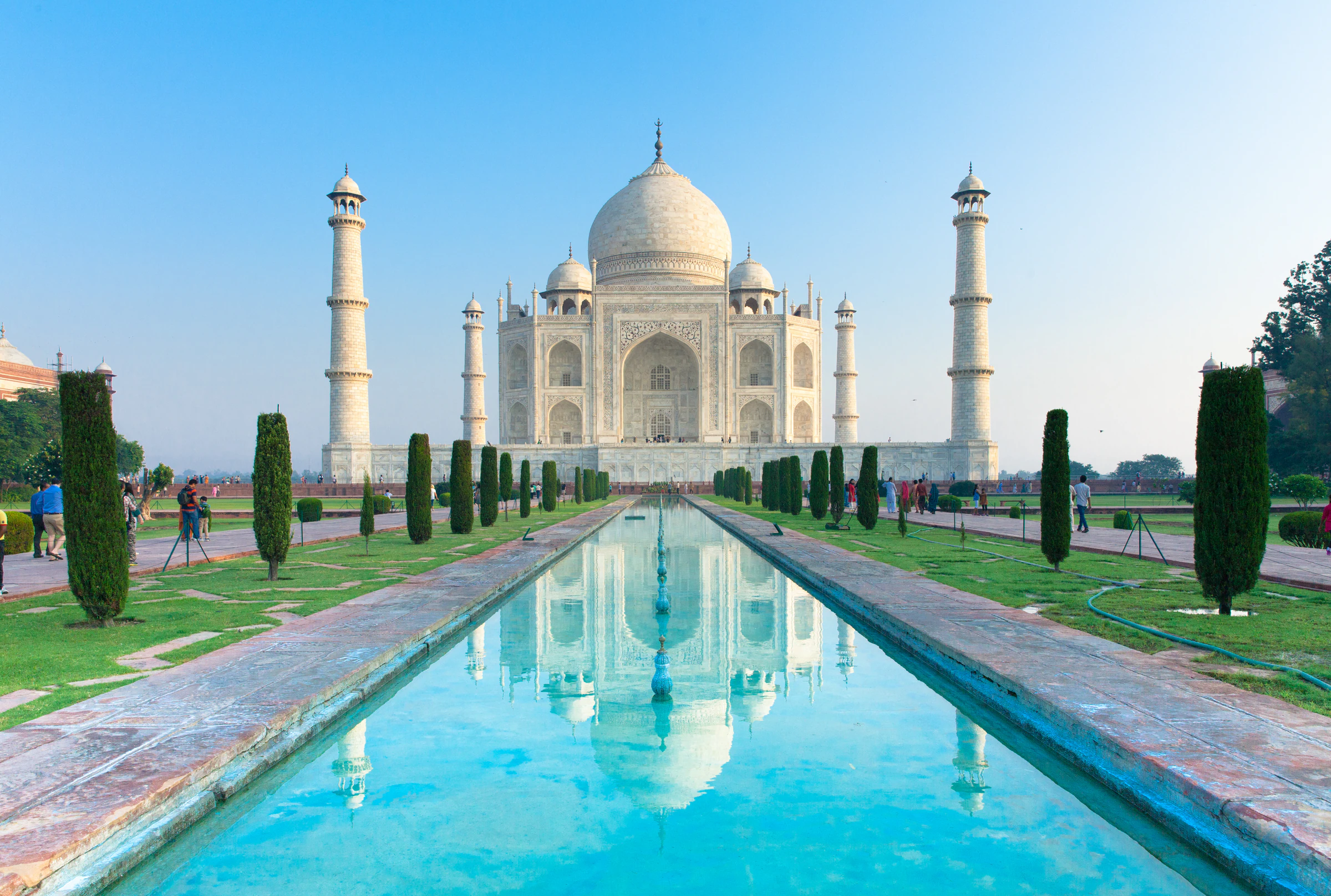
- the Taj Mahal at sunrise, gates open 30 minutes before; go straight there with a licensed, ASI-approved guide before the crowds build
- Afternoon
- Fatehpur Sikri, the abandoned Mughal capital, and Chand Baori at Abhaneri, a stepwell cut with thousands of steps into its sides, if you're driving
- Evening
- arrive Jaipur, settle in
Eat a roadside stop at Fatehpur Sikri if you're driving
Local tip the Taj Mahal is closed every Friday for prayers at its mosque, and foreign visitors pay ₹1,100 for the main complex plus an optional ₹200 for the mausoleum itself (2026 rates); book online for a small discount and to skip part of the queue
Amber Fort and the Pink City
Jaipur
- Morning
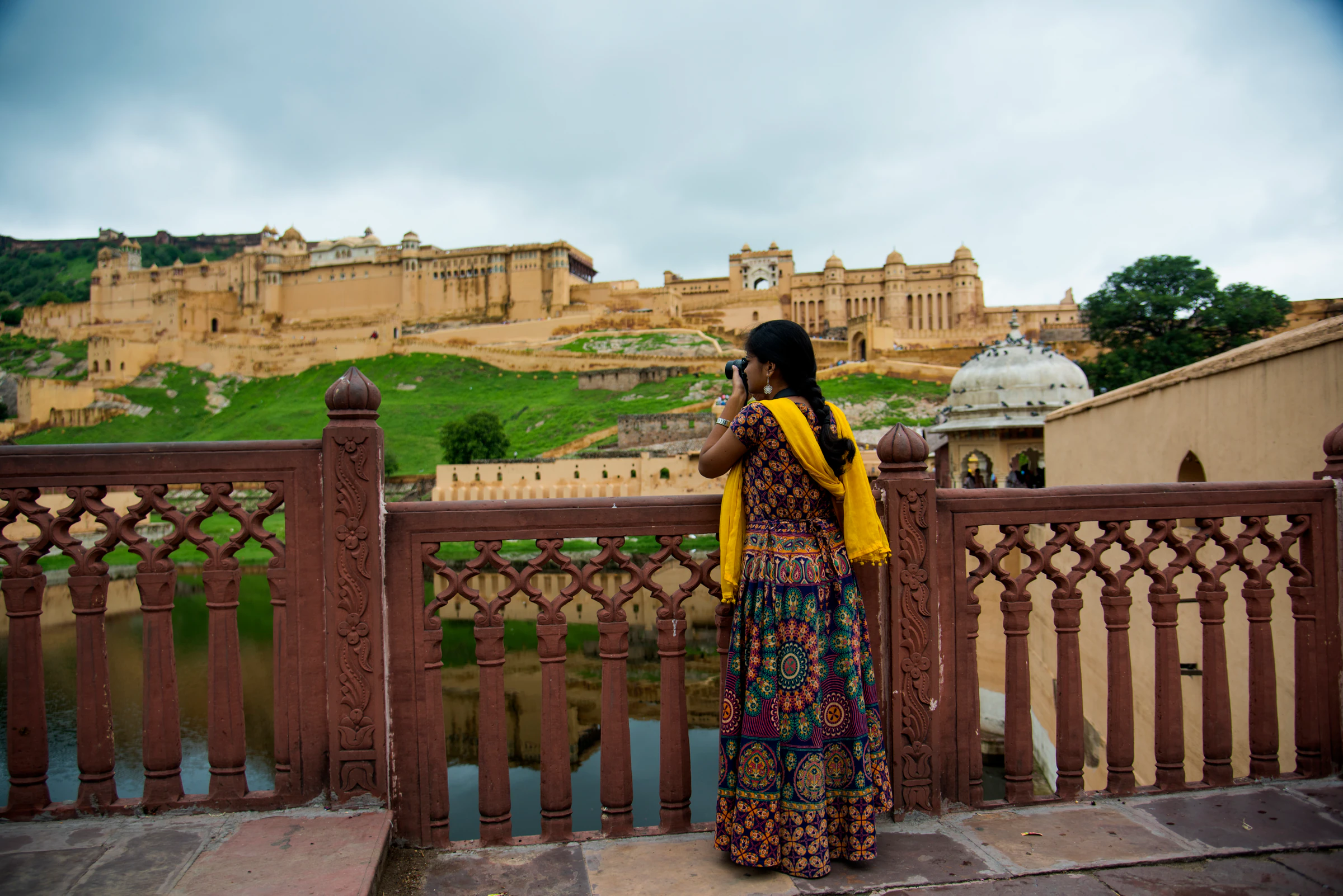
- walk up to Amber Fort in the cool of the morning, about 20 minutes on foot; skip the elephant rides up the ramp
- Afternoon
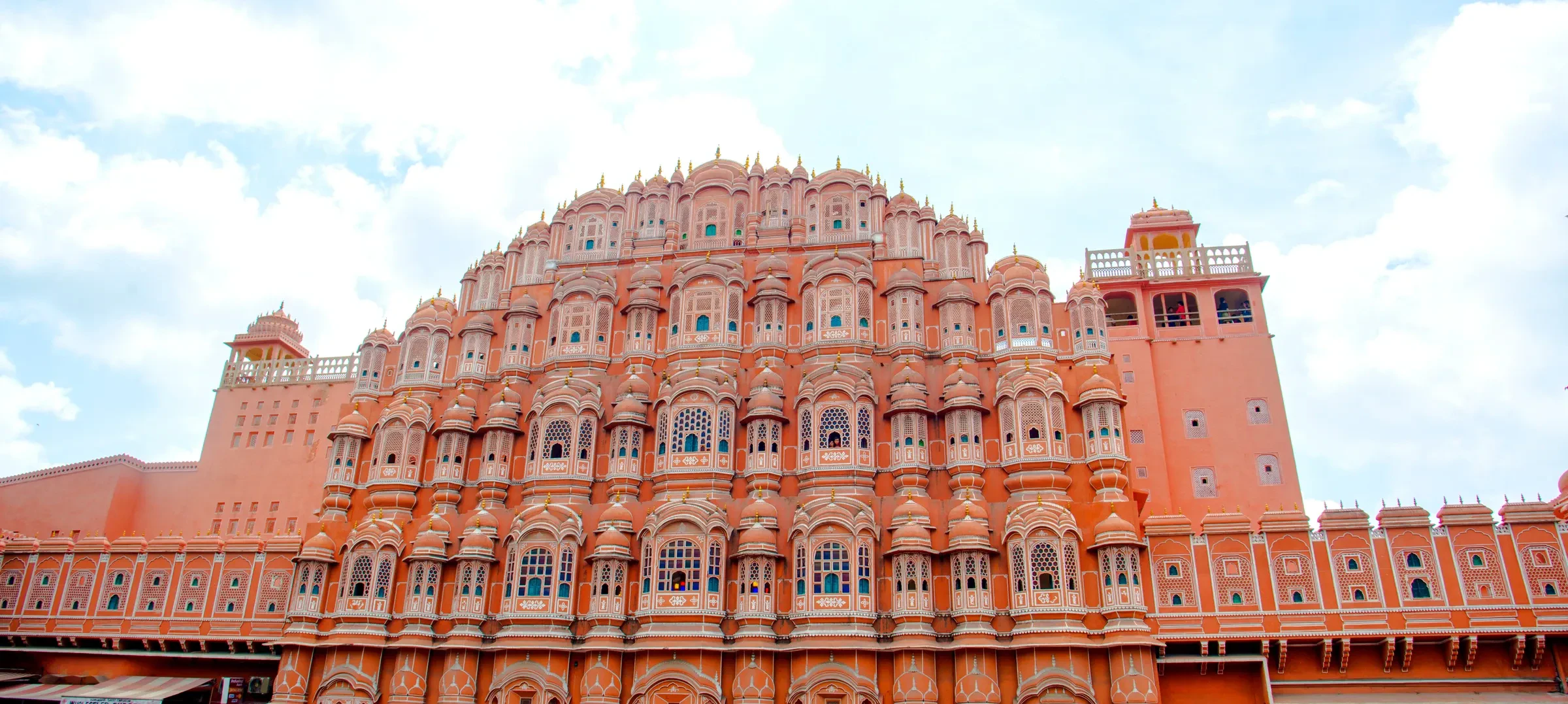
- the City Palace, Jantar Mantar's giant stone astronomical instruments, and the view of Hawa Mahal from the street
- Evening
- the Pink City's bazaars, Bapu Bazaar and Johari Bazaar
Eat laal maas, Rajasthan's fiery mutton curry, and pyaaz kachori from a street stall
Local tip Jaipur sells a composite ticket covering several of its monuments together; it works out cheaper than paying each entry fee separately if you're doing more than two or three sights
Block printing and a Nahargarh sunset
Jaipur
- Morning
- a hand block-printing workshop in Bagru or Sanganer, watching the wooden blocks and natural dyes at work
- Afternoon
- free, for the bazaars or a nap
- Evening
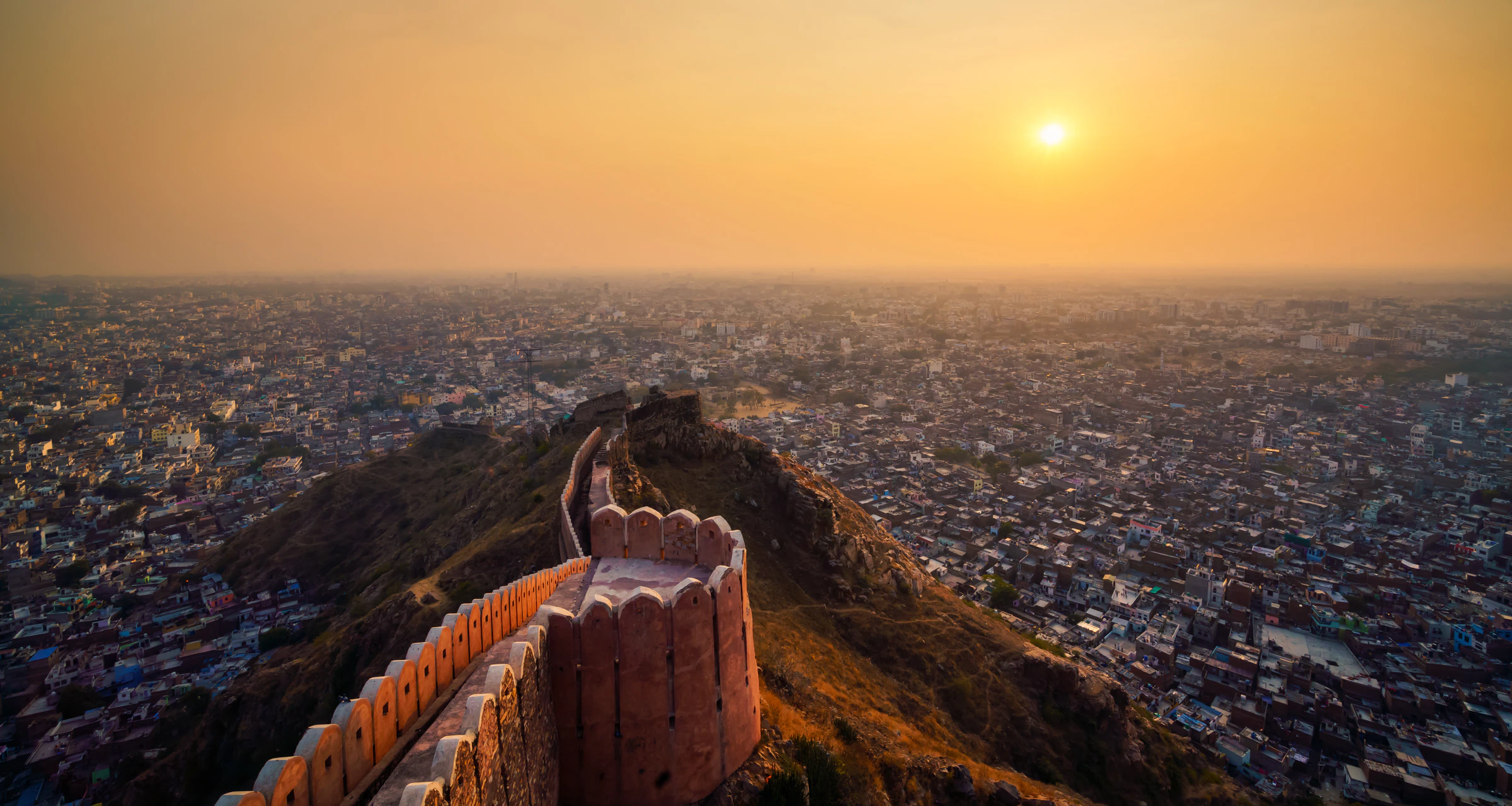
- Nahargarh Fort on the ridge above the city, at its best for sunset
Eat a rooftop dinner looking out over the fort-topped hills
Local tip Nahargarh gets busy right at sunset; arrive 30 to 45 minutes early to get a spot with a clear view
Back to Delhi
Delhi
Getting there the Vande Bharat Express from Jaipur to Delhi Cantonment, 07:47 to about 11:30 (about 3 hours 45 minutes); it doesn't run on Wednesdays
- Morning
- the train back, with breakfast available on board
- Afternoon
- free in Delhi before an evening flight out; book flights leaving from around 17:00 onwards to give the morning train some slack
Eat a last bazaar-stall snack before you board
Local tip if you'd rather extend than fly home, this is the point where the 10-day version below branches off towards Varanasi instead
The 10-day version, with Varanasi
Add three days and this route folds in Varanasi and the Ganges, using an overnight train so the extension doesn't cost a whole extra day sitting on a train in daylight. The order changes from the 1-week version above: Varanasi comes early, straight after Delhi, and the overnight leg carries you on to Agra.
| Day | Where | What | Eat |
|---|---|---|---|
| 1 | Delhi | Arrive and settle in | Street food nearby |
| 2 | Delhi | Jama Masjid, a cycle rickshaw through Chandni Chowk, Gurudwara Bangla Sahib's free kitchen, Humayun's Tomb | Parathas and chaat |
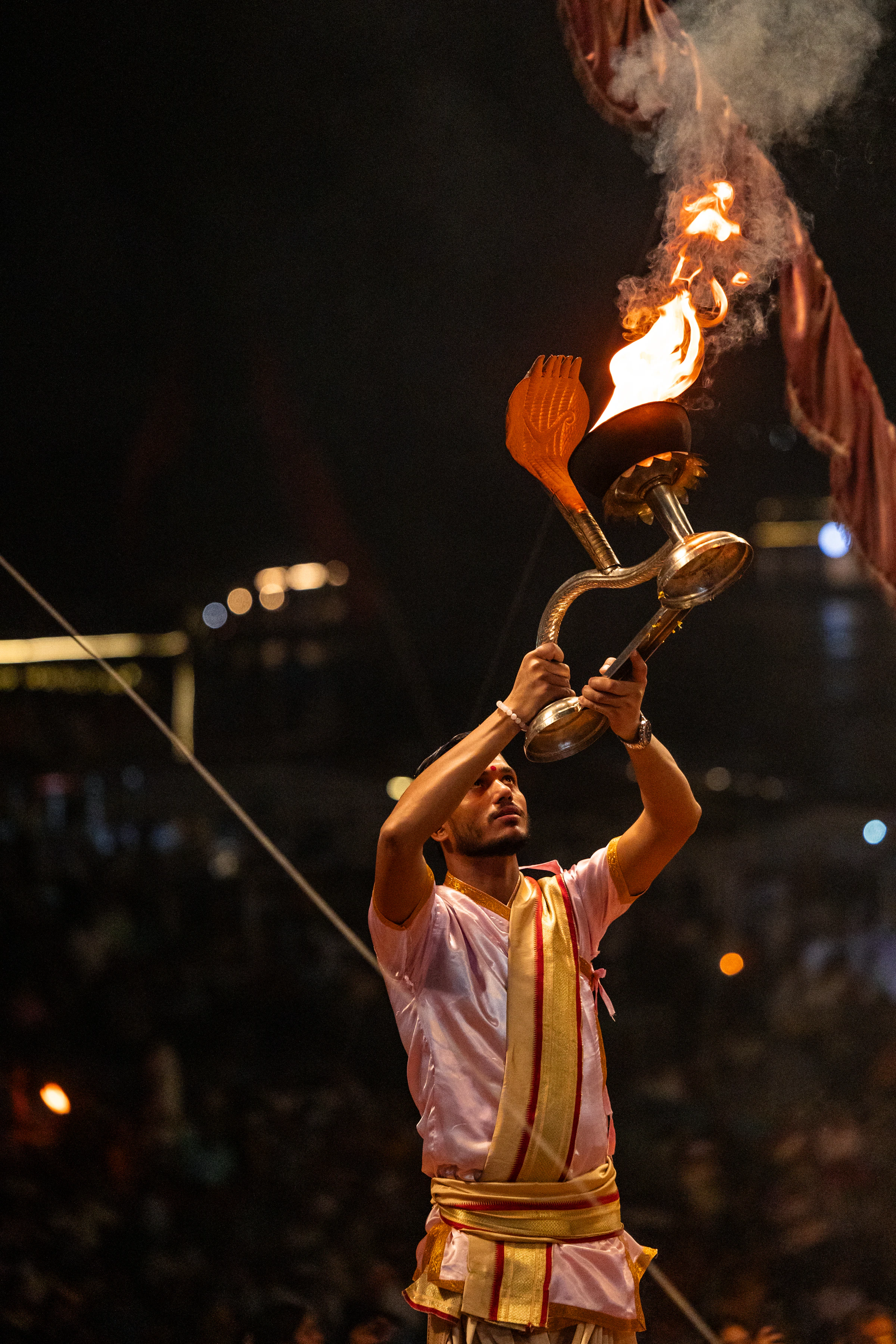
| 3 | Varanasi (Vande Bharat, 06:00 to 14:00; it runs six days a week) | Settle near the ghats, evening Ganga aarti at Dashashwamedh Ghat | Breakfast and lunch served on board |
| 4 | Varanasi | A sunrise boat ride on the Ganges, an afternoon at Sarnath | Kachori sabzi |
| 5 | Overnight train to Agra (Marudhar Express, 17:10 to about 06:35 at Agra Fort) | A free morning in the old city or at Kashi Vishwanath Temple first | Pick up dinner before boarding |
| 6 | Agra | Agra Fort in the morning, the Taj Mahal in the afternoon light | Petha, Agra's ash-gourd sweet |
| 7 | Jaipur (about 4.5 to 8 h by road) | A stop at Fatehpur Sikri and the Abhaneri stepwell if driving | A roadside stop at Fatehpur Sikri |
| 8 | Jaipur | Amber Fort on foot, the Pink City's bazaars | Laal maas and pyaaz kachori |
| 9 | Jaipur | A hand block-printing workshop, or a free day; Nahargarh Fort at sunset | A rooftop dinner |
| 10 | Jaipur to Delhi (Vande Bharat, 07:47 to about 11:30) | A free afternoon before an evening flight out | A last bazaar-stall snack |
What changes from the 1-week version: Varanasi replaces the Taj-at-sunrise opening. Arriving off an overnight train is a poor way to start a sunrise visit, so this version saves the Taj for the afternoon of day 6 instead, when the marble turns gold and pink in the fading light, rather than day 4's dawn visit above. Everything else, Delhi, Fatehpur Sikri, Jaipur's three nights, and the Vande Bharat back to Delhi, stays the same. The Marudhar Express runs on Mondays, Wednesdays and Saturdays only, so build the route around one of those departure days from Varanasi.
Varanasi is a bigger sensory step than Agra or Jaipur: the ghats are a normal, working part of daily life, cremations included, observed respectfully from a distance rather than treated as a photo opportunity. Most travellers find it one of the most memorable stops in the country, but it's worth knowing that going in.
What it costs
| Item | Typical price (rupees) | About (US$) |
|---|---|---|
| Gatimaan Express, Delhi to Agra | 690 to 1,365 | 7 to 14 |
| Taj Mahal entry, foreign visitors (2026 rate) | 1,100, plus 200 for the mausoleum | 11, plus 2 |
| Vande Bharat, Jaipur to Delhi | from about 800 in chair class | from about 8 |
| Rooftop or hotel dinner in Jaipur | 400 to 800 | 4 to 8 |
| Backpacker daily budget (dorm, local food, trains) | 2,900 to 3,400 | 30 to 35 |
Outside international flights, budget about ₹2,900 to ₹3,400 a day on this route. Our India cost guide breaks the wider country picture down further, including the e-Tourist visa and a tourist SIM.
Getting there, away and around
Fly into Delhi (DEL); it's the best-connected of the three cities from Europe, North America and Australia. Trains cover every leg of this route: the Gatimaan Express to Agra, then a shared taxi, private car or one of the daily intercity trains to Jaipur, and the Vande Bharat Express back to Delhi. For the Varanasi extension, the Vande Bharat runs Delhi to Varanasi directly, and the Marudhar Express covers the overnight leg from Varanasi to Agra.
Within each city, autos and ride-hailing apps cover most trips; Delhi also has a clean, cheap metro that's worth using for longer crossings of the city.
Best time for this route
October to March is best throughout, when daytime temperatures on the plains stay comfortable. Avoid May and June, when Delhi and Agra regularly reach 40 to 45°C and the Taj Mahal's stone surfaces get scorching with no shade to escape into. The monsoon, July to September, is humid but not a road-closure risk here, unlike the mountain routes further north, and Agra and Jaipur are noticeably less crowded. Delhi's air quality is worth a one-line check for a November trip: post-Diwali and crop-burning smog is a real, if usually short-lived, issue most years.
Diwali itself falls in the middle of this route's best season, and if your dates land close to it, our Diwali guide has the current dates and where to see it:
What to eat on this route
Old Delhi runs on parathas, chaat and chole bhature, and it's also where butter chicken originated, at Moti Mahal. Agra's signature is petha, an ash-gourd sweet, alongside Mughlai-style kebabs. Jaipur serves laal maas, a fiery mutton curry, and pyaaz kachori from street stalls across the old city. Add Varanasi to the trip and the food shifts again: kachori sabzi for breakfast, and Banarasi paan as an after-dinner experience rather than a habit to pick up. Our India food guide has more detail by region.
Want this exact 1-week route done for you, with every train, guide and entry fee arranged? Our Golden Triangle Express trip runs this itinerary almost day for day, Delhi to Delhi in 7 days.