India doesn't have one season. While Delhi and Rajasthan are at their most pleasant in December, Ladakh is buried in snow and largely cut off by road, and while the Himalaya is at its best in July, the plains are in the middle of the monsoon. The trick to planning an India trip is matching the month to the region, not the other way round.
This guide goes region by region, then month by month, with the festivals worth timing a trip around. For routes, costs and the rest of the planning, see our India travel guide.
India's regions at a glance
Each region below keeps its own calendar, so check the one you're actually visiting rather than "India" as a whole.
| Region | Best months | Avoid |
|---|---|---|
| North plains (Delhi, Agra, Varanasi) | October to March | April to June (up to 40 to 45°C); fog in December and January can delay trains and flights |
| Rajasthan | October to March | April to June; nights are cold in Jaipur and Jodhpur in December and January |
| Himalaya (Ladakh, Spiti) | June to September | October to May, when the high passes are closed by snow |
| Goa | November to February (shacks start opening in September, official season from 1 October) | June to September (monsoon, beach shacks shut) |
| Kerala | November to February | June to September (monsoon); it's humid from March |
| Andaman Islands | November to April | Late May to September (south-west monsoon, rougher ferries) |
Best time by region
North plains: Delhi, Agra and Varanasi
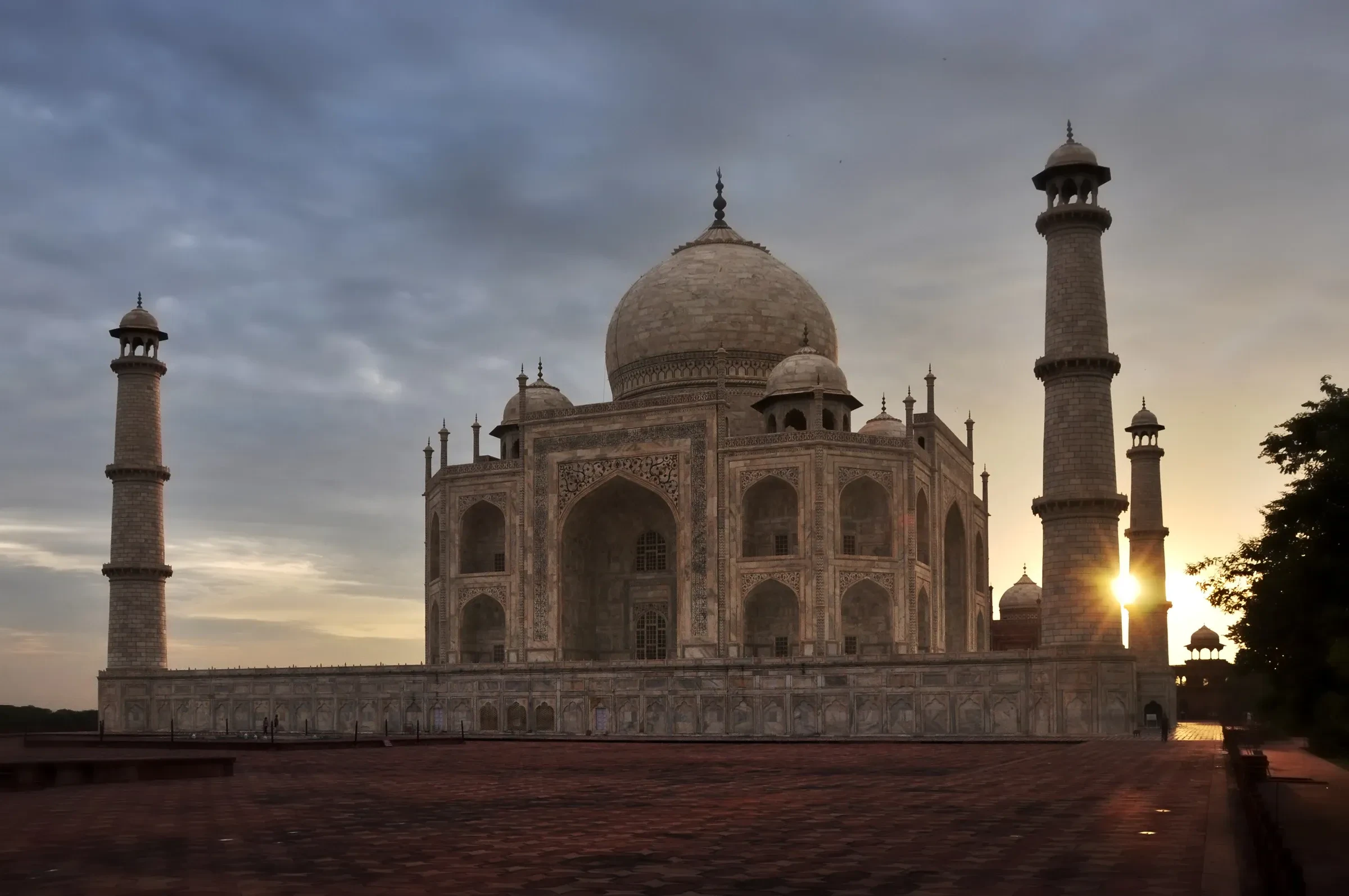
October to March is the season here, and the sweet spot is roughly mid-November to February, when the days are warm, the nights are cool, and the Taj Mahal is clear of haze in the early morning. December and January bring fog that can delay flights and slow the fast trains between Delhi, Agra and Varanasi, so build in a spare hour or two rather than a tight connection. From April, temperatures climb fast, and by May and June, Delhi and Agra regularly pass 40°C. Air quality is also worth planning around: it worsens across the north Indian plains from October to February and is often worst in Delhi in November.
Rajasthan
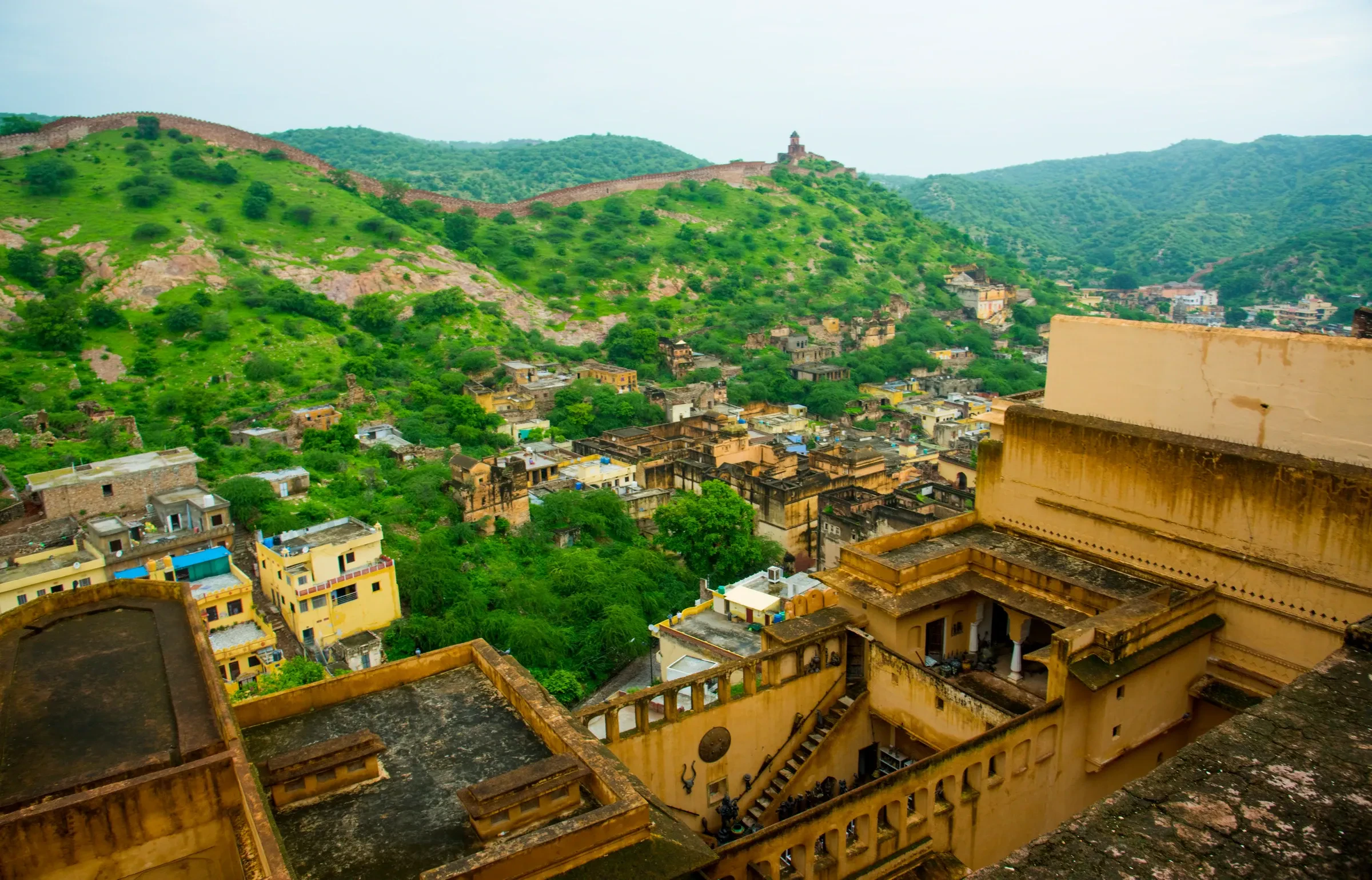
Rajasthan runs on the same calendar as the north plains: October to March, with November to February the most comfortable stretch for sightseeing at Amber Fort, the City Palace in Udaipur or the lakeside ghats in Pushkar. Desert nights get properly cold in December and January, so pack a warm layer even though the days are pleasant. From April, the desert heat makes daytime sightseeing hard going, and by May and June it's one of the hottest parts of the country.
The Himalaya: Ladakh and Spiti
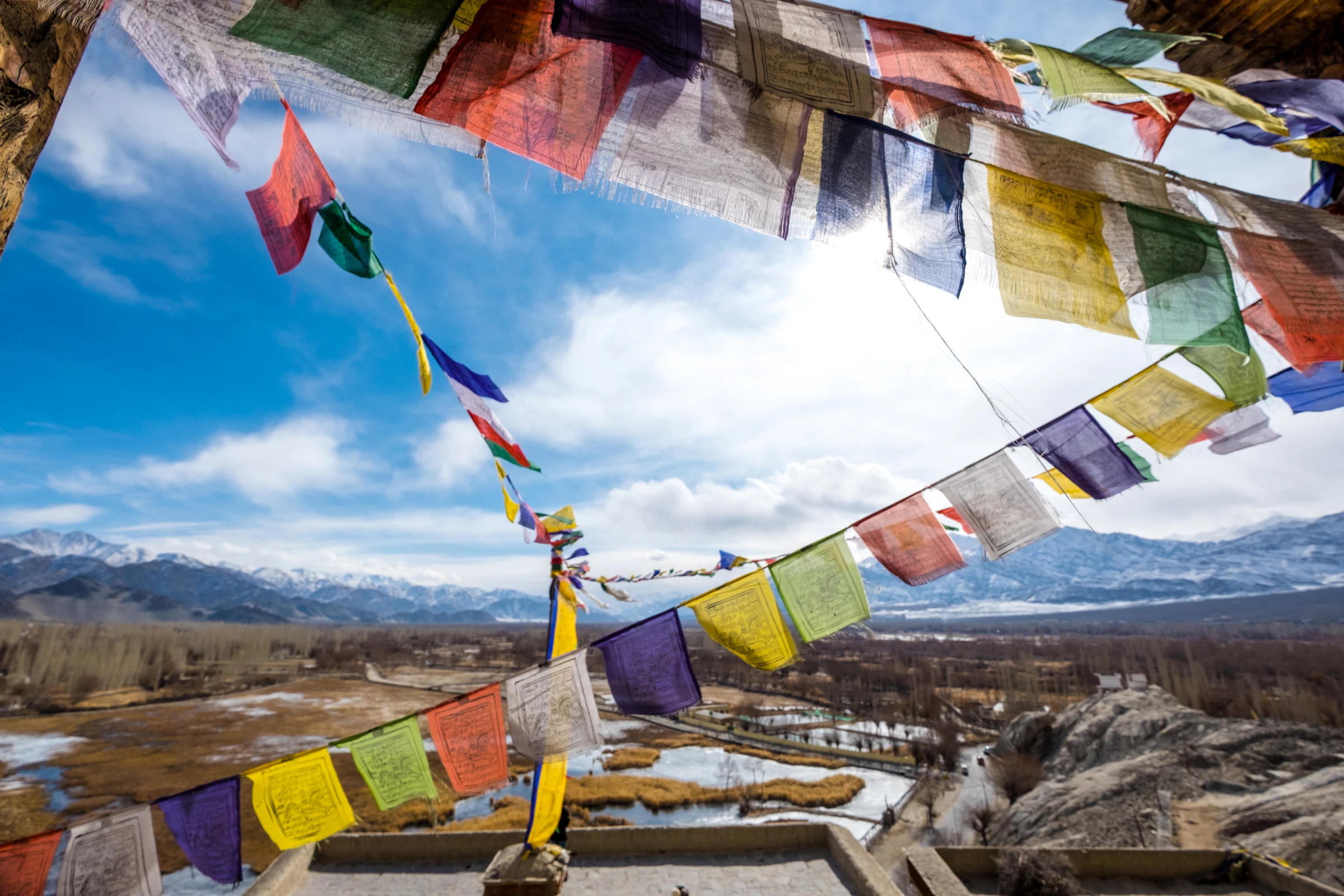
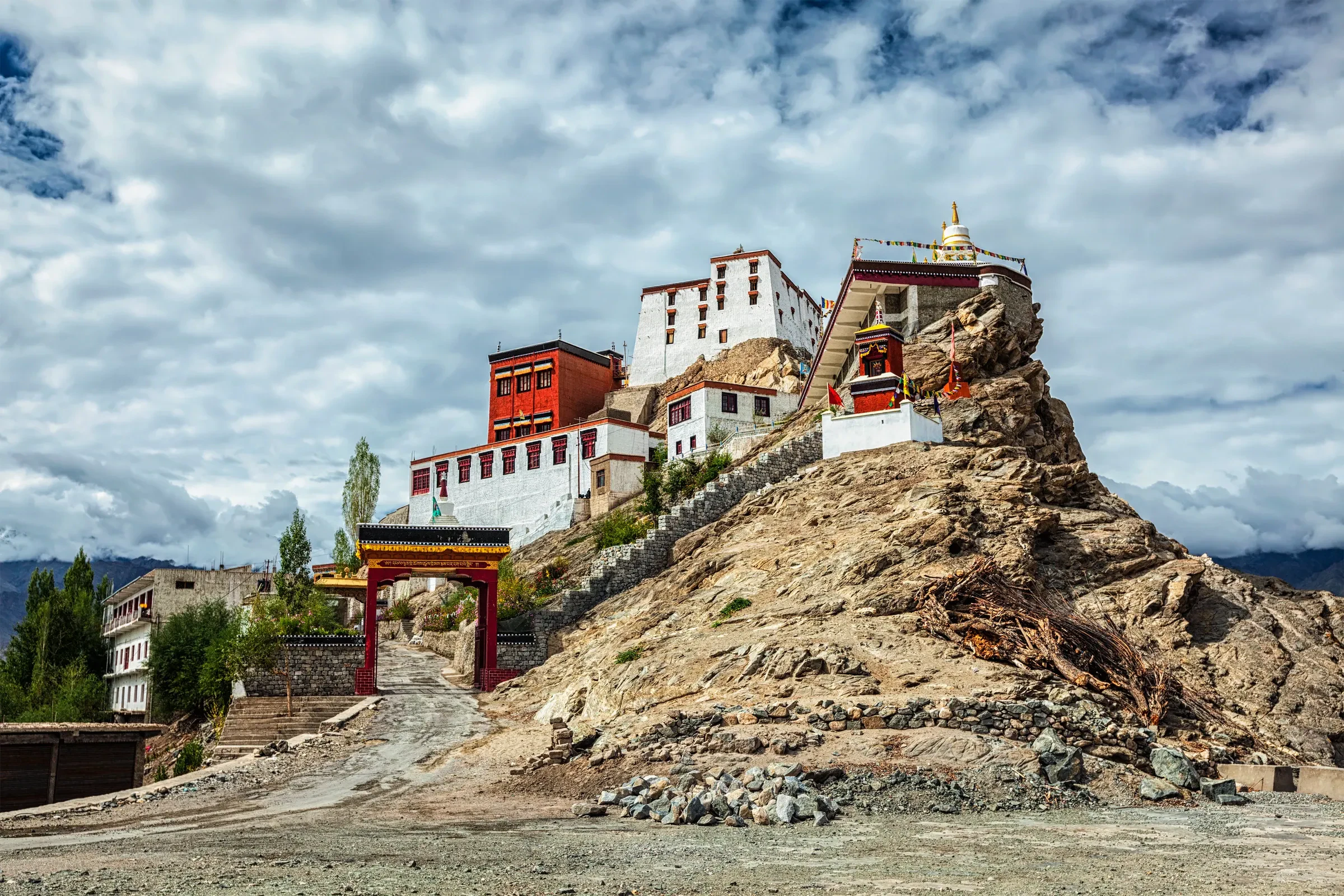
Ladakh and Spiti run on the opposite calendar to the rest of India. Both sit above 3,000 m, and their access roads only open once the winter snow clears, usually from late May or June, and the Manali side shuts with the first heavy snow, from about late October or November, on no fixed date. July and August are the warmest and busiest months, and this is also when Spiti's Manali road is most likely to see landslides after rain. September is the quieter, clearer choice for both valleys, with cold nights but settled weather. Outside June to September, the Manali passes are shut and Ladakh and Spiti are effectively cut off by road. The Srinagar road over Zoji La has historically closed for months too; recent winters have kept it open more often, but snow and avalanches can still shut it at short notice, so don't rely on it. See the best time to visit Ladakh and Spiti Valley for the month-by-month detail.
Goa
Goa's beach shacks start opening in September (licences for the 2026 to 2027 season were issued from 10 September), and the official tourist season begins on 1 October, but the best weather runs from November to February: dry, sunny and with the calmest sea. March to May is hot and humid, and most beach businesses close for the monsoon by June, then reopen from September. The weeks around Christmas and New Year are the busiest and most expensive of the year. Our Goa guide has the month-by-month table.
Kerala
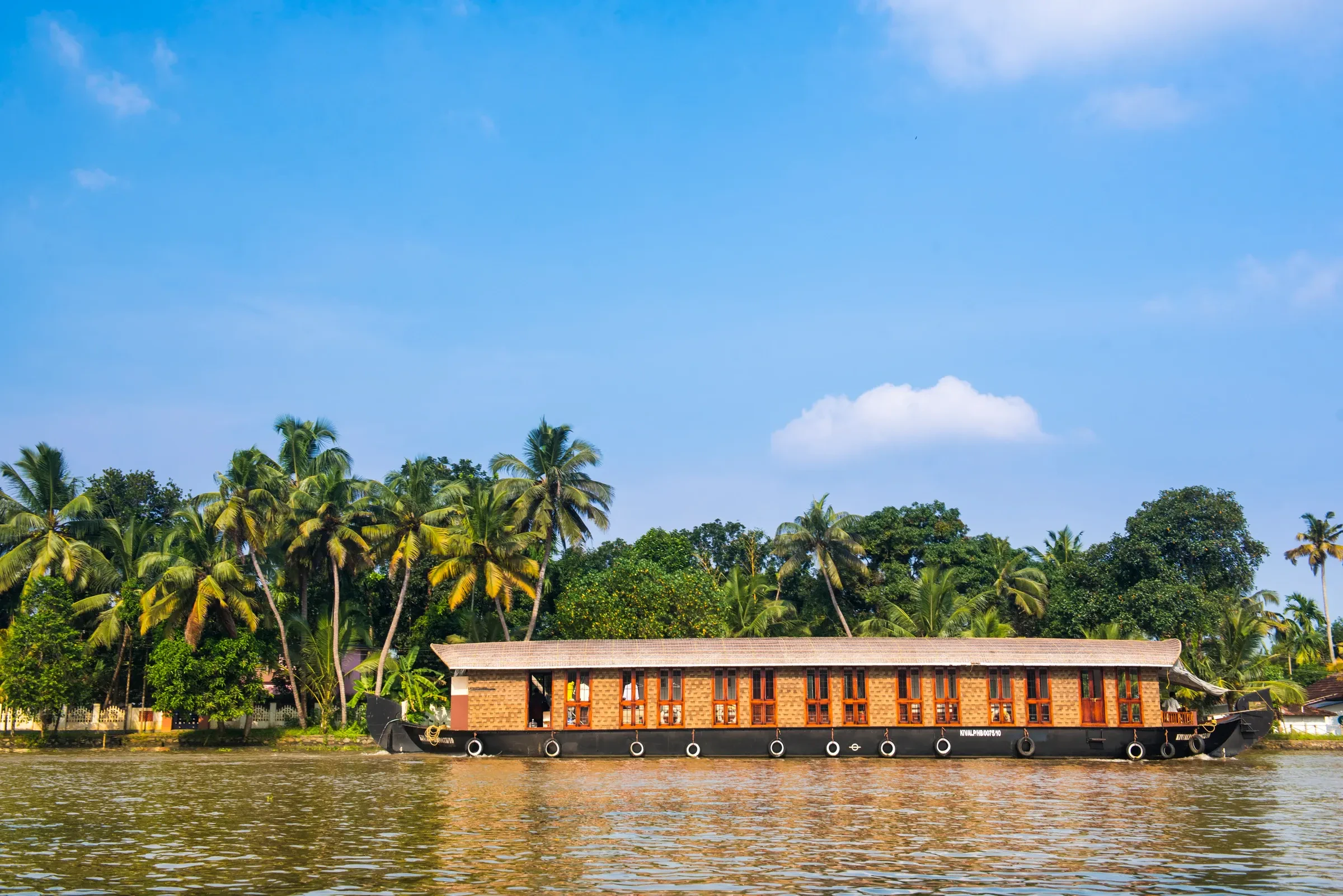
Kerala is at its best from November to February, once the monsoon has cleared and before the humidity builds again in March. The backwaters around Alleppey, Fort Kochi and the tea hills of Munnar are all easiest to enjoy in this window. June to September is the south-west monsoon, when Kerala gets some of its heaviest rain of the year, and while some travellers like the lush, quiet look of the state then, it's not the season for houseboats and beach time. See the India travel guide for routes through the south.
The Andaman Islands
The Andamans are warm all year, so rain is what decides the season. November to April is the main window, with the calmest seas and clearest water for diving from January to April. The south-west monsoon runs from late May to September and brings rougher ferry crossings, while October to December has a milder north-east monsoon with showers that usually pass quickly. Read the Andaman Islands guide for ferry and diving details.
India month by month
India in January
The best all-round month for the plains: Delhi, Agra, Rajasthan and Varanasi are dry and sunny, if cold at night, though early mornings can be foggy enough to delay trains and flights. Goa, Kerala and the Andamans are all in their best season too. Ladakh and Spiti are deep in winter and closed by road. Republic Day falls on 26 January, a fixed public holiday with parades in Delhi.
India in February
Nearly as good as January, and the fog usually clears by mid-month. It's a strong month for combining the Golden Triangle with Rajasthan, and the last comfortable month before the plains start heating up. Goa, Kerala and the Andamans are still excellent. The Himalaya is still shut.
India in March
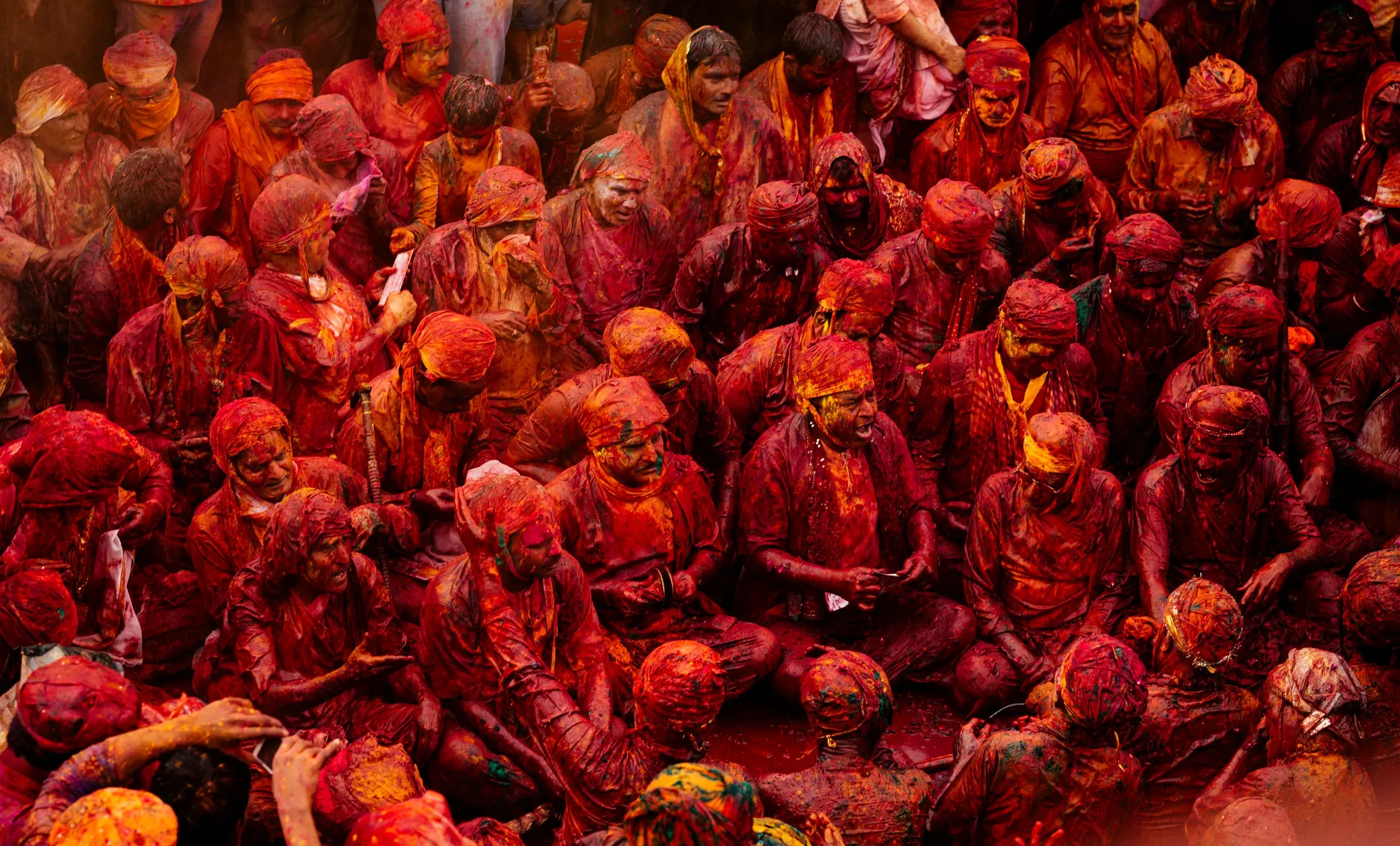
Warming up on the plains, but still workable for sightseeing, especially early in the month. Goa and Kerala turn hot and humid, and Goa's shacks start thinning out toward the end of the season. Holi, the festival of colours, usually falls in March: Holika Dahan is on 21 March 2027 and Holi on 22 March 2027 in most Hindu calendars, though the central government's holiday list gives 23 March (see our Holi guide for the exact date and where to celebrate it). Ladakh and Spiti's roads are still closed.
India in April
One of the hottest months on the plains and in Rajasthan, with temperatures that can reach 40°C. It's a month to avoid for the Golden Triangle and Rajasthan unless you're used to serious heat. The Andamans are still good, right at the end of their season. Goa and Kerala are hot and building up to the monsoon. The Manali road into Ladakh and Spiti is still shut.
India in May
The hottest month for most of the country, with the north plains and Rajasthan regularly above 40°C. The south-west monsoon starts creeping up the Andamans from late in the month. This is when Ladakh's and Spiti's access roads start to reopen, though patchily and with snow still on the higher passes, so it's an option only for a flight straight into Leh.
India in June
The monsoon breaks across most of the country during June, usually reaching Kerala first, around the start of the month, then spreading north. It's hot, humid and wet on the plains, in Rajasthan, Goa and Kerala, so this is a month to be in the Himalaya instead: Ladakh and Spiti's roads are now open, and their dry season is under way.
India in July
Deep monsoon everywhere except the Himalaya. The plains, Rajasthan, Goa and Kerala all see heavy, regular rain, and it's not the best month for sightseeing in any of them. Ladakh and Spiti are in their warmest, busiest month, since the ranges around them block most of the monsoon.
India in August
Similar to July: wet on the plains and in the south, and warm, busy and dry-ish in Ladakh. Spiti can see landslides on its Manali side after heavy rain, so leave slack in any Himalaya itinerary this month. Independence Day falls on 15 August, another fixed public holiday.
India in September
The monsoon starts retreating from the north during September, though the south and the plains can still see rain into early October. This is widely considered the best month in the Himalaya: Ladakh and Spiti are clear, dry and quieter than July and August, with cold nights.
India in October
A transition month. The monsoon clears from most of the country, though Kerala can still see showers early on. Goa's official tourist season starts on 1 October and the shacks are mostly up by then, though it's still humid. Ladakh's and Spiti's roads start to close again from about mid to late October, depending on the snow. Navratri runs from 11 to 19 October 2026 with Dussehra on 20 October, and Durga Puja's main days in Kolkata fall on 17 to 21 October 2026. The two overlap, so expect crowds and full trains across much of the country.
India in November
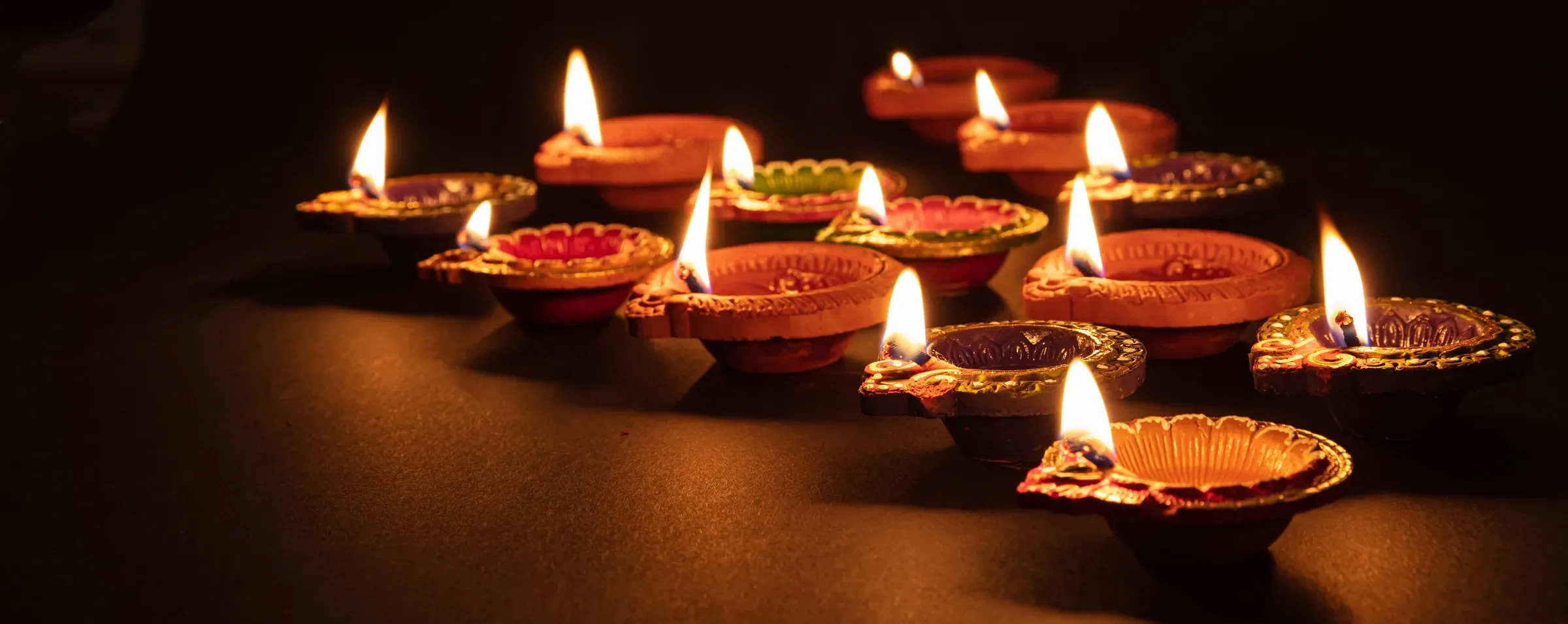
One of the best months for the plains, Rajasthan, Goa, Kerala and the Andamans, all easing into their high season. Diwali falls on 8 November 2026, and the Pushkar Camel Fair is expected to run about 17 to 24 November 2026, with the climax on 24 November (the dates are estimated; see our Diwali and Pushkar Camel Fair guides). In 2027 Diwali comes earlier, on 29 October. Air quality can worsen in Delhi this month, so it's worth checking before you travel. Ladakh and Spiti are closed by road by now.
India in December
Peak season for most of the country: the plains, Rajasthan, Goa, Kerala and the Andamans are all dry and busy, with Christmas and New Year the most expensive and crowded fortnight of the year. Fog can start affecting early-morning trains and flights on the plains from late December. The Hornbill Festival in Nagaland runs from 1 to 10 December. The Himalaya is in deep winter; only Spiti's Shimla route stays open between snowfalls, for a very different, cold-season trip.
Festivals by month
| Month | Festival | Where |
|---|---|---|
| January | Republic Day (26 Jan) | Nationwide, biggest parade in Delhi |
| March | Holi (22 Mar 2027; 23 Mar on the government holiday list) | Nationwide, especially Mathura, Vrindavan and Pushkar |
| August | Independence Day (15 Aug) | Nationwide |
| October | Navratri (11 to 19 Oct 2026, Dussehra 20 Oct); Durga Puja (17 to 21 Oct 2026) | Nationwide; Durga Puja biggest in West Bengal, Navratri in Gujarat |
| November | Diwali (8 Nov 2026); Pushkar Camel Fair (about 17 to 24 Nov 2026, estimated) | Nationwide; Pushkar, Rajasthan |
| December | Hornbill Festival (1 to 10 Dec) | Kisama, Nagaland |
Best time for...
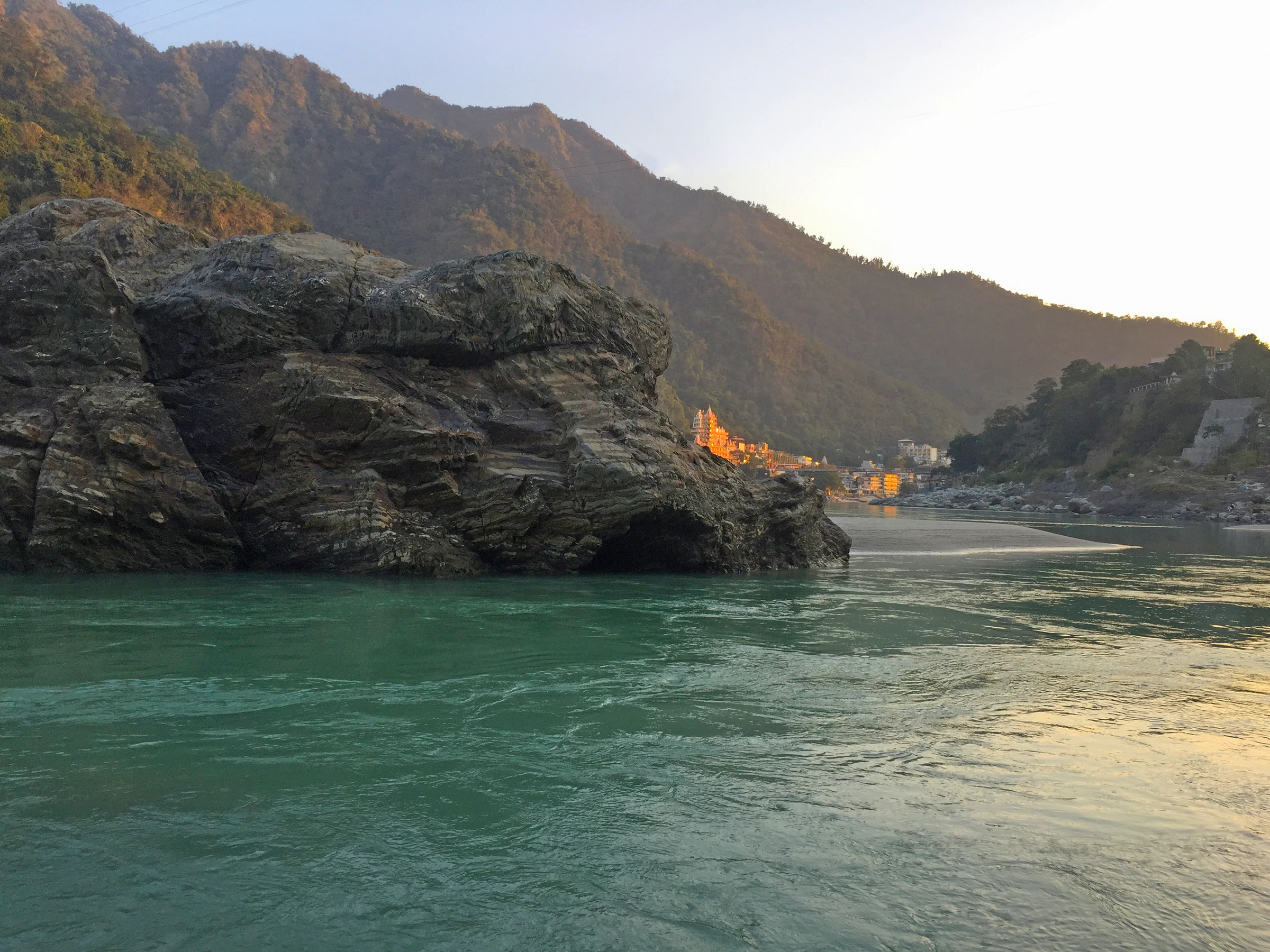
- A first trip covering the Golden Triangle and Rajasthan: November to February.
- The Ganges and Varanasi: October to March, avoiding the fog-prone last week of December.
- Beaches in Goa or Kerala: November to February.
- Ladakh or Spiti: July and August for warmth and easier travel, September for quieter roads and clearer skies.
- Diving in the Andamans: January to April, when the water is clearest.
- Avoiding crowds on the plains: September and October, once the worst of the monsoon has passed but before peak season starts.
When is the cheapest time to visit India?
The monsoon months, roughly June to September, are the cheapest across most of the country, since it's the low season for the plains, Rajasthan, Goa and Kerala alike. The trade-off is heat and rain rather than comfortable sightseeing weather. The most expensive time everywhere except the Himalaya is mid-December to early January, around Christmas and New Year.
Plan your trip around the season
Our small-group trips run in the months that suit their routes. The Golden Triangle and Rajasthan & Varanasi trips are set in the cooler months, when Delhi, Agra, Jaipur and Varanasi are all in season together. The trip pages list current dates.