
Mumbai is where old Bombay's Victorian train stations and Art Deco seafront meet Bollywood, India's financial centre and some of the country's densest neighbourhoods, all packed onto a narrow peninsula on the Arabian Sea. Most people pass through for a day or two on the way somewhere else, usually Goa, but it rewards a proper look if you have the time. This guide covers where to stay, arriving and getting around, the main sights, and the routes onward to Goa and the Andaman Islands.
Areas: Colaba, Fort and Bandra
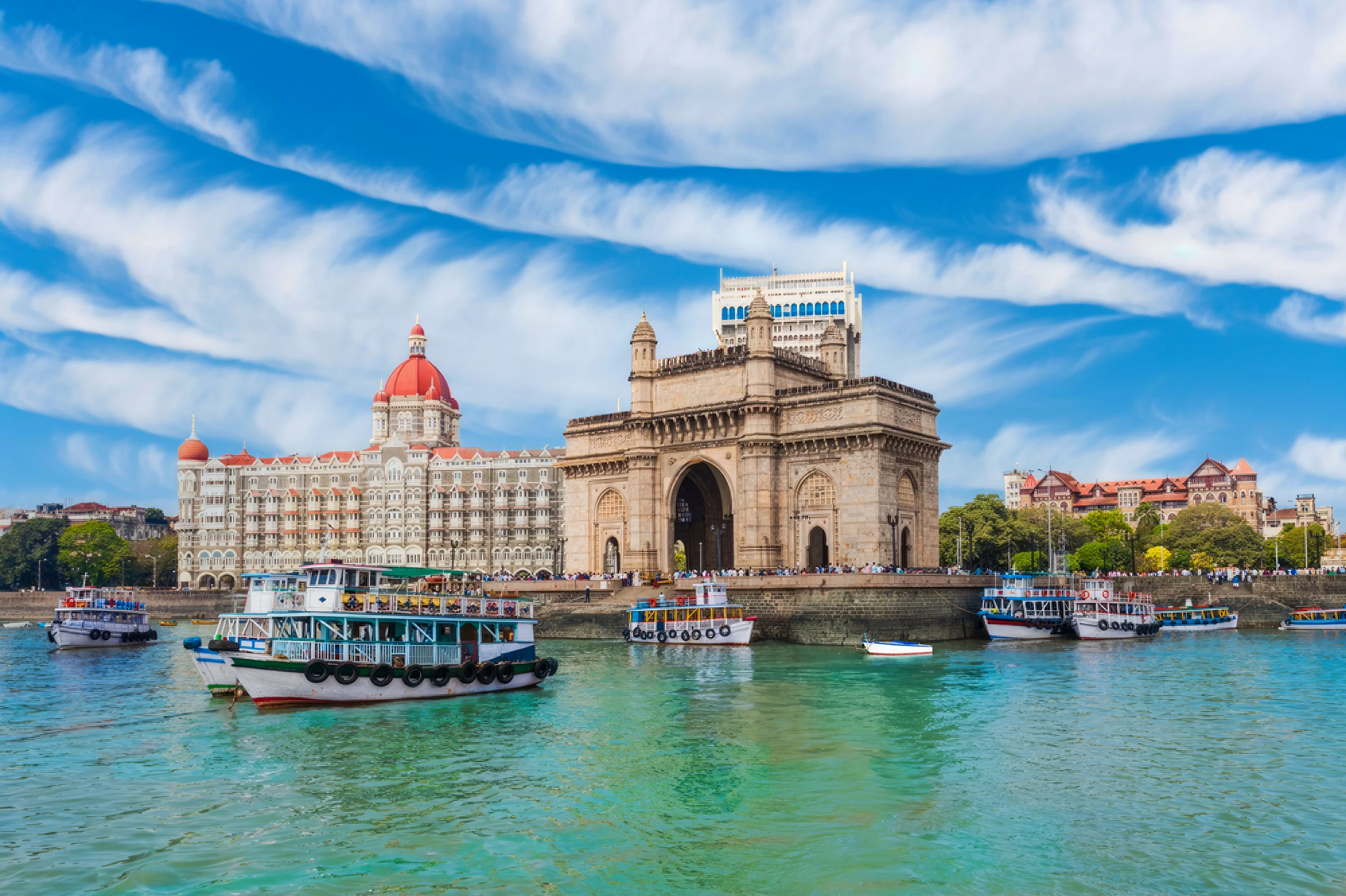
Colaba, at the southern tip of the peninsula, is where most visitors base themselves. It has the Gateway of India, the ferry to Elephanta, budget guesthouses and hostels around the Colaba Causeway, and it's an easy walk to Fort.
Fort, just north of Colaba, is the old commercial heart of the British-era city: Chhatrapati Shivaji Maharaj Terminus (CSMT), the High Court, university buildings and Kala Ghoda's galleries, all within a compact, walkable grid.
Bandra, across Mahim Bay in the northern suburbs, is younger and more residential, with the Bollywood connections, a livelier restaurant and bar scene, and Mumbai Metro Line 3 running underneath it. It's a good alternative base if you'd rather be near the airport or away from the more touristy south, though you'll spend more time getting to the Colaba and Fort sights.
Arriving at BOM: Mumbai's airport
Chhatrapati Shivaji Maharaj International Airport (BOM) has two terminals about 4 km apart, a 15 to 20 minute drive: Terminal 1 for most domestic flights and Terminal 2 for international flights and some domestic ones. Check which terminal your flight uses, since a same-day connection between them needs the shuttle or a taxi, not a walk.
The airport is in the northern suburbs, roughly 25 to 30 km from Colaba depending on traffic, which can add well over an hour at rush hour or in monsoon rain. The underground Metro Line 3 (Aqua Line) now runs from both terminals all the way down to Colaba via Bandra and Fort, and is the cheapest and often fastest way in when there's no heavy luggage involved. Otherwise, use the prepaid taxi counter or an app cab (Uber and Ola both operate) rather than an unmetered taxi tout outside the terminal.
Mumbai also has a second airport, Navi Mumbai International (NMI), which opened for commercial flights on 25 December 2025. Check which airport your ticket names before you plan the transfer.
Getting around: local trains and the Metro
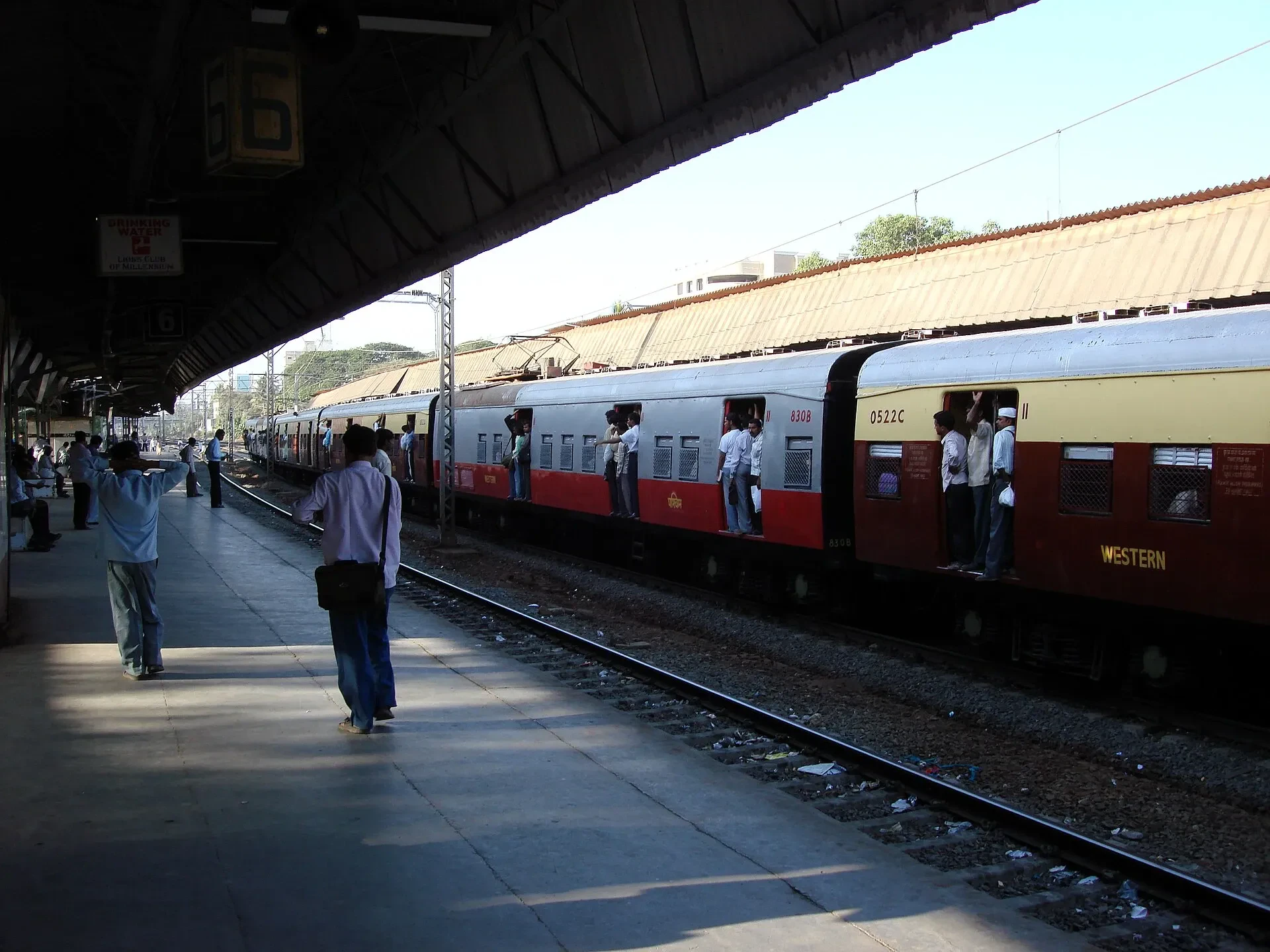
Mumbai's suburban railway, the "locals," is the backbone of the city, running packed trains along the Western and Central lines from around 4:30 am to past midnight. Every train has women-only compartments, marked on the platform and the carriage itself, and solo women travelling alone should use them, especially outside the main daytime hours. First-class carriages cost a bit more than second class and are noticeably less crowded, which is worth it for your first few rides while you get used to the system. Buy tickets with the RailOne app, which replaced the older UTS app in March 2026.
Mumbai Metro now has several lines, including the underground Line 3 through Colaba, Fort and Bandra to the airport, and above-ground lines further north. For short hops around the tourist areas, walking, a black-and-yellow taxi or an app cab will usually do. Auto-rickshaws only run in the suburbs, not in the island city that includes Colaba and Fort. Save the local trains for longer trips, and avoid them at rush hour if you're carrying luggage.
How many days do you need in Mumbai?
One day covers the Gateway of India, a walk through Fort past CSMT, and Marine Drive at sunset. Two days adds a Dharavi tour or Elephanta Caves and gives you a proper meal in Bandra. Three days lets you do both, at a pace that leaves room for the heat and the traffic. Most people treat Mumbai as a stopover between the north of India and Goa or the Andamans, rather than a destination in its own right, and one to two days is enough for that.
Things to see in Mumbai
Gateway of India
The Gateway of India, on the Colaba waterfront, was built to mark King George V and Queen Mary's 1911 visit and completed in 1924. It's Mumbai's most photographed monument and the departure point for the Elephanta ferry, and it's free to walk up to and around.
Chhatrapati Shivaji Maharaj Terminus (CSMT)
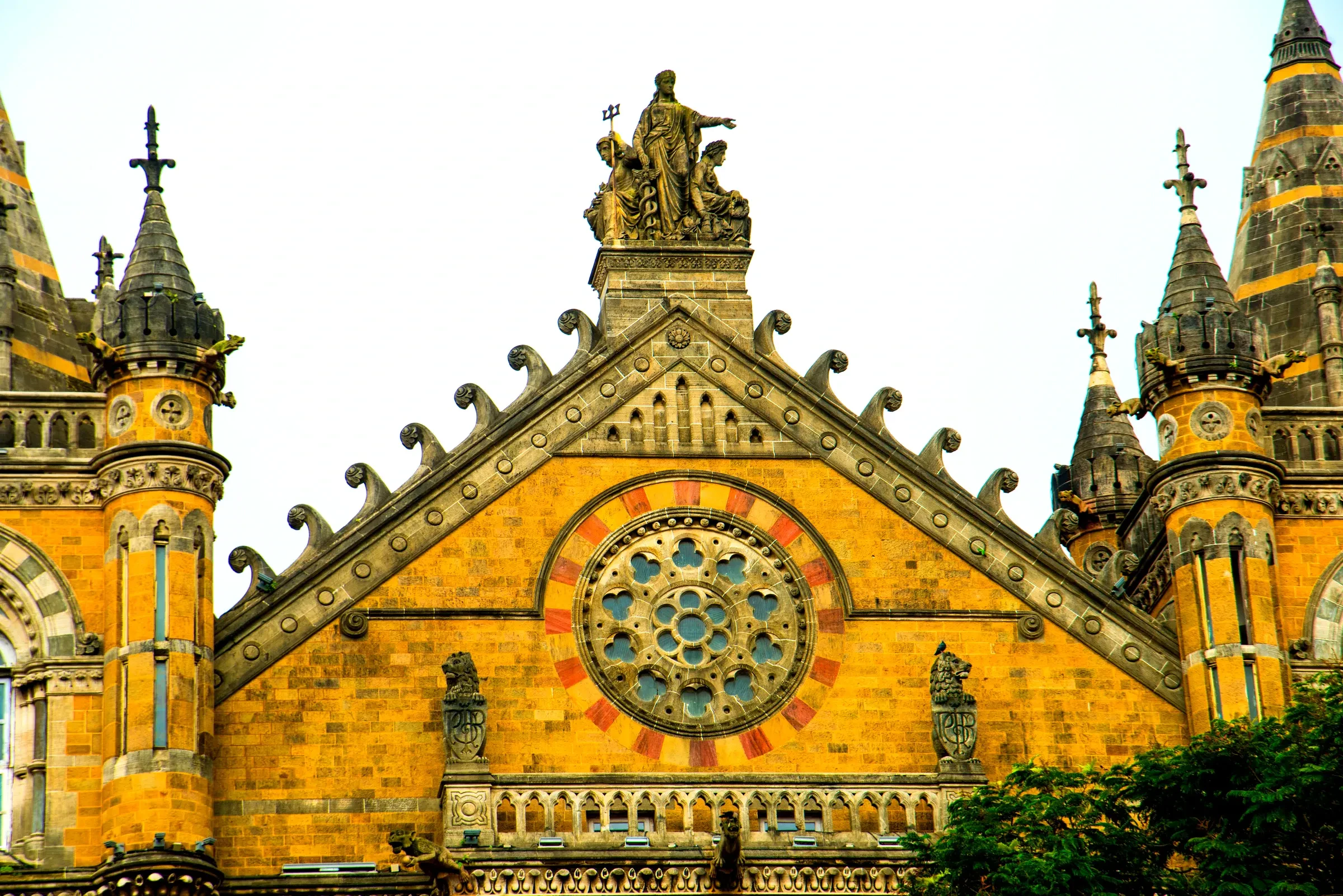
CSMT, still a working railway station and the terminus for the suburban and long-distance trains, is a UNESCO World Heritage Site, added to the list in 2004. Built between 1878 and 1887 in the Victorian Gothic Revival style by the British architect F. W. Stevens, it's worth a slow look from the road outside even if you're not catching a train.
Marine Drive and Chowpatty
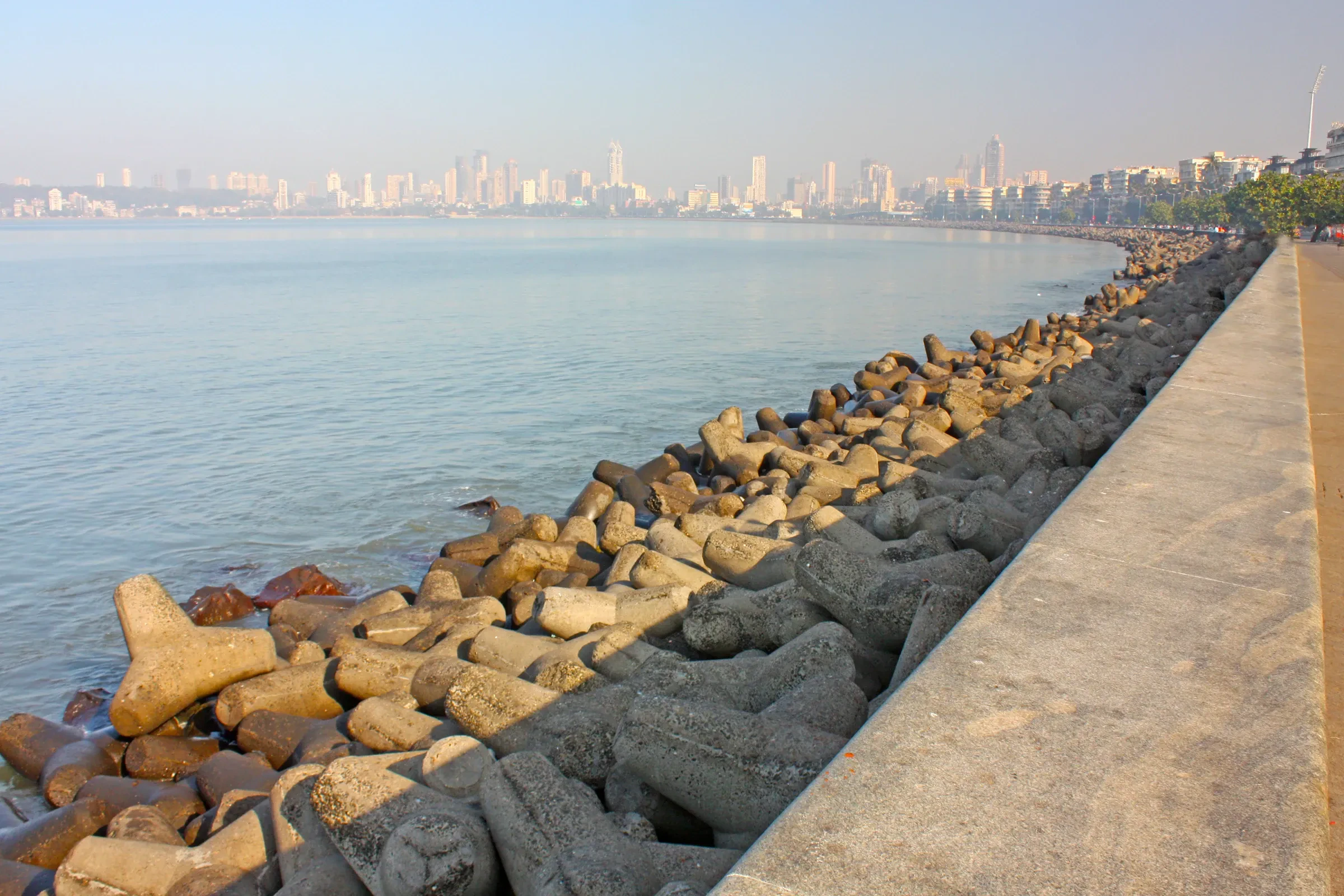
Marine Drive curves along the bay from Nariman Point past a strip of Art Deco apartment blocks, and it's the classic Mumbai sunset spot, with people out walking, jogging and sitting on the sea wall. At its northern end, Girgaon Chowpatty beach is the place for a plate of pav bhaji or bhelpuri from one of the stalls.
Elephanta Caves
A ferry from the Gateway of India takes about an hour to reach Elephanta Island, home to rock-cut cave temples dedicated to Shiva, carved between roughly the 5th and 8th centuries CE and a UNESCO World Heritage Site in their own right. Entry to the caves costs ₹600 for most foreign visitors (₹40 for SAARC and BIMSTEC nationals) plus a ₹10 village entry ticket, checked for 2026. Ferries run roughly every 30 minutes from about 9 am, with the last boat back around 5 to 5.30 pm, and a return ticket costs roughly ₹200, more for a faster boat. The site is closed on Mondays, and sailings are sometimes delayed or cancelled in the monsoon.
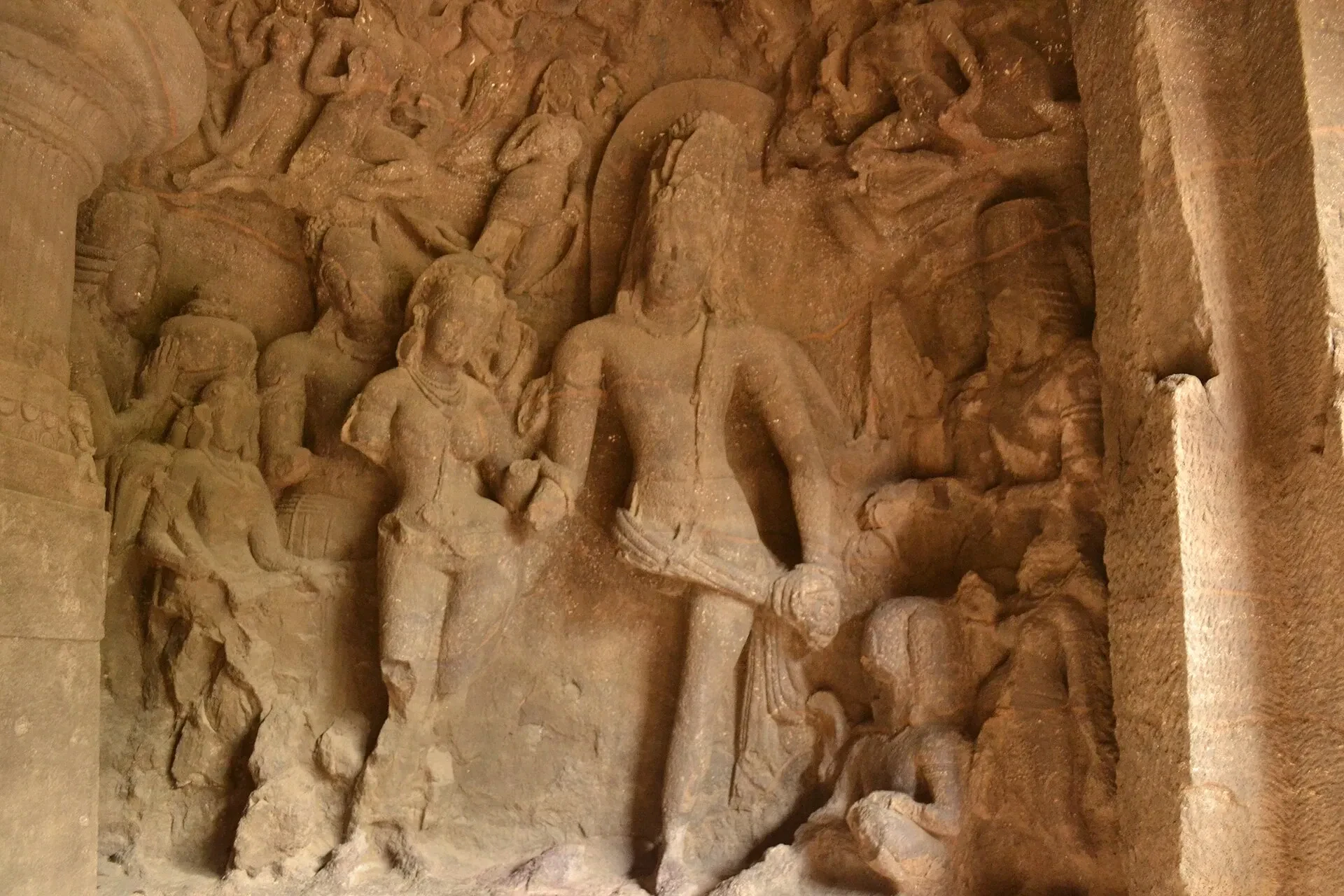
Choose a ferry that isn't visibly overloaded, and use a life jacket if one's offered. In December 2024, a passenger ferry to Elephanta carrying more than 110 people was hit by a naval craft near the Gateway of India, and 15 people died. It's worth knowing before you book, not a reason to skip the trip.
Dharavi
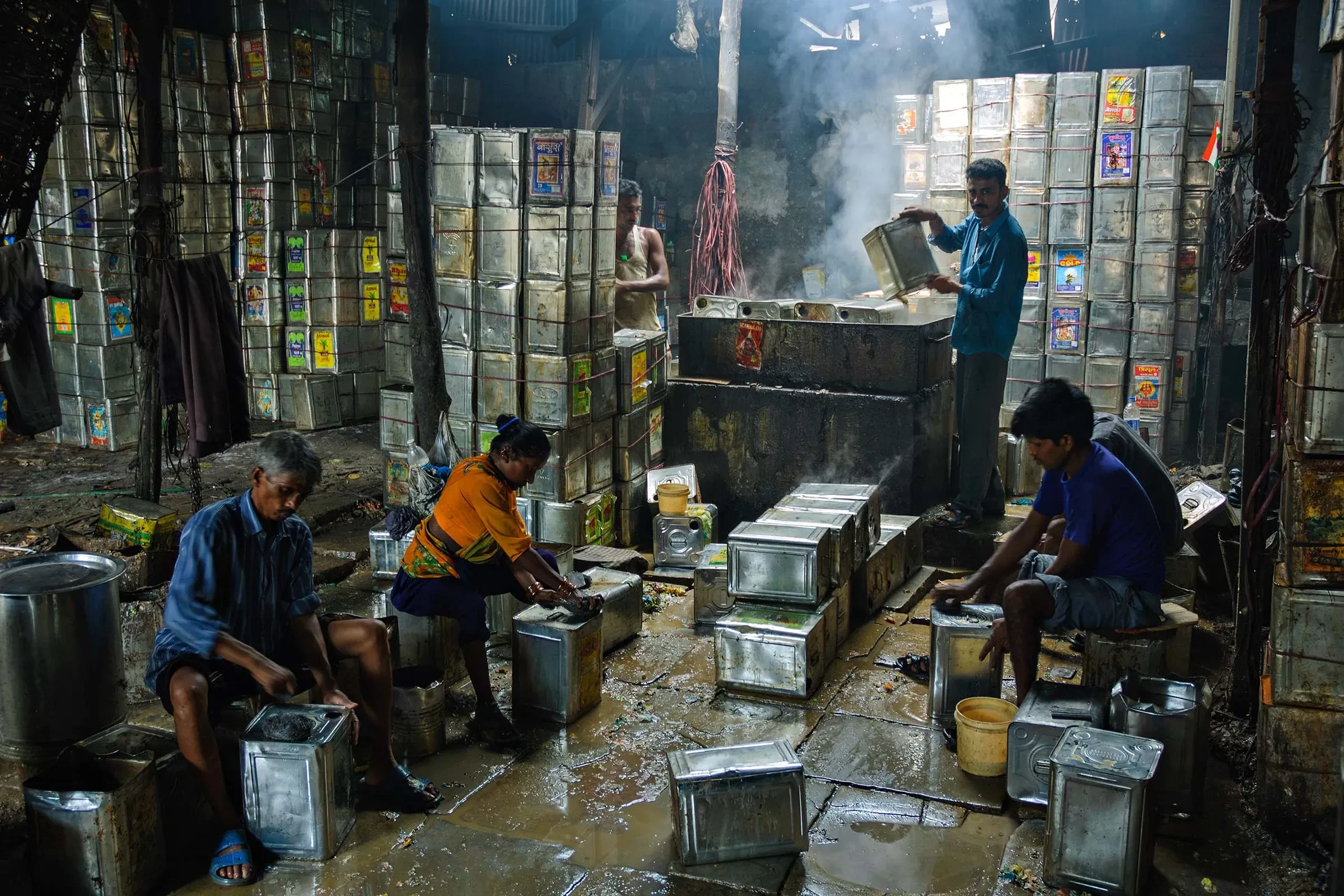
Dharavi is one of Asia's biggest urban neighbourhoods, packed with small workshops that recycle plastic, tan leather and make everything from pottery to poppadoms. It has a difficult history as a subject for tourism, so if you go, go with an operator that runs the visit as a respectful, community-run tour rather than a "slum tour." Reality Tours and Travel, which puts a large share of its profits back into local schools and youth programmes through its Reality Gives charity, runs small-group walking tours of about three hours and doesn't allow photography inside Dharavi, out of respect for residents' privacy. We don't recommend visiting any other way.
The Fort district and Kala Ghoda
Beyond CSMT, the Fort district's grid of Victorian and Art Deco buildings, the Bombay High Court, Flora Fountain and the galleries around Kala Ghoda make for a good couple of hours on foot, ideally with a local guide who can point out what you'd otherwise walk past.
Food in Mumbai
Street food is one of the best reasons to stop in Mumbai: vada pav (a spiced potato fritter in a bread roll), pav bhaji, bhelpuri and other chaat, and the dabbawalas' extraordinary daily operation of sorting and delivering thousands of home-cooked lunchboxes across the city without a computer system behind it. For a sit-down meal, Bandra and Colaba both have a wide choice, from Irani cafes to modern Indian restaurants.

Best time to visit Mumbai
Mumbai is at its most pleasant from November to February, dry and warm rather than hot. March to May gets hot and humid before the monsoon breaks. The monsoon, roughly June to September, brings some of India's heaviest rainfall to the city, with regular flooding of low-lying roads and railway lines and occasional citywide disruption; it's the one season to actively plan around rather than just pack for. See our best time to visit India guide for how Mumbai fits with the rest of the country.
Safety in Mumbai
Mumbai is generally one of India's easier cities to navigate alone, but a few things are worth knowing. The Canadian government's regional advisory specifically names Mumbai, alongside Delhi and Goa, as a place to take particular care with public transport and taxis. Use the women-only train compartments, book an app cab or a prepaid taxi rather than hailing one on the street at night, and be extra cautious near the coast and on any boat during the monsoon. Our India safety guide has the wider picture, including official travel advice and the emergency numbers.
Getting from Mumbai to Goa
By train. The fastest option is the Vande Bharat Express, which runs down the Konkan coast from Mumbai's CSMT station to Madgaon (the station for South Goa) in under 8 hours outside the monsoon, leaving early in the morning. A slower monsoon timetable applies from about mid-June to late October. Sleeper trains and other daytime services also run the route overnight or by day. See our Goa guide for the exact schedule.
By air. Flights between Mumbai and Goa (Dabolim or Mopa) take a little over an hour, with several a day on IndiGo, Air India Express and others. It's the quickest option if the train times don't work for you.
By bus. Overnight sleeper and Volvo AC buses run from Mumbai to Goa, taking roughly 14 to 15 hours, considerably longer than the train but often cheaper, from about ₹600 for a basic seat up to around ₹1,300 for an AC sleeper berth.
Onward to the Andaman Islands
From Mumbai, IndiGo flies direct to Port Blair (Sri Vijaya Puram), taking about 3 hours 25 minutes. The days it runs change with the season, so check the current timetable before you plan around it. Other airlines route via Chennai, Bengaluru or Kolkata, which takes longer. It's a realistic add-on if you have a few extra days after Mumbai and want beaches and diving rather than a beach town on the mainland. Our Andaman Islands guide has permits, ferries and where to stay once you land.
Mumbai on our trips
Our India North to South trip spends two nights in Mumbai partway through its three weeks. The group flies in from Udaipur on the first evening, then has a day with a local guide through the Fort district, a stop to watch the dabbawalas at work, and a sunset walk along Marine Drive to Chowpatty for dinner. The coast train to Goa leaves early the next morning. Dharavi and Elephanta aren't included on this trip, so they're a good add-on if you arrive a day early or stay on afterwards.
Our India Rajasthan & Varanasi trip ends in Udaipur, which has direct flights to Mumbai, so it's an easy few days to add on afterwards before you fly home or head south to Goa on your own.


