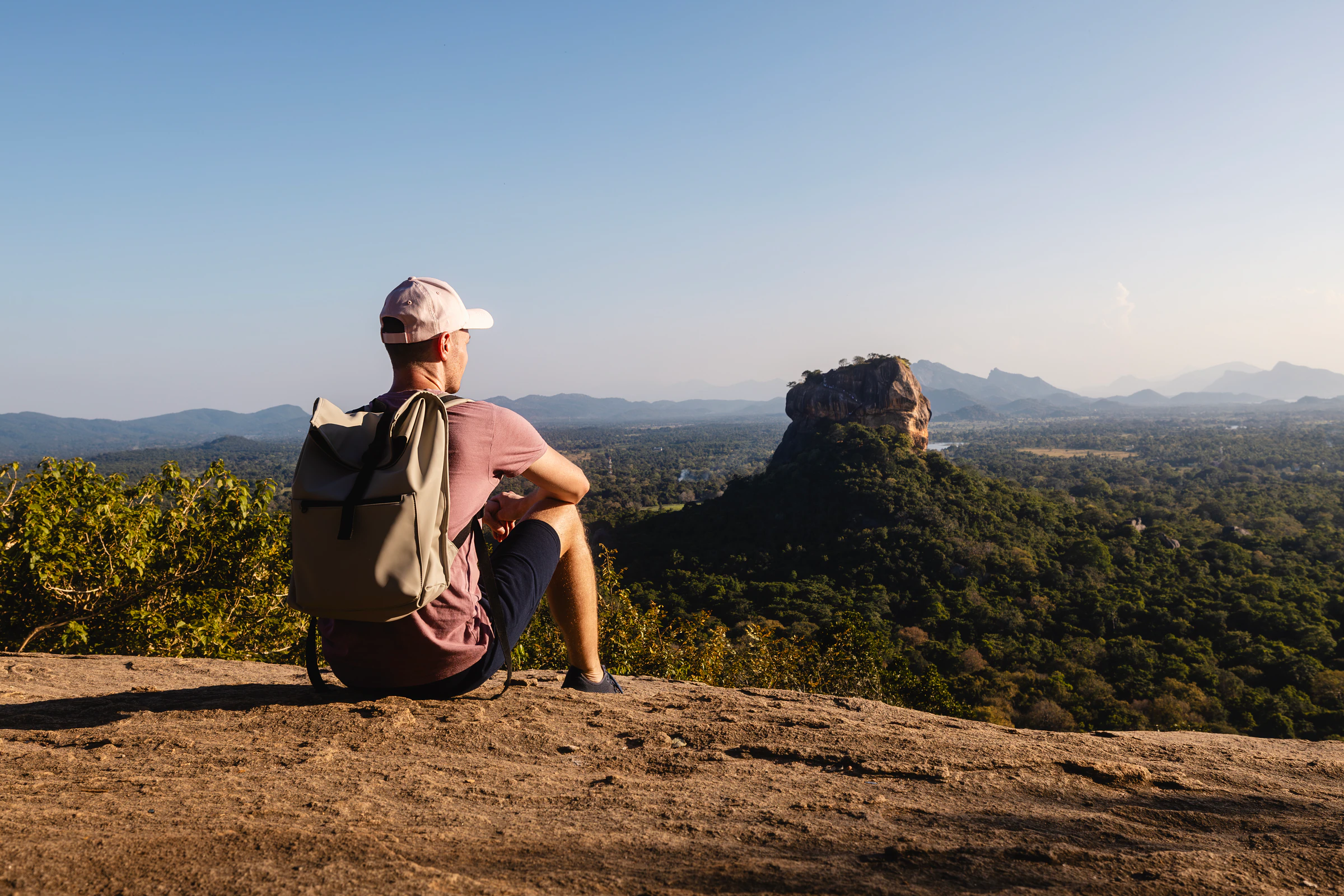
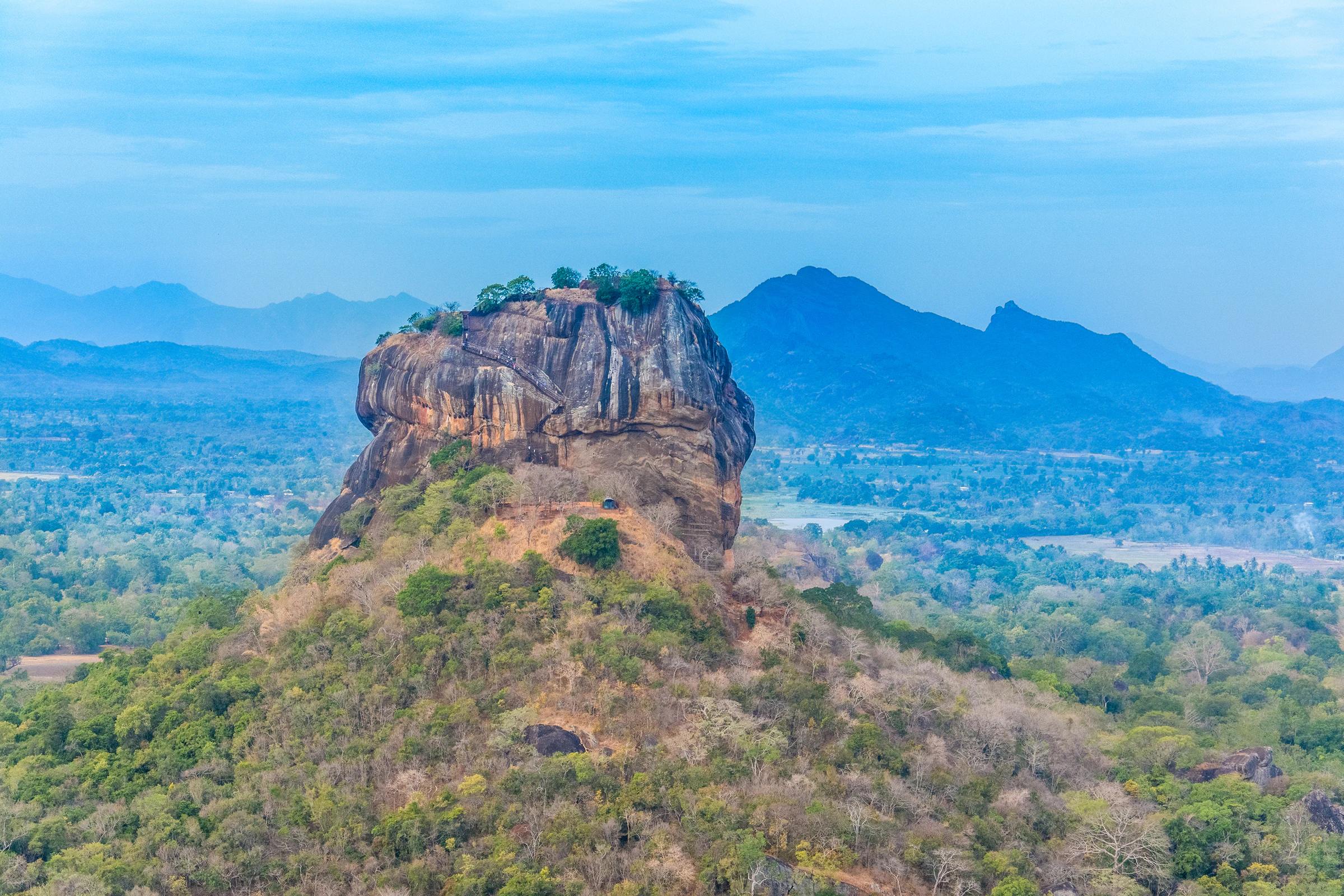
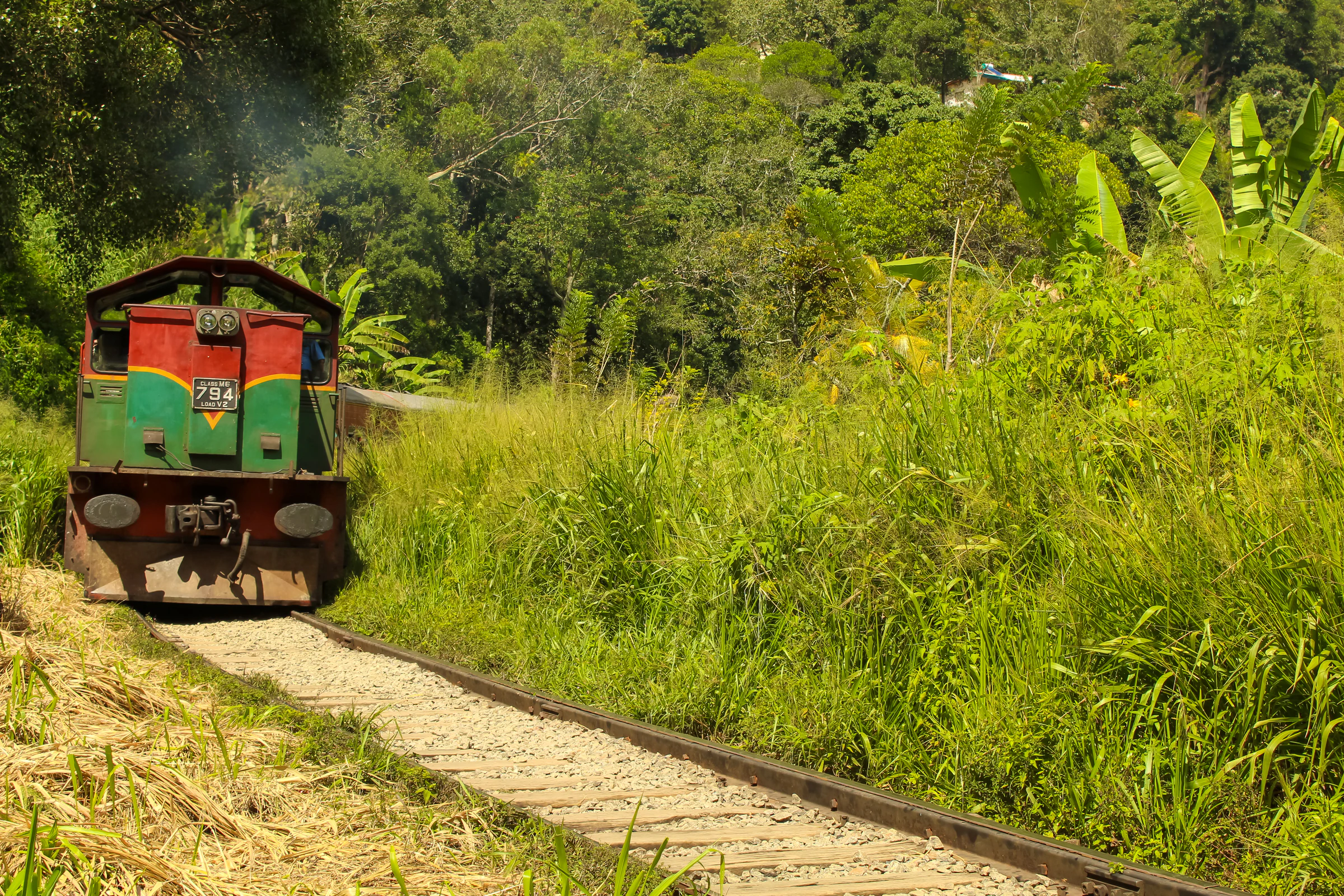
Picture a Sri Lanka holiday and you're probably picturing Sigiriya's rock fortress, the train through tea country to Ella, or a stretch of the south coast, and the island fits all three into a small space. Distances that look short on the map still take a while by road or rail, though, so the route needs some planning even on a trip this compact. Get it right and ten days to two weeks covers the cultural sites, the hill country and a proper beach stretch, without the long travel days a similarly varied trip would need elsewhere.
This guide covers the regions, how many days to allow, getting around, money, costs, what to eat, safety, the visa, the best time to go and the culture worth knowing before your first temple visit. For a longer list of specific experiences, see our things to do in Sri Lanka guide. It links to a detailed guide for each place and topic below, plus our own small-group trips if you'd rather not plan it yourself.
Sri Lanka's regions at a glance
For a deeper region-by-region breakdown of where to go and why, see our where to go in Sri Lanka guide.
The Cultural Triangle: Sigiriya, Polonnaruwa and Anuradhapura
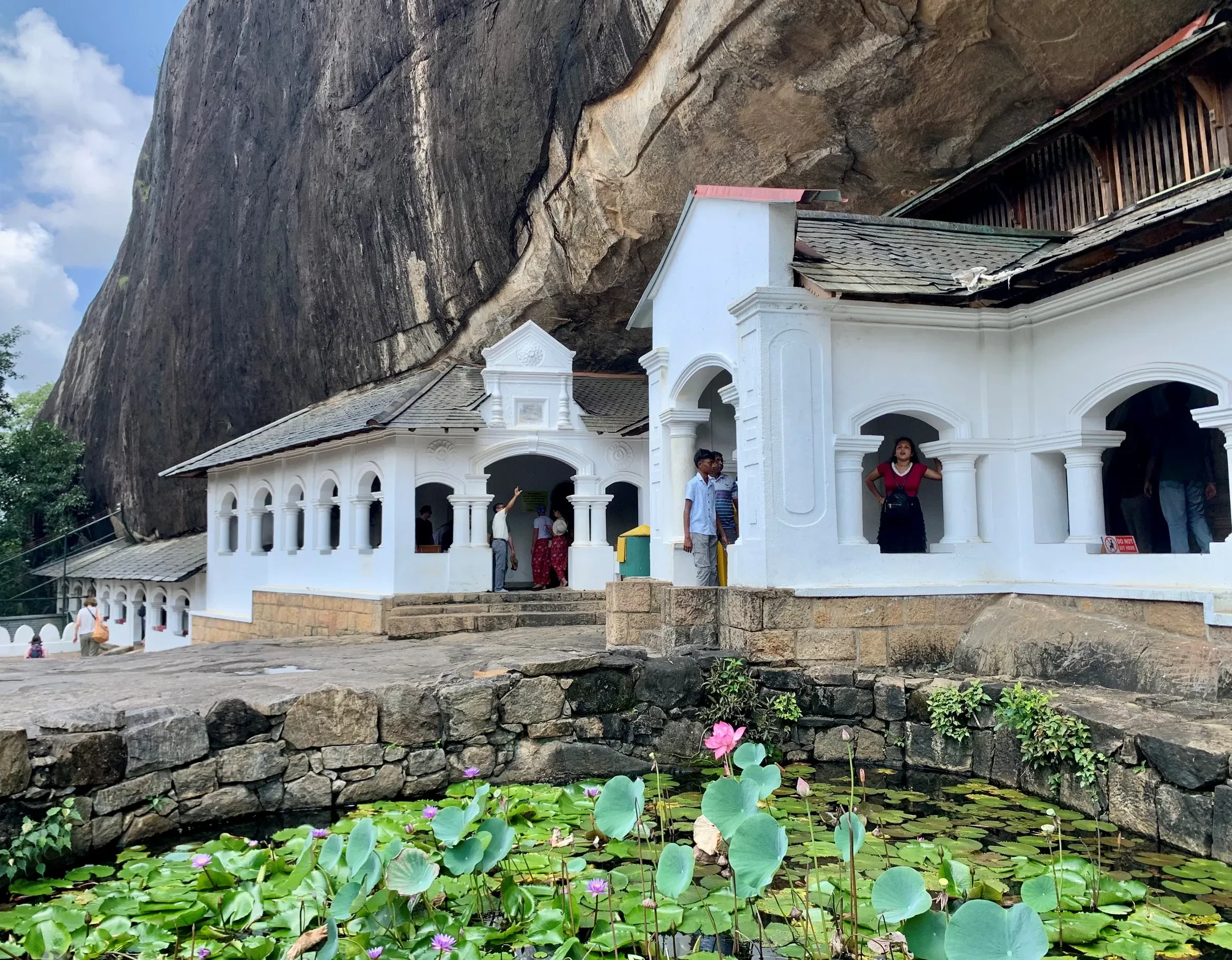
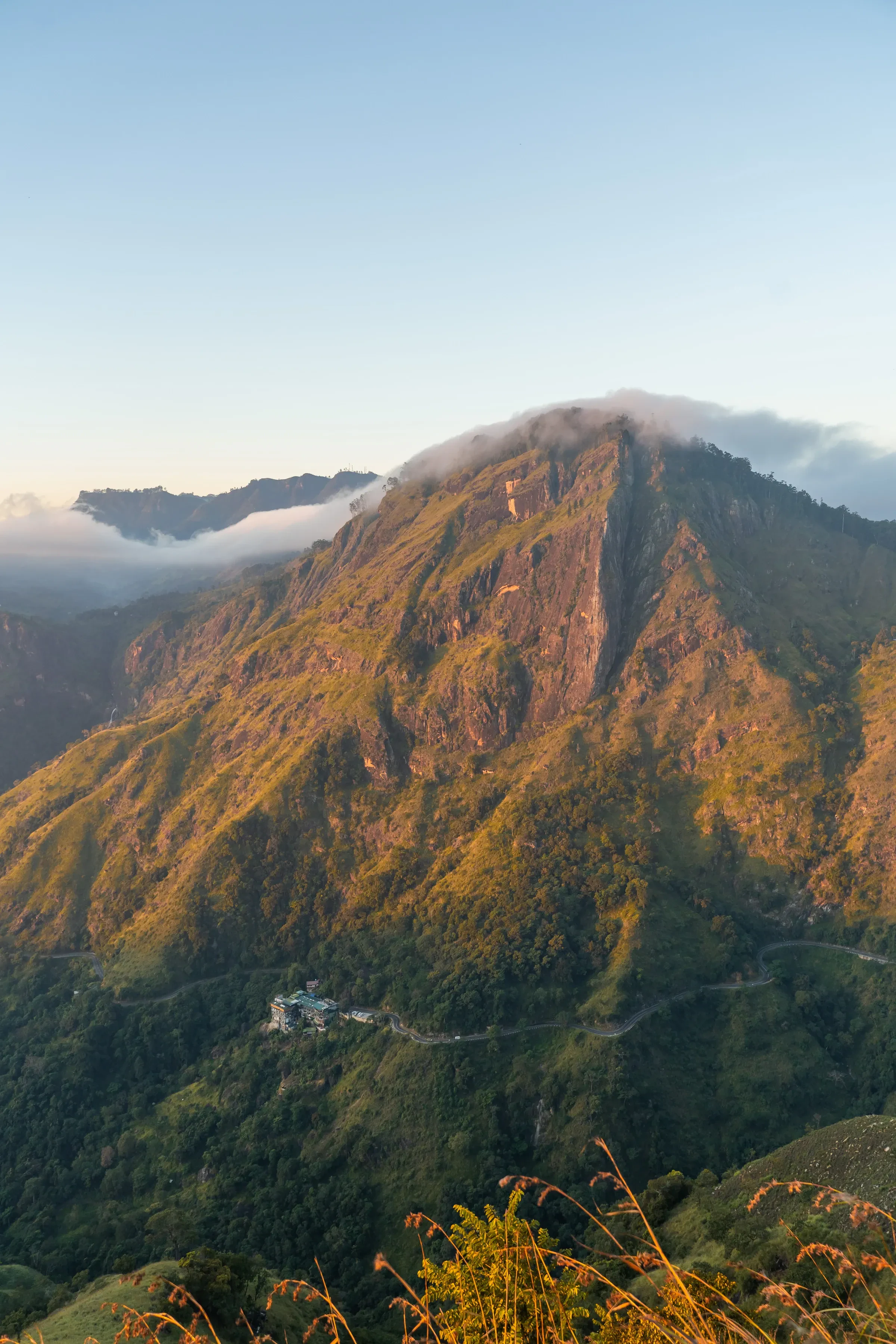
The Cultural Triangle sits inland, north of Kandy, and holds most of Sri Lanka's ancient cities and Buddhist sites. Sigiriya is the headline stop: a 5th-century rock fortress climbed for the view over the surrounding jungle, with painted cave temples nearby at Dambulla. Polonnaruwa and Anuradhapura are older ruined capitals, better toured slowly by bike or on foot than rushed through by van. The Triangle is hot for most of the year, and the heaviest rain falls from October to December. Anuradhapura and Habarana have railway stations, but the sites are spread out, so most people go by road. Our Cultural Triangle guide covers ticket prices, the Minneriya elephant gathering and how to base yourself for all three sites.
Kandy and the hill country: Ella, Nuwara Eliya and Adam's Peak
Kandy is the hill capital and home to the Temple of the Tooth, Sri Lanka's most important Buddhist relic. After Cyclone Ditwah there's no rail link between Kandy and Nanu Oya as of early October 2026, so you can't ride the classic Kandy to Ella route end to end. Most people go by road from Kandy to Nanu Oya, which takes 3 to 4 hours, and pick up the scenic train on to Ella from there. Ella itself is a small hill town with two easy walks, Little Adam's Peak and the Nine Arches Bridge, right on its doorstep. Nuwara Eliya is cooler again and the centre of the tea country, and Adam's Peak is the overnight pilgrimage climb for sunrise from the summit, with the lit-path season running from December to May. Our hill country guide covers how long each place needs and how to link them.
The south coast: Mirissa, Weligama, Hiriketiya, Unawatuna, Galle and Bentota
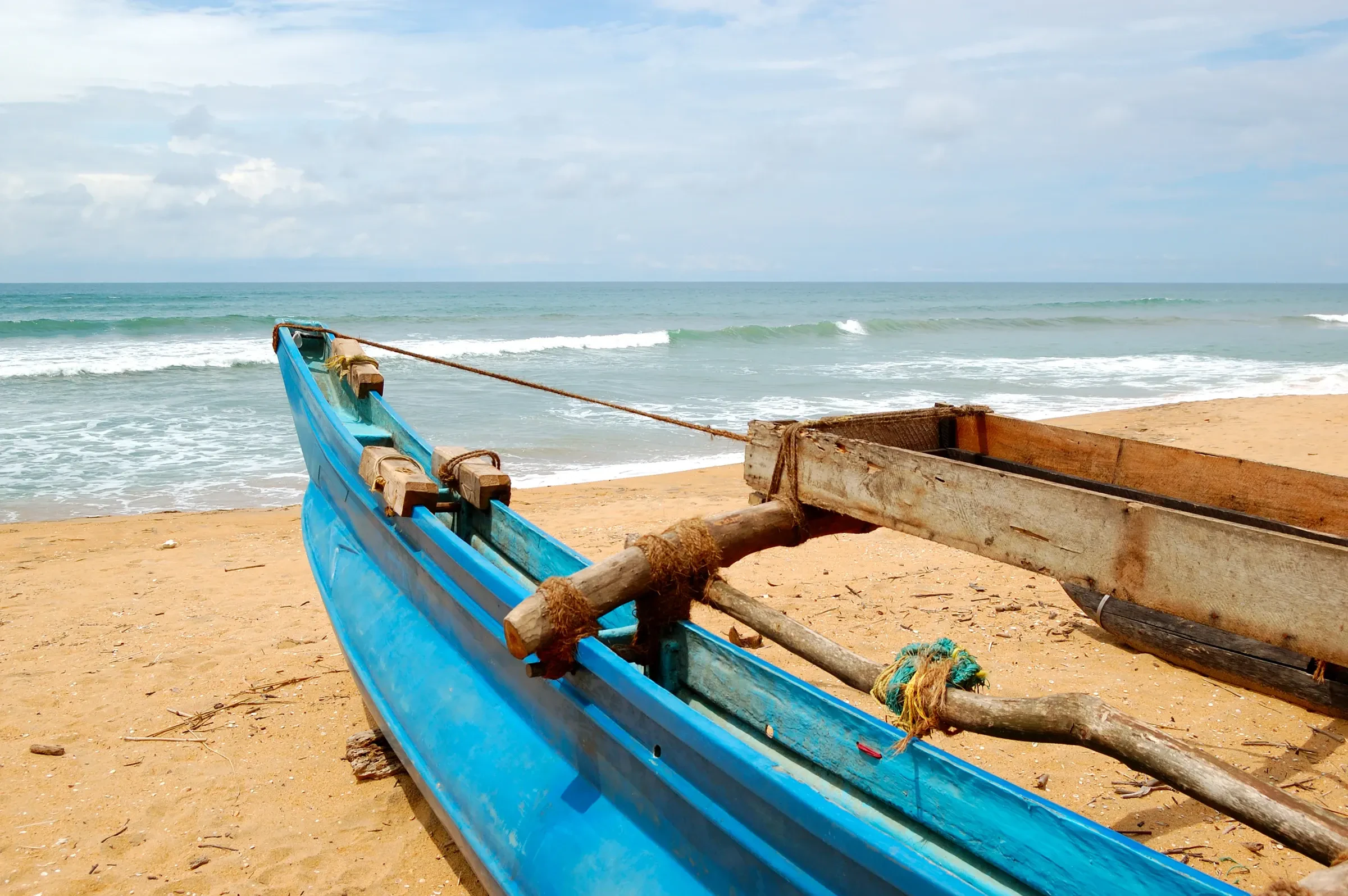
The south coast is where most Sri Lanka trips end: a string of beach towns, each with its own character. Mirissa is the base for whale watching, Weligama is the main learn-to-surf town, and Hiriketiya is a quieter horseshoe bay outside Dickwella. Unawatuna is the most built up of the group, Galle is the old Dutch-walled fort town most people visit as a day trip (see Galle vs Mirissa if you're weighing up how to split your time between the two), and Bentota sits further north, closer to Colombo. Inland from this coast, safari at Yala or Udawalawe is the usual add-on, and both surfing and snorkelling are based here, mainly in the south coast's season from roughly November to April. Our south coast itinerary covers a week from Galle to Tangalle with a safari built in.
The east coast: Arugam Bay and Trincomalee
The east coast runs on the opposite season to the south, so most travellers treat it as a separate trip rather than an add-on. Arugam Bay is the country's best-known surf town, and Trincomalee has beaches, snorkelling around Pigeon Island and its own whale-watching season. Our east coast itinerary times a week or ten days to that coast's own dry season.
The north: Jaffna
Jaffna sits at the northern tip of the island, with a Tamil culture, cuisine and history distinct from the rest of the country. It's a long way from the standard south and hill-country route: the train from Colombo takes roughly 7 to 8.5 hours depending on the source, and we couldn't confirm a scheduled flight from Colombo for 2026, so confirm the day's services before you plan around either. so it suits a longer trip or a dedicated visit rather than a stop bolted onto a short one.
How many days do you need in Sri Lanka?
A week covers a tight version of the Cultural Triangle, Kandy, Ella and one night on the south coast. Ten days to two weeks is more comfortable, and it's what lets you add a safari day or a second beach stop without rushing the train or the temples. Our Sri Lanka itinerary guide compares routes from a week to a month, with a detailed plan for 1 week, 10 days, 2 weeks, 3 weeks and 1 month. If you'd rather build a trip around one coast alone, see the dedicated south coast and east coast itineraries. For a longer, slower trip, see the backpacking Sri Lanka guide.
Getting around Sri Lanka
Most international flights land at Bandaranaike International Airport (CMB), close to Negombo, the easiest place to spend a first night before heading inland.
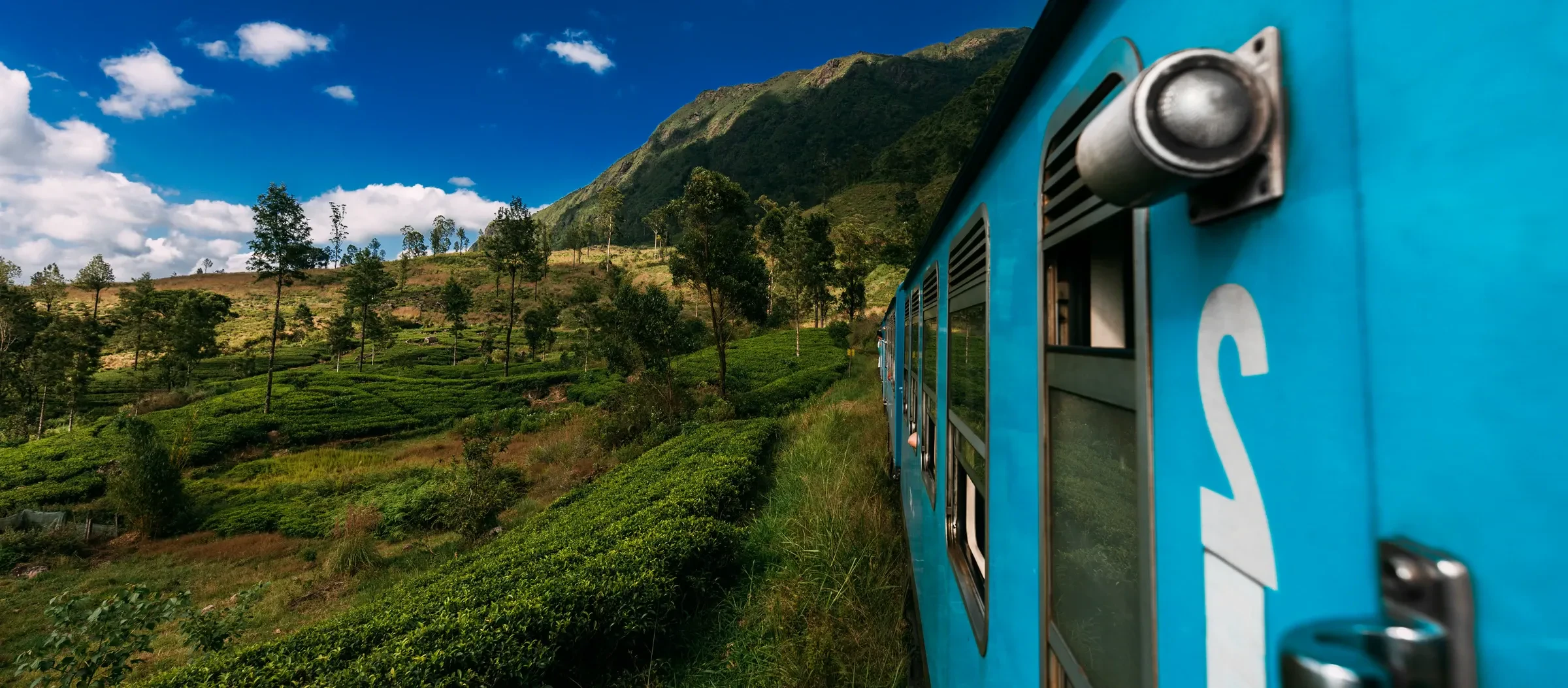
Train. Sri Lanka's hill-country railway is still recovering from Cyclone Ditwah, which hit the line in late November 2025. As of 6 October 2026, trains run from Colombo Fort to Peradeniya and Gampola (since 2 October) and from Nanu Oya to Badulla through Ella (since 20 June). The sections from Peradeniya to Kandy, Gampola to Nawalapitiya and Hatton to Nanu Oya are still closed, with no confirmed reopening date. The practical route is by road from Kandy to Nanu Oya, then the scenic train on to Ella, usually Sri Lanka's most oversubscribed train ride. Sri Lanka Railways opens reservations for that leg 30 days before departure, and reserved seats, especially in the observation car with its panoramic windows, can sell out within hours. Book the moment the window opens, or plan a private van as a backup. Our Kandy to Ella train guide has the full detail on the current workaround.
Buses. Intercity buses and smaller minivans link almost every town and are the cheapest way to get around, though journeys take longer than the distance suggests on winding roads.
Tuk-tuks, PickMe and Uber. Tuk-tuks are the standard way to get around town. Agree the fare before you get in, or book one through PickMe, the Sri Lankan ride-hailing app that also covers cars and has far more drivers outside Colombo than Uber, which mainly operates in and around the capital.
Private drivers. For a multi-stop trip, hiring a private van with a driver, or an SLTDA-licensed chauffeur guide who both drives and guides, is the standard way independent travellers and small groups cover the Cultural Triangle and hill country without relying on buses and trains for every leg.
Money in Sri Lanka
The currency is the Sri Lankan rupee (LKR). Hotels, mid-range restaurants and shops in tourist areas take cards, but carry cash for tuk-tuks, local meals, entry fees and smaller guesthouses. ATMs are widespread, and most charge a flat fee per foreign-card withdrawal rather than a percentage. Where the machine offers to convert to your home currency, decline it and let your own card issuer set the rate instead. See our Sri Lanka cost guide for a full daily budget by travel style.
How much does Sri Lanka cost?
Sri Lanka is good value once you're past the entry fees at its ancient sites, which run higher than similar sites elsewhere in the region: Sigiriya costs US$35 for a foreign adult, and each site sells its own ticket, with no combined Cultural Triangle pass. A hostel dorm bed or a basic guesthouse room costs a little more than the cheapest options in Southeast Asia, and hiring a private van and driver for the day is usually the biggest single cost on a multi-stop route. Our Sri Lanka cost guide breaks down what to budget for accommodation, food, entry fees and transport at every travel style.
What to eat in Sri Lanka
Rice and curry is the everyday default: a mound of rice with several small vegetable, fish or meat curries and sambols, usually cheapest and best at a no-frills local "hotel" rather than a tourist restaurant. Hoppers, bowl-shaped rice-flour pancakes often served with an egg cracked into the middle, are the classic breakfast, and kottu, chopped roti fried on a griddle with vegetables, egg or meat, is the go-to street food after dark. Jaffna's Tamil-influenced seafood curries and the hill country's heartier dishes both taste noticeably different from what you'll eat on the coast. Our Sri Lankan food guide covers what to try region by region, with typical prices.
Is Sri Lanka safe?
The UK government has no warning against travel anywhere in Sri Lanka, and Canada asks for a high degree of caution. Check the current US and Australian advice too. The main practical risks are flooding and landslides around the two monsoon changeovers, plus the ordinary scams and overcharging that turn up anywhere tourists stand out. Our Sri Lanka safety guide covers the detail.
Do I need a visa for Sri Lanka?
Yes. Every visitor needs an ETA (electronic travel authorisation) before arrival, applied for only through the official site, eta.gov.lk. Since 25 May 2026, nationals of 40 countries, including the UK, US, Canada, Australia, New Zealand and India, get the ETA free for a 30-day, double-entry stay. Twelve EU states are on the list but Ireland isn't, so check the table in the visa guide. Everyone else pays US$50 online (US$20 for SAARC nationals). Immigration also runs a free online arrival card, separate from the ETA. Our Sri Lanka visa guide has the full rules and a table by nationality, with pages for travellers from the UK, US, Europe, Australia, Canada and India.
Best time to visit Sri Lanka
Sri Lanka has two monsoons on opposite sides of the island, so the best month depends on where you're going. The south and west coasts and the hill country are at their best from December to March, while the east coast, around Arugam Bay and Trincomalee, runs on the opposite pattern and is best from May to September. Our best time to visit Sri Lanka guide goes month by month and coast by coast.
Culture, etiquette and festivals
Buddhism shapes a lot of everyday etiquette, and a few rules matter more here than the usual "dress modestly" advice. Cover your shoulders and knees and remove your shoes and any hat before entering a temple or approaching a Buddha statue. Never pose for a photo with your back to a Buddha image, and don't climb on, sit on or touch one. Travellers with a visible Buddha tattoo have been refused entry or detained before, with one such case reported in September 2026, so think carefully about that before you travel, even though there's no specific law against it. Ask before photographing monks, and women shouldn't hand things to a monk directly.
Every full-moon Poya day is a public holiday, and alcohol and meat sales stop nationwide under the Holidays Act, whichever town you're in. Vesak is the biggest of them: Sri Lanka's most spectacular Buddhist festival, with lanterns and pandals across the island (2027 falls on Wednesday 19 May, as gazetted). Poson is a quieter, more devotional pilgrimage centred on Mihintale and Anuradhapura. April's Sinhala and Tamil New Year is a different kind of holiday again, timed astrologically rather than to the full moon, and it closes much of the country for a few days while families celebrate at home. Our Sri Lanka festivals guide has the full year-round calendar.
Kandy's Esala Perahera, usually held in July or August, is Sri Lanka's biggest Buddhist festival, with ten nights of elephant and dancer processions through the streets. It ran from 18 to 28 August in 2026, and 2027 is estimated at 6 to 16 August. See our Kandy Esala Perahera guide for dates and how to plan around it.
SIM cards and staying connected
Dialog and Mobitel both sell tourist SIMs at counters in the arrivals area of Bandaranaike Airport, with tourist packs listed in 2026 from about LKR 1,300 for 9 GB (Dialog) to about LKR 2,450 for 50 GB. Both networks also offer an eSIM you can activate before you fly.
Where to stay
Hostels and social guesthouses cluster in the same places as everywhere else on the route: Kandy, Ella, Mirissa, Weligama and Hiriketiya all have a decent backpacker scene. See our Sri Lanka hostels guide for where to base yourself in each.
Sri Lanka group trips for solo travellers
If you'd rather not plan the route, the trains and the driver yourself, our trips cover the country above with a small group of solo travellers aged 18 to 40. Your Trip Host travels with the group throughout, and a licensed local guide leads the sightseeing, safari and surf days. Compare every route on our Sri Lanka group trips page.
Sri Lanka or somewhere else?
Deciding between Sri Lanka and another first stop in Asia? We've compared it directly against some of the most common alternatives: Kerala vs Sri Lanka, Sri Lanka vs India, Sri Lanka vs Bali and Sri Lanka vs Thailand.