6 stops
- Minibus
- Trek
Is this route for you?
This suits travellers who want a genuinely different India: a cooler, Christian-majority, matrilineal Khasi and Jaintia culture, waterfalls and karst hills instead of desert or beach, and a serious one-day trek as the trip's centrepiece. It also works as a shoulder-season alternative when the Himalayan routes are snowed in.
Pick something else if a demanding day of stone steps isn't for you (there's no version of this route that skips the trek and still earns the name), if you'd rather have a road-accessible itinerary with no trekking at all (try Kerala or Goa and Gokarna), or if you're travelling in the wet season (June to September), when the trail conditions and river crossings described below make this a poor match regardless of fitness.
Day by day
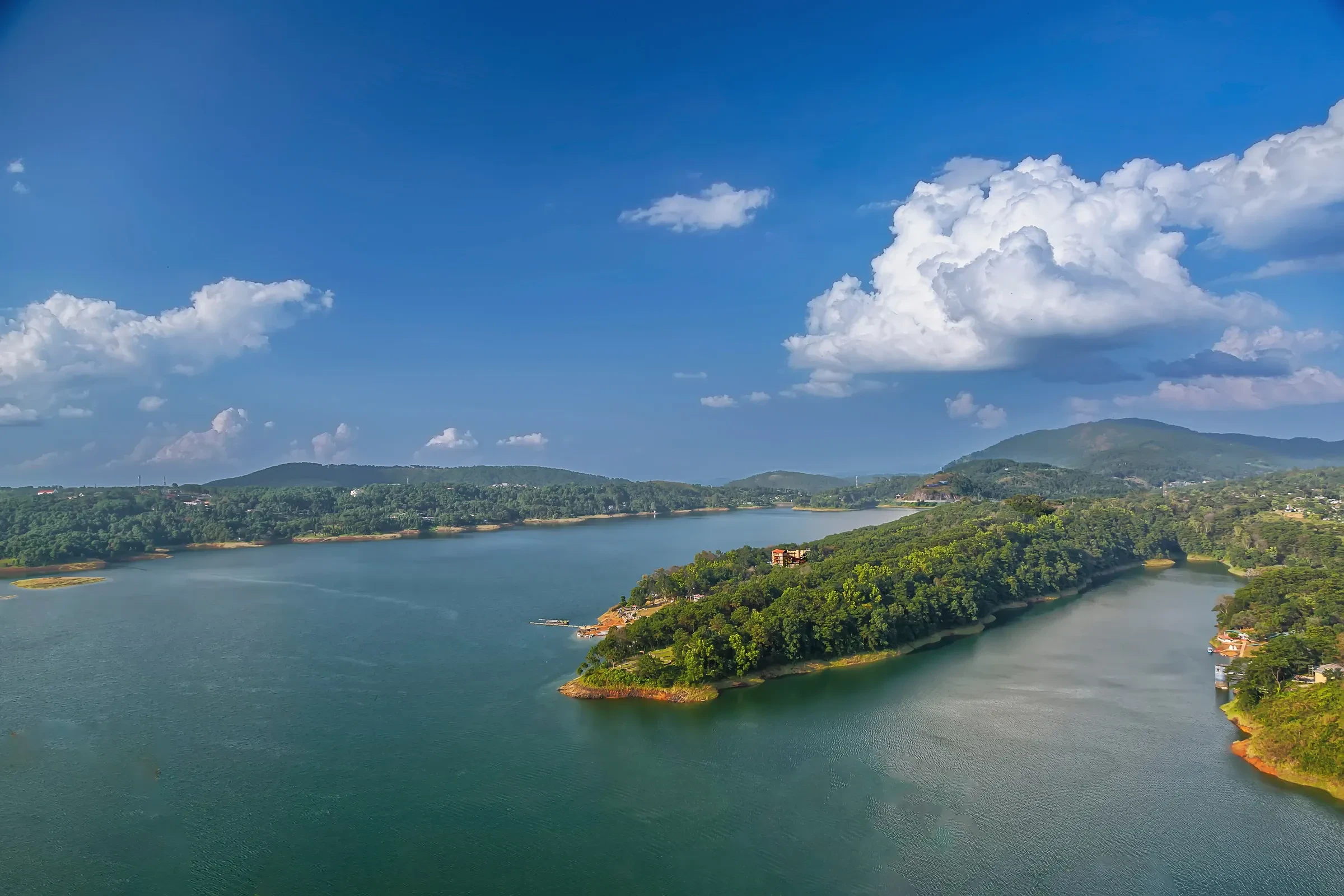
Arrival above Umiam Lake
Shillong
Getting there Guwahati airport to Shillong by road, about 100 km and roughly 2.5 to 3.5 h depending on traffic, passing Umiam Lake
- Morning
- fly into Guwahati, then travel on by shared or private taxi
- Afternoon
- stop at Umiam Lake, then walk Police Bazar
- Evening
- Shillong is known for its live-music scene, so look for a café with a band
Eat jadoh, a Khasi rice dish cooked with pork or other meat, at a small local eatery
Local tip shared cabs and Sumos run from Guwahati airport to Shillong; agree the fare before you set off
Waterfalls and caves above the plains
Sohra (Cherrapunji)
Getting there Shillong to Sohra, about 55 to 60 km, roughly 1.5 to 2 h depending on traffic
- Morning
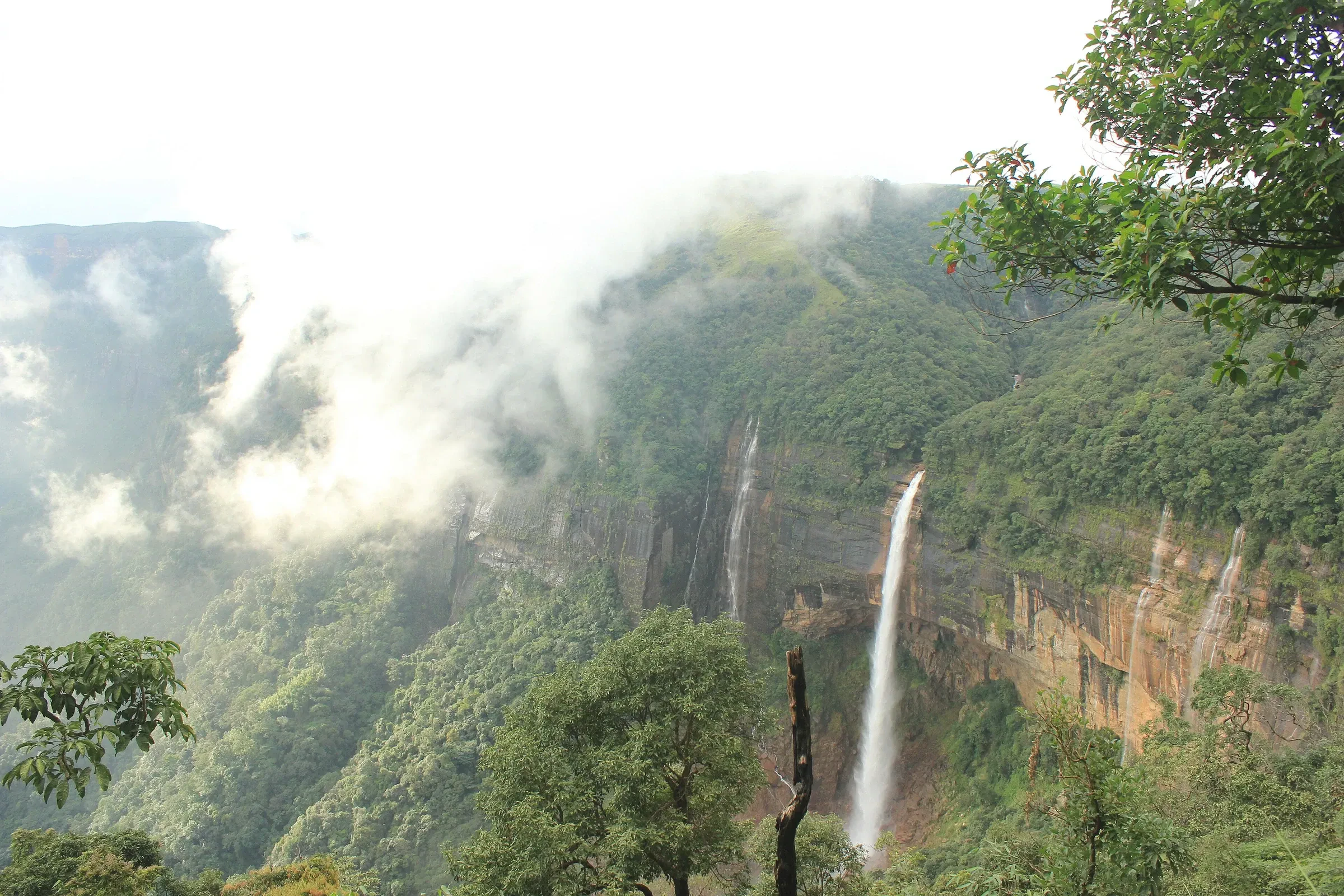
- drive to Sohra; Nohkalikai Falls viewpoint, one of India's tallest single-drop falls
- Afternoon
- Mawsmai Cave (a short, lit walk-through limestone cave) and the Seven Sisters Falls viewpoint
- Evening
- an early night in Sohra before tomorrow's trek
Eat tungrymbai (fermented soybean, a Khasi staple) and pork cooked with bamboo shoot
Local tip Seven Sisters Falls runs full only with recent heavy rain; outside the monsoon it can be a thin trickle, so keep your expectations realistic if you're here in the dry season
The Double Decker Living Root Bridge trek
Sohra (Cherrapunji)
Getting there Sohra to the Tyrna trailhead, about 30 to 45 min by taxi
- Morning
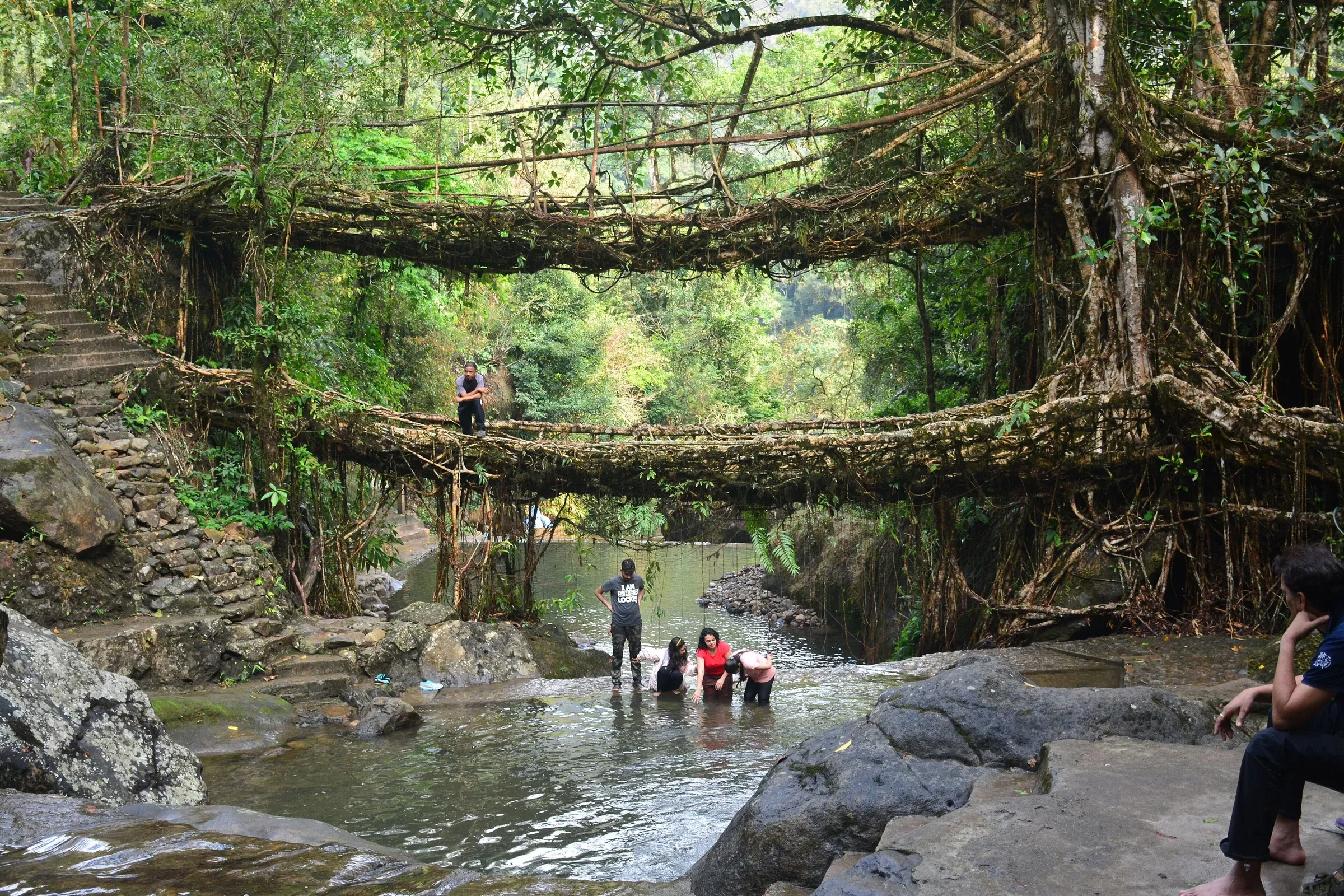
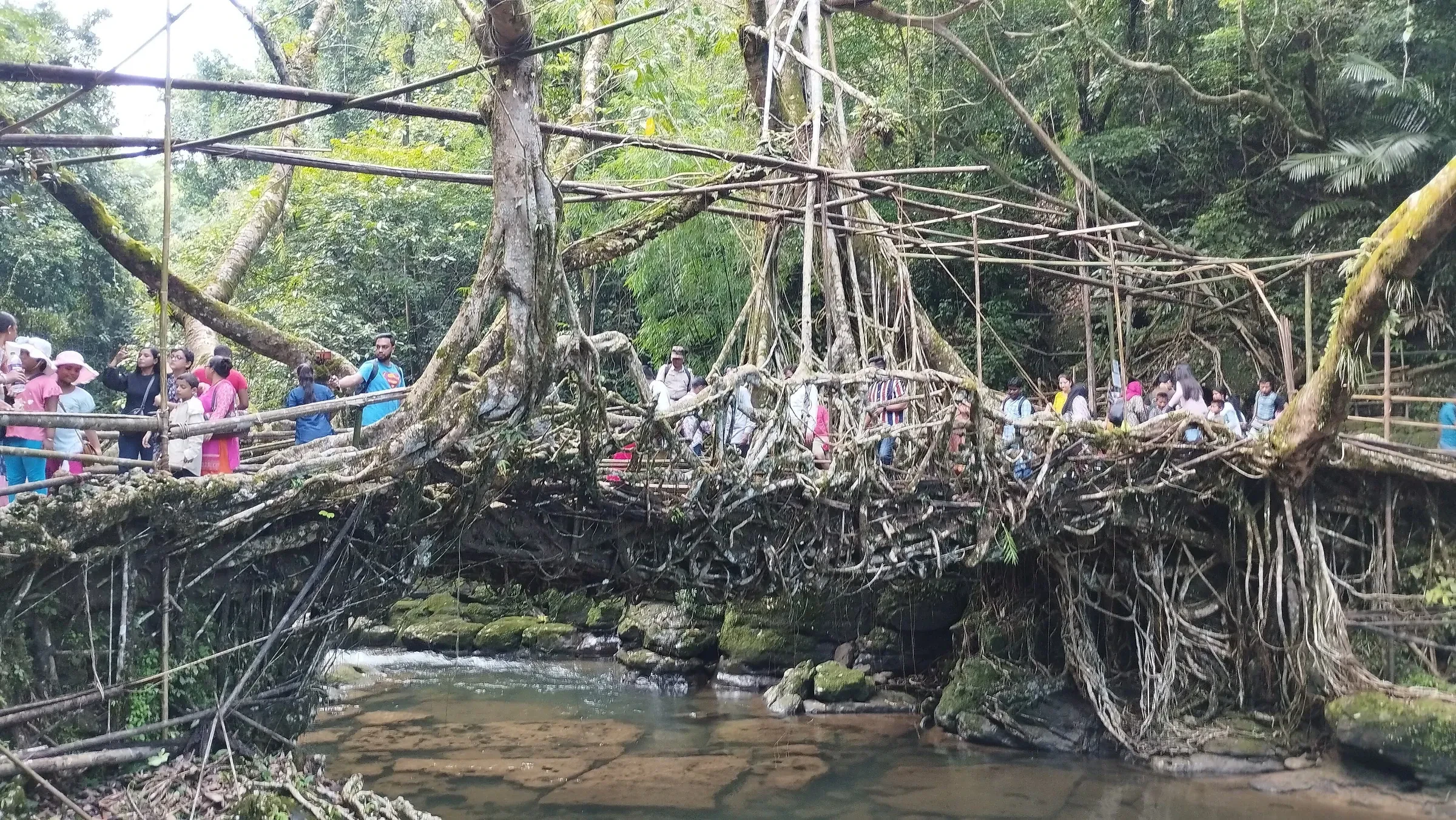
- start early (6 to 7am) and descend roughly 3,000 to 3,500 stone steps to Nongriat village, crossing several suspension bridges on the way down
- Afternoon
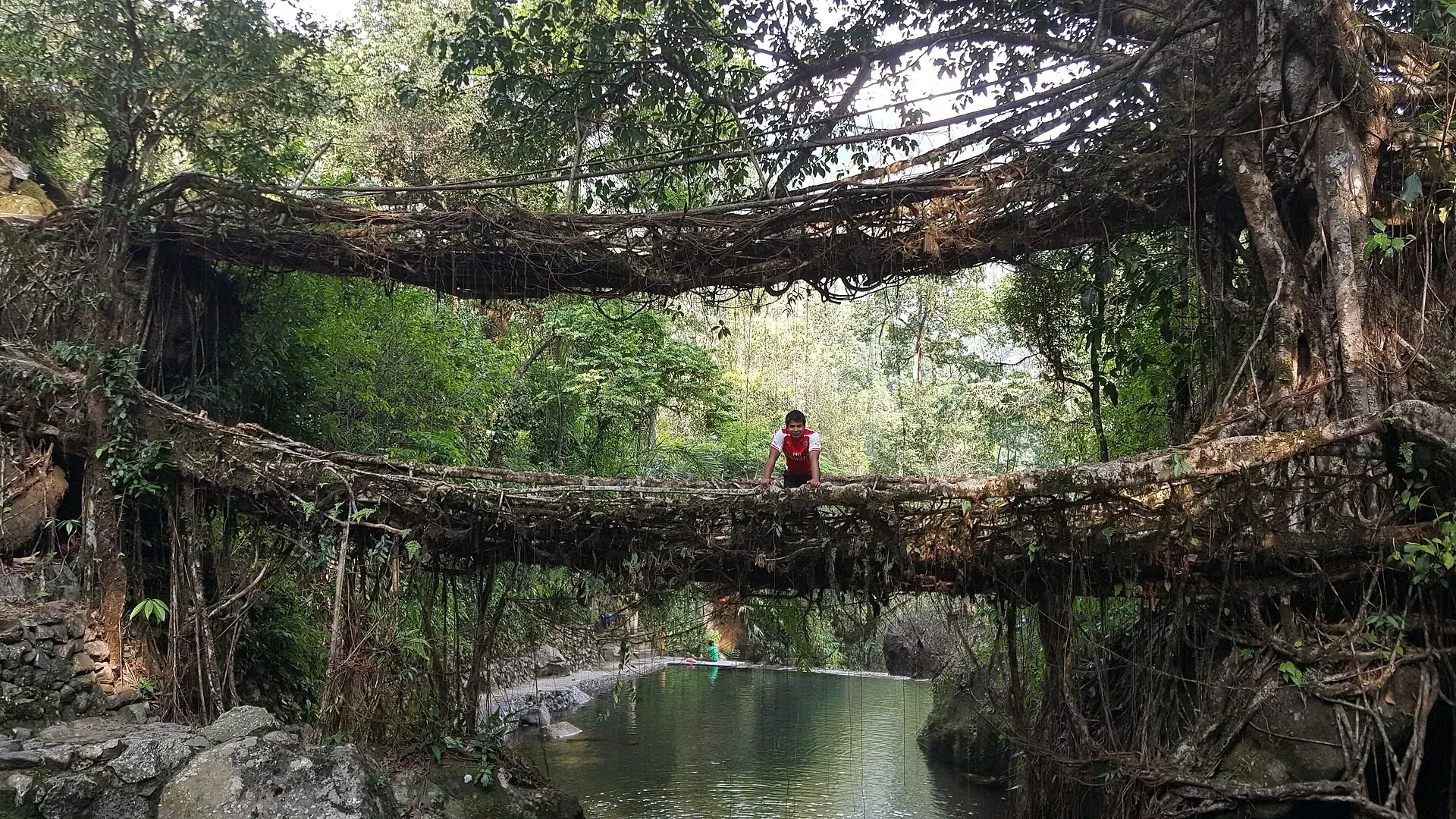
- reach the Double Decker Living Root Bridge itself, swim in the pools beneath it, and detour to Rainbow Falls if you have the legs for it; lunch at one of Nongriat's small village-run stalls
- Evening
- climb back up the same steps and return by road to Sohra
Eat a simple rice-and-curry plate or instant noodles from a Nongriat stall; carry your own snacks and water, since options on the trail are limited
Local tip the steps aren't technically difficult, but the sheer number of them in heat and humidity makes this the hardest day of the route; listings put the round trip to the bridge at about 4 to 6 hours, so allow more if you swim or add Rainbow Falls, and wear proper trekking shoes, not sandals
With more time to split the climb over two easier days instead of one long one, overnight in Nongriat village and climb out the next morning
Dawki's clear river and Asia's cleanest village
Mawlynnong
Getting there Sohra to Dawki, about 85 km, roughly 2.5 h on listings and longer after rain or road works; in June 2026 a landslide cut the main Shillong to Dawki road, and the district administration pointed drivers to the Sohra to Sohbar to Dawki route or the Jowai route instead
- Morning
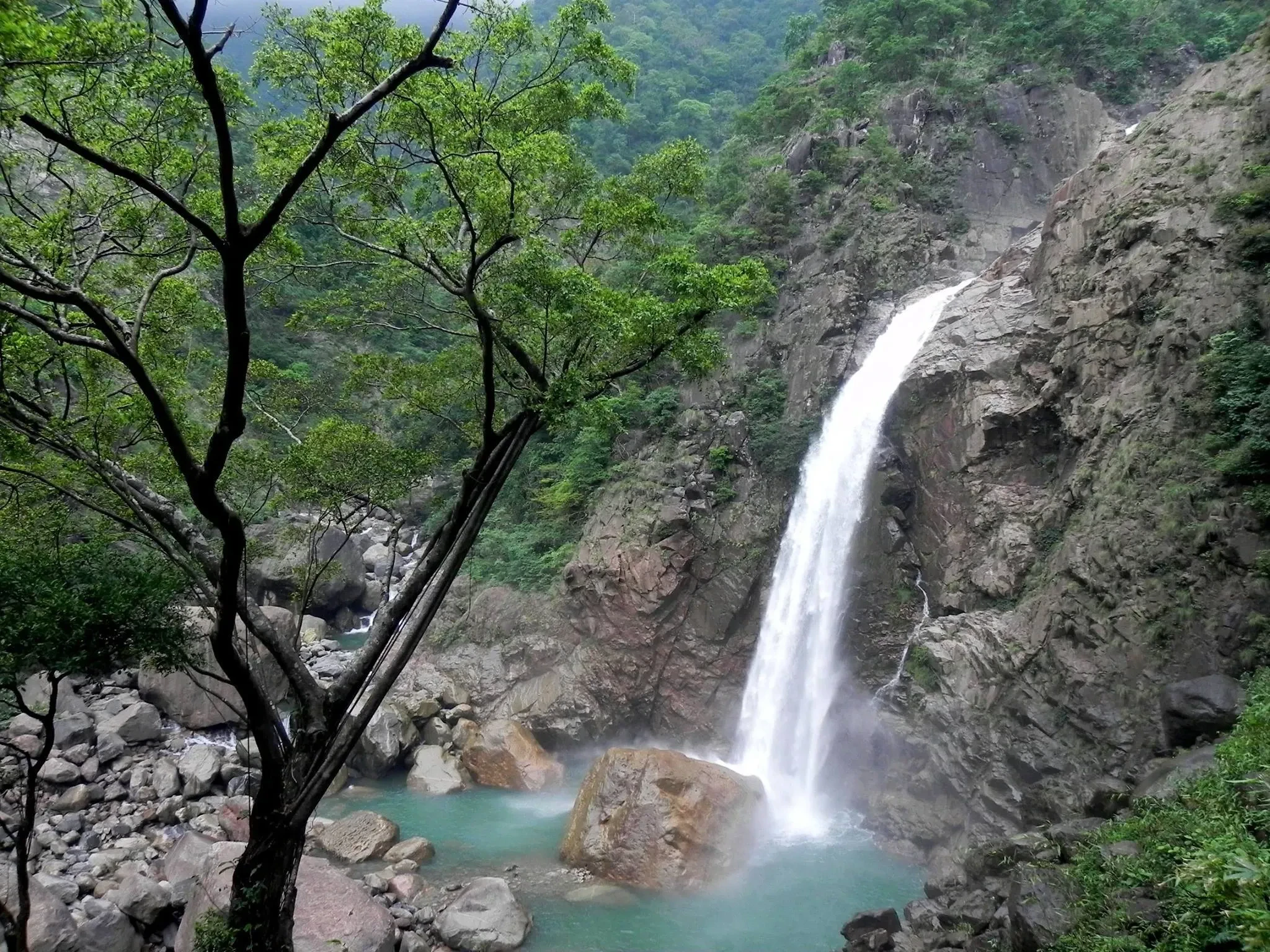
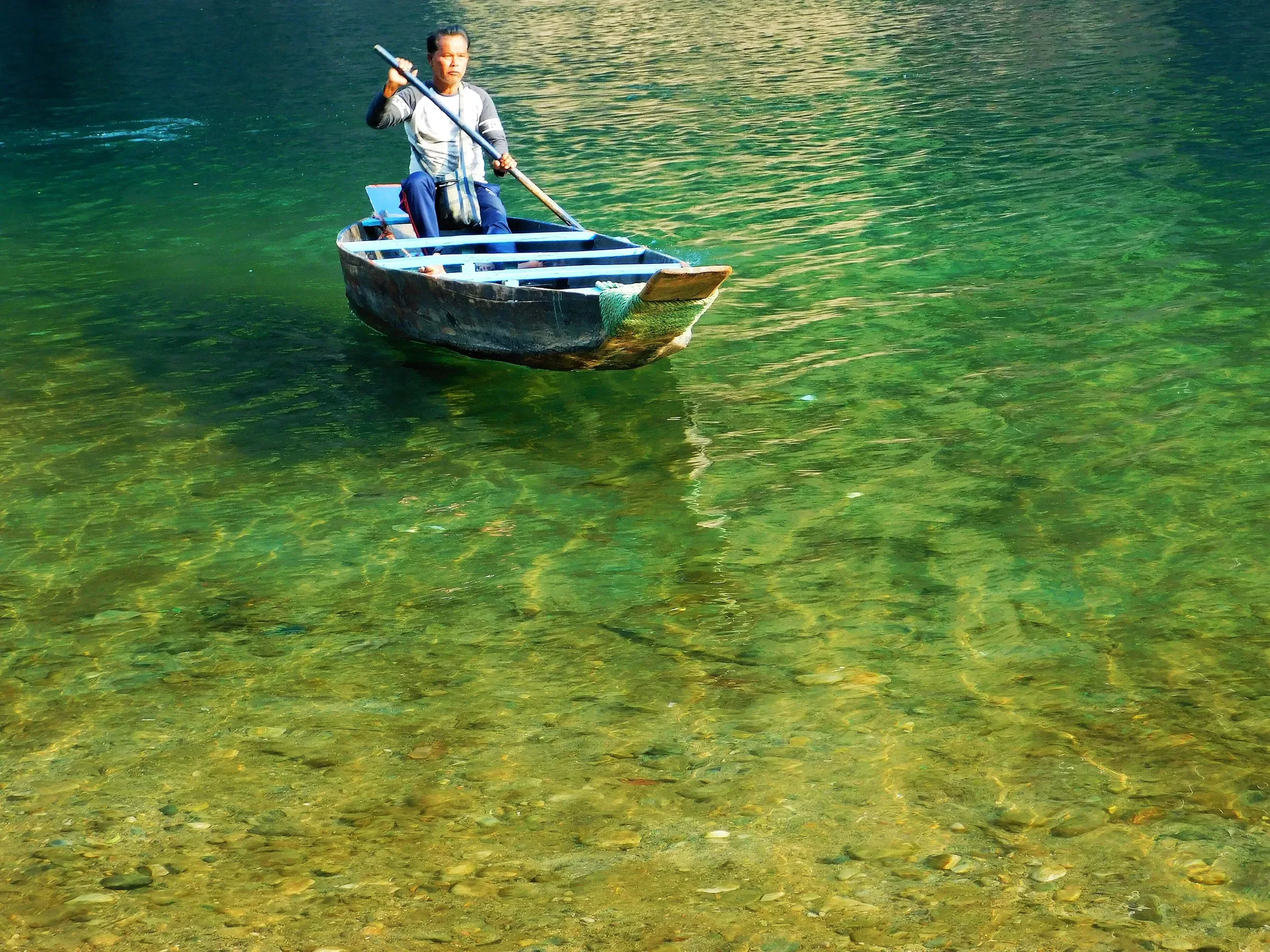
- arrive at Dawki and take a boat out on the Umngot River, famous for water so clear the boats appear to float in mid-air
- Afternoon
- continue to Riwai, just before Mawlynnong, for its own smaller living root bridge, then walk Mawlynnong's bamboo-fenced lanes, often billed as one of the cleanest villages in Asia
- Evening
- dinner in or near Mawlynnong
Eat Jaintia-style pork curry
Local tip the Umngot is usually clearest in the dry season after the monsoon, but from October 2025 it turned muddy after road-widening works upstream and we found no report that it has cleared, so ask your driver about current conditions before you count on the clear-water photo
Back to the city
Shillong
Getting there Mawlynnong or Dawki to Shillong, about 80 to 85 km, around 3 hours from Dawki; check the Shillong to Dawki road status first
- Morning
- return drive to Shillong
- Afternoon
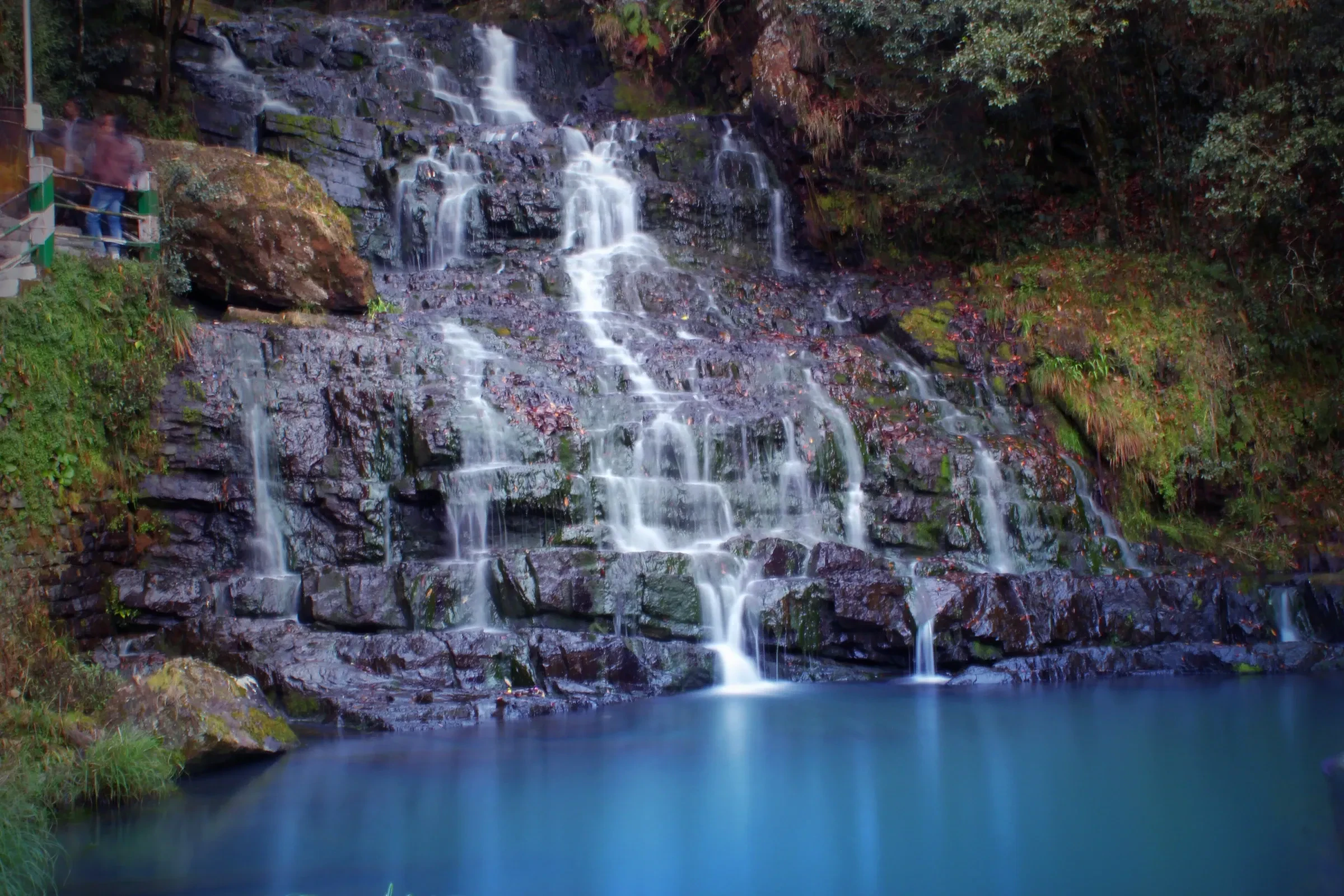
- Elephant Falls and the Shillong Peak viewpoint, weather and cloud cover permitting
- Evening
- a last evening in Police Bazar
Eat a full Khasi thali to close out the food you've tried this week
Local tip build in some slack on this leg if Day 3's trek or the weather has already cost you time elsewhere in the week
Mawphlang's sacred forest and Laitlum Canyon
Shillong
- Morning
- Mawphlang Sacred Forest, about 25 km from Shillong; entry is normally with a local guide, so pay the small entry and guide fee at the gate
- Afternoon
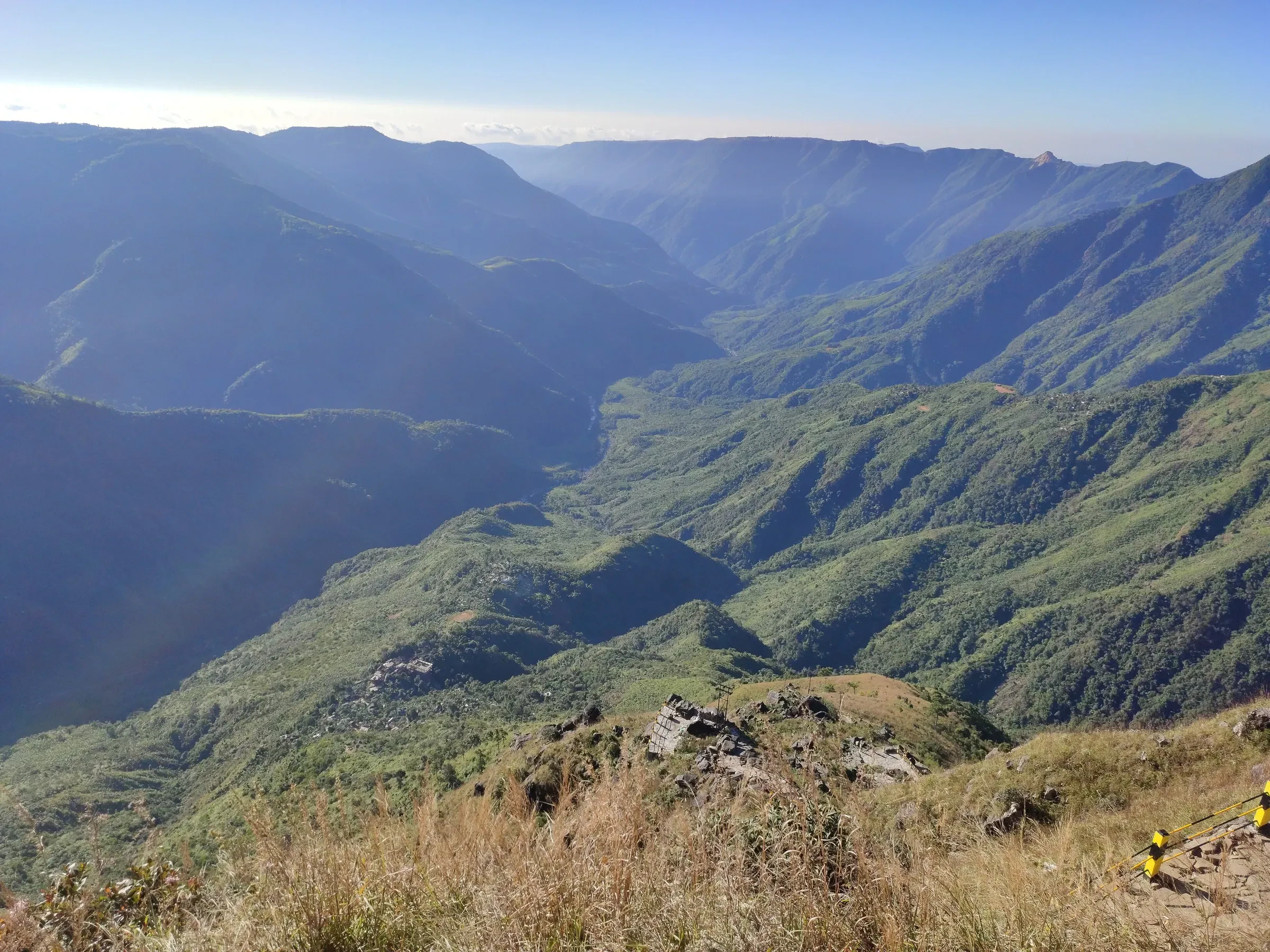
- Laitlum Canyon, about 45 km from Shillong, a quieter clifftop viewpoint than Shillong Peak
- Evening
- free time to pack, or one more round of Shillong's cafés
Eat kyat, a local rice beer worth trying respectfully as a cultural drink rather than a big night out, and fresh Khasi-hills oranges or pineapples if they're in season
Local tip this day works well as a buffer if you need to recover pace after Day 3, since neither stop demands an early start
Back to Guwahati
Departure
Getting there Shillong to Guwahati airport, about 100 km, roughly 2.5 to 3.5 h; build in extra time for traffic on the approach into Guwahati
- Morning
- depart Shillong in good time for your flight
- Afternoon
- a last stop for tea or a snack at one of the highway towns en route, such as Nongpoh
Eat momos or a quick thali at a highway stop
Local tip don't book a flight out of Guwahati earlier than early afternoon on this last day, in case the road is slow
The 10-day version
| Day | Where | What | Eat |
|---|---|---|---|
| 1 | Shillong | Arrive via Guwahati, Umiam Lake, Police Bazar | Jadoh |
| 2 | Sohra | Nohkalikai Falls, Mawsmai Cave, Seven Sisters Falls | Tungrymbai, pork with bamboo shoot |
| 3 | Nongriat | Descend to the Double Decker Living Root Bridge and overnight in Nongriat | Village-run thali |
| 4 | Sohra | Climb back out with fresh legs, rest afternoon | Local Sohra café food |
| 5 | Mawlynnong | Dawki boat ride, then on to Riwai and Mawlynnong | Jaintia pork curry |
| 6 | Jowai | Detour east to Jowai for Krang Suri Falls, a swim in its blue pool | Local Jaintia Hills food |
| 7 | Shillong | Return travel day | Khasi thali |
| 8 | Shillong | Elephant Falls, Shillong Peak | Café food |
| 9 | Shillong | Mawphlang Sacred Forest, Laitlum Canyon | Kyat, fresh oranges or pineapple in season |
| 10 | Departure | Return to Guwahati | Momos or a highway snack |
What changes: the extra three days split the root bridge trek over two gentler days instead of one long one, and add a Krang Suri Falls detour through Jowai in the Jaintia Hills, at the cost of a slower, more spread-out loop.
What it costs
These are our own rough estimates, not quotes, and the pound figures use about ₹128 to £1 (September 2026 rate from our India cost guide).
| Budget | Mid-range | |
|---|---|---|
| Stay | ₹500 to ₹1,000 (£4 to £8): a Nongriat homestay or a budget guesthouse in Shillong or Sohra | ₹2,000 to ₹3,500 (£16 to £27): a private room with hot water |
| Food | ₹400 to ₹600 (£3 to £5) | ₹800 to ₹1,200 (£6 to £9) |
| Local transport | ₹500 to ₹800 (£4 to £6): shared taxis where they run, split fares elsewhere | ₹2,000 to ₹3,500 (£16 to £27): a private cab and driver for the day, shared between a small group |
Private wheels matter more on this route than on most India itineraries: Meghalaya has almost no railway and thin bus coverage between its scenic stops, so most travellers hire a cab and driver for at least the Sohra to Dawki to Mawlynnong leg. Entry fees are small but frequent: village committees charge at some sites, such as the root bridges and Mawphlang, and published amounts differ by source and year, so ask at the gate. Carry cash in small notes; card machines are unreliable outside Shillong.
Getting there, away and around
Guwahati's Lokpriya Gopinath Bordoloi International Airport, in neighbouring Assam, is this route's shared gateway, with domestic flights from major Indian cities. From the airport it's about 100 km by road to Shillong, which listings put at roughly 2.5 to 3.5 hours, past Umiam Lake; Guwahati railway station is an alternative for those combining this trip with an overnight train from Kolkata or elsewhere in the plains.
Once you're in Meghalaya, shared taxis (locally, Sumos or similar SUVs) run the busier legs, such as Shillong to Sohra, cheaply but on their own schedule; a private taxi with a driver costs more but is worth it for the Sohra to Dawki to Mawlynnong loop, where the roads are narrow, single-track in places, and slow going regardless of the distance on paper. There's no railway within Meghalaya itself beyond a short line in the Garo Hills, well off this route.
Permits. Foreign visitors don't need an Inner Line Permit or Protected Area Permit for Meghalaya at present, and you travel on your normal Indian visa. The state has been working towards a registration system for visitors. On 13 July 2026 News Arena reported that the tourism minister had announced a mandatory system modelled on the Inner Line Permit, with a first facility at Umling in Ri-Bhoi. It had not launched at that point: the Umling centre had earlier been closed after a court order, the Khasi Students' Union opposed it, and no start date was given. We found no report of it starting since, and the reports don't say whether it covers foreign visitors, so check Meghalaya Tourism or your hotel before you travel. Other Northeastern states, such as Arunachal Pradesh, Nagaland and Sikkim, have their own permit rules. See our India itinerary hub for the wider permit picture and our India visa guide for entry basics.
Beyond this route. Assam shares this same Guwahati gateway and combines naturally with Meghalaya into an 8 to 10 day trip; see our Assam itinerary once it's published. Nagaland is reachable from Shillong too, but it is a long road journey, usually routed back through Guwahati, so treat it as a trip in its own right rather than a casual add-on; our Hornbill Festival guide covers Nagaland's own permit rules, which differ from Meghalaya's.
Best time and festivals on this route
October to April is the dry season, and Meghalaya Tourism lists October to March as the best window for the Nongriat trek. Avoid May to September: Sohra and nearby Mawsynram are among the wettest inhabited places on Earth, with IMD averages of about 11,400 mm a year at Cherrapunji and about 11,800 mm at Mawsynram. Outside the dry season, root bridge trails turn slippery and the streams some bridges cross can become properly hazardous to wade, so this isn't a route to attempt on the cheap shoulder-season gamble that works elsewhere in India. The monsoon also brings landslides: in June 2026 one cut the main Shillong to Dawki road near Laitlyngkot, and the district administration advised visitors to avoid it and use the Sohra or Jowai routes.
Shillong hosts Shad Suk Mynsiem, a Khasi thanksgiving dance festival, most years in April. The Wangala Festival, the Garo "hundred drums" harvest festival, takes place in early to mid November at Asanang near Tura, in the Garo Hills, well off this route. Both fall at the edge of or outside this guide's recommended season, and sources give differing dates for 2026, so check exact dates with local listings if they matter for your plans.
What to eat on this route
Jadoh, rice cooked with pork or other meat, is Meghalaya's best-known Khasi dish and turns up everywhere from Shillong cafés to Sohra eateries. Tungrymbai, a fermented soybean dish, and pork cooked with bamboo shoot are Khasi Hills staples worth trying in Sohra. Around Dawki and Mawlynnong, Jaintia-style pork curry is the dish to look for. Kyat, a local rice beer, is culturally significant and worth trying respectfully rather than treating as a novelty. Khasi-hills oranges and pineapples are excellent when in season. Our India food guide covers what to expect region by region.
Keep planning
See the India itinerary hub for every route on the site, or go deeper into the wider Northeast with our Sikkim and Darjeeling itinerary, a similarly permit-conscious route, or our Assam itinerary once it's published, for the trip this one combines with most naturally. Our Hornbill Festival guide covers Nagaland's different permit rules if you're extending further. We don't currently run a group trip through Meghalaya; see our India trips for the routes we do run.