What makes Himachal Pradesh special
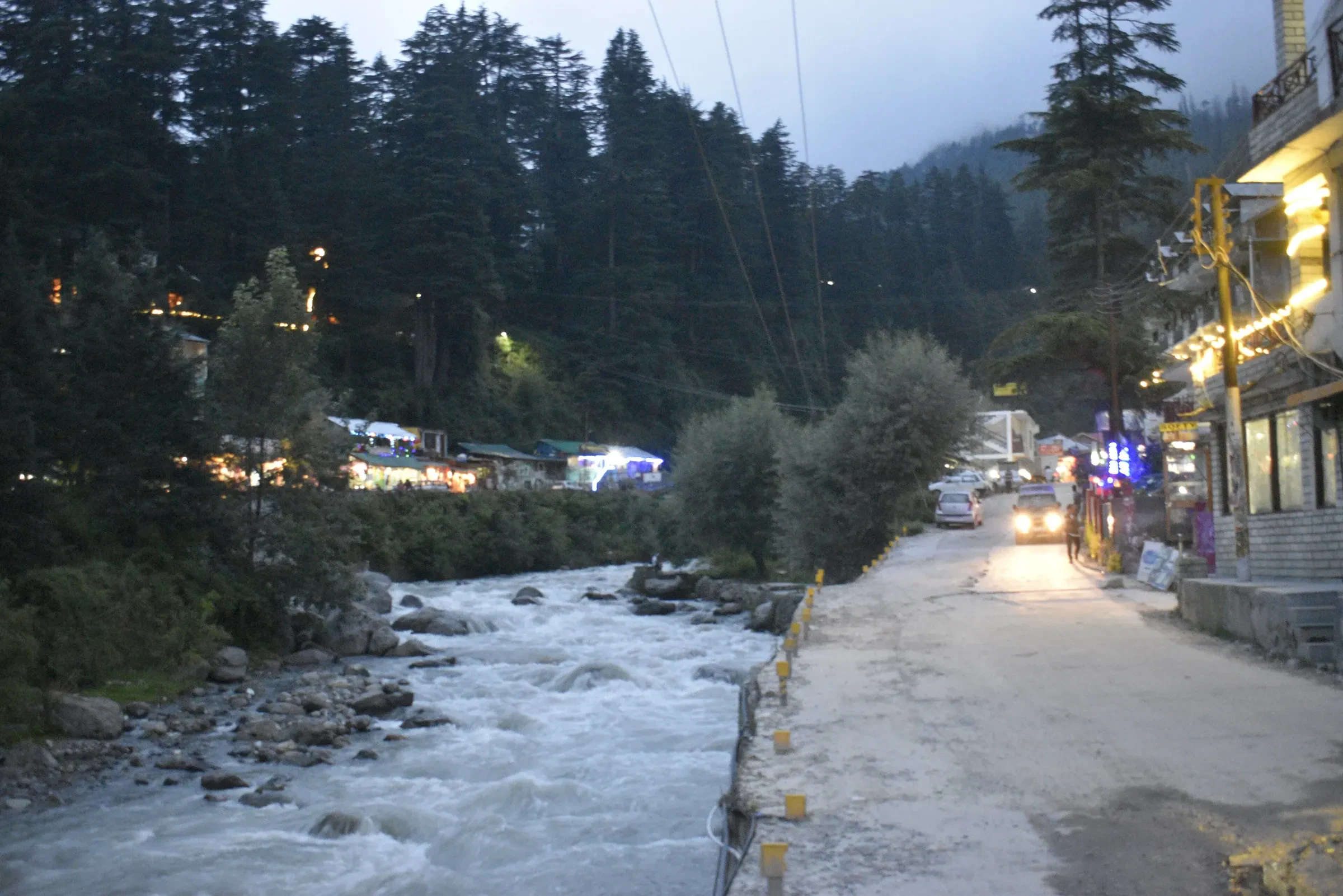
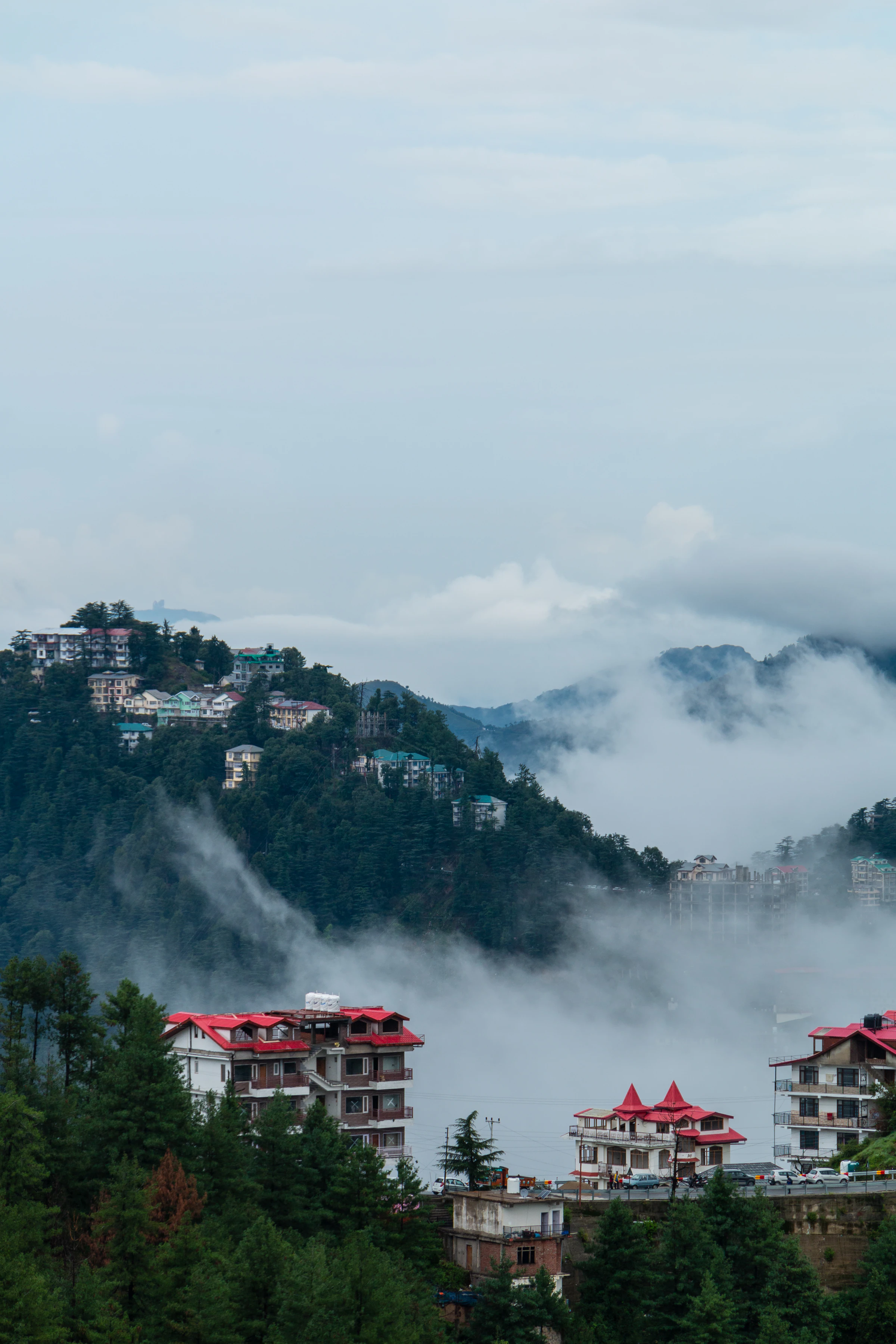
Himachal Pradesh strings together several different reasons to visit the same state: McLeod Ganj's Tibetan Buddhist community and the Dalai Lama's temple complex, Bir Billing's paragliding valley, Kasol's long-running backpacker and hostel scene along the Parvati river, and Shimla's colonial-era hill station with its own narrow-gauge railway. Budget backpackers get the most out of it: Kasol and McLeod Ganj are two of India's most established hostel hubs. It works just as well for wellness travellers drawn to Dharamshala's meditation courses, or for anyone chasing a paragliding flight or a Himalayan road trip. Kasol in particular has a reputation, deserved or not, as a cannabis-culture town; cannabis remains illegal in India outside licensed contexts and enforcement varies, so treat that reputation as a piece of trivia rather than a plan.
Where to go: the best places to visit in Himachal Pradesh
These places cover most of what people mean by a Himachal trip. They sit along a rough line across the state, so most itineraries pick up three or four of them rather than all of them at once; see how long to spend below for how they combine.
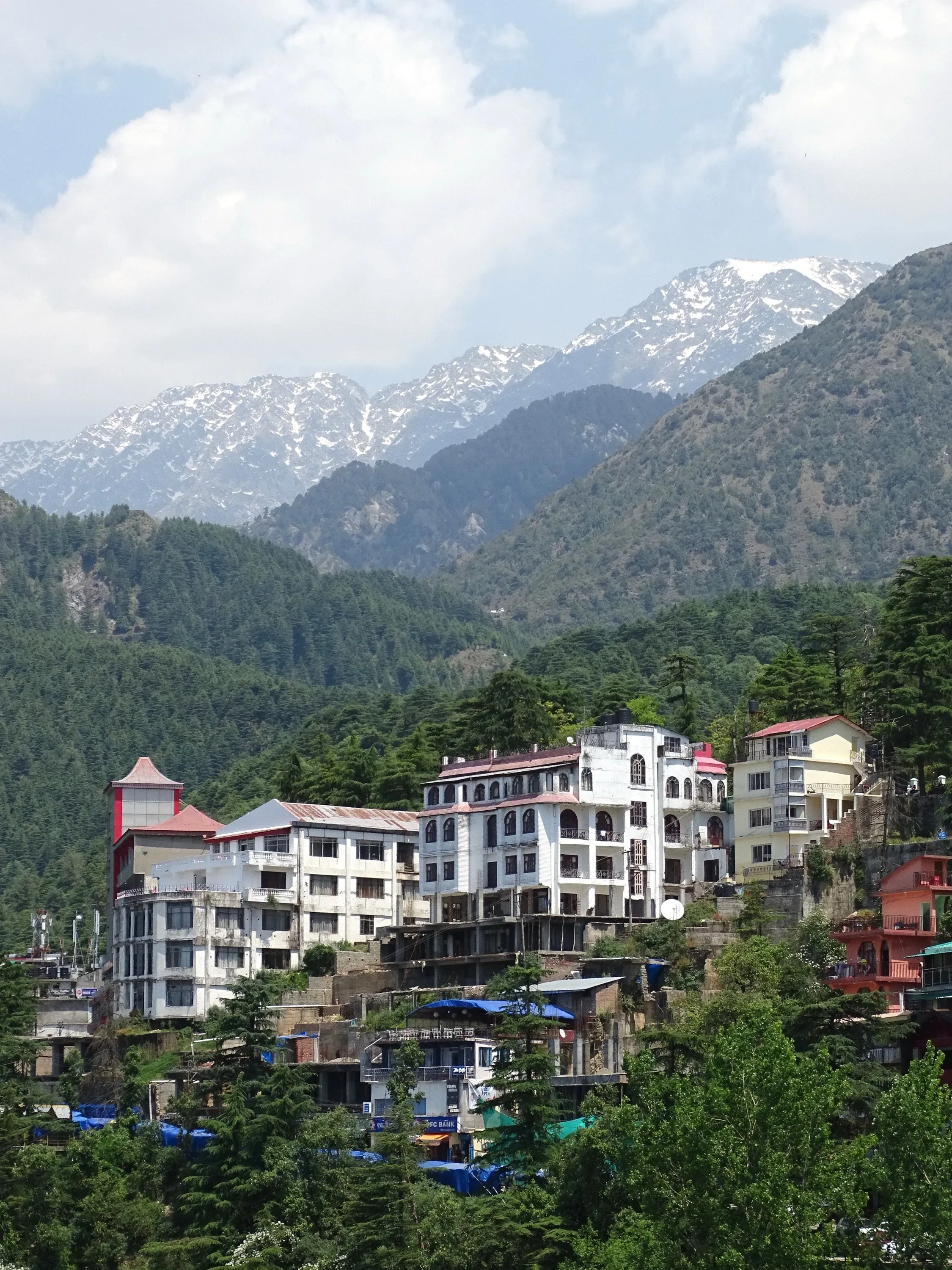
McLeod Ganj and Dharamshala
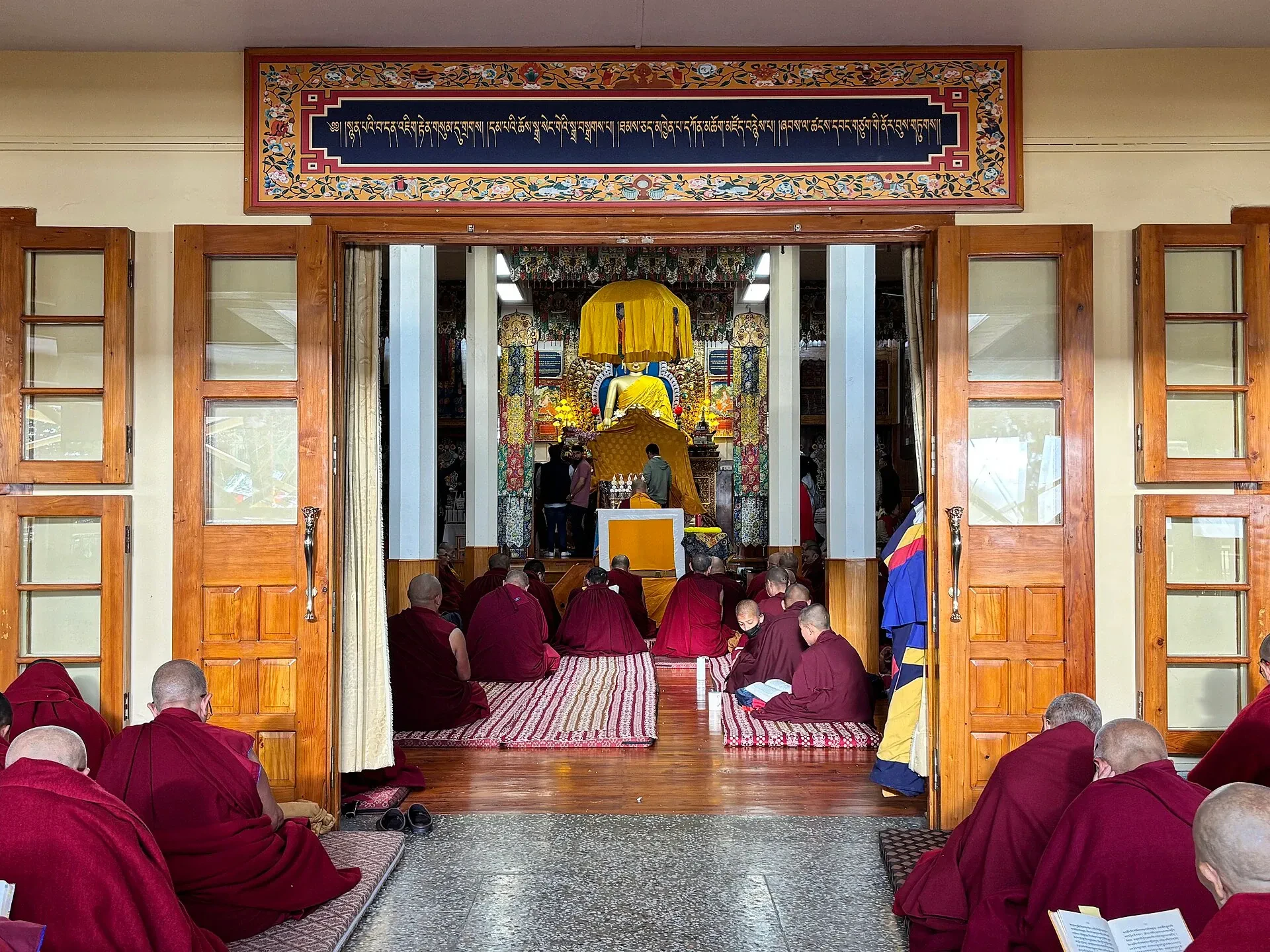
Why go: home to the Dalai Lama's Tsuglagkhang Complex and the Tibetan government-in-exile, a genuinely different cultural experience from the rest of North India, plus some of the country's best Tibetan food and an easy walk out to Bhagsu Waterfall. How long: 2 to 3 days.
Bir Billing
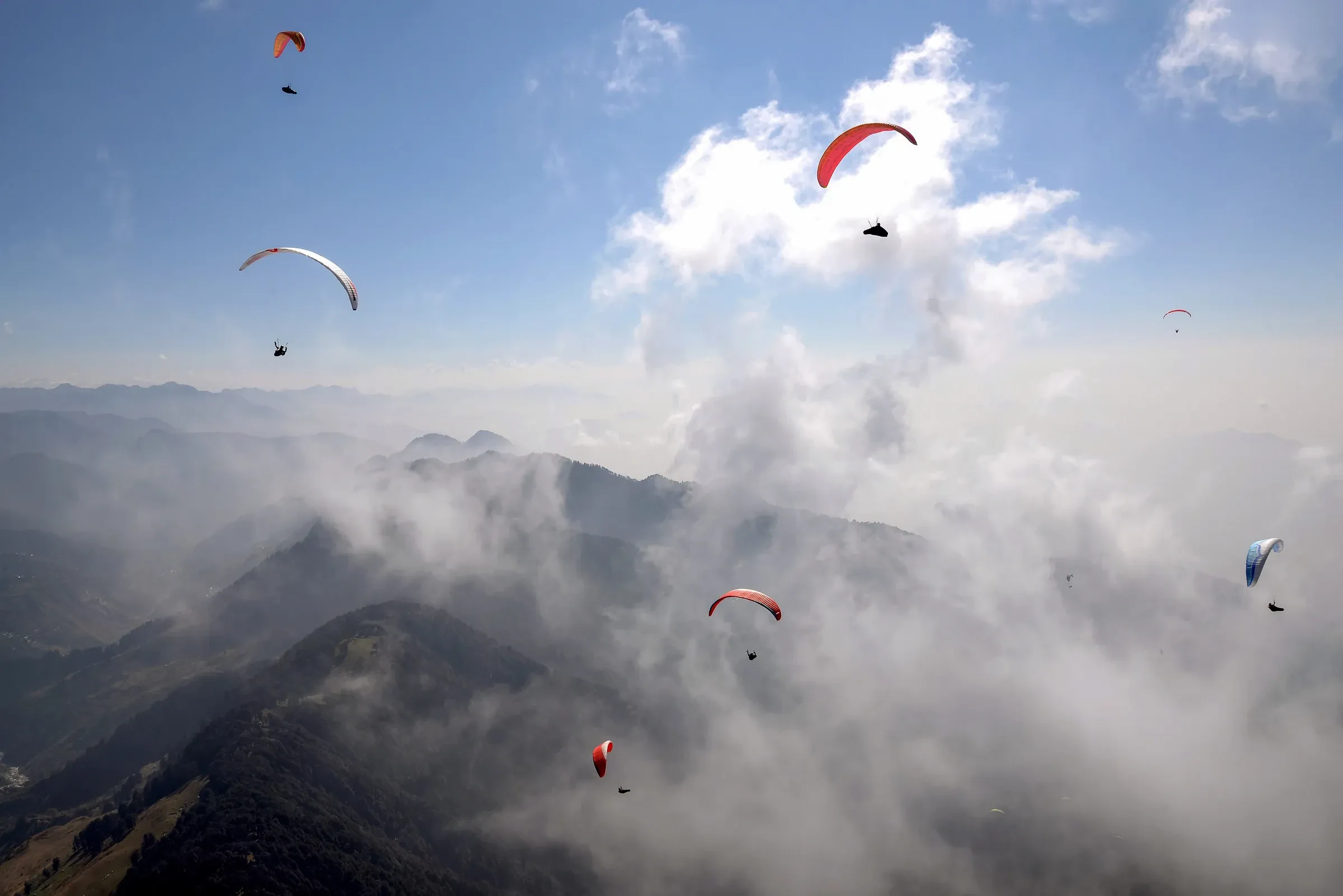
Why go: often called Asia's paragliding capital, and also home to a Tibetan settlement with its own quieter monasteries away from the paragliding crowd. How long: 2 days, more if bad weather delays your flight.
Kasol and the Parvati Valley
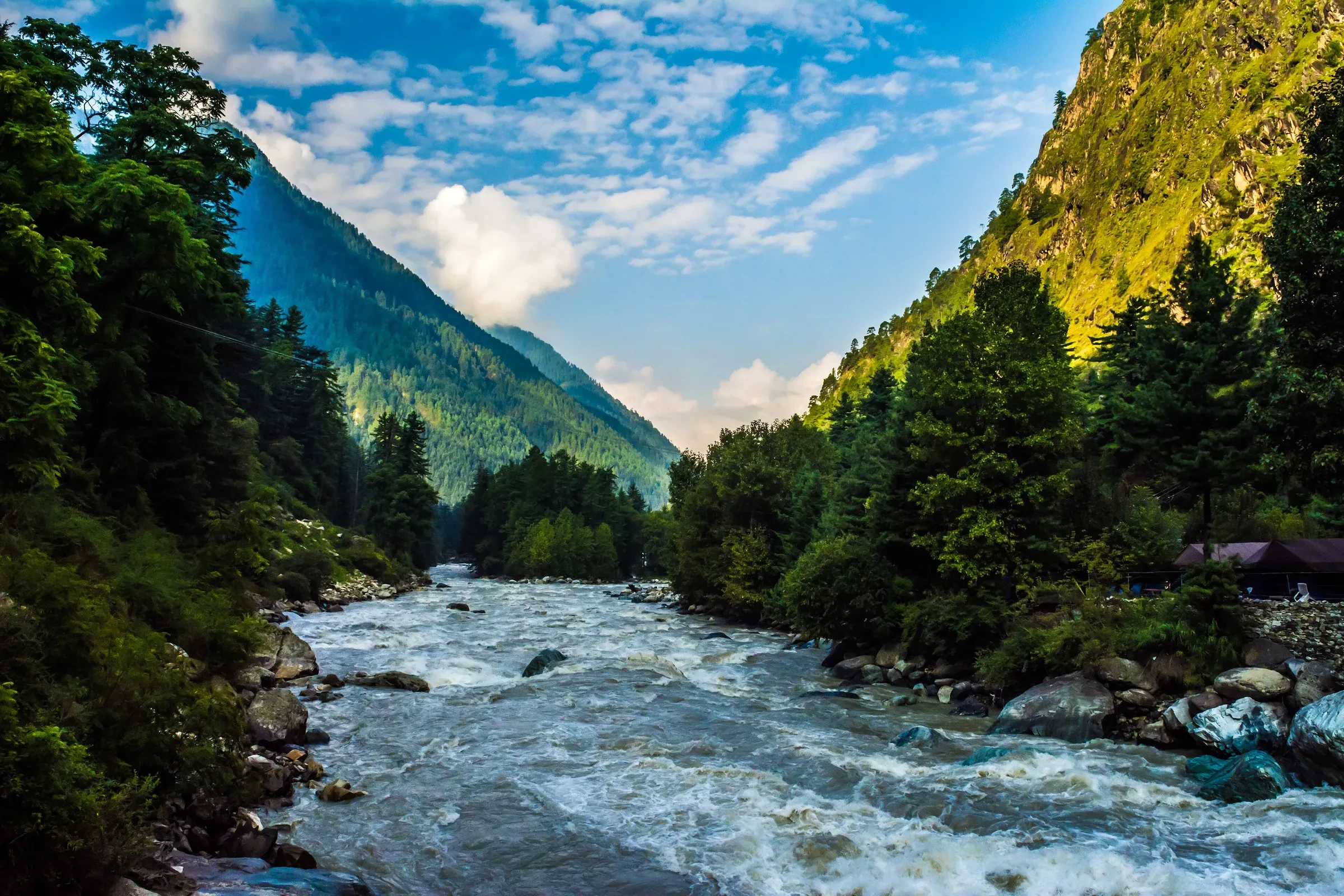
Why go: the backpacker hub of the loop, cheap guesthouses, riverside cafés with a strong Israeli-backpacker influence, and an easy walk to Chalal village. How long: 2 to 3 days, longer if you add the Kheerganga trek.
Manali
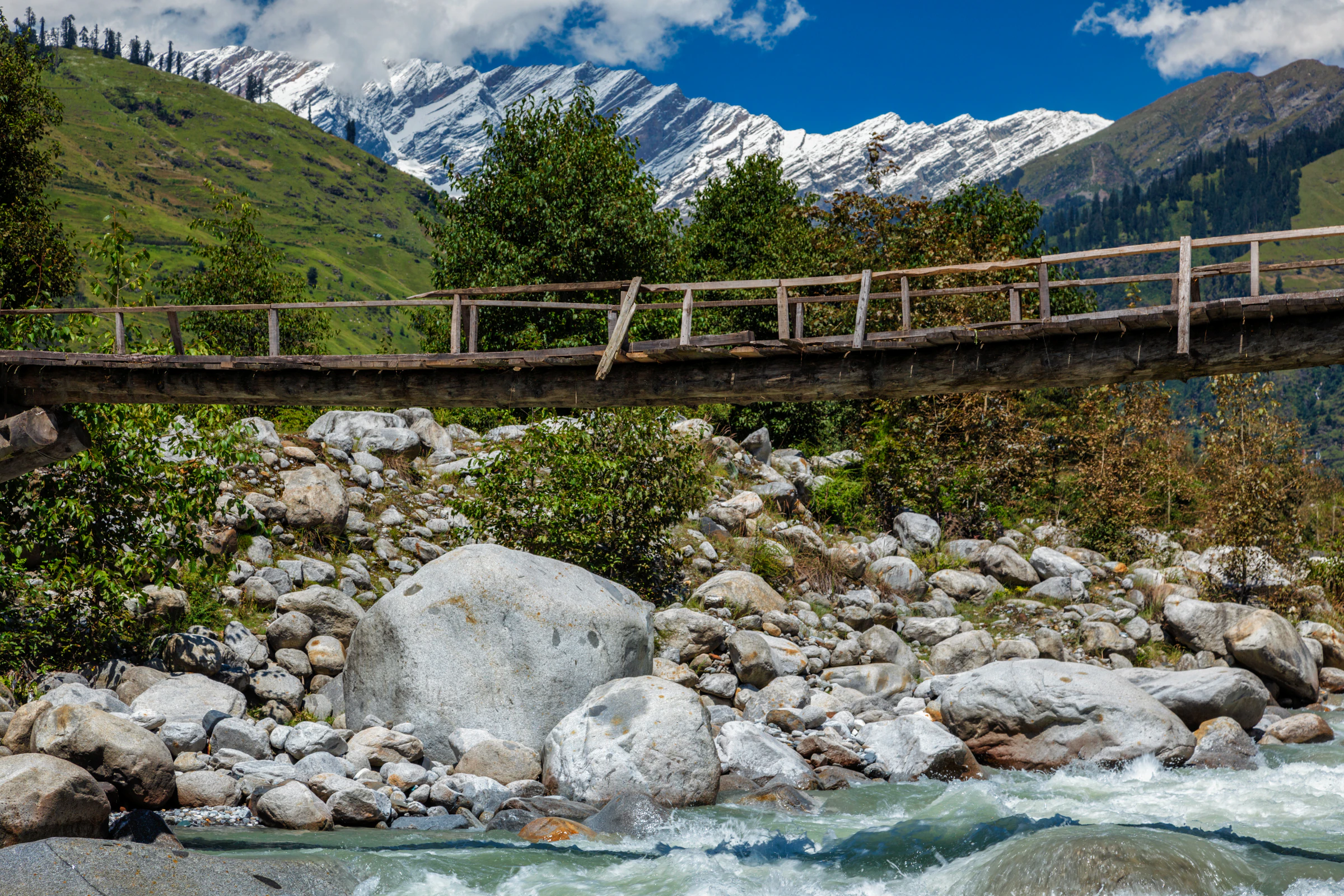
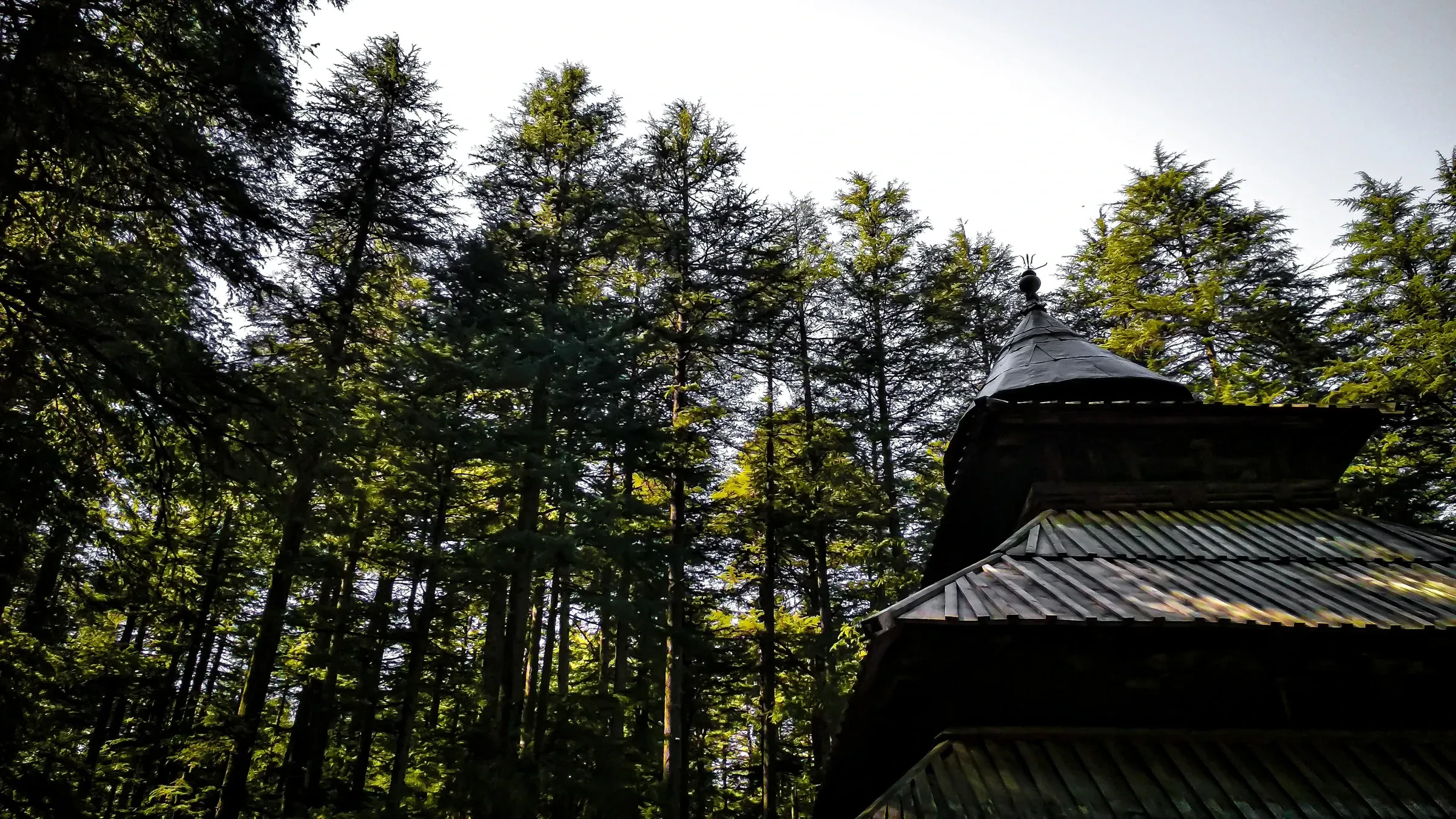
Why go: Old Manali's café strip, Hadimba Temple, Solang Valley's adventure sports, and the road on toward the Atal Tunnel, Spiti Valley and, when open, Ladakh. How long: 2 to 3 days.
Tirthan Valley and Jibhi
Why go: a quieter, less backpacker-heavy alternative near the Great Himalayan National Park, for travellers who've already done Manali or Kasol and want somewhere calmer. How long: 2 days.
Shimla
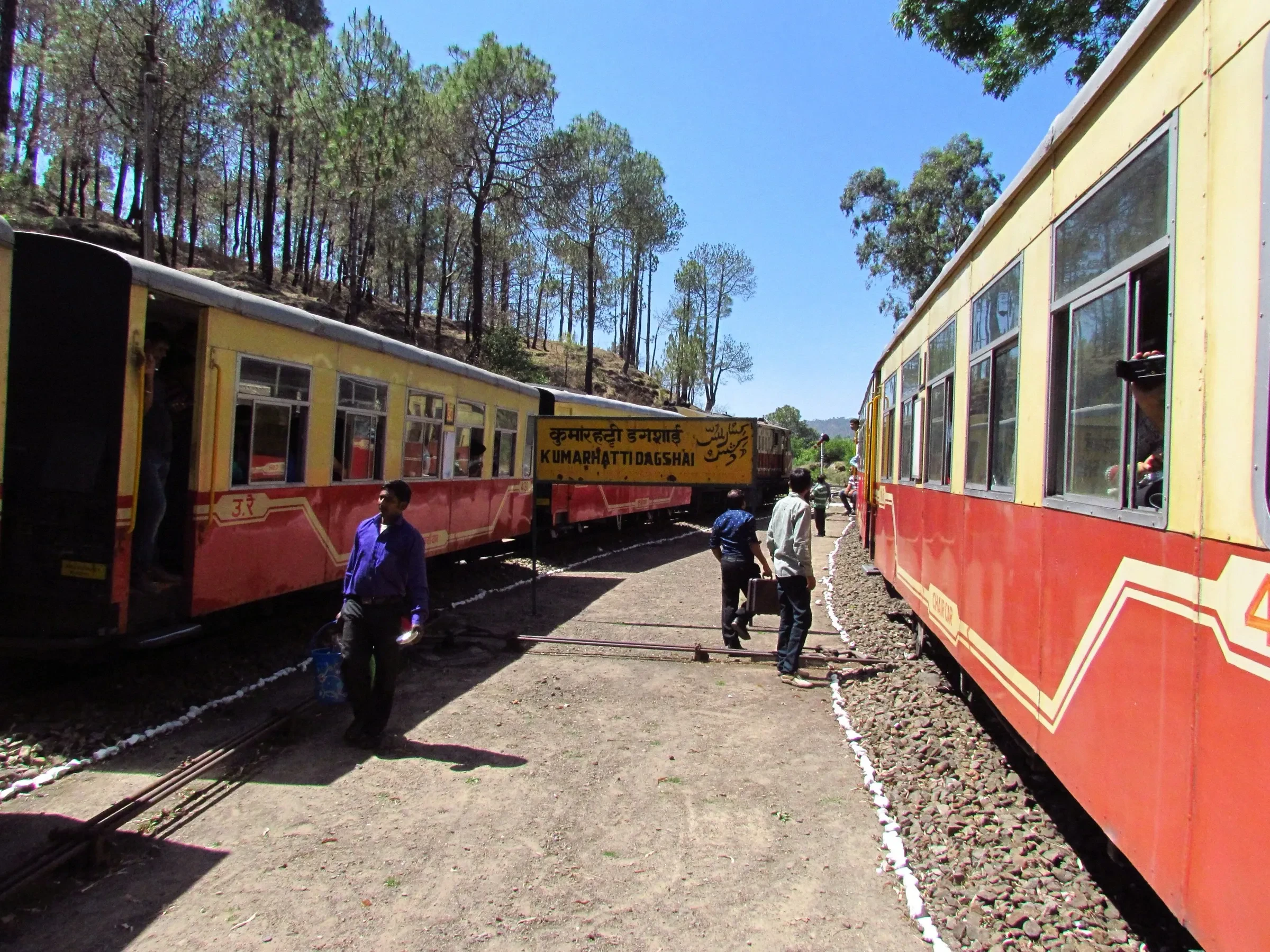
Why go: the old British summer capital, Mall Road, Christ Church, and the Kalka-Shimla toy train. How long: 1 to 2 days.
Kasauli
Why go: a small, quiet hill station about 1.5 to 2 hours from Shimla by road; a weekend add-on rather than a destination in its own right, best folded into a Shimla stop. How long: half a day to a day, on the way to or from Shimla.
Beyond Manali: Spiti Valley and Ladakh
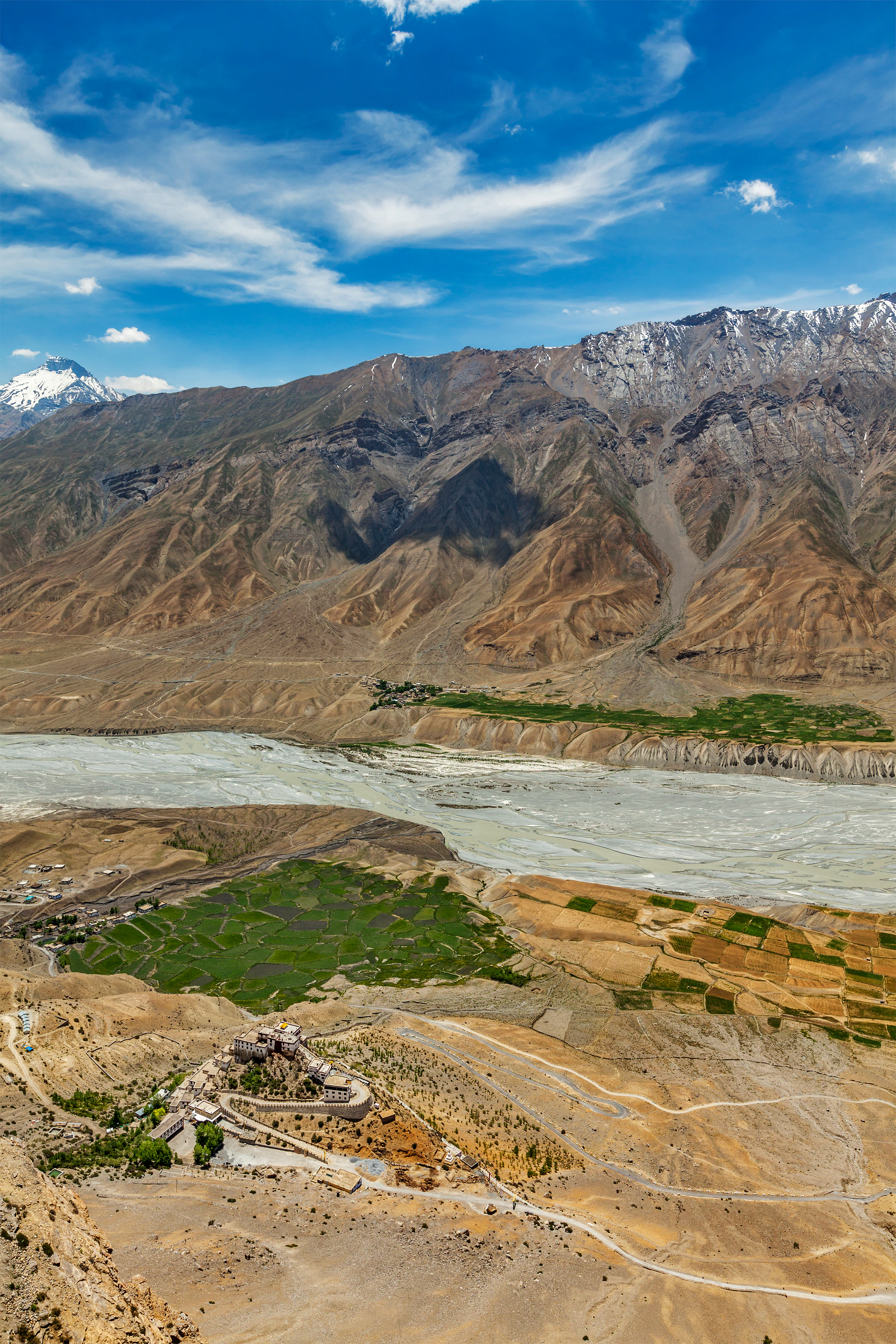
From Manali, the road continues toward Spiti Valley, and on toward Ladakh when the high passes are open. See our Spiti Valley guide and Spiti Valley itinerary for that detour, or the Ladakh guide for the longer road trip past Spiti. The Atal Tunnel itself needs no permit, but the older Rohtang Pass route above it does, about ₹550 for a two-wheeler, plus e-Aagman registration for vehicles entering Lahaul and Spiti. A same-day trip from Manali to the tunnel is a good introduction to this landscape without committing to the full detour.
Things to do in Himachal Pradesh
- Tandem paragliding at Bir Billing: a 15 to 20-minute flight costs roughly ₹2,500 to ₹3,500 (about £20 to £27 / $26 to $36); book with an operator whose pilots hold an APPI (or equivalent) licence, and ask to see it before you pay. Flights run roughly October to June and pause through the monsoon.
- The Kalka-Shimla toy train: a UNESCO World Heritage narrow-gauge line. You don't need to ride the full route from Kalka to get the views, a short there-and-back from Shimla works too. Monsoon landslides have cut this line before. In early September 2026 a landslide near Parwanoo stopped trains from Kalka, and services restarted first on the Dharampur to Shimla stretch. Check current running status before you book a fixed date.
- A hot-spring soak at Vashisht, near Manali.
- Monastery visits: the Dalai Lama's Tsuglagkhang Complex in McLeod Ganj, and the smaller Tibetan monasteries in Bir's Tibetan colony.
- Trekking: an easy day walk from Kasol to Chalal, or longer routes toward Kheerganga and beyond, which need proper boots and, past a day walk, a local guide.
- Adventure sports at Solang Valley, near Manali: paragliding, zorbing, and seasonal skiing.
What to eat in Himachal Pradesh
- Thukpa and momos, best in McLeod Ganj's Tibetan quarter.
- Siddu, a steamed Himachali bread, and trout, in the river towns.
- Himachali dham, a festive multi-course thali, worth seeking out if your visit lines up with a local festival or wedding season.
- Rajma-chawal, kidney beans and rice, an everyday staple across the hills.
- Chana madra, a Himachali chickpea-yoghurt curry.
- Hummus and shakshuka alongside the Himachali food in Kasol's backpacker cafés, a legacy of the town's Israeli-backpacker scene.
Best time to visit Himachal Pradesh
March to June and September to November are the best windows: clear mountain views and pleasant days. Avoid July to September, when monsoon landslides regularly close sections of Himachal's mountain roads; in the 2026 monsoon the state emergency operations centre counted 259 blocked roads between 30 June and 9 August, and a landslide near Parwanoo cut the Kalka-Shimla railway in early September. December to February brings snow that closes some higher connecting roads, including Rohtang and parts of the Spiti and Manali-Leh roads, though Manali and Shimla themselves become their own snow-season draw at that time of year, a different trip from the loop on this page. Bir Billing's paragliding season runs roughly October to June and pauses through the monsoon months. See our India best time guide for how this fits the rest of the country's seasons.
Getting there and around
From Delhi: overnight Volvo buses run to McLeod Ganj (about 10 to 12 hours) or Manali, or fly to Kangra (Gaggal) airport near Dharamshala (about 45 minutes by road from McLeod Ganj) or to Bhuntar near Kullu and Manali. Chandigarh is the usual gateway for Shimla, with the Kalka-Shimla toy train as a scenic, if slow, alternative to the road; Shimla also has its own overnight bus services back to Delhi. Between towns on this loop, local buses and shared taxis cover every leg; a private taxi is worth it for the two longer transfers, Bir Billing to Kasol, and Manali to Shimla.
How long to spend, and which route to use
A single sub-region, McLeod Ganj plus Bir Billing, or Kasol plus Manali, fills 5 to 7 days on its own. Covering 3 or 4 of these towns in one loop needs 10 to 14 days, and our Himachal Pradesh itinerary lays this out as a 1-week or a 2-week route, day by day, with travel times and costs. Add Spiti Valley from Manali (see above) if you have 16 or more days to work with.
Prefer to travel with a group?
A Trip Host runs every SoloNomads departure in person, alongside a licensed local agency and licensed local guides for the ground services. There's no dedicated Himachal-loop trip in our current line-up, but our India trips include the Himalayan foothills further down the same road, plus the Spiti and Ladakh routes that continue from Manali.
Keep planning
- India travel guide: the wider picture, if Himachal Pradesh is one stop on a longer India trip.
- Best time to visit India: how the Himalaya's season fits the rest of the country's.
- Losar in Ladakh, Sikkim and Dharamshala: if a McLeod Ganj visit lines up with the Tibetan New Year.