India is one of the best-value countries in the world to travel, but it's easy to either overspend on flights and private drivers or underestimate the one-off costs, like monument entry fees, that add up fast at the big sights. This guide breaks the trip down into its parts, in rupees with rough dollar and pound conversions, checked for 2026.
For routes and how long to spend where, see our India itinerary guide, and for the season, see the best time to visit India.
How much does an India trip cost per day?
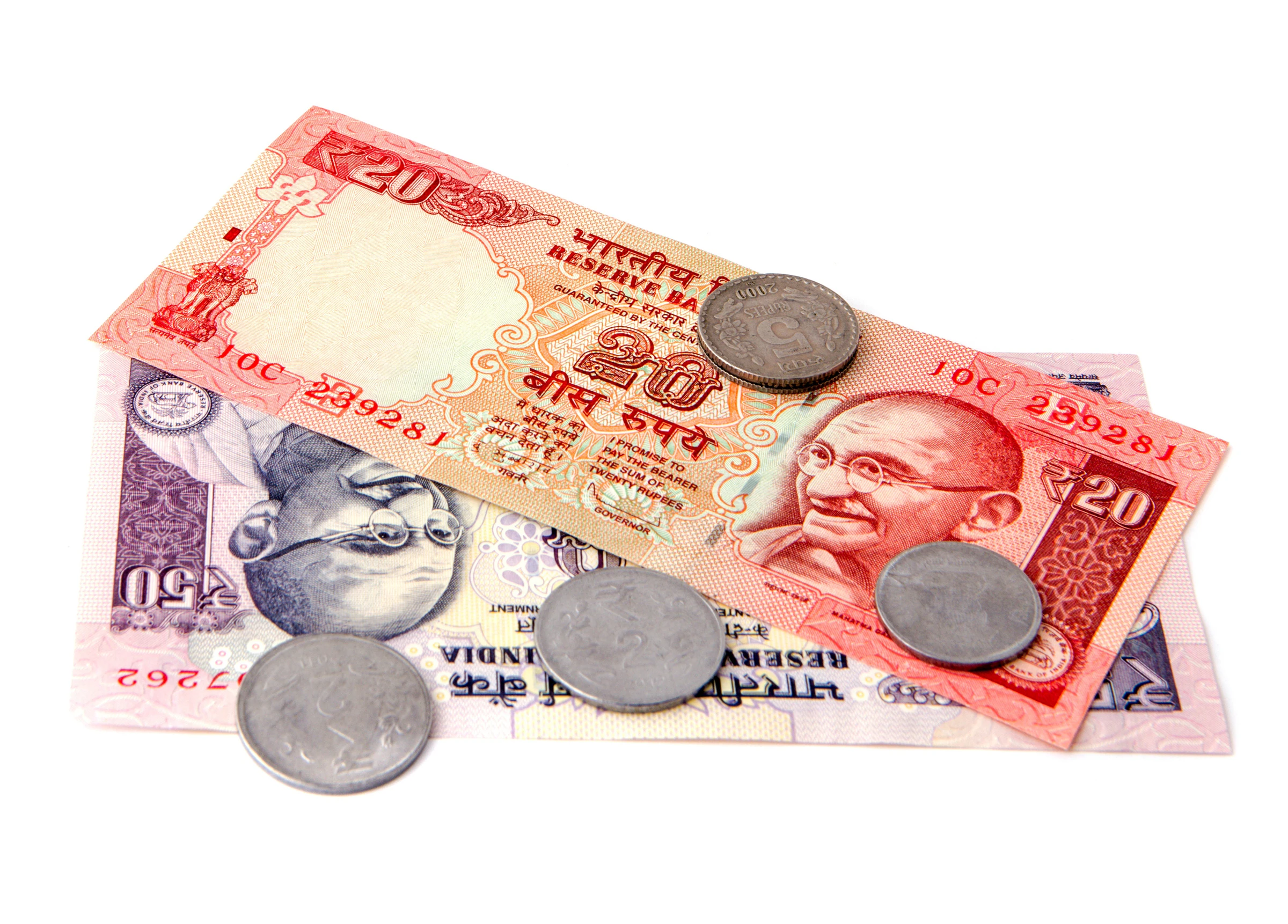
Your daily budget depends far more on where you are than on some national average. A backpacker doing the Golden Triangle and Rajasthan should budget US$30 to $35 (about ₹2,900 to ₹3,400) a day, including a dorm bed, street food and trains. Some regions cost more or less than that national figure:
| Region | Backpacker daily budget | Notes |
|---|---|---|
| Delhi, Agra, Rajasthan, Varanasi | ₹2,900 to ₹3,400 (US$30 to $35) | Dorm bed, local food, trains |
| Goa | ₹1,200 to ₹1,800 (US$13 to $19) | Dorm bed, cheap food, a rented scooter |
| Rishikesh | ₹2,000 to ₹3,000 (US$21 to $31) | Dorm bed, cafe meals, a drop-in yoga class |
| Spiti Valley | About ₹8,000 to ₹10,000 (US$83 to $104) for a 10-day circuit | Guesthouses and buses; taxis and a permit agent add more |
| Ladakh, Andaman Islands | Higher than the national average | Shared jeeps or ferries and flights are the big added costs |
A more comfortable trip, with private rooms and nicer restaurants, costs roughly ₹2,000 to ₹3,000 a day before accommodation. Flights, monument entry fees and private drivers are the costs that push a trip well past these day-to-day figures, which is why they get their own sections below.
Visa fees
Nearly every Western nationality needs an e-Tourist visa, and none of them can get one on arrival. The fee depends on the length you choose, not your nationality, except for the 5-year visa:
| e-Tourist visa | Fee (most nationalities) |
|---|---|
| 30 days (April to June) | US$10 |
| 30 days (July to March) | US$25 |
| 1 year | US$40 |
| 5 years | US$160 to $200 (US$484 for British passport holders) |
See our India visa guide for the full rules and how to apply. The e-Arrival card and Air Suvidha health form, filed before you fly, are both free.
Hostels and accommodation
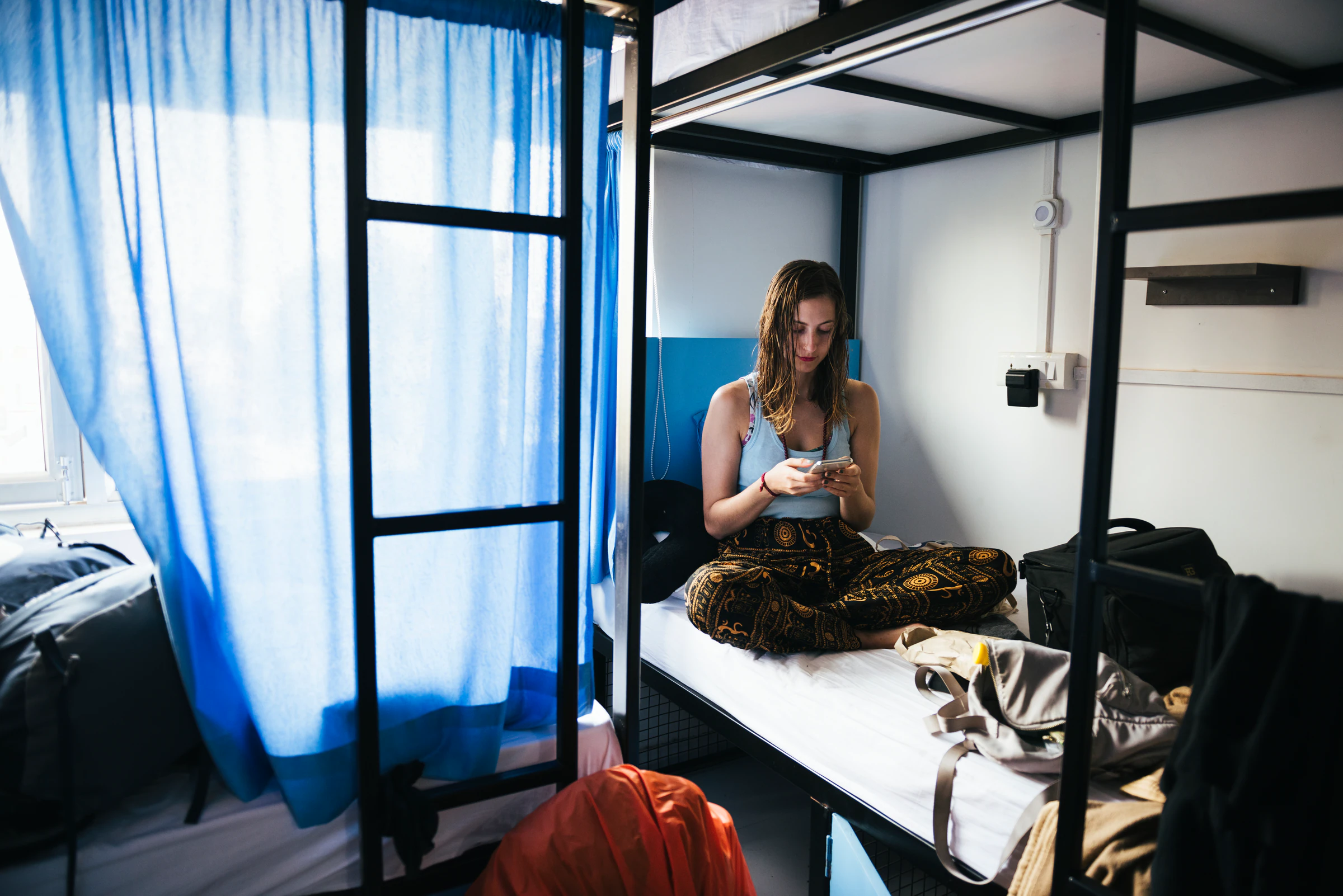
Dorm beds typically cost ₹300 to ₹800 across most of the country, with Goa and Rishikesh often at the cheaper end and Leh and the Andamans somewhat higher, from about ₹550 to ₹880. At the usual range that is roughly US$3 to $8 (£2 to £6) a night. Our India hostels guide has specific places to stay.
Food
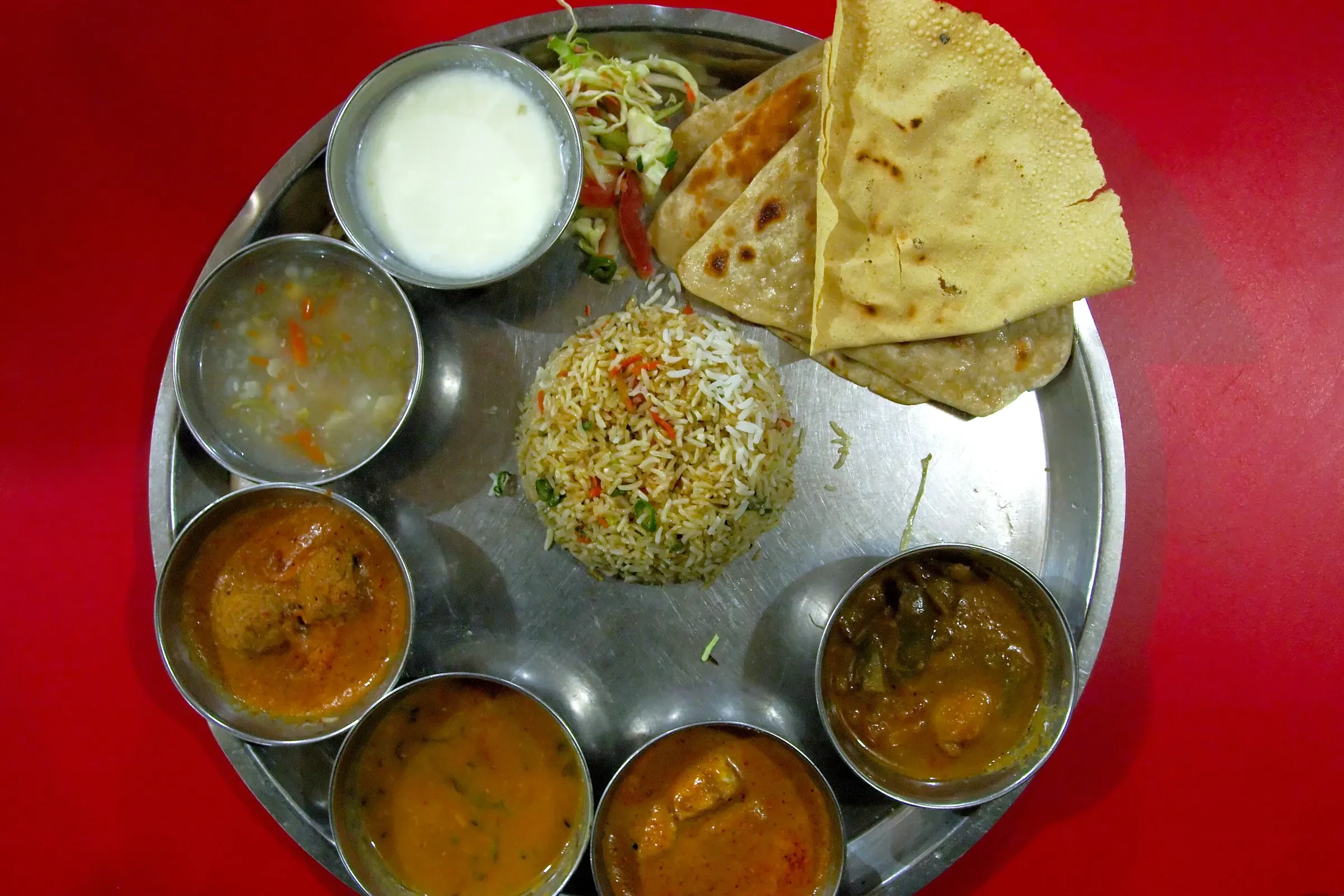
A thali or curry at a local restaurant costs about ₹150 to ₹500. If you're not eating with a group that includes meals, budget roughly ₹1,000 to ₹1,500 a day for food on top of your accommodation. Fish curry and beach-shack food in Goa runs a little higher, at about ₹200 to ₹400 a dish.
Trains
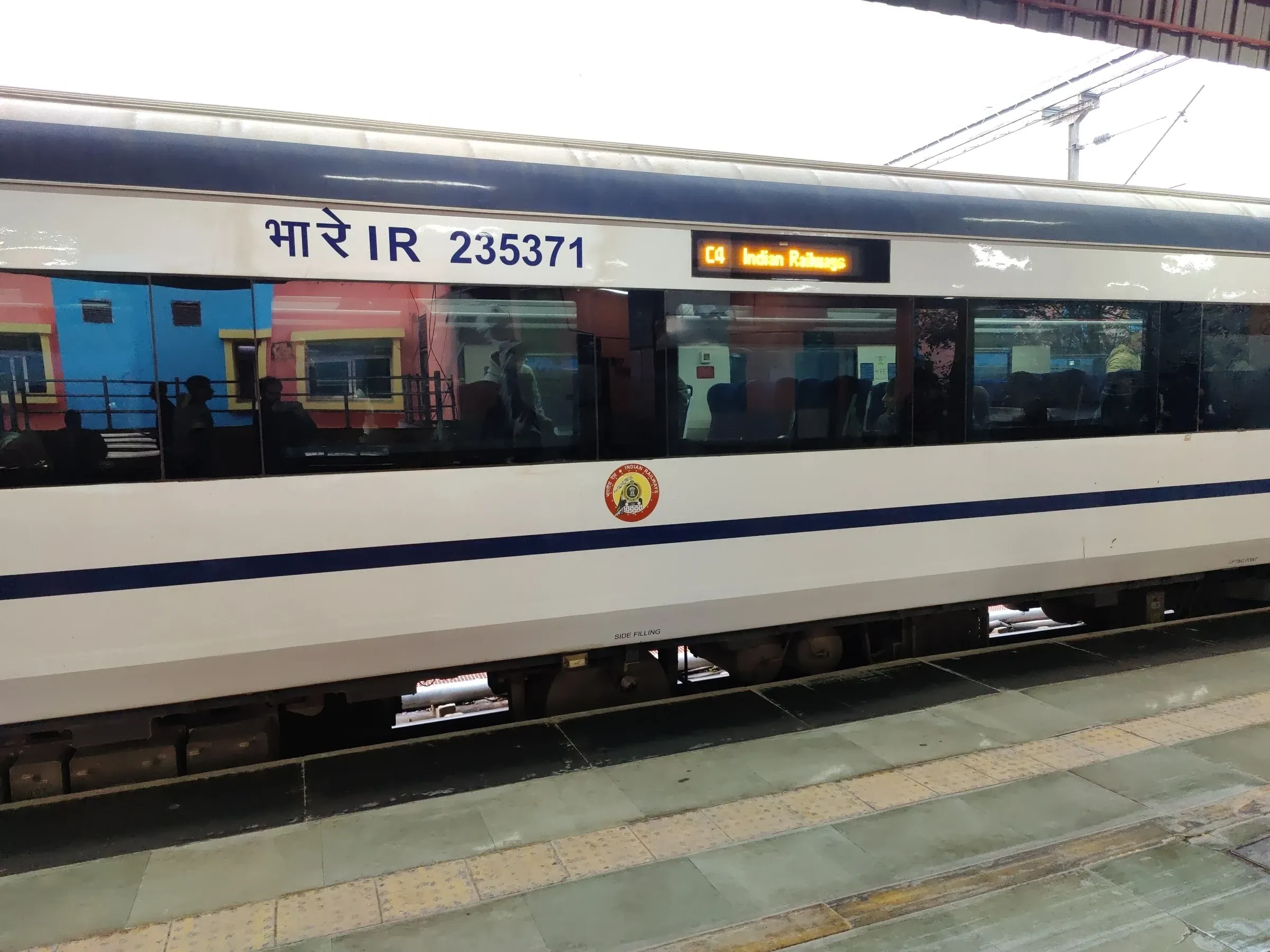
Trains are the best-value way to move around India, and the fare depends on the class. For foreign visitors, 3A (three-tier air-conditioned) and 2A (two-tier, with curtains) are the comfortable options on overnight journeys. Indicative fares from 2026 listings (they vary by train, day and how full it is):
| Route | Class | Fare |
|---|---|---|
| Varanasi to Agra (overnight, Marudhar Express) | 2A / 3A | ₹1,380 to ₹2,050 / ₹975 to ₹1,410 |
| Goa to Hampi (Vasco-Shalimar Express) | 2A / 3A | ₹850 to ₹1,100 / ₹600 to ₹800 |
| Hampi to Bengaluru (overnight, Hampi Express) | 2A | ₹1,200 to ₹1,400 |
Foreign passport holders can book some berths in 1A, 2A and executive chair classes through IRCTC's Foreign Tourist Quota up to 365 days ahead, against 60 days for the general quota. The quota does not cover 3A, so for 3A you book in the general window. Our India travel guide has the booking details.
Domestic flights
Flights are worth the extra cost on long hops where a train would eat a whole day. Indicative one-way fares from 2026 listings (they swing with the date and how early you book):
| Route | One-way fare |
|---|---|
| Delhi to Leh | From about ₹5,000 (US$52) |
| Udaipur to Mumbai | About ₹4,600 to ₹8,300 (US$48 to $86) |
| Bengaluru to Kochi | About ₹4,000 to ₹5,600 (US$42 to $58) |
Entry fees for the main sights
Monument fees for foreigners add up fast, since India charges a much higher rate for foreign visitors than for Indian nationals. The Taj Mahal is the one to plan for, and it is closed on Fridays. Fees below are 2026 figures; confirm at the ticket counter:
| Sight | Foreigner fee |
|---|---|
| Taj Mahal (₹1,100 entry plus ₹200 for the main mausoleum) | ₹1,300 |
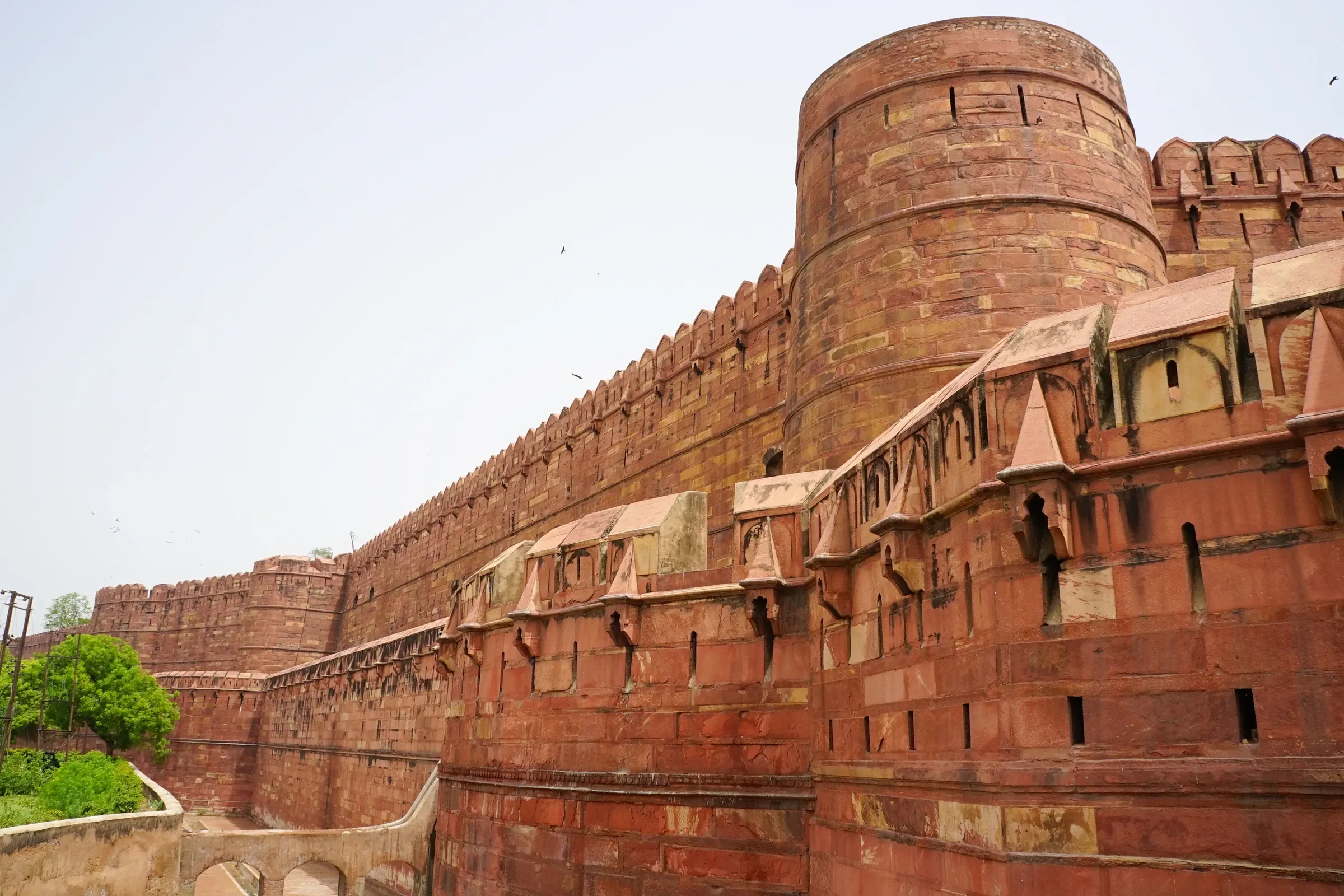
| Agra Fort | ₹650 |
| Humayun's Tomb, Qutub Minar or Red Fort | About ₹600 (a little less if booked online) |
| Amber Fort, Jaipur | About ₹1,000 (revised on 1 January 2026; some listings still show ₹500) |
| Jaipur composite ticket (2 days: Amber, Hawa Mahal, Jantar Mantar, Nahargarh) | About ₹1,000 to ₹1,200 per 2026 listings |
| Cellular Jail, Andaman Islands | ₹100 |
Licensed guides at the major sights, such as at the Taj Mahal or Agra Fort, typically charge around ₹1,500 to ₹3,000 for a half day, on top of the entry fee. Amber Fort and the composite ticket are 2026 listing figures, so confirm them at the counter.
SIM cards and staying connected
A prepaid SIM from Jio or Airtel costs about ₹299 to ₹350 for 28 days, with 1.5 GB of data a day, in 2026 listings. Airtel has registration counters in the international arrivals halls at Delhi and Mumbai, where activation takes about 15 minutes with your passport, visa and a local address. Airport prices run higher than city shops, and Jio sells through city stores. Check current plans on the operators' own sites. Note that a SIM bought elsewhere in India often doesn't work in Ladakh; see our Ladakh guide for the local workaround.
Backpacking India: a route and money-saving tips
A month is a realistic length for a backpacking route that goes north to south without rushing: the Golden Triangle and Rajasthan, then a flight to Mumbai, the coastal train down to Goa, a train on to Hampi's temple ruins, and a finish in the Kerala backwaters. At the national daily rate this guide uses, three weeks of day-to-day spending (food, trains, dorms) works out to roughly ₹61,000 to ₹71,000 (about US$635 to $740), before flights, the visa and one-off entry fees. See our India itinerary guide for the same route broken down by length.
A few ways to keep the cost down:
- Book trains on the Foreign Tourist Quota as early as your 365-day window allows for 1A, 2A and executive chair, since it is a separate, smaller allocation and the best berths go first.
- Take the overnight train instead of a flight where the timing works, since you save a night's accommodation as well as the fare.
- Eat where the locals eat. A thali at a local restaurant costs a fraction of the same meal at a hotel restaurant, and it's usually better.
- Buy the composite tickets where they exist, such as Jaipur's, rather than paying for each sight separately.
- Travel in the shoulder months. September and October are cheaper than the December to February peak on the plains, in Rajasthan, Goa and Kerala alike; see the best time to visit India.
Plan an India trip with us
Every cost above is for travelling independently. Our small-group trips for solo travellers aged 18 to 40 bundle accommodation, transport, some meals and licensed local guides into one upfront price, with a Trip Host travelling with the group throughout.