Thailand is one of the easiest countries in Southeast Asia to travel on your own. Trains, buses and ferries link almost everywhere, hostels are social, street food is cheap and good, and you'll meet other solo travellers at almost every stop. The hard part is choosing. The country has two separate island coasts with opposite weather, a mountainous north that fills with smoke in March, and far more places than one trip can hold.
Below you'll find how long to stay, what each region is like, when to go, how to get around and what it costs, with links to the detailed guides and to our trips.
How many days do you need in Thailand?
Two weeks is the sweet spot for a first trip: enough for Bangkok, the north and one group of islands without rushing. One week works if you pick two areas instead of three. Our main Thailand itinerary guide compares all the options, and each length below has its own detailed plan.
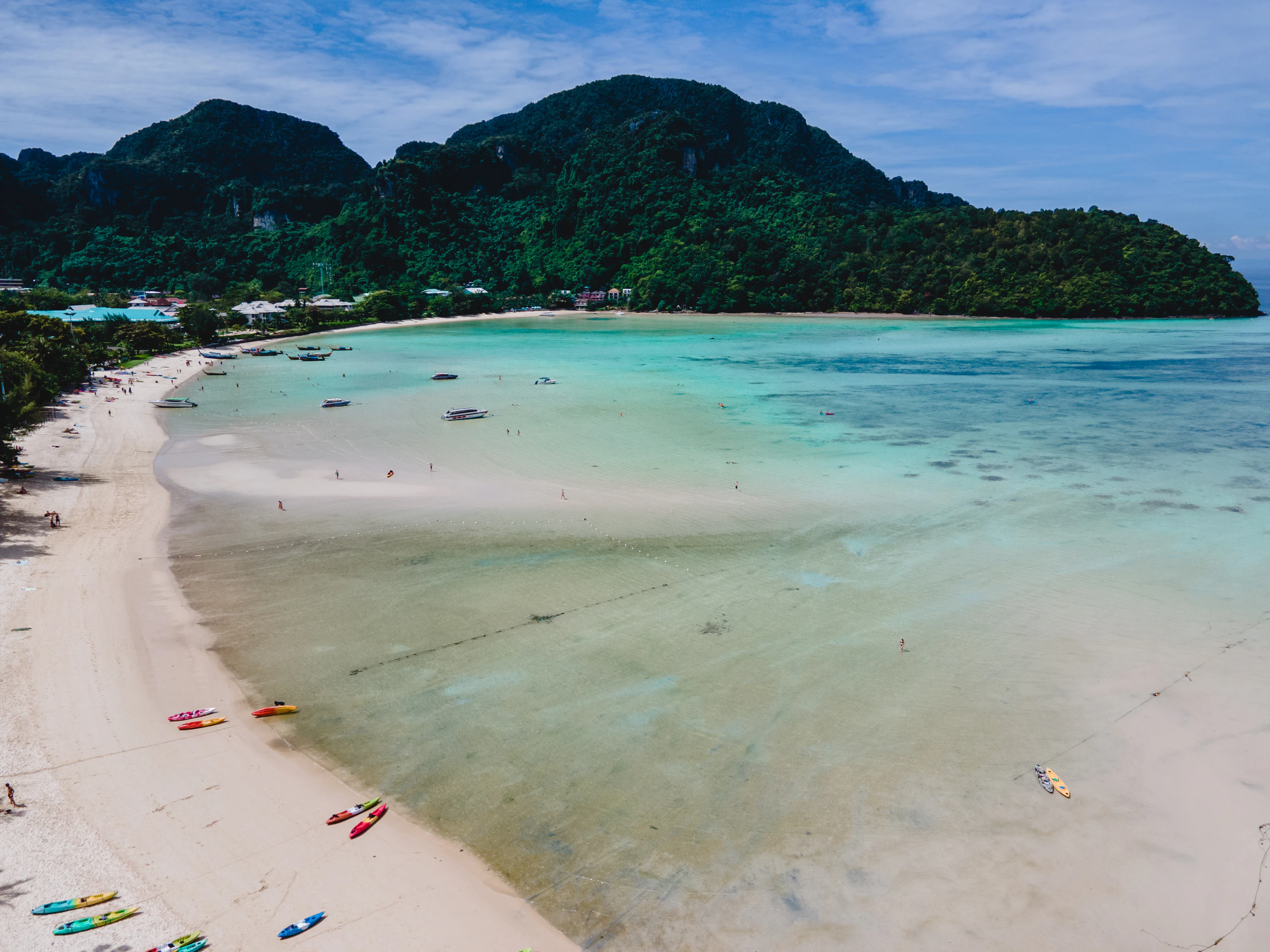
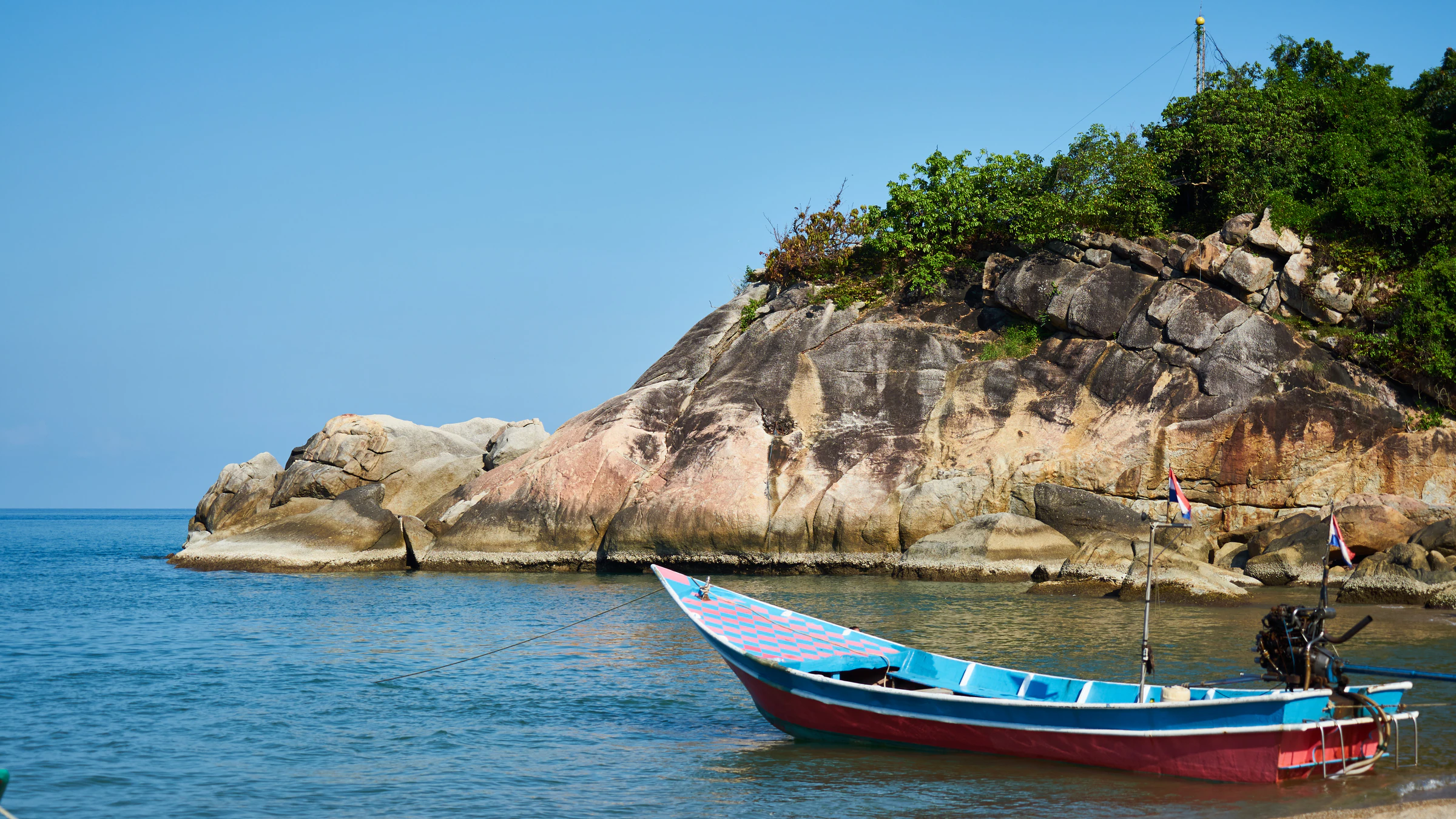
Andaman coast itinerary: Phuket, Krabi, Phi Phi and Lanta
Ao Nang, Railay, Koh Phi Phi and Koh Lanta, linked by short ferry hops.
Best for Limestone islands, longtail boats
Gulf islands itinerary: Samui, Phangan and Tao
Three islands joined by fast ferries, from resort Samui to sleepy Koh Tao.
Best for Diving, parties, quieter beaches

Northern Thailand itinerary: Chiang Mai, Pai and Chiang Rai
The classic loop north of Bangkok, best before the March burning season.
Best for Temples, mountains, cooler air

The Mae Hong Son Loop
A longer ring road out of Pai for riders with a proper licence.
Best for Motorbike route, mountain villages
Thailand in 1 week
With seven days, pick two of the three: Bangkok, the north or the islands. A popular route is Bangkok, the overnight train to Chiang Mai, then a flight to the Gulf islands. It works, but only because the train saves a hotel night. Avoid trying to add Pai or a second island. The 7-day Thailand itinerary has the day-by-day version.
Thailand in 10 days
Ten days lets you choose between a mainland-and-islands mix (Bangkok, Chiang Mai, Pai, then a short flight south) or an islands-only trip. From January to April, when both coasts are dry, you can combine the Andaman side (Krabi, Koh Lanta, Phi Phi) with Koh Phangan by taking the direct Krabi to Samui flight. See the 10-day Thailand itinerary and our island hopping guide.
Thailand in 2 weeks
This is the classic: two nights in Bangkok, the sleeper train north, two nights in Chiang Mai, three in Pai, then five nights split between two Gulf islands. Three nights in Pai matters. It's a slow town, and one night there is mostly spent recovering from the drive. The 2-week Thailand itinerary covers the route night by night.
Thailand in 3 weeks
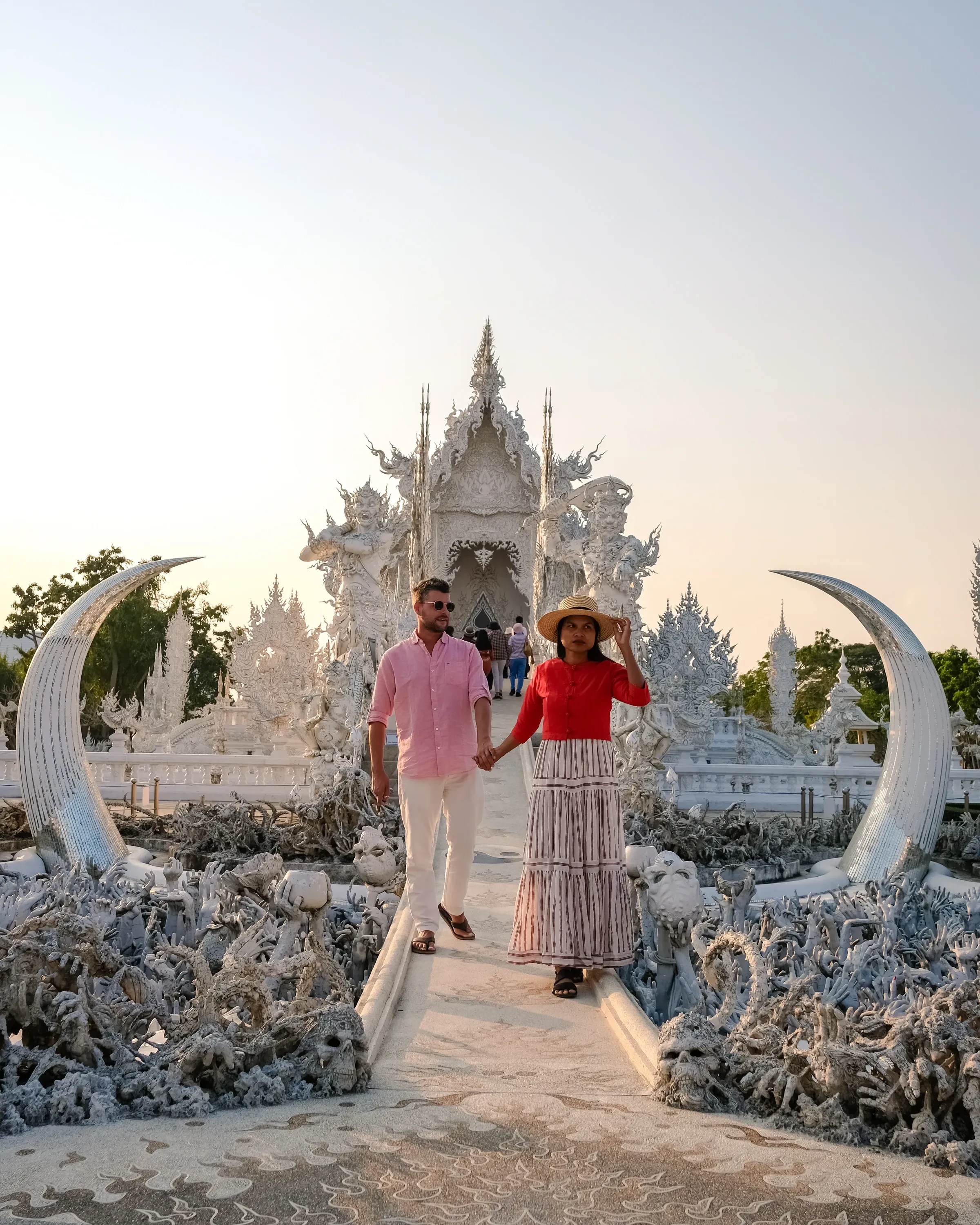
Three weeks lets you add a second coast or a slower north. Good additions are Chiang Rai (the White Temple is about 3 to 4 hours from Chiang Mai by bus, and costs 200 baht to enter since January 2026), Khao Sok's jungle lake and its floating raft houses, or a few nights on the Andaman side around Krabi. The 3-week Thailand itinerary shows three ways to do it.
Thailand in 1 month
A month is enough to see the country properly and still have lazy days. Most people add a long stretch on one island, a Koh Tao dive course (the PADI Open Water takes about three to three and a half days) or a border crossing into Laos by the slow boat down the Mekong to Luang Prabang, which takes about two days with a night in Pakbeng. Start with the backpacking Thailand guide for a month-long route and budget, and remember that a 30-day visa-free stay needs an extension if you're staying longer (see the visa section below).
Thailand's regions at a glance
New to planning this? Where to go in Thailand breaks the country down region by region, things to do in Thailand covers the experiences worth planning around, and Bangkok vs Chiang Mai is a good starting comparison if you're only deciding between the two cities.
Bangkok
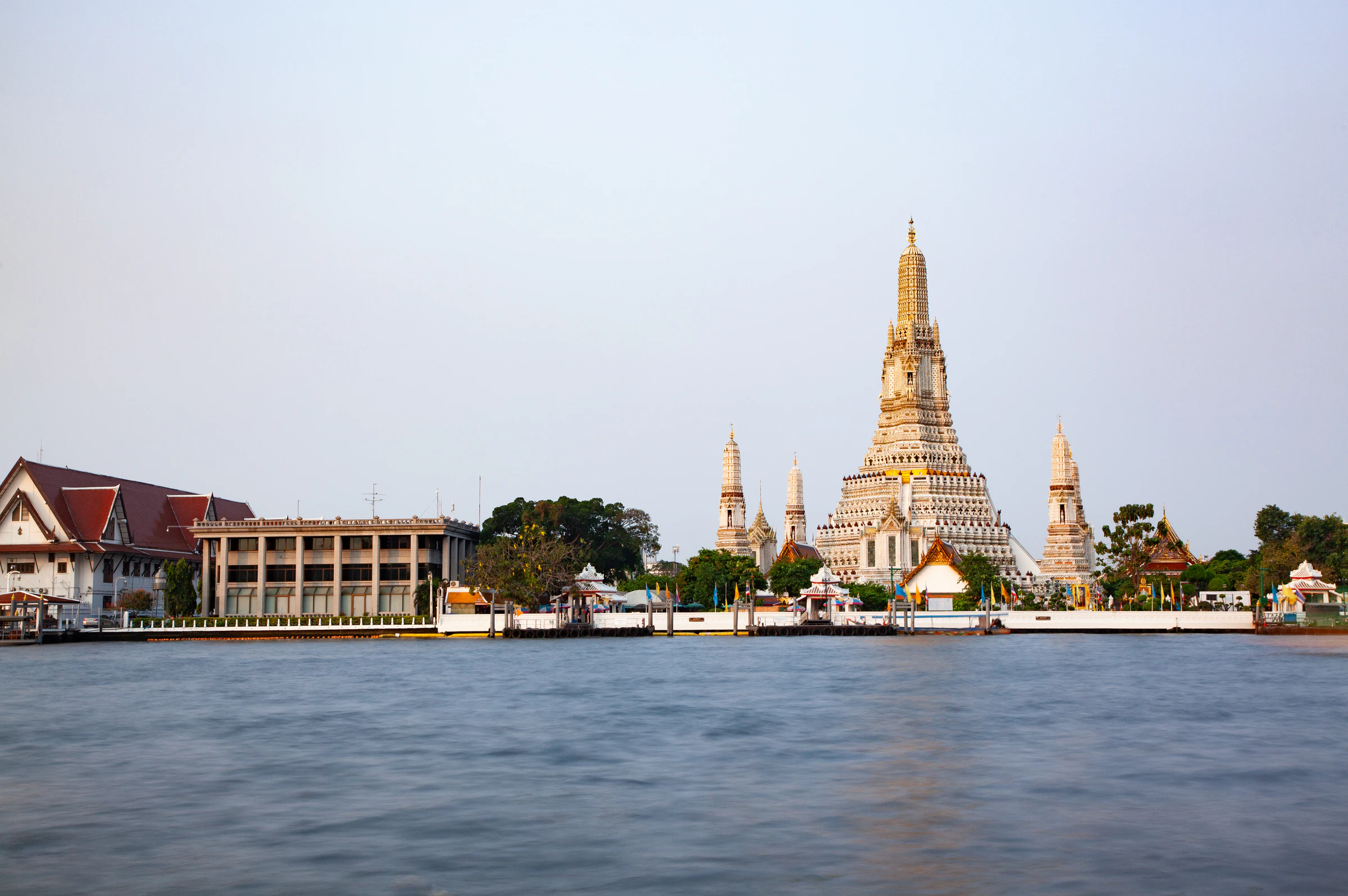
Nearly every trip starts here. Give it two nights: one for the river temples (Wat Pho, Wat Arun and the Grand Palace, where shoulders and knees must be covered) and one for Chinatown's street food on Yaowarat Road. The long-distance trains north now leave from Krung Thep Aphiwat Central Terminal, not the old Hua Lamphong station. See things to do in Bangkok and Bangkok street food for the detail, hostels in Bangkok and the Khao San Road hostel guide for where to sleep, and the best time to visit Bangkok for the weather. Two easy day trips from the capital are Ayutthaya, the old capital's temples by bike, and Kanchanaburi, for the River Kwai and Erawan Falls. The Bangkok guide also covers getting from Bangkok to Koh Tao.
Chiang Mai, Pai and the north
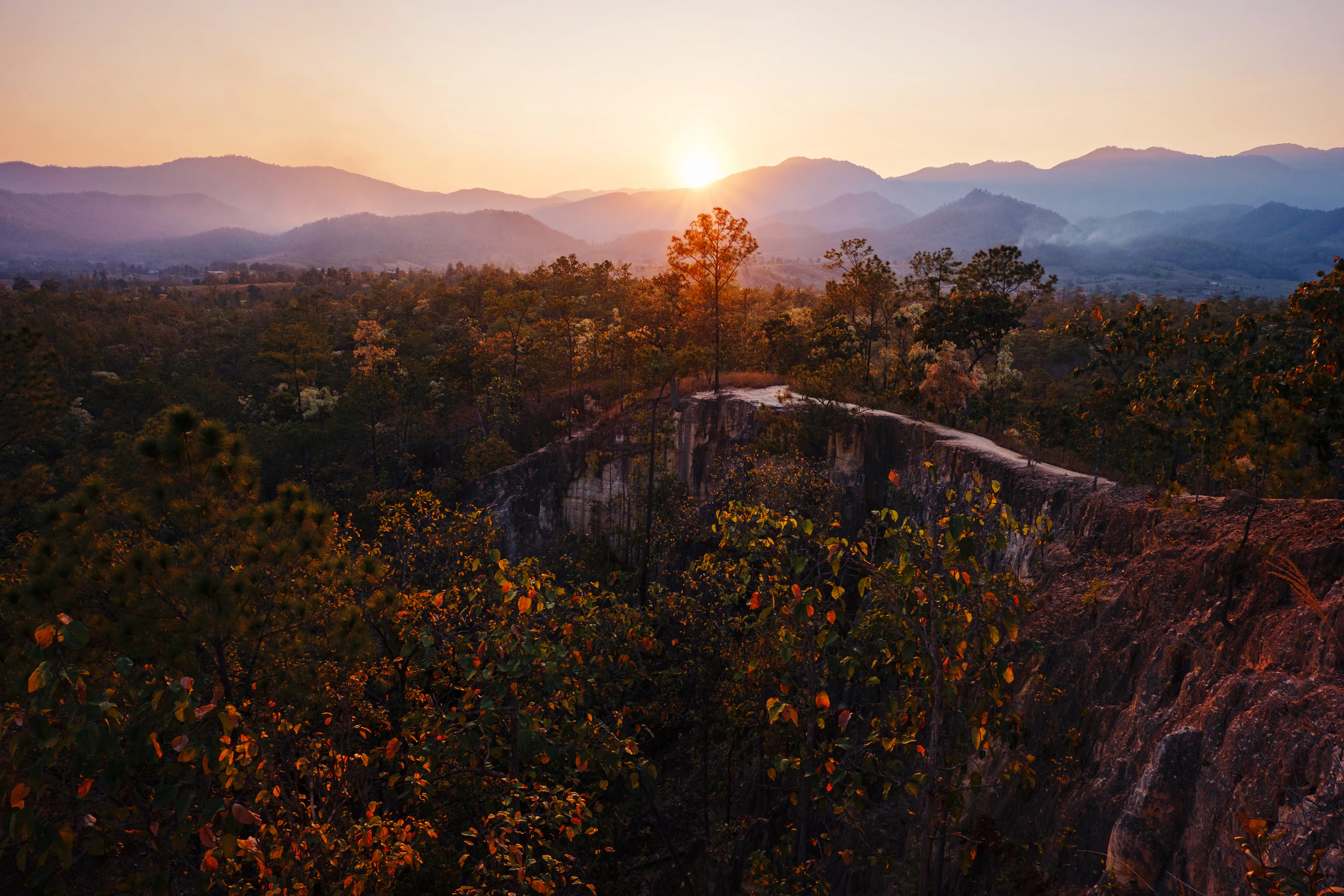
The north is cooler, greener and slower than the south. Chiang Mai has an old walled city of temples, night markets, cooking classes on farms outside town, and elephant sanctuaries. Pick an observation-only one where there's no riding and no bathing the elephants. Pai is a small valley town about three hours further on, along a road with about 762 bends, known for its canyon sunsets, hot springs and waterfalls. Chiang Rai sits closer to the Laos border, and riders with a motorcycle licence and an International Driving Permit that covers motorcycles can extend the loop with the Mae Hong Son Loop out of Chiang Mai.
Read the Chiang Mai guide, things to do in Chiang Mai, Chiang Mai food, Chiang Mai hostels, Chiang Mai weather by month, the Pai guide and things to do in Pai. For the full loop, see our Northern Thailand itinerary.
The Gulf islands: Koh Samui, Koh Phangan and Koh Tao
These three sit in a line in the Gulf of Thailand, joined by ferries that take 30 minutes to about an hour and a half between them. Samui has the airport and the resorts. Phangan has quiet northern beaches, Bottle Beach and the Full Moon Party at Haad Rin. Tao is small, with clear water, and it's where a lot of people learn to dive. The Gulf's rainy season is October to December, peaking in November, which is the opposite of the Andaman side. Not sure which island fits you? Koh Samui vs Koh Phangan vs Koh Tao compares them, and our Gulf islands itinerary links all three into a route.
See the guides to Koh Phangan, things to do on Koh Phangan, Koh Samui, things to do on Koh Samui, Koh Tao, Koh Tao diving and Koh Samui diving. For party dates, see our Full Moon Party guide.
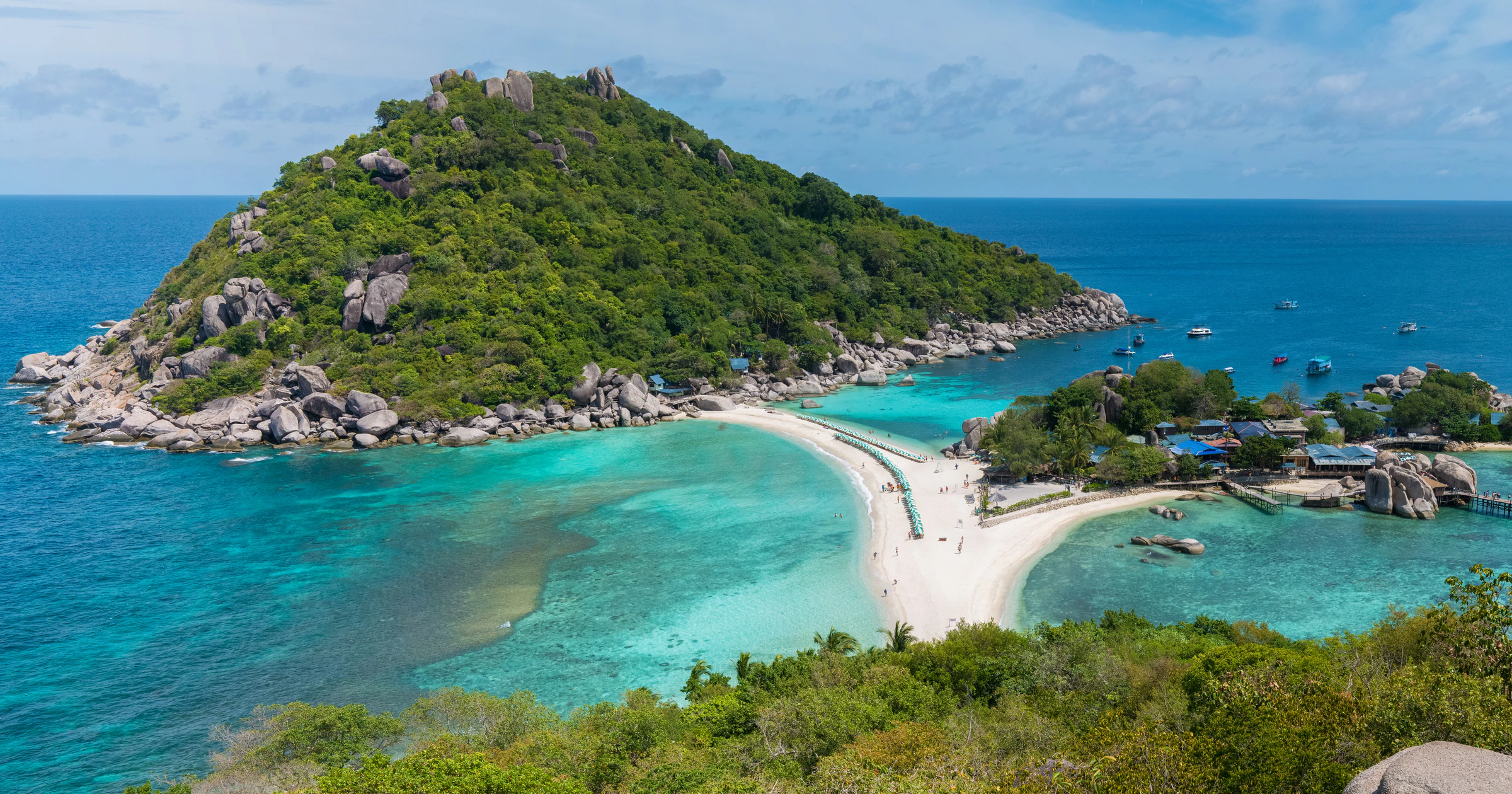
The Andaman coast: Phuket, Krabi, Phi Phi and Phang Nga Bay
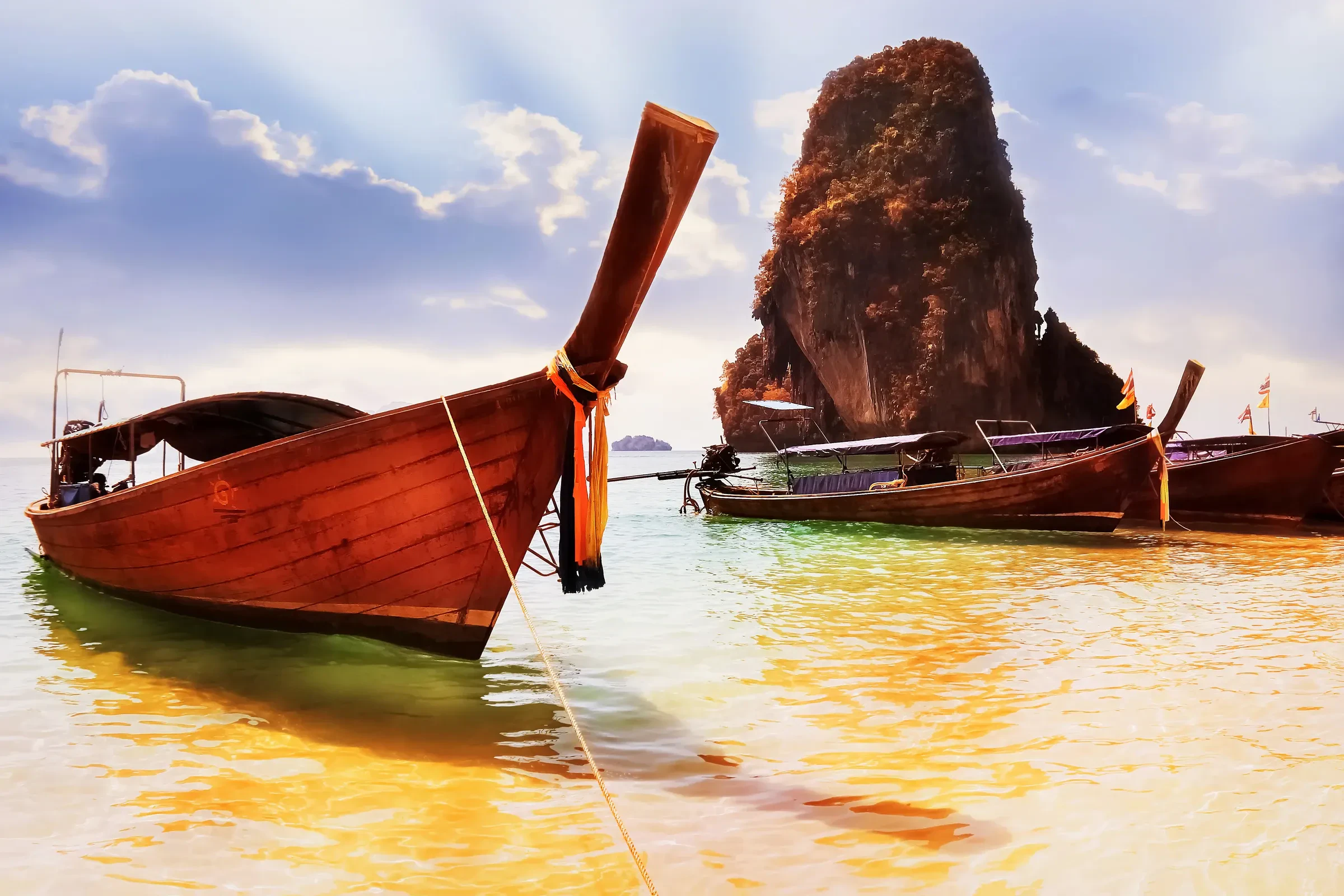
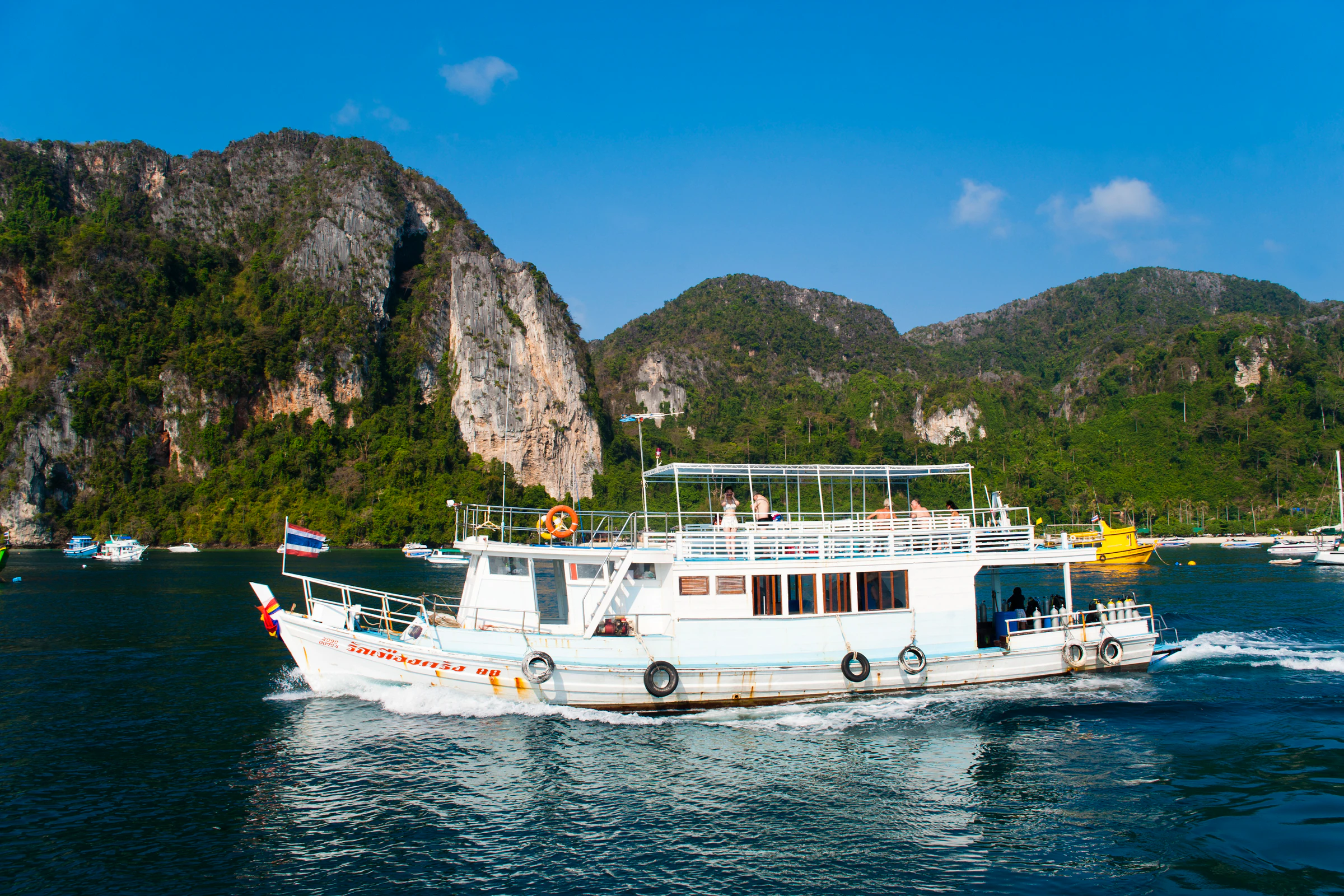
The west coast is where the limestone cliffs rise out of the sea. Phuket is the big, busy island with the airport, and Krabi, across the bay, covers Ao Nang and Railay's longtail boats to the islands. Koh Lanta is long and laid-back, Koh Phi Phi is small and lively, and Koh Lipe, further south, is the quietest of the group. Maya Bay closes every August and September so the reef can recover. In 2026 it reopened on 1 October, with timed entry and no swimming. Inland, Khao Sok has a jungle lake with floating raft houses, reached from either Surat Thani or the Andaman coast.
In Phang Nga Bay, between Phuket and Krabi, Koh Yao Yai and Koh Yao Noi are the quiet option: fishing villages, rubber plantations and empty beaches, reached by boat from Phuket. Boats from Bang Rong pier on Phuket take about 15 to 30 minutes to Koh Yao Yai and about 30 minutes to Koh Yao Noi, and there are boats from Krabi too. The villages are mostly Muslim, so cover your shoulders and knees away from the beach. There's no bar strip, and alcohol is mostly served at resorts. Koh Yao Yai is the bigger and quieter of the two.
The Andaman coast is dry and calm from about November to April. From May to October the southwest monsoon brings rough seas, and some boats and resorts close. Deciding where to base yourself? Krabi vs Phuket and Phuket vs Koh Samui cover the trade-offs, and the Andaman coast itinerary links the whole coast into one route. Read the Phuket guide, things to do in Phuket, the best time to visit Phuket, island hopping in Thailand and Phuket diving.
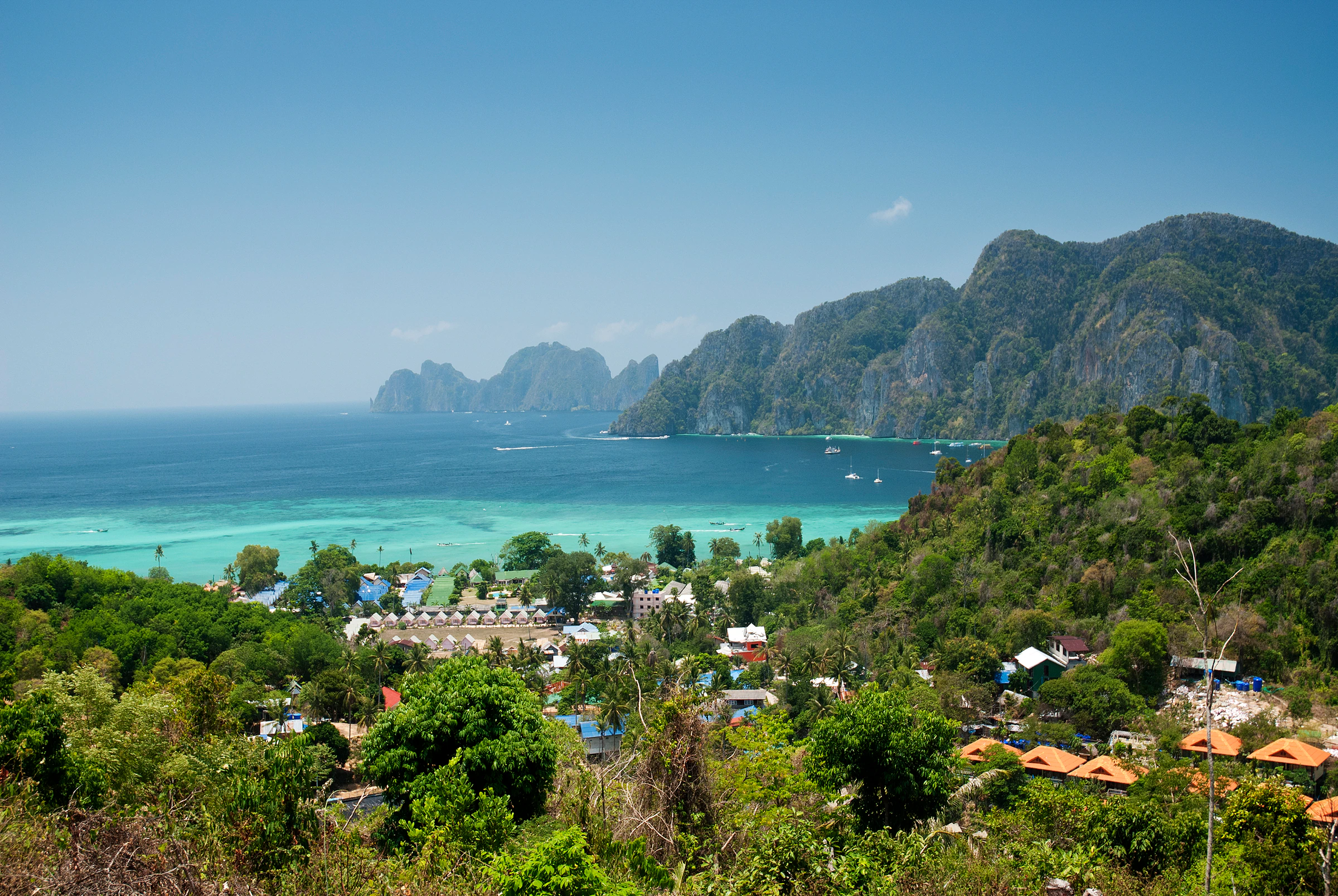
Best time to visit Thailand
There's no single best month for the whole country, because the two island coasts and the north each have their own season. This is the short version. Our best time to visit Thailand guide goes month by month.
| When | Bangkok | North (Chiang Mai, Pai) | Gulf islands | Andaman coast |
|---|---|---|---|---|
| Mid-Dec to Feb | Dry, about 32°C | Cool and dry. Pai nights can drop to about 10°C | Dry and calm | Dry and calm |
| Late Feb to Apr | Hot, up to 35 to 40°C in April | Smoke from crop burning, worst in March | Good | Good |
| May to Aug | Rainy season starts | Green, with showers | Fairly dry | Monsoon, rough seas |
| Sep | Wettest month | Heavy rain | Mixed | Monsoon |
| Oct to Nov | Drying out | Good, very green | Monsoon, peaking in November | Drying out from November |
So the best window for a trip that takes in both the north and the islands is mid-December to about 20 February. June to August is a good second choice if you pair the north with the Gulf islands. Avoid the north from about February to April if you can, because the smoke is bad enough that some districts, Pai included, were declared disaster zones in 2026.
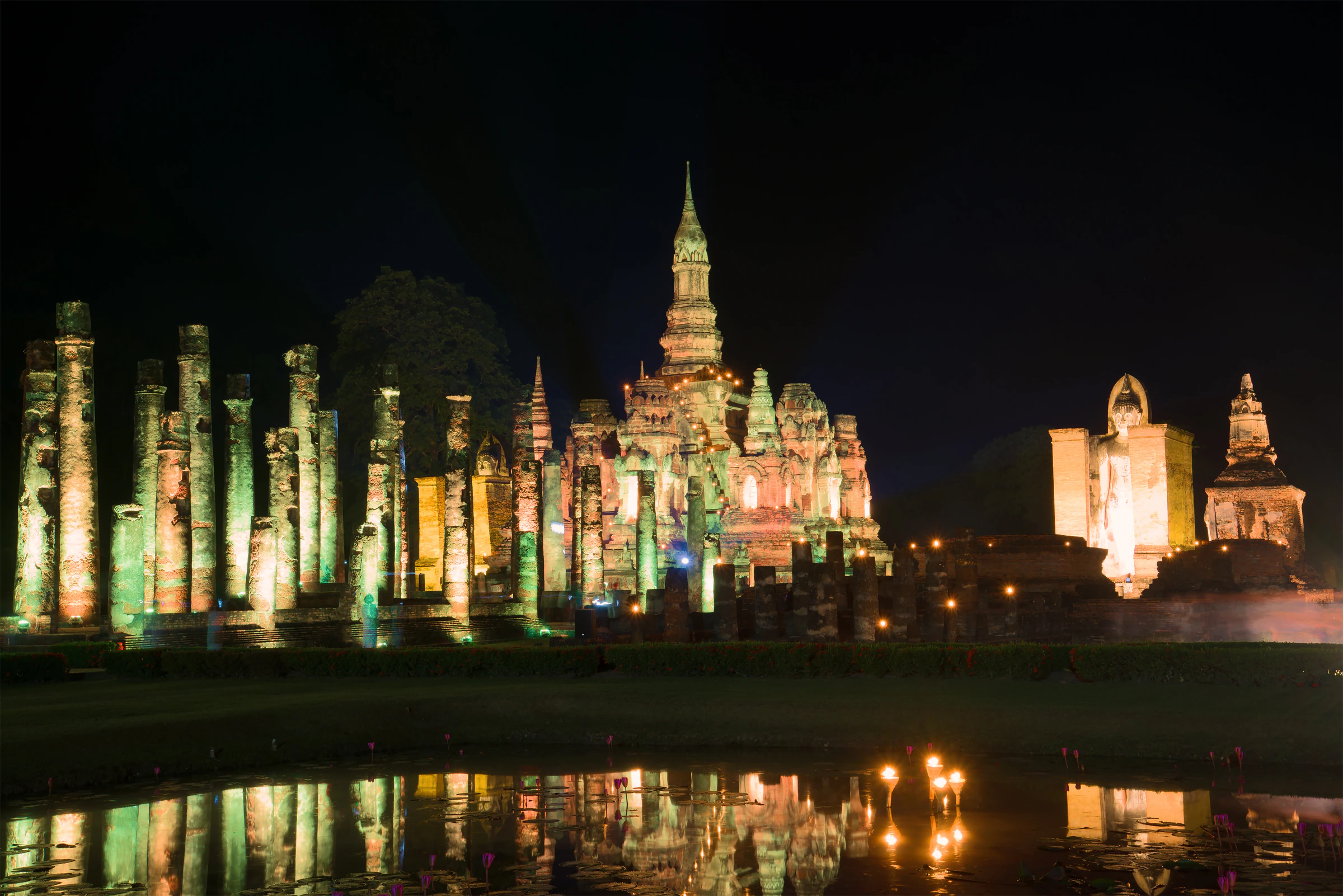
Festivals are worth planning around. Songkran, the Thai New Year water festival, runs from 13 to 15 April every year. Loy Krathong falls on 24 November 2026, and Chiang Mai's Yi Peng lantern festival happens at the same time; Sukhothai, the old capital, holds its own Loy Krathong among the ruins. Phuket has its Vegetarian Festival in October, and the northeast has Phi Ta Khon, the ghost festival in Dan Sai. Our Thailand festivals calendar covers the rest of the year, and Chiang Mai weather has more on the northern months.
Getting around Thailand
Train. The overnight sleeper from Bangkok to Chiang Mai (Special Express 9, leaving at 18:40 and arriving about 07:15) is one of the best journeys in the country, and it saves a night's accommodation. Published 2nd-class fares are about 940 baht for an upper berth and about 1,040 baht for a lower one, so check the State Railway's D-Ticket site for today's price. Tickets go on sale up to 180 days ahead, and lower berths sell out fast.
Domestic flights. Flights from Bangkok to Chiang Mai take about 1 hour 15 minutes. Bangkok Airways flies direct from Chiang Mai to Koh Samui, and from Krabi to Samui in about 50 minutes, which is how you get from the north or the Andaman coast to the Gulf in half a day instead of a full day on buses and boats.
Minivans and buses. Minivans cover the shorter hops, such as Chiang Mai to Pai (3 to 4 hours, about 150 to 360 baht). Take a travel-sickness tablet for that road.
Ferries. Lomprayah, Seatran and Songserm run between the Gulf islands and to the mainland piers at Chumphon and Surat Thani. On the Andaman side, ferries link Krabi, Phi Phi, Lanta and Phuket, mainly from November to April. In the Gulf's monsoon, especially November, sailings can be cancelled for days, so don't book a flight home for the same day as a ferry.
Scooters. You'll see everyone riding them, but to ride legally you need a motorcycle licence from home plus an International Driving Permit that covers motorcycles. Without both, a crash is usually not covered by travel insurance, and police checkpoints fine unlicensed riders. We don't arrange scooter rental on our trips. In Bangkok and Phuket, Grab and Bolt are the easiest way to get a taxi at a fair price.
How much does Thailand cost?
Thailand is still good value. These are typical 2026 prices, not counting where you sleep:
| Item | Typical price (baht) |
|---|---|
| Street-food dish (pad thai, noodle soup) | 50 to 80 |
| Meal in a tourist-area restaurant | 180 to 350 |
| Large Chang or Leo in a bar | 80 to 120 |
| One-hour Thai massage | 250 to 350 |
| Scooter hire for a day | 150 to 350 |
| 1.5 litre bottle of water | 15 to 20 |
For food, drinks and getting around, most people spend about 1,000 to 1,500 baht a day (about US$30 to US$45). Budget travellers manage on 700 to 900 baht. The islands cost 20 to 40% more than the mainland, and party nights and rooftop bars add up quickly. A dorm bed costs from about 100 to 200 baht in Chiang Mai and from about 300 baht in Bangkok. At September 2026 rates, US$1 is about 33 baht.
Big optional costs to plan for: a Muay Thai night at Bangkok's Rajadamnern stadium starts at 1,500 baht, a Discover Scuba dive on Koh Tao costs about 2,500 to 4,000 baht, and the Grand Palace is 500 baht. Our Thailand cost guide breaks down what a whole trip costs, our food guide covers what to eat region by region, and hostels in Thailand covers where to stay.

Visas and arrival
Since 15 September 2026, travellers from the UK, US, Canada, Australia, New Zealand, Ireland, every EU country and India can stay 30 days without a visa, for tourism only (the limit used to be 60). You can ask to extend once at an immigration office for another 30 days, at the officer's discretion. Everyone also files the free Thailand Digital Arrival Card (TDAC) online in the three days before landing. A tourist entry fee has been proposed for years but isn't being collected yet. The latest plan is a flat 450 baht, with collection reported to start in early 2027 for air arrivals first. Rules change, so check our Thailand visa guide and the page for your passport: UK, US, Australia, Canada, Europe or India.
Travelling solo in Thailand
Thailand is used to solo travellers, and hostels, walking tours and island boat trips make it easy to meet people. The risks are mostly ordinary ones, and they're worth knowing before you go:
- Drinks. The UK Foreign Office warns about methanol in alcoholic drinks and about drink spiking, especially at full moon parties. Buy sealed drinks and don't share buckets with strangers.
- Drugs. Penalties are heavy. Recreational cannabis sales have been banned since June 2025, and you now need a medical prescription.
- Roads. Scooter crashes are common, especially on island hills and mountain roads. See the licence rules above.
- Your passport. Never leave it as a deposit for a scooter.
Our guide to whether Thailand is safe for solo female travellers goes into more detail, and our Southeast Asia packing list covers what to bring.
How does Thailand compare to other destinations?
Deciding between countries rather than regions within Thailand? We've compared it directly: Thailand vs Vietnam for a first trip to Southeast Asia, Thailand vs Bali for beaches and cost, Thailand vs Sri Lanka for beaches and wildlife, and Thailand vs India if South Asia is also on your shortlist.
Thailand group trips for solo travellers
If you'd rather not plan it all yourself, our trips cover the routes above with a small group of solo travellers aged 18 to 40. Your Trip Host travels with the group the whole way, and licensed local guides lead the visits that need them. You can compare every route on our Thailand group trips page, including Muay Thai camps in Thailand if you want to build a trip around an activity.
If you want to learn to dive, our dedicated Koh Tao trip fits a full PADI Open Water course into a week, with two nights on Koh Phangan for the Full Moon Party at the end.
Heading on to Laos? Our Thailand & Laos trip covers Chiang Rai and Chiang Mai, then flies on to Luang Prabang before finishing in Vang Vieng and Vientiane.