What makes Kochi different
Kochi has been a working port for centuries, and it shows: Portuguese, Dutch, British and Jewish traders all left buildings, street names and food behind them in a few square kilometres of Fort Kochi and Mattancherry. It's an easier, gentler introduction to India than Delhi or Mumbai, walkable rather than overwhelming, and it doubles as the usual entry and exit point for a wider Kerala trip, since Cochin International Airport has direct flights from Mumbai, Goa, Bengaluru and the Gulf.
Where to go in Kochi
Fort Kochi: half a day to a full day
The old European quarter sits on a spit of land facing the harbour, and it's where the Chinese fishing nets, St Francis Church and most of the cafés and heritage stays are. It's flat and compact enough to cover on foot or by bicycle in a morning, though a slower half-day plus an evening for the fishing nets at sunset suits it better. Give it half a day at minimum, a full day if you're adding a Kathakali show in the evening.
Mattancherry and Jew Town: half a day
A short walk or auto ride south of Fort Kochi, Mattancherry was the old spice-trading quarter, and Jew Town, its narrow lane of antique shops and the Paradesi Synagogue, sits at the end of it. Mattancherry Palace's mural-covered rooms and Jew Town's warehouses (some still stacked with sacks of cardamom and pepper) are worth a slow half-day rather than a rushed hour.
Ernakulam: the mainland, if you need it
Across the harbour from Fort Kochi, Ernakulam is Kochi's modern commercial half, with the main railway stations and most of the city's hotels outside the heritage area. Most solo travellers based in Fort Kochi have no reason to cross over except to change trains or catch a flight, but it's a quick, cheap ferry or Water Metro ride if you do.
Things to do in Kochi
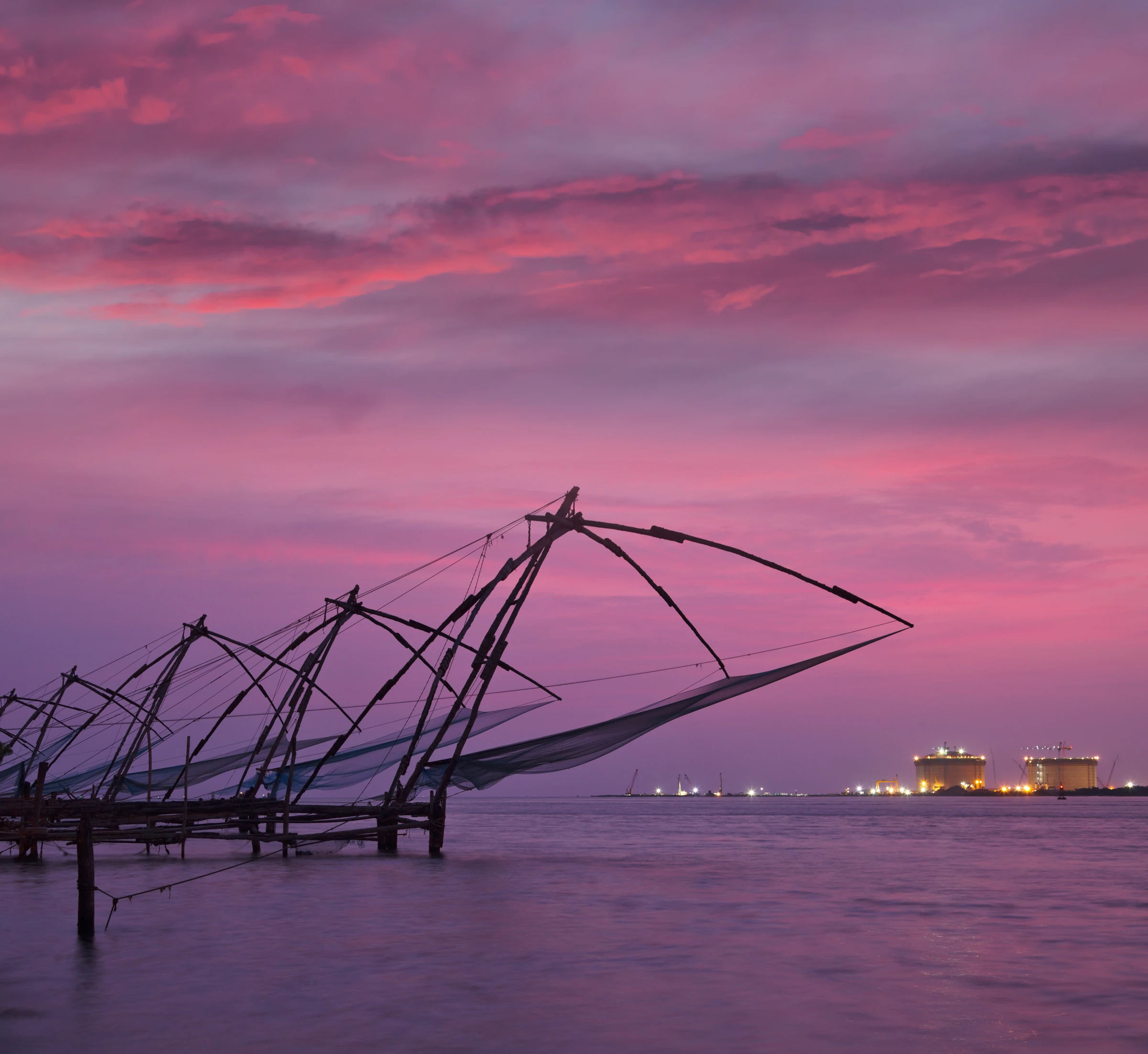
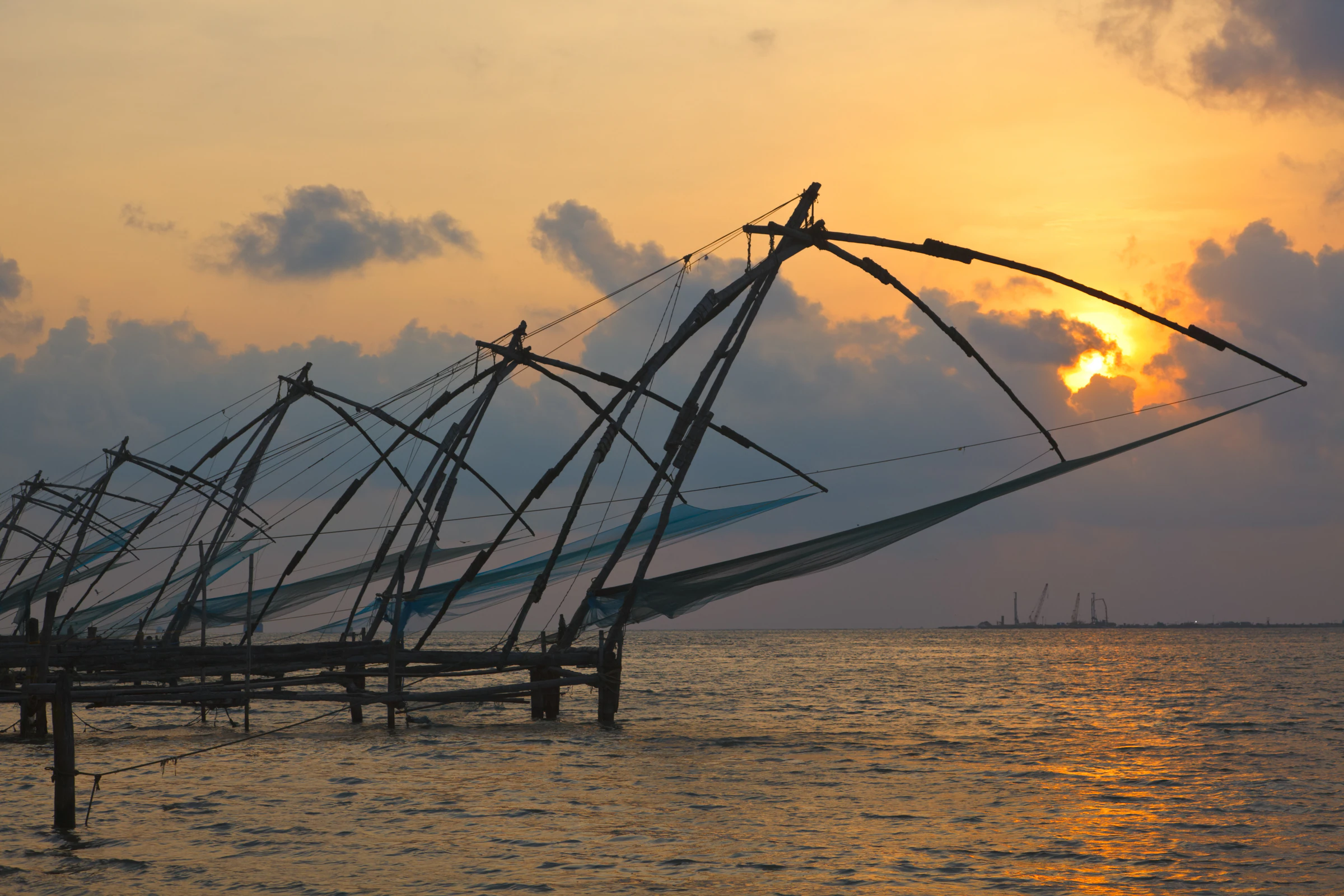
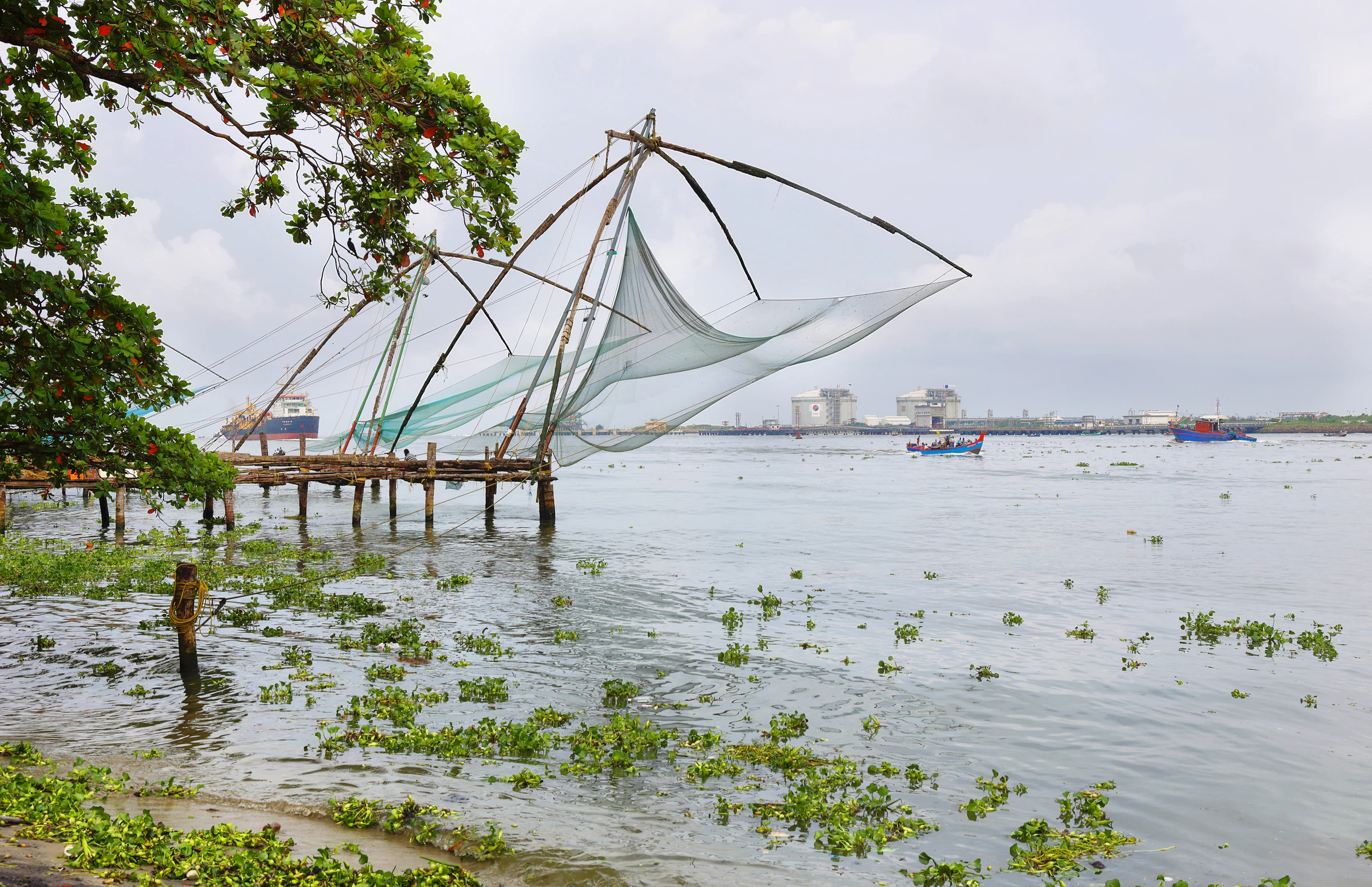
The Chinese fishing nets. Set up along the shore near Vasco da Gama Square, these cantilevered nets, worked by teams of four or five men on a counterweight system, are Kochi's best-known image, especially at sunset when the light catches the wooden frames. There's no entry fee to walk along and watch, though a fisherman who lets you help lower a net will usually expect a small tip for the trouble.
Mattancherry Palace. Built by the Portuguese and later renovated by the Dutch (hence its other name, the Dutch Palace), it holds a set of 16th and 17th-century murals depicting Hindu epics across several rooms, plus royal portraits and palanquins. It's open 10am to 5pm every day except Friday. Kerala Tourism lists a ₹5 entry fee, though some listings quote more for foreign visitors, so check at the ticket window. Photography inside isn't allowed.
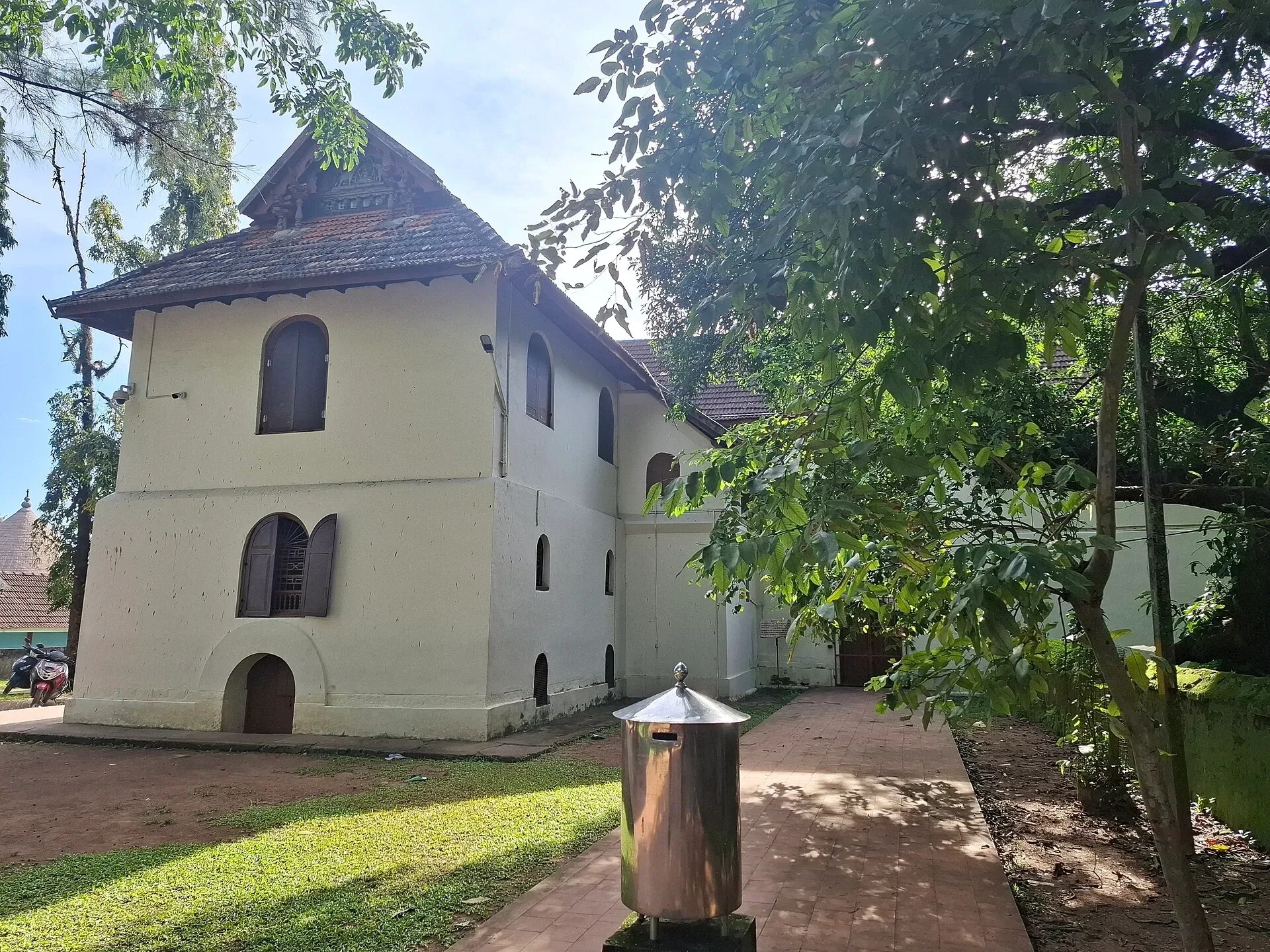
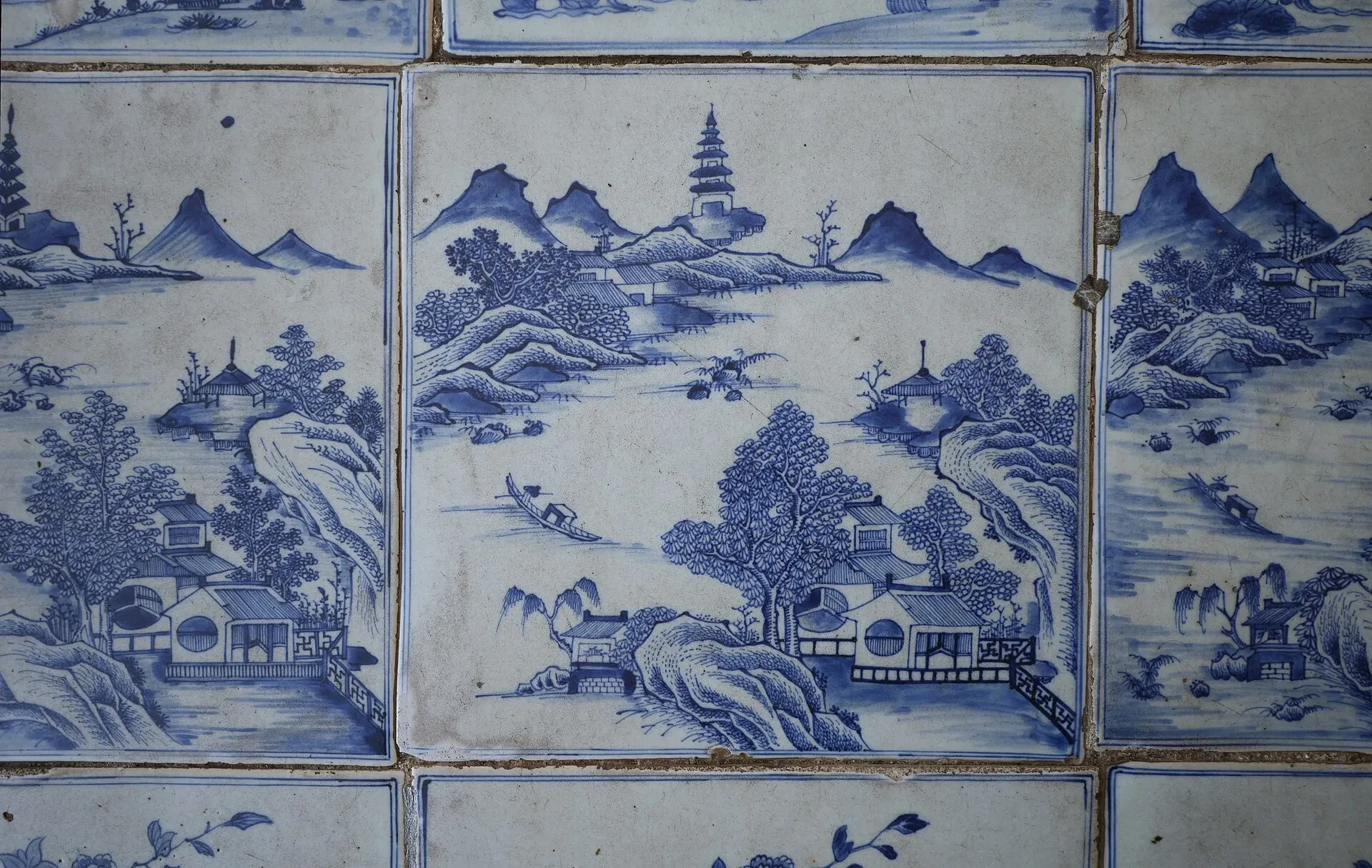
The Paradesi Synagogue. India's oldest active synagogue, built in 1568, sits at the end of Jew Town's main lane and is still floored with hand-painted 18th-century Chinese willow-pattern tiles. It's open in two sessions, mornings and afternoons (listings give about 10am to noon and 3 to 5pm), and closed on Saturdays for the Jewish sabbath and on Jewish holidays. Several listings also show it closed on Fridays, so check the day's hours locally. Entry fees are small, but listings disagree on the foreign-visitor price, from ₹5 to ₹100, so check at the door.
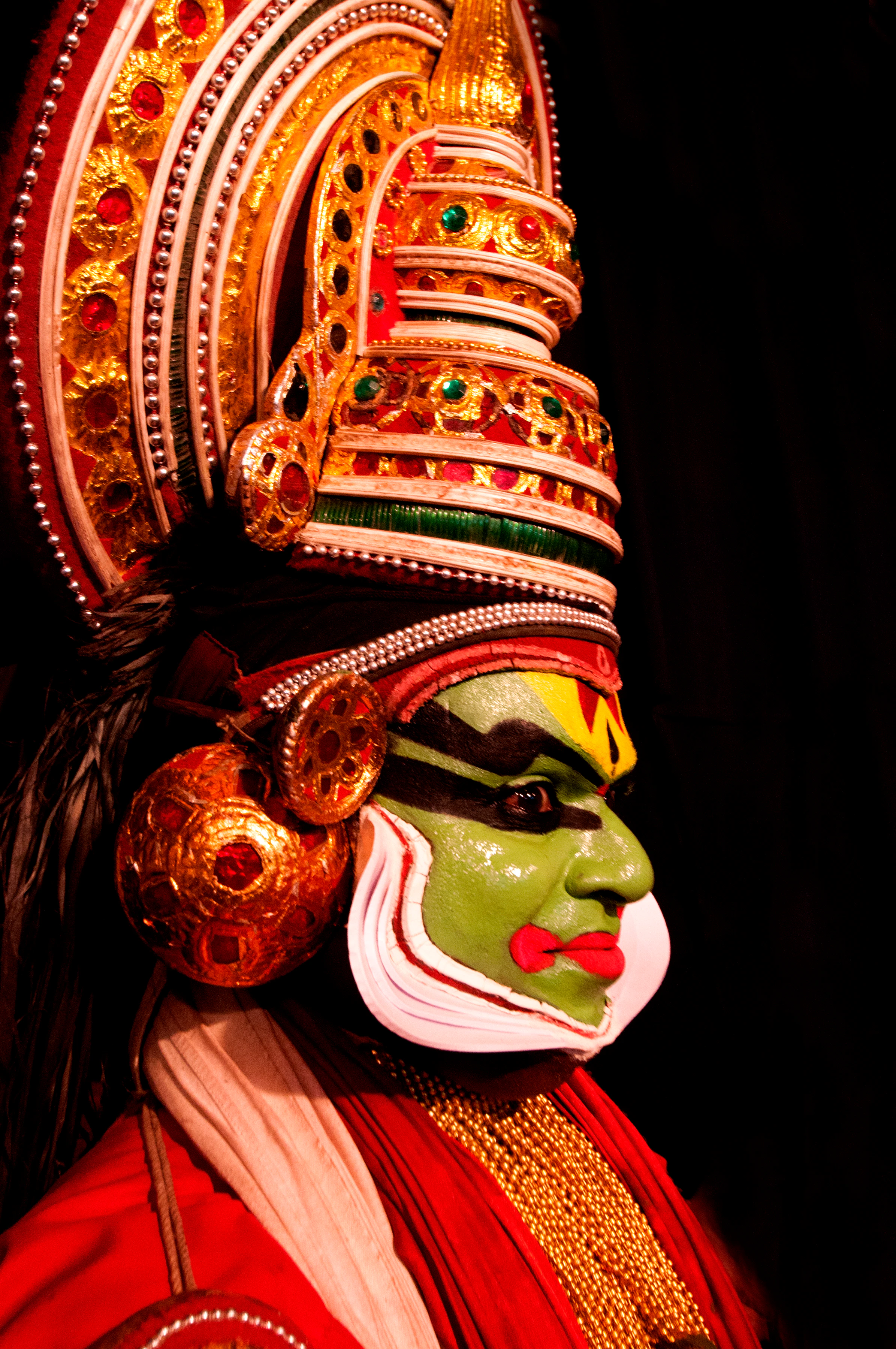
A Kathakali or Kalaripayattu show. Fort Kochi's small theatres, the best known being the Kerala Kathakali Centre near Santa Cruz Basilica, let you watch performers apply Kathakali's face paint before the story itself starts about an hour later. A typical 2026 evening runs make-up from about 5pm and the performance from about 6pm, priced around ₹500 to 600 depending on the venue; some venues add a Kalaripayattu martial-arts show around 7:15 to 8pm for about ₹400. Book directly with the theatre or through your accommodation, and check the day's schedule, since some venues also run a matinee.
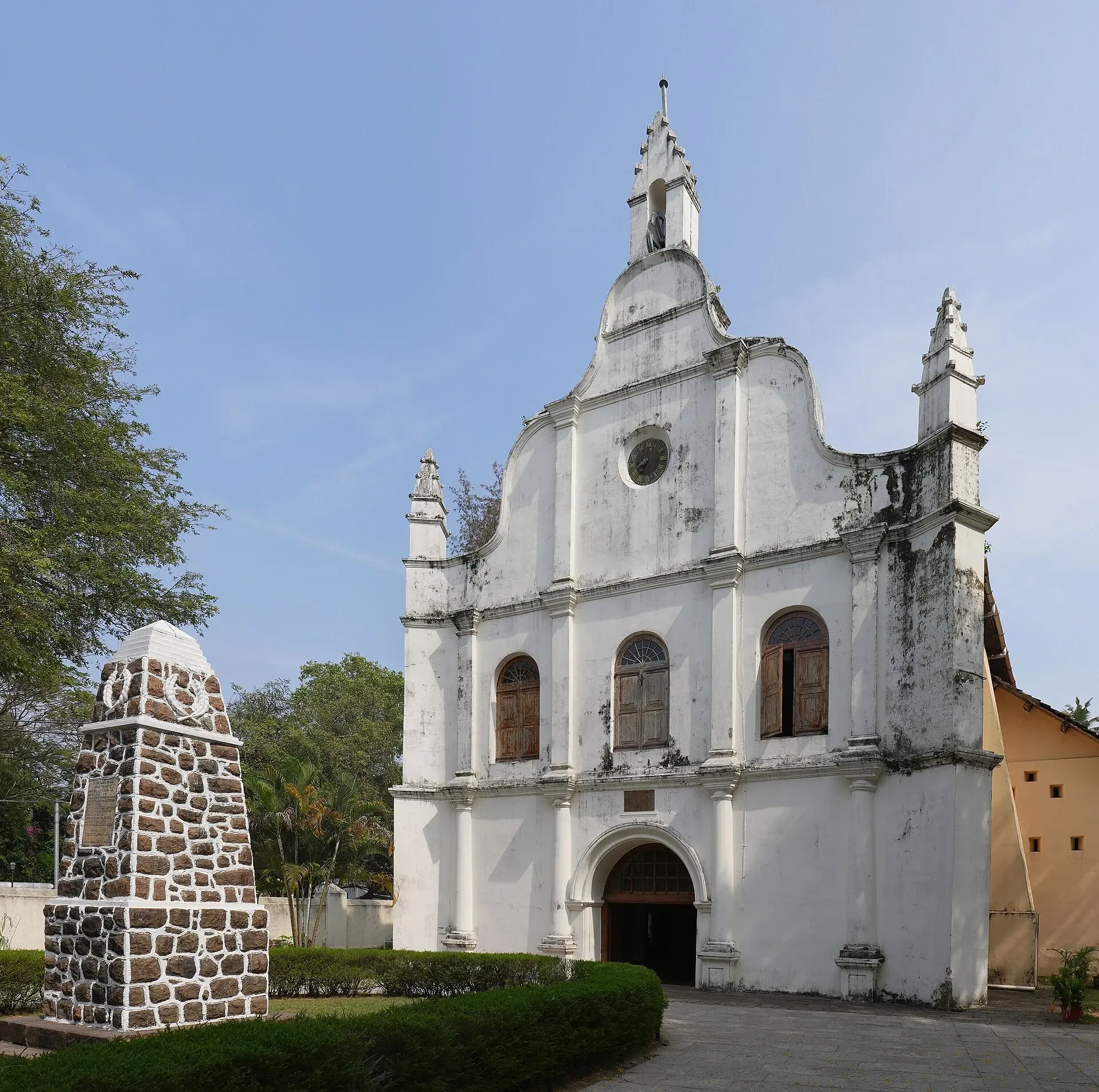
St Francis Church. India's oldest European-built church is reputed to be where Vasco da Gama was first buried, in 1524, before his remains were moved to Portugal. Entry is free, and it sits on the same short stretch of shore as the fishing nets, so the two are easy to combine.
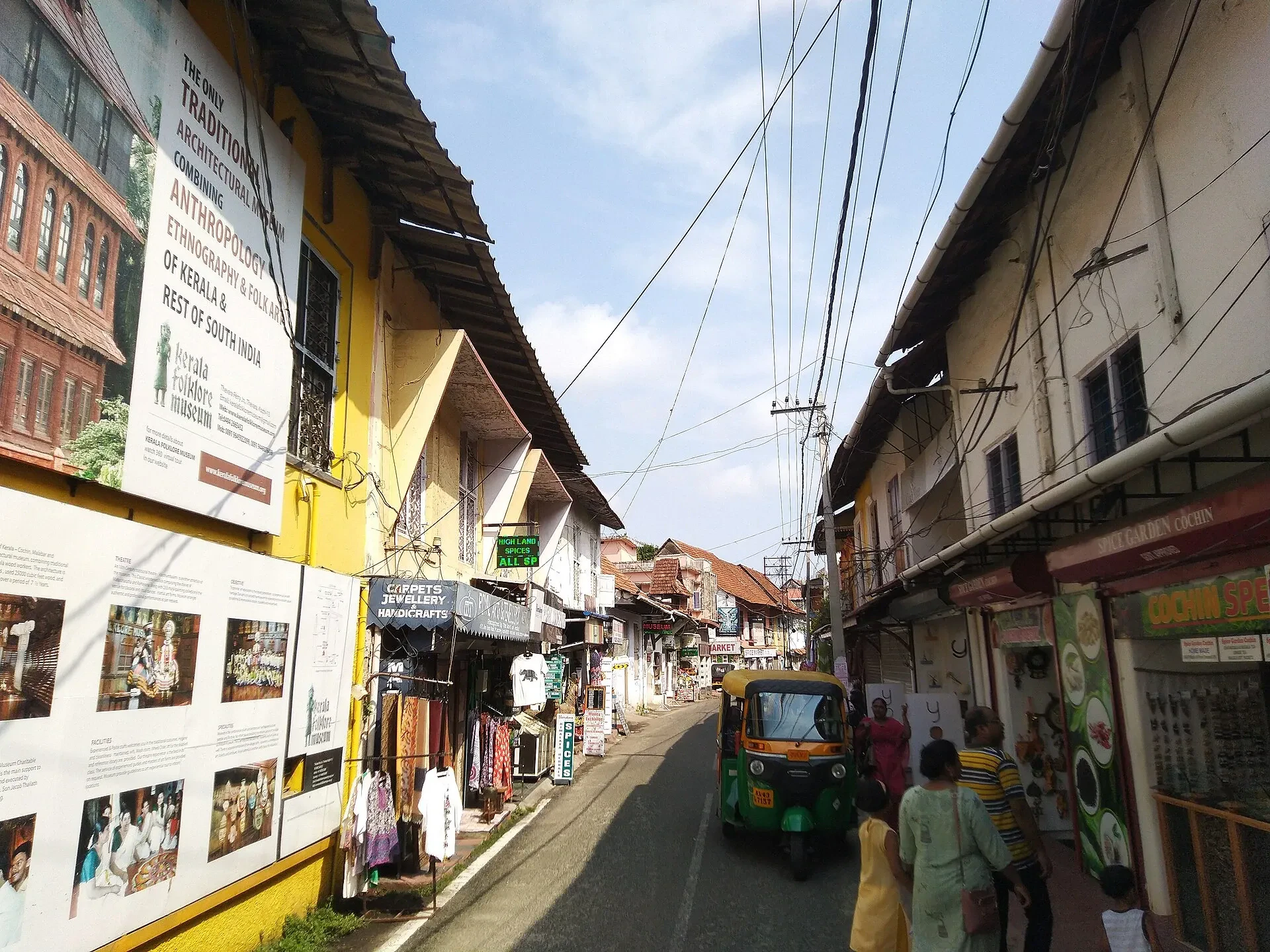
A spice and antique walk through Jew Town. Bazaar Road and Jew Town's lanes still smell of the cardamom, pepper and cloves once stored in their warehouses, now mixed in with antique furniture shops and small cafés.
Cross the harbour by ferry or Water Metro. The old State Water Transport Department ferry between Fort Kochi and Ernakulam is a working commuter route, about 20 minutes and roughly ₹6 one way, running every 15 to 30 minutes from around 6am to 9pm. The newer, more comfortable Kochi Water Metro covers the same crossing (its Fort Kochi to High Court route) for around ₹40, with boats roughly every 20 minutes; check its timetable for the last boat. A High Court to Mattancherry route, which opened in October 2025, stops near Mattancherry Palace. Either is a good, cheap way to see the harbour from the water rather than a reason to detour on its own.
What to eat
Kochi shares Kerala's core dishes: appam (a lacy rice-flour pancake) with vegetable stew for breakfast, and meen curry, a tangy fish curry with red rice, for lunch. Karimeen pollichathu, pearl spot fish marinated and grilled in a banana leaf, is a coastal speciality worth seeking out here specifically, since Kochi's harbour keeps the fish market well stocked. Kashi Art Cafe, in a restored Dutch-era building in Fort Kochi, has paired a rotating art gallery with breakfasts and its well-known chocolate cake, which makes it a good stop between sights. Check it's still open before you plan around it. For the wider regional spread, see our Kerala food guide.
Best time to visit
November to February is the easiest stretch: warm but not oppressive, and dry enough for a full day on foot around Fort Kochi and Mattancherry. October and March are workable shoulder months. April and May turn hot and humid on the coast. June to September is the southwest monsoon, when Kerala gets some of the heaviest rain anywhere in India; Fort Kochi's low-lying streets can flood in a heavy downpour. If you're weighing a winter trip against the Kochi-Muziris Biennale, India's largest contemporary art event, note that its sixth edition ran from December 2025 to March 2026, so it won't be on for the winter 2026-27 season; the next edition isn't expected until 2027-28. Full month-by-month detail: best time to visit India.
Getting there and around
Cochin International Airport (COK) is Kochi's main gateway, with direct domestic flights from Mumbai, Bengaluru, Goa and Delhi, and international connections across the Gulf. It sits roughly 40km from Fort Kochi, and a taxi typically takes an hour to an hour and a half depending on traffic; agree the fare or use a prepaid taxi counter at the airport rather than negotiating on the street. By train, Ernakulam Junction and Ernakulam Town are Kochi's main stations, both on the mainland side, a short ferry or Water Metro ride from Fort Kochi. Within Fort Kochi and Mattancherry, walking or a bicycle covers most sights; autos are cheap and easy for the short hop between the two, or for crossing to Ernakulam if you'd rather skip the boat.
How long to spend, and which route guide to use
One full day covers the Chinese fishing nets, Mattancherry Palace and the Paradesi Synagogue at a reasonable pace. Two days lets you add a Kathakali or Kalaripayattu show in the evening and a slower wander through Jew Town's antique shops, without treating Kochi as a box to tick before Munnar. Most Kerala trips use Kochi as the start (and often the end) of a longer route: see our Kerala itinerary for the full day-by-day plan through Munnar, Thekkady, Alleppey and Varkala.