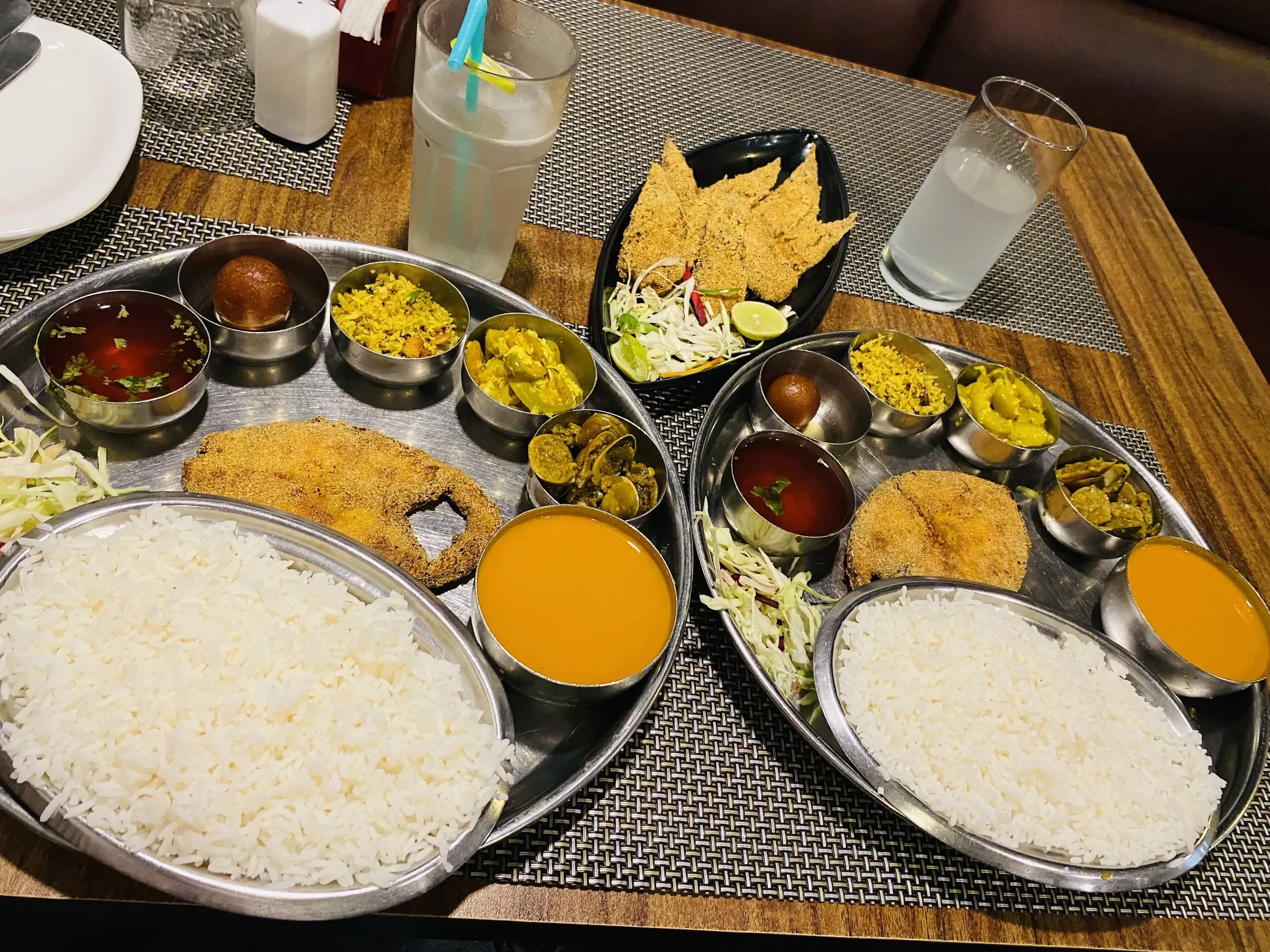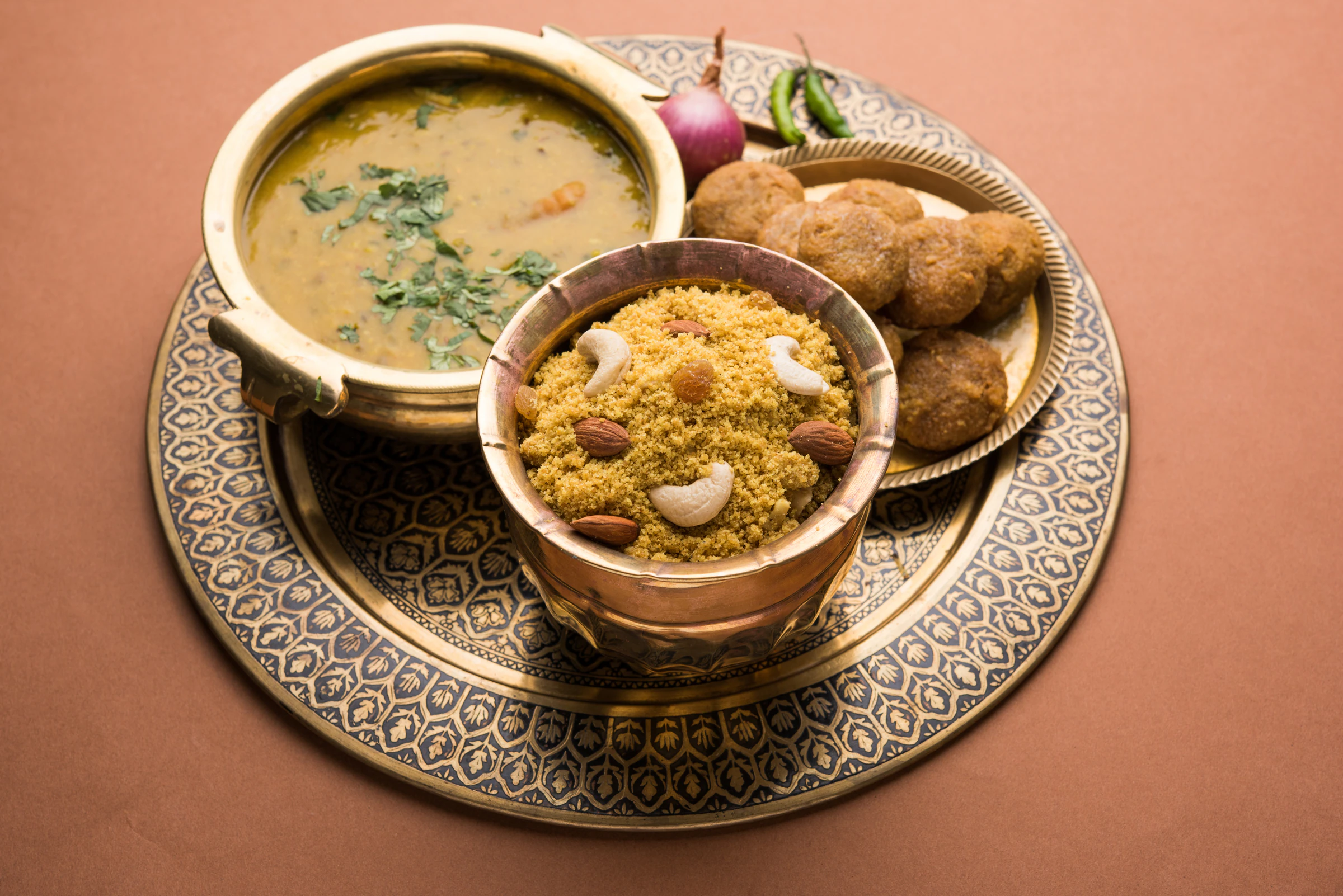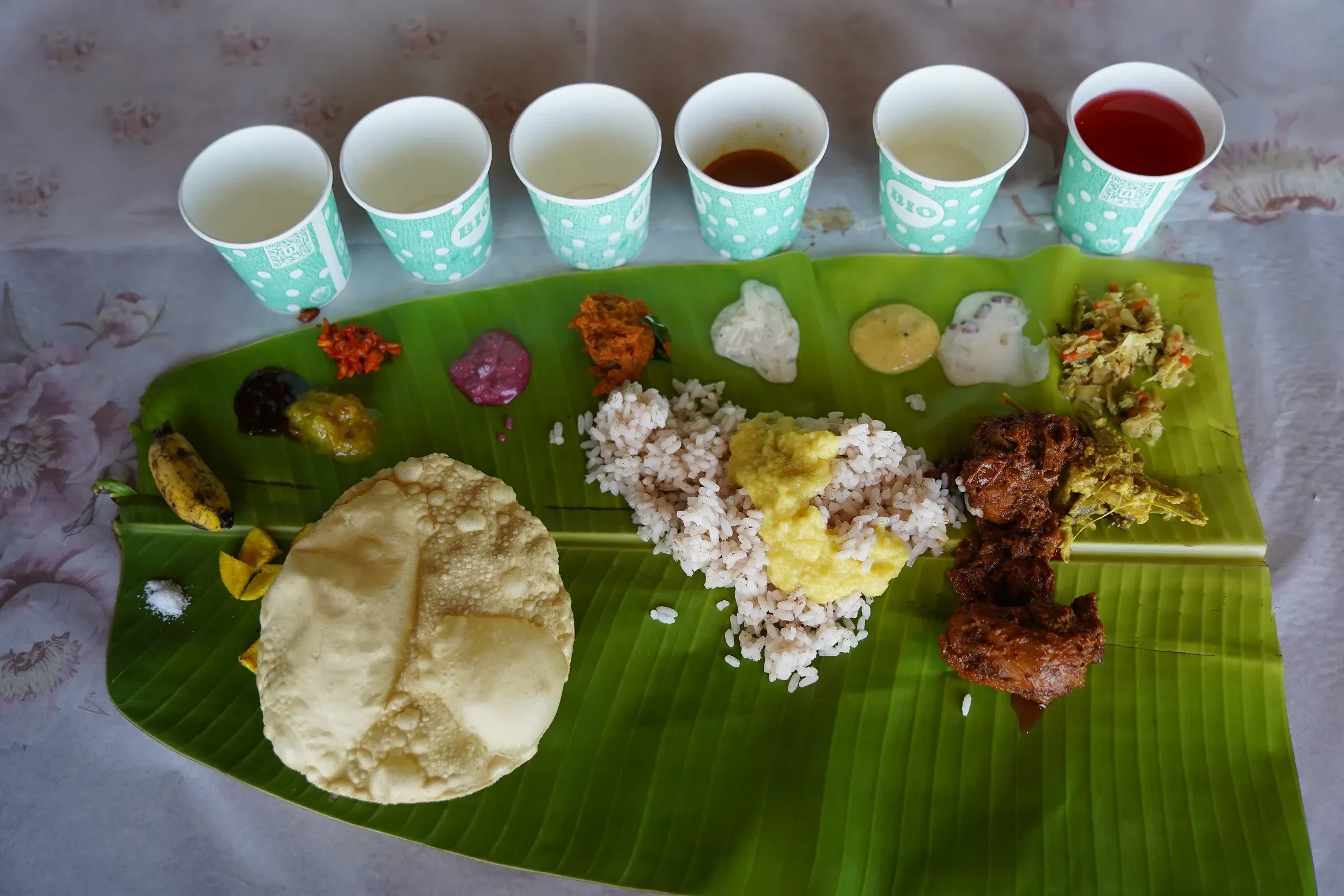
Old Delhi is where most people's idea of Indian street food comes from: stuffed paranthe, chole bhature, jalebi fried to order, kebabs and nihari from lanes that have been cooking the same dishes for well over a century. Chandni Chowk is the centre of it, but there's good food beyond the old city too, from a Tibetan momo stall in the north to a chaat house near Connaught Place.
Old Delhi and Chandni Chowk: what to eat and where
Chandni Chowk was laid out in the 1650s under Shah Jahan, and its food lanes have been serving more or less the same handful of dishes ever since. It's dense, loud, and best tackled on foot or by cycle rickshaw rather than by car.
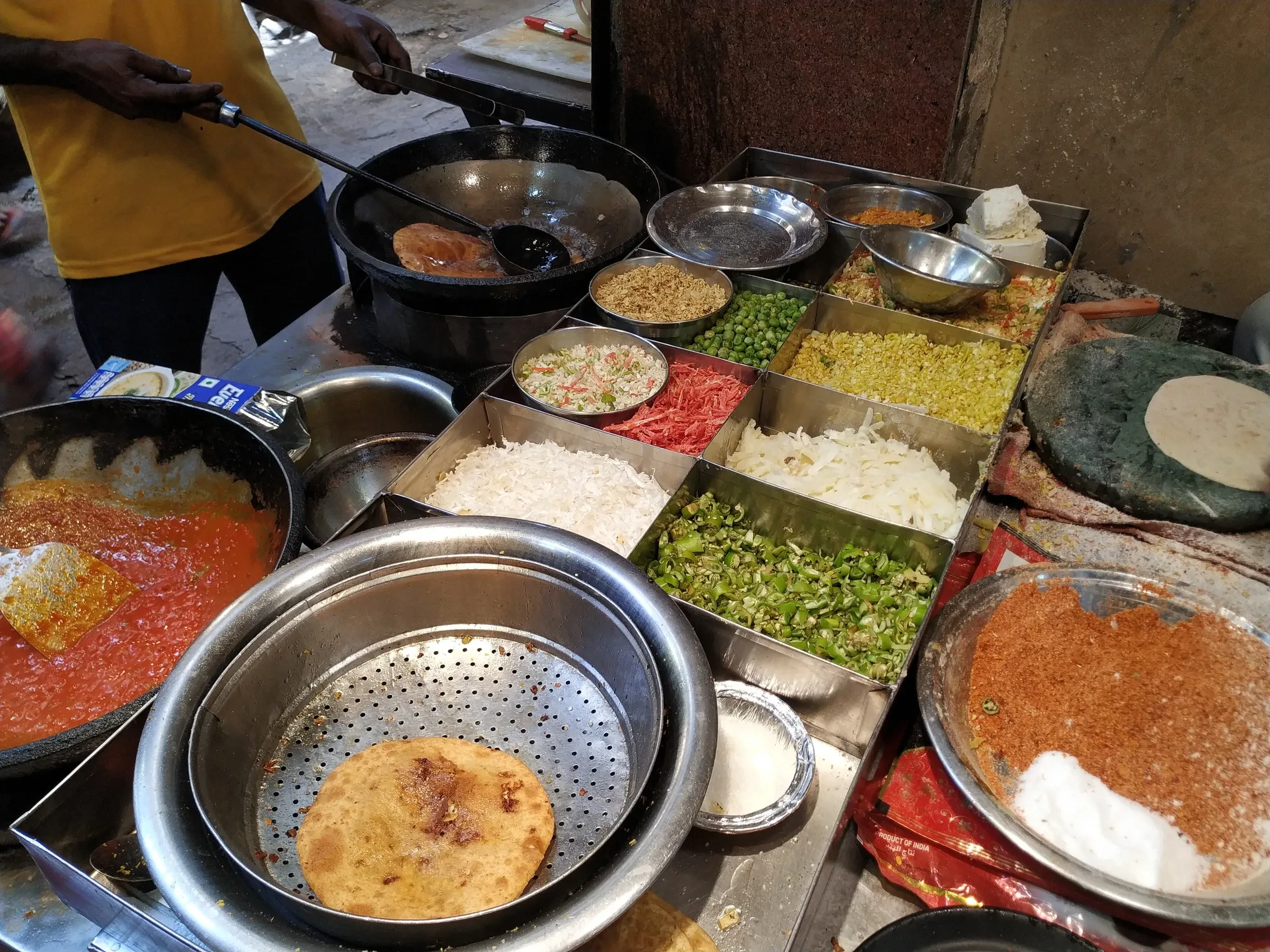
Paranthe Wali Gali is the lane to start in. It got its name in the 1870s, when stuffed-flatbread vendors moved into what had been a silverware market, and by the 1960s it had around 20 parantha shops. Only a handful remain, and sources disagree on whether it is three or four. A 2026 food guide names Pt Kanhaiyalal, Pt Babu Ram and Pt Gaya Prasad. They deep-fry a flatbread stuffed with potato, paneer, cauliflower or a dozen other fillings and serve it with a small thali of chutneys and vegetables.
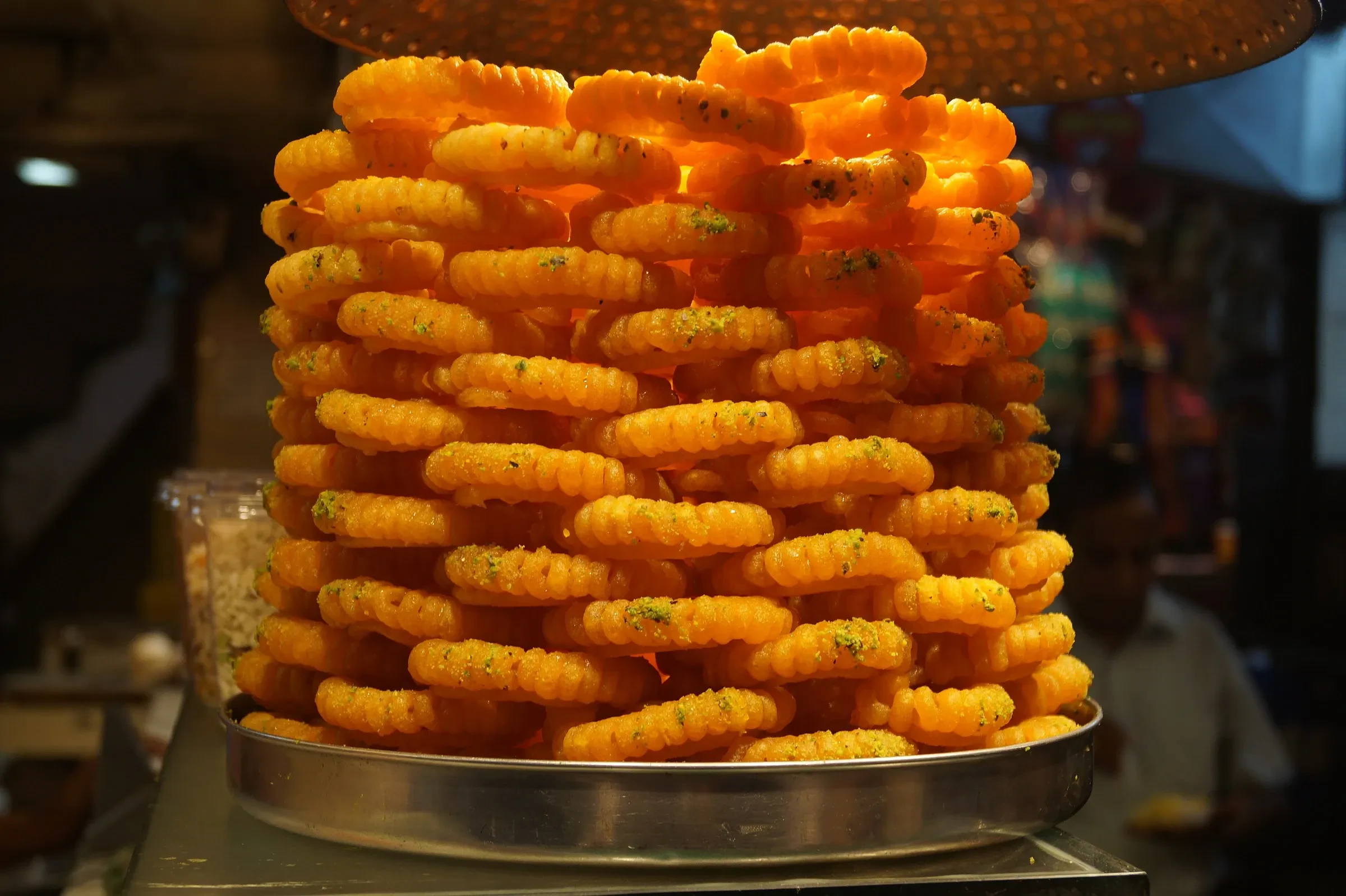
From there, walk to Dariba Kalan for jalebi at Old Famous Jalebi Wala, in business since 1884 according to Delhi Tourism's food-tour page and listed as open daily. The jalebi is piped into hot ghee and dunked in a syrup made with khandsari sugar.
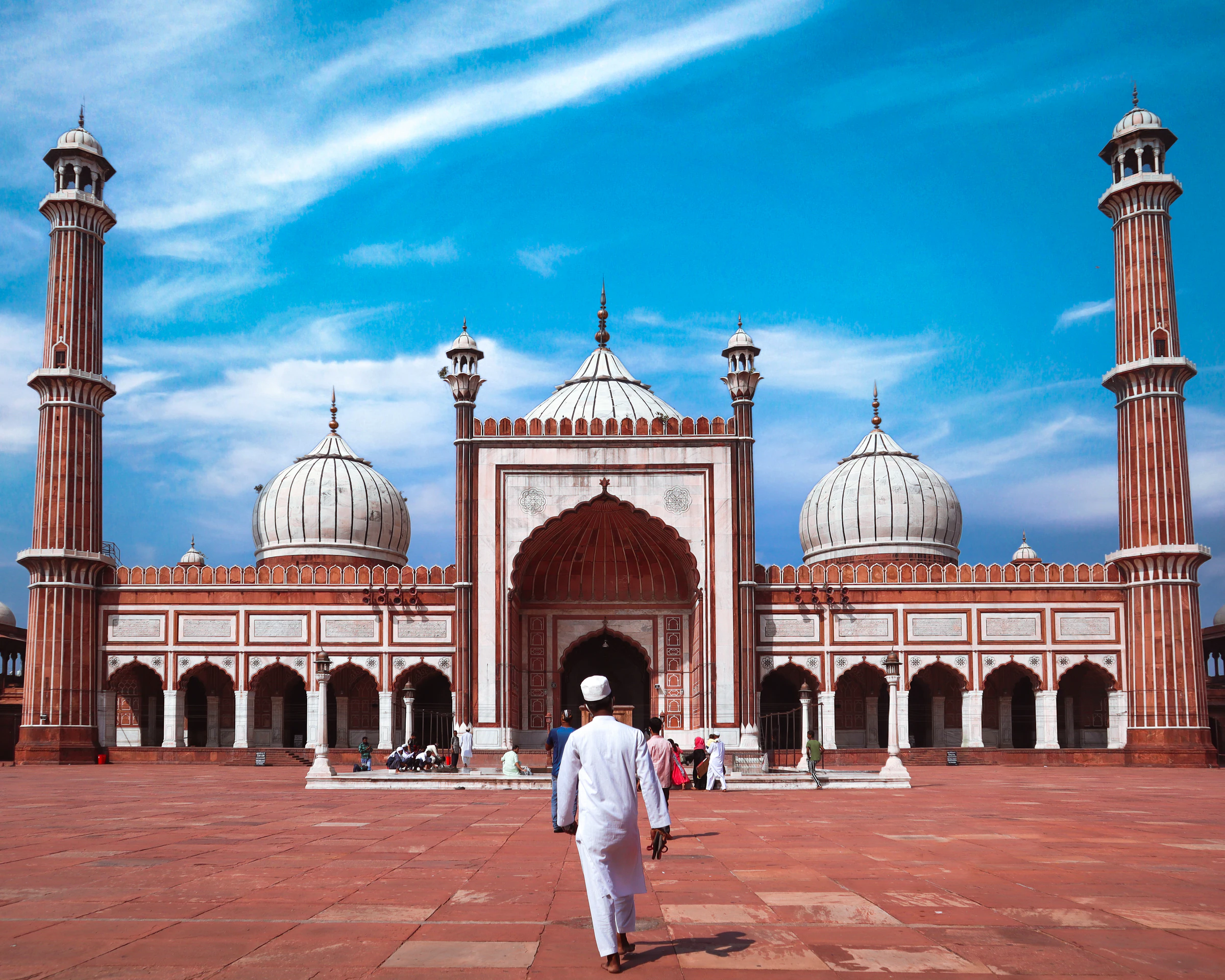
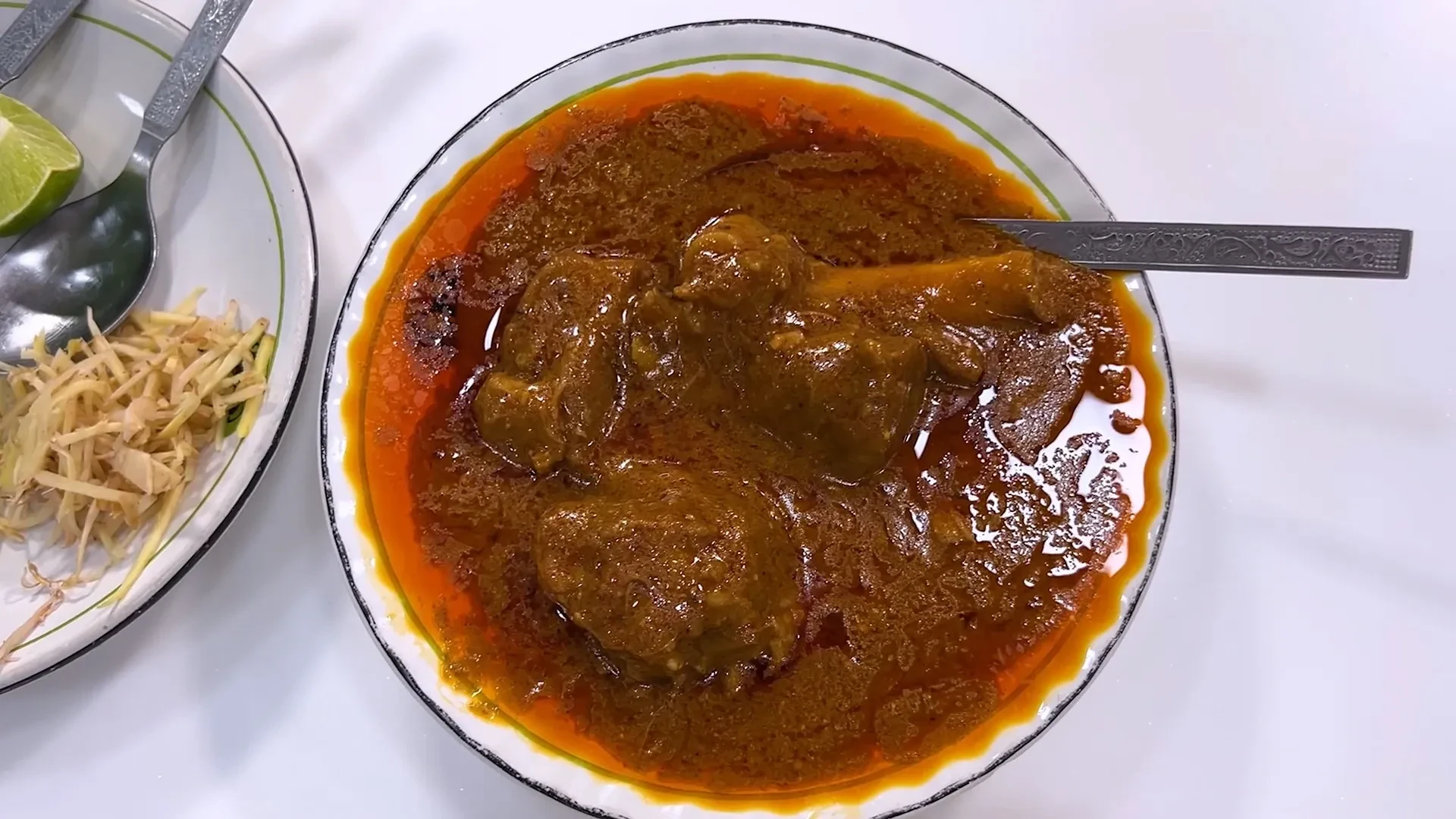
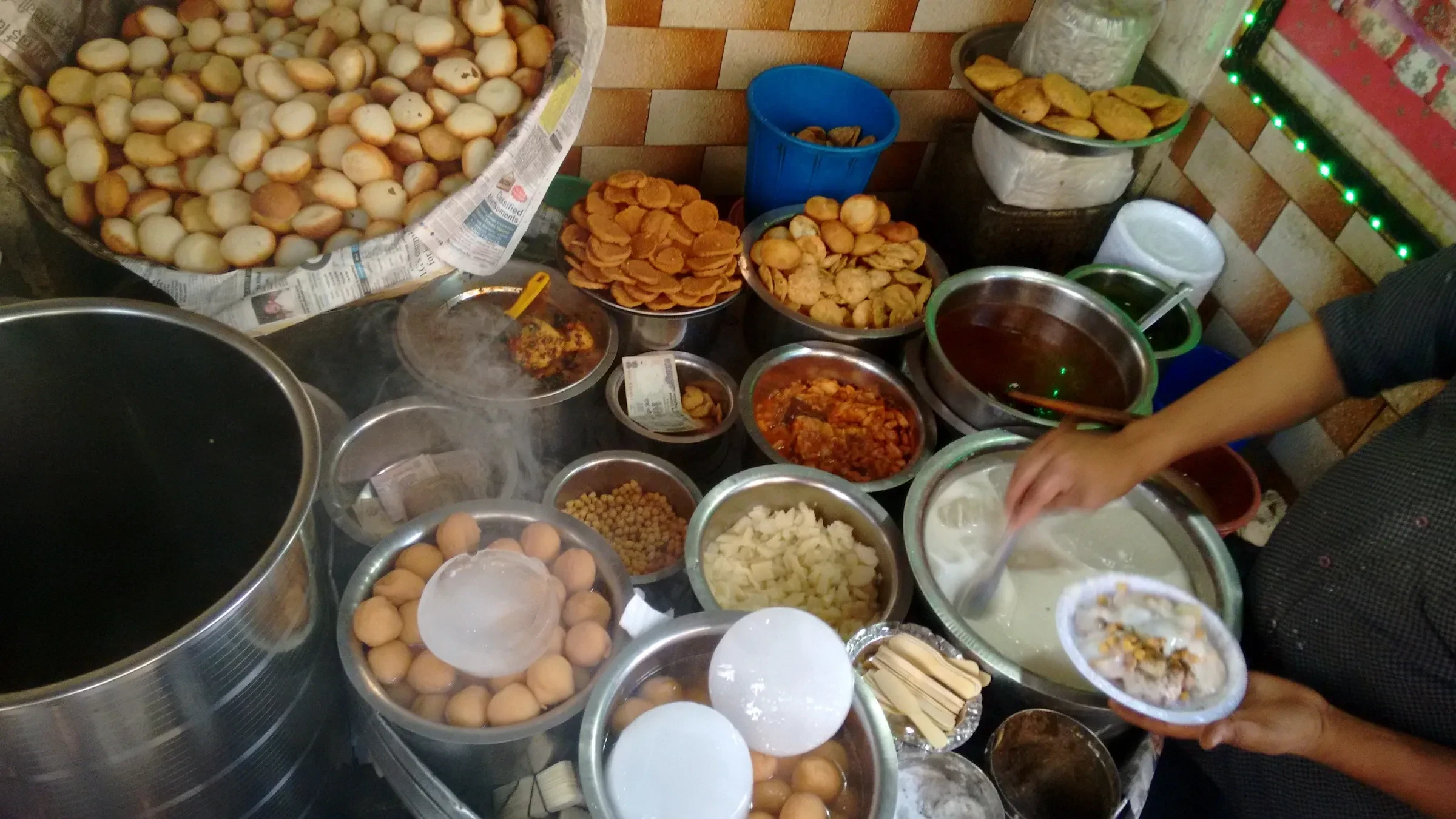
Work your way through Chandni Chowk's chaat stalls for aloo tikki, dahi bhalla and gol gappe (the Delhi name for pani puri), then head towards Jama Masjid, one of India's largest mosques, finished in 1656. The lanes around it, especially Gali Kababian, are where Old Delhi's Mughlai cooking is strongest. Karim's, founded in 1913 by Haji Karimuddin, a cook from the Mughal royal court, is the best-known name here and was still trading in 2026. Its seekh kebabs, mutton korma and nihari (a slow-cooked mutton stew, traditionally eaten at breakfast) are what most visitors come for, and 2026 listings put its main dishes at roughly ₹300 to ₹600. Entry to the mosque's courtyard is free, but non-Muslim visitors aren't let in during prayer times, especially around Friday midday, so time a food stop around Jama Masjid for outside those hours.
A walking route through Chandni Chowk
This route covers the main stops in about four hours, moving at a grazing pace rather than rushing between meals.
| Time | Stop | What to do |
|---|---|---|
| Start | Chandni Chowk or Chawri Bazar metro (yellow line) | Exit towards the main Chandni Chowk road |
| 30 to 45 min | Paranthe Wali Gali | A stuffed parantha breakfast at one of the three long-standing shops |
| 20 to 30 min | Dariba Kalan | Jalebi at Old Famous Jalebi Wala |
| 30 to 45 min | Chandni Chowk's chaat stalls | Aloo tikki, dahi bhalla or gol gappe, stall-hopping as you go |
| 45 to 60 min | Jama Masjid | The mosque's courtyard, outside prayer times |
| 45 to 60 min | Gali Kababian | Kebabs and nihari at Karim's |
| Remaining time | Khari Baoli and Kinari Bazaar | The wholesale spice market, and a wander through the wedding-goods lane, on the way back to the metro |
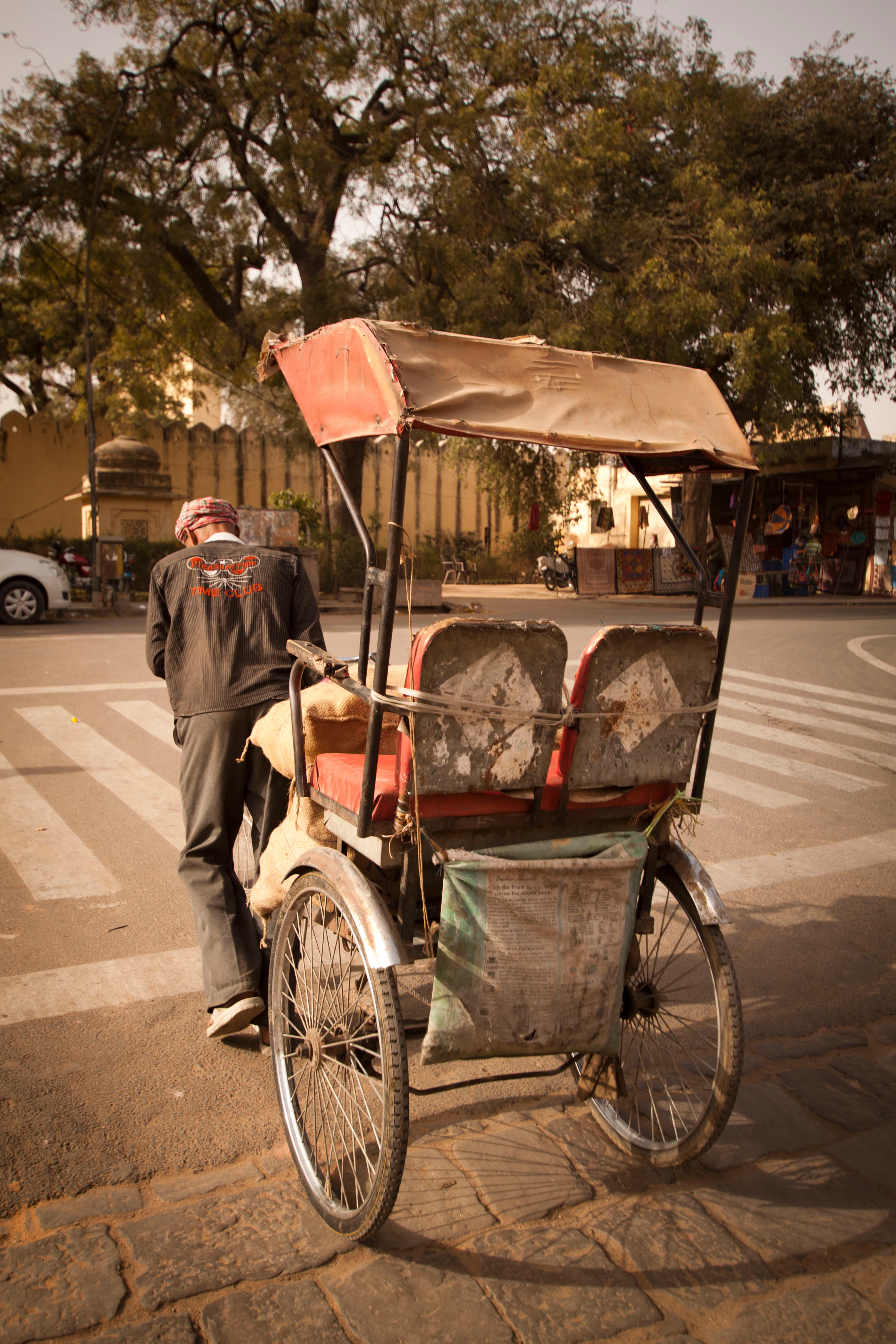
Budget the walk by the plate: stall prices run from roughly ₹40 to ₹100 for a plate of paranthe or jalebi on 2026 listings, and a sit-down meal at Karim's costs more. Add your metro fares. Delhi Tourism lists a tourist card at ₹100 for one day or ₹250 for three days, plus a refundable ₹50 deposit. It doesn't cover the Airport Express line, and you should check that a station is selling it (see our Delhi guide). Inside the lanes themselves, where cars can't easily go, a short cycle rickshaw or e-rickshaw ride costs a small amount and saves your feet.
Beyond Old Delhi: momos, chole bhature and more
Old Delhi isn't the only place to eat well in the city.
Momos in Majnu ka Tilla
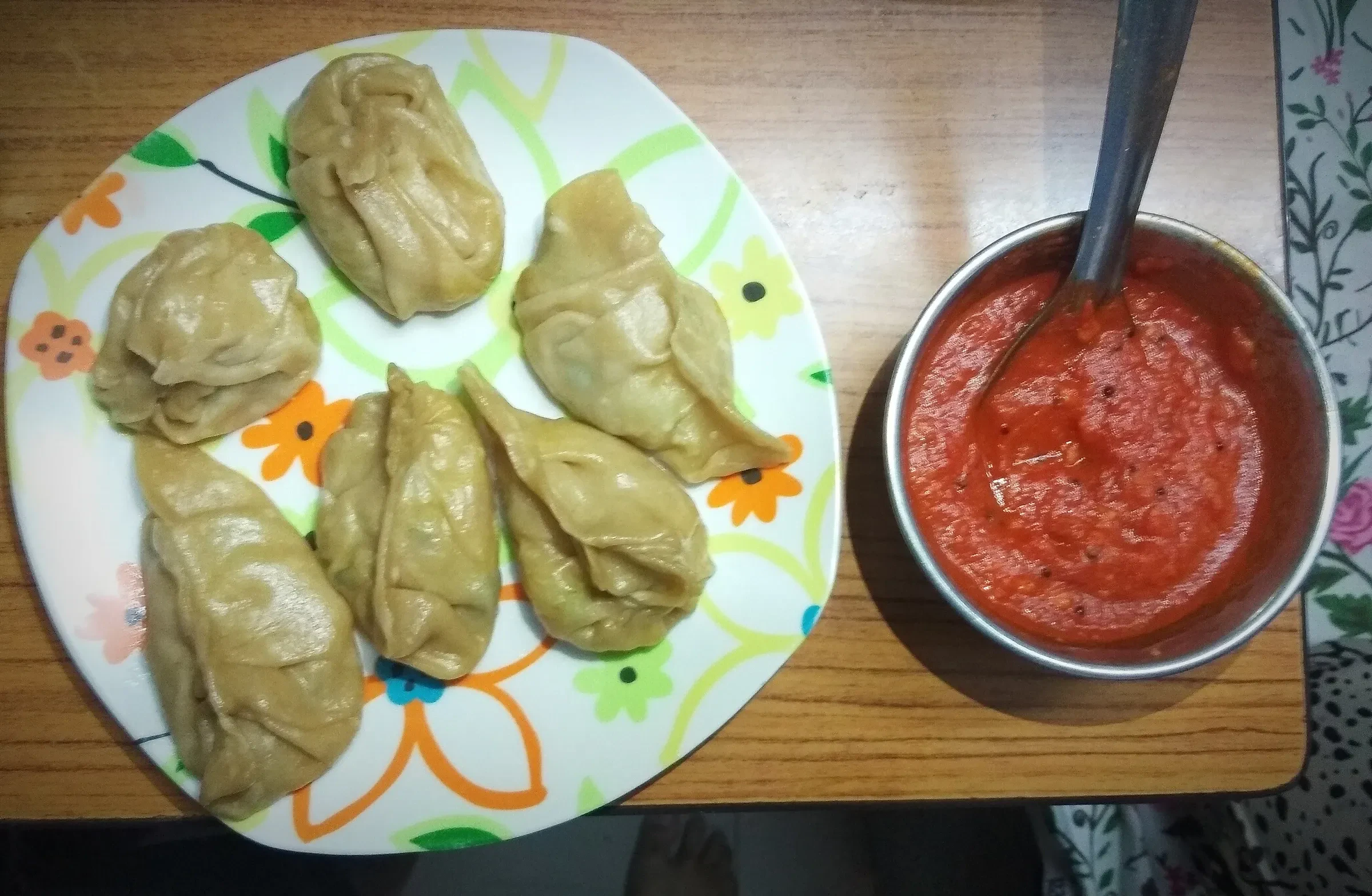
Majnu ka Tilla is a Tibetan refugee settlement in north Delhi, set up in 1960 on the banks of the Yamuna. Its lanes are lined with momo stalls, both steamed and fried, alongside thukpa (a noodle soup) and butter tea. The nearest metro is Vidhan Sabha, on the yellow line, from where it's a short auto-rickshaw ride or a walk of around 15 minutes towards the river.
Chole bhature and chaat at Bengali Market
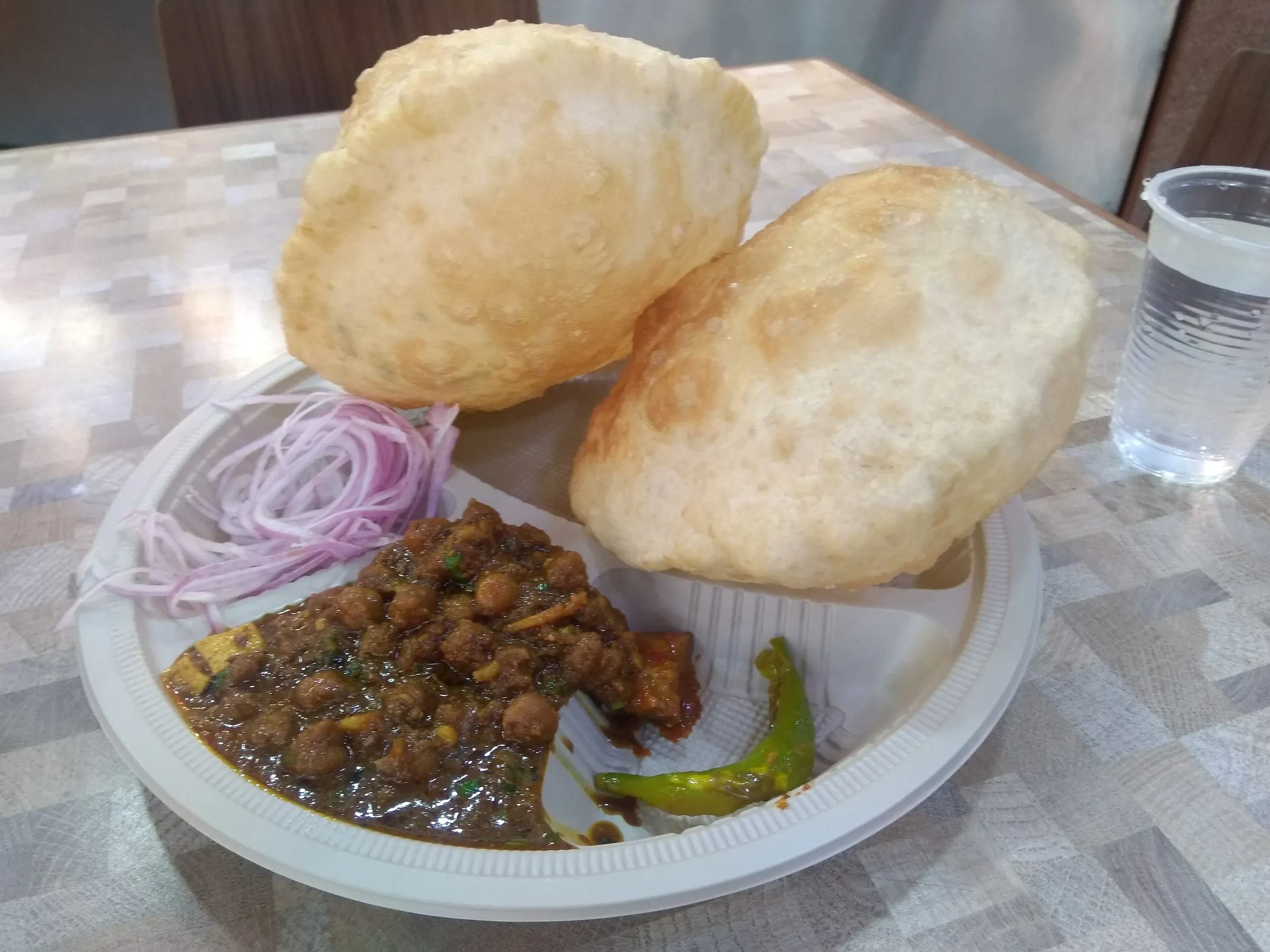
Bengali Market, near Connaught Place, dates to the 1930s and is a five-minute walk from Mandi House metro station, where the violet and blue lines meet. Nathu's is known for its chole bhature, and Bengali Sweet House, open since 1937, is the other long-running sweet shop there, selling sandesh, rasgulla and other Bengali sweets.
Safety and hygiene
Stick to bottled or filtered water, and be careful with ice, since there's usually no way to know what water went into it at the stall. A busy stall where the food is cooked fresh in front of you and served hot is the safest kind of street food: high turnover and high heat both cut the risk of an upset stomach, sometimes called "Delhi belly." If you'd rather sit down, a thali or curry at a local restaurant costs about ₹150 to ₹500 and is a lower-risk alternative to eating standing up at a stall.
Winter brings a separate issue that has nothing to do with the food: Delhi's air quality drops sharply from November through January, as crop-burning smoke, vehicle emissions and construction dust build up in the cooler, stiller air. It doesn't affect the food itself, but it's worth knowing about if you're planning a day of walking between food stalls, especially if you're sensitive to air pollution. See our Delhi guide for more on that, and our India safety guide for the wider water and health picture.
Vegetarian and Jain notes
Old Delhi's Mughlai food, the kebabs, nihari and butter chicken that Karim's and its neighbours are known for, is meat-forward, but there's no shortage of vegetarian options in the same lanes: paranthe come with potato, paneer or cauliflower fillings as standard, chole bhature and most chaat are vegetarian, and jalebi and other sweets always are.
Jain travellers should ask for a dish "Jain style," meaning no onion, no garlic and no root vegetables. It's a request better understood in Rajasthan and Gujarat than in Delhi specifically, so it's worth checking rather than assuming at any given Old Delhi stall. Jalebi and most Indian sweets are a safer default, since they don't involve onion or garlic at all.
For the rest of the city, see our Delhi guide, and for India's food region by region, our India food guide. If Delhi is the start of a longer trip, our Golden Triangle itinerary covers the classic next step to Agra and Jaipur.