Ladakh vs Spiti at a glance
| Ladakh | Spiti | |
|---|---|---|
| Altitude and acclimatisation | Leh sits at about 3,500 m; a 48-hour rest is officially required before going higher, and a two-day stay in Leh before Khardung La since 2022 | Kaza sits at about 3,650 m; no official enforced rest rule, but the Shimla road gains height over several days rather than in one flight |
| Landscapes | Bare desert mountains, Pangong Tso and Tso Moriri's big lakes, the Nubra Valley's sand dunes | High-altitude desert villages, Chandratal's "moon lake", fossil-strewn hills at Langza |
| Monasteries | Thiksey, Hemis (the largest, with its own festival), Shey, Diskit | Key (the largest in Spiti), Tabo (founded 996 CE), Dhankar's cliffside gompa |
| Roads and difficulty | A largely sealed highway from Manali (431 km), high passes above 5,000 m | Two routes: the Shimla road (open most of the year, landslide-prone), and the rougher Manali road with stream crossings |
| Permits | Protected Area Permit for Nubra, Pangong and Tso Moriri, groups of 2+, valid 7 days | Inner Line Permit for the border villages, ₹200 and up to 30 days on Kinnaur's page; two or more people there, but four or more on an older Lahaul and Spiti page; Kaza's own status is disputed between two districts |
| Best months | June to September | Mid-June to early October |
| Getting there | Flight from Delhi (about 1 h 25 min) or the Manali road | Overland only, via Shimla or Manali |
| Crowds | Over 400,000 visitors in the first eight months of 2026 alone | No official count published; a much smaller guesthouse and hostel scene |
| Cost per day | Leh dorm bed about ₹550 to 700 and meals about ₹400 to 600, plus shared jeeps | Very roughly ₹800 to 1,000 a day by public transport (our own estimate) |
| How long | 1 week minimum, better with 10 days to 2 weeks | 1 week via Manali, better as a 10-day circuit from Shimla |
| Best for | First-timers who want an easy flight in and the biggest lakes | Travellers on a tighter budget who want fewer crowds and older monasteries |
| Solo-friendliness | A bigger hostel scene in Leh, with noticeboards for sharing taxis | A Zostel in Kaza; otherwise homestays, which are sociable in their own way |
Altitude and acclimatisation
Leh, Ladakh's main town, sits at about 3,500 m, and if you fly in, you go from near sea level to that height in under two hours. The Leh district administration officially asks every visitor to rest for at least 48 hours before going any higher, drink 2 to 3 litres of water a day and skip alcohol, and since 2022 a two-day stay in Leh has also been required before crossing Khardung La. Kaza, Spiti's main town, is actually a little higher at about 3,650 m, and there's no equivalent official rest rule, just the general advice to watch for headache, nausea and breathlessness. What Spiti has instead is a gentler way to get there: the Shimla road climbs gradually through Kinnaur over two or three days, rather than dropping you at altitude in one flight or one long drive. Winner: Spiti's Shimla road, for gaining height gradually rather than all at once.
Landscapes
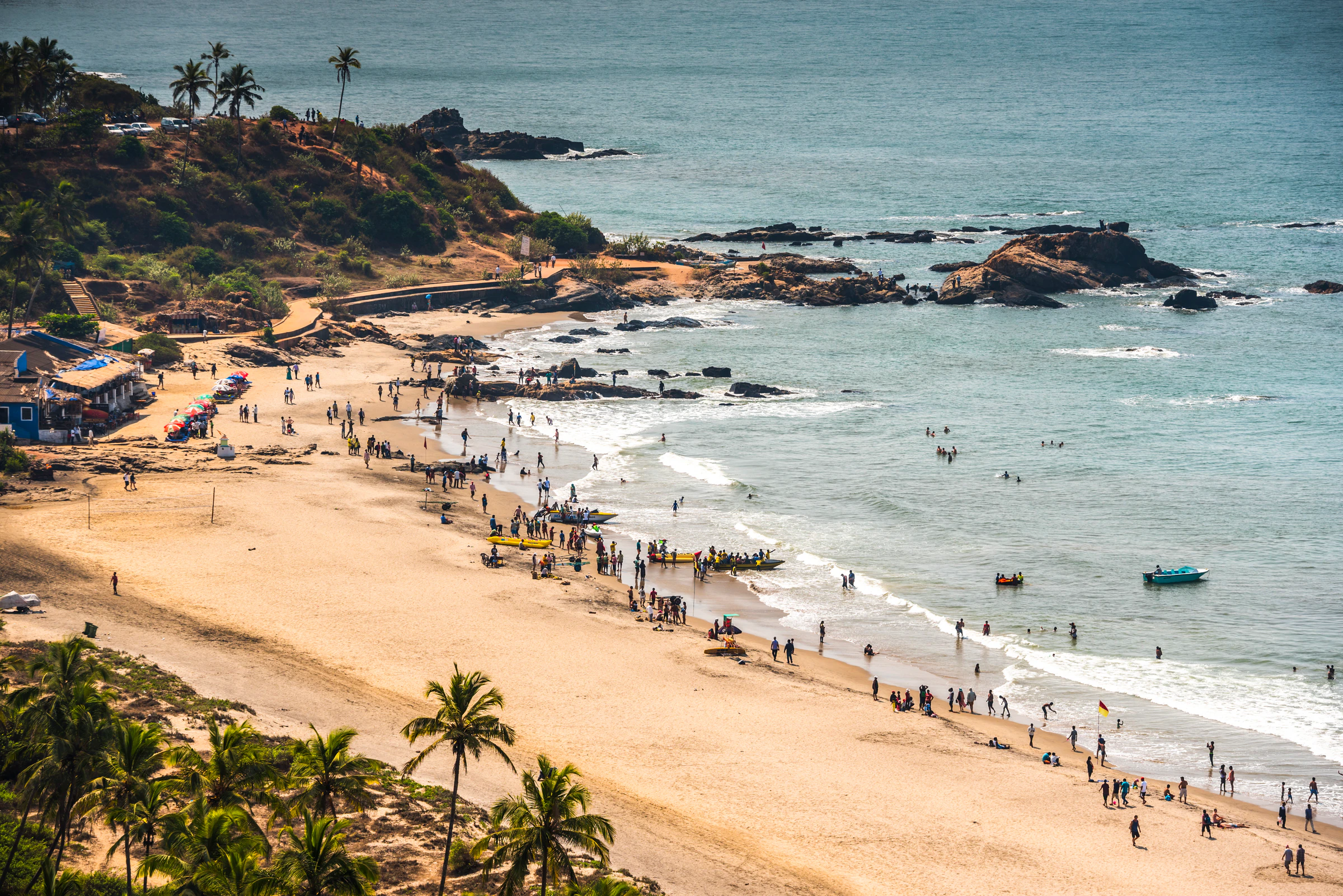
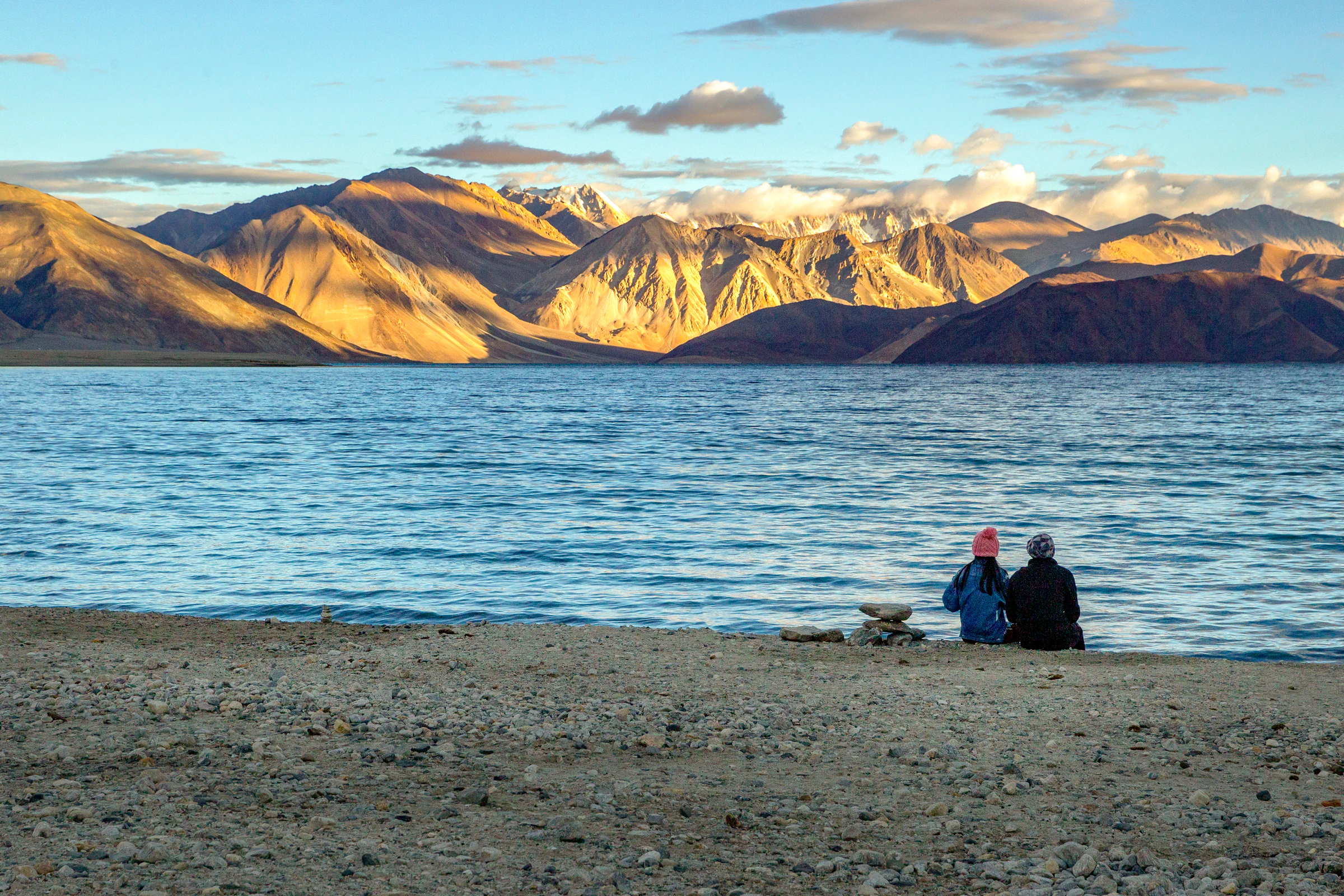
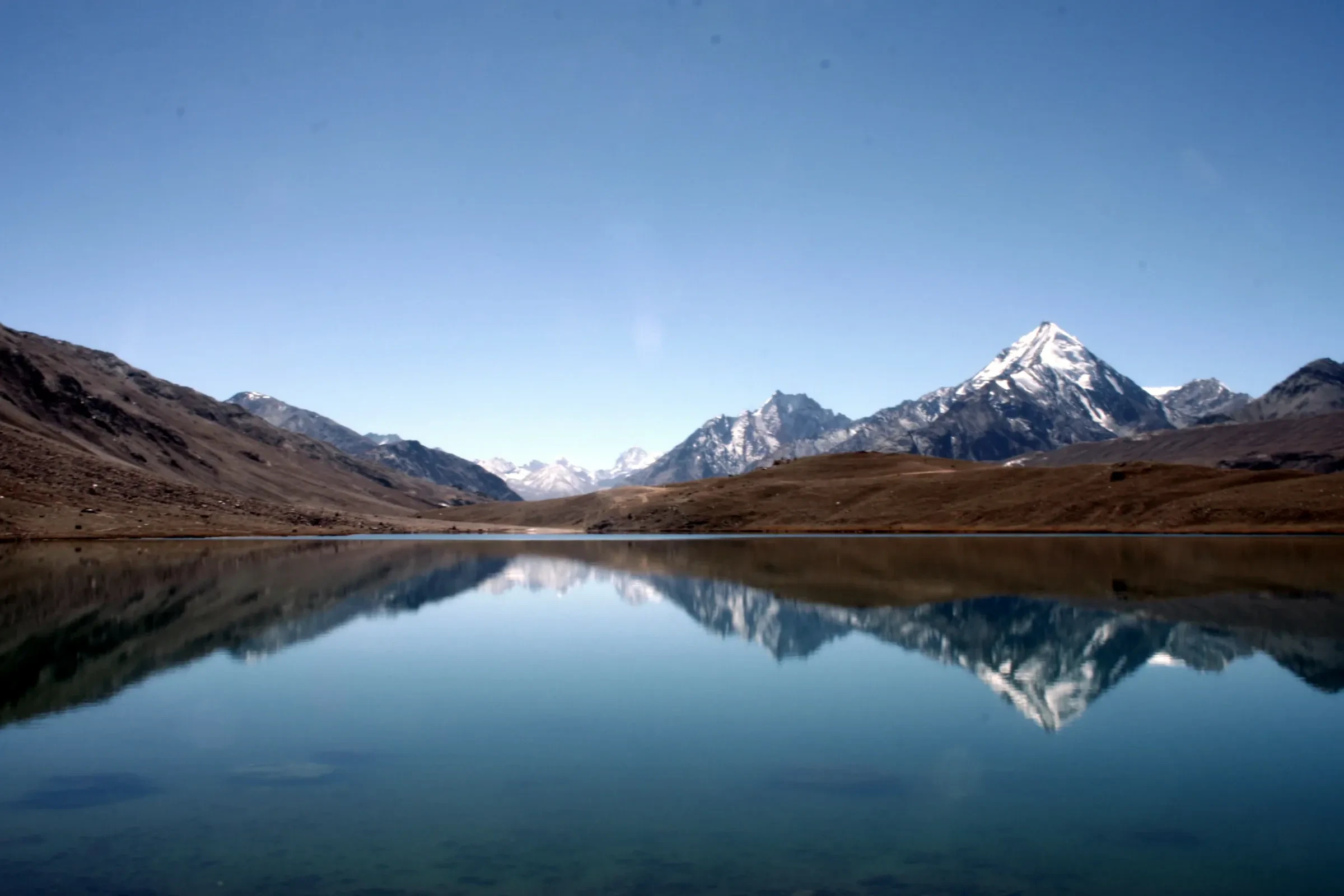
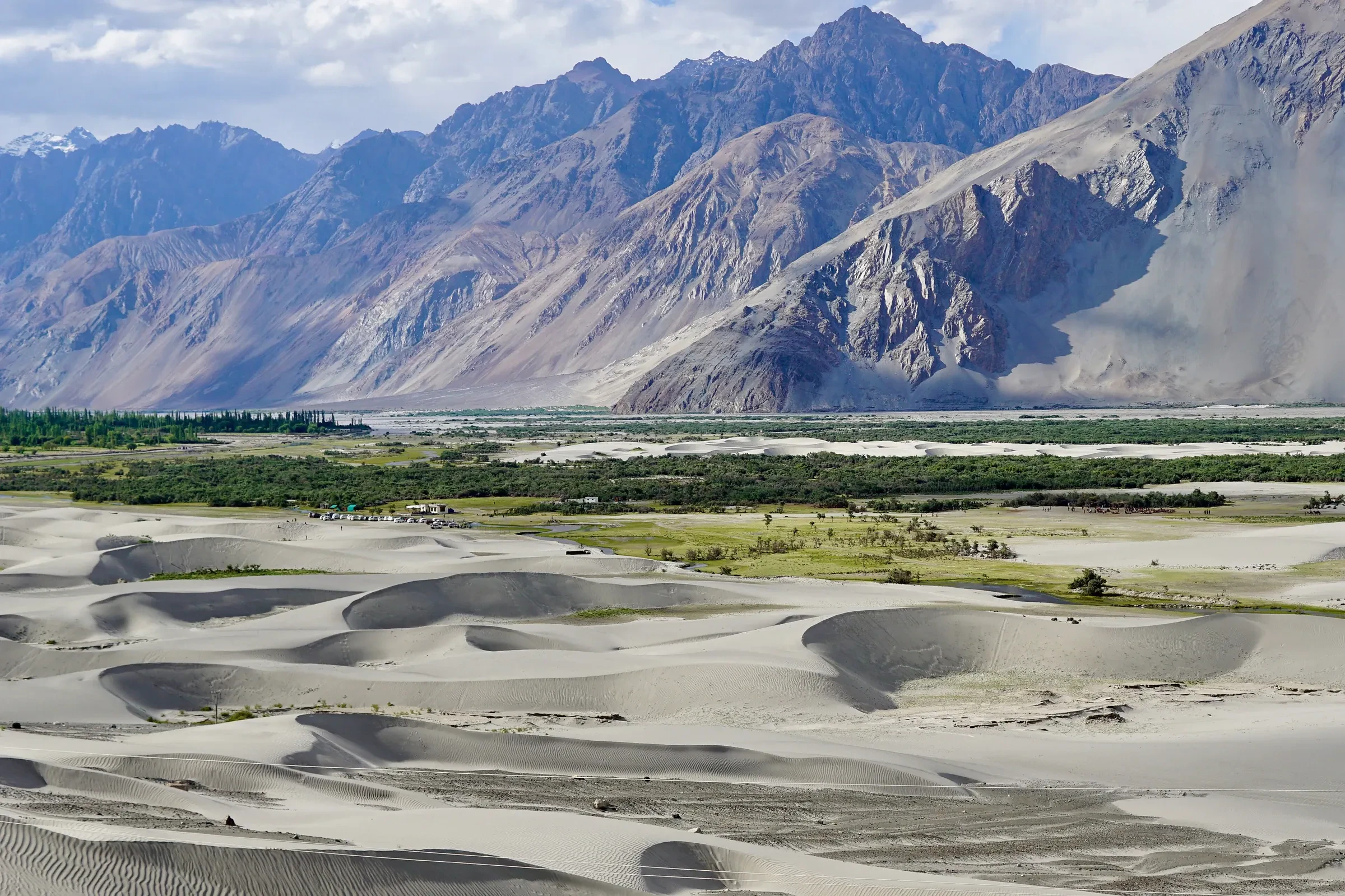
Both valleys are Himalayan high-altitude desert, but they read differently on the ground. Ladakh's scale is bigger: Pangong Tso and Tso Moriri are vast, colour-changing lakes ringed by bare mountains, and the Nubra Valley adds sand dunes with double-humped Bactrian camels, a strange sight this far from any coast. Spiti is more intimate: Chandratal, the "moon lake" near Kunzum Pass, is a fraction of Pangong's size, and villages like Langza, Hikkim and Komic sit among fossil-bearing hills at over 4,400 m, with Key Monastery's stacked white buildings the single most photographed scene in the valley. Winner: Ladakh, for the sheer scale of its lakes and dunes.
Monasteries
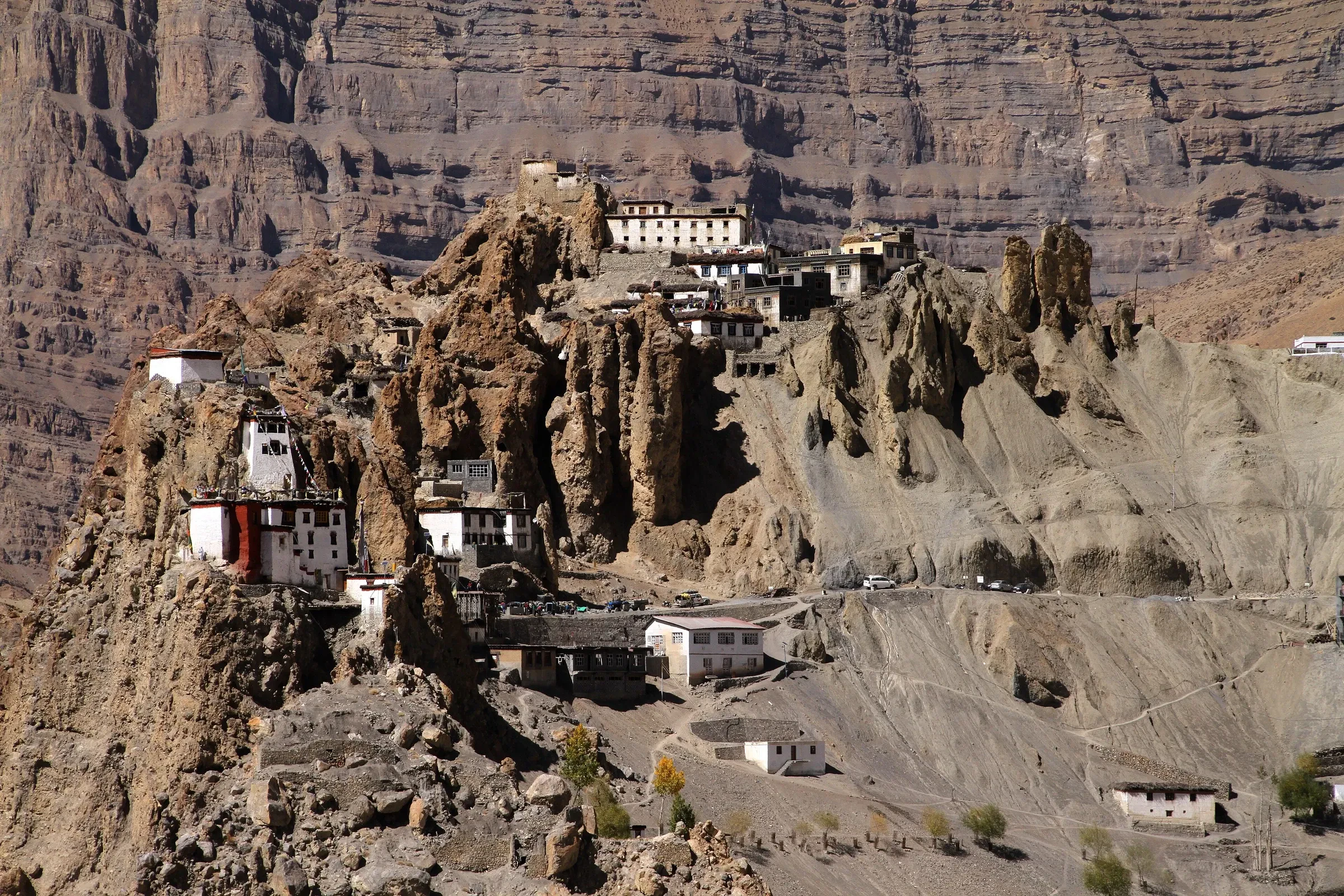
Ladakh's Indus Valley monasteries are dramatic set-pieces: Thiksey looks like a small Potala Palace stacked up a hillside, Hemis is the largest in Ladakh and hosts its own summer festival, and Diskit's 32 m Maitreya Buddha was consecrated by the Dalai Lama in 2010. Spiti's monasteries lean older and quieter: Tabo, founded in 996 CE, is one of the oldest working Buddhist monasteries in the Himalaya, and its plain mud walls hide older murals inside. Dhankar clings to a crumbling ridge above the point where the Pin and Spiti rivers meet. Winner: Spiti, for Tabo's age and the intimacy of its cliffside gompas.
Roads and difficulty
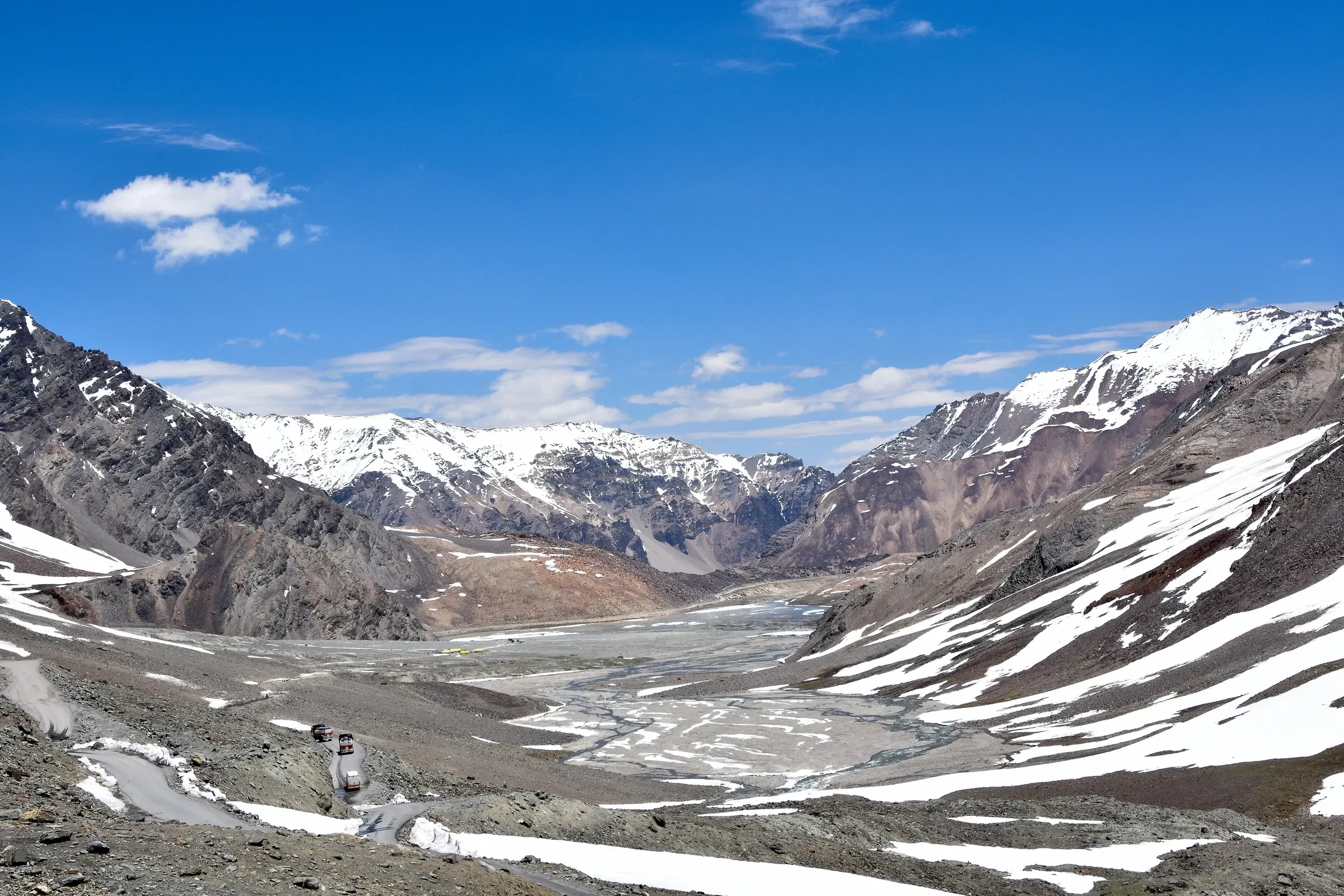
The Manali to Leh highway is 431 km, mostly sealed, and crosses passes including Baralacha La and Tanglang La; the Border Roads Organisation cleared it for tourist traffic on 1 June in 2026, and it usually closes by late October or November. Spiti has two roads: the Shimla road through Kinnaur (412 to 420 km) stays open most of the year but has a landslide-prone stretch at Maling Nala, while the Manali road (180 to 200 km, through the Atal Tunnel and over Kunzum Pass at 4,590 m) is rougher, with unpaved sections and stream crossings between Gramphu and Batal that run highest in the afternoon as the glaciers melt. Check Kunzum Pass the week you travel. Winner: Ladakh, for a smoother, better-sealed road once you're past Manali.
Permits
Foreigners need a Protected Area Permit for most of Ladakh beyond Leh itself, including Nubra, Khardung La, Pangong and Tso Moriri. It's usually issued to two or more applicants through a registered agent in Leh, valid for up to 7 days, and covers an environment fee, a wildlife fee and a Red Cross contribution paid on the official portal. Spiti's Inner Line Permit covers border villages such as Dhankar and Tabo. Kinnaur's tourism page (last updated 2023) says it goes to groups of two or more through a recognised agency, costs ₹200 per person at the district e-Governance centre and lasts up to 30 days. An older Lahaul and Spiti foreigner page (last updated 2018) lists the protected villages and says groups of four or more. Kaza itself is the odd one out: Kinnaur's page says foreigners can visit without a permit, but the Lahaul and Spiti page lists it as protected, so check with your agent or the Sub-Divisional Magistrate's office in Kaza before you go. Winner: Spiti, for the longer validity, though the rules need a direct check in both valleys.
Best months
Ladakh's season runs June to September, with July and August the warmest and busiest, and September the quieter, clearer choice with colder nights. Spiti's window is a little wider, mid-June to early October, because its Shimla road stays open for most of the year regardless (short landslide closures aside), while only the Manali side depends on Kunzum Pass being clear of snow. The Manali side usually closes between mid-October and November, and fresh snow from late September can shut it sooner. We couldn't find a dated closing notice for 2026, so check the road the week you travel. Outside those windows, both valleys are effectively cut off from their summer routes; flights still reach Leh year-round, but Spiti has no airport at all. Winner: Spiti, for a slightly longer usable season.
Getting there
Ladakh has the easier front door: Leh's airport has direct flights from Delhi on Air India, IndiGo and SpiceJet, taking about 1 hour 25 minutes, with economy fares typically ₹6,500 to 15,000 each way and higher in summer. The overland option is the Manali to Leh highway, 431 km and at least two days with a night at Keylong or Jispa. Spiti has no airport at all: you reach it overland, either up from Shimla through Kinnaur (412 to 420 km, split over two or three days) or over from Manali (180 to 200 km, about 9 to 12 hours by shared taxi or HRTC bus, depending on the road and the vehicle). Winner: Ladakh, for the option of a direct flight.
Crowds
Ladakh received over 400,000 tourists in the first eight months of 2026 alone, already ahead of the roughly 336,000 recorded for the whole of 2025, and July and August are the busiest stretch at Pangong, Nubra and the Indus Valley monasteries. There's no equivalent official visitor count for Spiti Valley, but its much smaller guesthouse network in Kaza (one hostel, the rest homestays) and its harder, overland-only access both point to a genuinely quieter experience, especially outside the July and August peak. Winner: Spiti, for fewer people at the same sights.
Cost per day
A day in Leh costs little: a dorm bed is about ₹550 to 700 and meals about ₹400 to 600. The big Ladakh cost is the shared jeep for Nubra, Pangong or Tso Moriri, priced per vehicle at roughly ₹11,800 to 13,700 and best split between four to six people. Spiti works out lower on our own rough estimate, about ₹800 to 1,000 a day by public transport (a 10-day circuit by public transport comes to roughly ₹8,000 to ₹10,000 a person); a private taxi or jeep hire pushes it up. Neither figure includes flights, permits or travel insurance. Winner: Spiti, on a rough estimate, though the gap depends on how much private transport you pay for.
How long
A week is the practical minimum for Ladakh, and it already needs two of those days built in for acclimatisation before Khardung La; 10 days to 2 weeks gives you Nubra, Pangong and Tso Moriri without rushing. Spiti works in a week if you go in and out through Manali, but 10 days is the better version, up through Kinnaur and out over Kunzum, since it gains height more gradually. Winner: a tie, budget at least a week for either, and closer to 10 days if you can.
Best for
Ladakh suits first-timers who want the easiest way in, the best-known sights and a bigger backpacker scene to fall in with. Spiti suits travellers on a tighter budget who'd rather see fewer people and older, quieter monasteries, and who don't mind a longer, rougher road to get there. Winner: there isn't one; the table below matches this to what you actually want.
Solo-friendliness
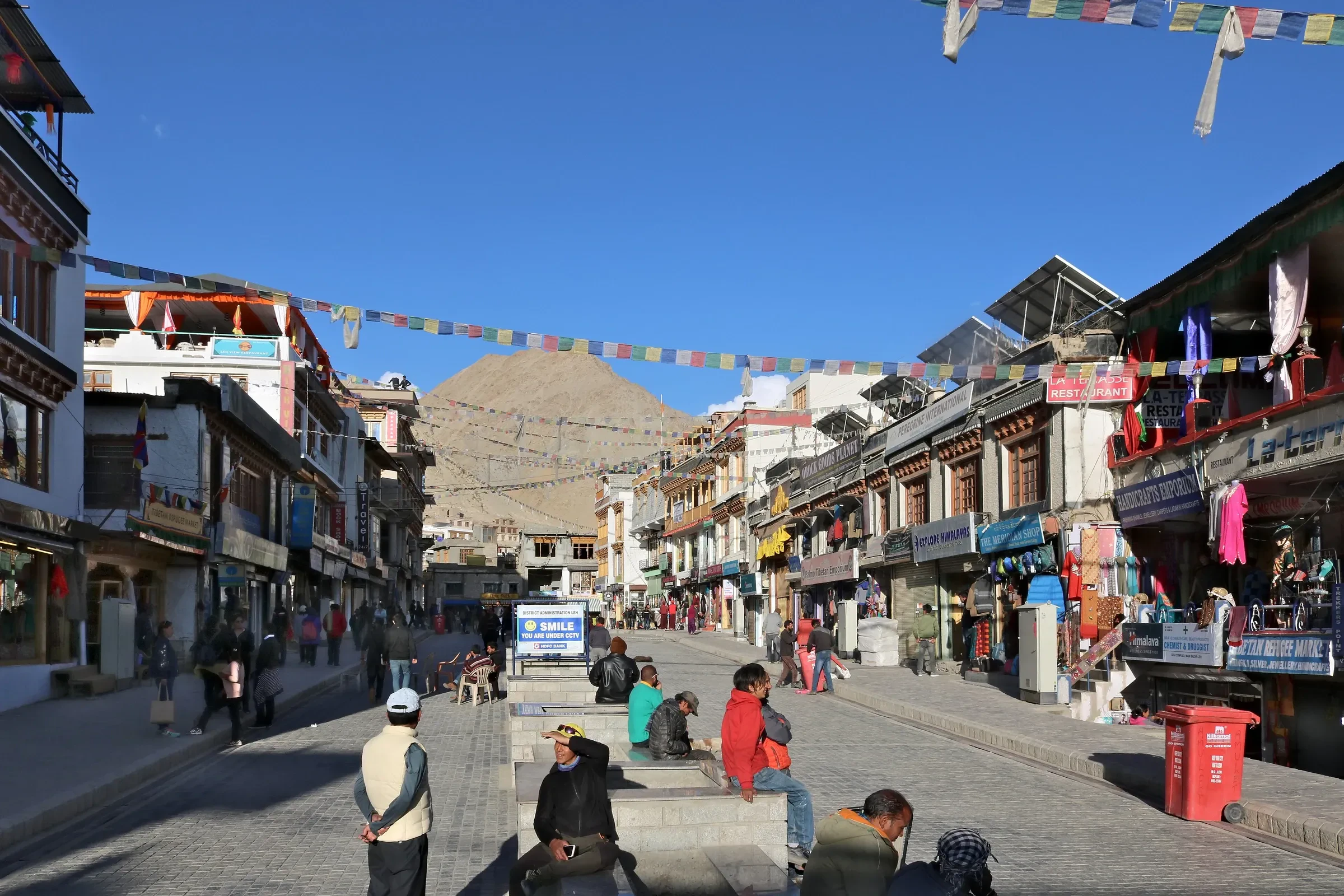
Leh has an established hostel scene, including Zostel Leh, Woosah Hostel and Raybo Hostel, with Woosah and Raybo listing dorm beds from about ₹550 and ₹700, plus noticeboards and agents where solo travellers routinely split the cost of a jeep. Spiti has a Zostel in Kaza and otherwise runs on homestays in villages like Kibber and Mudh, which are sociable in a different way (a family's kitchen table rather than a hostel common room), but there's less of a built-in network for finding travel companions. Ladakh's permit is usually issued to two or more applicants, and Spiti's to two or more on Kinnaur's page but four or more on an older Lahaul and Spiti page, so a solo foreigner should ask their agent how they handle that rule in either valley. Winner: Ladakh, for the bigger hostel and taxi-sharing network.
Which should you choose?
| Traveller type | Choose |
|---|---|
| Want the easiest way in, with a direct flight | Ladakh |
| Nervous about altitude and want a gradual climb | Spiti, via the Shimla road |
| Want the biggest lakes and desert scenery in the Indian Himalaya | Ladakh |
| On a tighter daily budget | Spiti |
| Want fewer crowds at the same kind of sights | Spiti |
| Chasing a specific festival, like Hemis | Ladakh |
| Want to ride a Royal Enfield over high passes | Either; we run a bike trip in each valley |
| Have a month and want both | Do Spiti first, then continue north (see below) |
Why not both?
If you have a month, the standard way to link them is the route our own Spiti guide already recommends: the full Spiti circuit from Shimla through Kinnaur to Kaza and Chandratal, finishing in Manali, taking about two weeks, then the Manali to Leh road north for a further two weeks in Ladakh. This only works in the narrow window when both roads are open at once, roughly early June to late September, since Kunzum Pass and the Manali to Leh highway both depend on that year's snowmelt, and both usually close between mid-October and November. Check the Border Roads Organisation (bro.gov.in) for that year's exact opening and closing dates before you commit to a month-long trip, since they shift from one year to the next.
!Snow-streaked peaks above barren slopes near Kunzum La in Spiti, with a road sign in the foreground Doing it the other way round, Ladakh first and Spiti after, works too, but going Spiti to Ladakh has the advantage of building your altitude tolerance gradually before the highway's higher passes.
If you'd rather have someone else handle the permits and the driving, our Ladakh Road Trip and Spiti Valley Road Trip both run as standalone departures with a Trip Host throughout, rather than as one combined trip.