January
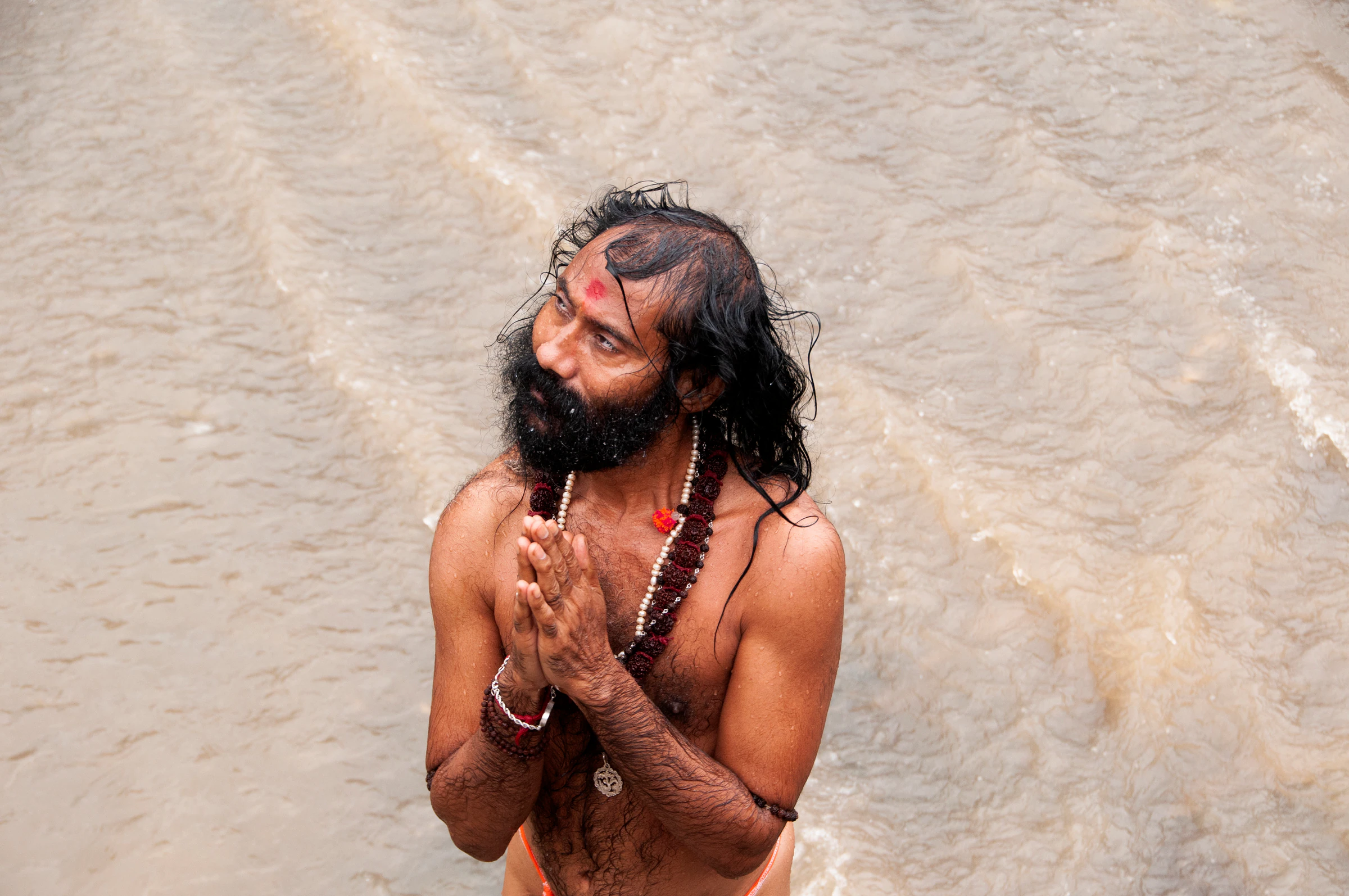
14 January to 20 April 2027 · Haridwar, Uttarakhand, on the Ganges (Har Ki Pauri and the city's ghats)
The "half" Kumbh held between Haridwar's full Kumbh Melas, with ten main bathing days on the Ganges over three months.
Jaisalmer Desert Festival
18 to 20 February 2027 (expected) · Jaisalmer and the Sam sand dunes, Rajasthan
A government-run desert culture festival of camel races, turban-tying contests and folk music, ending on a full moon night.
14 to 17 January 2027 · Tamil Nadu, with Madurai and Thanjavur as good bases
A four-day Tamil harvest festival built around boiling the season's first rice as an offering.
Uttarayan (International Kite Festival)
14 to 15 January 2027 · Ahmedabad, Gujarat
Skies over Ahmedabad's old city fill with thousands of competing kites for the Makar Sankranti holiday.
February
5 to 9 February 2027 (expected) · Panaji, with satellite events in Margao, Vasco and Mapusa
A four-day street carnival of parade floats, live music and masked processions, a legacy of Goa's Portuguese past.
March
Attukal Pongala
22 February 2027 · Attukal Bhagavathy Temple, Thiruvananthapuram, Kerala
A Guinness-record ritual in which over a million women cook a sweet rice offering on the streets around the temple.
Chapchar Kut
5 March 2027 (expected) · Aizawl, Mizoram
Mizoram's biggest festival, a spring celebration after jungle-clearing farm work, with the bamboo Cheraw dance.
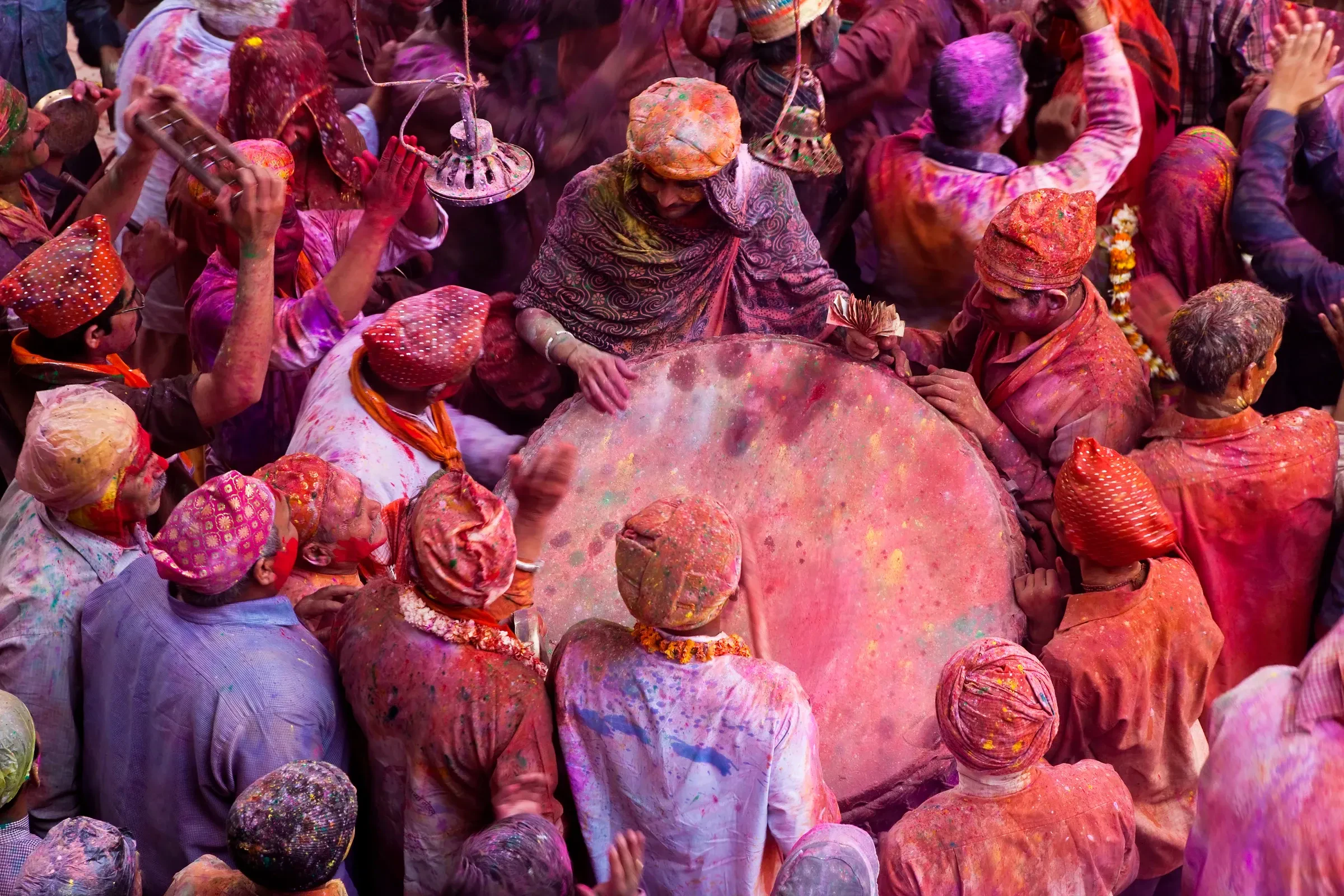
21 to 22 March 2027 · Mathura and Vrindavan, Jaipur, Udaipur, Pushkar and Delhi
The Hindu festival of colours, a joyful day of throwing coloured powder and water, preceded by the Holika Dahan bonfire.
April
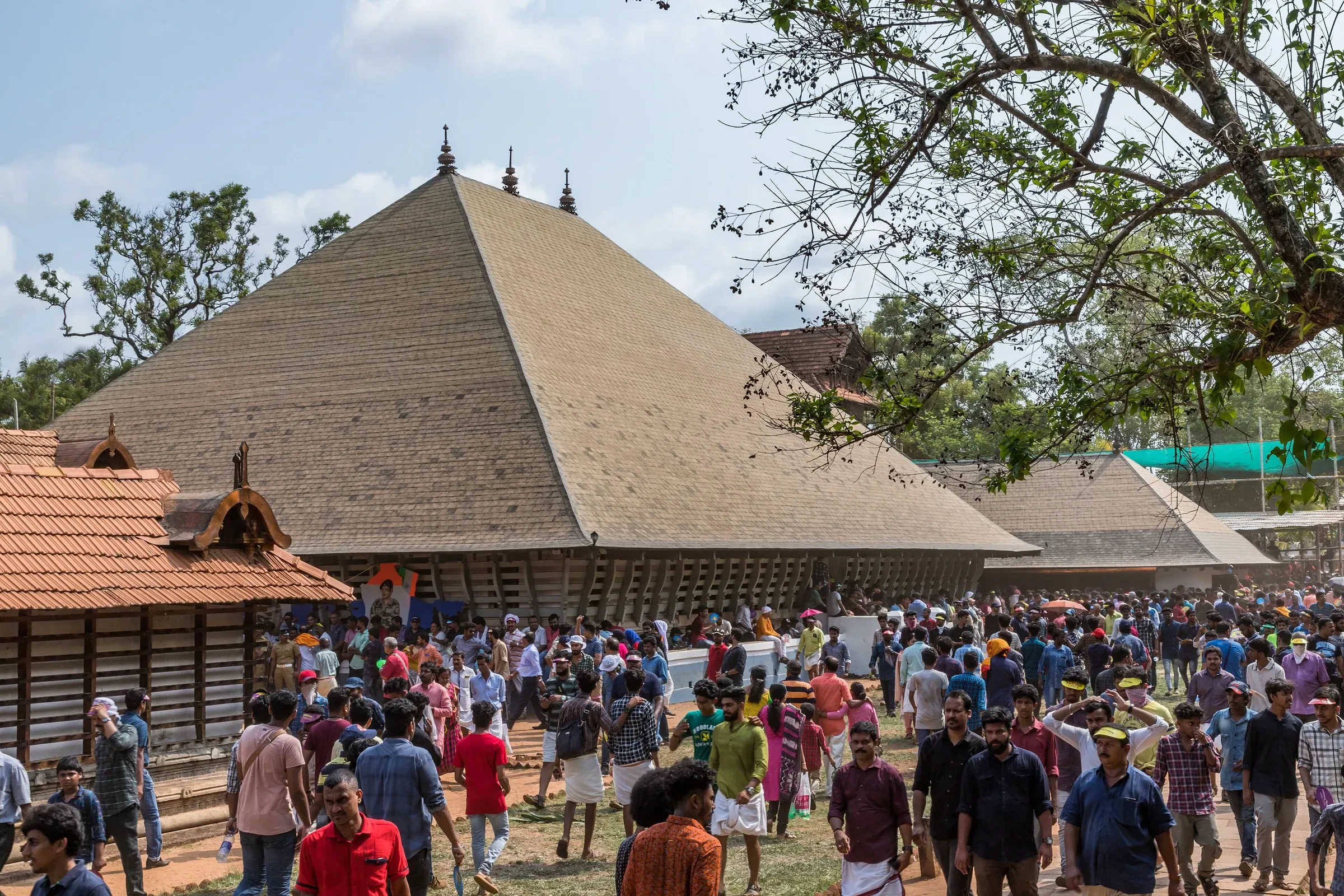
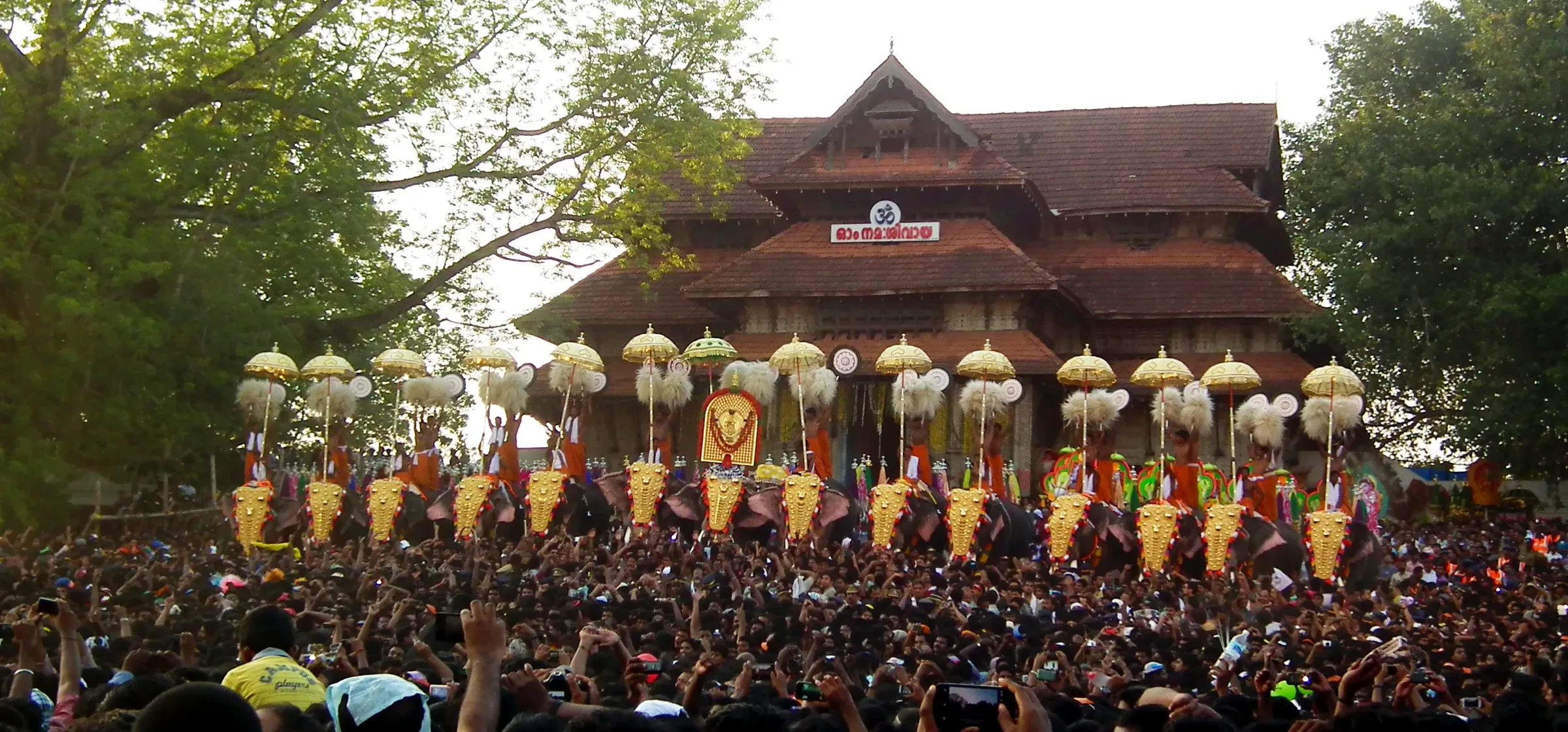
17 to 18 April 2027 · Thrissur, Kerala
Two temples parade up to 30 caparisoned elephants each in a percussion contest that closes with a fireworks display.
June
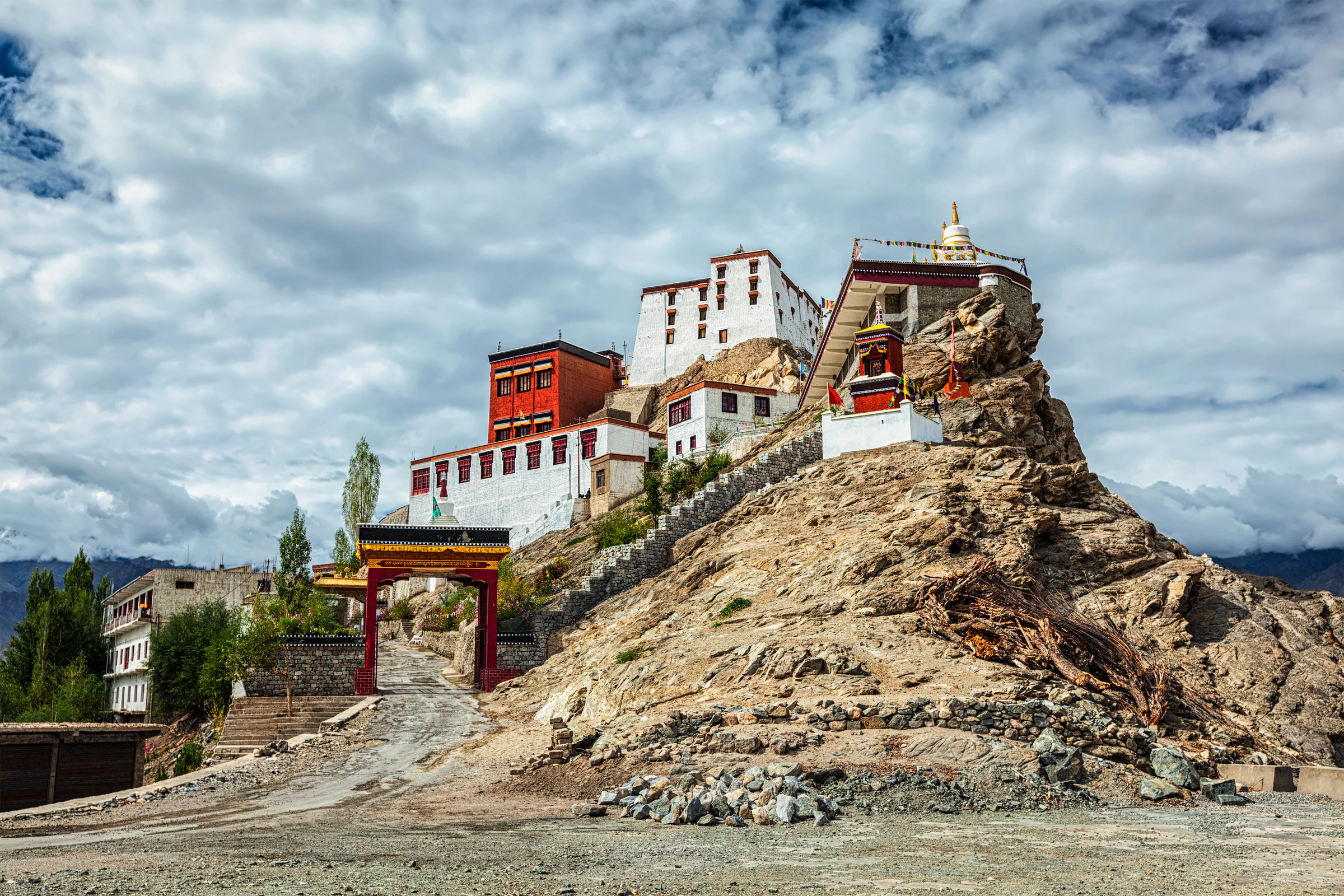
13 to 14 July 2027 (expected) · Hemis Monastery, Ladakh
Ladakh's biggest monastic festival, with monks performing masked Cham dances to mark Guru Padmasambhava's birth.
August
31 October 2026 · Nashik and Trimbakeshwar, Maharashtra (Ujjain holds its own, separate Simhastha in 2028)
One of the world's largest religious gatherings, when millions of Hindu pilgrims bathe in sacred rivers on astrologically fixed days.
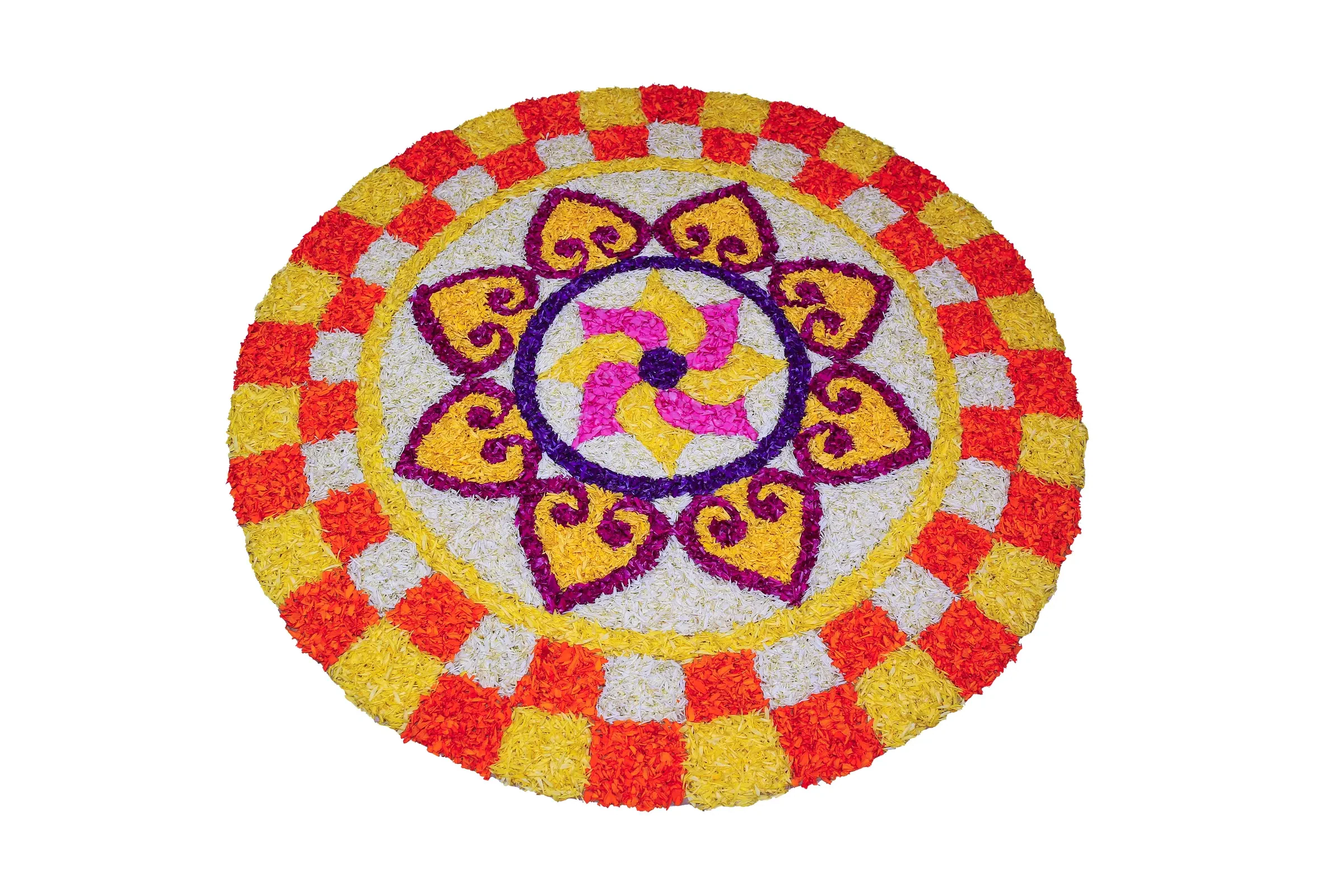
3 to 12 September 2027 · Thiruvananthapuram and across Kerala, with Alappuzha for the snake-boat races
Kerala's ten-day harvest festival of flower-carpet competitions, a banana-leaf feast and the Nehru Trophy boat race.
September
4 to 14 September 2027 · Mumbai, especially Lalbaugcha Raja, and across Maharashtra
A ten-day citywide celebration of Ganesha, ending with huge public idols carried to the sea for immersion.
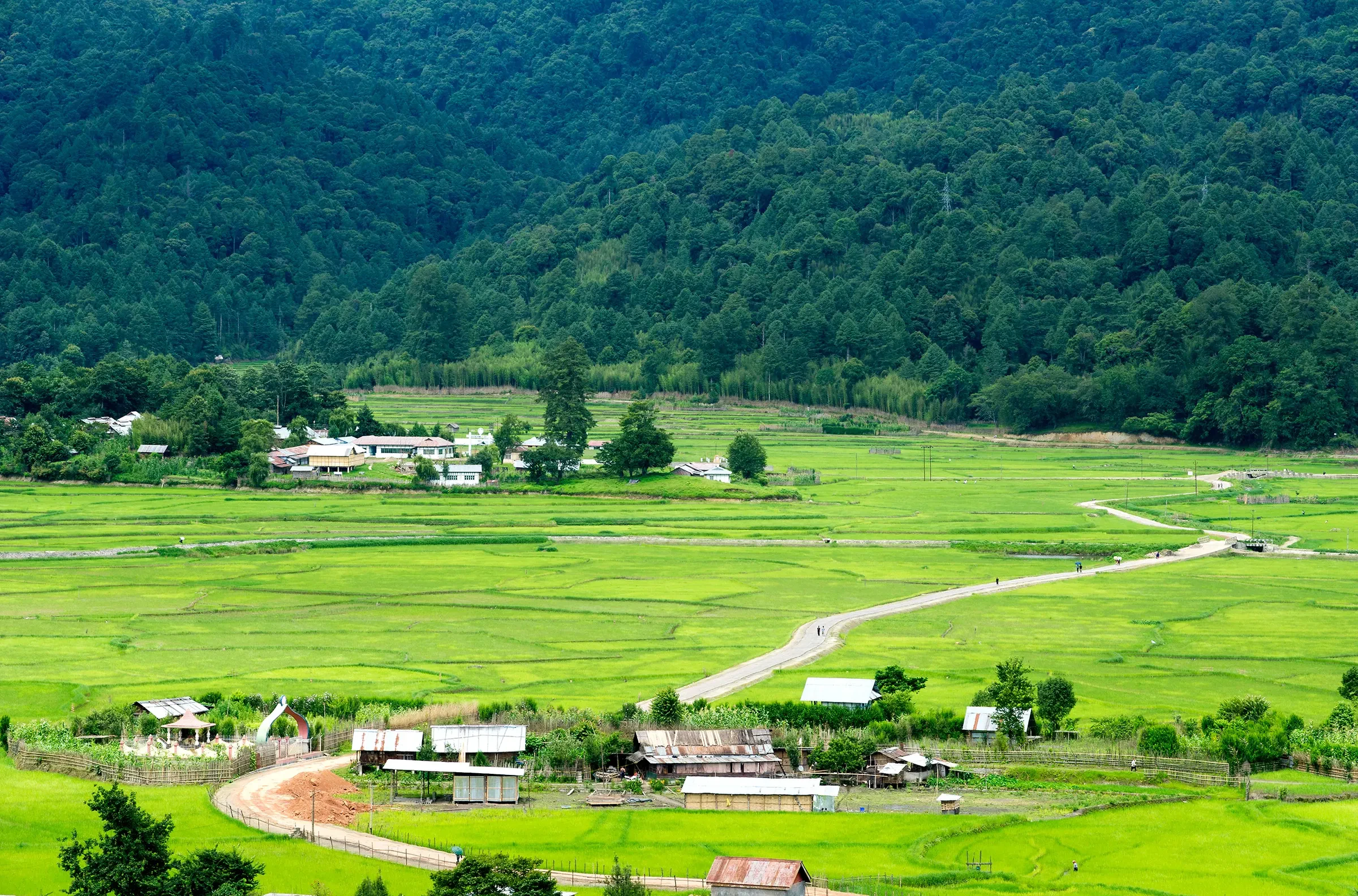
23 to 26 September 2027 (expected) · Ziro Valley, Arunachal Pradesh
India's best-known independent music festival, a camping event mixing Indian and international acts in a tribal rice-paddy valley.
October
17 to 21 October 2026 · Kolkata, West Bengal
A five-day citywide art event as much as a religious festival, with thousands of elaborately themed pandals to walk between.
11 to 19 October 2026 · Ahmedabad and Vadodara, Gujarat
Nine nights of communal circular dance held to honour the goddess Durga, with large ticketed public events.
November
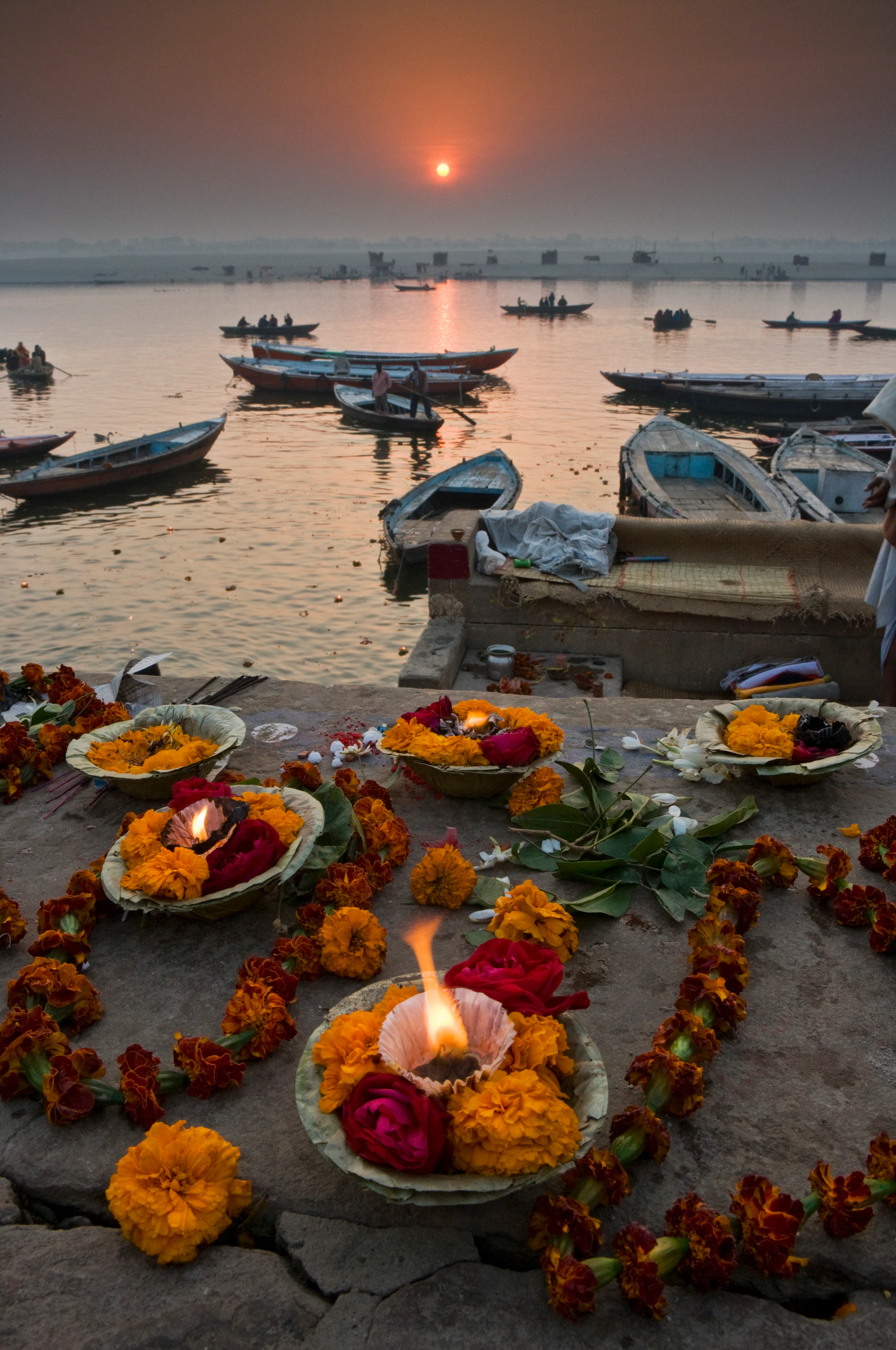
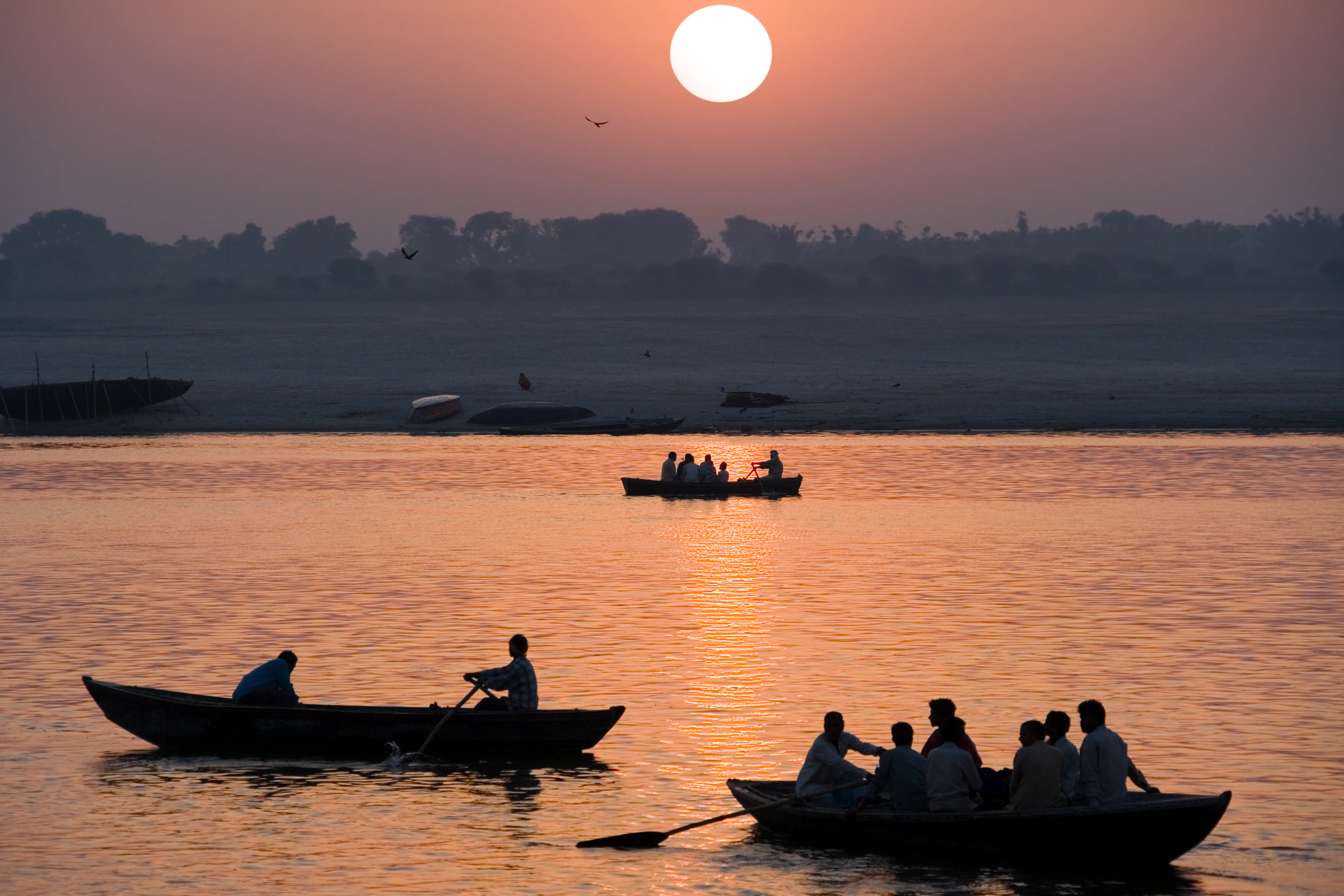
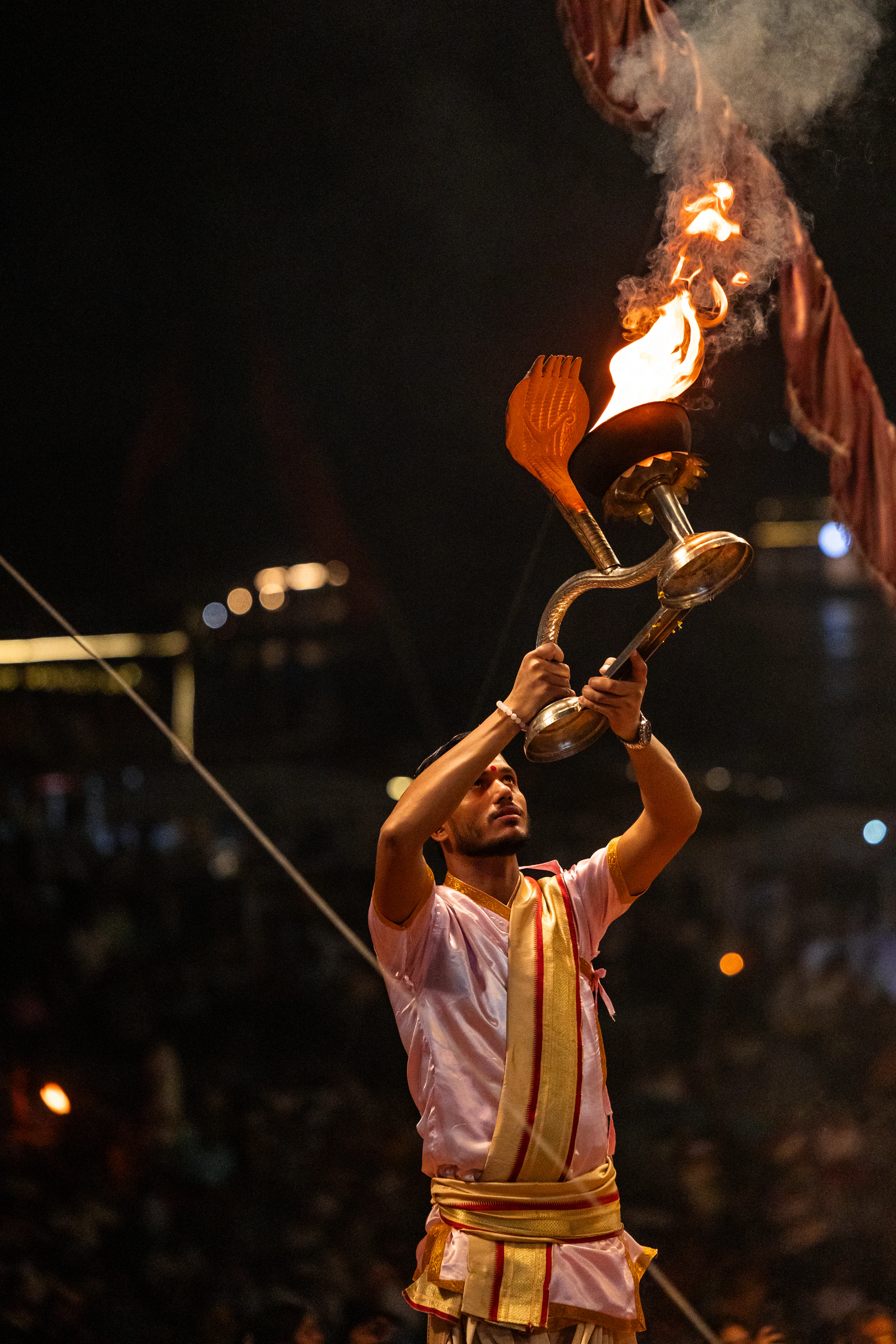
24 November 2026 · Varanasi
Millions of oil lamps are lit along Varanasi's riverside ghats on the full moon night that ends the Hindu festival calendar's biggest month.
6 to 10 November 2026 · Jaipur, Amritsar, Varanasi and homes and temples nationwide
India's biggest festival, a five-day celebration of light over darkness marked by oil lamps, fireworks and family gatherings.
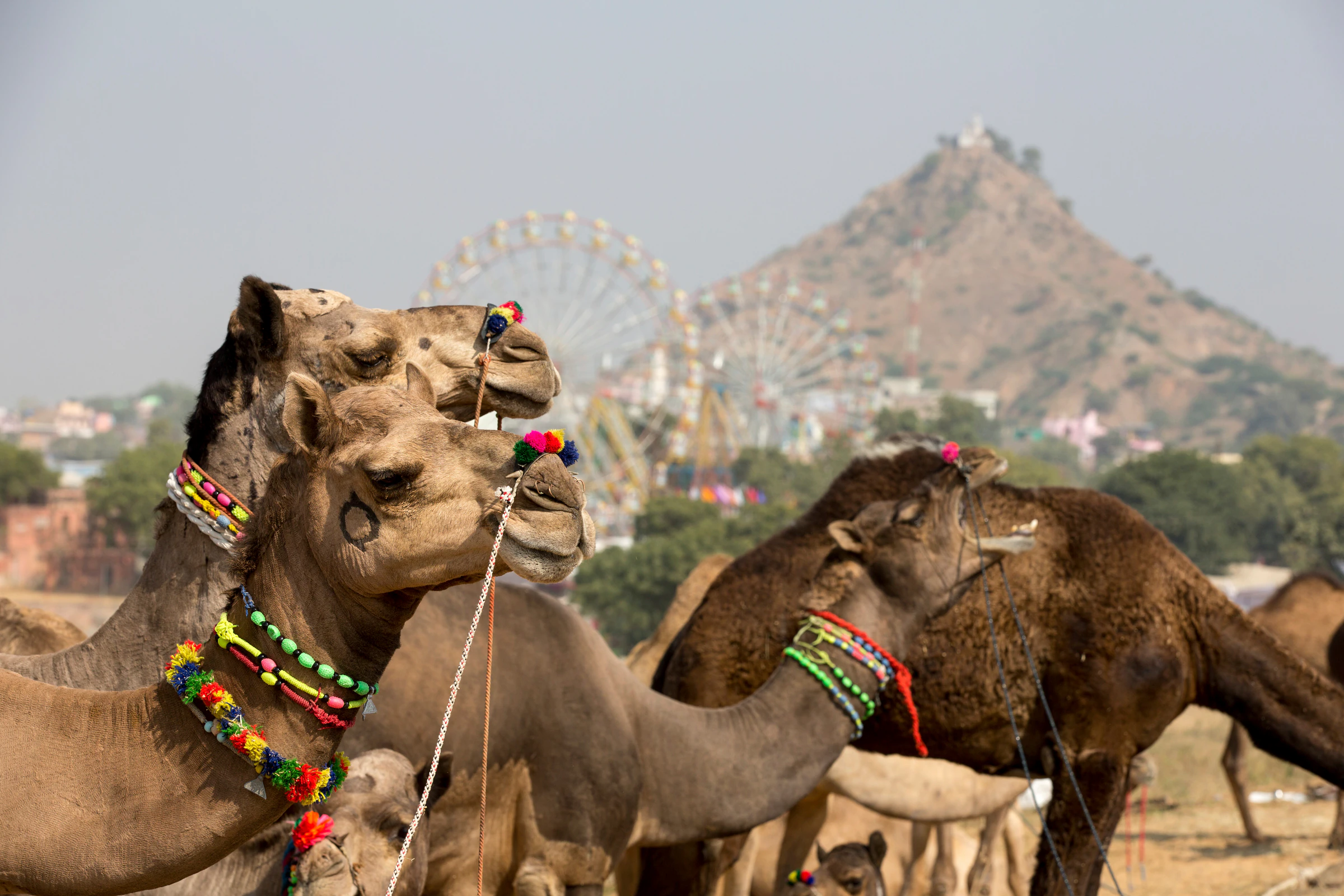
17 to 24 November 2026 (expected) · Pushkar, Rajasthan
One of the world's largest camel and livestock fairs, with camel races, a fairground and a holy bathing climax that draws plenty of visitors.
Rann Utsav (White Desert Festival)
1 November 2026 to 7 March 2027 · Dhordo Tent City, Great Rann of Kutch, Gujarat
A months-long tented festival city on the white salt flats, with folk music, craft markets and desert safaris.
Sonepur Cattle Fair
22 November to 22 December 2026 (expected) · Sonepur, Bihar, at the confluence of the Ganges and Gandak rivers
Historically Asia's largest livestock fair, now a month-long fairground of folk performances and a riverbank bathing ritual.
December
1 to 10 December 2026 · Kisama Heritage Village, near Kohima, Nagaland
A ten-day gathering of Nagaland's tribes, with traditional dress, dance and food, plus a motorbike and music side-programme.
Konark Dance Festival
1 to 5 December 2026 · Konark, Odisha, staged against the Sun Temple
A five-night classical Indian dance festival performed outdoors with the floodlit 13th-century Sun Temple as a backdrop.
Losar (Tibetan and Ladakhi New Year)
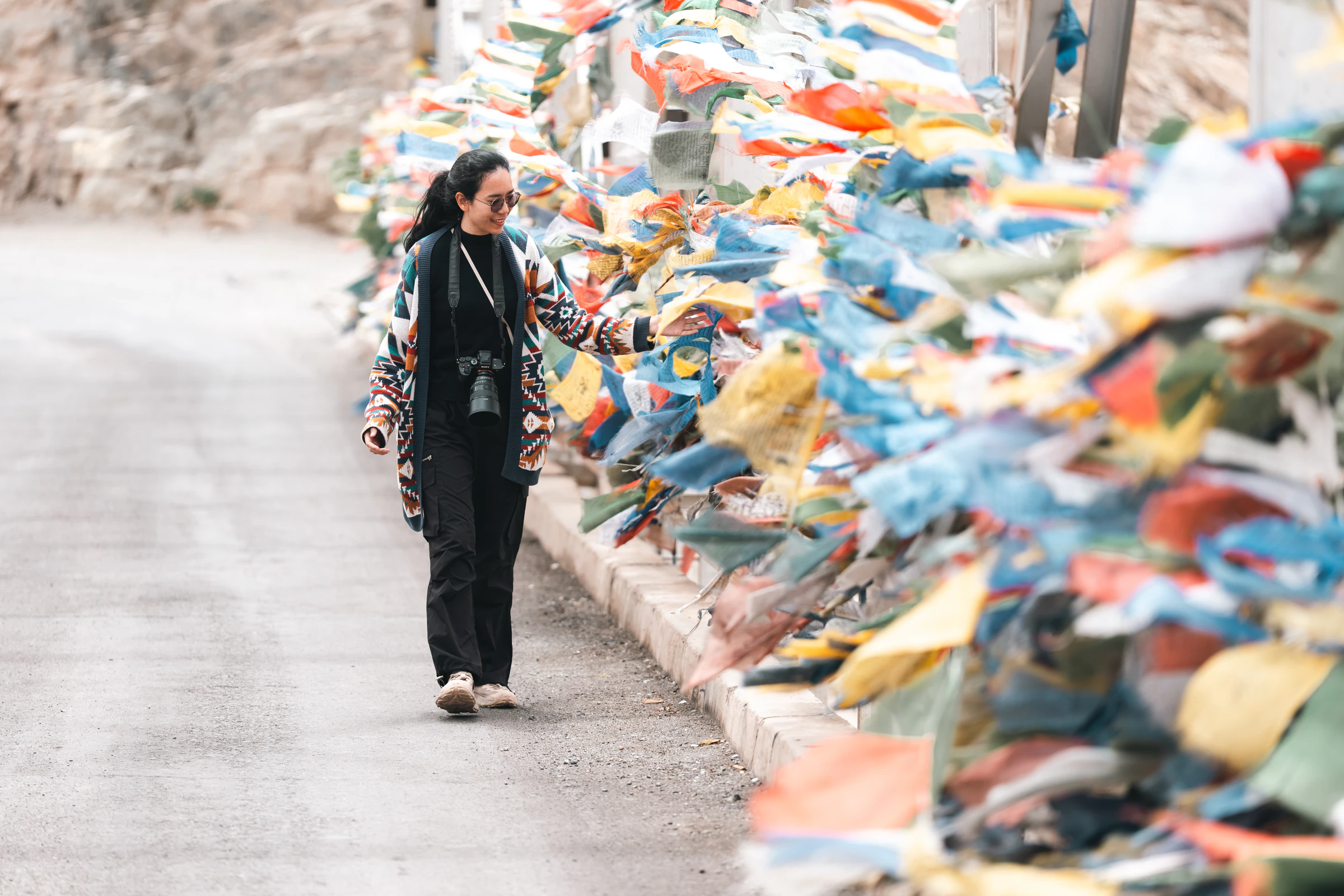
9 to 23 December 2026 · Leh, Ladakh, plus Sikkim, Darjeeling and Dharamshala
Himalayan Tibetan Buddhist new year celebrations, with Ladakh uniquely marking it about two months earlier than everywhere else.
India has more festivals worth planning a trip around than almost anywhere else, and they don't cluster in one season. Winter brings Rajasthan's fairs and Nagaland's Hornbill Festival; the monsoon and shoulder months bring Kerala's harvest festival and Mumbai's Ganesh processions; even the depths of a Ladakhi winter has its own new year. Below is what's on each month, what it's actually like to attend, and how to plan around it without getting caught out by a date that's moved since last year.
How India's festival dates are set
Most of the festivals below follow the Hindu lunisolar calendar, which tracks the moon inside a solar year, so a date can shift by anywhere from a few days to a few weeks from one year to the next; Holi and Diwali are the clearest examples, both moving by roughly 10 to 20 days between 2026 and 2027. Ladakh's Buddhist festivals, including Hemis and Losar, follow a Tibetan lunar calendar with its own leap-month adjustments, which is why Losar falls in December in Ladakh but in February further south in Sikkim and Dharamshala, nearly two months apart. A smaller group, including Pongal, Uttarayan and the Hornbill Festival, are fixed to the solar calendar or a government-set date and barely move at all. Whenever a date matters to your booking, check it against the year you're actually travelling.
January
Tamil Nadu's harvest festival Pongal runs over four days in mid-January (14 to 17 January in both 2026 and 2027), when the first rice of the new season is boiled with milk as an offering and rural Tamil Nadu opens up for a few days of family visits and bonfires. The same week, Uttarayan fills Ahmedabad's skies with thousands of competing kites on 14 and 15 January; watch from a rooftop, and stay alert at street level, since the traditional kite string can cut skin. Out in Rajasthan, the Jaisalmer Desert Festival brings camel races, turban-tying contests and a moonlit closing night on the Sam dunes. It ends on the Magh full moon, which was 1 February in 2026 and falls on 20 February in 2027, though Rajasthan Tourism hasn't announced the 2027 dates. In 2027 the Haridwar Ardh Kumbh also starts, with ten bathing days from Makar Sankranti on 14 January to Chaitra Purnima on 20 April. Its Amrit Snan (royal bath) days are 6 March, 8 March and 14 April.
- Pongal in Tamil Nadu
- Uttarayan: the kite festival in Ahmedabad
- Kumbh Mela, including the Haridwar Ardh Kumbh
February
Goa Carnival brings Portuguese-legacy street parades to Goa in mid-February, with Panaji's parade on 14 February in 2026 and the whole run from 13 to 17 February. It moves with Ash Wednesday, which is 10 February in 2027, so expect about 5 to 9 February then. There are floats, live music and a masked King Momo procession, and it feels closer to a beach-town Mardi Gras than anything else in India. It falls squarely inside Goa's already-popular winter season, so it's an easy add-on rather than a reason to travel on its own.
March
Holi, the festival of colours, is India's most famous festival for a reason: a joyful, riotous day of coloured powder and water thrown at friends and strangers alike, preceded by the Holika Dahan bonfire the night before. In 2026 Holika Dahan was on the evening of 3 March and Holi on 4 March. In 2027 most Hindu calendars give Holika Dahan on 21 March and Holi on 22 March, though the government's holiday list puts Holi a day later, on 23 March. Mathura and Vrindavan, in the Braj region, are considered its spiritual home and run week-long celebrations; Jaipur, Udaipur and Pushkar are easier to reach and popular with foreign travellers. Solo women should stick to organised, foreigner-friendly events rather than wandering unfamiliar streets, since Holi crowds are one of the settings where opportunistic groping has been reported.
April
Kerala's Thrissur Pooram, often called the festival of festivals, sees two temples' processions of up to 30 caparisoned elephants face off with competing percussion ensembles and normally a spectacular fireworks finale. In 2026 Pooram day was 26 April, and the festival was scaled back after a fireworks factory blast, with no fireworks and a Kudamattam cut to 15 minutes. The two temples have agreed 17 April for Pooram day in 2027. It's an extraordinary sight, though the elephants stand for many hours in heat, noise and crowds, which is worth knowing before you decide whether it's for you.
June
Ladakh's biggest monastic festival, the Hemis Festival, fills the Hemis Monastery courtyard with monks in elaborate masks performing the Cham dances that mark Guru Padmasambhava's birth. In 2026 it was held on 24 and 25 June, and in 2027 most calendars give 13 and 14 July. It falls right in the short window Ladakh's mountain roads are actually open, so it pairs naturally with a summer Ladakh trip.
August
Kerala's ten-day harvest festival Onam builds from the opening Atham day to its climax on Thiruvonam (16 to 26 August in 2026, and 3 to 12 September in 2027), with flower-carpet competitions, elaborate vegetarian feasts served on banana leaves, and the Nehru Trophy snake-boat races in Alappuzha as a standout single day (22 August in 2026). This is also the bucket for the Kumbh Mela, though its real dates run further ahead: the Nashik and Trimbakeshwar Simhastha Kumbh formally opens with flag-hoisting on 31 October 2026 and runs to 24 July 2028, but the main bathing days fall between 2 August and 12 September 2027, with the Amrit Snan on 2 August, 31 August, 11 September (Nashik) and 12 September (Trimbakeshwar). Ujjain holds its own Kumbh in 2028. It's one of the largest religious gatherings on Earth and also one of the most crowded; the main bathing days carry a real crowd-crush risk, so this is one festival worth attending with an experienced local operator rather than independently.
September
Mumbai's ten-day Ganesh Chaturthi builds to Anant Chaturdashi (25 September in 2026, and 14 September in 2027), when enormous decorated idols are carried through the streets to the sea for immersion in an all-night procession that's one of the great urban festival spectacles anywhere. Crowds on immersion night are severe, so watch from a fixed spot rather than trying to move with the procession. The same month, the Ziro Festival of Music brings an international line-up to a camping festival in Arunachal Pradesh's rice-paddy valleys. The 13th edition ran from 24 to 27 September 2026 with more than 40 acts, and the organisers haven't announced 2027, though they usually pick a late-September Thursday to Sunday. Foreign visitors need a Protected Area Permit arranged through a local operator (Indian visitors need an Inner Line Permit), so this is one to plan early rather than book last minute.
October
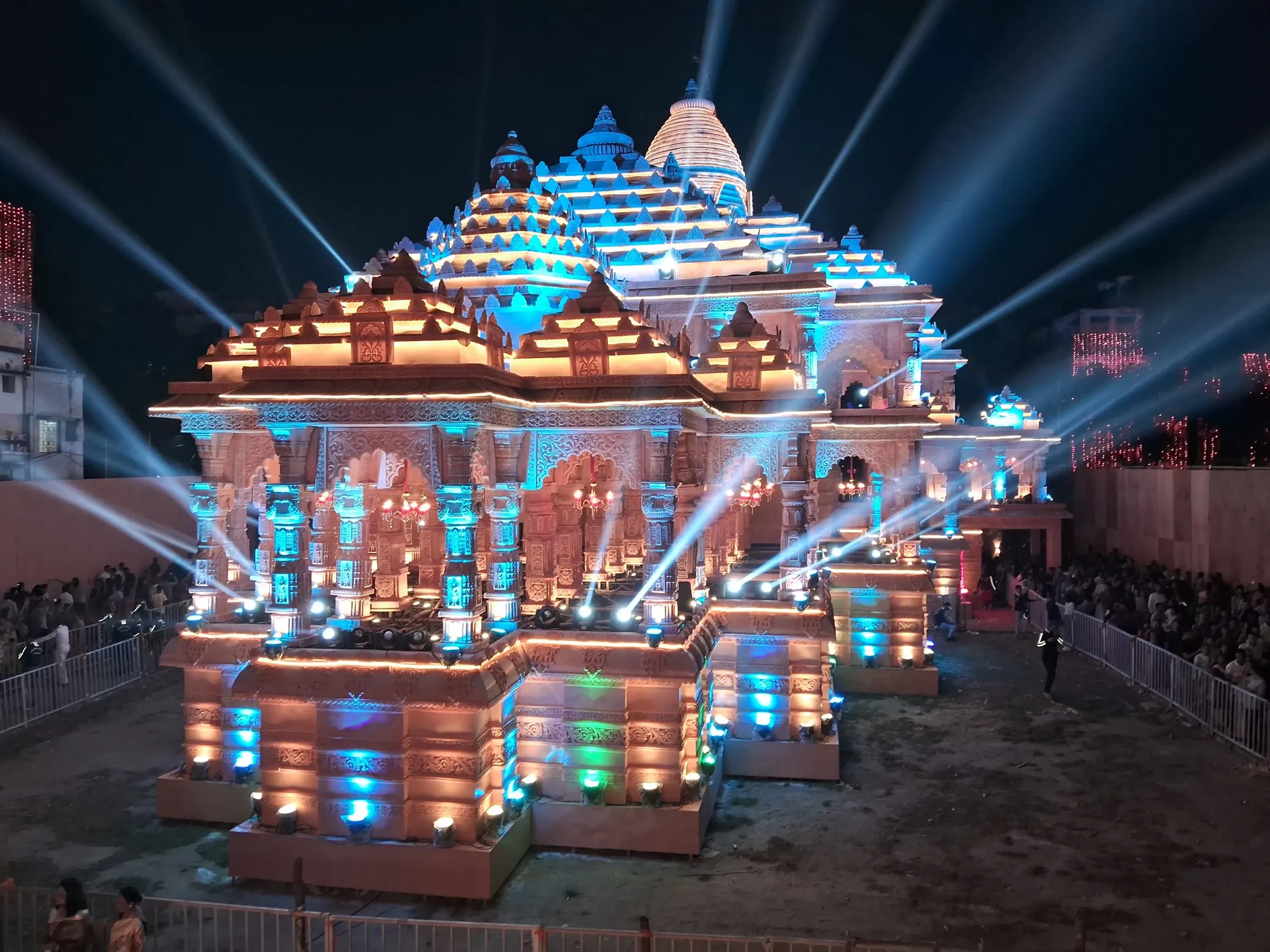
Kolkata turns into an open-air art exhibition for Durga Puja, when thousands of elaborately themed pandals compete for the best design and the whole city goes pandal-hopping for five days (Shashthi on 17 October to Vijaya Dashami on 21 October in 2026, with Mahalaya on 10 October). It's UNESCO-recognised and one of the friendliest festivals in India to explore solo, though the biggest pandals get intensely crowded on the main evenings, so go early rather than at peak time. The same fortnight, Gujarat's Navratri and Garba (11 to 19 October 2026, with Dussehra on 20 October) turns Ahmedabad and Vadodara into nine nights of communal circular dancing that visitors are welcome to join rather than just watch.
November
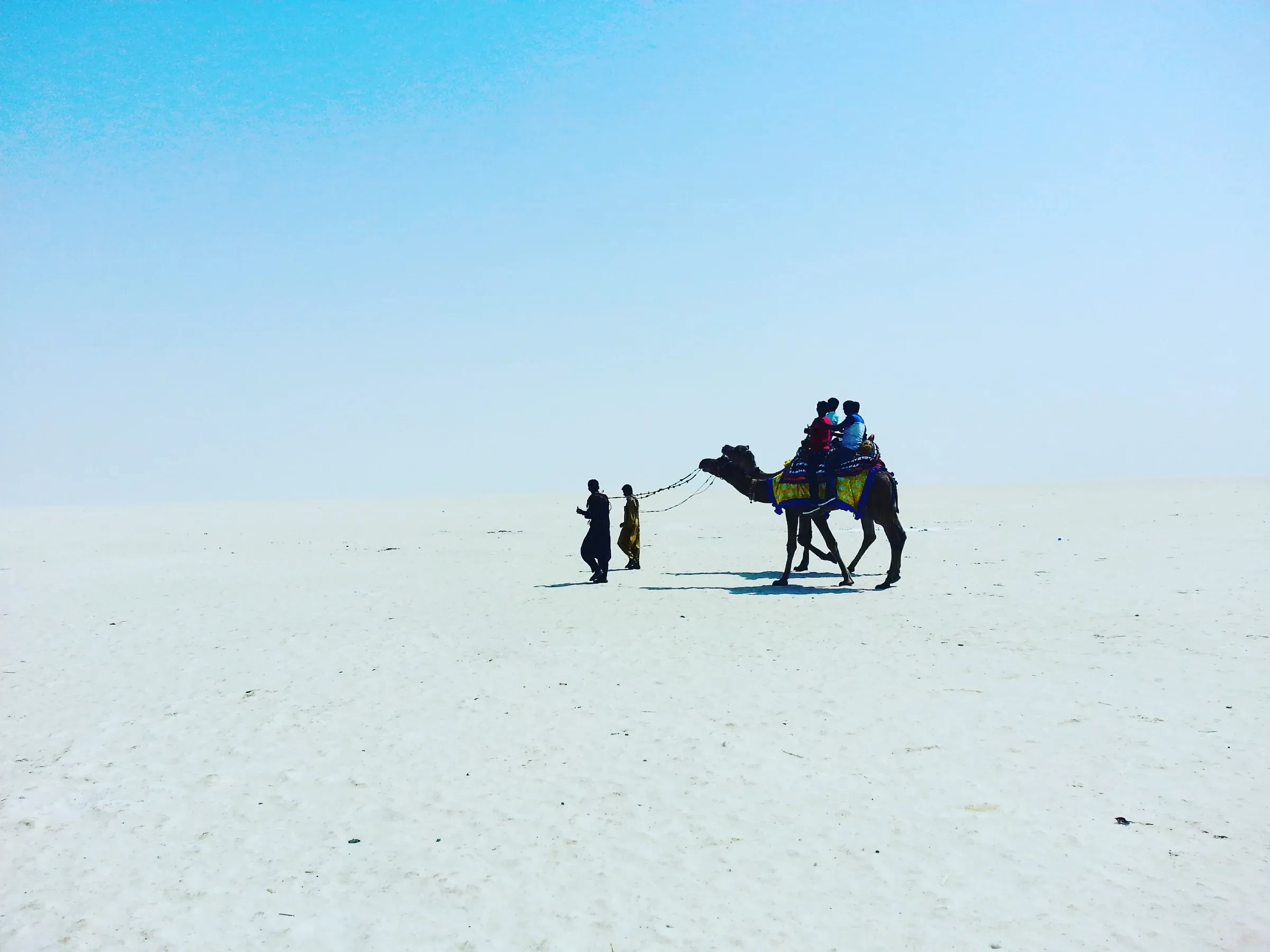
This is India's busiest festival month. Diwali, the festival of lights, runs as a five-day cluster with Dhanteras on 6 November, the main Lakshmi Puja night on 8 November and Bhai Dooj on 10 November in 2026; it's a warm, family-centred festival and one of the best times to be invited into a local home. About two weeks later, on 24 November and the same full moon night as Thailand's Loy Krathong, Varanasi's ghats are lit with hundreds of thousands of oil lamps for Dev Deepawali; boats give the best view of the river but sell out and get marked up heavily, so book ahead. That same night is also the climax of the Pushkar Camel Fair, one of the world's largest camel and livestock fairs. Trading runs for about a week before it, from around 17 November, but no official 2026 programme has been published and some operators run it to 25 November, so treat the start date as an estimate. Accommodation in the small, walkable holy town books out and prices spike hard, so plan months ahead rather than weeks. Bihar's Sonepur Cattle Fair is planned to open on 22 November and run for about a month (the end date isn't announced), as a far less touristed, more raw alternative. Gujarat's Rann Utsav opens on 1 November and runs to 7 March 2027, a season rather than a single date, with a tented city on the white salt flats of the Rann of Kutch that's at its most magical under a full moon.
December
Nagaland's Hornbill Festival brings together 16-plus tribes for ten days of traditional dress, war dances and indigenous food at Kisama Heritage Village near Kohima, with the rock contest on 3 to 6 December in 2026. The dates never move, which makes it an easy one to plan around, though foreign nationals need a Protected Area Permit for Nagaland, and no relaxation had been announced for 2026 as of 3 October. Ladakh keeps its own Losar (Tibetan New Year), roughly two months out of step with the rest of the Himalaya because of a historical calendar shift; it's a genuine off-season, insider experience in Leh, though winter access is limited. Leh's official date for Ladakhi Losar in 2026 is 9 December. Odisha's Konark Dance Festival rounds off the year with five nights, usually 1 to 5 December, of classical Indian dance staged in front of the floodlit, UNESCO-listed Sun Temple.
Planning a trip around a festival
Book accommodation as early as you can. Pushkar, Varanasi during Dev Deepawali and the Rann Utsav tent city all sell out and raise prices well ahead of the date; for Pushkar and Dev Deepawali, that means months rather than weeks.
Prices move with the festival. Rooms in a festival town can cost several times their normal rate during the event itself, then drop back within days. If your dates are flexible, arriving just before or leaving just after the peak day can still give you most of the atmosphere for a fraction of the price.
Read the crowd before you join it. Most festivals here, like Durga Puja and Holi, are safe and easy to enjoy solo. A few, including Kumbh Mela's main bathing days and Ganesh Chaturthi's immersion night, involve crowd densities that carry real risk; pick a fixed vantage point rather than trying to move with a procession, and consider a local guide for anything on the scale of Kumbh Mela.
Some festivals need paperwork, not just a date. The Hornbill Festival and Ziro Festival both sit in India's northeast, where foreign visitors need a Protected Area Permit and Indian visitors from outside the state need an Inner Line Permit; sort this before you travel rather than at the border.
Dress and behave with the occasion in mind. Many of these are religious observances first and photo opportunities second. Ask before photographing rituals up close, dress modestly at temples even during a festival like Holi, and remember that a family's Diwali or Onam celebration is their home life, not a show for visitors.
Which festival suits you
| You want | Try |
|---|---|
| A no-holds-barred party | Holi in Mathura or Vrindavan, or Goa Carnival in February |
| A once-in-a-generation spiritual experience | The Nashik Kumbh Mela or Haridwar's Ardh Kumbh in 2027, or the Hemis Festival's masked dances in Ladakh |
| Big-city culture and street art | Durga Puja's pandals in Kolkata, or the Hornbill Festival's tribal showcase in Nagaland |
| Something the whole family can join | Pongal in Tamil Nadu, or Onam's boat races and feasts in Kerala |
| The best photographs of your trip | Dev Deepawali's lamp-lit ghats in Varanasi, or the Pushkar Camel Fair at dawn |