Indonesia has more than 17,000 islands, but most travellers see a small, well-connected corner of it: Bali, the islands a short boat ride away, and sometimes Java or Komodo further afield. There's plenty in that corner. You can learn to surf in Canggu, climb a volcano for sunrise near Ubud, snorkel with manta rays off Nusa Penida and spend a few days on a small island with no cars. Bali also has a lively solo-travel scene, so it's easy to meet people.
How long do you need in Bali and Indonesia?
A week gives you a good taste of Bali. Ten days to two weeks lets you add the Gilis or Lombok. Three weeks or a month is enough to also reach Komodo or the volcanoes of Java. Start with our Bali itinerary guide, which compares every length.
Bali in 1 week
Split the week between the coast, the hills and one island. A night or two in Canggu for the surf and the sunsets, three nights in Ubud for the rice terraces, temples and the Mount Batur sunrise trek, then two nights on Nusa Penida for the cliffs and manta rays. If you have fewer days to spare, drop Nusa Penida and put the extra nights into Ubud instead. See the 7-day Bali itinerary.
Bali in 10 days
Ten days lets you add the Gili Islands. The easiest route is the week above, then a direct fast boat from Nusa Penida to Gili Trawangan for three nights. Allow a spare night back in Bali before your flight home, in case boats are cancelled. The 10-day Bali itinerary sets it out.
Bali and the Gilis in 2 weeks
Two weeks is enough for Canggu, Ubud, Nusa Penida and the Gilis at a relaxed pace, or you can swap the Gilis for Lombok's surf beaches around Kuta Lombok. Some people use the extra days for a surf course or a dive course. If you're weighing up the two islands, our Bali vs Lombok guide compares cost, crowds and surf. See the 2-week Bali itinerary.
Bali and Indonesia in 3 weeks
Three weeks is enough to add a proper second leg instead of a side trip. One option is to fly into Yogyakarta and follow the Java overland route to Bromo and Ijen before crossing to Bali. Another is to fly straight to Labuan Bajo and work back towards Bali on the Komodo and Flores overland route, checking first how Flores has recovered from the August 2026 earthquake. A quieter alternative to either is a loop through Lombok and the Gili Islands, with the Rinjani trek if it's open when you go, set out in our Lombok and Gili Islands itinerary. The 3-week Bali itinerary lays out all three route by route.
Bali and Indonesia in 1 month
A month is enough to do most of the above without rushing. Bear in mind that the visa on arrival gives 30 days, so you'll need to extend it once if you stay longer. See the 1-month Bali itinerary for a full route, or the backpacking Bali guide for a simpler month-long route and budget.
Where to go in Bali and Indonesia
Bali: the south coast, Canggu and Uluwatu
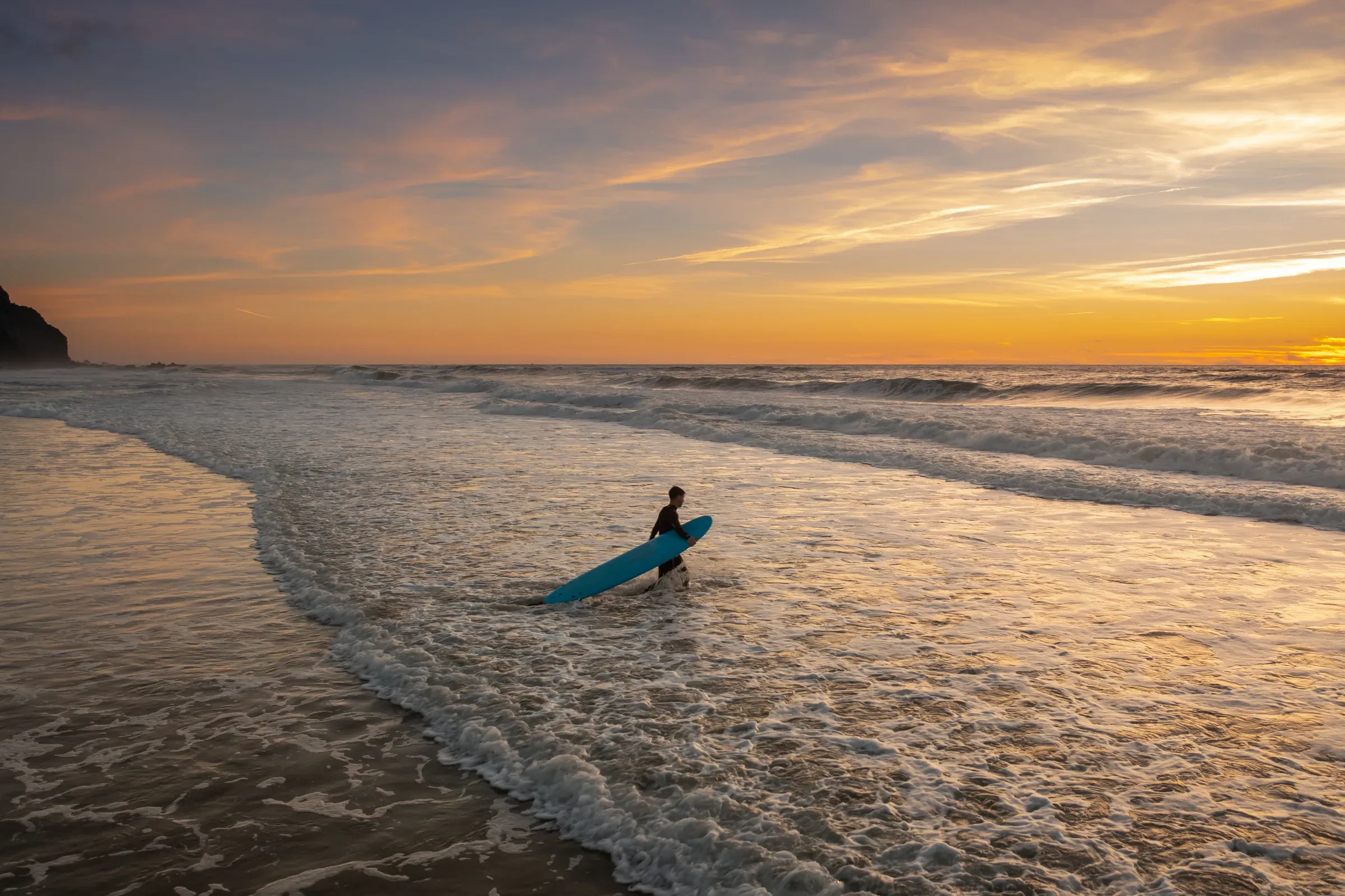
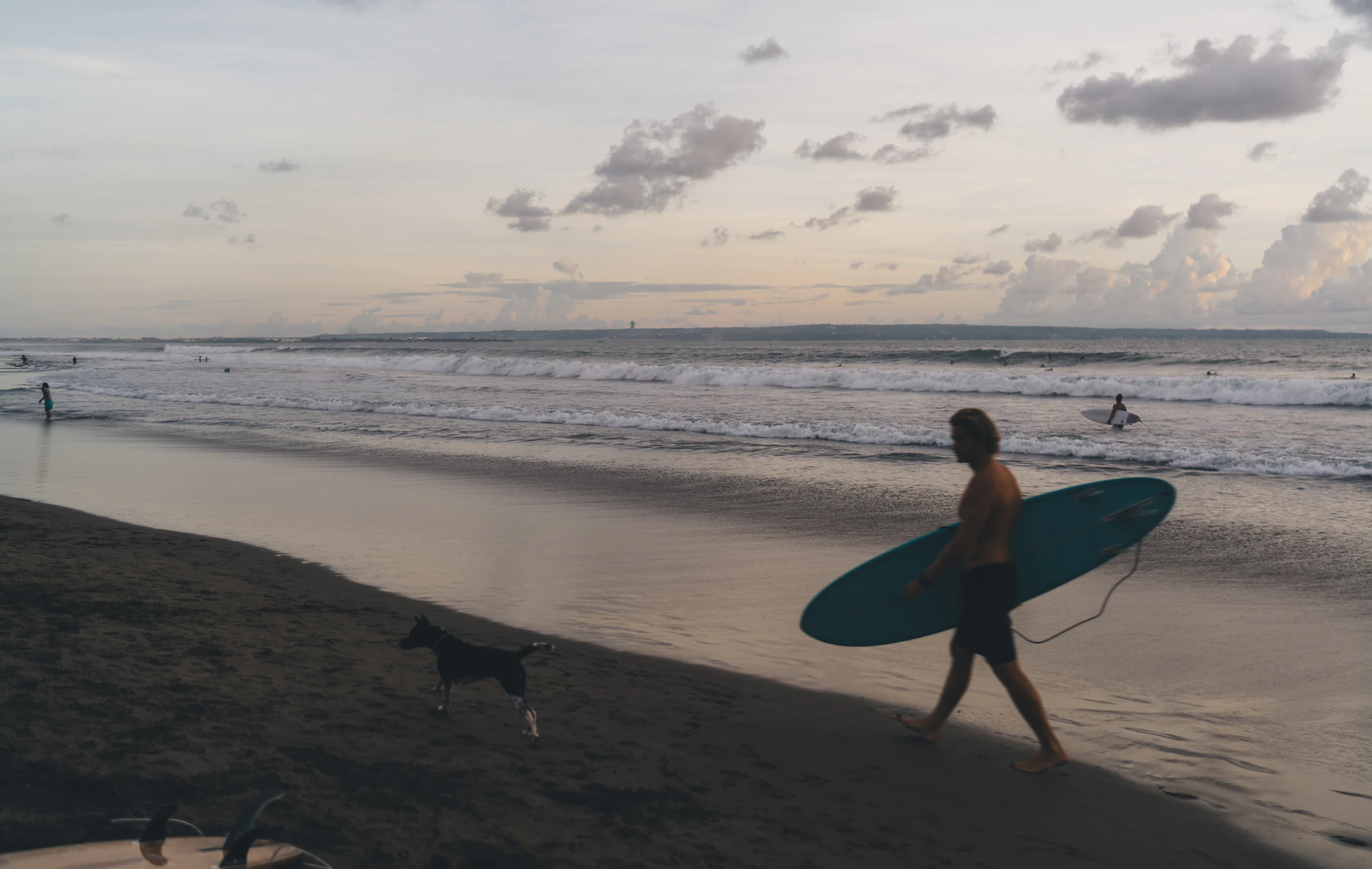
Canggu is where many solo travellers start: surf schools on the beach at Batu Bolong, cafes, coworking and beach clubs. The downside is traffic, which is often at a standstill on the main shortcut roads. Uluwatu, on the Bukit peninsula in the far south, is for stronger surfers, with reef breaks below the cliffs and a temple on the headland. Seminyak is the more polished beach-club strip.
In the dry season the trade winds blow offshore on the west coast and the Bukit, so that's when Canggu and Uluwatu are at their best. In the wet season the good waves move to the east coast around Keramas. Beginners are fine at Kuta, Canggu and Medewi most of the year. Read the Bali guide, the Canggu guide, things to do in Canggu, Canggu hostels, Bali surfing, surfing in Uluwatu and Uluwatu hostels.
Ubud and Mount Batur
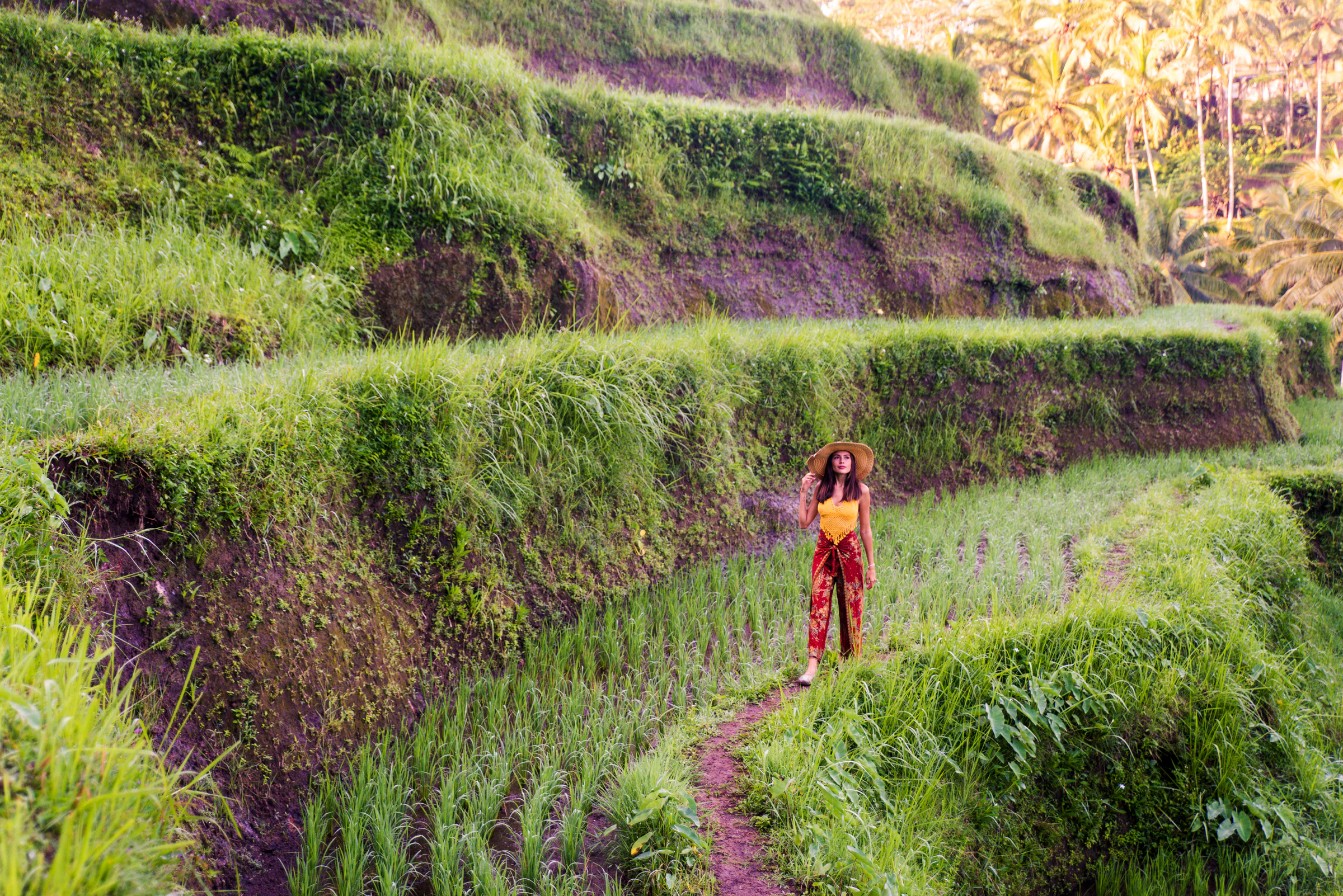
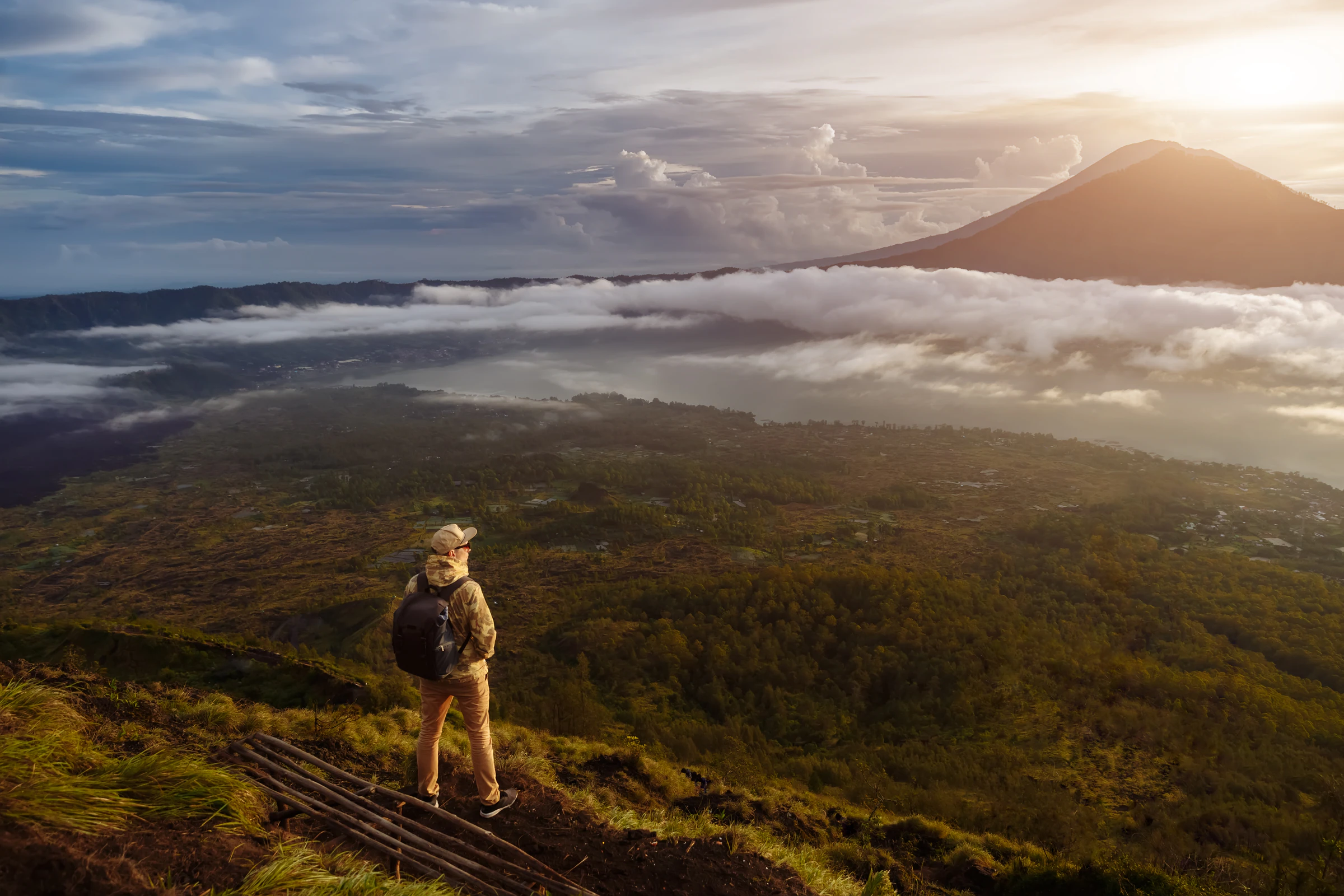
Ubud is Bali's green centre: rice terraces at Tegallalang, the Campuhan Ridge walk, water temples such as Tirta Empul, cooking classes and yoga. Three nights is about right. From Ubud, the Mount Batur sunrise trek starts in the dark (between about 02:00 and 04:00) and climbs about 700 m to the 1,717 m summit in 1.5 to 2 hours. The local trekking associations require a registered guide. See the Mount Batur guide and the Batur sunrise hike guide.
Nusa Penida and Nusa Lembongan
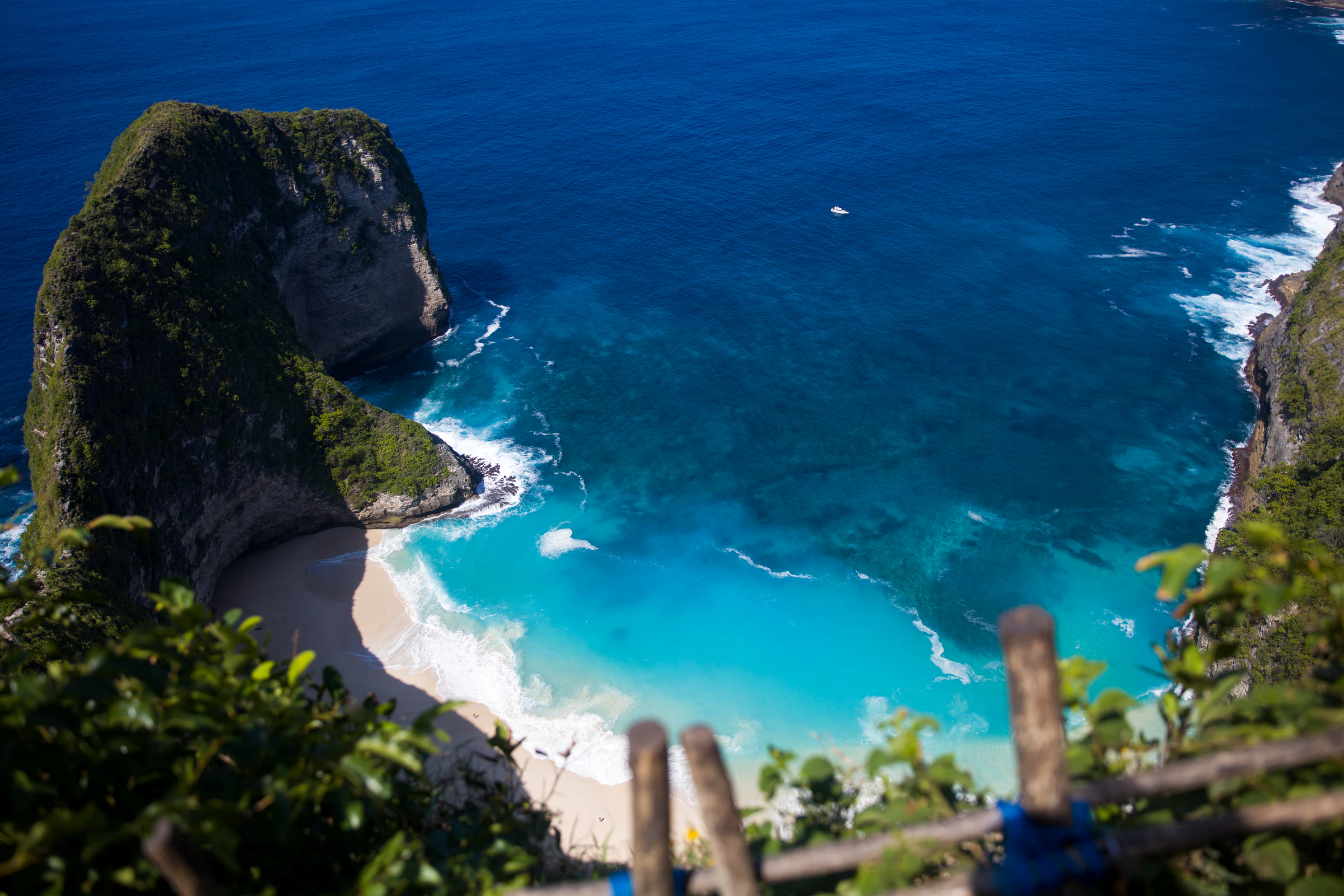
Nusa Penida is a 30 to 45 minute fast boat from Sanur. It's known for its huge cliffs (Kelingking, Broken Beach, Angel's Billabong) and for the reef manta rays that feed at Manta Point and Manta Bay all year. The roads are steep and rough, so hire a car with a driver rather than a scooter. Swimming at Kelingking beach has been banned since 2023, and people have died leaving the path, so stay at the top viewpoint. Visitors pay an IDR 25,000 island fee on arrival (in place since 2019) and, since 1 September 2026, a cashless IDR 25,000 at each of the main sites. Nearby Nusa Lembongan and Nusa Ceningan, joined by the Yellow Bridge, are smaller and quieter.
Read the Nusa Penida guide, things to do on Nusa Penida, a Nusa Penida day trip, snorkelling at Nusa Penida, diving at Nusa Penida and scuba diving in Bali.
The Gili Islands
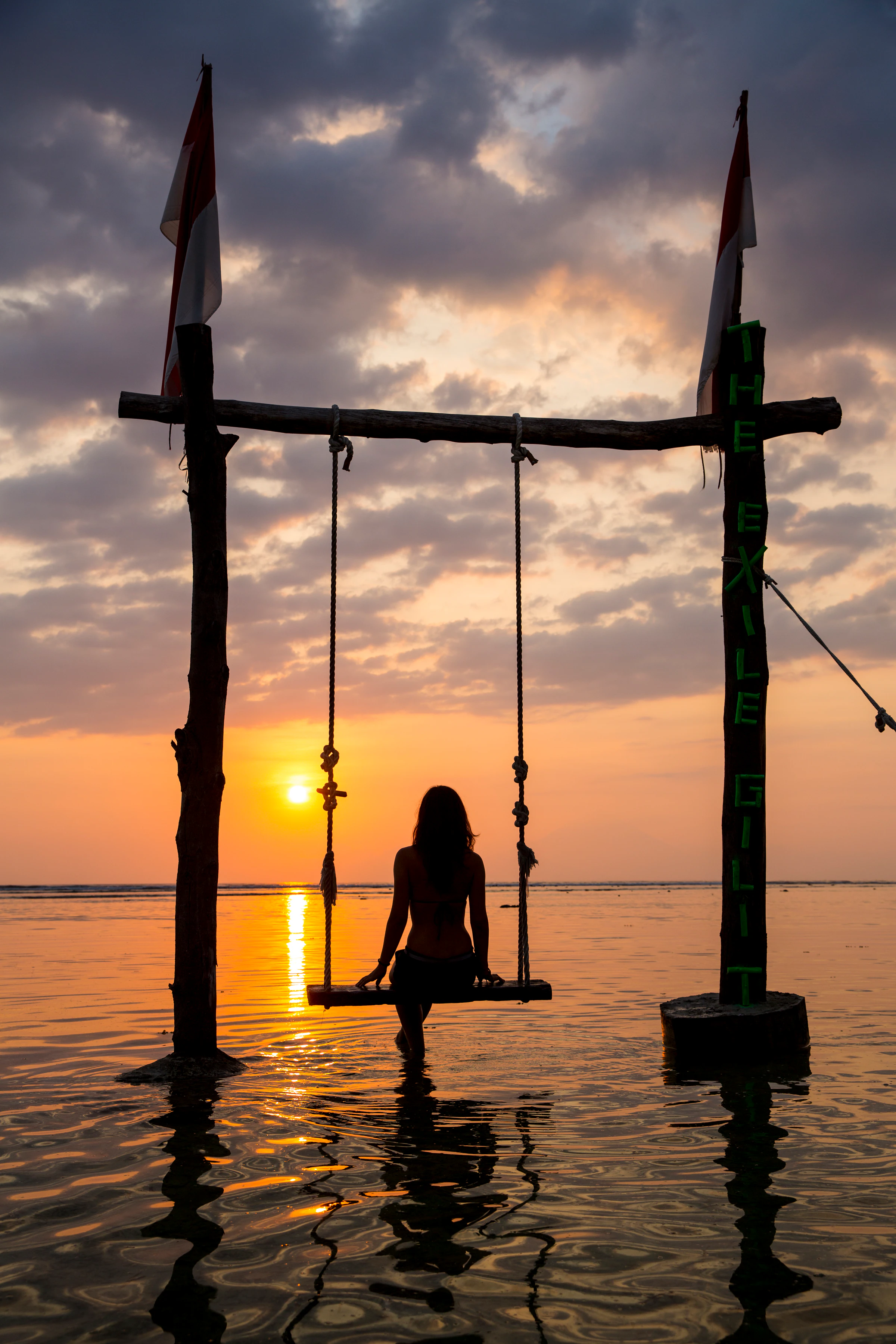
Gili Trawangan, Gili Meno and Gili Air sit off the northwest coast of Lombok. There are no motor vehicles, so you get around by bike or on foot. E-bikes are officially banned too, though many residents use them, so don't count on renting one. You can snorkel with turtles and swim out to the underwater statues off Gili Meno. Gili T is the social one, Meno the quietest and Air in between. Fast boats run from Bali (Padang Bai and Serangan) and direct from Nusa Penida, and there's a small levy at the port (IDR 20,000). If you're choosing between the two busiest islands, see our Gili Trawangan vs Gili Air guide. Read the Gili Islands guide and snorkelling in the Gilis.
Lombok and Mount Rinjani
Lombok is Bali's bigger, quieter neighbour, 40 to 50 minutes away by plane, or about 2 to 5 hours by fast boat depending on the route. Kuta Lombok, on the south coast, has beginner surf at Selong Belanak and Gerupuk and a laid-back town. The Mandalika circuit next door hosts the Indonesian MotoGP (the 2026 race is on Sunday 11 October, with the weekend running 9 to 11 October), and prices around Kuta jump that week. See the Lombok guide and our Bali vs Lombok comparison.
Mount Rinjani is a 3,726 m volcano that dominates the north of the island. Most people do a 2-day trek to the crater rim or a 3-day trek to the summit and the crater lake. The trails close every year from 1 January to 31 March. In 2026 the park reopened on a limited basis on 1 September for fire prevention, a wildfire closed the Senaru and Torean routes from 22 September, and Senaru reopened on 3 October, according to an Antara report. As of 6 October, sources differ on whether new eRinjani online bookings are open, so check with a licensed operator before you book. Rules tightened in 2025 and 2026: you trek with a licensed guide and a registered operator, one guide can take no more than 4 foreign trekkers (since January 2026), and the park's premium evacuation cover is strongly advised. See the Rinjani guide, trekking Rinjani and the combined Lombok and Gili Islands itinerary, which builds the trek into a route.
If you'd like company for the climb, our dedicated trip starts slow in Ubud, eases into island time on Gili Air, then treks with a licensed guide to camp on Rinjani's crater rim before four nights of recovery and surf in Kuta Lombok.
Java: Yogyakarta, Bromo and Ijen
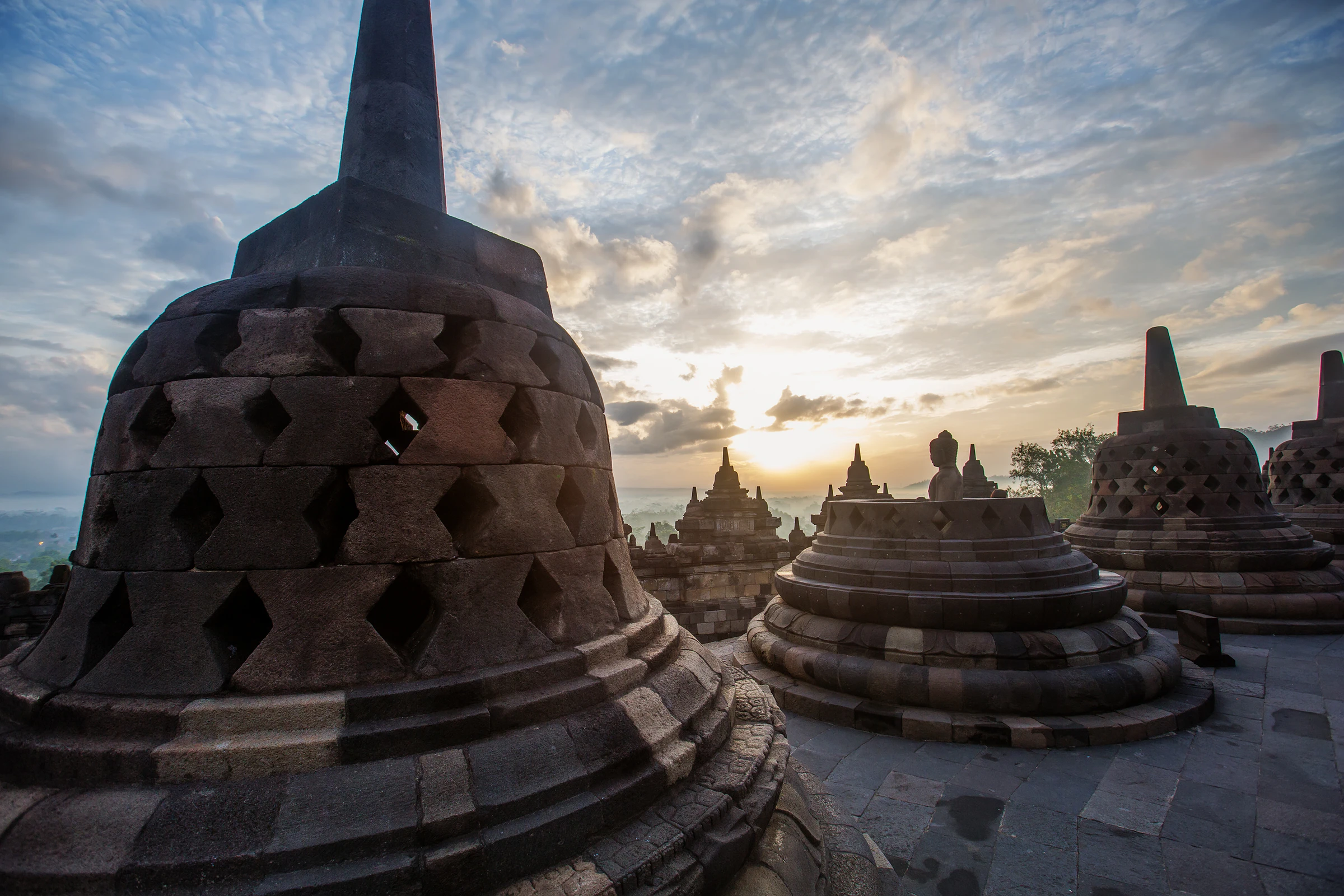
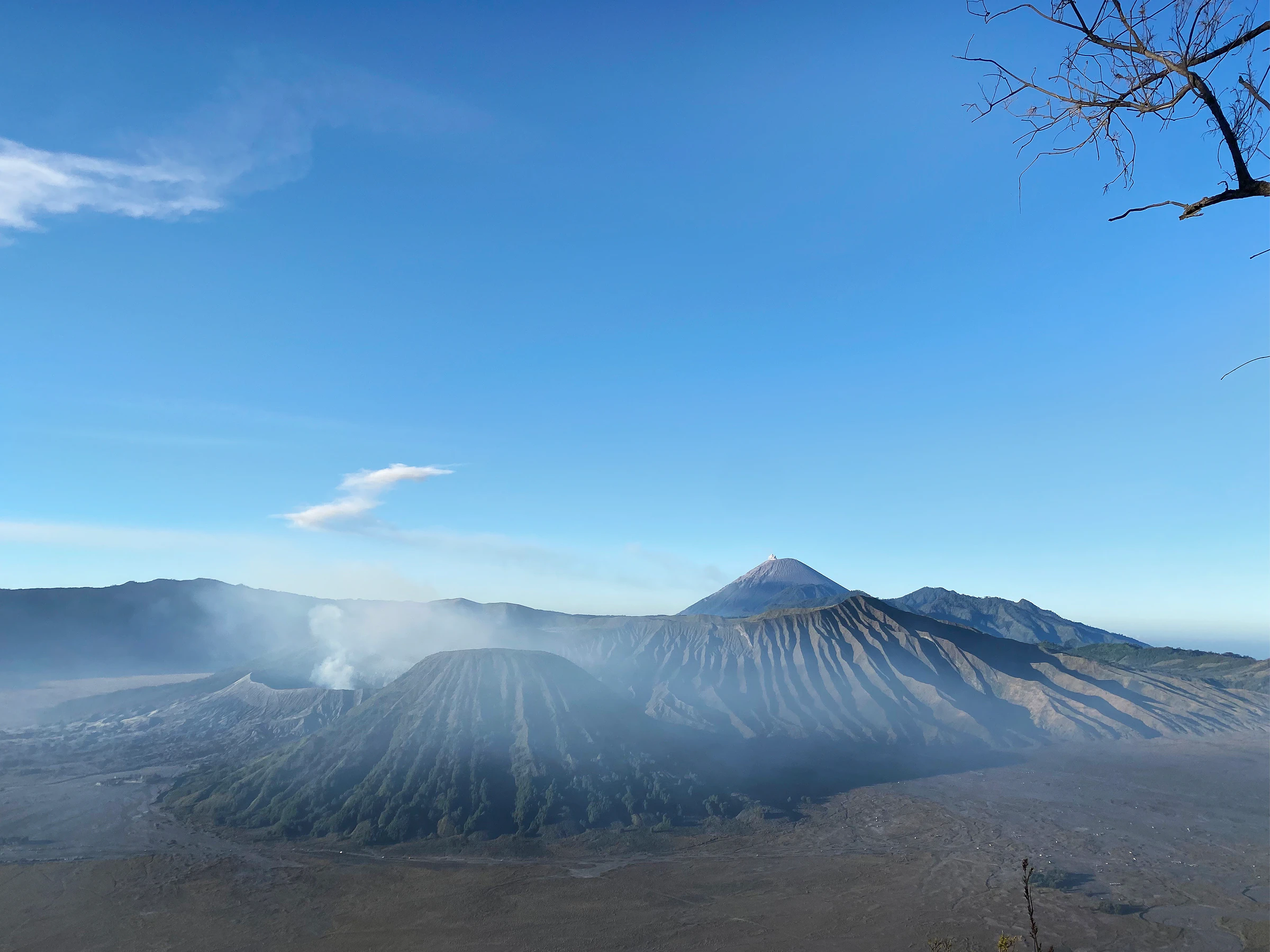
West of Bali, Java is where most three-week and month-long routes add a genuine second leg: the temples of Borobudur and Prambanan outside Yogyakarta, then a sunrise jeep tour over Mount Bromo's sea-of-sand caldera and, further east, a pre-dawn hike to Ijen's crater lake (the park's hiking gate opens at 2am). Foreign park entry is IDR 255,000 for Bromo and IDR 150,000 for Ijen. Don't plan around Ijen's blue fire. Tour-operator sites report it hasn't been visible in 2026, and we found no official statement either way. Both parks closed for fires this year: Bromo in August and September, Ijen from 4 to 28 September. Ijen also closes on the first Friday of each month, and the crater air carries toxic gas, so bring a respirator with a gas filter. See the Yogyakarta guide, the Bromo and Ijen guide and the Java overland itinerary, which links Yogyakarta to Bali over about a week.
Komodo and Labuan Bajo
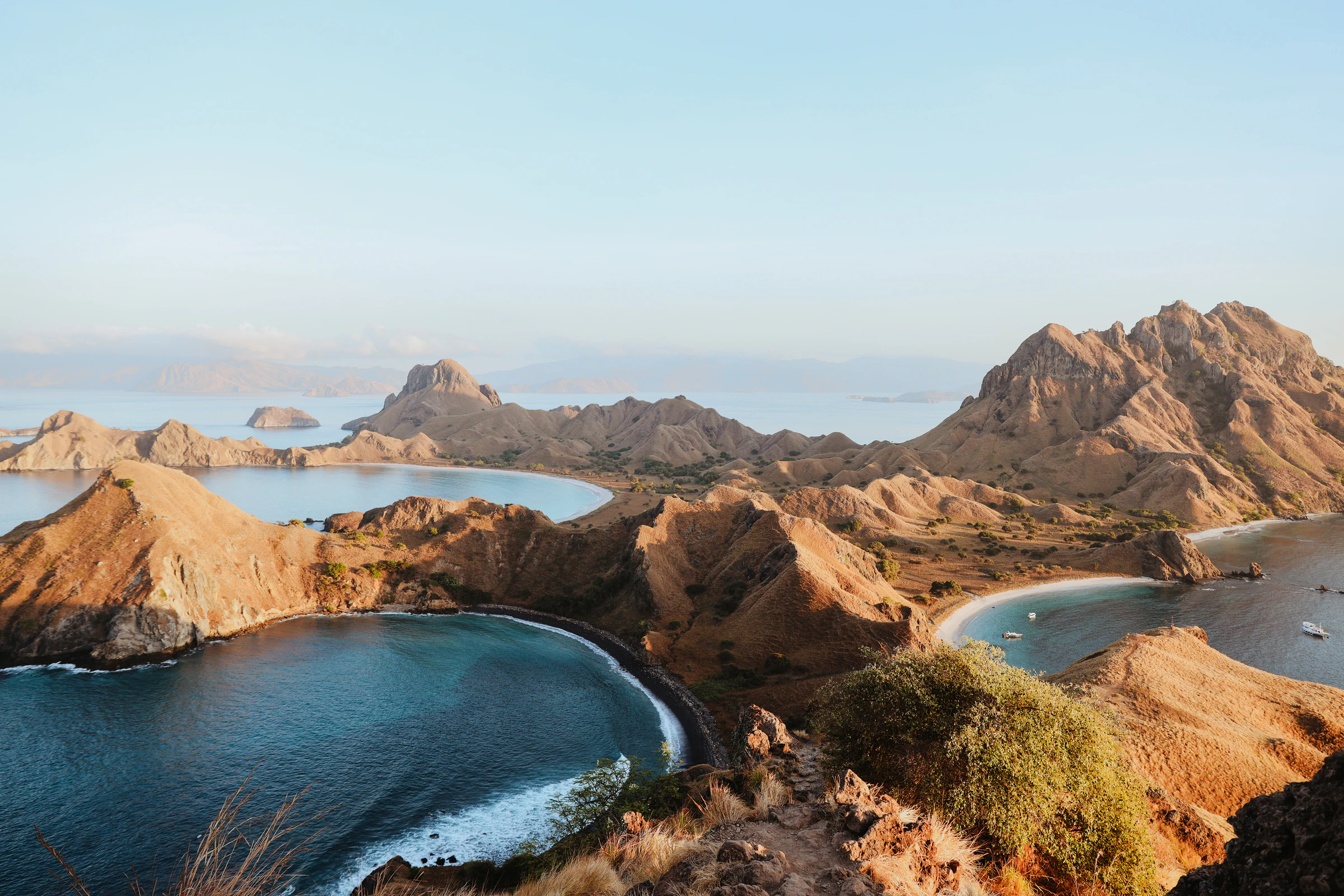
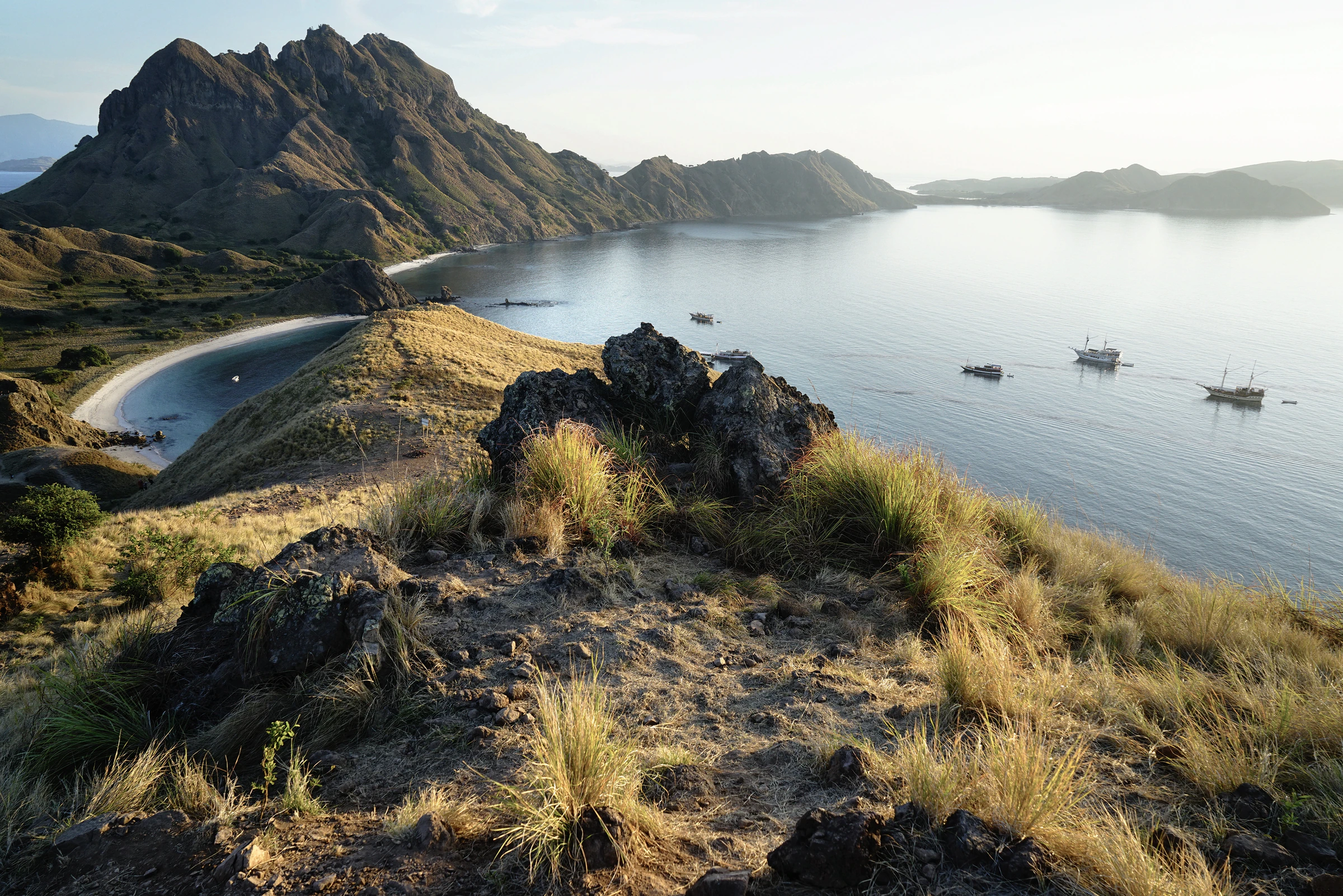
Komodo National Park is a short flight east of Bali (about 1 hour 10 minutes to Labuan Bajo, with several flights a day). You see it by boat: a day trip by speedboat, or 2 to 3 days on a traditional wooden phinisi, with stops for the Komodo dragons, the Padar viewpoint, pink sand and manta rays. Since 1 April 2026 the park takes no more than 1,000 visitors a day, and entry has to be booked in advance through a licensed operator. Foreign visitors pay IDR 250,000 a day for park entry, and operators often add harbour fees. The best conditions are from about April to November, though in 2026 the harbourmaster closed voyages to Komodo and Padar on several dry-season days, so leave a spare day. A magnitude 7.7 earthquake struck Flores on 15 August 2026, and reports from 18 to 21 August said Komodo National Park and its Padar and Komodo Island sites were operating again; see our Flores itinerary for the overland picture. See the Komodo guide, diving in Komodo, Komodo weather and, if you want to keep travelling overland from there, the Komodo and Flores itinerary.
We run two Komodo trips from Labuan Bajo. The shorter one fits the park's highlights into a long weekend.
The longer one slows down over three nights aboard the boat, with a dragon walk on both Rinca and Komodo Island.
What to eat in Bali and Indonesia
Bali's everyday plate is nasi campur, a scoop of rice with a small selection of vegetables, meat and sambal, and warungs charge only a little more for it than a coffee costs. Ceremony food such as babi guling (spit-roast pork) turns up at temple events and specialist warungs. Cross to Lombok and the base dish gets hotter: ayam taliwang, grilled chicken in a fiery sambal. Further afield, Yogyakarta on Java is known for the sweet, slow-cooked jackfruit stew gudeg, and Padang restaurants selling rendang and other West Sumatran dishes turn up on nearly every island, Bali included. Our Indonesian food guide goes island by island, and the Balinese food guide covers Bali on its own.
Best time to visit Bali and Indonesia
| Months | Weather in Bali | What it means |
|---|---|---|
| April to October | Dry season. Sunny, lower humidity | The best time overall. Batur sunrises are clearer, and the west coast surf is at its best |
| May, June, September | Dry, with calmer seas | The sweet spot for weather, sea and crowds |
| July and August | Dry, busiest months | Book ahead. Southeast swell can cancel some Bali to Gili boats |
| November to March | Wet season. Heavy showers, more humid | Fewer people, but boats can be cancelled in big seas, and rubbish washes up on Kuta and Seminyak beaches |
The season also shapes the islands around Bali. Rinjani closes in the first months of the year, and Komodo is best in the dry season. Christmas and New Year are busy whatever the weather. Our best time to visit Bali guide goes month by month.
Nyepi, Bali's Day of Silence, is a big date to know about. On Monday 8 March 2027, the whole island shuts down for 24 hours from 06:00: the airport closes, no fast boats run, and you have to stay inside your accommodation. The night before brings the ogoh-ogoh parades of giant papier-mache demons, which are a highlight. Later in the year, Galungan and Kuningan bring penjor poles and family ceremonies across the island, and further east on Sumba, the horseback ritual battle of Pasola takes place between about February and March, on days the local priests set only weeks ahead. See our Nyepi guide, the Bali festivals calendar, the Galungan and Kuningan guide and the Pasola guide.
Getting around Bali and the islands
Drivers. Bali has no trains, so for day trips most people hire a car with a driver, which costs about IDR 650,000 to 900,000 for an 8 to 10 hour day including fuel. It's the easiest way to get a group of new friends to Ubud or a waterfall.
Grab and Gojek. Both apps work across Bali. Some areas, including parts of Ubud, Uluwatu, Canggu and the airport, have informal "no pick-up" zones where local taxi groups object, so you may need to walk out to a main road.
Scooters. Everyone seems to ride them, but legally you need your home motorbike licence and an International Driving Permit with the motorbike category. Police checks have stepped up in 2026, with on-the-spot fines reported at about IDR 300,000 to 500,000 per missing document, and travel insurance may not cover you if you crash without a licence.
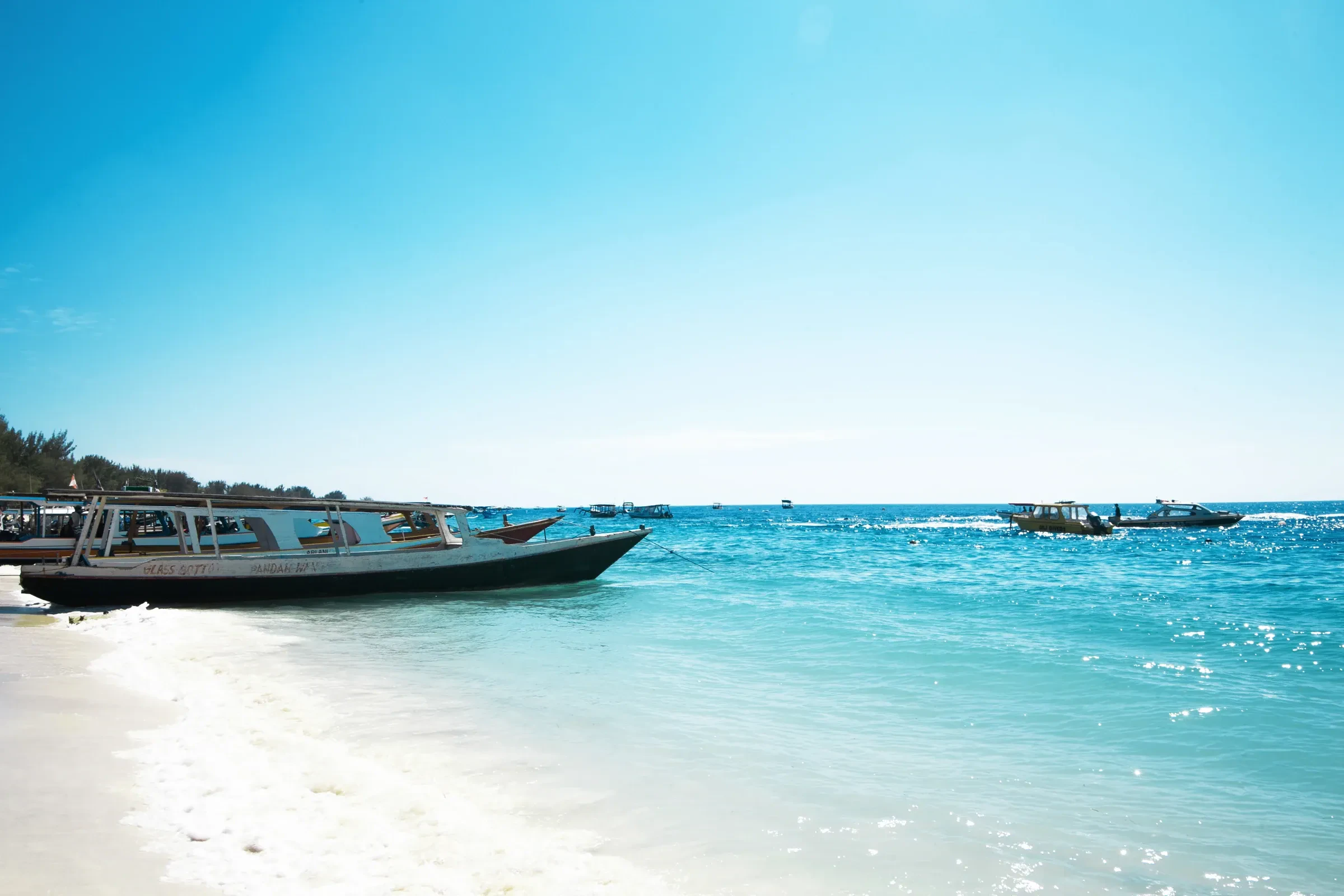
Fast boats. Boats link Sanur to Nusa Penida and Lembongan, and Padang Bai, Serangan or Nusa Penida to the Gilis and Lombok. Safety standards vary. There have been fatal accidents on these routes, including in 2025, so choose an established operator, check there are life jackets and avoid crossings in rough weather or after dark. Leave a spare day before your flight home.
Flights. Fly to Lombok (about 45 minutes) and Labuan Bajo for Komodo (about 1 hour 10 minutes). For Java, the public ferry between Gilimanuk and Ketapang takes about 45 minutes.
How much does Bali cost?
Bali can be very cheap or very expensive, depending on where you eat and sleep. At September 2026 rates, US$1 is about IDR 17,800.
| Item | Typical price (IDR) |
|---|---|
| Dorm bed, simple hostel | 100,000 to 200,000 |
| Dorm bed, social hostel with a pool | 250,000 to 450,000 |
| Nasi campur at a local warung | 25,000 to 45,000 |
| Large Bintang at a warung | 25,000 to 45,000 |
| Scooter hire for a day | 60,000 to 110,000 |
| Car and driver for the day | 650,000 to 900,000 |
| Beginner group surf lesson (2 hours) | 300,000 to 500,000 |
Food, drinks and local transport run about IDR 280,000 to 450,000 (US$16 to $25) a day, before your bed. Cafes in Canggu charge far more than a warung, so your budget depends mostly on where you eat. Plan for the one-off costs too: the visa on arrival (IDR 500,000 for now; check the portal for the announced rise), the Bali levy (IDR 150,000) and island levies on Penida and the Gilis. Our Bali cost guide adds it all up, and Bali hostels covers where to stay.
Visas and arrival
Travellers from the UK, US, Canada, Australia, New Zealand, Ireland, India and the EU all need a visa for Bali, and none of them can enter visa-free. Most use the Visa on Arrival, bought online in advance as an e-VOA at evisa.imigrasi.go.id or at the airport. It costs IDR 500,000, gives 30 days and can be extended once for another 30. Immigration has announced a higher fee but no start date, so check the official portal before you pay. Within 72 hours before landing you also fill in the free All Indonesia arrival declaration, and you pay the IDR 150,000 Bali tourist levy online. The full rules are in our Bali visa guide, with pages for travellers from the UK, US, Australia, Europe and India.
Travelling solo in Bali
Bali is one of the easiest places in Asia to travel alone. Hostels run group dinners and trips, surf camps are social, and Ubud is full of people doing yoga or a course on their own. The risks are mostly the ones you'd expect:
- Roads. Tourist scooter crashes are common. Only ride if you're licensed and experienced.
- The sea. Rips and big waves are common on the south coast and around Nusa Penida's cliffs. Swim where locals and lifeguards do.
- Boats. Pick established fast-boat operators and don't cross in bad weather.
- Volcanoes. The FCDO updated its Indonesia advice on 18 September 2026: it no longer advises against all travel to volcanoes in Indonesia. It still says volcanoes can erupt without warning, and it points travellers to MAGMA Indonesia and the national disaster agency for exclusion zones.
- Drinks and drugs. The FCDO warns that counterfeit alcohol can contain methanol ("even small amounts of methanol can kill") and that drug offences are serious crimes. Buy drinks from licensed venues and steer clear of drugs.
- Animals. Monkeys at temples bite, and any bite needs medical treatment. Skip attractions that offer elephant rides or captive dolphins, and don't visit caged-civet coffee plantations.
For wider safety advice on travelling alone in the region, see our guides to solo trips for women and the safest countries for solo female travellers.
Bali group trips for solo travellers
Our Bali trips follow the routes above with a small group of solo travellers aged 18 to 40. Your Trip Host travels with you the whole way, and a licensed local agency and licensed local guides run the ground arrangements. Compare them on our Bali and Indonesia group trips page.
If you want to get certified, our diving trip teaches you on Gili Trawangan, then takes your new certification to a manta dive off Nusa Penida and Bali's best-known wreck at Amed. For diving elsewhere in the region, see our scuba diving guide.