Uttarakhand's Garhwal region packs a lot into a short distance: Haridwar and Rishikesh sit about 25 km apart on the Ganga, and Mussoorie is a half-day's drive further up into the hills. That makes this one of the easiest short Himalaya trips out of Delhi, combining spiritual and adventure travel in one week, without the altitude or logistics of Ladakh or Spiti.
This route runs Haridwar to Rishikesh to Mussoorie, each leg short enough to leave most of the day free once you arrive.
3 stops
- Bus
Is this route for you?
This suits spiritual and yoga travellers (Rishikesh calls itself the "Yoga Capital of the World" and has drop-in classes at short notice), first-timers who want a taste of the Himalaya without committing to a full mountain trip, adventure travellers there for the rafting, and budget backpackers doing a short add-on from Delhi. It's noticeably gentler than any of North India's higher mountain routes.
Pick something else if you want proper high-altitude scenery and passes over 4,000 m: that's Spiti Valley or Ladakh territory, both a step up in logistics and permits. If you want a longer hill-town backpacker loop with more stops, see the Himachal Pradesh itinerary, which this route can also lead into (Rishikesh to Manali is about 10 to 12 hours by road). And if forts and cities matter more to you than hill air, the Golden Triangle is the better use of a week from Delhi.
Day by day
Arrival and the evening Aarti at Har Ki Pauri
Haridwar
Getting there from Delhi by road, about 230 km, 5 to 5.5 hours; or the Vande Bharat Express, about 3 h 20 min to Haridwar. The Vande Bharat leaves Delhi in the early evening and reaches Haridwar about 9pm, too late for the Aarti, and it doesn't run on Thursdays. For the ceremony on arrival day, go by road or take the morning Shatabdi from New Delhi (06:45), which also stops at Haridwar.
- Morning
- travel from Delhi.
- Afternoon
- settle in and walk Har Ki Pauri ghat, the spot where, by tradition, Vishnu left a footprint.
- Evening
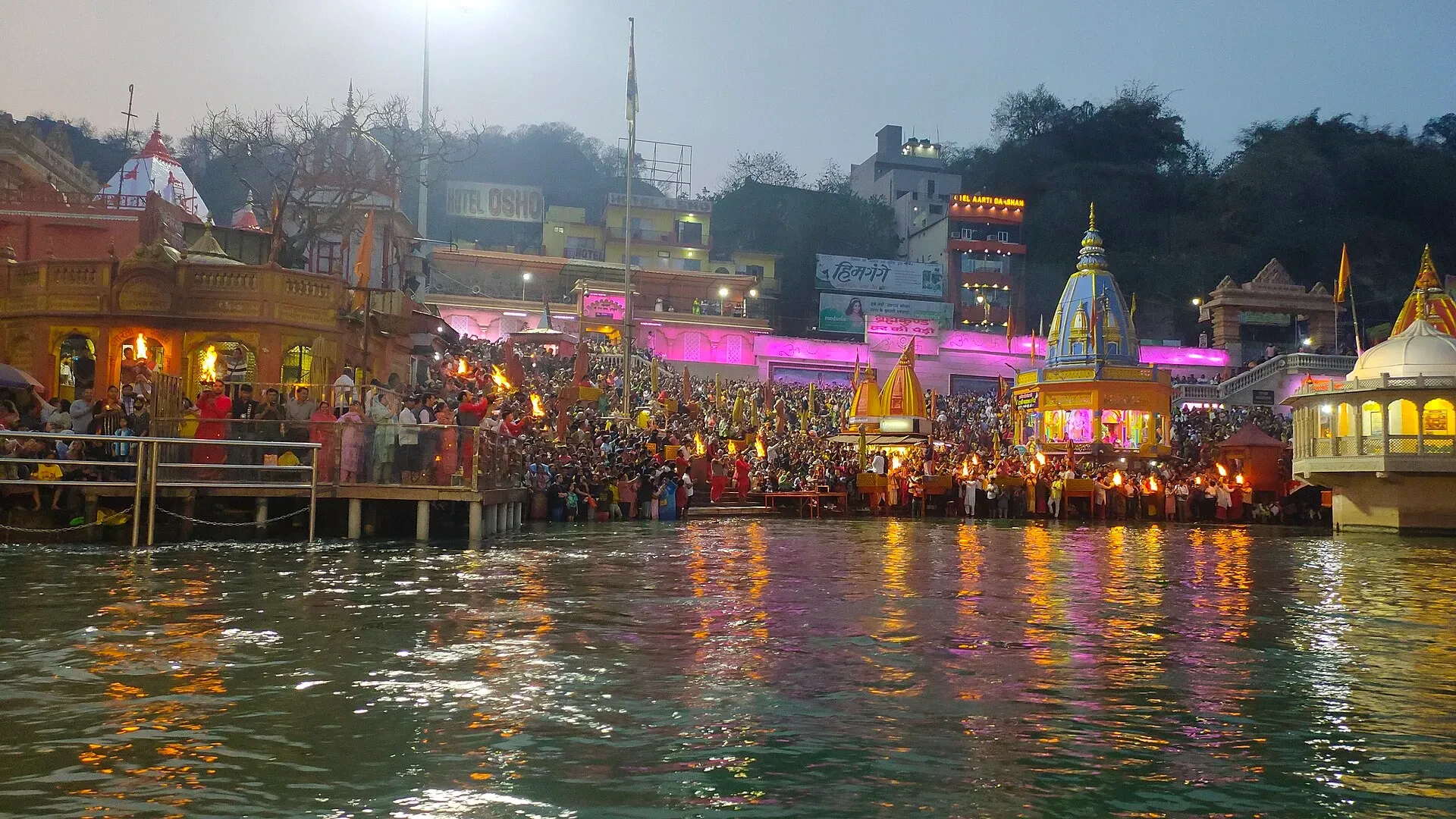
- the Ganga Aarti at Har Ki Pauri, lamps set on the river as priests chant, free and with no ticket needed. It runs twice a day; the evening ceremony (around 6 to 7pm in summer, 5 to 6pm in winter) is the one with the crowds.
Eat a vegetarian thali and a glass of sugarcane juice from one of the ghat-side stalls.
Local tip Haridwar is a dry town, no alcohol or meat for sale, so this isn't the night to look for either.
Crossing the bridges and Rishikesh's own Aarti
Rishikesh
Getting there Haridwar to Rishikesh by shared taxi or local bus, about 25 km, 45 minutes.
- Morning
- transfer and check in around Tapovan.
- Afternoon
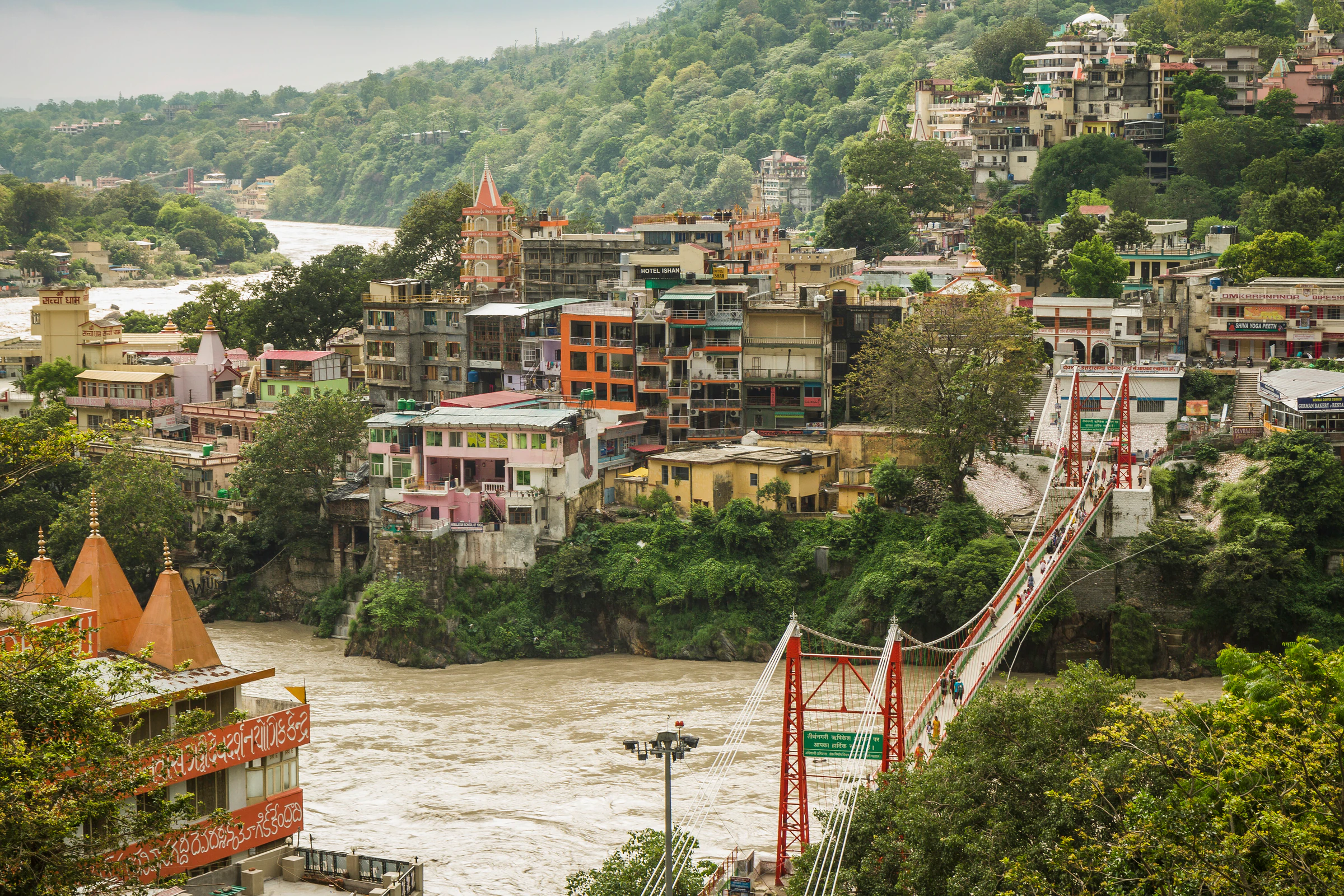
- Bajrang Setu, the new bridge beside the old Laxman Jhula, which has been closed since 2019. Its central deck is free, and the glass walkways cost ₹100 for two hours. Ram Jhula, the other old suspension bridge, has been closed for repairs since 26 July 2026, with a reopening expected around February 2027; check our Rishikesh guide for its current status before you plan around it.
- Evening
- the Ganga Aarti at Parmarth Niketan, Rishikesh's own version of the ceremony, smaller and less crowded than Haridwar's.
Eat a thali at one of the health-food cafés that cater to the town's yoga crowd, plus a fresh-pressed juice.
Local tip riverside cafés get busy around sunset; arrive for the Aarti a little early to find a seat on the ghat steps.
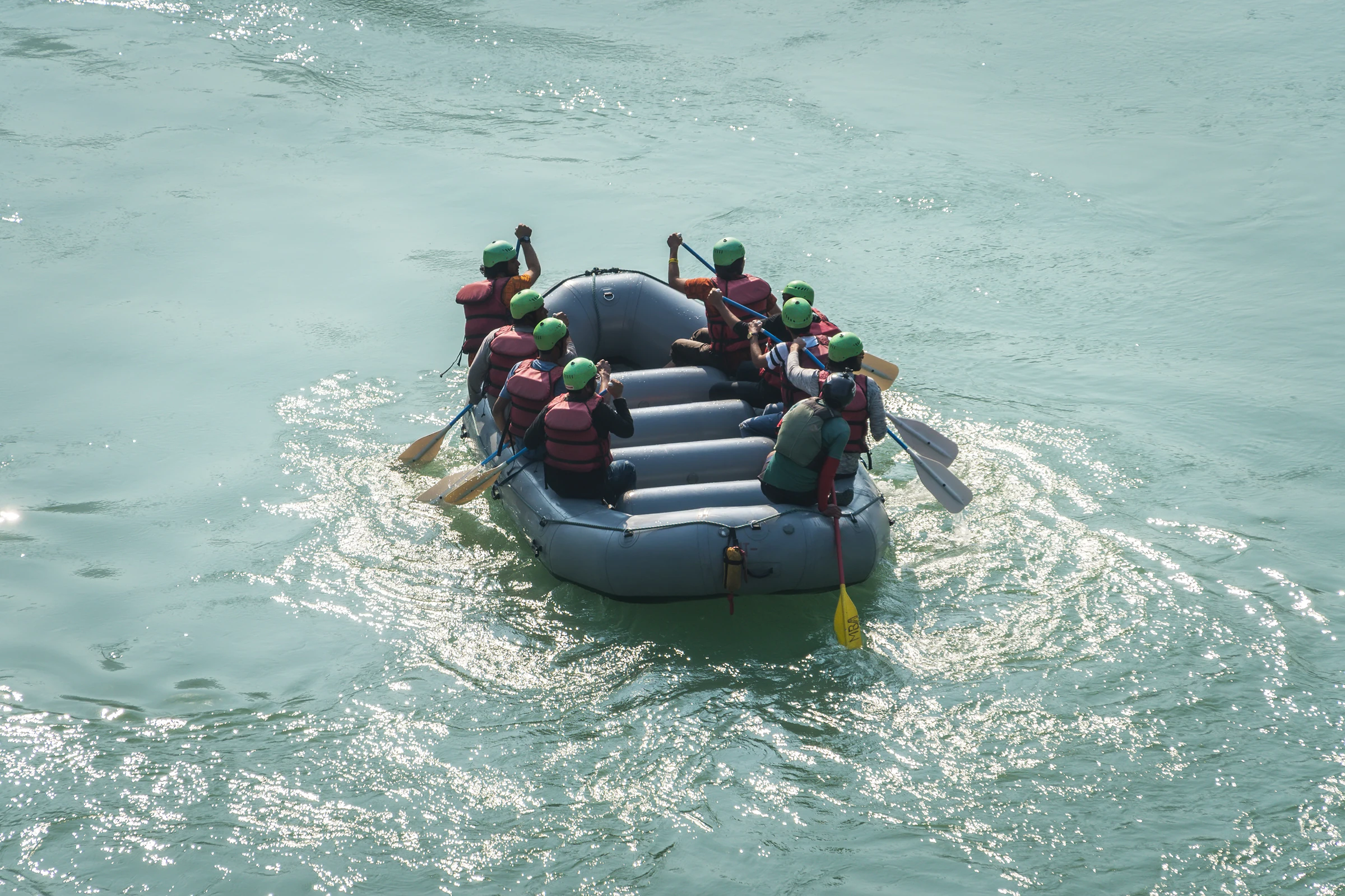
White-water rafting on the Ganga
Rishikesh
- Morning
- a rafting run on the Ganga, typically Grade II to III over about 16 km, 2 to 2.5 hours. Rafting only runs from around late September to the end of June; it's shut for the monsoon while the river runs high and fast. Book only with an operator licensed by the Uttarakhand Tourism Development Board (UTDB), anyone offering trips during the monsoon closure isn't operating legally.
- Afternoon
- dry off and rest at a riverside café in Tapovan or Laxman Jhula.
- Evening
- free, or a second short walk along the ghats.
Eat a post-rafting thali, this is not a town with restaurant alcohol to celebrate with.
Local tip read our Rishikesh rafting guide for the different stretches, prices and how to check an operator's licence before you book.
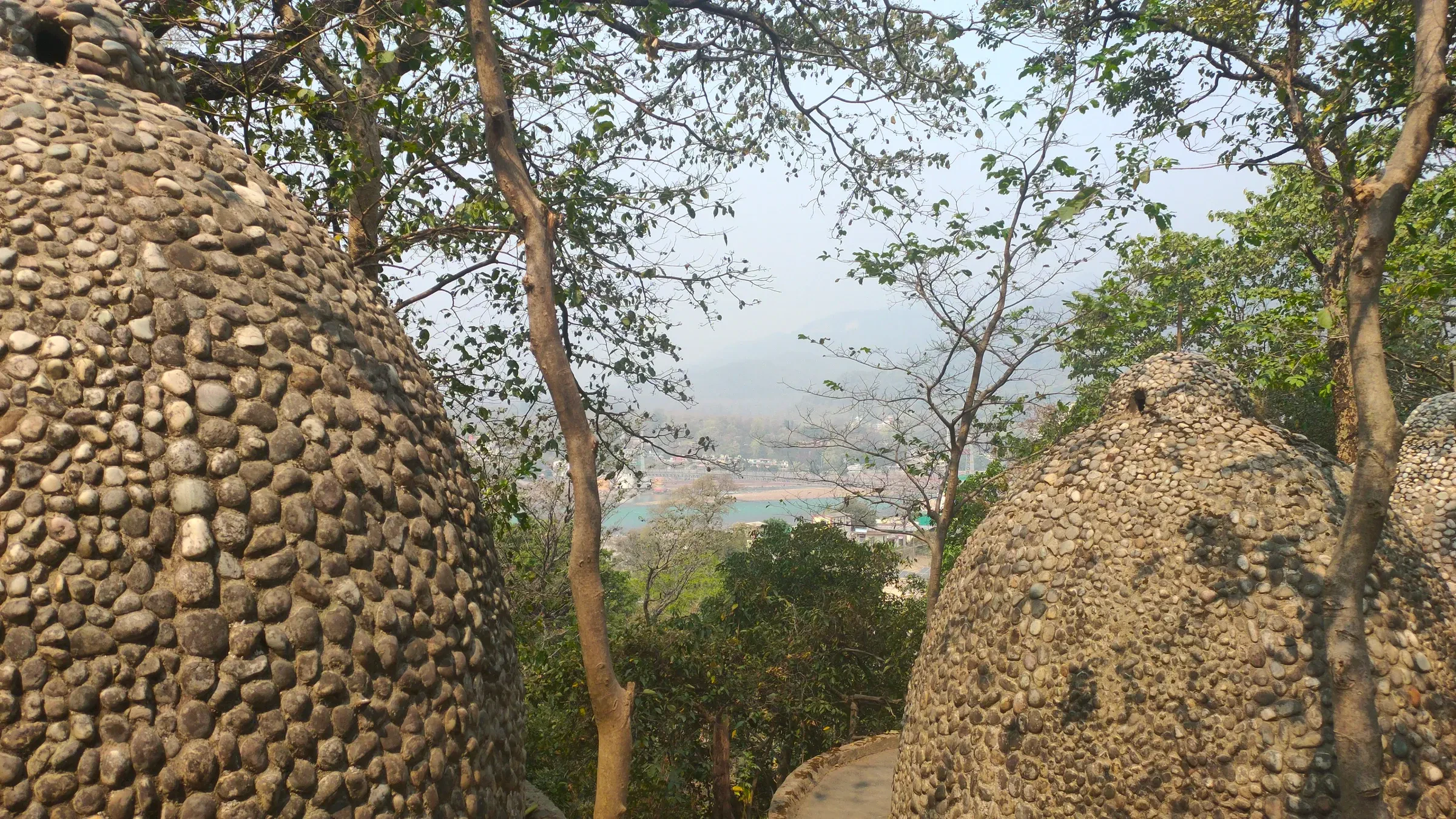
Yoga, the Beatles Ashram and a waterfall
Rishikesh
- Morning
- a drop-in yoga or meditation class, widely available at short notice around Tapovan and Swarg Ashram (a full teacher-training course needs weeks of lead time, a single class doesn't).
- Afternoon
- the Beatles Ashram (Chaurasi Kutia), the abandoned ashram where the Beatles studied meditation in 1968, now a graffiti-art park inside the Rajaji Tiger Reserve buffer zone. Entry is ₹1,200 for foreign nationals and ₹200 for Indian and SAARC nationals.
- Evening
- Neer Garh Waterfall if you have energy left, or a quiet evening in Tapovan.
Eat café fare in Tapovan; this is where Rishikesh's health-food scene is strongest.
Local tip see our things-to-do guide for the full local list, including Devprayag as a possible day trip if you have a spare afternoon.
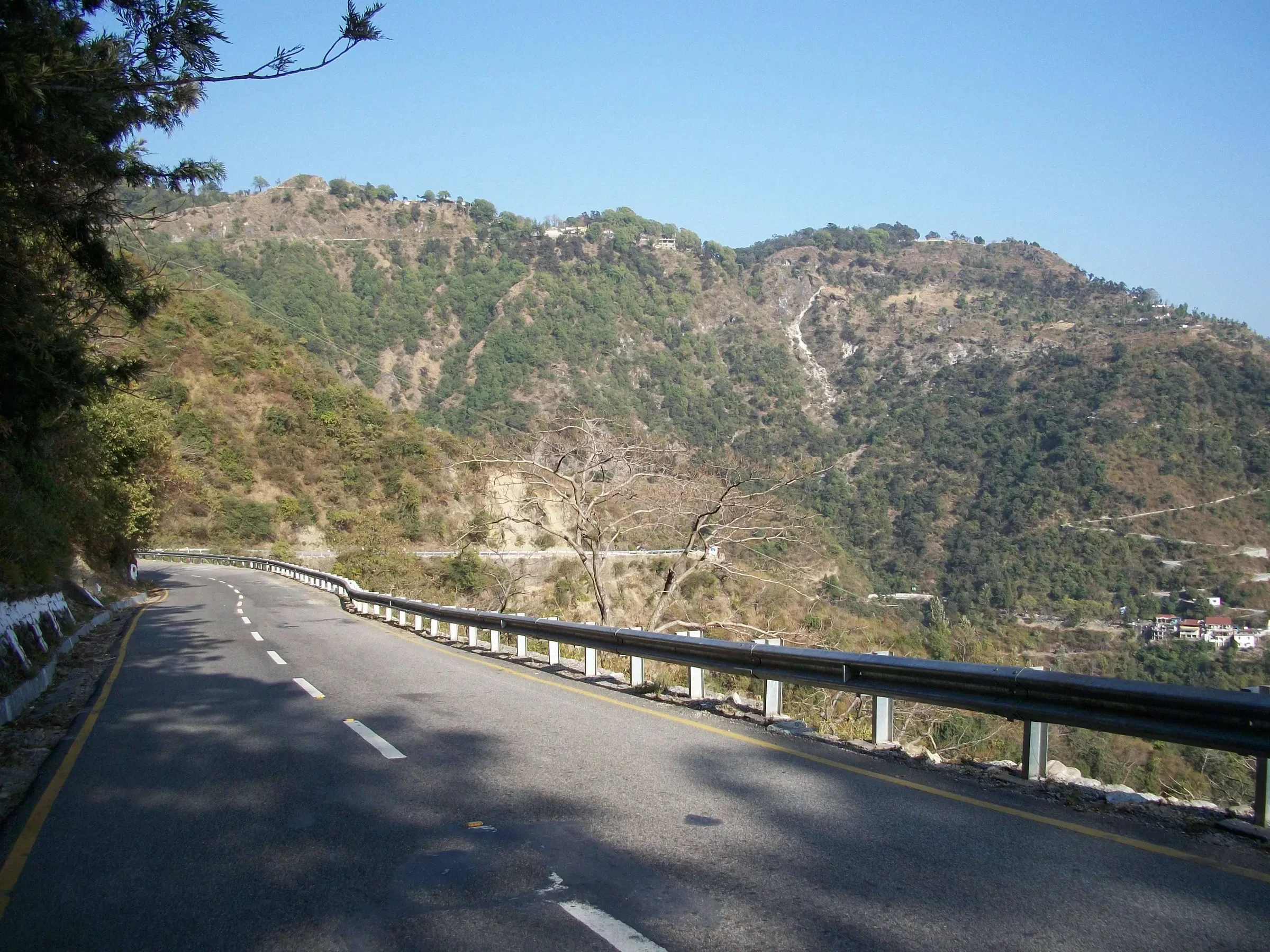
Up into the hills
Mussoorie
Getting there Rishikesh to Mussoorie via Dehradun, about 80 km, 3 to 3.5 hours by shared taxi or private car; a direct bus takes longer.
- Morning
- travel via Dehradun.
- Afternoon
- Mall Road, Mussoorie's pedestrian high street, and a walk along Camel's Back Road past its colonial-era buildings.
- Evening
- settle in for the night; the air is noticeably cooler than Rishikesh's.
Eat simple hill-station café food and momos, Mussoorie has a small Tibetan-influenced food scene.
Local tip pack a layer even outside winter, Mussoorie sits at around 2,000 m and evenings are cool year round.
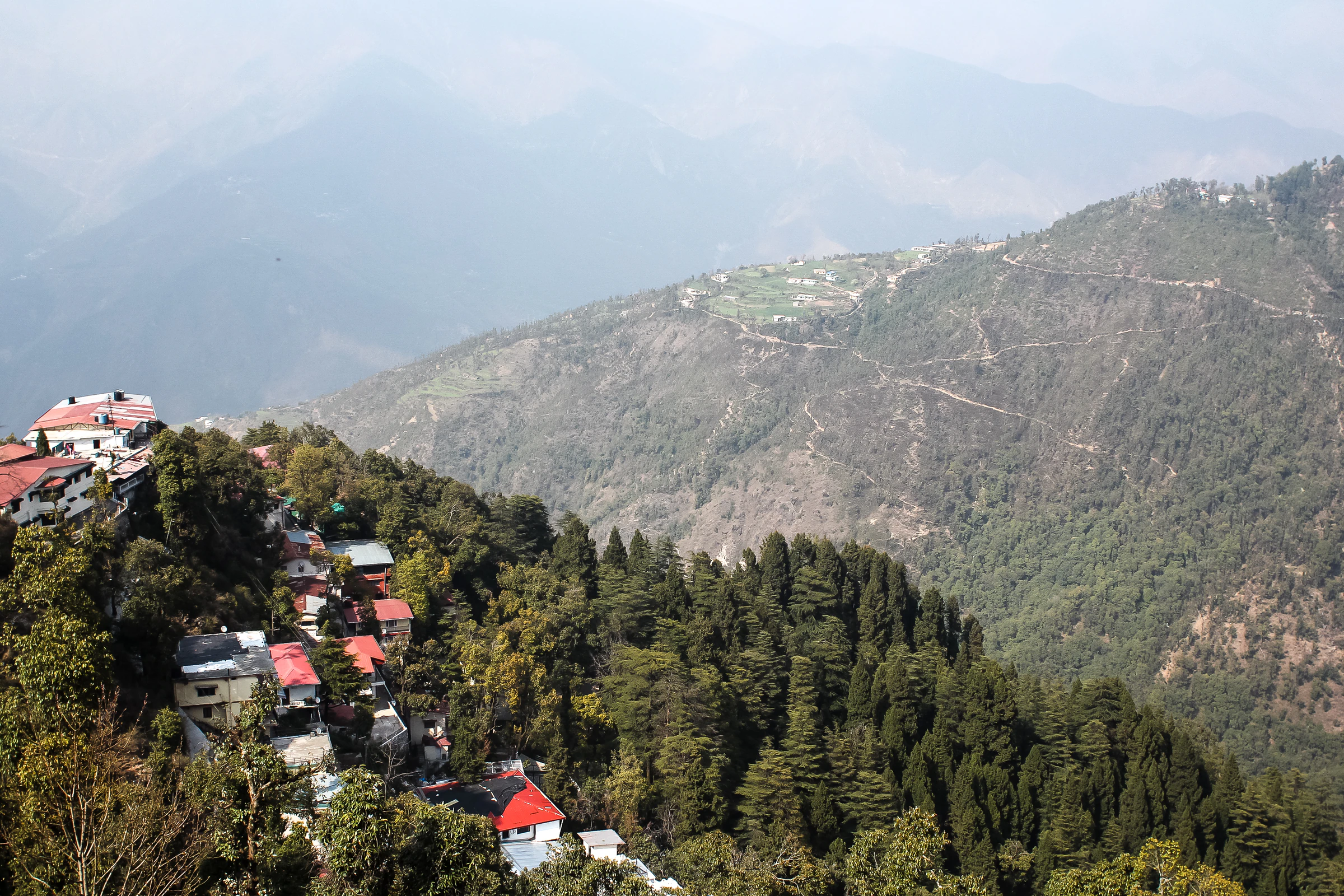
Views over the Doon Valley
Mussoorie
- Morning
- Gun Hill (reachable by a short cable car) for a wide view over the Doon Valley and, on a clear day, the snow line beyond.
- Afternoon
- free time, or the walk out to Kempty Falls if you don't mind the crowds.
- Evening
- sunset from Lal Tibba, Mussoorie's highest viewpoint.
Eat Tibetan-style momos and thukpa along Mall Road.
Local tip Lal Tibba gets busy at golden hour in peak season; arrive 20 to 30 minutes before sunset for a decent spot.
Depart
Mussoorie
Getting there Mussoorie to Dehradun's Jolly Grant Airport, about 35 km to Dehradun (45 to 60 minutes) then another 21 km to the airport (25 to 35 minutes); or continue by road to Delhi, about 6 to 7 hours.
- Morning
- a last walk on Mall Road or Camel's Back Road.
- Afternoon
- transfer down to Dehradun for your onward flight, train or road journey.
- Evening
- depart.
Eat a last hill-town thali or momos before heading down.
Local tip build in a buffer on the transfer, hill roads can be slower than the distance suggests, and delays are more likely if there's been recent rain.
Add a Garhwal trek, if the season allows it
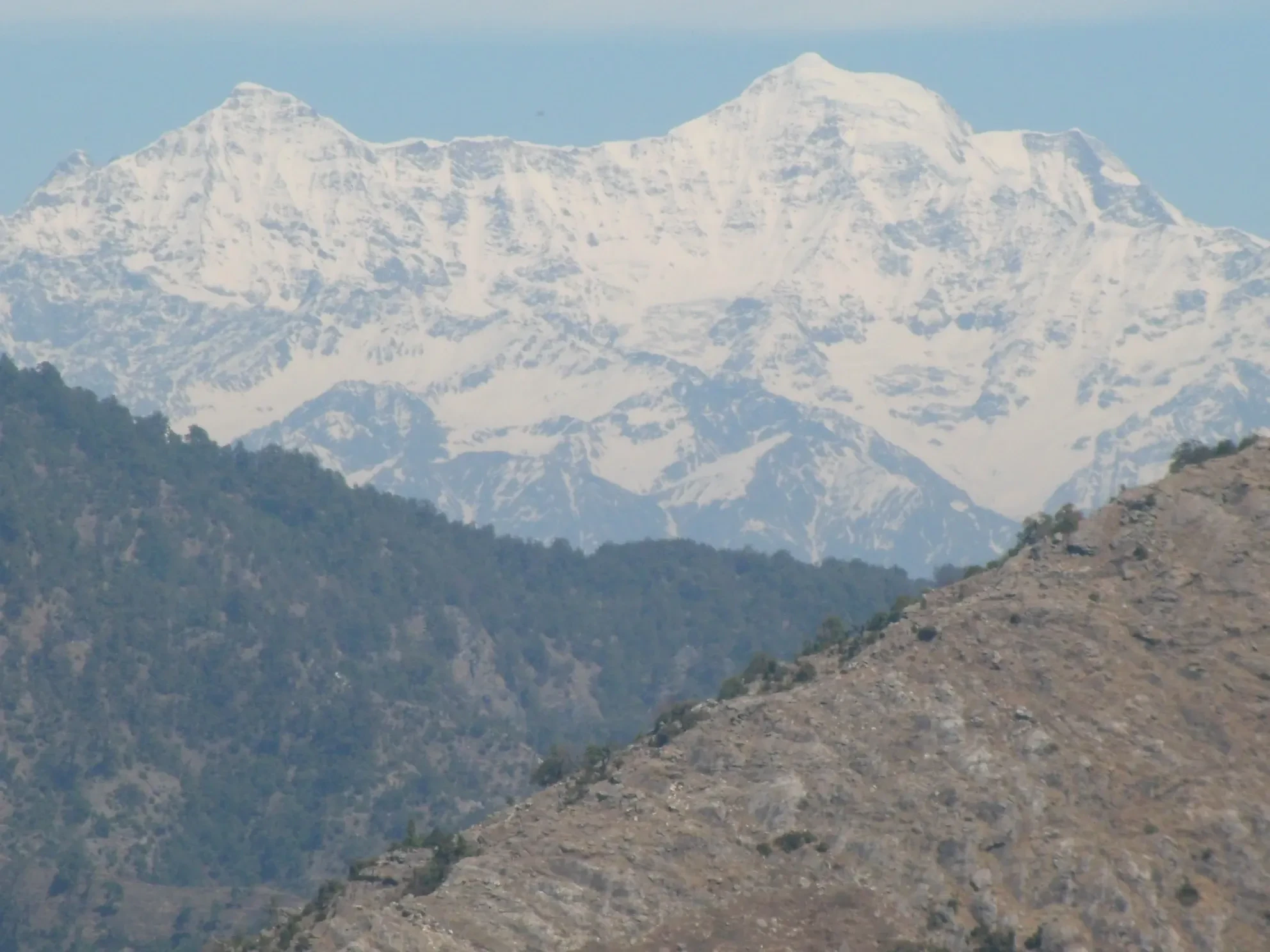
This base loop doesn't need a trek to work as a week, but two Garhwal Himalaya treks are genuine add-ons for travellers with more time. They sit at opposite ends of the calendar and don't overlap with each other or with this route's comfortable September-to-June window, so treat either as its own extension trip rather than a simple extra day or two.
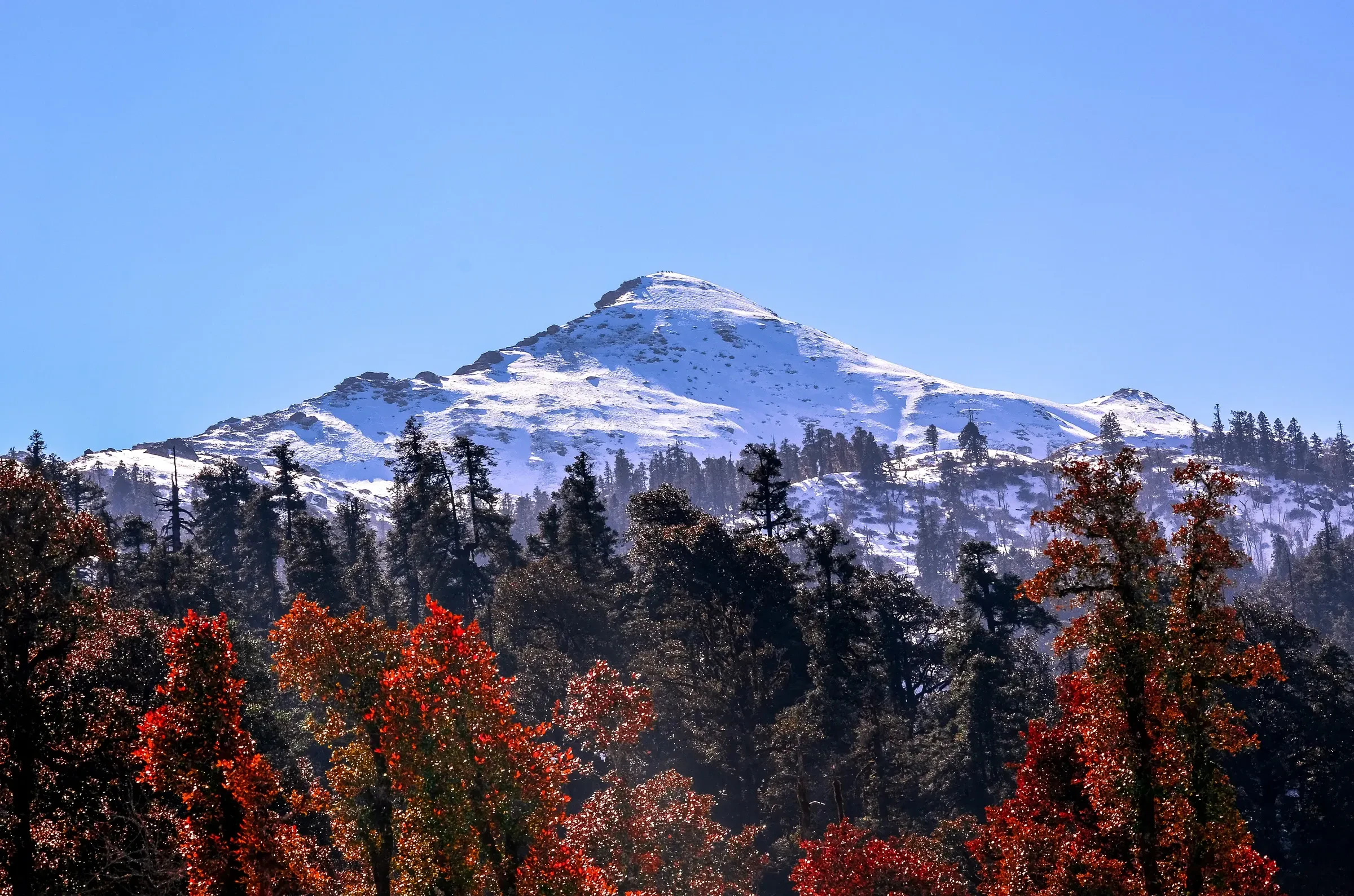
Kedarkantha, best December to March for snow, is a moderate winter trek to a summit around 3,800 m, reachable from the Sankri trailhead, about 8 to 10 hours by road from Dehradun. It suits reasonably fit beginners rather than experienced high-altitude trekkers. In deep winter the final approach to Sankri can need a chain-fitted vehicle or a short walk if snow blocks the road.
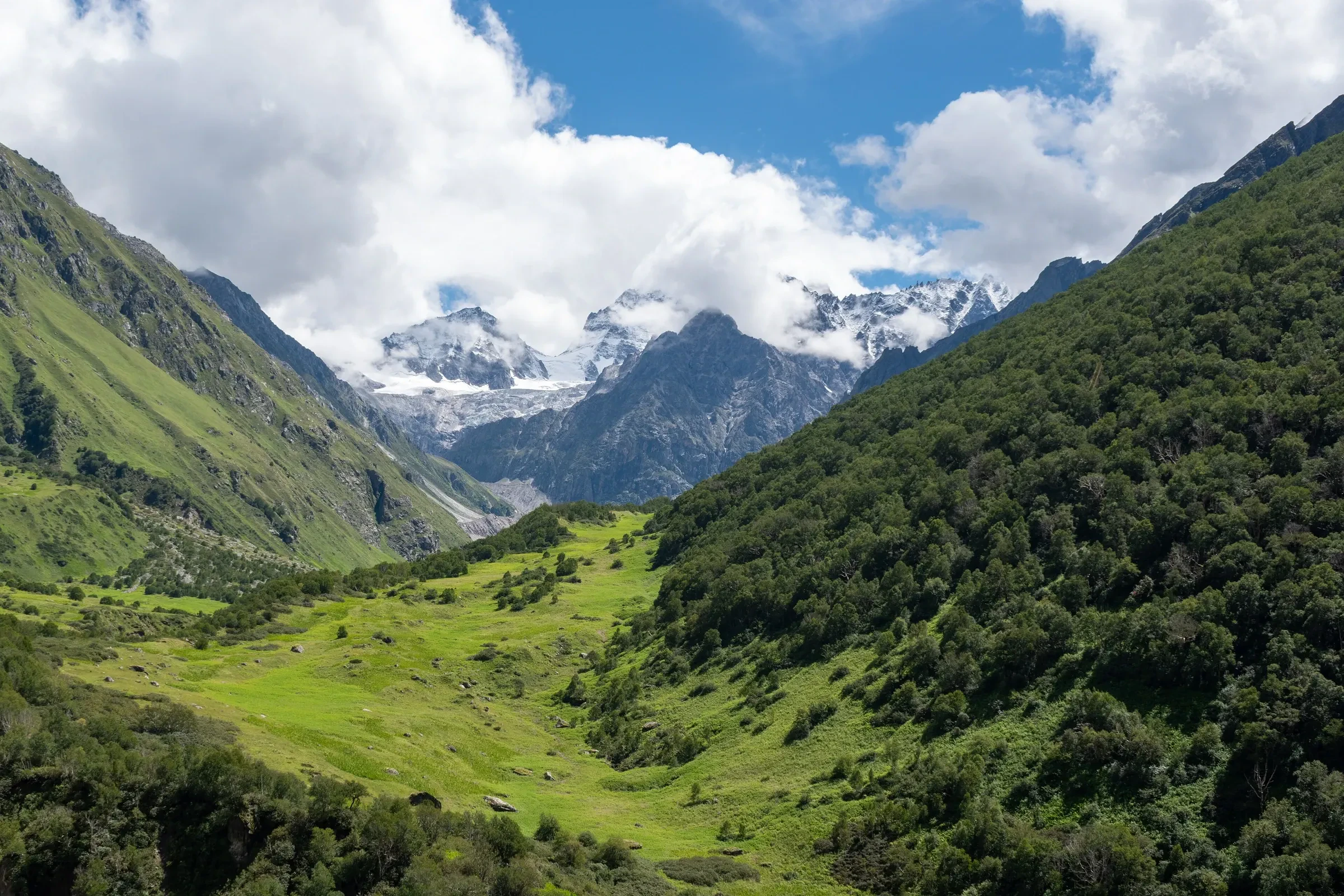
Valley of Flowers, by contrast, is open only from 1 June to the end of October, with July and August as peak bloom, permit-gated with a daily visitor cap, and entry allowed only 7am to 2pm. That window sits inside the same monsoon weeks this base loop's rafting avoids, so combining the two on one trip needs careful, season-aware planning rather than treating it as an easy tack-on.
Our Kedarkantha trek runs as its own departure with a licensed local trek team, rather than as an extension of the Rishikesh loop.
Nainital and Corbett: a separate trip, not an extension
Nainital and Corbett National Park sit in Uttarakhand's Kumaon region, not Garhwal, and lie in the opposite direction from Mussoorie. Haridwar to Nainital is about 215 km, roughly 3 h 40 min to 4 hours by road; Rishikesh to Corbett is about 3 to 4 hours depending on the exact route. Either adds a full travel day each way and pulls the route in a different direction to Mussoorie, so it's worth planning as its own short trip from Delhi rather than bolting on to this loop.
What it costs
A careful backpacker can get by on about ₹2,000 to ₹3,000 a day (about US$21 to US$31) in Rishikesh, with a dorm bed, café meals and a yoga class. Rafting, bungee jumping and teacher training cost extra.
One-off costs to budget for separately: a rafting run (about ₹600 to ₹2,500 depending on the stretch) and the Beatles Ashram (₹200 Indian and SAARC nationals, ₹1,200 foreign nationals).
Getting there, away and around
Getting there: most people start from Delhi, either by road (about 230 km, 5 to 5.5 hours to Haridwar) or by the Vande Bharat Express (about 3 h 20 min, arriving in the evening).
Around: Haridwar to Rishikesh is a short 25 km, 45-minute hop by shared taxi or local bus. Rishikesh to Mussoorie runs via Dehradun, about 80 km and 3 to 3.5 hours by shared taxi or car.
Away: from Mussoorie, it's about 35 km and 45 to 60 minutes down to Dehradun, then a further 21 km, 25 to 35 minutes, to Jolly Grant Airport; or continue by road to Delhi, about 6 to 7 hours.
Best time and festivals on this route
Go late September to June. Avoid mid-June to late September, when the Ganga runs too high and fast for rafting and Uttarakhand's hill roads see the heaviest landslide risk of the year; see our Rishikesh best-time guide for how that plays out month by month. If your dates fall in the Char Dham Yatra season (roughly late April to mid-November), expect extra traffic on the shared stretches of road out of Haridwar and Rishikesh, more on that here.
Haridwar hosts an Ardh Kumbh Mela from 14 January to 20 April 2027, with ten main bathing days on the Ganga; the big Amrit Snan days are 6 March, 8 March and 14 April. Expect very large crowds around Har Ki Pauri, and book rooms and transport well ahead if your dates overlap. Our Kumbh Mela guide has the background.
Rishikesh's International Yoga Festival is a well-known event on this route, usually held in March, details and past dates here.
What to eat on this route
Rishikesh and Haridwar are both strictly vegetarian, alcohol-free towns, part of their status as pilgrimage sites, so this isn't the route for a big night out or a meat-heavy meal. A proper thali and a fresh-pressed juice are the signature order in both towns; see our Rishikesh guide for the local rules in full. Once you're up in Mussoorie, the food shifts toward simple hill-station café dishes and momos, a smaller echo of Dharamshala's Tibetan-refugee food scene. For more on regional dishes across the country, see our India food guide.