4 stops
- Minibus
- Ferry
Is this route for you?
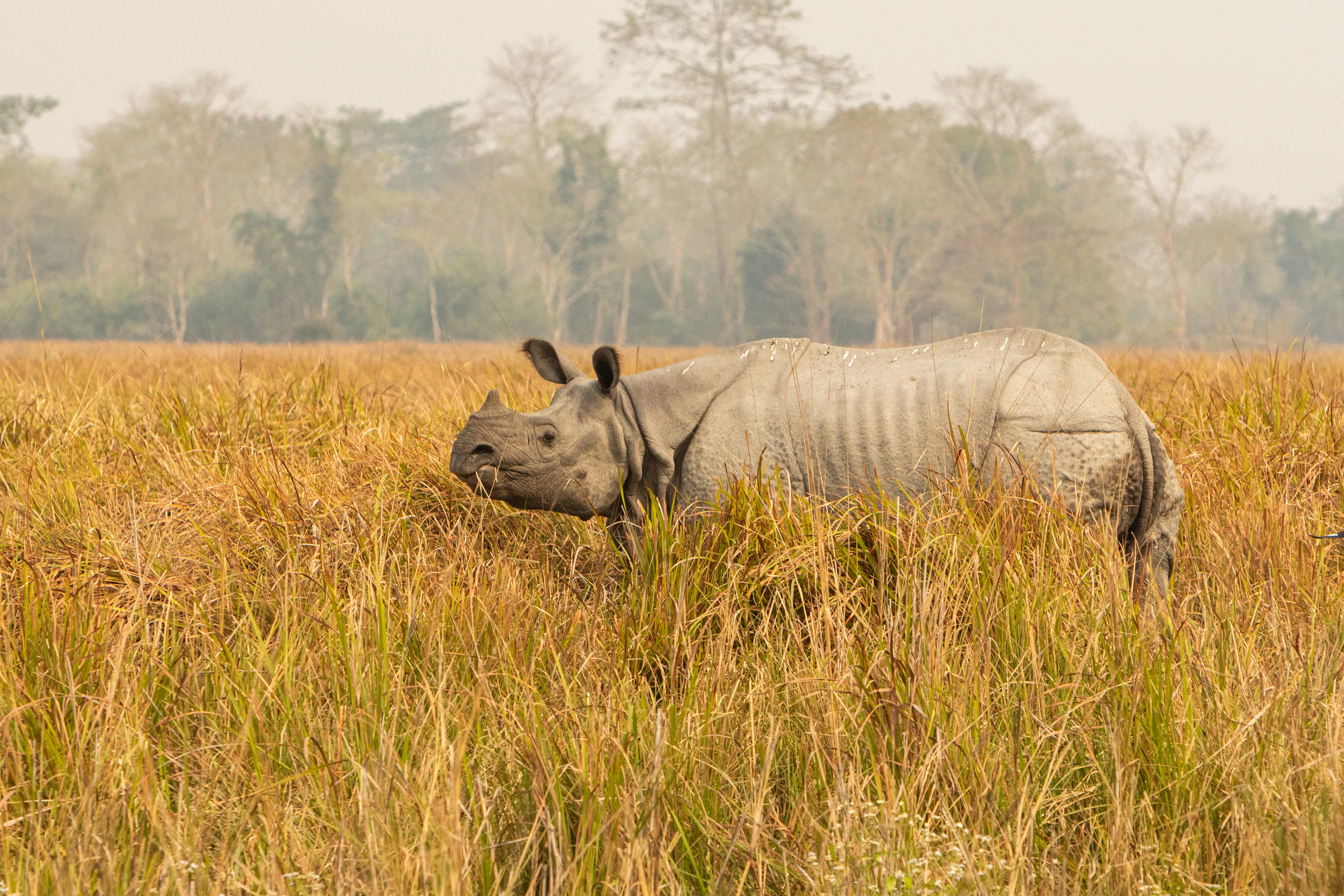
This route suits travellers who want to see the one-horned rhinoceros specifically, since Kaziranga National Park holds most of the world's population, along with anyone drawn to river life, tea country and Assam's Vaishnavite culture over temples and forts. It rewards early starts: the morning safari window opens at 7:30, the Majuli ferries start around the same time, and the ferry runs to its own loose timetable, so it isn't a good fit if you'd rather sleep in and move slowly.
If you only have four days, keep to Guwahati and Kaziranga and treat Majuli as a reason to come back, since the drive and ferry to the island need a further two days round trip on top. If you have longer, Assam combines naturally with Meghalaya through the shared Guwahati gateway, or with Sikkim and Darjeeling for a longer Northeast trip, though that's a separate flight or a very long road day, not a simple add-on. For the full set of India routes, see India itinerary: routes from 1 week to 1 month.
Day by day
Kamakhya Temple and a Brahmaputra sunset
Guwahati
- Morning
- Arrive in Guwahati, Northeast India's main air gateway, and check in.
- Afternoon
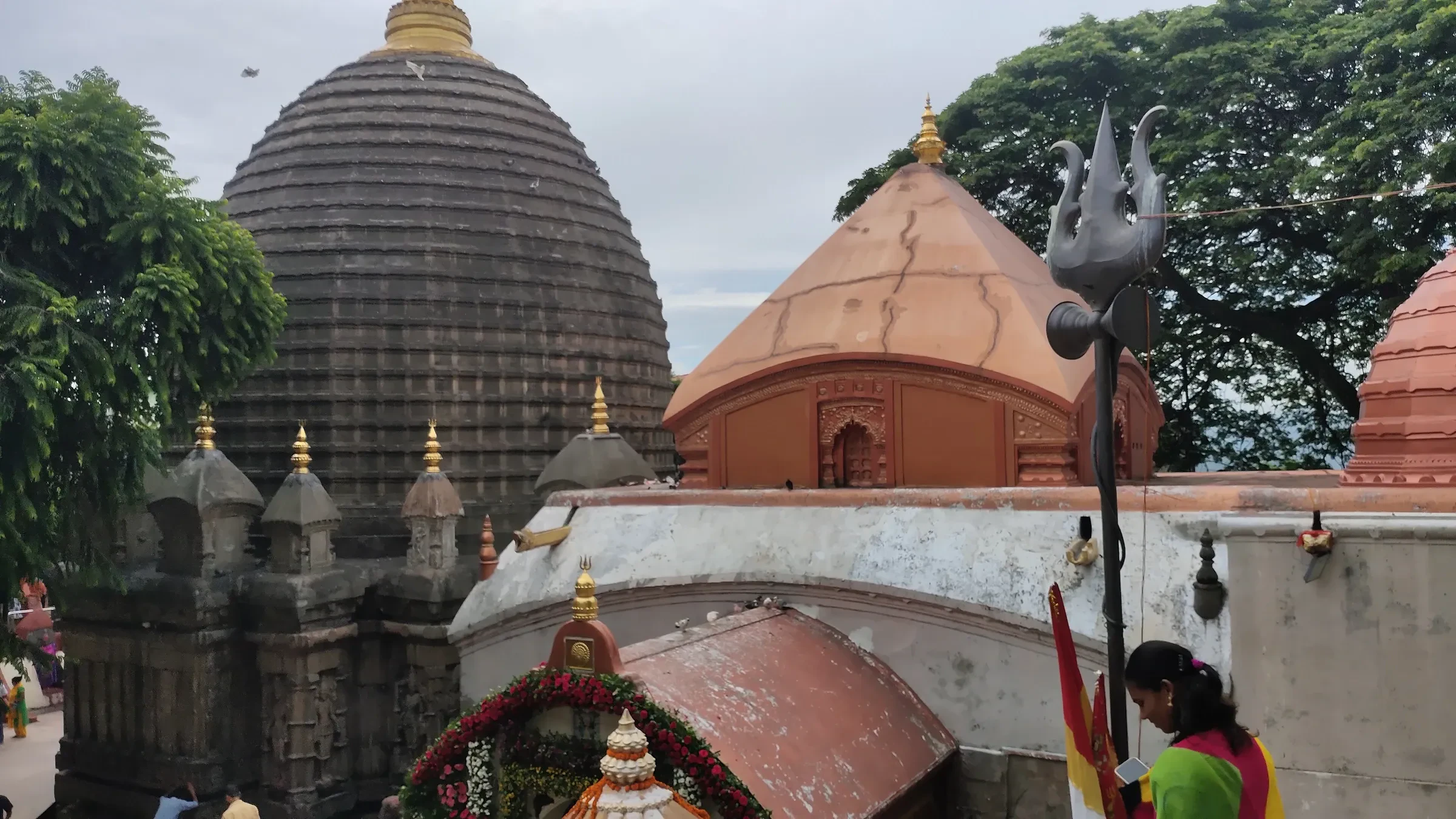
- Kamakhya Temple on Nilachal Hill, an important Shakti pilgrimage site known for its beehive-shaped shikhara and its view over the city and the river.
- Evening
- A sunset cruise on the Brahmaputra from one of Guwahati's ghats.
Eat Assamese thali, built around masor tenga (a tangy fish curry) and khar, an alkaline vegetable dish unique to Assamese cooking.
Local tip Kamakhya draws large numbers of pilgrims year round, and the queue for the inner sanctum can be long, so allow time.
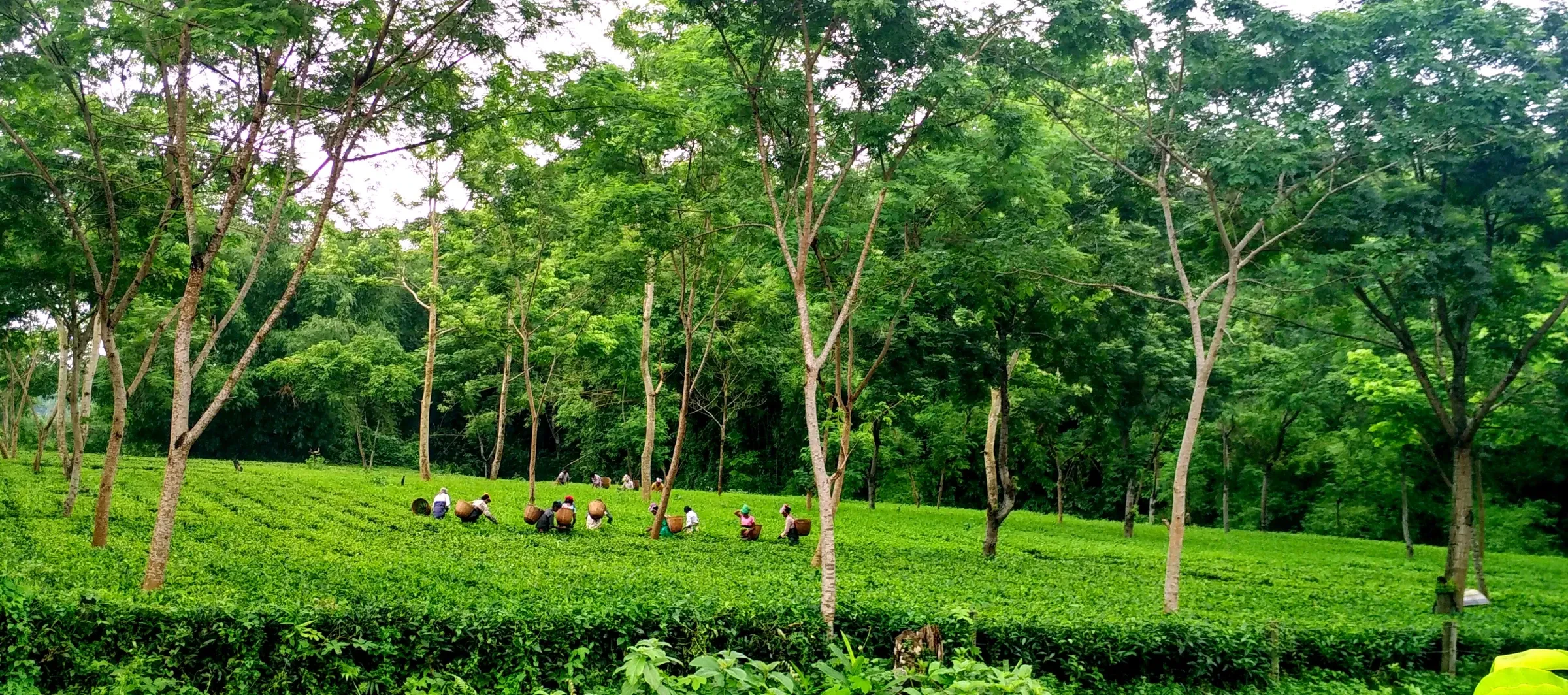
The drive east through tea country
Kaziranga
Getting there Guwahati to Kaziranga by private car or shared vehicle, about 200 to 220 km and 4 to 5 hours depending on traffic and which park gate you use.
- Morning
- Depart early to reach Kaziranga by midday, with a stop at a roadside tea stall en route.
- Afternoon
- Check in near the park's Kohora range and take an orientation walk through a nearby village.
- Evening
- An early night before tomorrow's safari.
Eat Assamese-style duck curry, a regional specialty at guesthouses near the park.
Local tip Book your jeep safari through your guesthouse or a local operator before you arrive, because December to February is the busiest stretch. Foreign visitors pay per jeep, with about ₹7,500 to ₹7,800 listed for the Central and Western ranges in 2026 to 2027.
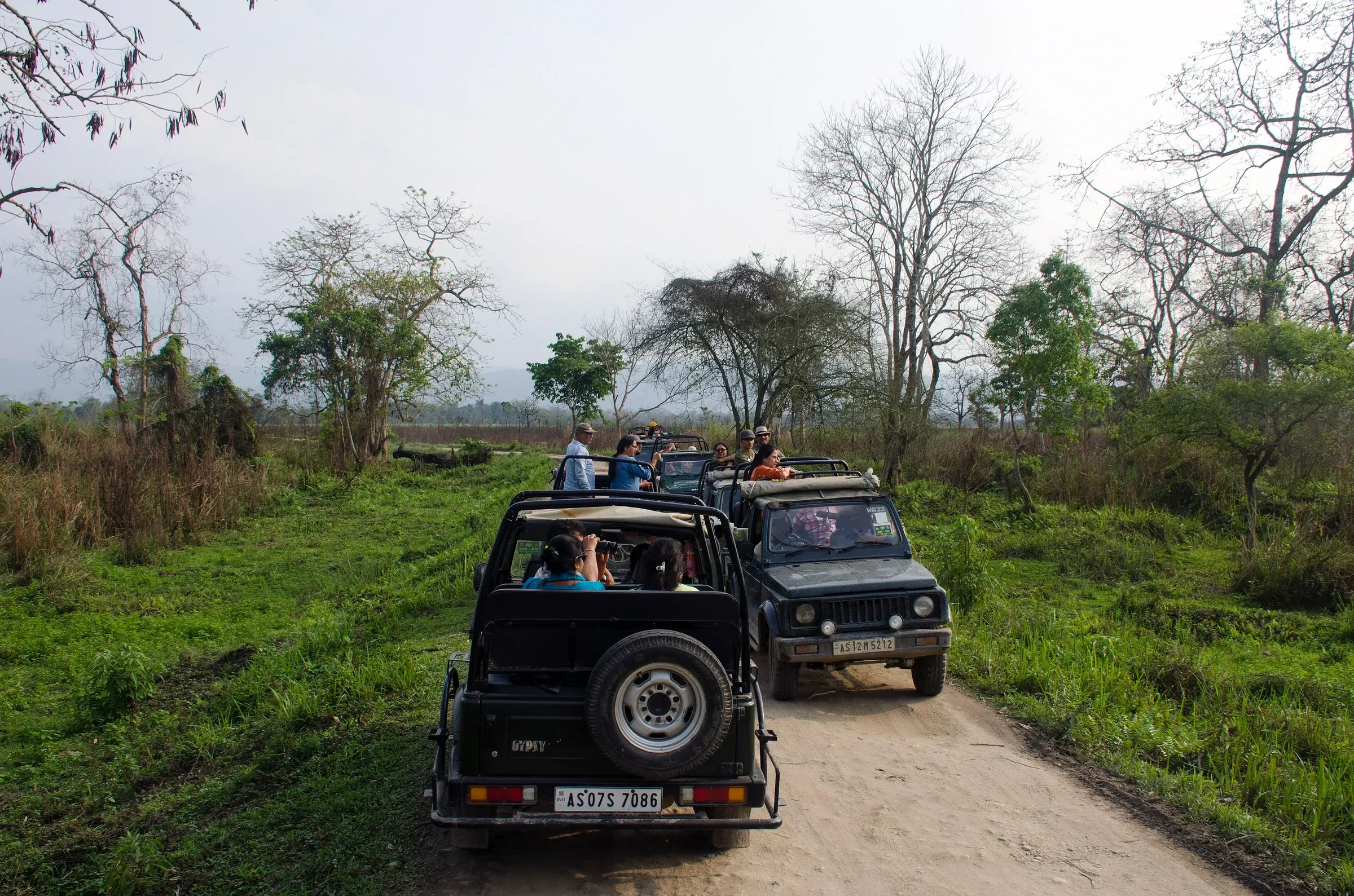
A morning jeep safari in the Kohora range
Kaziranga
- Morning
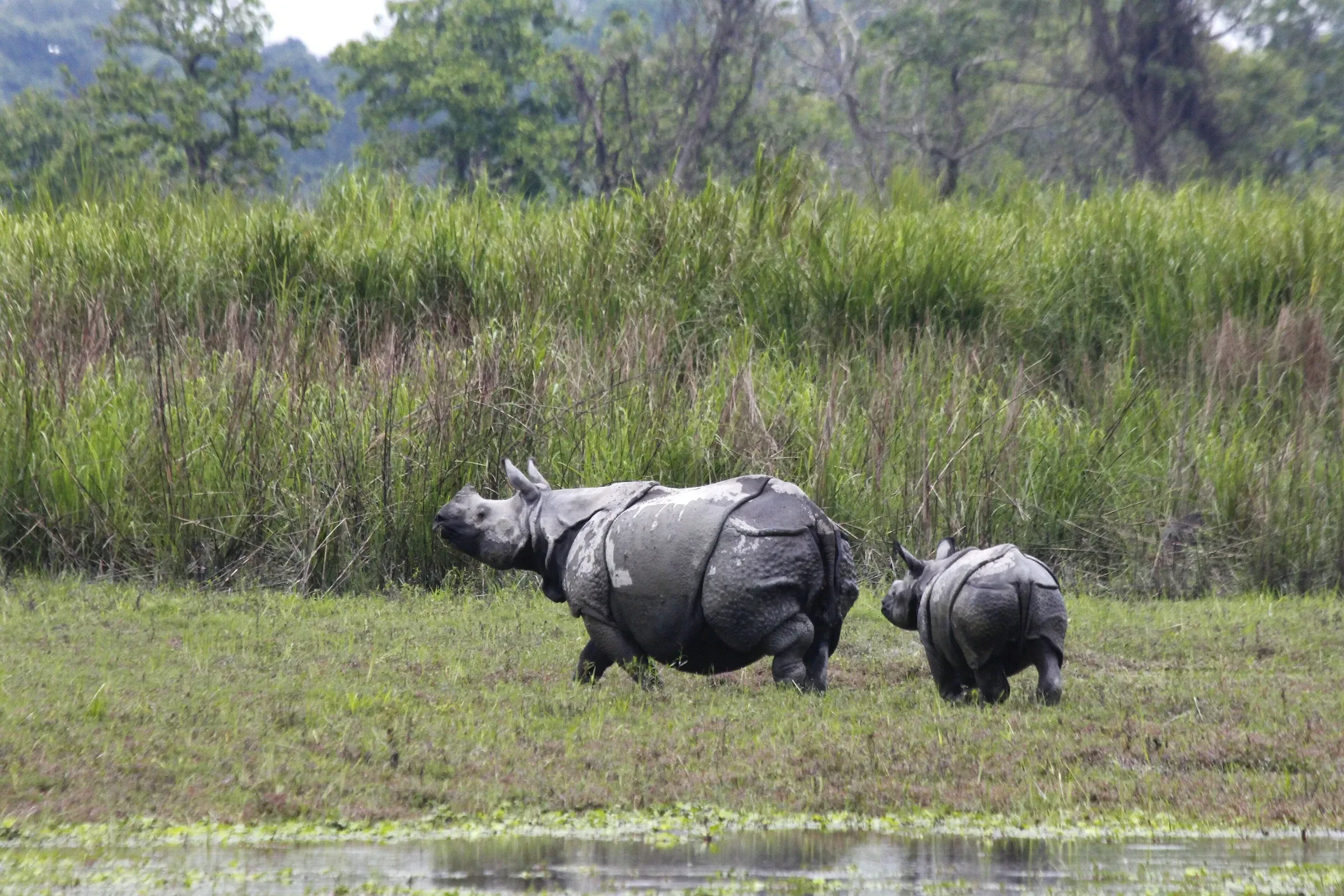
- A jeep safari through Kaziranga's Central (Kohora) range, the park's most-visited zone, with the morning window running from 7:30 to 10:00. Rhinos are regularly seen here, along with elephants and swamp deer, though no safari can promise a sighting.
- Afternoon
- Rest through the heat of the day, or visit the Kaziranga Orchid and Biodiversity Park nearby.
- Evening
- The afternoon window runs from 1:30 to 3:00, if you want a second safari, or take an early night before tomorrow's.
Eat A simple thali at a park-area guesthouse; look out for pitha (rice cakes) if you're travelling in the weeks around Bihu in mid-April.
Local tip We don't recommend Kaziranga's elephant-back safaris: riding elephants isn't part of how we run our trips. A jeep safari covers the same ranges and the same wildlife.
A second safari zone, then on to Jorhat
Kaziranga
Getting there Kaziranga to Jorhat by road, about 2.5 to 3 hours.
- Morning
- A second jeep safari, this time in the Western (Bagori) range, known for its rhino density, or the quieter Eastern (Agaratoli) range if you'd rather spend the morning birdwatching.
- Afternoon
- Drive on to Jorhat, India's main tea-growing district, with the option of stopping at a working tea estate on the way.
- Evening
- Settle into Jorhat for the night, ready for an early ferry.
Eat Assam tea, tasted at source if your route passes a working estate.
Local tip Ask your safari operator or guesthouse which range is running that day. The forest department rotates zones and occasionally closes one for a few days, so don't fix your plans around a specific range until you're on the ground.
The ferry across the Brahmaputra
Majuli
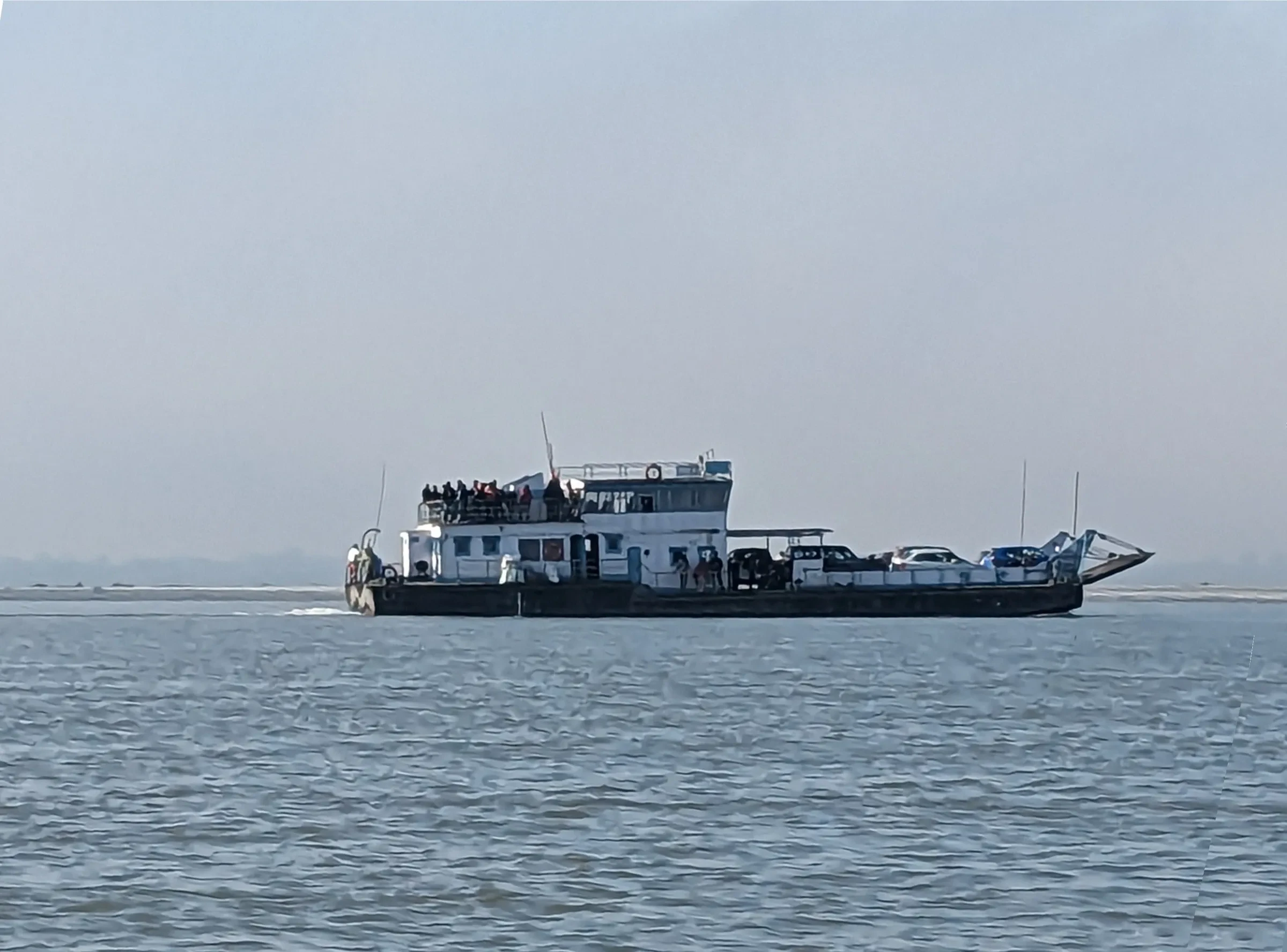
Getting there A short transfer to Nimati Ghat (also spelled Neamati), then the passenger ferry to Majuli's Kamalabari Ghat, about 1 to 1.5 hours depending on the river. Listings put the passenger fare at about ₹20 to ₹50.
- Morning
- Cross to Majuli and settle in.
- Afternoon
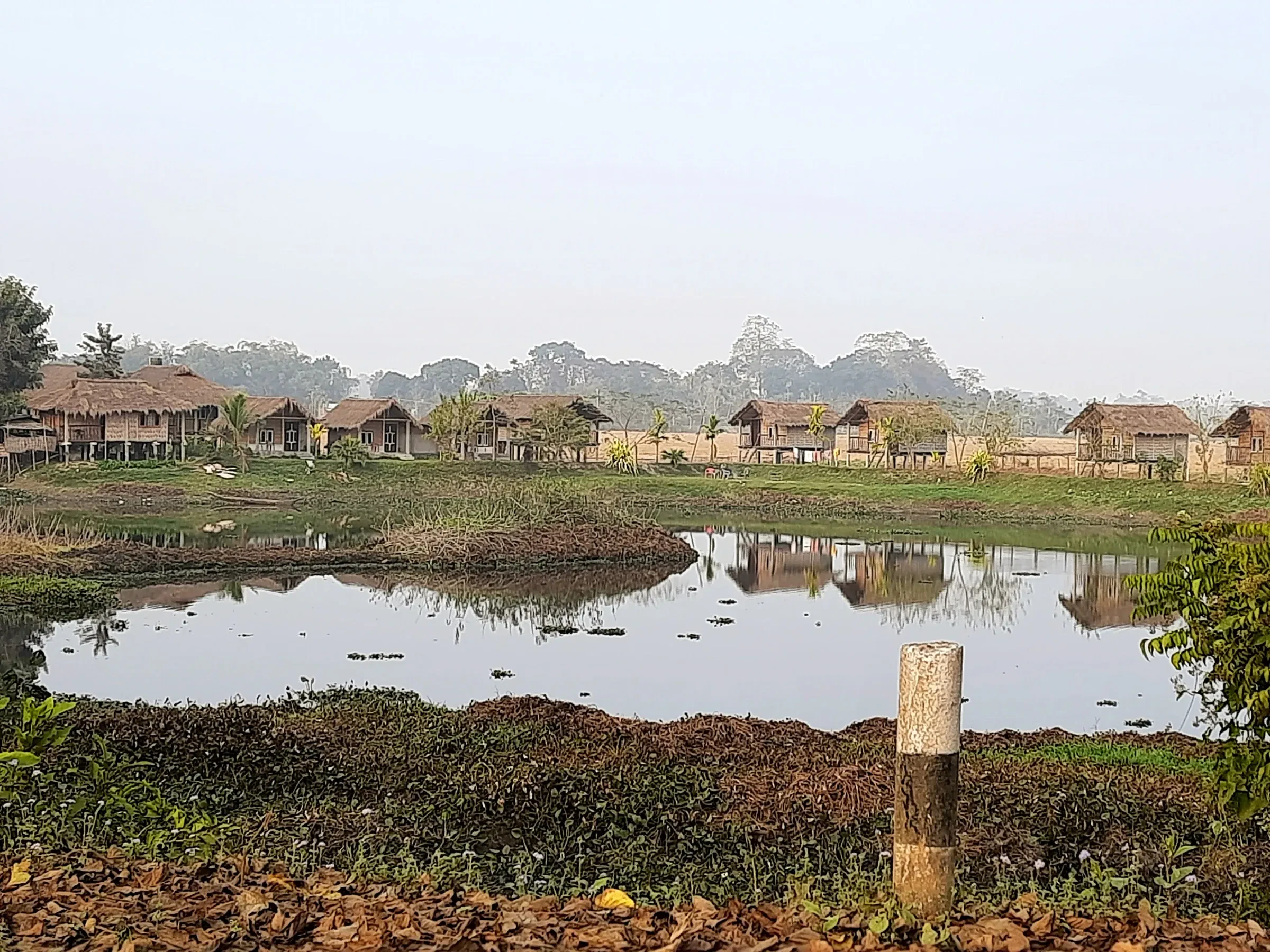
- Visit one or two of Majuli's satras (Vaishnavite monasteries, some founded in the 15th and 16th centuries) and watch a mask-making workshop.
- Evening
- Settle in for two nights on the island.
Eat Mising-style river fish, a Majuli specialty.
Local tip Listings say the first ferries leave around 7:00 to 7:30 and the last reliable crossing is in mid-afternoon, earlier in winter. Services have been suspended when the Brahmaputra's water level dropped, so check at the ghat rather than plan around a fixed schedule.
Villages, pottery and a river sunset
Majuli
- Morning
- A cycling or scooter tour of the island's villages and satras.
- Afternoon
- A black-pottery workshop, where potters shape clay by hand rather than on a wheel, a craft found only on Majuli.
- Evening
- Watch the sunset over the Brahmaputra from the riverbank.
Eat A Mising community meal with apong (rice beer), if you can arrange one respectfully through a local host or your guesthouse.
Local tip Majuli loses land to the Brahmaputra's erosion every year, so ask your host which villages and satras are still standing before you set out; some shown on older maps have already been relocated.
Back across the river and onward
Majuli
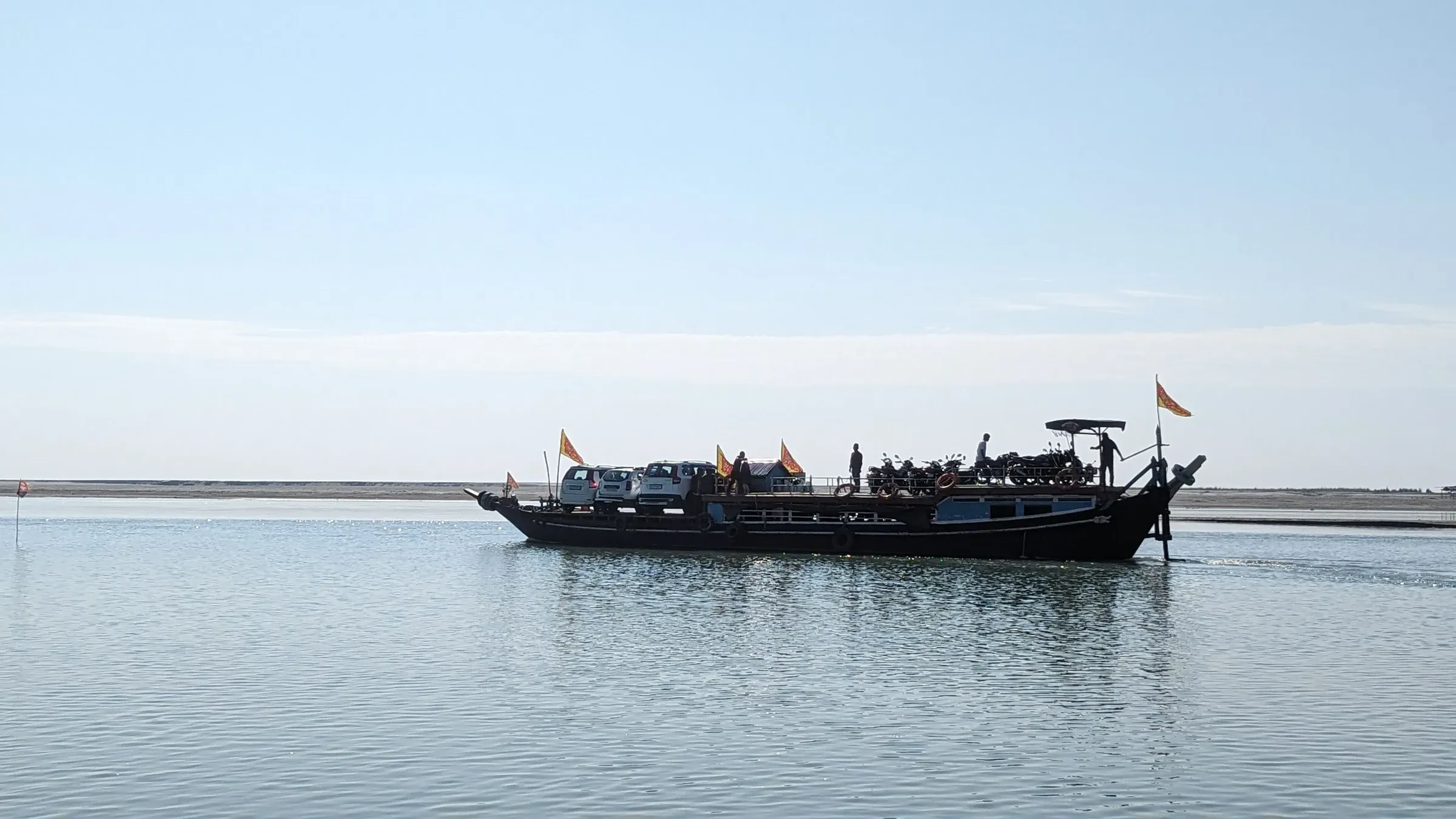
Getting there The ferry back from Kamalabari Ghat to Nimati Ghat, then a transfer to Jorhat for a flight onward, or back to Guwahati (about 300 km by road) for an international or domestic connection.
- Morning
- An early ferry back to the mainland.
- Afternoon
- Onward travel; Jorhat's small airport has limited flights to Kolkata and Guwahati, or continue by road.
- Evening
- Depart, or carry on to Meghalaya via Guwahati if you're combining routes.
Eat A last Assamese meal in Jorhat or Guwahati before your onward journey.
Local tip If you're heading on to Meghalaya, Guwahati is the shared gateway for both routes, so it's an easy add without backtracking.
What it costs
Everyday spending follows the India-wide backpacker figure in our India cost guide. The two Assam-specific costs are the jeep safaris and the Majuli ferry:
| Cost | Approx. | About |
|---|---|---|
| Everyday spending (budget room, local food, transport), per day | ₹2,900 to ₹3,400 | £23 to £27 |
| Kaziranga jeep safari for foreign visitors, per jeep, per safari | ₹7,500 to ₹8,500 depending on the range | £59 to £66 |
| Majuli passenger ferry | ₹20 to ₹50 | under £1 |
Jeep rates are per vehicle, not per person, and listings disagree on how many people a jeep takes (four to six), so ask before you book. A private car and driver for the whole loop, Guwahati to Kaziranga to Jorhat and back, costs more than a shared vehicle but is the easiest way to keep to safari timings; ask your guesthouse to arrange one rather than booking sight unseen.
Getting there, away and around
Guwahati's Lokpriya Gopinath Bordoloi International Airport is Northeast India's main air gateway, with direct flights from Delhi, Kolkata, Mumbai and Bengaluru; most travellers from outside India connect through Delhi or Kolkata. By road, Guwahati to Kaziranga is about 200 to 220 km (4 to 5 hours), Kaziranga to Jorhat about 2.5 to 3 hours, and Jorhat to Nimati Ghat a short 20 to 30 minute transfer. The ferry from Nimati Ghat to Kamalabari Ghat on Majuli takes roughly 1 to 1.5 hours; recheck the current timetable at the ghat, since it changes with the season and the water level. Jorhat's small airport has limited flights back to Kolkata and Guwahati; otherwise return to Guwahati by road for onward connections.
Permits and safety
Assam is not on the Inner Line Permit list, which covers Arunachal Pradesh, Nagaland, Mizoram and Manipur for Indian visitors, and listings of the permit rules show no Protected Area Permit for foreign visitors in Assam. Nagaland, Manipur and Mizoram had their Protected Area Permit requirement for foreigners re-imposed in December 2024 (see our India e-visa guide). On this route you need only the same Indian visa or e-visa you'd use anywhere else in the country. Rules change, so check the current position before you book.
On safety, the UK Foreign, Commonwealth and Development Office's India advice (read on gov.uk on 6 October 2026) advises against all but essential travel to Manipur and names no part of Assam in its warnings against travel. Its regional risks page does say that skirmishes can flare up along inter-state borders in north-east India, including the Assam borders with Mizoram and Meghalaya, and that blockades and protests can disrupt the highways into and out of Assam. Guwahati, Kaziranga, Jorhat and Majuli are not on those borders. Check the current advice for your own nationality before you travel; see our India safety guide for how to read these advisories.
Best time and festivals on this route
Kaziranga's jeep safaris run only within the park's official season. The park closed for the monsoon on 29 May in 2026 and opened again for jeep safaris on 3 October, with morning entry from 7:30 to 10:00 and an afternoon window from 1:30 to 3:00. Dates shift a little each year, so check before you book. The best light, driest tracks and coolest days fall between November and April; December to February is the busiest stretch and needs the most advance booking. Avoid June to September entirely: the park is shut, and Majuli's ferries and low-lying villages are also affected by the monsoon. Kamakhya Temple's sanctum also closes for about three days in late June for the Ambubachi Mela (night of 22 to sunrise on 26 June in 2026, according to news reports of the temple management).
If your dates land around mid-April, ask locally about Rongali Bihu, the Assamese New Year and the region's main festival, marked with music, feasting and new clothes; it's a family and community occasion across Assam rather than a single ticketed event. For the Northeast's best-known public festival, held in Nagaland and named after the same hornbill that lives in Kaziranga's forests, see our Hornbill Festival guide.
What to eat on this route
Assamese food runs on rice, fish and a distinctly sour and alkaline flavour palette. Masor tenga, a tangy fish curry usually soured with tomato or lemon, turns up on nearly every thali, and khar, made from filtered ash of banana peel or bamboo, is unique to Assamese cooking and something few visitors will have tried before. Around Jorhat and Majuli, look for Mising tribal preparations of river fish, often smoked or wrapped in leaves, and, if you're invited, apong, a mildly fermented rice beer central to Mising hospitality. Pitha, a range of rice cakes, appears everywhere in the weeks around Bihu in April. For a fuller picture of Indian food by region, see our India food guide.