Ladakh runs on its own calendar. Leh sits at about 3,500 m and the roads in from Manali and Srinagar cross passes above 4,000 m, so the whole region is snowed shut for roughly eight months of the year. Almost everything in this guide, from Pangong Tso to the festivals, only works within the short window when the roads and the passes are clear.
This guide sets out the month-by-month weather, when the two roads typically open and close, how Nubra and Pangong differ from Leh, what winter and the Chadar trek actually involve, the main festivals, and what flights to Leh cost. For the rest of the planning, altitude advice and permits, see our Ladakh travel guide.
Ladakh month by month
| Month | Leh average high | Leh average low | Roads | What to expect |
|---|---|---|---|---|
| January | -1°C | -11°C | Both closed | Deep winter. The Chadar trek season begins, usually from mid-January |
| February | 3°C | -10°C | Both closed | Coldest window for Chadar; Pangong and the rivers are frozen solid |
| March | 10°C | -3°C | Both closed | Still winter, but days are milder. Zoji La reopened as early as 16 March in 2023 |
| April | 13°C | 0°C | Srinagar road usually open | Zoji La reopened on 1 April in 2025 and about 15 April in 2024; Manali road still shut |
| May | 18°C | 4°C | Manali road clearing | BRO usually connects the Manali road in mid to late May; not open to tourist traffic yet |
| June | 22°C | 8°C | Both open | Manali road usually opens to tourists in the first half of June; snow still on the passes early in the month |
| July | 26°C | 12°C | Both open | Warmest month, peak season, occasionally overlaps the Hemis festival |
| August | 26°C | 12°C | Both open | Busy; monsoon rain further south can trigger landslides on the Manali side |
| September | 22°C | 8°C | Both open | Quieter, clear skies, cold nights at the lakes |
| October | 14°C | 0°C | Closing | Both roads typically close by late October or November; many camps shut |
| November | 7°C | -6°C | Both closed | Bitterly cold. Pangong starts to freeze |
| December | 2°C | -10°C | Both closed | Deep winter begins; Losar, the Ladakhi New Year, usually falls this month |
Climate averages are from climatestotravel.com and match the figures already checked for our Ladakh guide. Ladakh gets very little rain or snow in any month (about 105 mm a year), because the Himalaya blocks most of the monsoon. Treat "roads" as typical, not fixed: see the next section.
When do the Manali-Leh and Srinagar-Leh roads open?
Neither road has a fixed opening date. Both are cleared by the Border Roads Organisation (BRO) once the winter snow allows, and the date moves by weeks from one year to the next depending on how much snow fell and how fast it melts.
The Manali-Leh highway (about 431 km, over Baralacha La and Tanglang La) is usually connected by BRO's clearance teams in mid-May and opened to tourist traffic from late May to mid-June. In 2026 it opened to tourists on 1 June. It typically closes again in late October or November with the first heavy snow; it closed on 20 November in 2025. Once BRO clears it for heavy vehicles, officials can still take another week or two to let ordinary tourist traffic through every section, so don't plan to be the first car through.
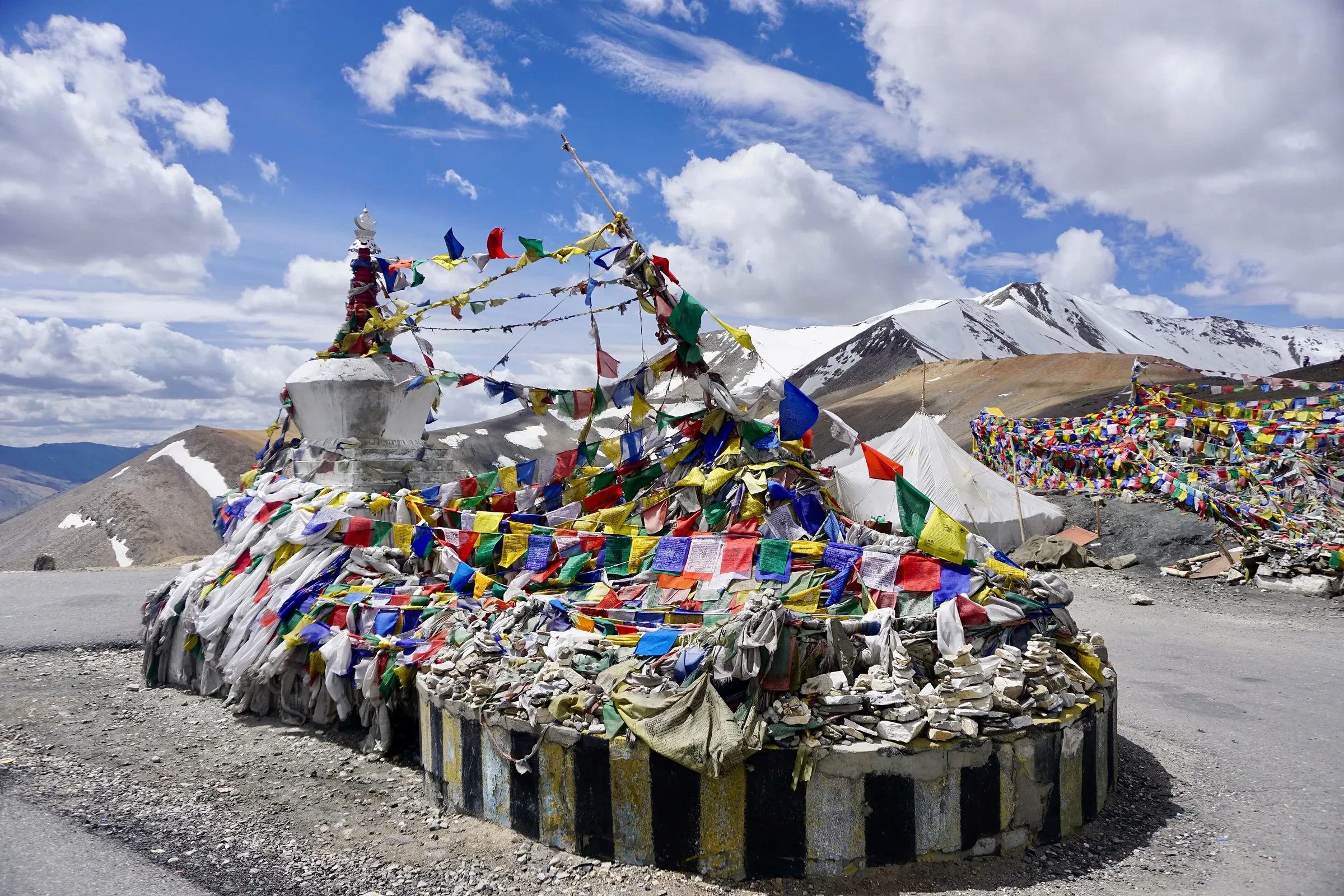
The Srinagar-Leh highway, over Zoji La and through Kargil, usually closes in December or January and reopens between mid-March and mid-April, well before the Manali road. Recent reopenings were about 16 March in 2023, about 15 April in 2024 and 1 April in 2025. In some winters the Border Roads Organisation has kept it open into late January. The UK Foreign Office (FCDO) advises against all travel to the Union Territory of Jammu and Kashmir, including Srinagar and Sonamarg, except flying into and within Jammu city; Ladakh is a separate Union Territory and isn't named in it, but this road runs through areas that are, so check current FCDO or your own government's advice before planning to use it. See our Ladakh guide for more.
Because both dates move year to year, don't book non-refundable travel around an exact date you've read on a blog. Check the Border Roads Organisation (bro.gov.in) or that season's Himachal Pradesh or Jammu and Kashmir traffic police notice a few weeks ahead, or ask a Leh-based agent, who will know the week the road actually opened.
Flying into Leh sidesteps both roads. Leh's airport runs all year, which is what makes the short winter season (below) possible at all.
Nubra and Pangong by season
Nubra, Pangong and Tso Moriri all sit beyond Leh over high passes, and their season is shorter and less forgiving than Leh's own.
- Nubra Valley (Diskit about 3,144 m) is lower and slightly milder than Leh, reached over Khardung La. It's open on the same June to September window as the rest of the region, and is usually the first of the three to feel comfortable once the pass opens.
- Pangong Tso (about 4,300 m) is colder than Leh at every time of year, and nights are cold even at the height of summer. It's only reachable once Chang La is clear, inside the same June to September window. From November to April it freezes over completely.
- Tso Moriri (4,522 m) is the highest and coldest of the three, and the quietest. It shares the same short season and the same winter freeze.
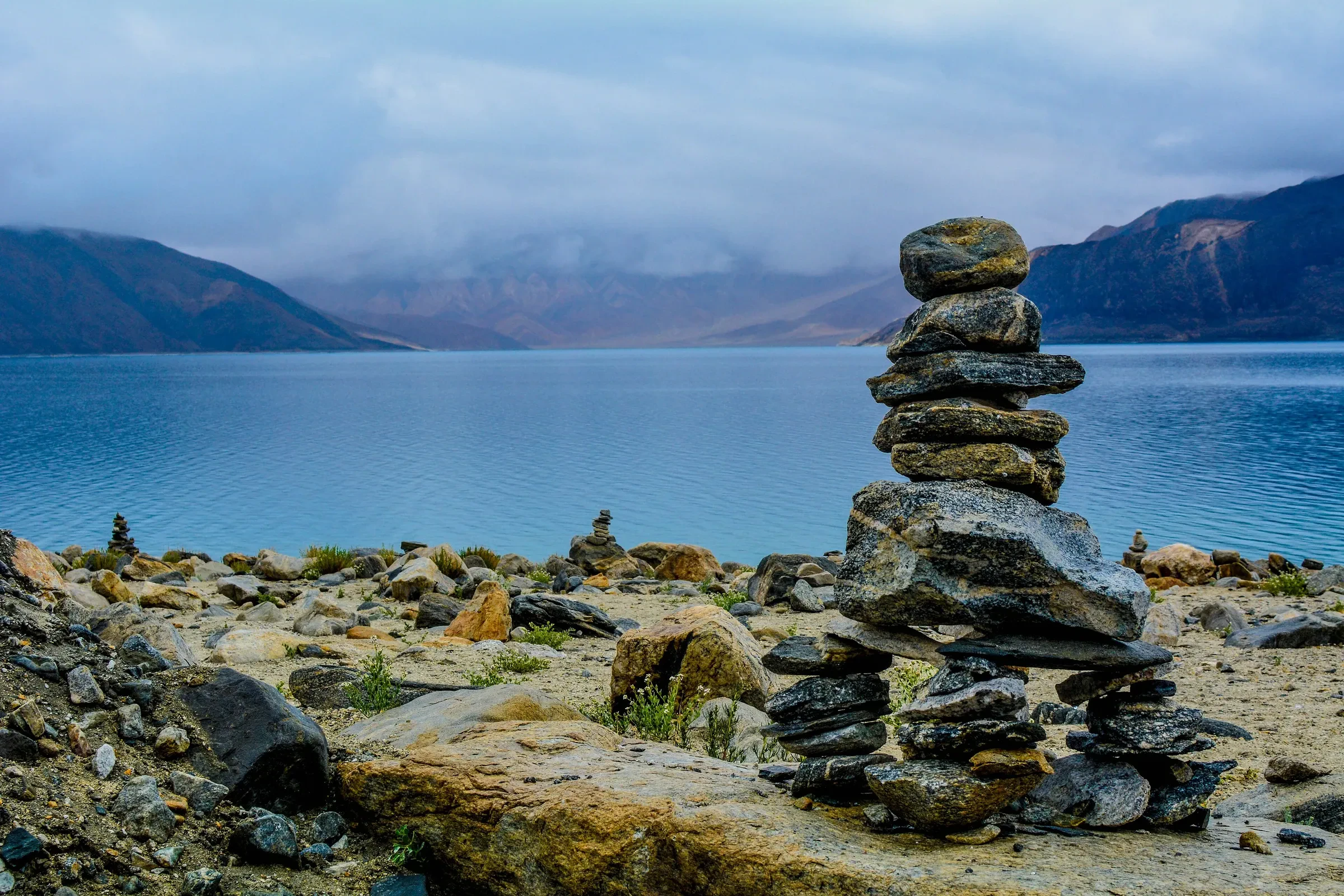
Within the season, July and August are the busiest months everywhere, and September is the better choice if you want clearer light and fewer people, at the cost of colder nights. See our Ladakh guide for what there is to do at each.
Winter in Ladakh and the Chadar trek
Outside June to September, Ladakh isn't really a road trip any more, but a small winter season has grown up around Leh's year-round flights and the frozen Zanskar river.
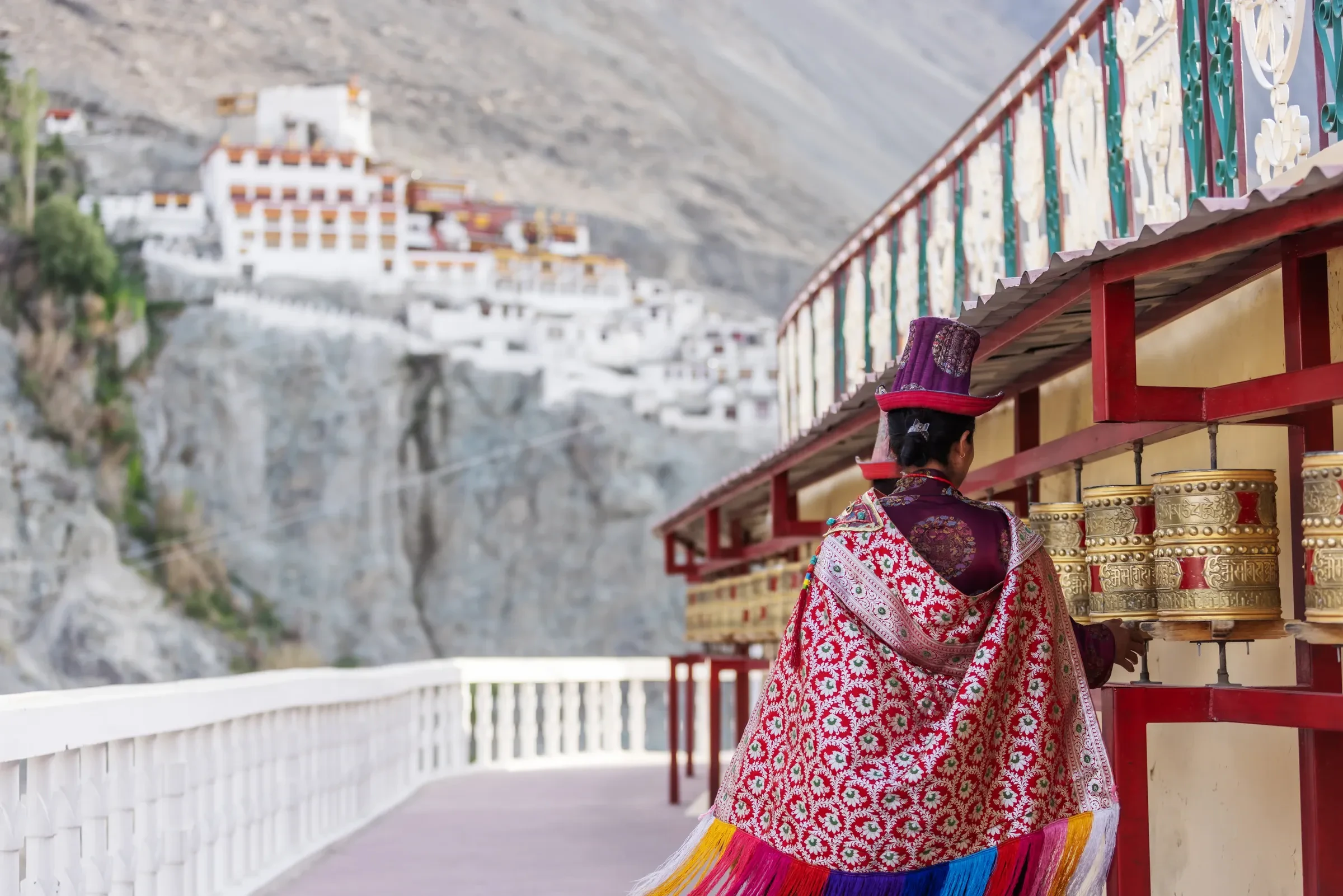
Temperatures in Leh itself average around -1°C by day and -11°C at night in January, and it's colder again in the side valleys. The Chadar trek follows the Zanskar river gorge on its own ice sheet ("chadar" means sheet) between Chilling and Zanskar, and is only possible while the ice is thick enough to walk on, usually from mid-January to mid-February. Daytime temperatures on the trek commonly sit between -5°C and -15°C in the sun, and nights regularly fall to -20°C to -30°C, with wind chill inside the gorge making it feel colder still. It's a serious, guided expedition, not a casual walk: go with an experienced local operator, allow for delays if the ice isn't safe on a given day, and check your travel insurance covers trekking at these temperatures. The ice doesn't always form. The 2025 start was delayed because the river hadn't frozen properly, and in January 2026 the Ladakh authorities cancelled the season because the ice never thickened enough. Ask an operator how the ice looks before you book flights.
Beyond Chadar, winter Leh is very quiet: many guesthouses close, Pangong and the rivers around Leh freeze solid, and the passes to Nubra and Pangong are shut. What's left is Leh town itself, cheap flights (see below), and the build-up to Losar.
Festivals: Hemis and Losar
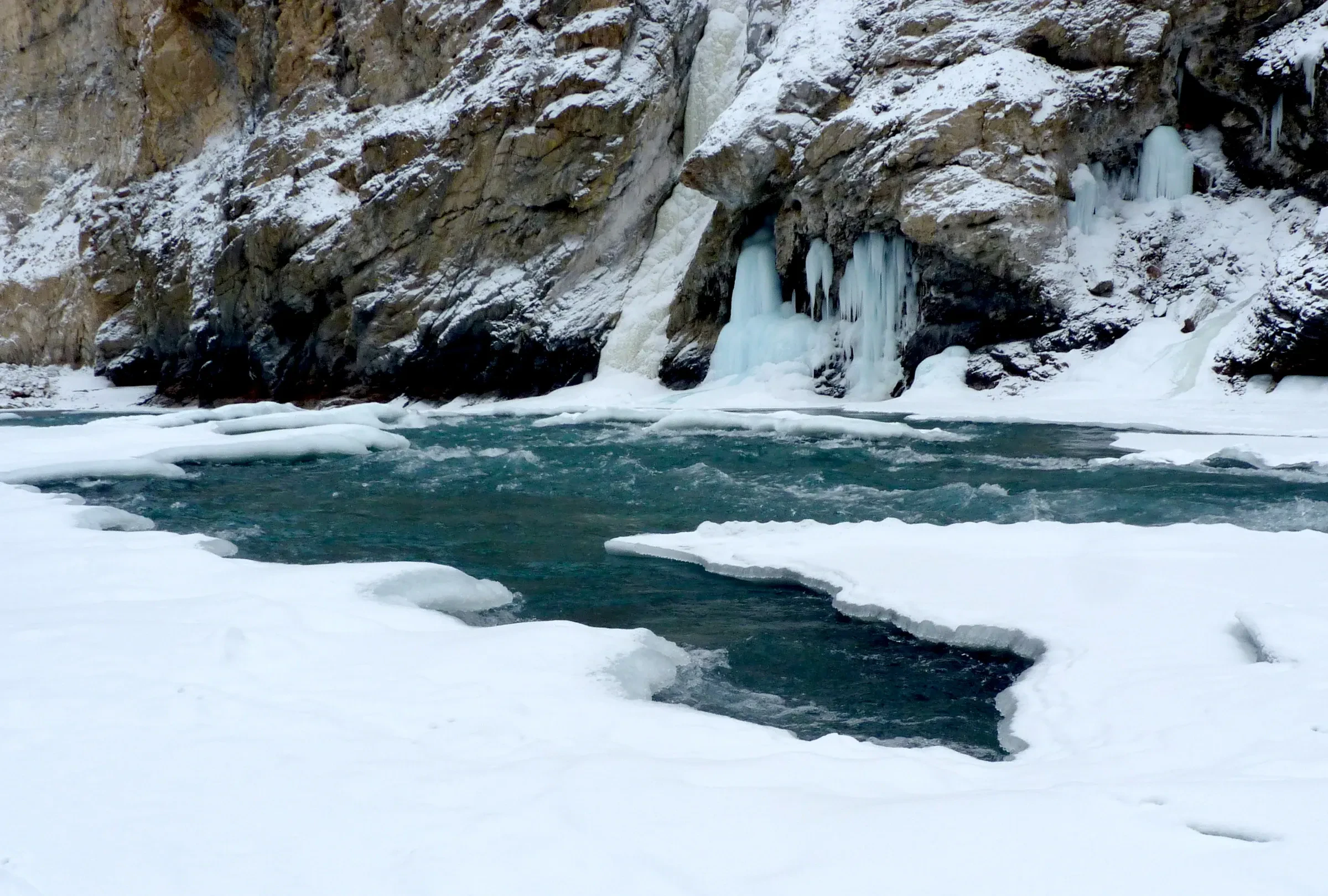
Hemis Tsechu, the summer festival at Hemis Monastery, marks the birth of Guru Padmasambhava with two days of masked dances in the monastery courtyard. It follows the Tibetan lunar calendar, so the date moves each year: in 2026 it fell on 24 and 25 June, and festival calendars give 13 and 14 July for 2027, though that date isn't yet confirmed officially, so check again nearer the time. It's the one summer festival worth timing a trip around, and it usually lands inside the June to September travel season.
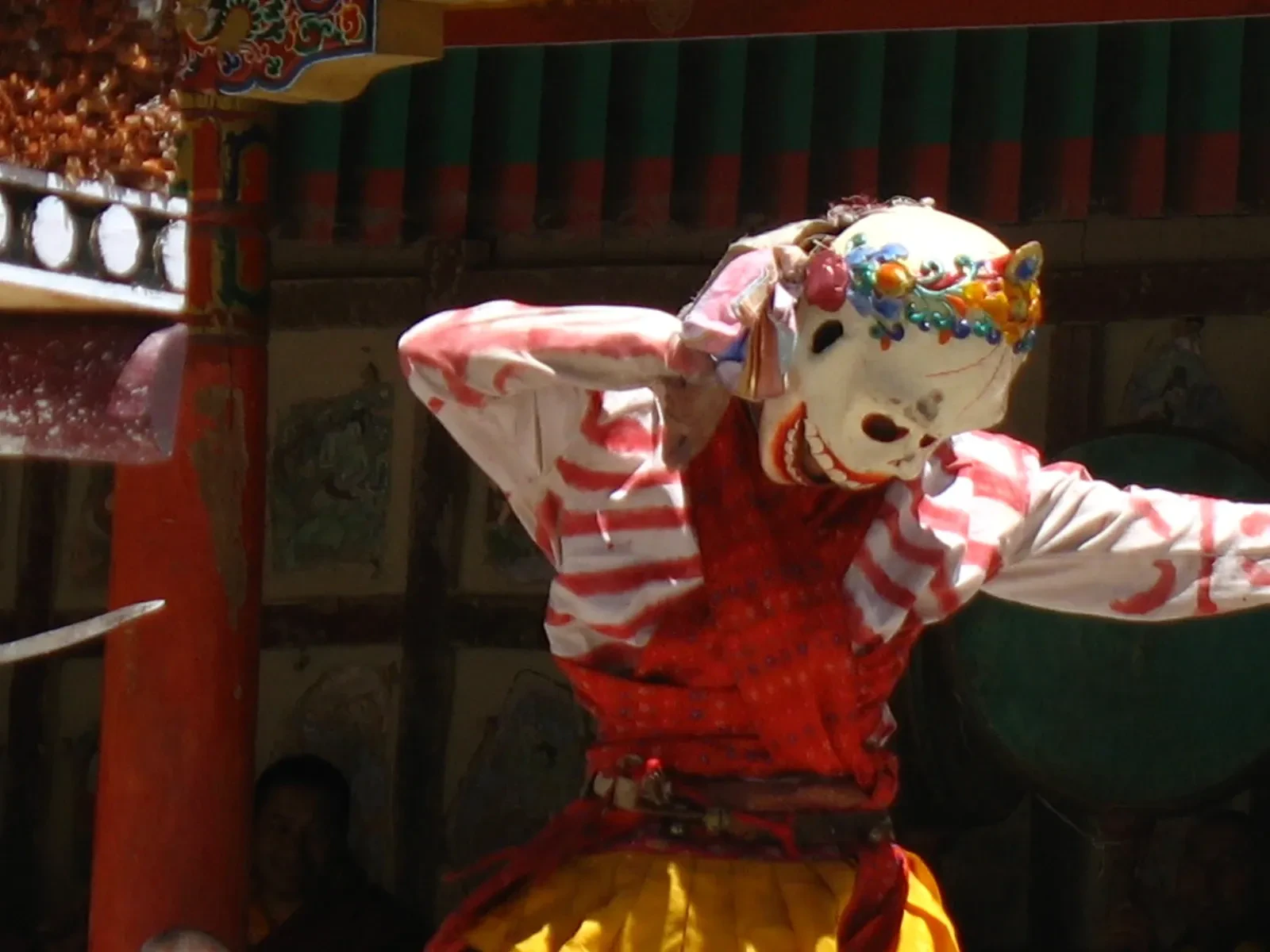
Losar, the Ladakhi New Year, is a winter festival and follows its own version of the lunar calendar, which starts about two months before the Tibetan Losar celebrated elsewhere in the Himalaya. It's reported to fall around 9 December in 2026 and to move to around late December in 2027, with lunar dates that can shift by a day or two, so reconfirm with a Leh-based operator close to the date if you're planning around it. Losar is a family and monastery occasion, with chanting, archery and dancing in Leh and the villages, and it falls well outside the road-open season, so it only really works if you fly in.
Flight prices to Leh
Delhi-Leh is a short flight (about 1 hour 25 minutes) on Air India, IndiGo and SpiceJet, and it's the only way in or out of Ladakh once the roads close. Fares are highest in the peak road season, from June to August, and rise sharply at short notice. Fare sites disagree on the cheapest month: some put it in October to December, and one reported higher fares in the winter holiday weeks. We couldn't find a reliable month-by-month table, so compare your own dates. In September 2026 the cheapest one-way fares we found started at about ₹5,000 when booked ahead. Our Ladakh guide has the most recent fare check.
Altitude: why timing your first days matters as much as the month
Whichever month you go, Leh's altitude (about 3,500 m) matters more than the calendar. Flying in takes you from near sea level to 3,500 m in under two hours, and the Leh district administration asks every visitor to rest for at least 48 hours before going any higher, drink 2 to 3 litres of water a day, and skip alcohol and smoking for the first days. Since 2022, a two-day stay in Leh has also been required before crossing Khardung La towards Nubra. This applies just as much in the quieter shoulder months as it does in July and August, so build the rest days into your plan whatever month you travel. Our Ladakh guide covers permits and altitude in full.
Plan your Ladakh trip around the season
Both of our Ladakh trips run inside the June to September window, because that's when the roads, the passes and the camps they use are open. The road trip loops out of Leh by 4x4 to Nubra, Pangong and Tso Moriri, with two rest days built in before you go any higher. The motorbike expedition rides in from Manali over four high passes, then covers Nubra and Pangong on two wheels.