
The 20 experiences worth planning around
These are grouped roughly north to south and don't need to happen on the same trip. Most travellers pick a region (the Golden Triangle and Rajasthan, the Himalaya, or the south) and build a route from the experiences that fall inside it. Our India itinerary guide sets out routes from 1 week to 1 month if you want the day-by-day version of any of these.
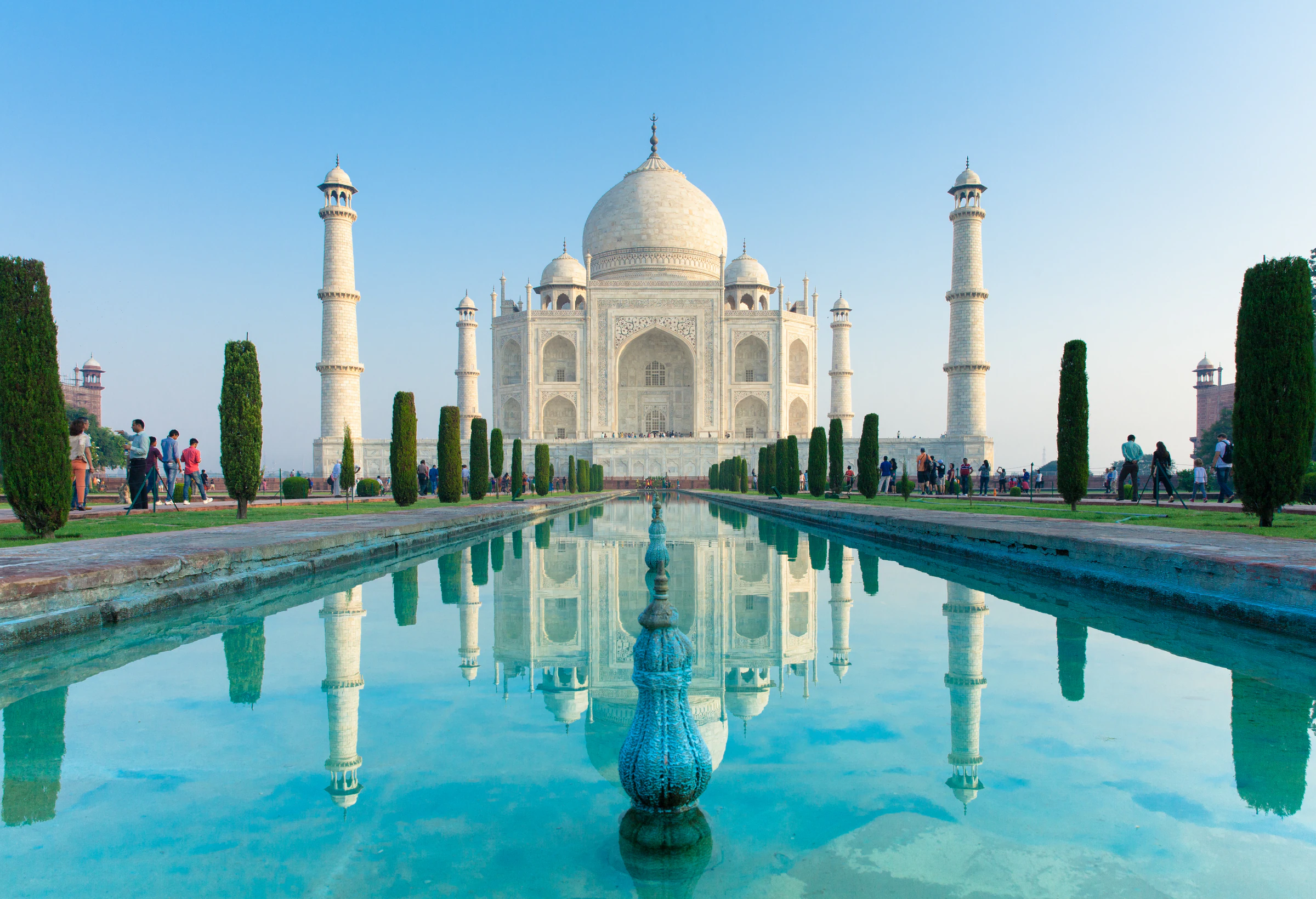
1. Sunrise at the Taj Mahal, Agra
What: watching the white marble change colour as the sun comes up, from pink-tinged to almost silver by mid-morning. Why: it's the most photographed building in India, and the light before the coach groups arrive is nothing like the flat glare of mid-morning. Where: Agra, about 1 hour 40 minutes from Delhi by the Gatimaan Express (it doesn't run on Fridays), or 4.5 to 5 hours by road from Jaipur. Cost: ₹1,100 foreign entry plus ₹200 to go inside the mausoleum, so budget around ₹1,300 total; under-15s go free. Time needed: 2 to 3 hours at the monument. The Taj is closed to general visitors every Friday. Stay overnight if the sunrise light matters to you, since every same-day train from Delhi lands after the gates open. Full guide: Agra: the Taj Mahal, Agra Fort and whether to stay overnight
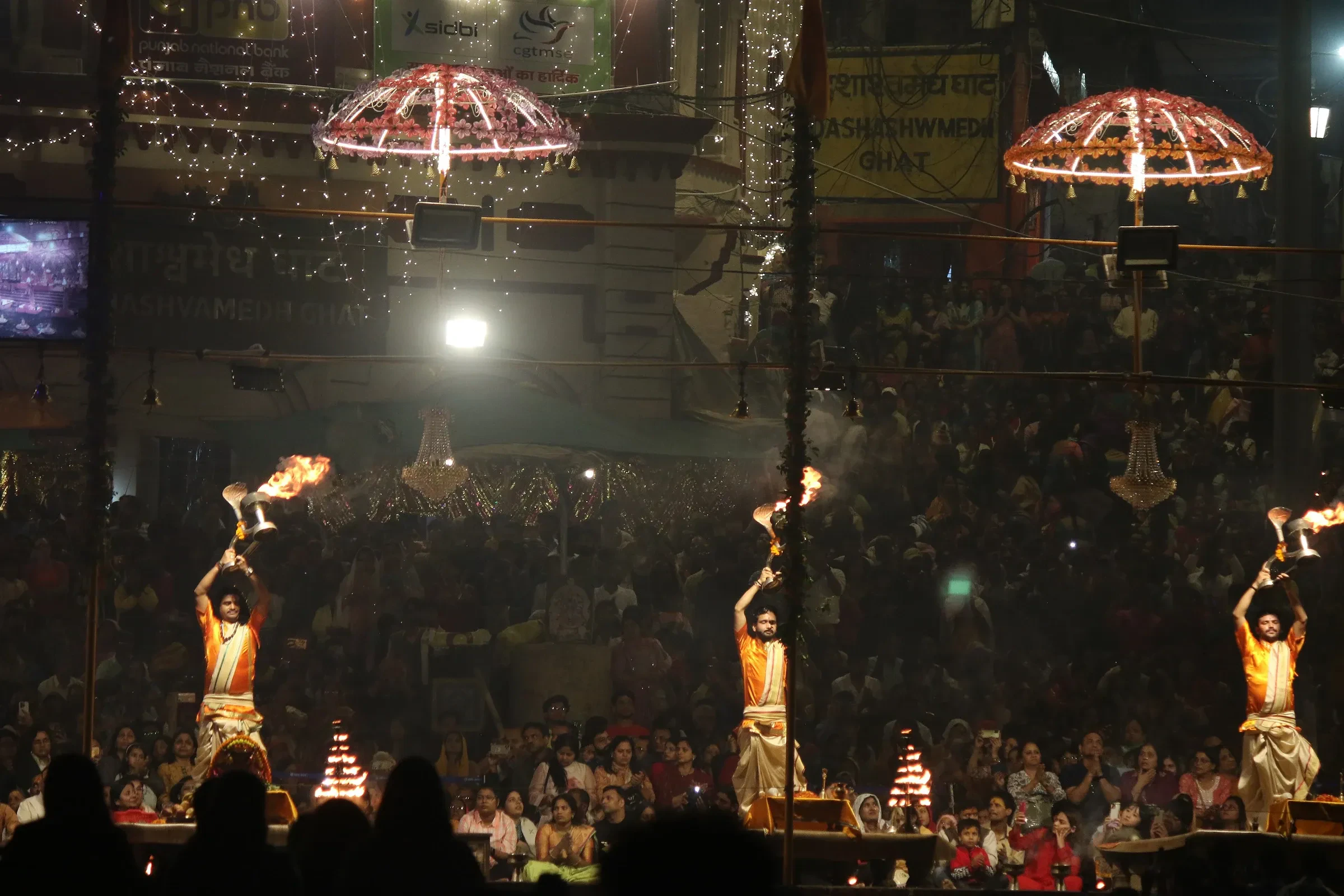
2. The Ganga aarti in Varanasi
What: a synchronised fire ceremony performed by seven priests each evening on the riverfront. Why: it's the single event that sums up Varanasi, best paired with a sunrise boat ride the next morning. Where: Dashashwamedh Ghat, Varanasi, watched free from the steps or, for a clearer view, from a moored boat. Cost: free from the ghat; a boat costs a negotiable few hundred rupees. Boats must carry life jackets, and they are banned when the river floods in the monsoon. Time needed: the ceremony runs about 45 minutes. Listings for 2026 put the start at about 5:45pm from October to March and 6:45pm from April to September, so check on the day. Full guide: Varanasi: the ghats, the aarti and how long to stay
3. A night on a Kerala houseboat
What: sleeping aboard a kettuvallam, a wooden rice barge converted into a houseboat, moored on the Alleppey backwaters. Why: it's Kerala's best-known image, and a proper change of pace after a city. Where: Alleppey (Alappuzha), Kerala. Cost: a private overnight cabin for two runs roughly ₹7,000 to ₹15,000, and some 2026 listings start higher. Solo travellers often do better on a shared day cruise (about 6 hours) instead, since many overnight boats are set up for couples. Book only a houseboat registered with Kerala Tourism, with a visible KIV number. Time needed: one night for the overnight version, half a day for a cruise. Full guide: Kerala: backwaters, hills, beaches and when to go
4. Ladakh's high passes
What: driving over some of the world's highest motorable roads, including Khardung La (5,359m) and Chang La, on the way to Nubra Valley and Pangong Tso. Why: the scenery, and simply standing at that altitude, is a big part of why people come to Ladakh at all. Where: Leh, reached by flight or the seasonal road from Manali or Srinagar. The Manali road usually opens between late May and mid-June and closes in late October or November; Manali to Leh opened on 1 June in 2026. Cost: Leh's taxi union runs a fixed 2-day Nubra return package for about ₹11,800 to 13,000 per vehicle, split between 4 to 6 people. Foreigners also need a Protected Area Permit for Nubra, Pangong and Tso Moriri, which a registered agent in Leh arranges. Time needed: at least a week from Leh, including two rest days for altitude before you cross Khardung La. Full guide: Ladakh itinerary: 1 week or 10 days for Leh, Nubra, Pangong and Tso Moriri
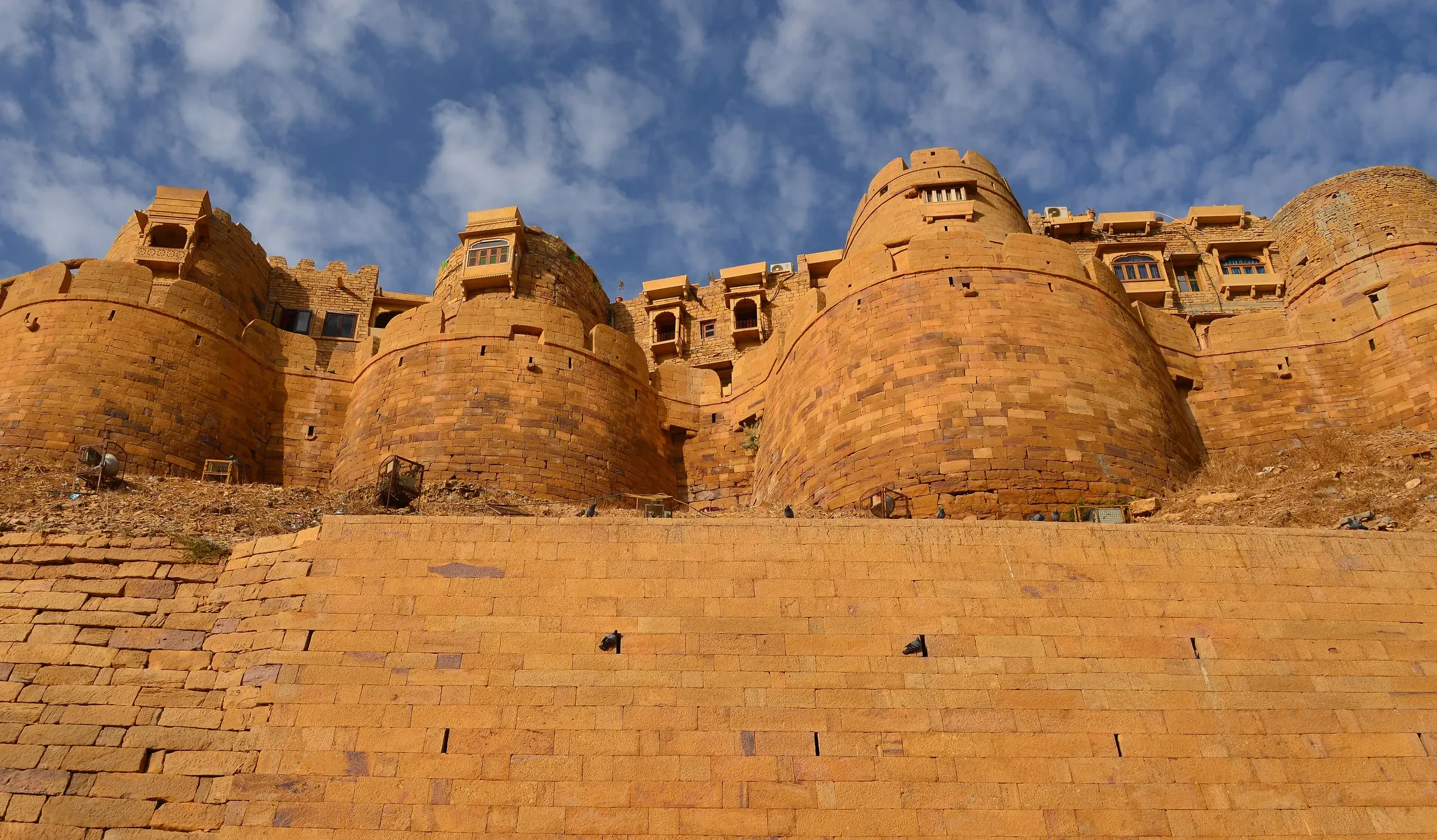
5. Rajasthan's forts and a desert night
What: hilltop and city forts through Jaipur, Jodhpur and Udaipur, finishing with a camel ride and a night in a desert camp outside Jaisalmer. Why: it's the image most people already have of India before they've been. Where: the Sam or Khuri dunes, outside Jaisalmer, at the end of the Rajasthan loop. Cost: an overnight camel ride and desert camp, with dinner and breakfast, typically runs ₹1,200 to ₹4,500 per person, so ask what the price includes. Time needed: 10 to 12 days for the full five-city loop with the desert detour, or a week without it. Full guide: Rajasthan travel guide: the cities, the desert and when to go
6. Hampi's boulders
What: a UNESCO ruin field of Vijayanagara-era temples and royal platforms scattered across giant granite boulders. Why: half archaeological site, half strange landscape, and one of India's best-known bouldering destinations. Where: Hampi, near Hosapete (Hospet), Karnataka. Cost: ₹1,500 to ₹2,000 a day. Time needed: two full days, one for Hampi Bazaar and Hemakuta Hill, one for Vittala Temple's stone chariot at sunrise. Full guide: Hampi: the ruins, the boulders and getting there from Goa
7. Goa's beaches
What: a run of west-coast sand from the busier beaches of the north to the calmer bays of the south. Why: Goa is one of India's easiest states to travel solo, with a wide hostel scene and a slower pace of life. Where: North Goa (Anjuna, Vagator, Arambol) or South Goa (Palolem, Agonda, Patnem); Arambol to Palolem takes about 3 hours by road. Cost: about ₹1,200 to ₹1,800 a day on a backpacker budget (dorm, cheap food, scooter), outside the Christmas rush. Time needed: a week covers both halves of the state comfortably. November to February is the best stretch. Full guide: Goa, India travel guide: beaches, the map, itineraries and costs
8. Durga Puja or Holi
What: Kolkata's five-day pandal-hopping festival each autumn, or the colour-throwing spring festival centred on Mathura and Vrindavan. Why: two of India's most sociable festivals, and both work well as a solo trip. Where: Kolkata for Durga Puja; Mathura, Vrindavan, Jaipur, Udaipur, Pushkar or Delhi for Holi. Cost: free to join in the street for both; a hotel or rooftop Holi party may charge extra. Time needed: 2 to 3 evenings of pandal hopping for Durga Puja; two days for Holi, from the Holika Dahan bonfire to the colours the next morning. Full guides: Durga Puja in Kolkata and Holi festival guide
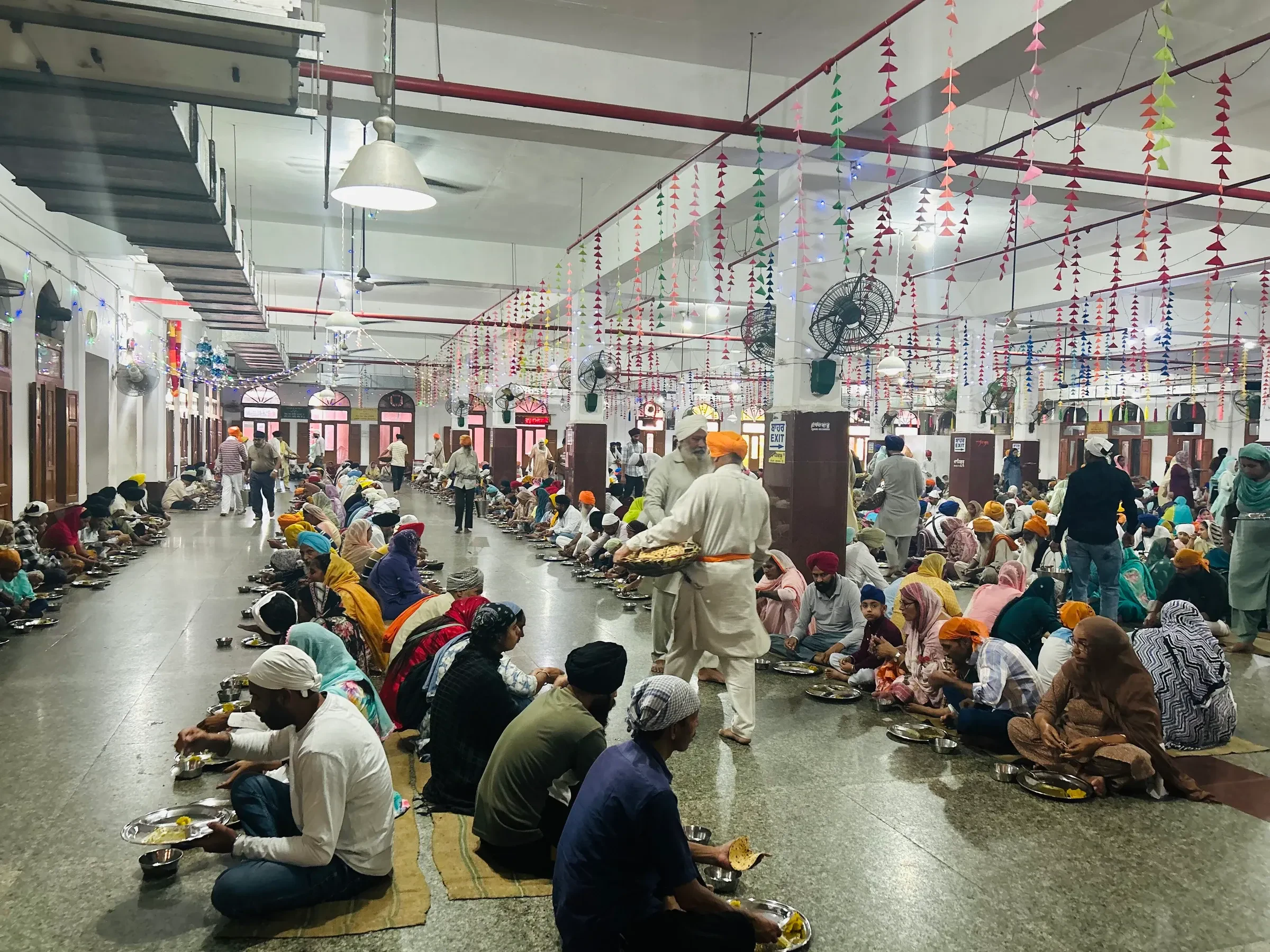
9. A Golden Temple langar, Amritsar
What: eating a free meal, cooked and served by volunteers, in one of the largest free kitchens in the world. Why: it's free, participatory and open to absolutely anyone, at Sikhism's holiest shrine. Where: the Golden Temple (Harmandir Sahib), Amritsar, open 24 hours. Cost: free. Time needed: half a day for a first visit to the temple complex as a whole. Full guide: Amritsar: the Golden Temple, the Wagah border and how long to stay
10. Old Delhi street food
What: a walking route through Chandni Chowk for paranthe, jalebi, chaat and kebabs. Why: these lanes have been cooking the same dishes for well over a century. Where: Chandni Chowk, Old Delhi, nearest metro Chandni Chowk or Chawri Bazar. Cost: roughly ₹500 to ₹800 for a half-day food walk, food only. Time needed: half a day, late morning to early evening. Full guide: Delhi street food: Old Delhi, Chandni Chowk and what to try
11. The Meghalaya root bridges
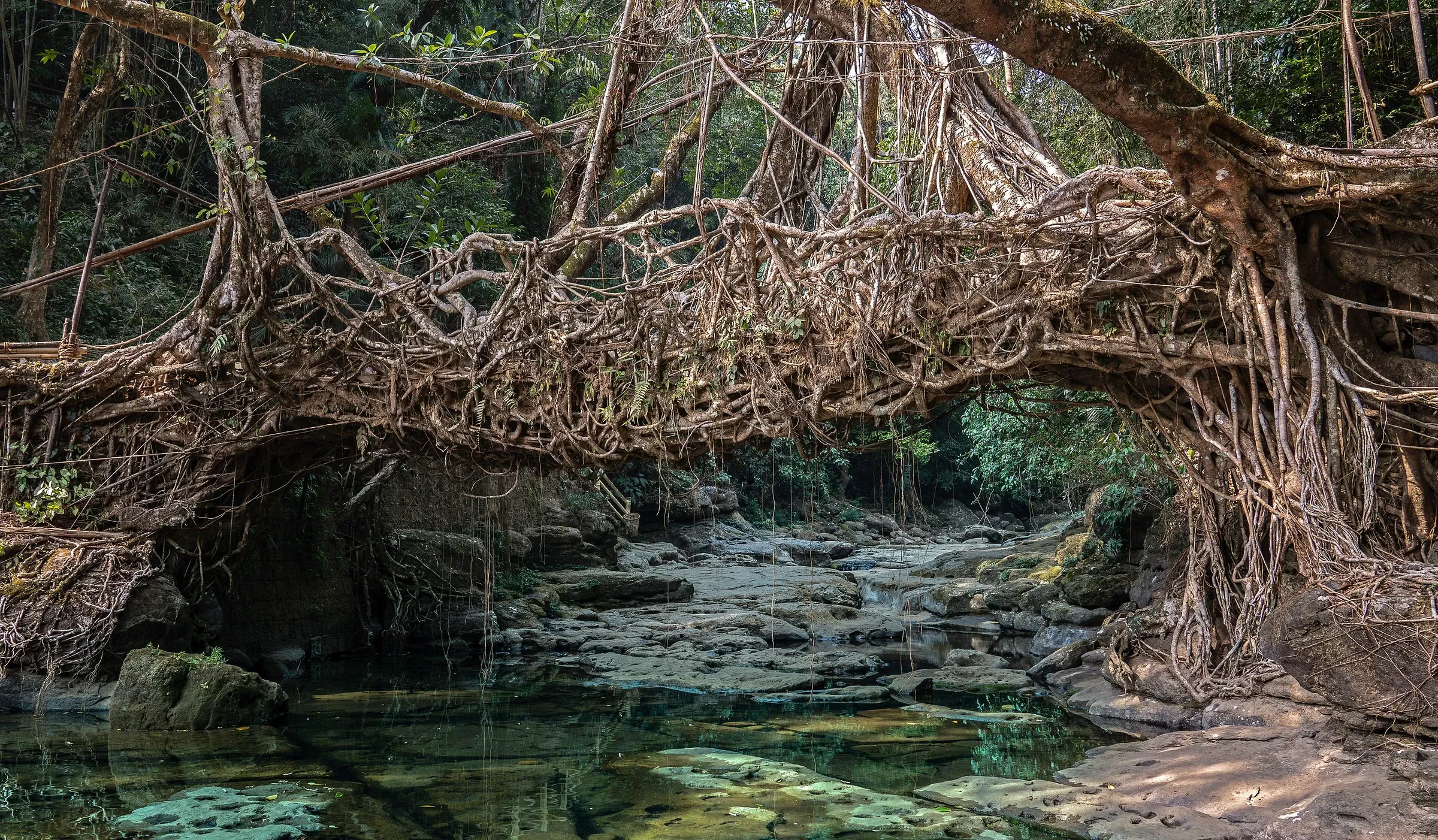
What: a trek down roughly 3,000 to 3,500 stone steps to the Double Decker Living Root Bridge at Nongriat, grown over generations from rubber-fig tree roots. Why: it's a different side of India altogether, cool, wet, Khasi hill country instead of desert or beach. Where: Nongriat village, near Cherrapunji (Sohra), Meghalaya. Cost: see the budget in our Meghalaya guide. Foreign visitors need no Inner Line or Protected Area Permit at present, but a registration system has been announced, so check before you go. Time needed: a full day for the round trip down and back up from Cherrapunji. Full guide: Meghalaya itinerary: 1 week from Shillong to the living root bridges
12. Kaziranga's rhinos by jeep
What: a dawn jeep safari through grassland that holds most of the world's one-horned rhinoceroses. Why: the park holds most of the world's one-horned rhinos, but no safari can promise you a sighting. Where: Kaziranga National Park, Assam, which closes for the monsoon and reopened on 3 October 2026 for the 2026 to 2027 season. Cost: a jeep for foreign visitors was listed at about ₹7,500 to ₹7,700 per vehicle, for up to six people. Time needed: two mornings is the usual allowance. Book your slots before you arrive, because December to February is the busy stretch. Full guide: Assam itinerary: 1 week with Kaziranga's rhinos and Majuli island
13. A Rishikesh rafting day
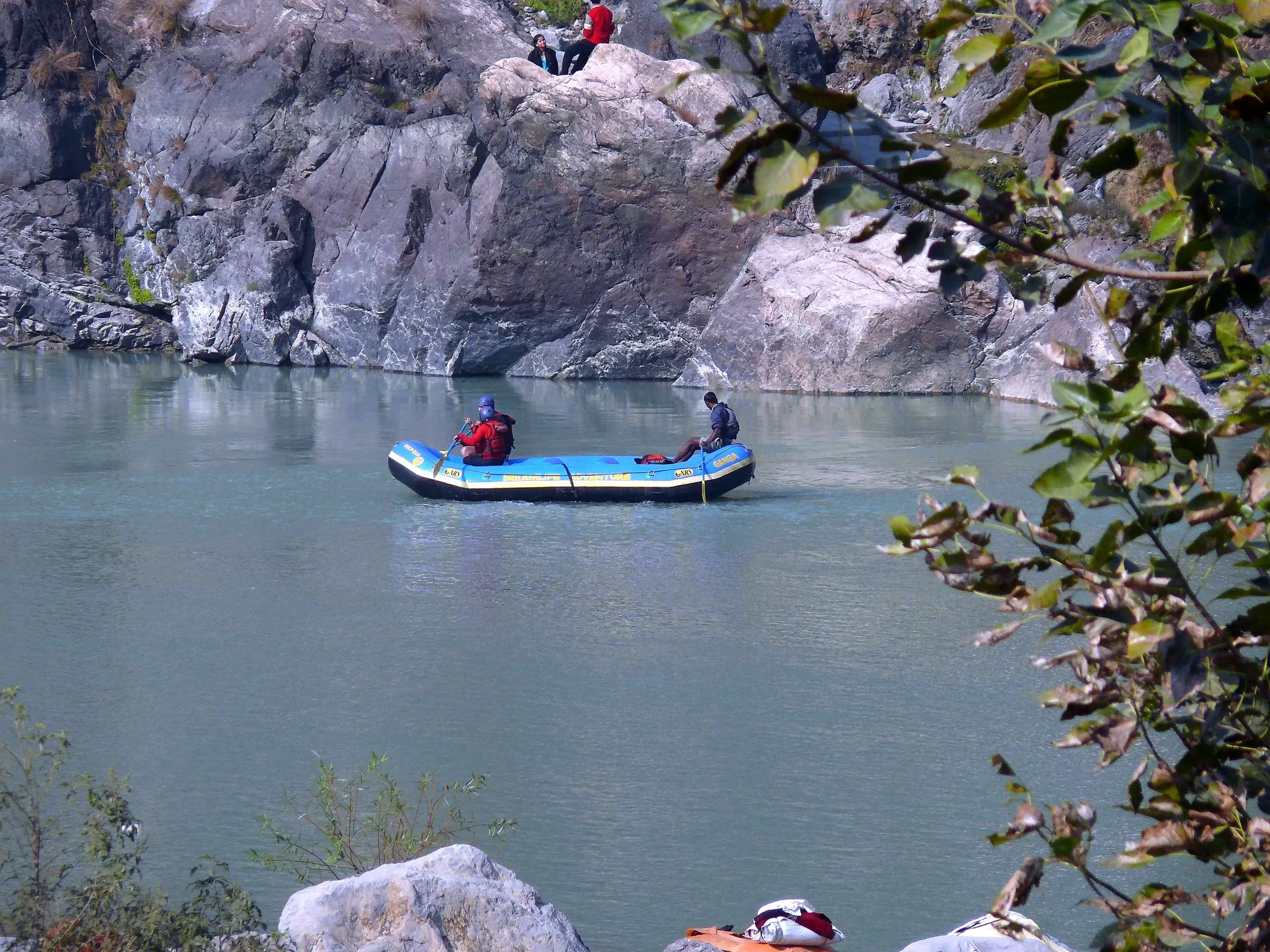
What: white-water rafting on the Ganges, on stretches ranging from a gentle float to Grade III to IV rapids. Why: it's the most accessible adventure activity in north India, a few hours from Delhi. Where: Rishikesh, Uttarakhand, with put-in points from Brahmapuri to Kaudiyala. Cost: about ₹600 for the shortest stretch (Brahmapuri) up to about ₹2,500 for the longest (Kaudiyala). Time needed: 1.5 to 6 hours on the water, depending on the stretch. Rafting runs from late September to the end of June, and the 2026 to 2027 season began on 24 September. Ram Jhula, the old footbridge, has been closed for repairs since 26 July 2026, so you can't plan on crossing it. Full guide: Rishikesh river rafting: stretches, prices and safety
14. The White Rann
What: walking out onto a blinding white salt desert that runs to the horizon in every direction. Why: it's one of the largest salt deserts on earth, and there's nothing else in India quite like it. Where: Dhordo, near Bhuj, Gujarat. Cost: ₹2,000 to ₹4,000 a day, plus a permit fee that's higher for foreign nationals. Time needed: half a day at minimum, including the drive from Bhuj. Full guide: Rann of Kutch guide: the white desert, when to go and getting there
15. Kathakali in Kochi
What: an evening performance of Kerala's classical dance-drama, starting with an hour of visible face-paint before the story begins. Why: it's a rare chance to watch the transformation, not just the finished performance. Where: Fort Kochi's small theatres, including the Kerala Kathakali Centre near Santa Cruz Basilica. Cost: around ₹600, plus about ₹400 for an optional Kalaripayattu martial-arts show afterwards. Time needed: about 2 hours, make-up and performance together. Full guide: Kochi: Fort Kochi and the Chinese fishing nets
16. The Darjeeling toy train
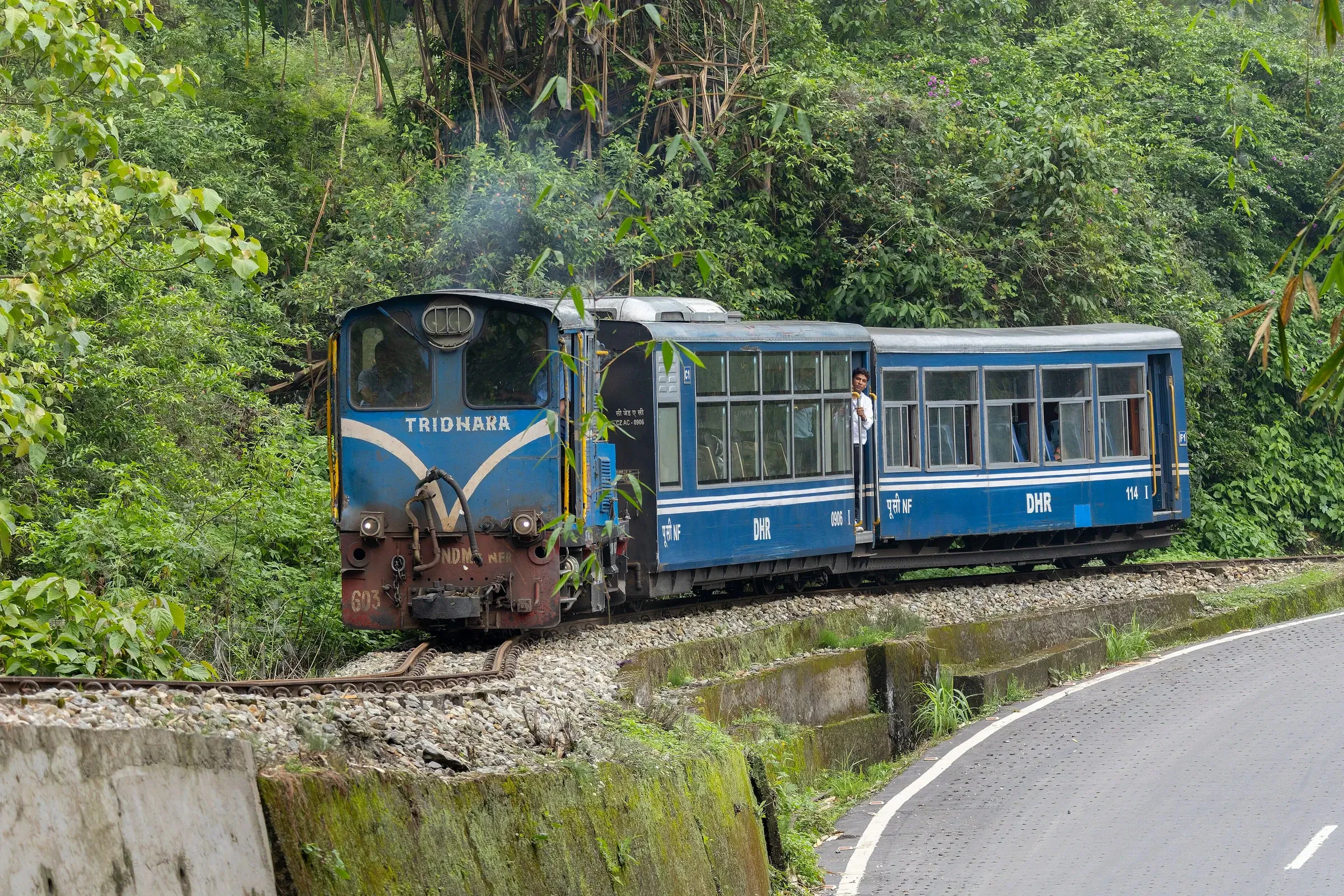
What: a joyride on the Darjeeling Himalayan Railway, a UNESCO World Heritage line, up to Ghum via the Batasia Loop. Why: it's one of the world's oldest working mountain railways, and a rare chance to ride both diesel and steam locomotives on the same line. Where: Darjeeling, West Bengal. Cost: varies by service and season. The railway runs both a diesel joyride and a pricier steam one, so check which is running on your date. Book ahead in peak season (October to December, March to May), since seats sell out. Time needed: about 2 hours round trip. Full guide: Sikkim and Darjeeling itinerary: 1 week or 10 days from Gangtok to the toy train
17. Spiti's monasteries
What: a chain of centuries-old Buddhist monasteries, including Key Monastery and Dhankar, stacked on ridges above the Spiti river. Why: it's Ladakh-like scenery reached by road from Shimla or Manali, without a flight into high altitude. Where: Kaza, Spiti Valley, Himachal Pradesh, best from mid-June to early October when the roads are normally open. Cost: very roughly ₹800 to ₹1,000 a day by public transport, more with a private taxi. Time needed: a week or 10 days for the full valley. Full guide: Spiti Valley itinerary: 1 week or 10 days from Shimla or Manali
18. A cooking class
What: a hands-on class in a regional cuisine, often paired with a market visit or a spice-plantation tour. Why: it's the easiest way to take a bit of the country's food home with you, and a good rainy-day option in the hills. Where: widely available; Kerala's Thekkady spice country is a well-known base for one. Cost: check with the operator; expect roughly the price of a mid-range restaurant meal for a few hours' class. Time needed: half a day. Full guide: Kerala food: the dishes to try and where to eat them
19. Ajanta and Ellora
What: two UNESCO cave complexes: Ajanta's painted Buddhist murals in a horseshoe gorge, and Ellora's Kailasa Temple, carved downward out of a single rock face. Why: together they cover roughly 1,500 years of Deccan rock-cut architecture across three religious traditions. Where: near Chhatrapati Sambhajinagar (Aurangabad), Maharashtra, about 1 hour 10 minutes by air from Mumbai. Cost: ₹1,500 to ₹3,000 a day for entry, the mandatory shuttle bus and a driver between sites. Time needed: 2 to 3 days including travel from Mumbai. Ajanta closes on Mondays and Ellora on Tuesdays. Full guide: Ajanta and Ellora caves: how to visit from Mumbai or Aurangabad
20. Mumbai
What: India's biggest city, and for most travellers heading south, the gateway to Goa and the Andamans. Why: the Gateway of India, Marine Drive at sunset and a ferry across to the Elephanta Caves, all without needing more than a couple of days. Where: Mumbai, Maharashtra; base yourself in Colaba, Fort or Bandra. Cost: Elephanta Caves entry costs ₹600 for most foreign visitors, plus a return ferry ticket at roughly ₹200. The caves are closed on Mondays. Time needed: one to two days, three if you add Elephanta at an unhurried pace. Full guide: Mumbai travel guide: areas, sights and getting on to Goa
All 20 at a glance
| Experience | Where | Cost | Time needed |
|---|---|---|---|
| Sunrise at the Taj Mahal | Agra | About ₹1,300 | 2 to 3 hours |
| The Ganga aarti | Varanasi | Free to a few hundred rupees | 45 to 60 minutes |
| A Kerala houseboat night | Alleppey | ₹7,000 to ₹15,000 (2 people) | One night |
| Ladakh's high passes | Leh | ₹11,800 to 13,000 per vehicle for the 2-day Nubra package | One week or more |
| Rajasthan's forts and a desert night | Jaisalmer | ₹1,200 to ₹4,500 per person | 10 to 12 days for the full loop |
| Hampi's boulders | Hampi, Karnataka | ₹1,500 to ₹2,000 a day | Two full days |
| Goa's beaches | North or South Goa | ₹1,200 to ₹1,800 a day | One week |
| Durga Puja or Holi | Kolkata, or Mathura/Vrindavan | Free to join | 2 to 3 evenings, or two days |
| A Golden Temple langar | Amritsar | Free | Half a day |
| Old Delhi street food | Chandni Chowk, Delhi | ₹500 to ₹800 | Half a day |
| The Meghalaya root bridges | Nongriat, Meghalaya | See our Meghalaya guide | One full day |
| Kaziranga's rhinos by jeep | Assam | About ₹7,500 to ₹7,700 per jeep, up to six people | Two mornings |
| A Rishikesh rafting day | Rishikesh, Uttarakhand | ₹600 to ₹2,500 | 1.5 to 6 hours |
| The White Rann | Dhordo, near Bhuj | ₹2,000 to ₹4,000 a day, plus a permit | Half a day minimum |
| Kathakali in Kochi | Fort Kochi | About ₹600 | About 2 hours |
| The Darjeeling toy train | Darjeeling | Varies by service | About 2 hours |
| Spiti's monasteries | Kaza, Spiti Valley | Very roughly ₹800 to ₹1,000 a day | A week or 10 days |
| A cooking class | Widely available; Thekkady is a base | Price of a mid-range meal | Half a day |
| Ajanta and Ellora | Near Aurangabad, Maharashtra | ₹1,500 to ₹3,000 a day | 2 to 3 days |
| Mumbai | Mumbai, Maharashtra | Elephanta entry about ₹600 | 1 to 3 days |
Practical notes
Timing is the main thing that splits this list in two. Most of it (Agra, Varanasi, Rajasthan, Goa, Kerala, Hampi, Amritsar, Delhi, Ajanta and Ellora, Mumbai) is best from October to March, when the plains and the coast are at their coolest. Ladakh and Spiti run the opposite way: Ladakh is best from June to September and Spiti from mid-June to early October, once the snow clears their high passes. Kaziranga and the Rann of Kutch also close for part of the year: Kaziranga for the monsoon, the Rann when the salt marsh floods. Check our best time to visit India guide before you lock in dates, especially if you're trying to combine a Himalayan stop with anything further south.
A few of these need paperwork sorted in advance. Ladakh and the Rann of Kutch both require a permit for the protected areas beyond Leh and Bhuj, and Sikkim needs a Restricted Area Permit that foreigners now apply for online through the e-FRRO portal. Trains for the Taj Mahal, the Darjeeling toy train and any Golden Triangle leg are worth booking as early as IRCTC allows, particularly around Diwali, Christmas and the main winter season. None of this is expensive to plan around, it just needs doing before you land rather than on the day.
For what a realistic daily budget looks like once you add these in, see our India cost guide. If you're still deciding which regions to prioritise, our where to go in India guide breaks the country down region by region.


