Spiti looks more like Tibet than the rest of Himachal Pradesh: bare brown mountains, whitewashed monasteries on the ridges, and a river valley running through high-altitude desert. Getting there is most of the point. There are no flights and no trains, so you arrive after one or two long days on the road, and the two routes in shape how the trip actually feels: a fast, higher-risk loop from Manali alone, or a slower, gentler climb up from Shimla.
5 stops
- Minibus
Is this route for you?
Spiti suits adventure travellers and photographers drawn to bare, high-altitude desert country rather than Himachal's greener towns lower down, and people who've already done a softer Himalaya trip and want something remoter. It's not a first-timer route: road conditions, altitude and limited medical care make it a step up from Himachal Pradesh's other towns. If nightlife or a beach are what you're after, this isn't it; if you want somewhere even more remote, see our Ladakh itinerary instead.
The 1-week version below enters and exits through Manali only, which means less time to adjust to altitude before you're sleeping at 3,650 m in Kaza. The 10-day version climbs gradually through Kinnaur instead, which most people, including us, would recommend if your dates allow it.
Day by day
Over Kunzum Pass from Manali
Kaza
Getting there Manali to Kaza by shared taxi or HRTC bus, through the Atal Tunnel and over Kunzum Pass (4,590 m), about 9 to 12 hours depending on the road and the vehicle; a shared taxi seat runs roughly ₹800 to ₹1,200 (about £6 to £9, or US$8 to $13), the HRTC bus about ₹400 to ₹600
- Morning
- an early start from Manali, through the tunnel and along the Chandra River
- Afternoon
- the climb over Kunzum Pass, with a brief stop at the top; it's not a place to linger given the altitude
- Evening
- arrive Kaza (3,650 m), settle in and take it easy
Eat thukpa and momos at a Kaza cafe, simple food for a body that's just gained a lot of height fast
Local tip this is a long single travel day on unpaved stretches with stream crossings between Gramphu and Batal, and there's no fuel between Manali and Kaza, so anyone driving should fill up before leaving; sit near the front if you're prone to motion sickness
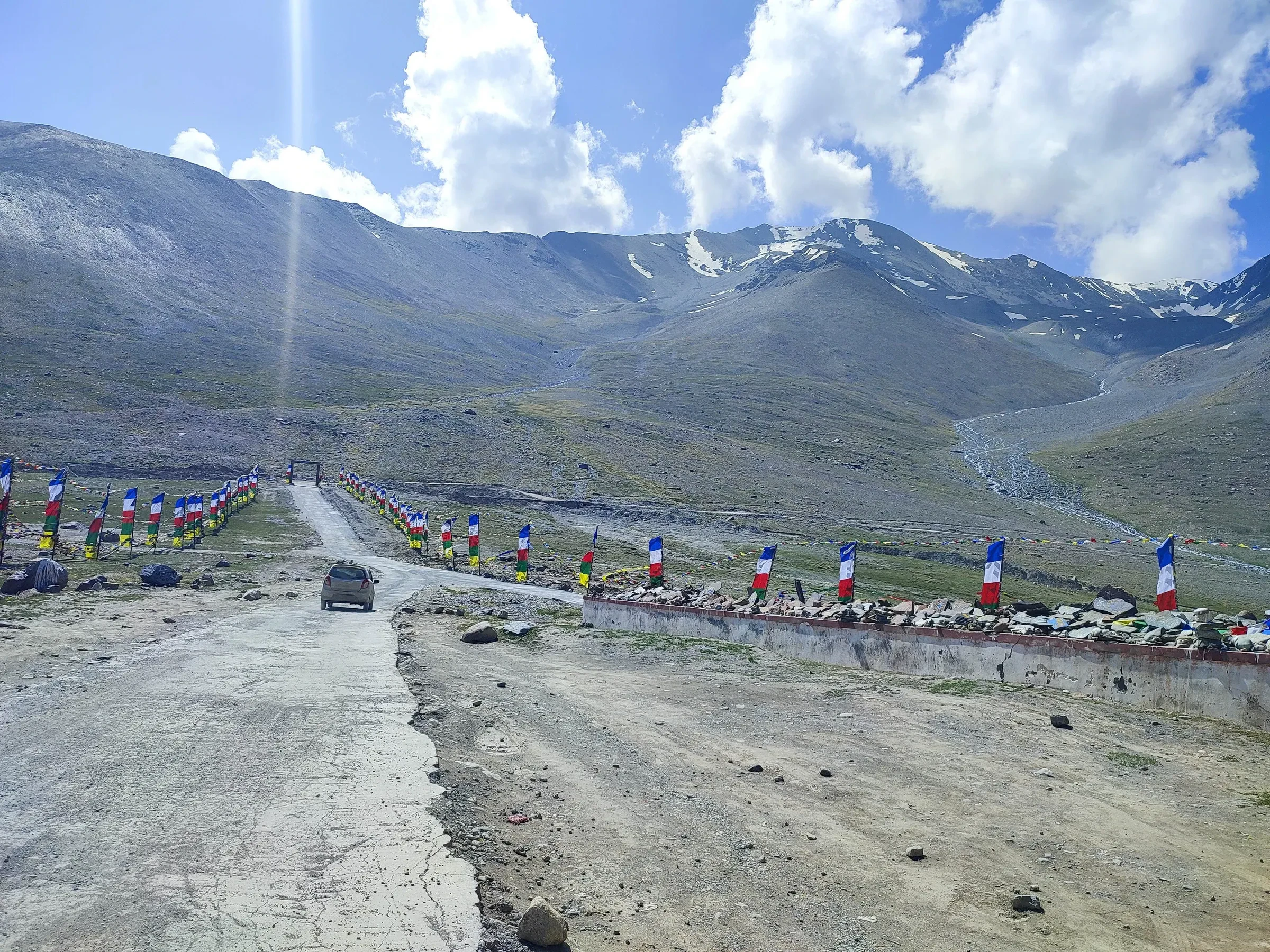
Rest and acclimatise
Kaza
- Morning
- a slow start, a short walk around town, plenty of water
- Afternoon
- more of the same; altitude sickness is a real risk at 3,650 m, and rest is the best prevention on your first full day
- Evening
- an early dinner
Eat chhurpi, a hard yak-milk cheese, and butter tea if you want to try it
Local tip skip alcohol for your first couple of days here, and ask a doctor before you travel about acetazolamide if acute mountain sickness worries you
Key Monastery, Kibber and Chicham Bridge
Kaza
- Morning
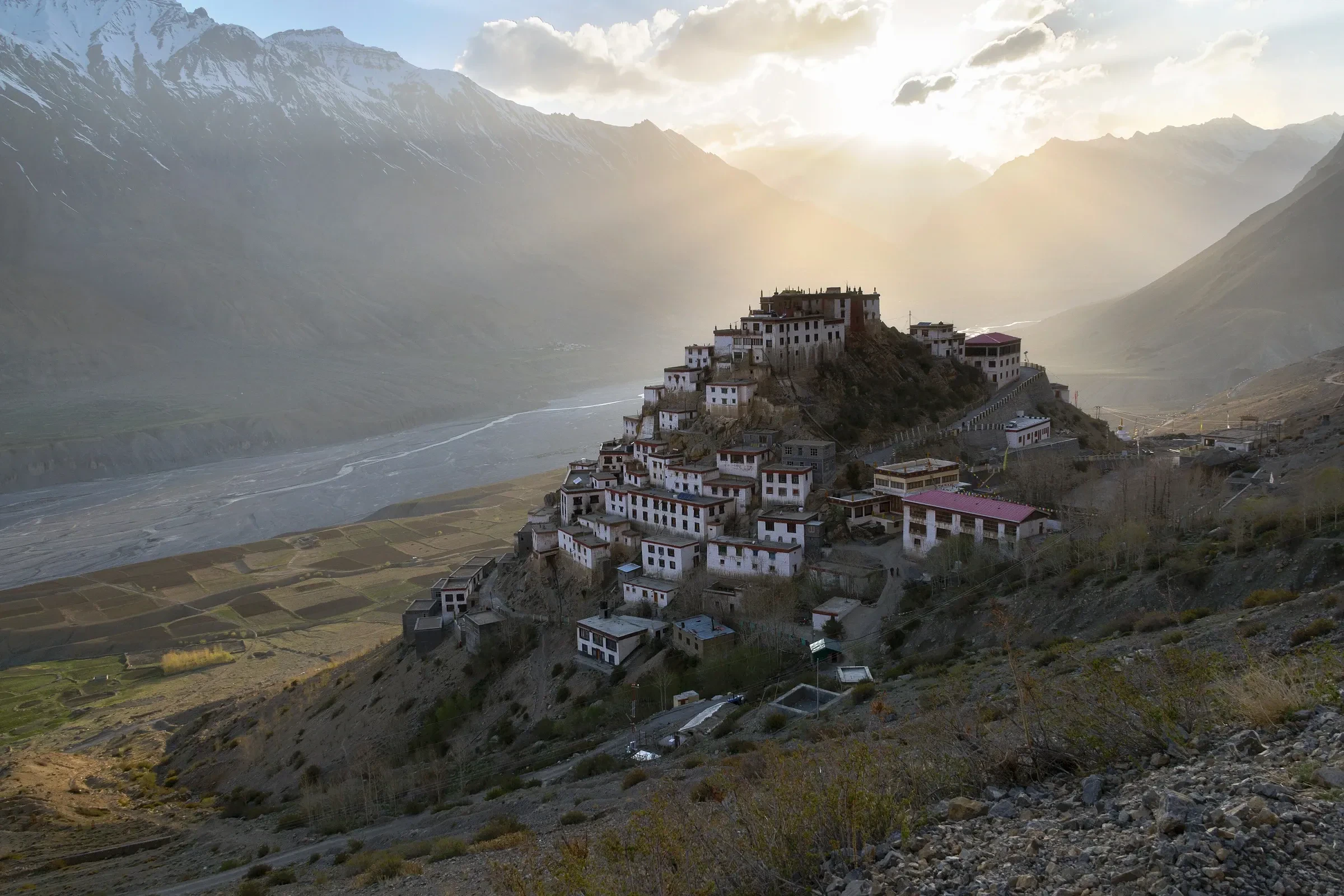
- Key Monastery, Spiti's most-photographed monastery, stacked on a hillside about 12 km from Kaza
- Afternoon
- Kibber village, then Chicham Bridge, which crosses a gorge roughly 300 m deep
- Evening
- back in Kaza
Eat more momos, or a Spitian thali
Local tip the road up to Key and Kibber is rough in places; a shared taxi from Kaza is the easiest way up without your own transport
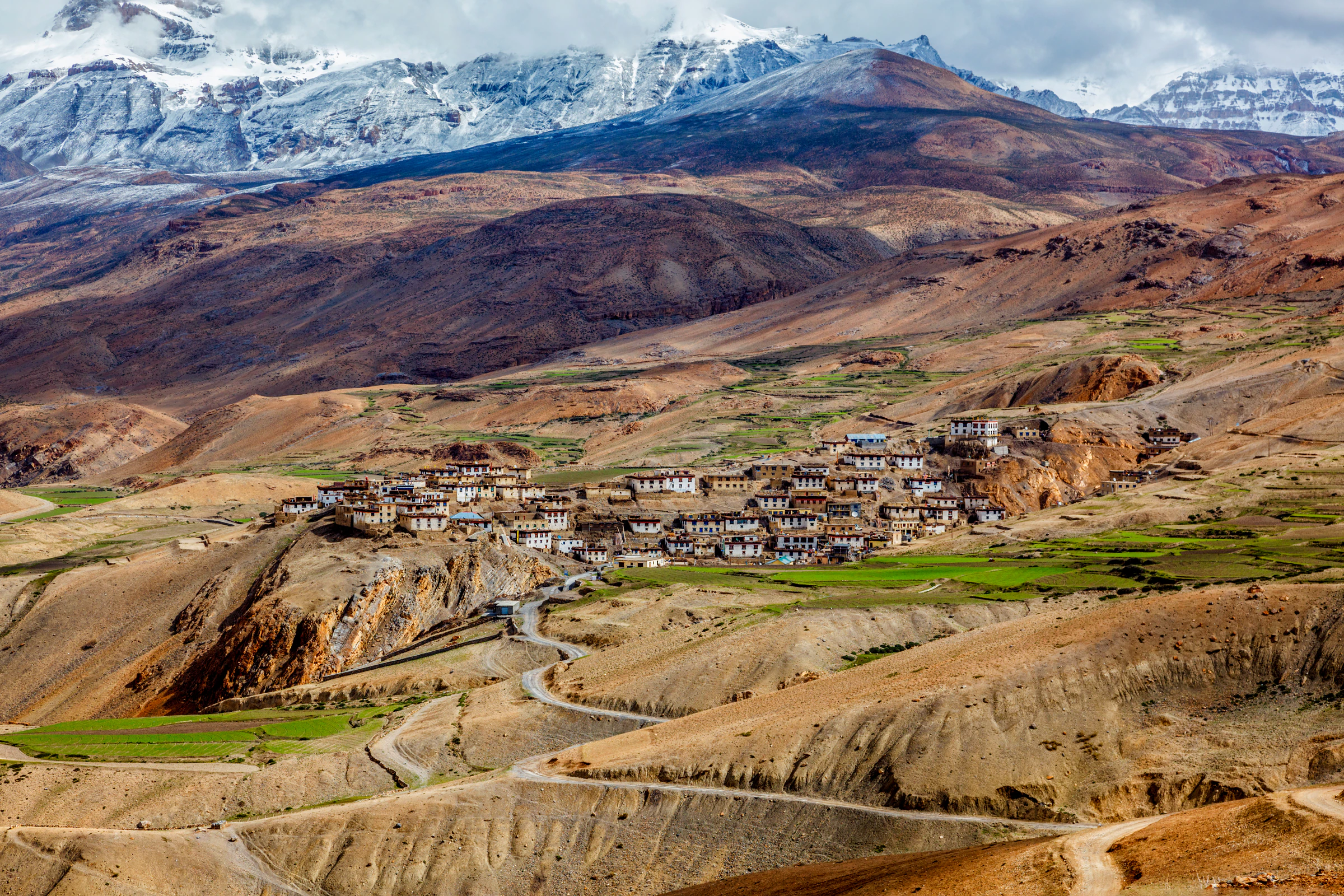
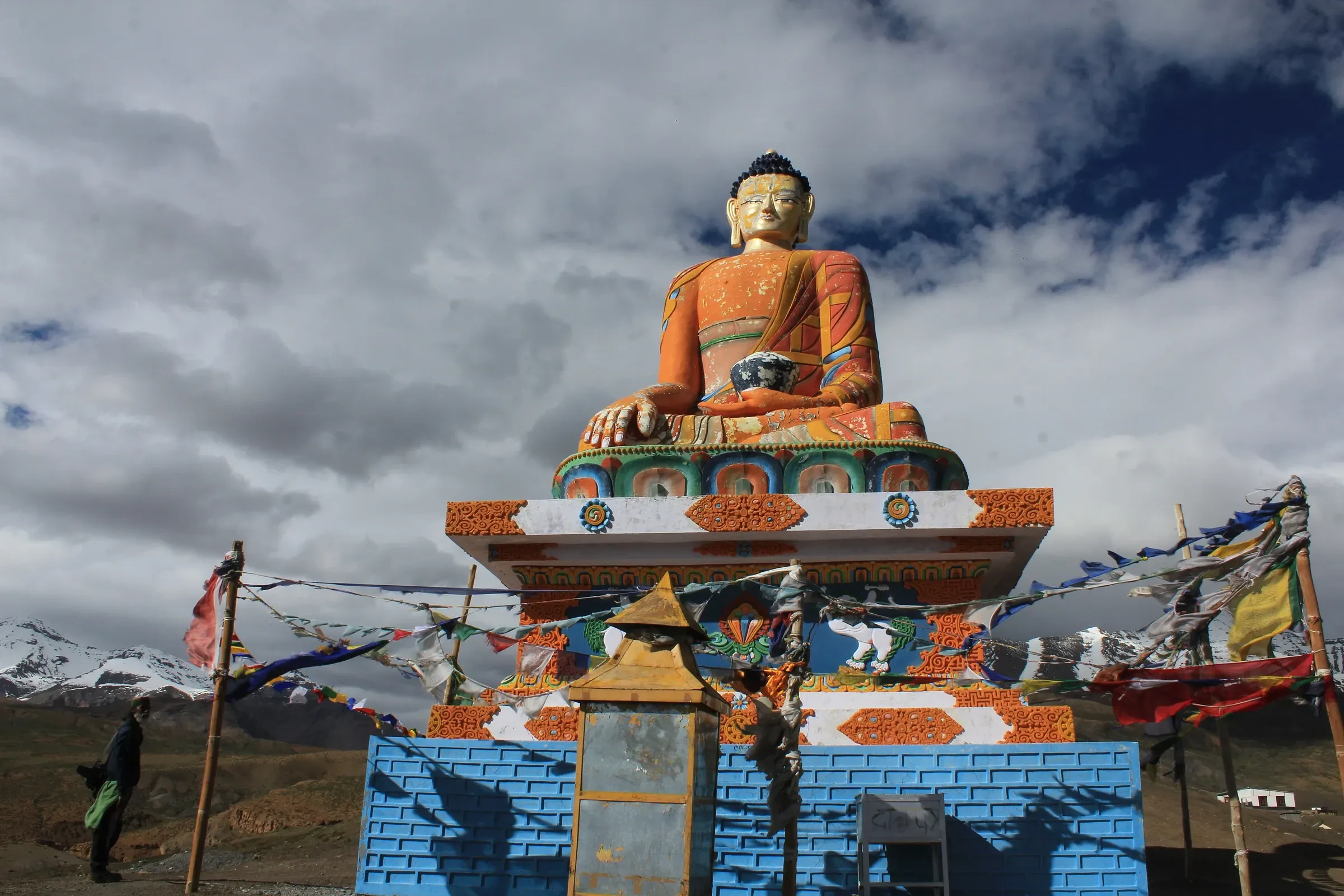
Langza, Hikkim and Komic
Kaza
- Morning
- the high-villages loop, about 44 km round trip: Langza's giant Buddha statue and the marine fossils scattered in the hills around it
- Afternoon
- Hikkim's tiny post office, said to be the world's highest, and Komic, one of the highest villages reachable by road
- Evening
- back in Kaza
Eat a Kaza cafe dinner, thukpa or a simple mountain thali
Local tip Langza's fossils are genuinely marine, left from when this land sat under the sea; look, but leave them where they are
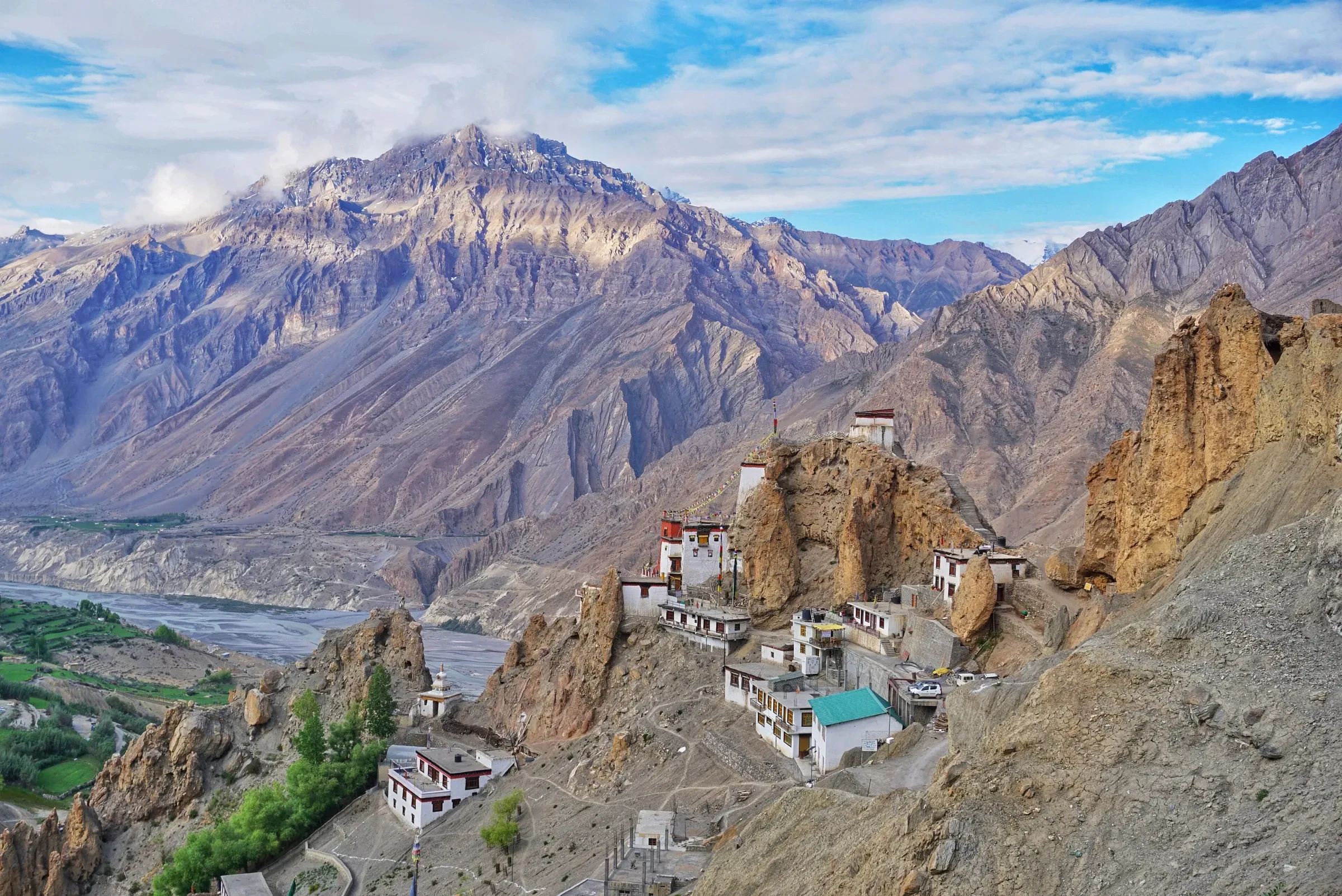
Dhankar Monastery and the Pin Valley
Mudh
Getting there Kaza to Mudh via Dhankar, about 2 to 3 hours by shared taxi or private car, on a narrower road than the main valley
- Morning
- Dhankar Monastery, clinging to a crumbling ridge above the point where the Pin and Spiti rivers meet
- Afternoon
- on to Mudh, at the end of the Pin Valley road, inside a national park that's home to ibex and snow leopards
- Evening
- a quiet night in a village homestay
Eat whatever the homestay family is cooking that night, rather than a menu
Local tip Pin Valley is noticeably quieter than the villages around Kaza; it's a good place to slow the pace down for a night. Dhankar is one of the villages the permit rules name, so ask your agent about it before you go
Back through Kaza and over Kunzum
Chandratal
Getting there Mudh to Chandratal, back via Kaza and over Kunzum Pass, about 4 to 5 hours
- Afternoon
- arrive at the camps near Chandratal, a short walk from the lake (camping right on the shore is no longer allowed)
- Evening
- sunset at the lake, one of India's best spots for stargazing given how little light reaches it out here
Eat a simple thali cooked at the camp
Local tip Chandratal sits at about 4,300 m, the highest night of the trip, and it's cold even on summer nights; bring or rent a proper sleeping bag rather than relying on the camp's blankets alone, and head down if a headache or nausea gets worse overnight
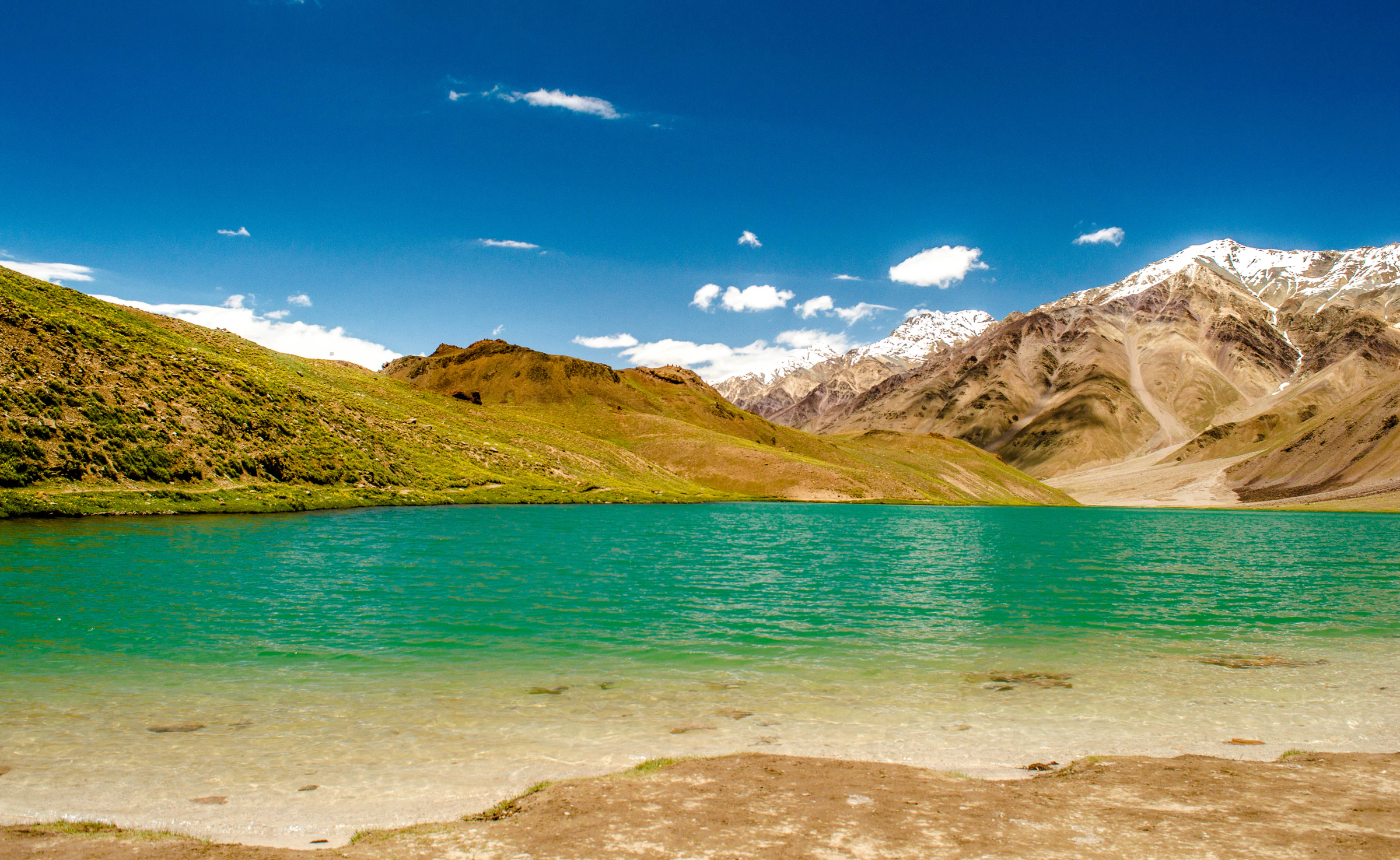
Sunrise at the lake, then back down
Manali
Getting there Chandratal to Manali, over Kunzum Pass and through the Atal Tunnel, about 6 to 7 hours
- Morning
- sunrise at Chandratal before the drive
- Afternoon
- arrive Manali and decompress at a much lower altitude, about 2,000 m
- Evening
- free, or Old Manali's cafe strip if you have the energy left
Eat trout from a Beas-riverside restaurant, a proper meal after a week of mountain food
Local tip build in a buffer day either side of this trip if you can; mountain roads here routinely lose a day to weather, a landslide or a vehicle problem
The 10-day version
Ten days is the classic Spiti circuit: up through Kinnaur, which gains height gradually instead of jumping straight to 3,650 m, and out over Kunzum to Manali.
| Day | Where | What | Eat |
|---|---|---|---|
| 1 | Shimla to Kalpa | A long drive along the Sutlej through Kinnaur | Himachali thali |
| 2 | Kalpa | Rest, Kinner Kailash views, or a day trip to Chitkul | Kinnauri apple products |
| 3 | Nako | Through Pooh and Maling Nala to this lake village | Thukpa |
| 4 | Tabo | A short drive; the thousand-year-old monastery | Momos |
| 5 | Kaza, via Dhankar | Dhankar Monastery on the way in | Chhurpi, butter tea |
| 6 | Kaza | Key Monastery, Kibber, Chicham Bridge | Spitian thali |
| 7 | Kaza | Langza, Hikkim, Komic | Thukpa |
| 8 | Kaza or Mudh | Dhankar and the Pin Valley, if not already done | Homestay meal |
| 9 | Chandratal | Over Kunzum Pass to the lake | Camp thali |
| 10 | Manali | Sunrise at the lake, then the drive down | Trout |
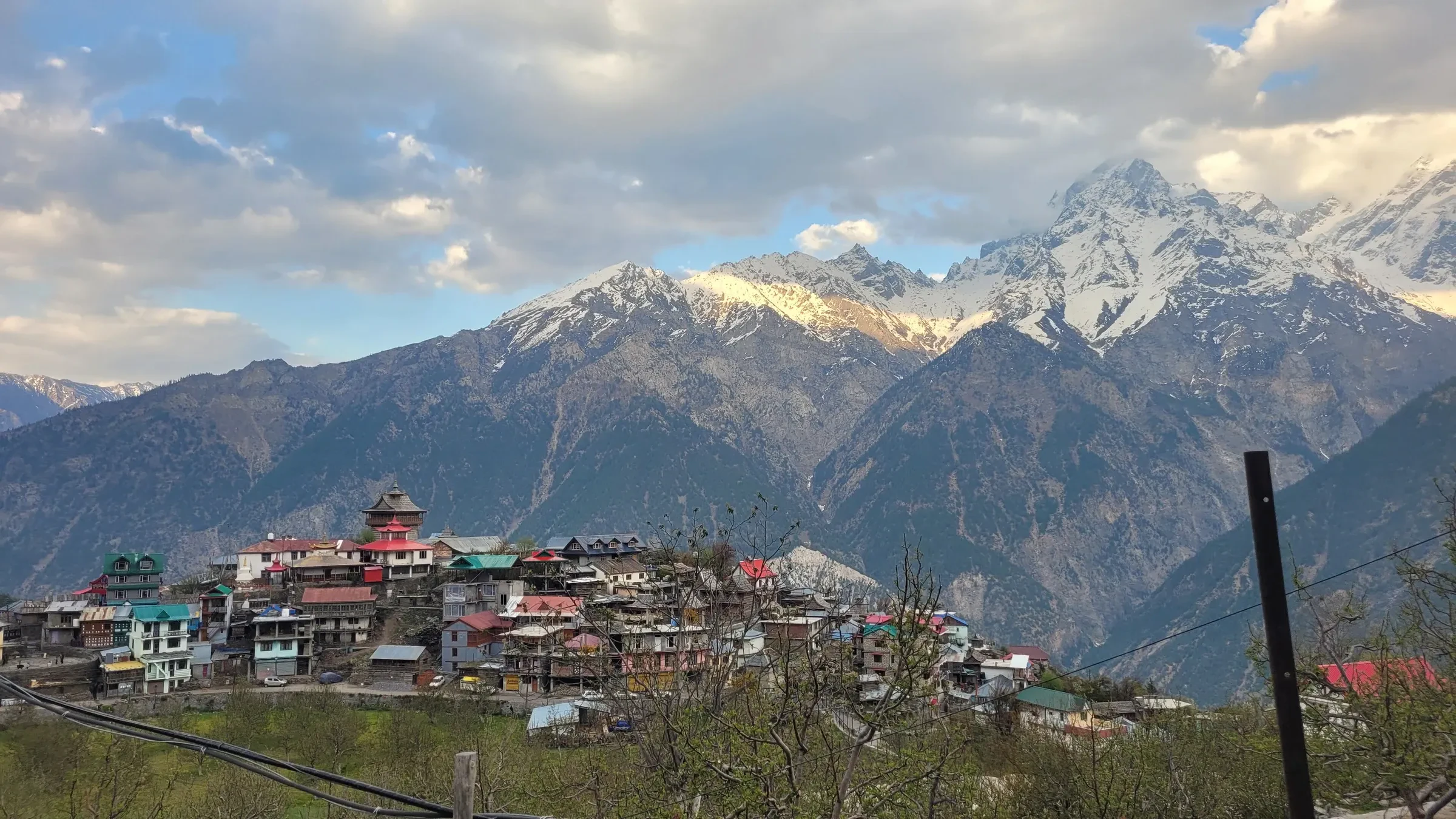
What changes. This route climbs from Shimla to Kalpa or Sangla on day 1 (about 240 to 260 km along NH5), then through Nako to Tabo and Kaza, gaining altitude over several days rather than one. It's easier on the body, and it's the route our Spiti Valley Expedition trip below runs. It's also the side that runs through the permit-protected villages near the border (see permits, below). The 1-week loop from Manali reaches Kaza and Dhankar too, so check the permit rules for that route as well.
Our Spiti Valley Expedition trip runs close to this exact route, from Shimla through Kinnaur to Kaza, then over Kunzum Pass to camp near Chandratal before finishing in Manali, with a Trip Host and the permit paperwork handled for the group.
If you'd rather ride than sit in a shared taxi, our motorbike trip covers similar ground on Royal Enfield Himalayans, starting in Manali and finishing in Shimla, with a support van and mechanic on every riding day.
Permits for foreigners
Spiti borders Tibet, and the villages nearest the border sit inside a Protected Area. Foreigners need a Protected Area Permit to pass through them (people and offices usually call it an Inner Line Permit); an e-visa alone doesn't cover it. Indian citizens don't need a permit anywhere on this route.
- Where it applies. Kinnaur's official tourism page lists villages including Nako, Khab and Pooh, and Spiti villages including Dhankar and Tabo. On the Shimla side you pass through this stretch. Kalpa, Sangla and Chitkul don't need one.
- Kaza is disputed. Kinnaur's page says a foreigner can visit Kaza without a permit. The Lahaul and Spiti district's own page lists Kaza as protected, but it was last updated in 2018, so we can't confirm it's current. If you're going from Manali to Kaza, Key, Kibber and Chandratal only, ask the Sub-Divisional Magistrate's office in Kaza (01906-222302) or your agent what applies before you go.
- The rules. Kinnaur's page describes groups of two or more foreigners sponsored by a recognised travel agency, valid for up to 30 days; the Lahaul and Spiti page speaks of groups of four or more. The fee is about ₹200 to ₹250 at a district office, or up to ₹400 at Shimla's Sugam counter, plus the agency's charge. Reckong Peo is reported to be the least crowded office.
- Solo travellers. Solo foreigners are sometimes granted a permit at an officer's discretion, especially at Reckong Peo or Kaza. Ask your agent how they handle the group rule before you pay.
Our India visa guide has the e-visa rules; this permit is separate from it.
What it costs
| Item | Price (₹) | About |
|---|---|---|
| Guesthouse or homestay, per person | 300 to 600 | £2 to £5, or $3 to $6 |
| Food at dhabas, per day | 250 to 300 | £2, or $3 |
| HRTC bus, Delhi to Shimla | 600 to 900 | £5 to £7, or $6 to $9 |
| HRTC bus, Reckong Peo to Kaza | about 550 | about £4, or $6 |
| HRTC bus, Kaza to Manali | 400 to 600 | £3 to £5, or $4 to $6 |
| Shared jeep between villages | 50 to 200 | under £2, or $2 |
| Permit for foreigners, plus agency charge | about 200 | about £2, or $2 |
A 10-day circuit by public transport works out at roughly ₹8,000 to ₹10,000 a person (about £63 to £78, or US$83 to $104), which is where the ₹800 to ₹1,000 daily figure above comes from. Taxis, tours and a travel agent for the permit add to that. At September 2026 rates, US$1 is about ₹96 and £1 is about ₹128.
Getting there, away and around
Overnight HRTC buses run from Delhi's Kashmere Gate to both Shimla and Manali, about 10 to 12 hours; the Delhi to Shimla bus costs about ₹600 on an ordinary bus and ₹900 on an air-conditioned one. From there, HRTC's state buses cover the whole circuit cheaply but slowly, timetables shift with the season, so check at the bus stand the day before. Shared jeeps run between Kaza and the surrounding villages for sightseeing, and a rented Royal Enfield is a popular way to do the circuit yourself if your licence and insurance cover riding at altitude.
Fuel and cash. Kaza has the valley's fuel station, and there's no fuel between Manali and Kaza. Reckong Peo, on the Shimla side, is the last reliable ATM and fuel stop before the remote stretches. Kaza's ATMs often don't work, so take enough cash for the whole trip from Shimla, Manali or Reckong Peo.
Mobile coverage is patchy throughout the valley. BSNL has the widest reach, Jio 4G works in Kaza and Tabo, and Airtel and Vi are reported not to work in most of the valley, so expect no signal at all in many villages and at Chandratal.
Best time for this route
The season runs from about mid-June to early October, when both roads are normally open. In 2026, the Border Roads Organisation cleared Kunzum Pass in late May, with regular Manali-side traffic running from around mid-June. Closing dates vary: Kunzum usually shuts between mid-October and November, but fresh snow from late September can close it sooner. For autumn 2026 the sources conflict. One road-status tracker updated in September 2026 found the Keylong to Kaza road closed on a check that month, and the district's official road-status page hasn't been updated since May 2024. We couldn't find a dated notice of the 2026 closing, so check the road the week you travel, and keep a spare day or two.
The Shimla road through Kinnaur stays open most of the year. Monsoon landslides closed stretches of NH5 and the Kinnaur roads for hours or days in July and August, and a tracker reported short single-lane closures at Nigulsari, Brauni Nalla and the Bhawanagar to Nathpa stretch into mid-September 2026. Rockfall at Maling Nala, between Pooh and Nako, is common after rain. Winter Spiti (November to April) is a different, much harder trip: sub-zero nights, many guesthouses shut, and the Manali side closed entirely.
Altitude and acclimatisation
Kaza is at about 3,650 m, Key Monastery at about 4,166 m, Chandratal at about 4,300 m and Kunzum Pass at 4,590 m. Altitude sickness is a real risk, especially on the 1-week loop, which takes you from Manali (about 2,000 m) to Kaza in a day. Rest on your first full day, drink plenty of water, skip alcohol for the first couple of days, and don't go higher while you have a worsening headache, nausea or breathlessness; go down instead. Ask a doctor before you travel whether medication such as acetazolamide suits you.
What to eat on this route
Spiti's food is Tibetan-Buddhist in character, the same family as the rest of the high Himalaya: thukpa, momos, chhurpi (a hard yak-milk cheese), butter tea, and Kinnauri apple products on the Shimla side, where the valley is a major apple-growing region. Our Indian food guide covers the wider country picture.