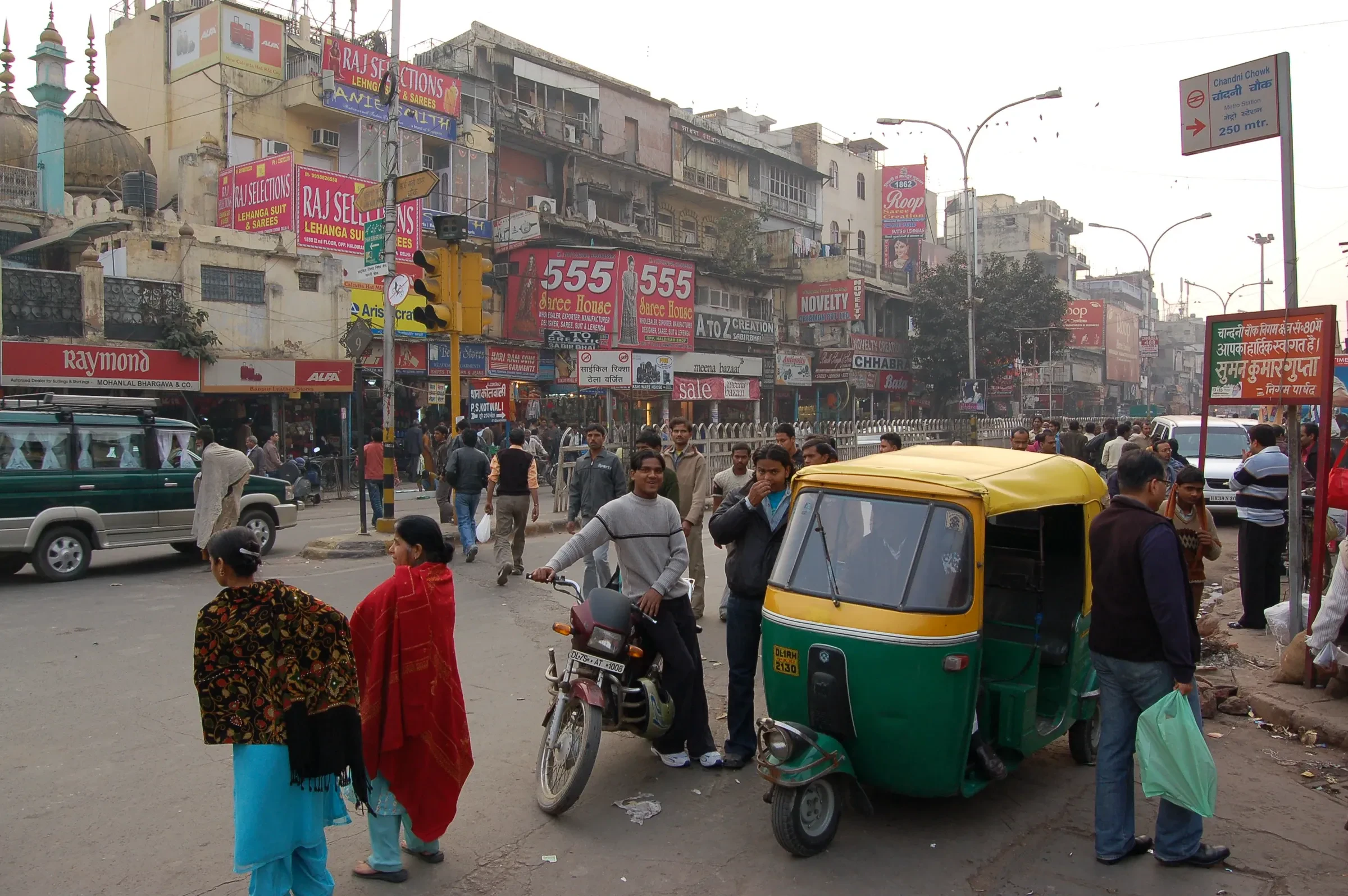
India's climate runs from desert heat to Himalayan snow, often within the same trip, so what you pack depends heavily on where you're going and when. This list covers the plains and Rajasthan, the high Himalaya, the Himalayan foothills, the south, and Holi, with a shared kit at the end for documents, money and health. Our India travel guide has the regions and seasons in more depth if you're still planning your route.
Dress modestly, almost everywhere
Loose clothes that cover your shoulders and knees draw less attention than shorts and vest tops, and not just inside religious buildings. This matters in villages, on trains and in smaller towns generally, more than it does in Goa's beach resorts or a five-star hotel lobby.
- Lightweight, loose trousers or a long skirt, rather than shorts, for daily wear away from the beach
- T-shirts or tops with sleeves, and at least one top that covers your shoulders completely
- A large scarf or shawl. It covers your shoulders at short notice, works as a head covering at a gurdwara (Sikh temple), where everyone covers their head and scarves are often handed out at the door, and doubles as a blanket on an air-conditioned train
- Shoes that slip on and off easily. You'll remove them at temples, mosques and some homes, often several times a day
Food, tripods, drones, video cameras and power banks aren't allowed in the Taj Mahal complex, and photography isn't allowed inside the main mausoleum, so keep a small day bag for sights like it rather than carrying everything.
The plains and Rajasthan: layer for cold nights, not just heat
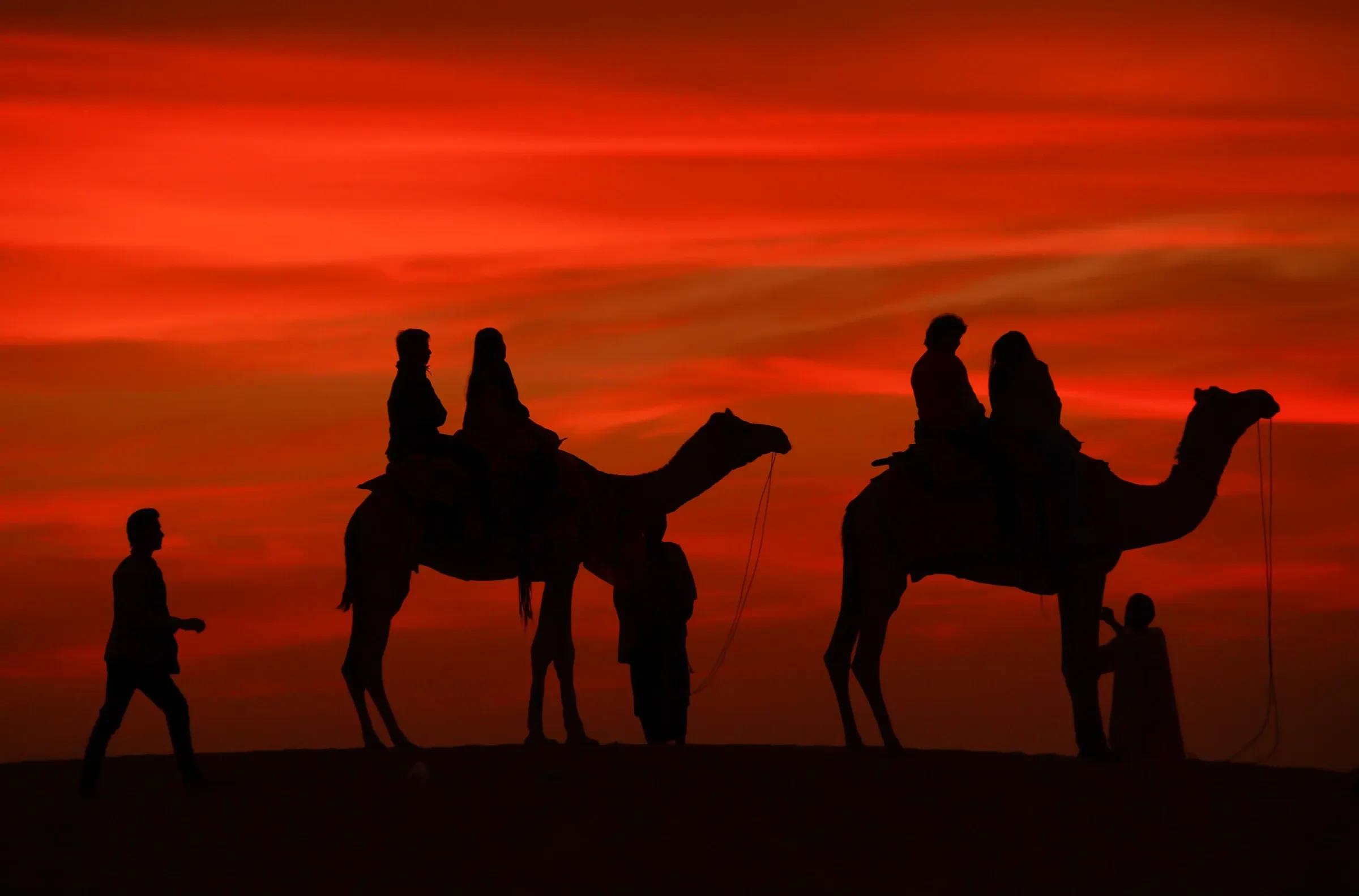
Delhi, Agra, Jaipur, Pushkar, Udaipur and Varanasi are hot for most of the year, but the main travel season, October to March, brings surprisingly cold mornings and evenings, especially in the Rajasthan desert around Jaisalmer and Pushkar. December and January can dip close to freezing overnight.
- A warm layer: a fleece or packable jacket for early starts, overnight trains and desert evenings from November to February
- Light cotton or linen clothes for the daytime heat, which builds again from March
- A padlock and a small bag for sleeper trains, where you'll want your valuables close and your main bag locked to a berth
- Sunglasses and sun protection, even in the cooler months
- A face mask (N95 or similar), if you're travelling from October to February, when air pollution in northern cities, especially Delhi, is a genuine health concern
April to June is hot enough (often 40 to 45°C) that most people avoid the plains altogether. Our best time to visit India guide has the month-by-month detail.
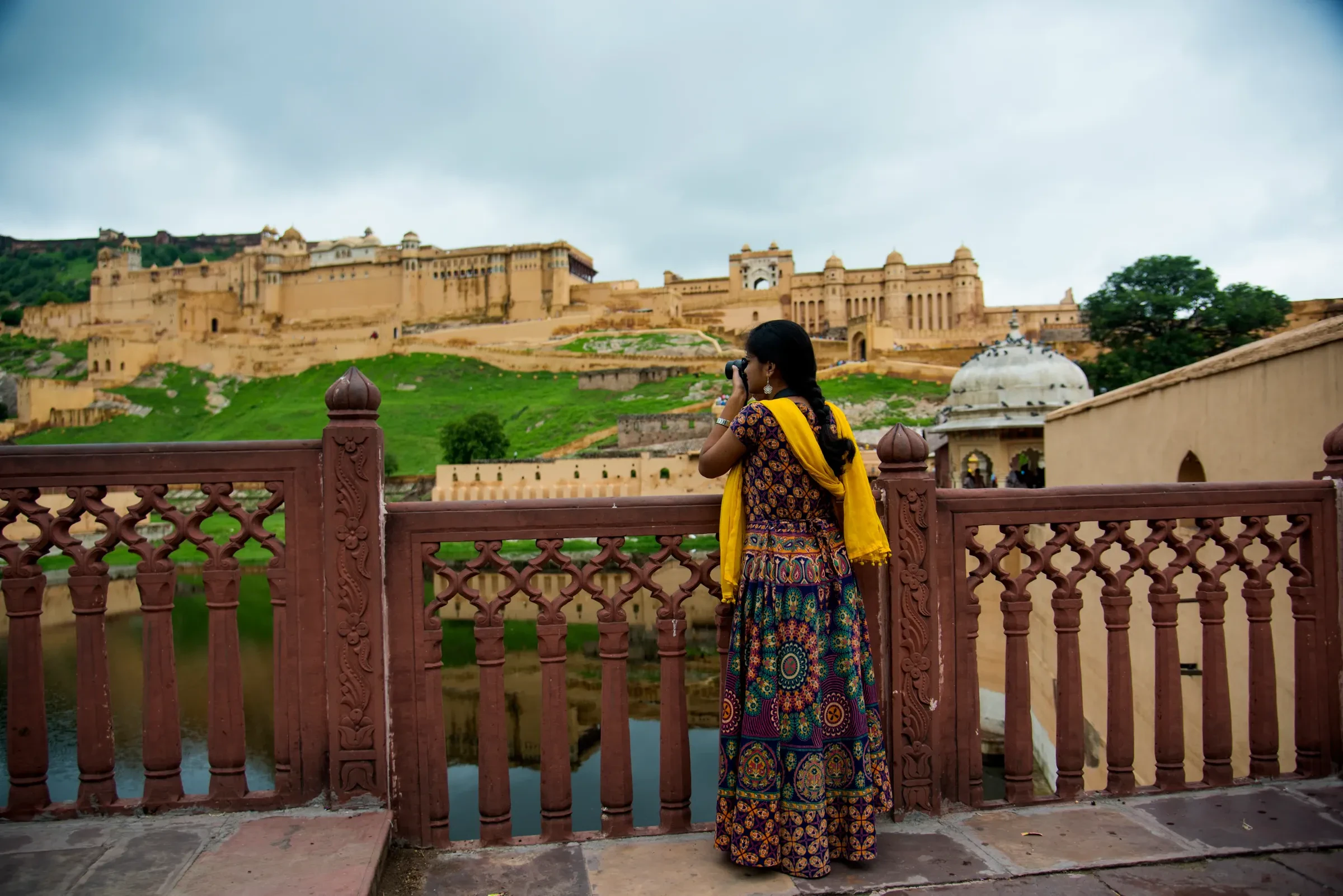
Ladakh and Spiti: the high Himalaya
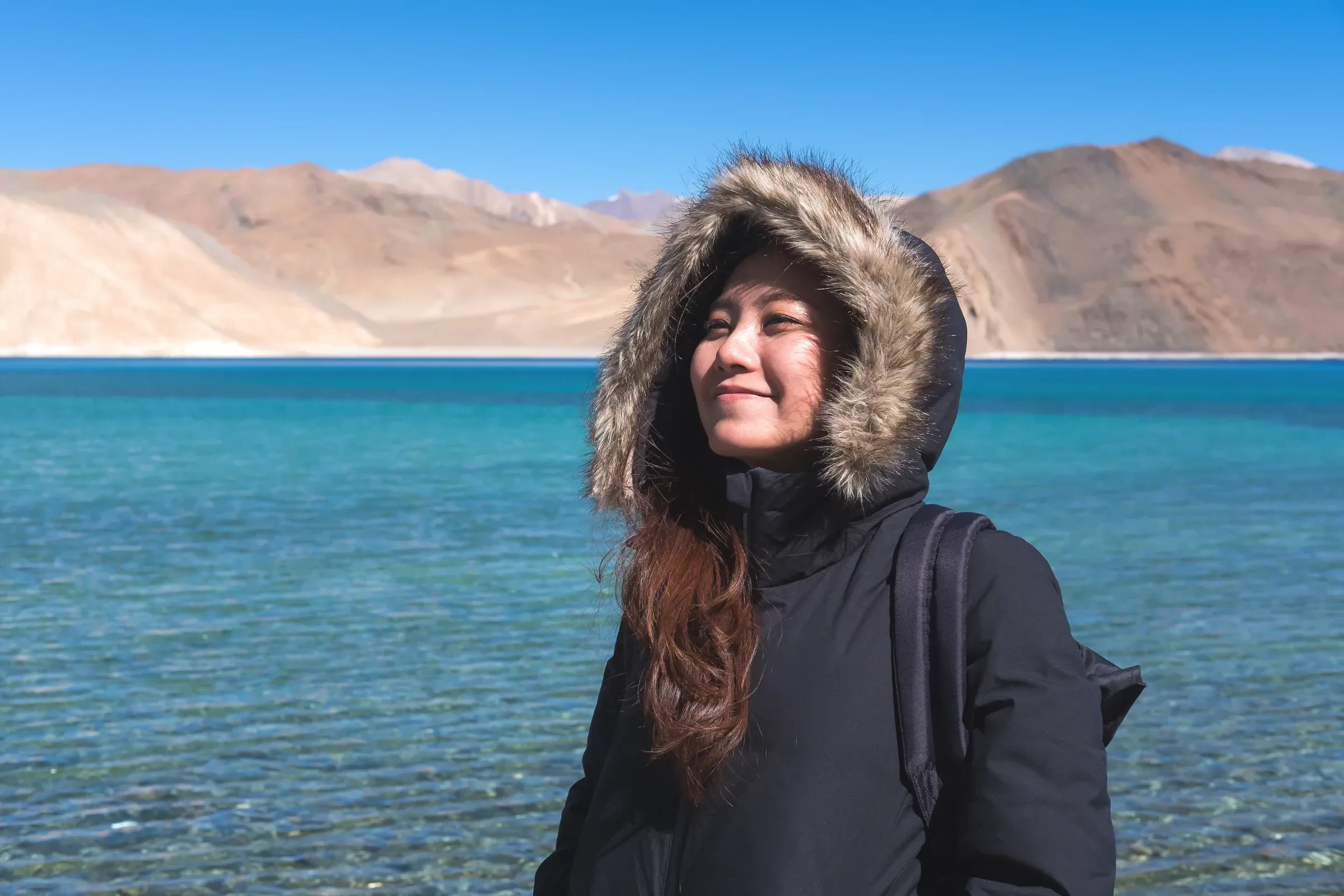
Ladakh and Spiti are a different packing list entirely. Both sit above 3,000 metres, and nights get close to freezing even in August, whatever the daytime sun is doing.
- A proper warm layer system: a fleece, a down or synthetic jacket, and a windproof or waterproof shell
- A warm hat and gloves, for camps at Pangong Lake, Tso Moriri and Chandratal
- Sturdy, broken-in shoes, since much of the walking is on uneven, rocky ground
- High-factor sunscreen and good sunglasses. The sun is much stronger at altitude
- A reusable water bottle, and a sleeping bag liner if you're staying in a homestay or camp
- Cash in rupees before you arrive. ATMs in Kaza and other small towns are unreliable, so carry enough for the whole trip from Shimla, Manali or Leh
Altitude affects everyone differently, and both regions need proper acclimatisation. Our Ladakh guide and Spiti Valley guide cover the permits, the roads and how the altitude works.
Rishikesh and the Himalayan foothills
Rishikesh sits where the Ganges leaves the mountains, and it's a religious town: meat, fish, eggs and alcohol aren't sold in the town, and modest dress matters more here than in most of India. Days are warm for much of the year, but mornings by the river are cool, and rafting means you'll want quick-dry clothes.
- Modest, quick-dry clothes that work both for yoga and for the ghats
- A light rain jacket, since rafting season runs from about late September to June
- Sandals with a good grip, for wet steps down to the river
- A dry bag for your phone if you're rafting
See the Rishikesh guide for the season and what the rafting trips actually involve.
Goa, Hampi and Kerala: the south
The south stays warm to hot most of the year, with the best season from around November to March. Beachwear is fine on Goa's beaches, but pack for temples and everyday life inland too.
- Swimwear, a hat and reef-safe sunscreen for Goa's beaches and any snorkelling
- A light cotton layer that covers your shoulders and knees, for temples such as Hampi's and the synagogue in Fort Kochi
- A soft bag rather than a hard suitcase, if your route includes a train or a Kerala houseboat, where storage space is tight
- A light rain layer if you're travelling from June to September, when the monsoon closes the coast to swimmers
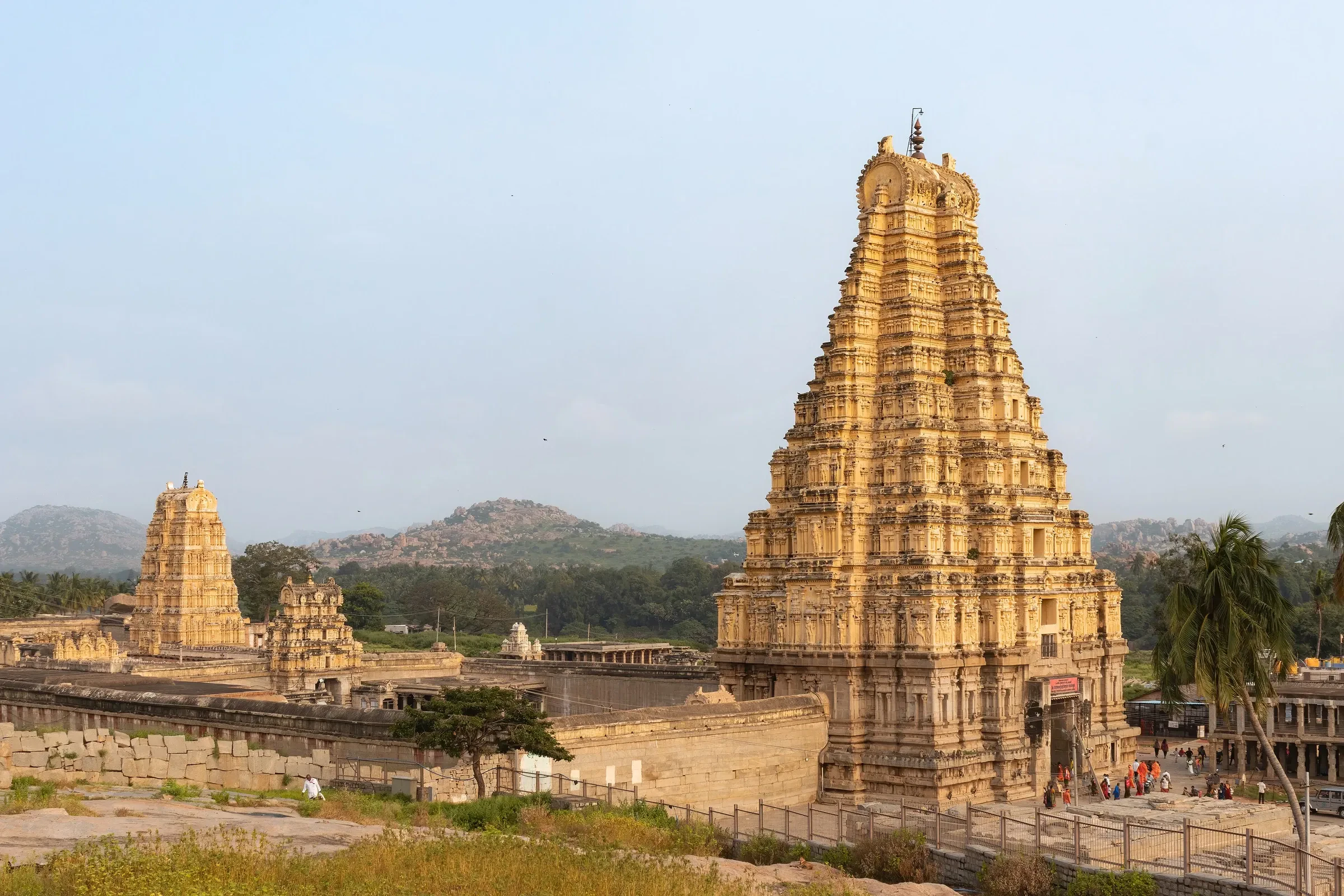
Our Goa guide and the India travel guide cover Hampi and Kerala's backwaters in more detail.
The Andaman Islands
The Andamans are warm and humid year-round, with the best season from around November to April. Pack as you would for any tropical beach and diving destination: swimwear, reef-safe sunscreen, a rash vest, and reef shoes for walking over coral at low tide. Most dive schools rent full gear if you want to try a dive. See the Andaman Islands guide for the season and what a try dive involves.
What to wear for Holi
If your trip lands on Holi, the spring festival of colours, dress for a mess. Coloured powder and water go everywhere, and it doesn't wash out easily.
- Old, cheap clothes you're happy to throw away. White shows the colours best
- Closed shoes you don't mind ruining
- Sunglasses, and a scarf or bandana for your hair and mouth
- Coconut oil or a thick moisturiser, worked into skin and hair beforehand so the colour comes off more easily afterwards
- A waterproof phone pouch
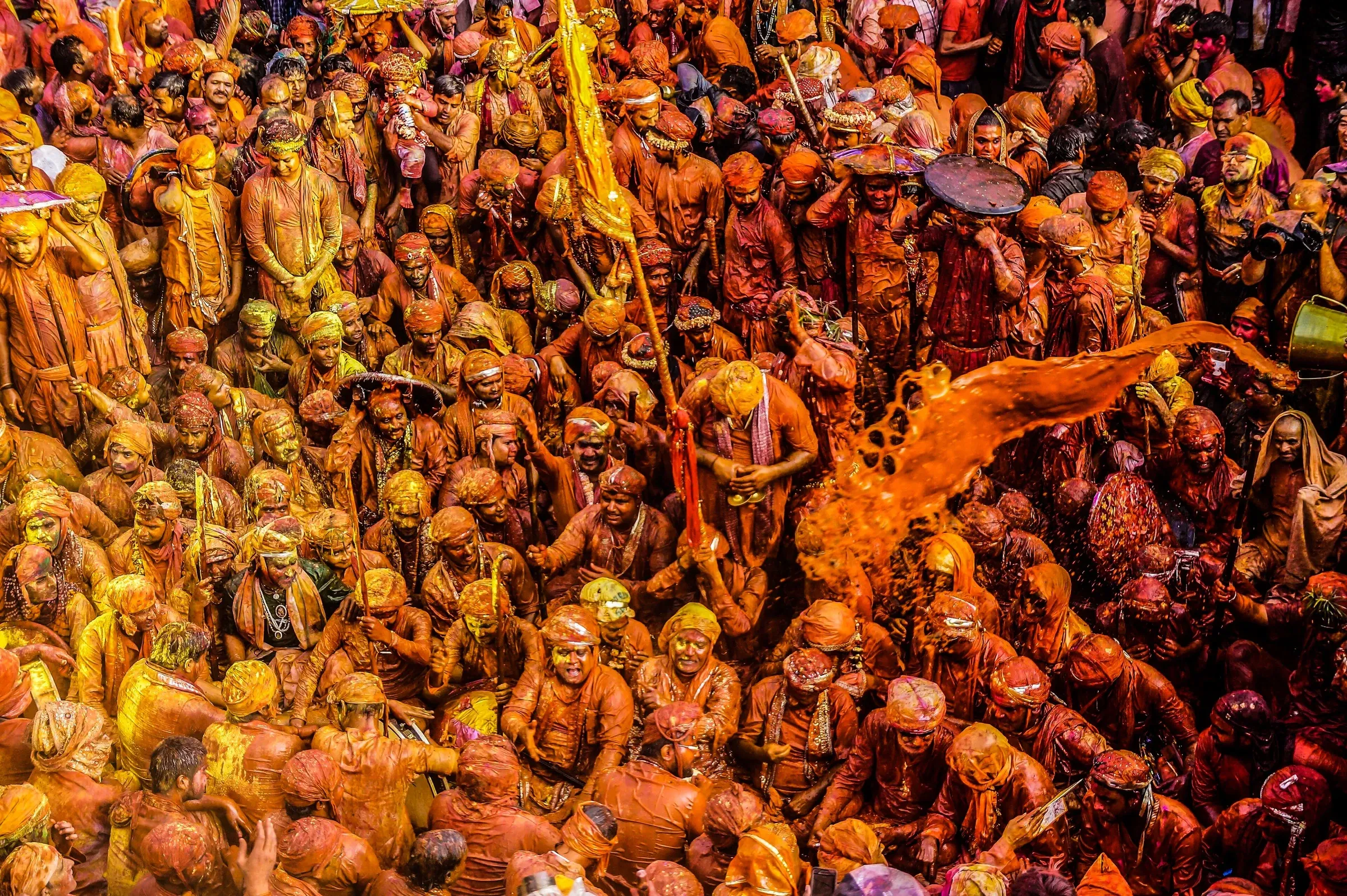
Leave good cameras, jewellery and anything you'd hate to lose at your hotel. Our Holi festival guide has the 2027 dates and where to celebrate, and our India safety guide covers the crowd and safety side of the day.
Documents, money and electronics
- Your printed e-Tourist visa, e-Arrival card confirmation and Air Suvidha health declaration acknowledgement. Have all three ready for immigration; our India visa guide has the full process.
- A plug adapter for type C, D or M sockets, which is what most of India uses, at 230V
- A power bank, for long train journeys and overnight buses without sockets
- Small notes in rupees. Street stalls and small guesthouses often can't change large bills, and UPI-based apps for foreigners have load limits worth checking before you rely on them for a whole trip
- Printed and digital copies of your passport, visa and travel insurance, kept separately from the originals
- A padlock, for hostel lockers and train berths
Health kit
- Rehydration salts, for heat and spicy food
- Insect repellent with DEET or picaridin, and a mosquito net if you're staying somewhere basic
- Any regular medication in its original packaging, with a prescription letter. Some strong painkillers and sleeping pills need permission from India's Narcotics Commissioner before you travel, so check well ahead if this applies to you
- A basic first-aid kit: plasters, antiseptic and a decongestant, useful for flights and altitude changes alike
- A menstrual cup or enough of your usual products, since tampons in particular can be hard to find outside big cities
- Speak to a travel clinic about vaccines and, if you're heading to altitude, about acetazolamide (Diamox)
What to leave at home
- A hard suitcase. A soft bag or backpack is easier on trains, houseboats and tuk-tuks
- Expensive jewellery, especially in crowded markets, on trains and during Holi
- Anything skimpy for everyday wear. Save it for the beach or the hotel pool
- A satellite phone, GPS device or drone. These need licences most travellers don't have, and some have led to arrests
Packing for a group trip with us
If you're joining one of our India trips, each trip page has a packing answer for that route: warm layers for Ladakh and Spiti, trekking gear for Kedarkantha or Hampta Pass, or temple-friendly clothes for the Golden Triangle and Rajasthan & Varanasi. For the two treks we also send a full kit list when you book. Tents, sleeping bags and mats are provided; you bring your own boots and warm layers.