Holi is noisy, colourful and a lot of fun. Strangers throw coloured powder at each other, music plays in the street, and for one morning the usual rules relax. It's also a festival where a bit of planning makes a big difference, especially if you're travelling alone. This guide covers the dates, what the festival means, what happened in 2026, where to go and how to enjoy it safely.
What Holi is
Holi marks the end of winter and the arrival of spring, and it falls on the full moon of the Hindu month of Phalguna. It's celebrated across India and Nepal, and most widely in the north.
It happens over two days:
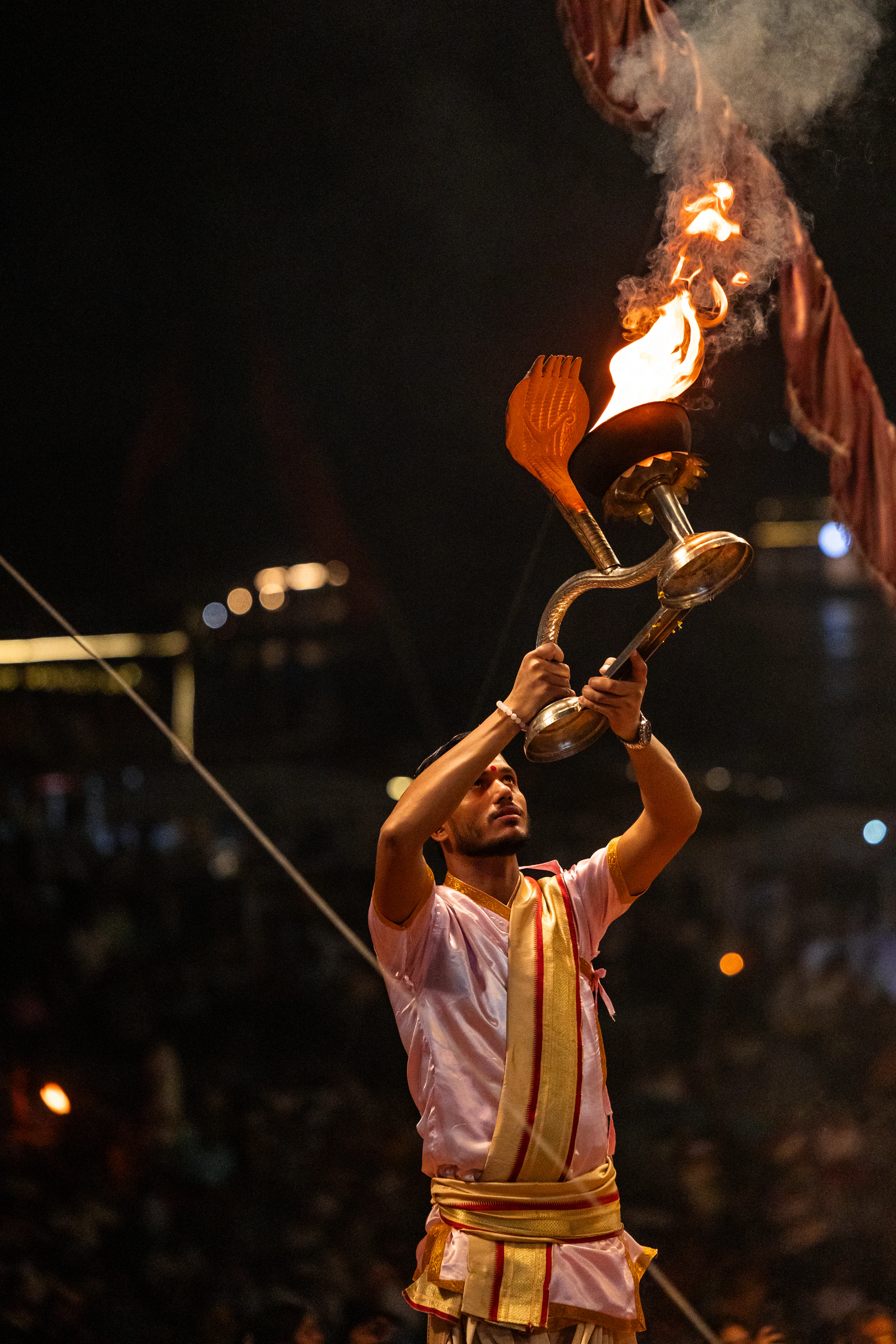
- Holika Dahan (Chhoti Holi). On the evening before, communities light bonfires. They recall the story of Prahlad, a devotee of Vishnu, who survived when his aunt Holika tried to burn him. The fire stands for good winning over evil.
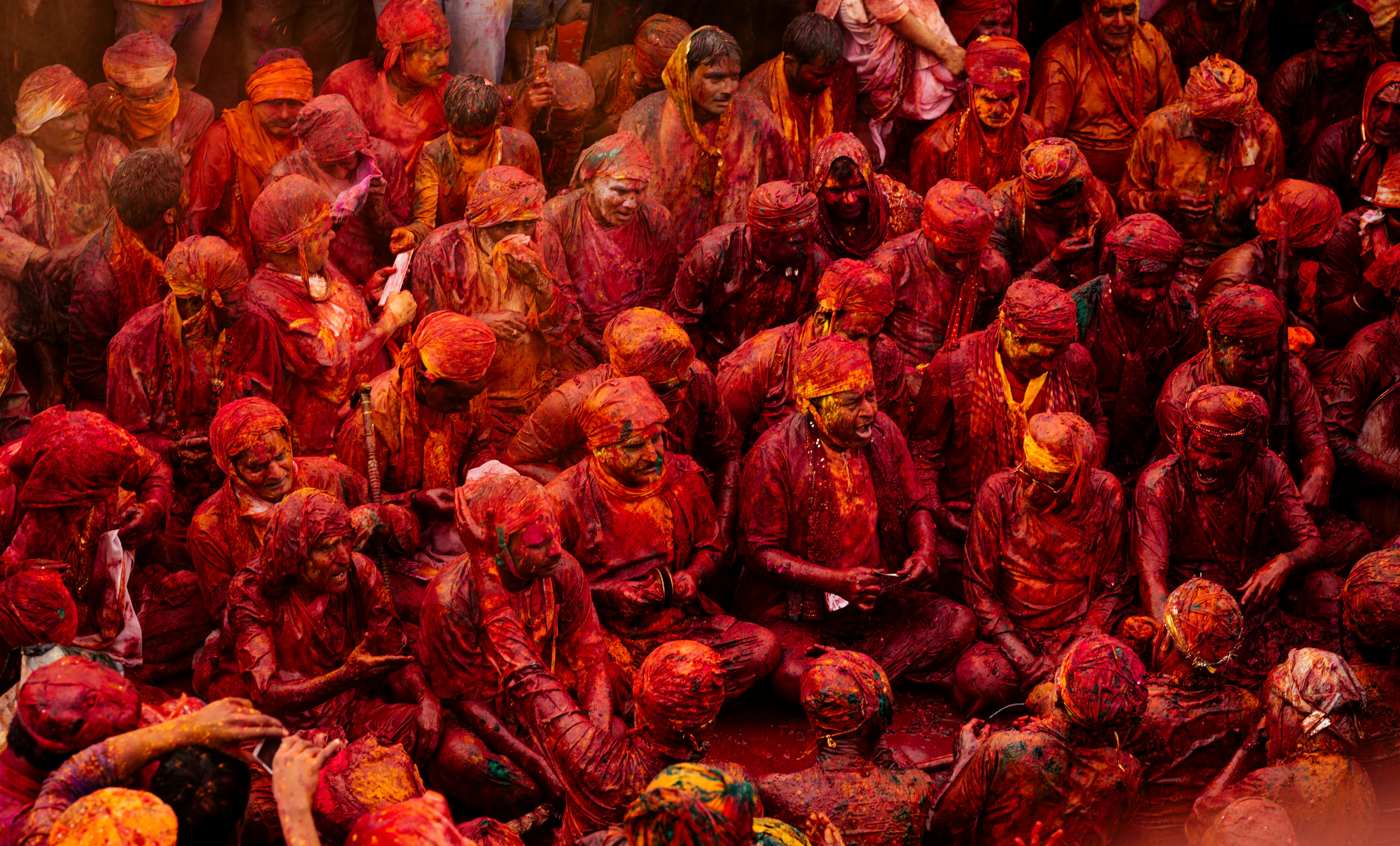
- Holi (Rangwali Holi or Dhulandi). The next morning is the festival of colours. People smear each other with coloured powder (gulal), spray coloured water and visit friends and family with sweets. In the Braj region around Mathura, it's tied to the playful love story of Krishna and Radha.
By early afternoon most people go home, wash off the colour and spend the rest of the day with family.
What happened at Holi 2026
Holi 2026 was held on 3 and 4 March, and the calendar made it unusual. A total lunar eclipse fell on 3 March, the day of Holika Dahan, and was visible from India, with totality lasting about 58 minutes. Temples in Uttar Pradesh were closed that day, and the bonfires were lit after the eclipse ended, at about 6.47 pm. Colour play followed on 4 March. Ahead of the festival, the Uttar Pradesh chief minister asked for peaceful, eco-friendly celebrations with locally sourced materials, and security was tightened in every district.
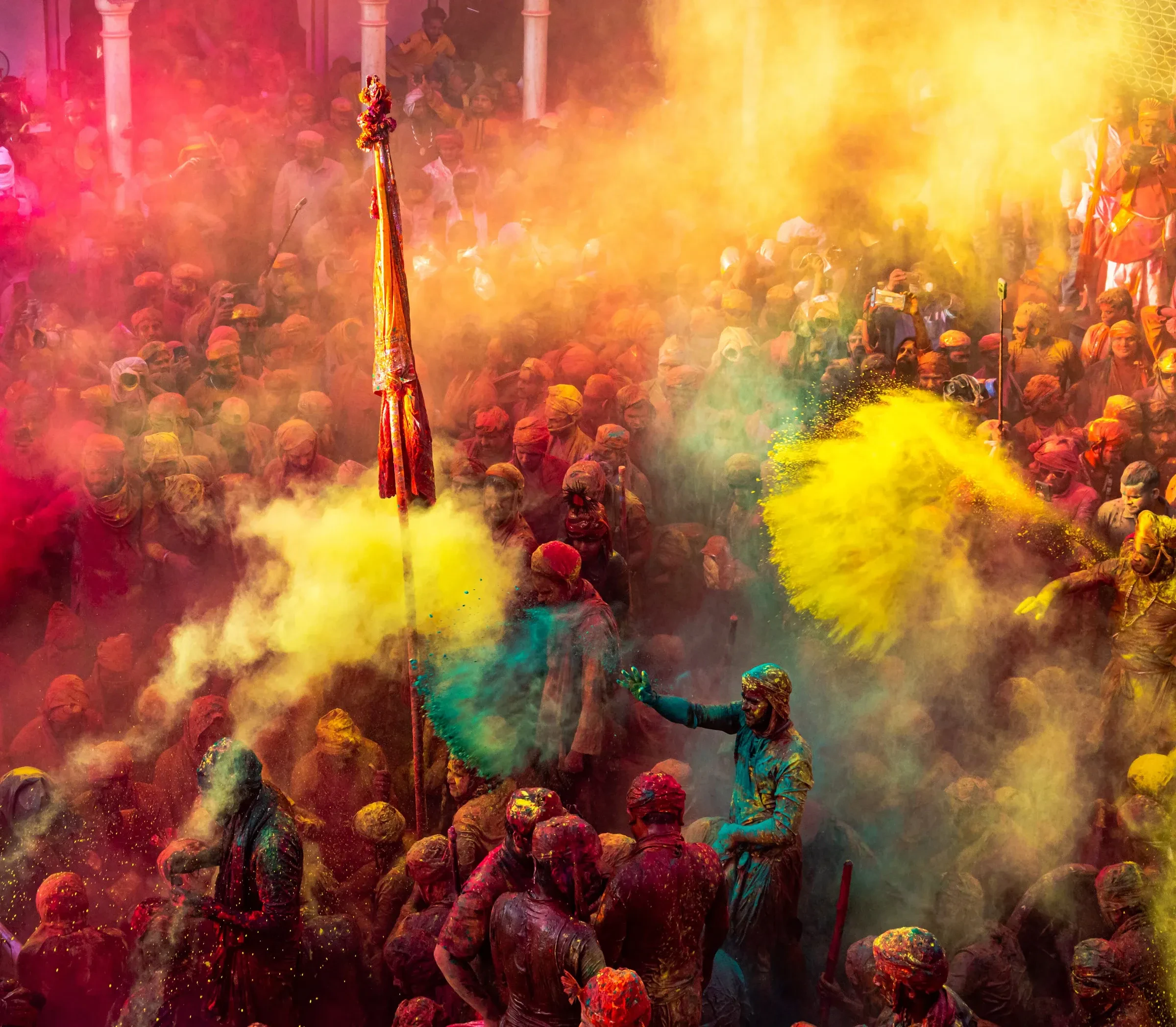
In Braj, the build-up began on 24 February with Laddu Holi at the Radha Rani Temple in Barsana, which drew large crowds. Braj calendars published that week listed Lathmar Holi in Barsana on 25 February and Nandgaon on 26 February, flower Holi and Rangbhari Ekadashi on 27 February, and the widows' Holi in Vrindavan and Chhadi-mar Holi in Gokul on 1 March. The Banke Bihari Temple in Vrindavan was heavily crowded on 27 February, with extra security and traffic management. Huranga at the Dauji Temple closed the programme on 5 March. In Gujarat, Porbandar held its Phuldol Mahotsav and the Dang district its Phag festival on 4 March. We found no official attendance figures for Mathura or Vrindavan.
Braj Holi runs for more than a week, moving from Barsana and Nandgaon to Vrindavan and Mathura. Lathmar Holi, where women playfully hit visiting men with sticks, is its best-known ritual, and the scale of the whole programme is why many people plan a trip around it.
Dates for 2027 and 2028
| 2027 | 2028 | |
|---|---|---|
| Holika Dahan (bonfire night) | Sun 21 March | Fri 10 March |
| Holi (day of colours) | Mon 22 March | Sat 11 March |
| Braj celebrations (Mathura, Vrindavan, Barsana, Nandgaon) | From about a week before Holi | From about a week before Holi |
For reference, Holika Dahan in 2026 was on Tuesday 3 March and Holi on Wednesday 4 March.
The dates follow the Hindu lunar calendar, so they move every year. We use Drik Panchang, a widely used Hindu calendar, for the dates above.
In some years, different calendars disagree by a day because the full moon falls part way through a day. 2027 is one of those years. Drik Panchang puts Holi on Monday 22 March, but the Government of India's central holiday list for 2027 has the Holi holiday on Tuesday 23 March. Many towns will play on the 22nd, some on the 23rd. If you're travelling for Holi, stay flexible for both days and ask your hotel what the town is doing.
The Braj programme, including the Lathmar Holi in Barsana and Nandgaon, is set locally each year. Sources didn't agree on the exact 2027 dates when we checked, so confirm them with the Mathura district or Uttar Pradesh tourism schedule before you book.
Where to celebrate Holi
Mathura, Vrindavan and Barsana
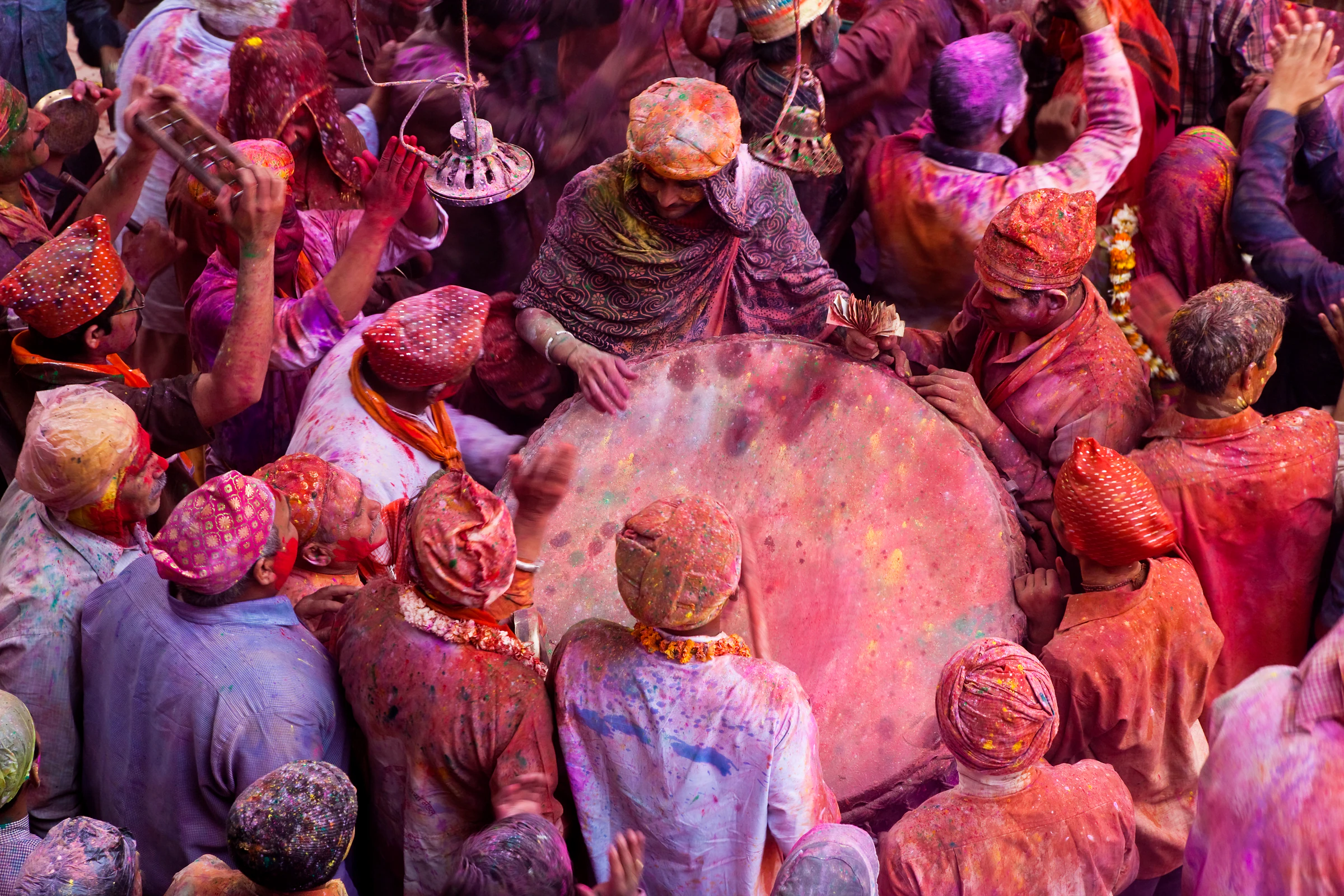
The Braj region, about three hours south of Delhi, is where Holi is most intense. Celebrations run for about a week, with events at different temples and villages on different days. Barsana's Lathmar Holi, where women playfully beat men with sticks, is the most famous. It's very crowded, very traditional and not for everyone, but nowhere else celebrates Holi on this scale.
Pushkar
A small lake town in Rajasthan and a popular place for travellers to spend Holi. The bonfires are lit around town on the eve, and on the day the streets around the bazaar fill with music and colour. It's a good choice for a first Holi, because the town is small and easy to get around on foot.
Jaipur and Udaipur
Rajasthan's cities celebrate with bonfires the night before and colour play in the neighbourhoods on the day. Many hotels and guesthouses hold their own Holi parties, which can be an easier way in.
Varanasi
Holi on the ghats of the Ganges is lively and crowded. It suits travellers who've been to India before.
Delhi
Delhi has neighbourhood celebrations and ticketed Holi events. It's convenient if you're flying in and out, but less atmospheric than smaller towns.
Holi safety tips for solo travellers
Holi is mostly joyful, but it's also one of the days when things get out of hand. The main points:
- Go in a group, and go early. Colour play is at its best in the morning. By late morning some crowds get rowdier, often with more alcohol and bhang around.
- Unwanted touching is a real problem. Groping under cover of the colour play is widely reported, especially in dense crowds. Women travelling alone often prefer a hotel or rooftop celebration, or staying with a group they know.
- Be careful with bhang. Bhang is a cannabis drink or sweet sold openly at Holi. It's strong and slow to kick in, so people often take too much. Our advice is to skip it.
- Protect your eyes, skin and phone. Wear sunglasses, rub coconut oil into your skin and hair before you go out so the colour washes off more easily, and keep your phone in a waterproof pouch.
- Watch what you're hit with. Some cheap colours contain harsh chemicals. Natural, herbal gulal is kinder on the skin.
- Say no if you want to. You don't have to play. A firm "no" and stepping away usually works, and it's fine to watch from a balcony or rooftop.
- Plan the afternoon. Many shops, restaurants and transport services close or slow down on Holi day, so don't plan to travel.
For more on staying safe in India generally, read our India safety guide.
What to wear and pack for Holi
- Old, cheap clothes you can throw away. White shows the colours best.
- Sunglasses, and a scarf or bandana for your hair and mouth.
- Coconut oil or a thick moisturiser for skin and hair.
- A waterproof phone pouch and a small amount of cash in a zip bag.
- Closed shoes you don't mind ruining.
Leave your good camera, jewellery and anything you'd hate to lose at the hotel.
Celebrate Holi with us
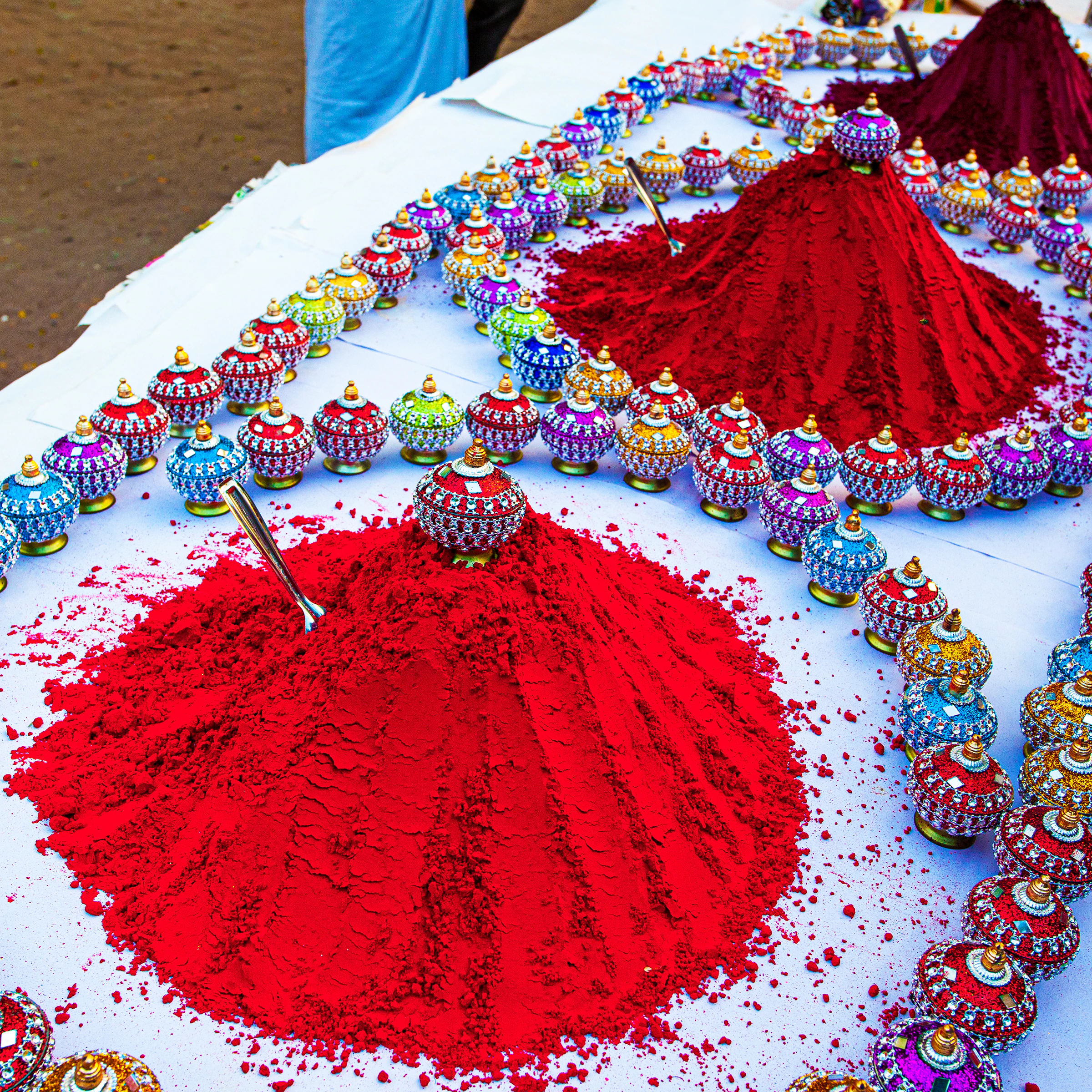
We run a dedicated Holi trip built around the Braj region, where the festival is at its biggest: eight days from Delhi to Vrindavan for the Holika Dahan bonfire and Holi itself, then on to the Taj Mahal in Agra and Jaipur.
If you'd rather see more of Rajasthan and Varanasi around the festival, our Rajasthan & Varanasi trip has one March departure timed the same way, with the Holika Dahan bonfires and Holi both in Pushkar, and nobody travels on Holi day itself.
For a shorter trip, the India Golden Triangle covers Delhi, Agra and Jaipur in a week and runs from October to March, so it works either side of a Holi visit.