What the Ziro Festival of Music is
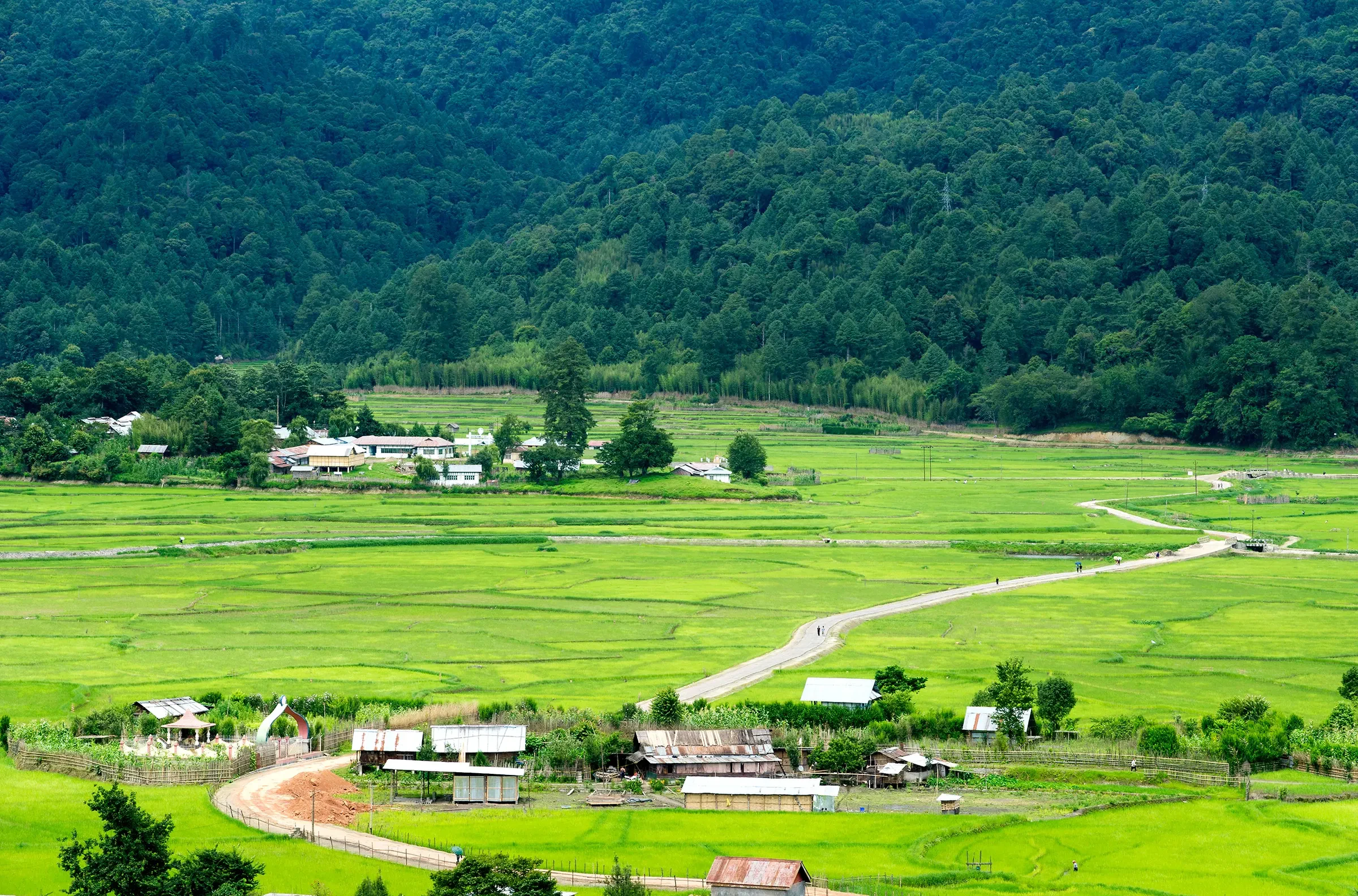
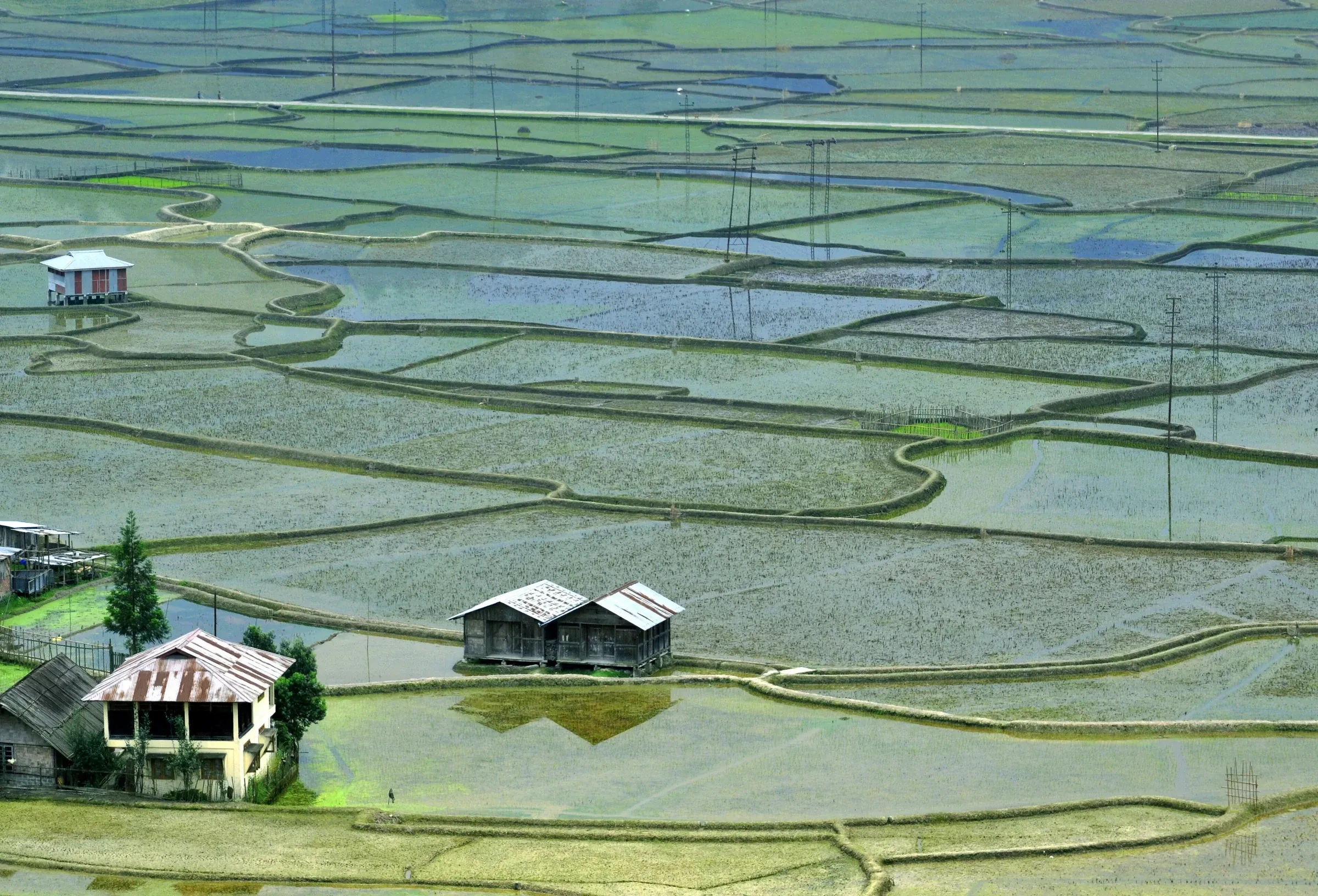
Ziro is India's best-known independent music festival: four days of camping, Indian indie and folk acts alongside international names, set in the rice-paddy valley that's home to the Apatani people. It started in 2012, small and community-backed, and has grown into the country's reference point for an outdoor festival that isn't built around EDM or a beach. The setting does a lot of the work here. Ziro Valley is on UNESCO's tentative list for its Apatani wet-rice farming and villages, so the festival happens inside a landscape most other music festivals don't get near.
What happened at the Ziro Festival of Music 2026
The 13th edition ran from 24 to 27 September 2026 at the Ziro Festival Ground in Biiri, with gates open from 11:30am to 8pm each day and tickets starting at ₹3,700. We haven't found published reports on how the four days went, so this section covers what was announced beforehand, not how it turned out.
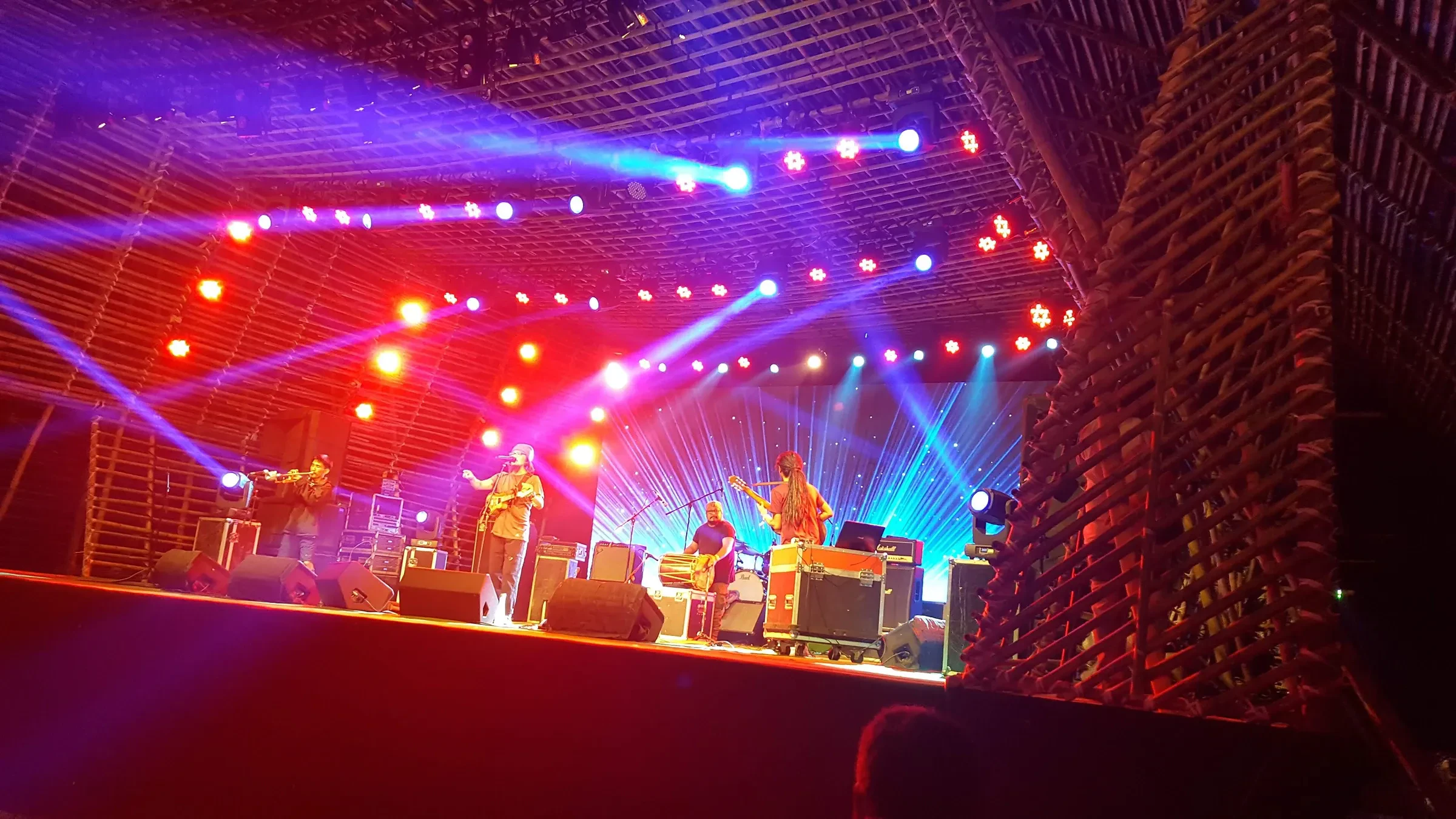
PTI reported, via ThePrint, that the lineup had more than 40 acts from India and abroad, among them Parikrama, Midival Punditz, Sukhbir, Sneha Khanwalkar, Shakthisree Gopalan, Michael Dias, Yohani and Vedan. Overseas acts were billed from Algeria, Thailand, Palestine, Switzerland, South Africa, South Korea, Nepal, Ireland, the Philippines and Sri Lanka. New for the year was Cosmos, a space for jam sessions, along with the final chapter of Circuit Mixers, a run of electronic sets by acts from South Africa, Switzerland and India. The Irish folk band Saltaire was set to do a cultural residency, backed by Culture Ireland and the Irish embassy. Co-founder Bobby Hano said discovery and cross-cultural exchange stay central to the festival.
Outlook Traveller described a zero-plastic policy and venue structures built from bamboo and reclaimed wood. The Arunachal Times reported that the state administration lined up public works, power, water, emergency and traffic departments and a waste plan before it opened.
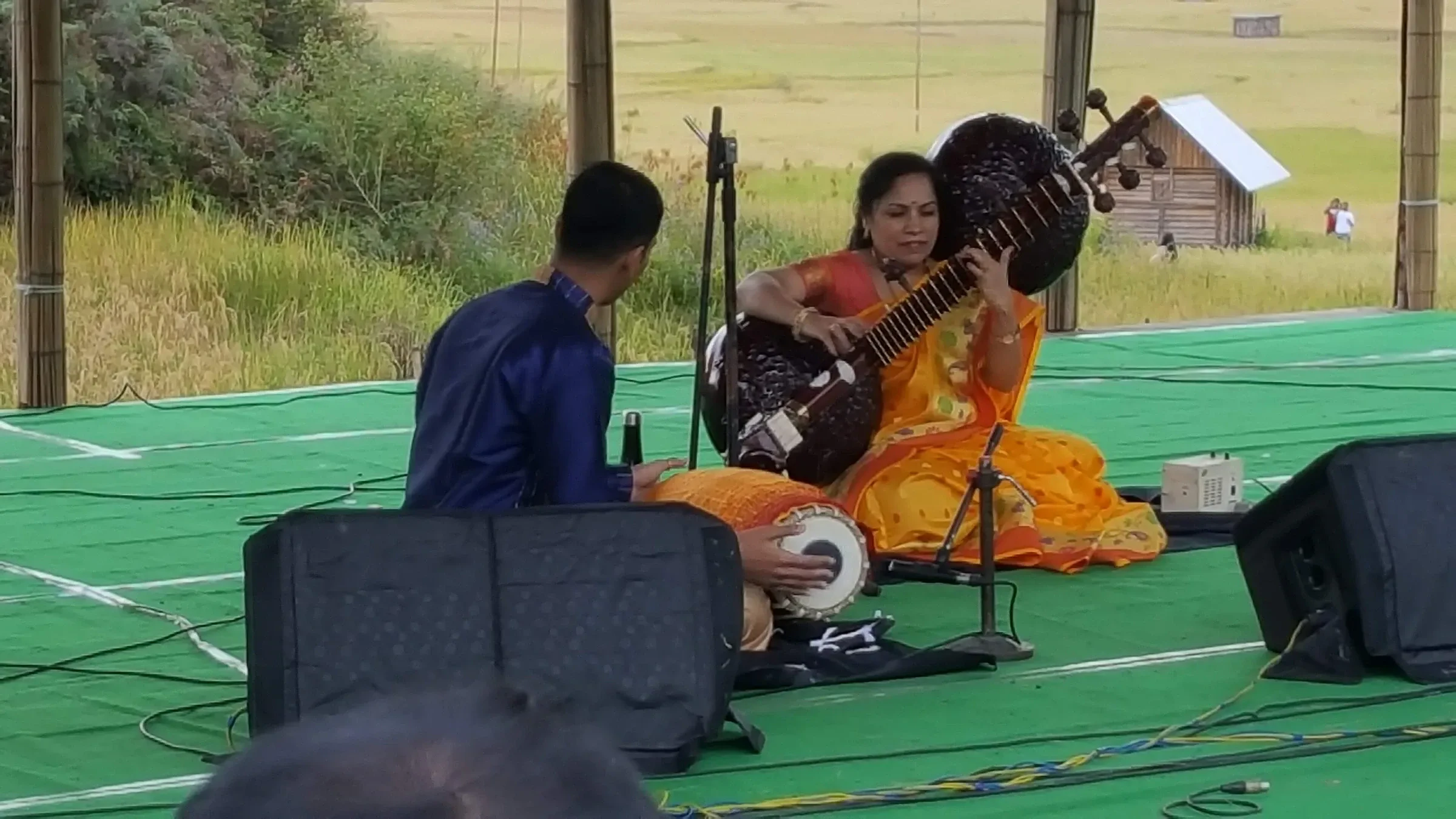
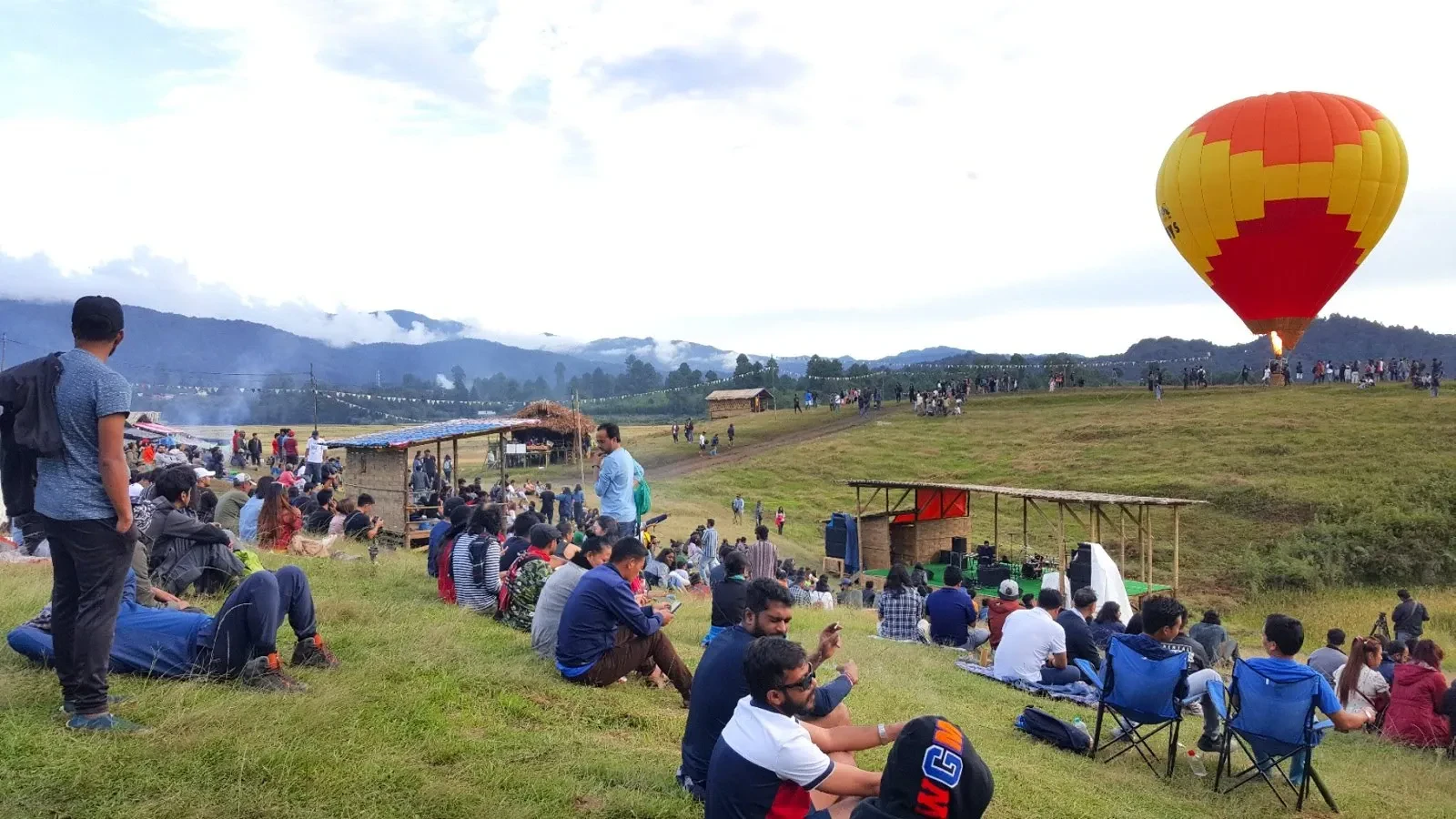
Ziro is worth knowing about because of where it happens. It's a camping festival in a rice-paddy valley, hosted by the Apatani community, with a long-running focus on emerging acts from the Northeast. Apatani harvest dances and craft workshops run alongside the music, and the valley is as much of a draw as the lineup.
Where to be: the festival ground, Hapoli and the villages
- Camp at the festival ground. This is where most of the crowd stays, and it's the easiest option if you want to be near the stages late at night without arranging your own transport back and forth. The festival sells camping add-ons alongside festival passes; book both together, since accommodation isn't otherwise provided.
- Base yourself in Hapoli. Ziro Valley's main town has guesthouses and hotels a short drive from the festival ground. Good if you'd rather sleep somewhere with proper walls and a hot shower each night, even with a daily commute in.
- Stay in an Apatani village on the valley floor. A homestay in one of the villages near the festival site puts you closer to Apatani daily life than either of the above, but you'll need your own transport, or a lift arranged with your hosts, and rooms are limited.
Ziro Festival day by day
The exact stage schedule changes every year with the lineup, but the shape of the festival stays consistent:
- Day 1: Gates open and camping begins earlier in the day; the music builds through the afternoon into a first night of sets.
- Days 2 and 3: The core of the festival, with acts running from early afternoon into the night across the stages.
- Day 4: A shorter final day, with headline sets closing things out before everyone breaks camp.
Permits: what you need before you go
Arunachal Pradesh is a protected area under Indian law, which means everyone entering, Indian or foreign, needs paperwork arranged in advance. This is the one part of a Ziro trip that can go wrong if you leave it late.
Indian citizens: the Inner Line Permit
Indian citizens from outside Arunachal Pradesh need an Inner Line Permit (ILP) to enter the state, whether they arrive by road or by air. Apply online through the state's official Tourist eILP portal (eilp.arunachal.gov.in). Other sources put the fee at around ₹100 with processing in 24 to 48 hours, valid for up to 30 days as a tourist permit, though we'd recommend confirming the current fee and turnaround on the portal itself when you apply, since these details aren't published on the portal's own information pages. You can also apply in person at an Arunachal Bhawan in Delhi, Kolkata, Guwahati, Shillong or Tezpur, or at a Deputy Commissioner's office once you're in the state, but the online route is simplest if you're coming from outside the northeast.
Foreign visitors: the Protected Area Permit
Foreign nationals need a Protected Area Permit (PAP) instead of an ILP, and the process works differently in one important way: you can't apply for it yourself. Applications go through an approved local tour operator, who submits it on your behalf, and the Arunachal Pradesh government charges foreign visitors a royalty of USD 30 per person. Group-size rules for foreign travellers have varied over the years and by district, so confirm the current rule for Ziro with your tour operator when you book rather than assuming solo entry is guaranteed. Leave a buffer before the festival for this to clear, since it depends on your operator's own processing time as much as the government's.
Tickets and camping
Tickets go on sale through the festival's own website and BookMyShow, and past editions have sold in tiers: single-day passes, a full four-day pass, and a premium or VIP tier with front-of-stage access and its own campsite. In 2026 tickets started at ₹3,700. Camping is sold separately as an add-on, typically a shared tent with two or three others; budget packages without a festival pass are also available if you just want somewhere to sleep and plan to buy day tickets separately. Prices change every year and tiers sell out early, so once the next edition is announced, check zirofestival.com directly rather than going by this year's numbers.
Getting to Ziro Valley
There's no airport in Ziro Valley itself, so every route in starts somewhere else in the northeast.
- Via Guwahati: Guwahati has the region's main airport, with regular domestic flights. From there, the Donyi Polo Express runs overnight to Naharlagun, Arunachal Pradesh's railhead, in around 7 hours. Overnight buses also run direct from Guwahati to Ziro a few days a week, a much longer journey but without a change.
- Via Dibrugarh: Dibrugarh's airport is smaller but closer, with the road to Ziro roughly 235 to 250 km and, road conditions allowing, around 5 to 6 hours by car or shared jeep.
- The last leg: From Naharlagun, it's about 100 km on to Ziro. A private cab is the standard option; budget around 3 to 4 hours given the hill road. There's no direct rail into Ziro Valley itself, Naharlagun is as close as the network gets.
Whichever route you take, this isn't a same-day journey from Delhi or Mumbai. Build in a full day of travel each way at minimum, and don't book a flight home for the evening the festival ends.
The Apatani valley and villages
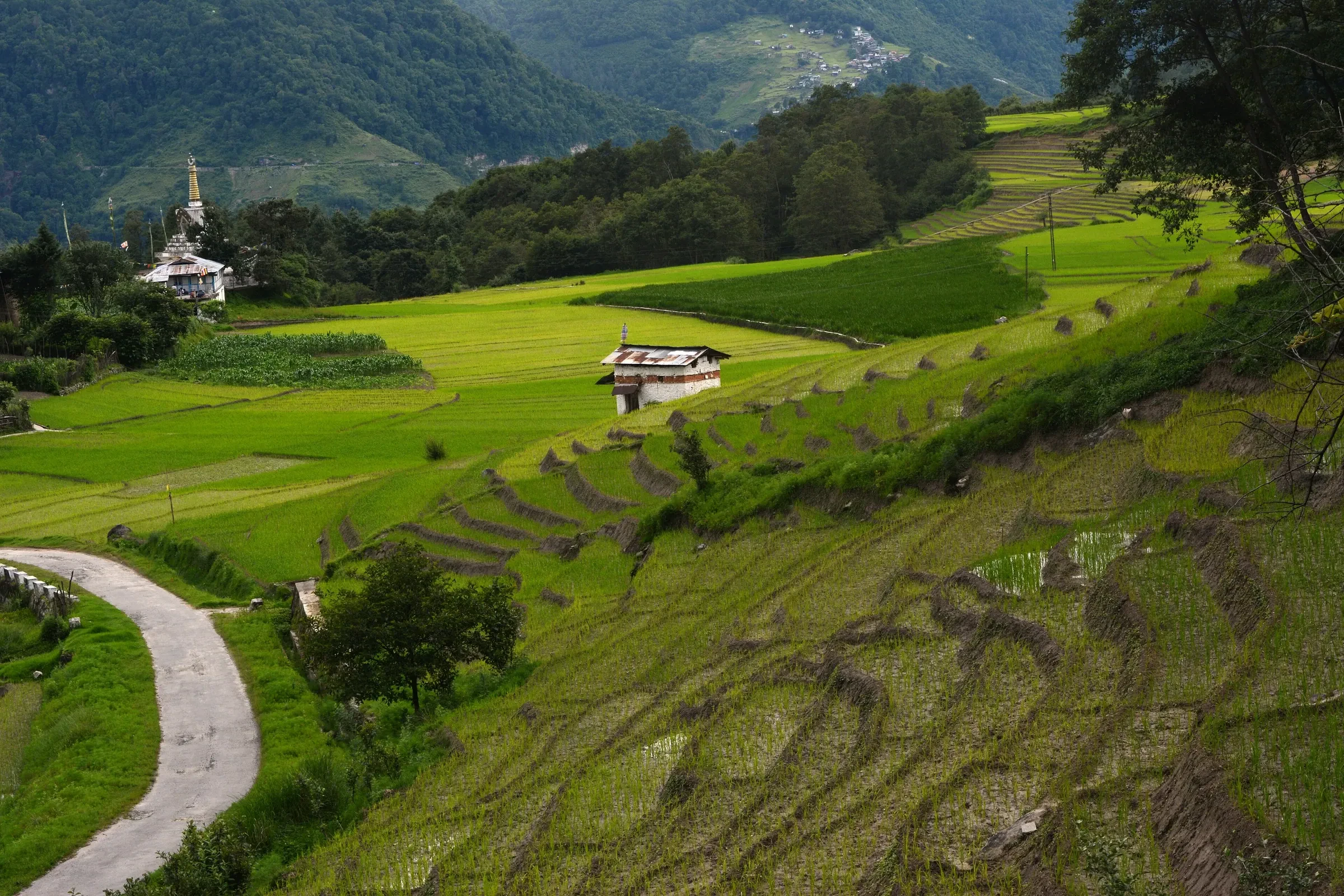
What to wear and bring
Layers matter more than anything else: valley days can be warm, evenings drop noticeably, and September sits at the tail end of the monsoon, so pack a proper rain layer, not just a light jacket. Good closed shoes or wellies earn their keep, since the festival ground and camping areas turn to mud once a crowd has walked over them a few times. Bring a headtorch for camp at night, a padlock for your tent bag, cash (card machines are unreliable this far from a city), and a physical copy of your ILP or PAP, since you may be asked for it more than once on the way in.
Weather and mud
Late September is past the worst of the monsoon in Arunachal Pradesh, but rain is still a real possibility, and the valley floor holds water. Expect the festival ground and any unpaved camping area to be muddy regardless of the day's forecast, and pack accordingly rather than hoping for the best.
A Northeast India trip around the festival
Three to four days covers the festival itself comfortably. Getting to and from Ziro takes real time, so it's worth building a longer northeast India trip around it rather than flying in and out just for the festival. The natural combination is our Assam itinerary, which covers Kaziranga's rhinos and Majuli island and shares Guwahati as a gateway, or our Meghalaya itinerary, built around Shillong and the living root bridges. Either pairs well with Ziro on a 2-week or 3-week northeast route, with a few spare days either side for the travel time in and out of the valley. For safety planning across the wider region, see our India safety guide.
None of our group trips is built around the Ziro Festival. If you'd like a Trip Host-led trip elsewhere in India before or after your own Ziro plans, browse our India group trips.
Keep planning with India's festival calendar, the Hornbill Festival in neighbouring Nagaland, and the Sikkim and Darjeeling route if you're covering more of the Northeast.