Kolkata doesn't so much celebrate Durga Puja as rebuild itself around it. For five days, thousands of neighbourhood clubs put up pandals, temporary structures that range from simple bamboo-and-cloth shelters to elaborate, often satirical works of art, each housing its own idol of the goddess Durga. Judges, critics and just about everyone with a free evening tour the best of them, on foot, by taxi and increasingly by a metro system that runs through the night to cope. This guide covers when it falls, which pandals and neighbourhoods to prioritise, what happens day by day, and how to do it well solo.
What Durga Puja is
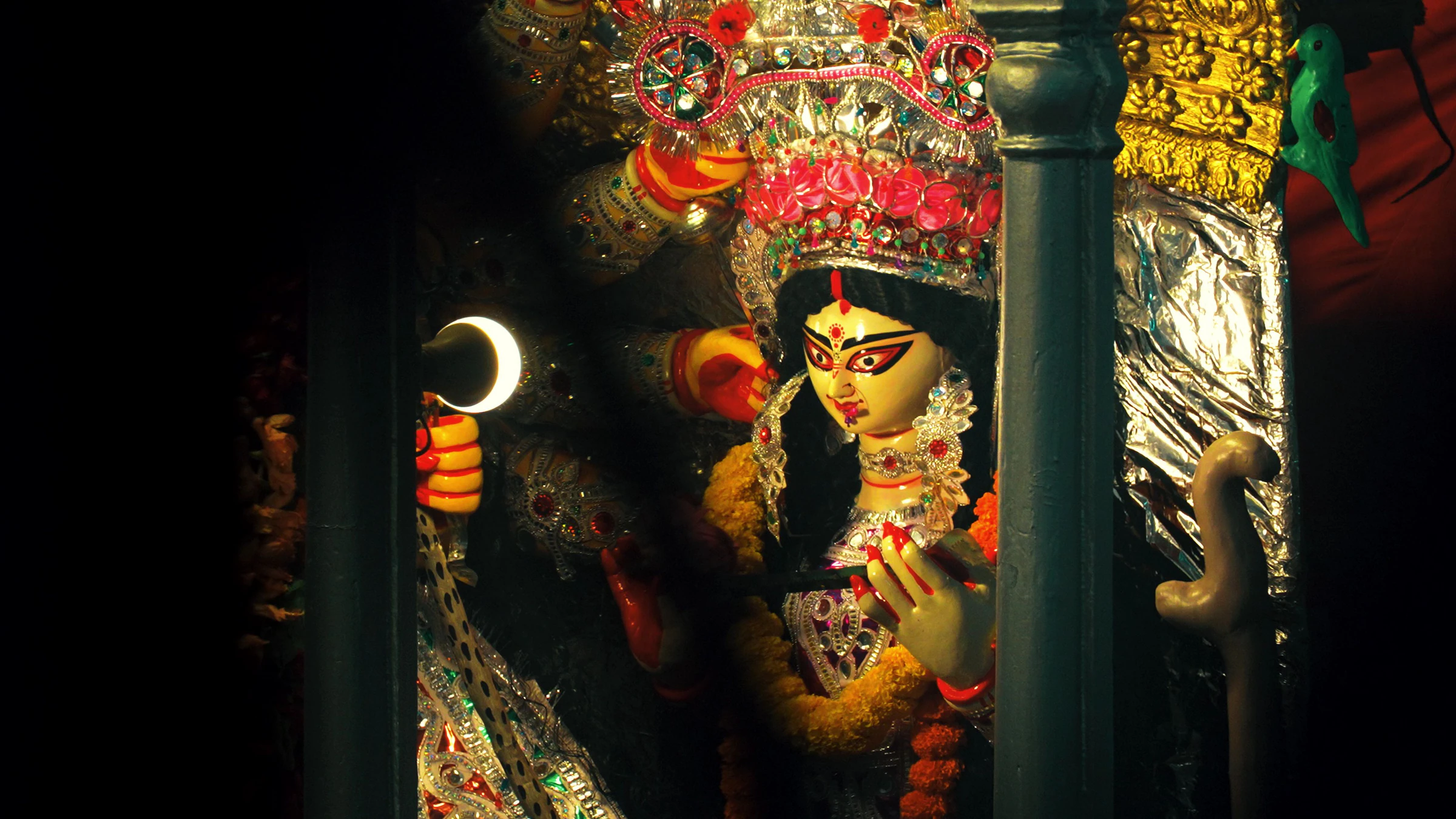
Durga Puja marks the goddess Durga's victory over the buffalo demon Mahishasura, but in Kolkata it's as much a citywide art event as a religious one. The shift from private, family-run pujas to public ones organised by and for whole neighbourhoods (sarbojonin, meaning "for all") dates back to 1926, and it's that community structure, thousands of independent clubs each fielding their own pandal and idol, that gives the festival its scale and its competitive edge between areas. UNESCO inscribed Durga Puja in Kolkata on its Representative List of Intangible Cultural Heritage of Humanity in 2021, citing the collaboration between the city's artisans, designers and organisers each year.
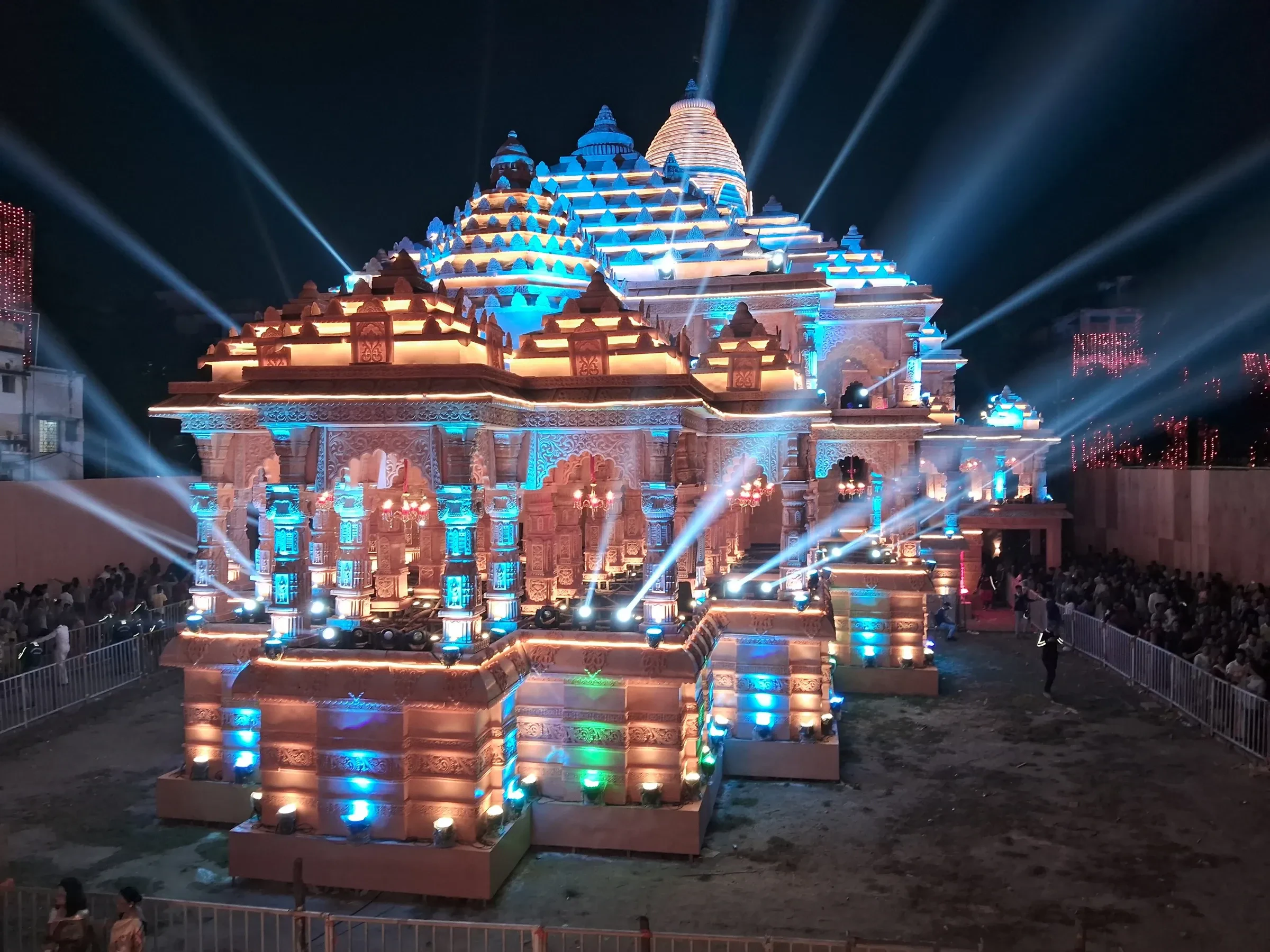
Where to see it: north versus south Kolkata
Pandal hopping means picking a manageable patch of the city rather than trying to see everything, since even a determined visitor gets through only a fraction of the thousands on offer.
North Kolkata is the old city, and its pandals lean traditional: narrower lanes, older clubs and some of the festival's most historic names. Bagbazar Sarbojanin is one of the very oldest community pujas in the city and keeps a classical look rather than chasing a new theme every year. College Square, built around the university area's rectangular tank, is famous for lighting up its whole water body as part of the display. Kumartuli Park sits inside the potters' quarter where most of Kolkata's idols are actually sculpted from Ganga clay, so it's worth combining with a wander through the workshops themselves, ideally in the days just before the puja starts rather than during the crush.
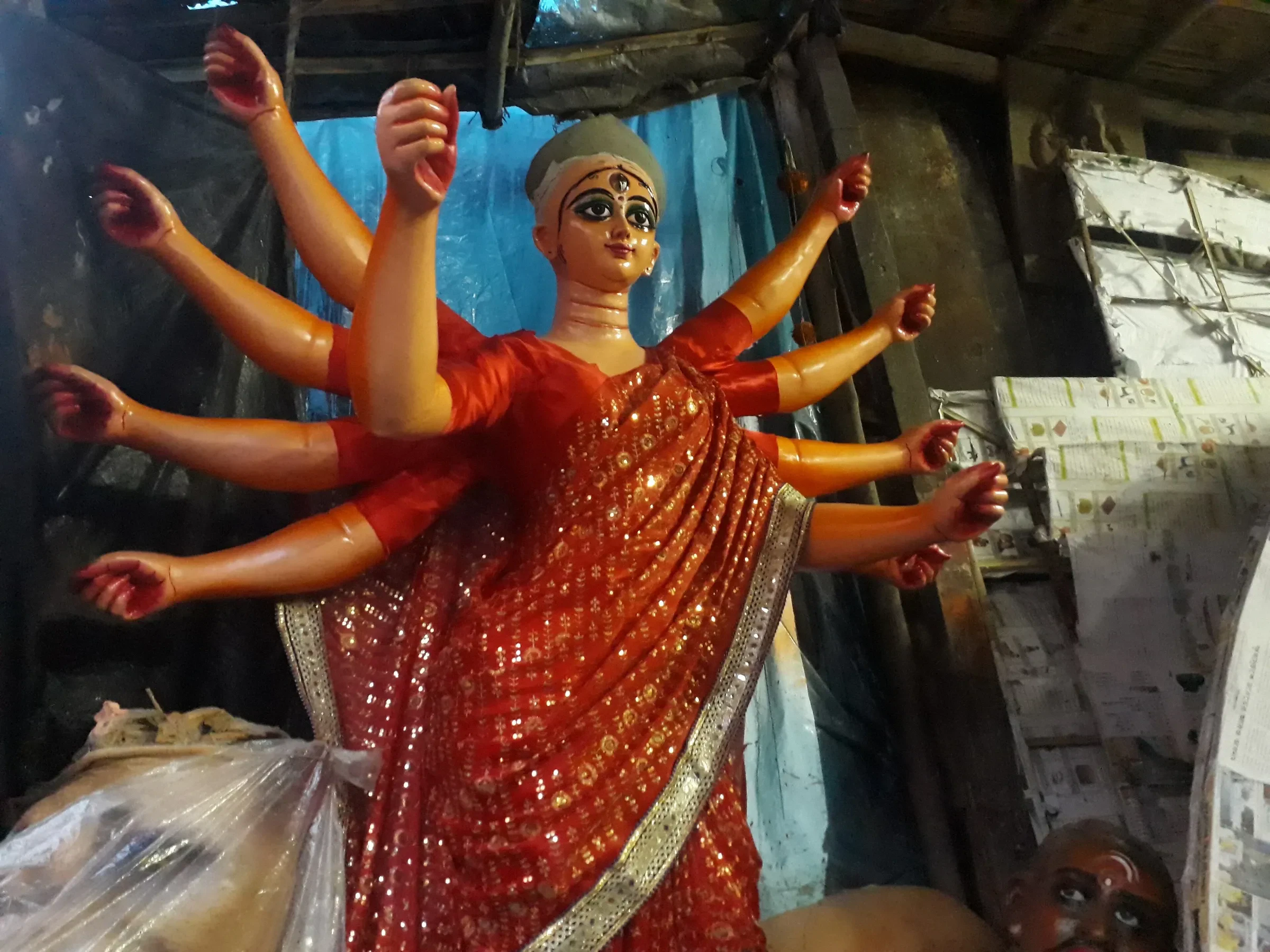
South Kolkata tends to be where the newer, big-budget, more experimental theme pandals show up, since clubs here compete hard on concept and design each year. Deshapriya Park has fielded some of the tallest Durga idols the city has seen. Ekdalia Evergreen is a long-running name known for scale and lighting. Tridhara Sammilani, Ballygunge Cultural and Singhi Park round out a route that can be walked or taxied between across an evening.
Realistically, pick one side of the city per evening rather than criss-crossing between north and south: distances and crowds make trying to do both in one night a bad plan.
Day by day
- Mahalaya, about a week before Shashthi, marks the start of Devi Paksha, the fortnight in which the goddess is believed to journey toward earth. It's traditionally marked at dawn with the radio broadcast of the Mahishasura Mardini recitation, still a fixture for many Bengali households.
- Maha Shashthi is the formal opening: the goddess's face is unveiled (bodhon) and she's invited into the pandal for the days ahead.
- Saptami and Ashtami build through ritual worship each morning, with the pandals filling up through the evenings as the week goes on.
- Sandhi Puja happens at the precise junction of Ashtami ending and Navami beginning, traditionally considered the most powerful moment of the whole festival.
- Navami is usually the single busiest night for pandal hopping, with the biggest crowds at the best-known pandals.
- Vijaya Dashami closes the festival: married women perform sindoor khela, smearing vermilion on the goddess and each other as a blessing for their husbands, before processions carry the idols out for immersion (bisarjan) in the Hooghly river and other water bodies. Immersions for the biggest club idols often continue for several days after Dashami, so the city doesn't fall quiet all at once.
How to join in and etiquette
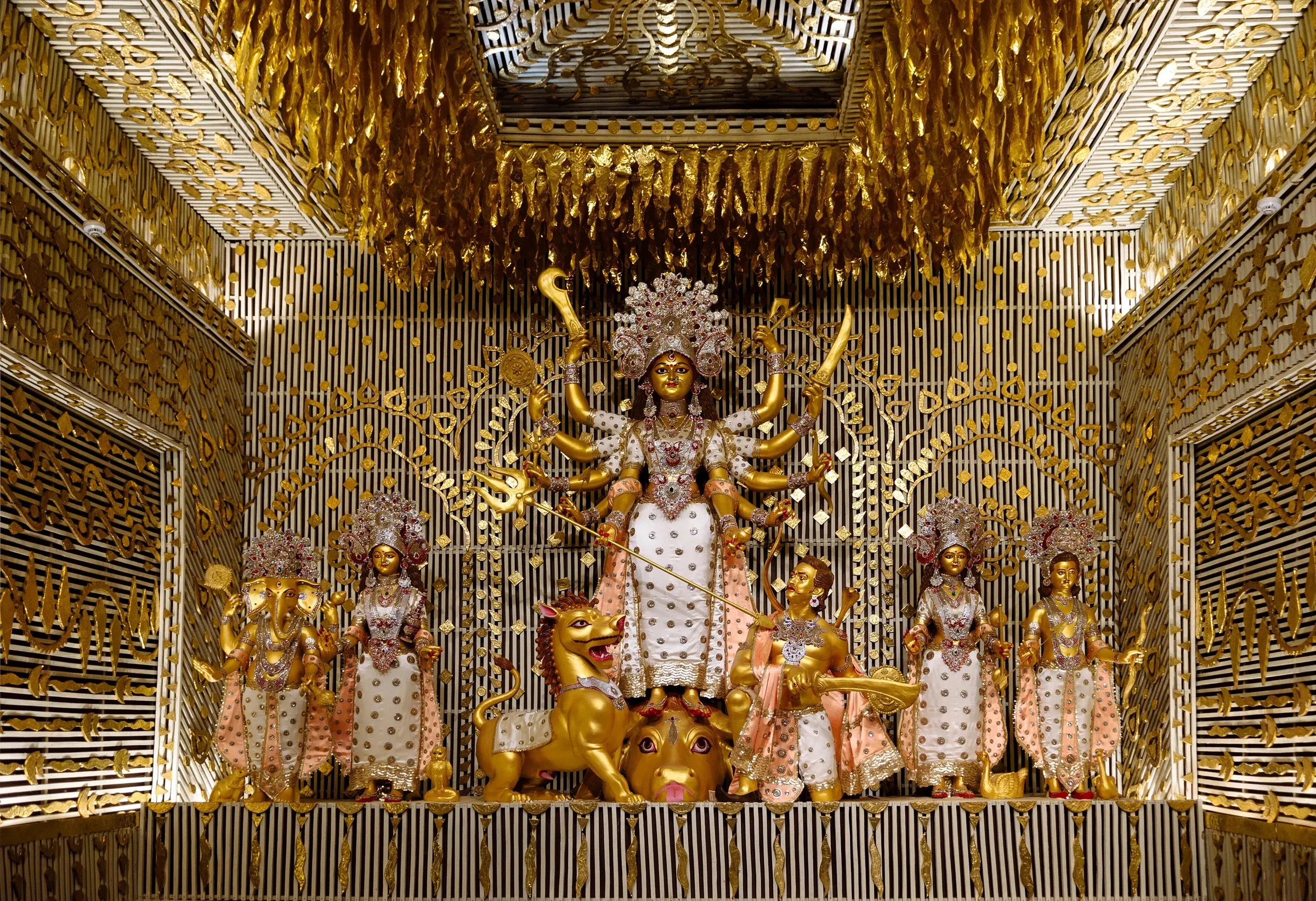
There's no dress code for pandal hopping itself, unlike temple visits elsewhere in India. Most locals dress up for the occasion, often in new clothes bought specially for the puja, but there's no expectation that a visitor does the same.
What to wear and bring
Comfortable, broken-in shoes matter more than anything else: a serious pandal-hopping evening covers several kilometres on foot through crowds. October evenings in Kolkata are still warm and humid, so light cotton clothing works better than anything heavy. Bring cash in small notes for street food, rickshaws and the odd toilet fee, and keep valuables in a bag you can hold in front of you in dense crowds. A power bank is worth carrying, since a long night out with a phone for photos and maps runs a battery down fast.
Food during the puja
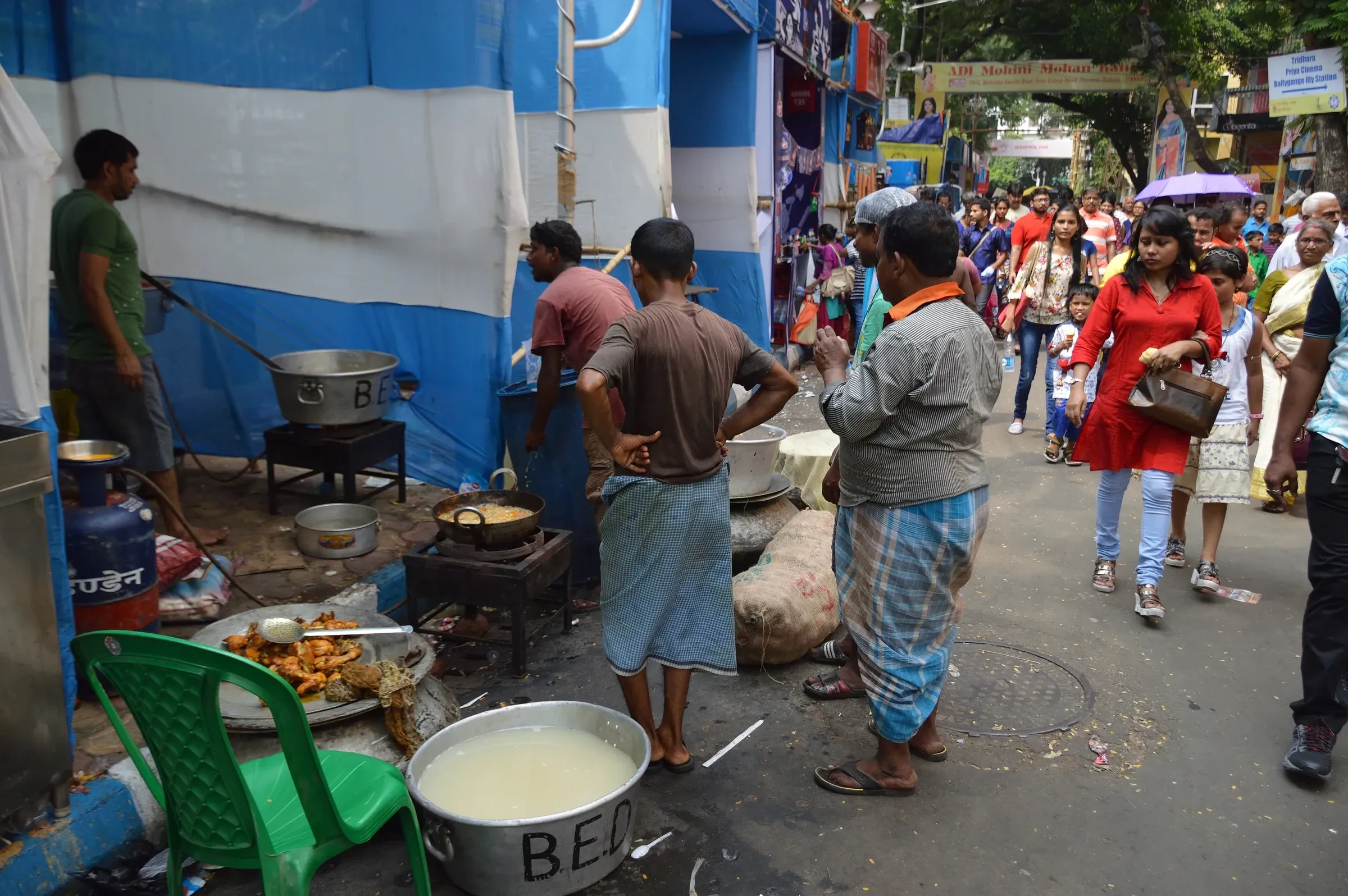
The pandals themselves aren't really where the food is; that's on the streets around them. Kolkata's everyday street food runs hard through puja week, including puchka (the city's own tangy, water-filled take on pani puri), kathi rolls and stalls selling egg rolls, biryani and jalebi to a moving crowd. Many bigger clubs also serve bhog, a communal vegetarian offering meal, usually khichuri (a soft rice-and-lentil dish) with labra (mixed vegetables) and a sweet like payesh, often free or by donation to anyone who joins the queue. For Kolkata's sweet shops and its wider food scene beyond puja week, see our full Indian food guide.
Safety
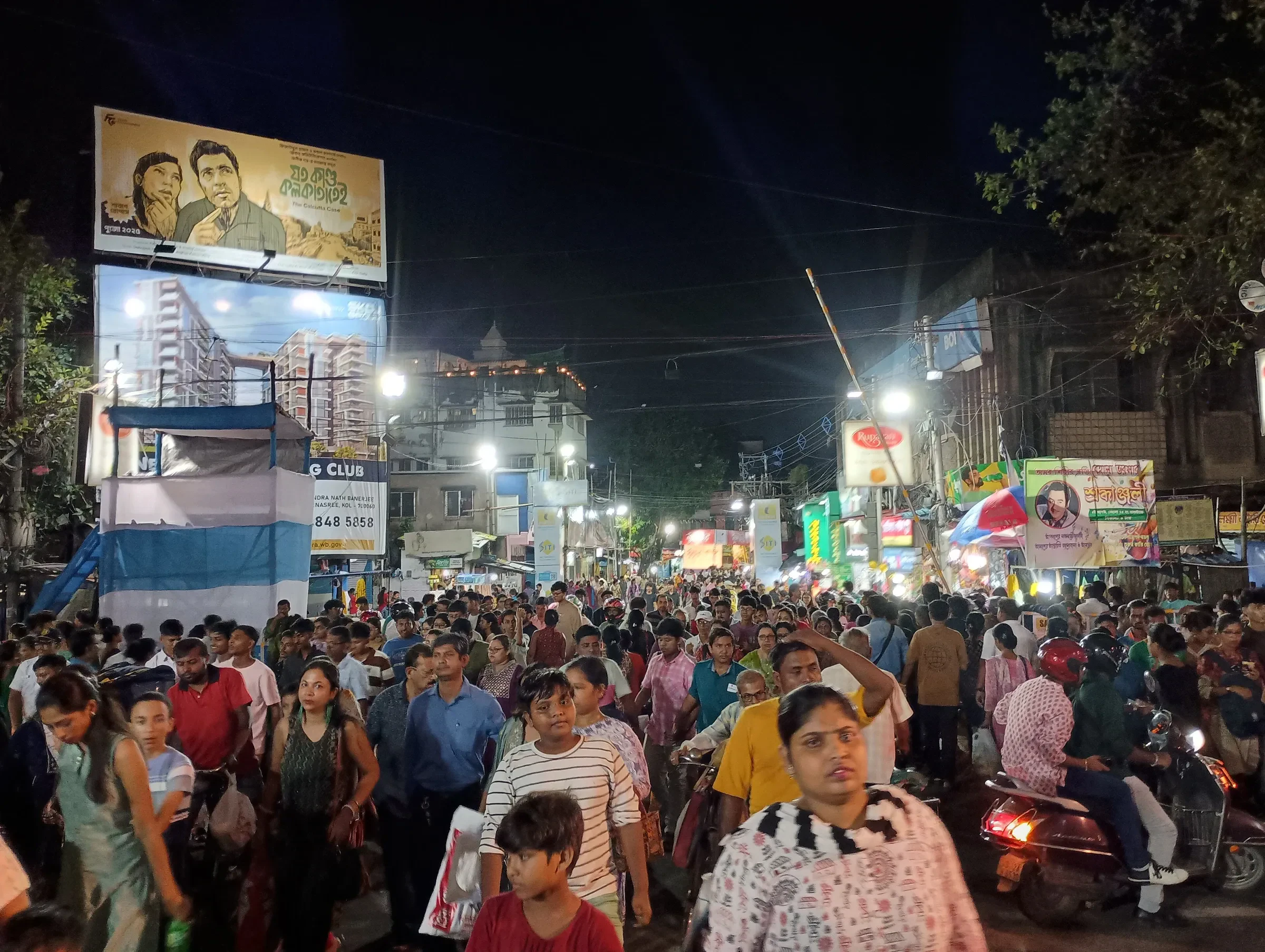
Durga Puja is one of the more relaxed big Indian festivals to explore solo: crowds are large but overwhelmingly good-natured, and it's common to see solo visitors and families out together well past midnight. The main practical risk is simply the crowd itself on the two or three peak evenings, Ashtami and Navami especially, when the best-known pandals can mean a real crush and slow-moving queues. Going out in the early evening rather than at peak night gets you a much easier look at the biggest pandals than fighting the 10pm crowd. Kolkata's metro has in past years extended services deep into the night, in some cases running through to around 4am on the busiest evenings, specifically to move puja crowds, though exact hours are set closer to the date each year, so check the day's notice before relying on a late train home. As with any dense crowd, keep bags zipped and in front of you and agree a meeting point with anyone you're out with, since phone signal can be patchy in the thickest crowds.
Building a trip around it
West Bengal and Kolkata aren't currently part of SoloNomads' group trip catalogue, so there's no departure timed to Durga Puja to point you to. If you're combining it with a wider India trip, our India itinerary guide covers how routes elsewhere in the country fit together, and Durga Puja's fortnight overlaps with Gujarat's very different Navratri and Garba celebrations, worth reading about in our Navratri and Garba guide if you're deciding which festival to build a trip around. For a look at our other group departures around India, see our India trips.