What makes Koh Lanta special
Koh Lanta doesn't try to compete with Koh Phi Phi's cliffs or Phuket's nightlife, and that's the point. The west coast is one long run of sand split into named beaches rather than a single postcard cove, the pace is set by a mixed Thai-Muslim and Chao Ley (sea gypsy) fishing community rather than a tourist strip, and the island's own national park still feels like a real wild edge rather than a photo stop. It suits travellers who've already done the busier islands and want a couple of days where the main decision is which beach to read a book on.
Where to go on Koh Lanta
The west coast beaches: Long Beach to Kantiang
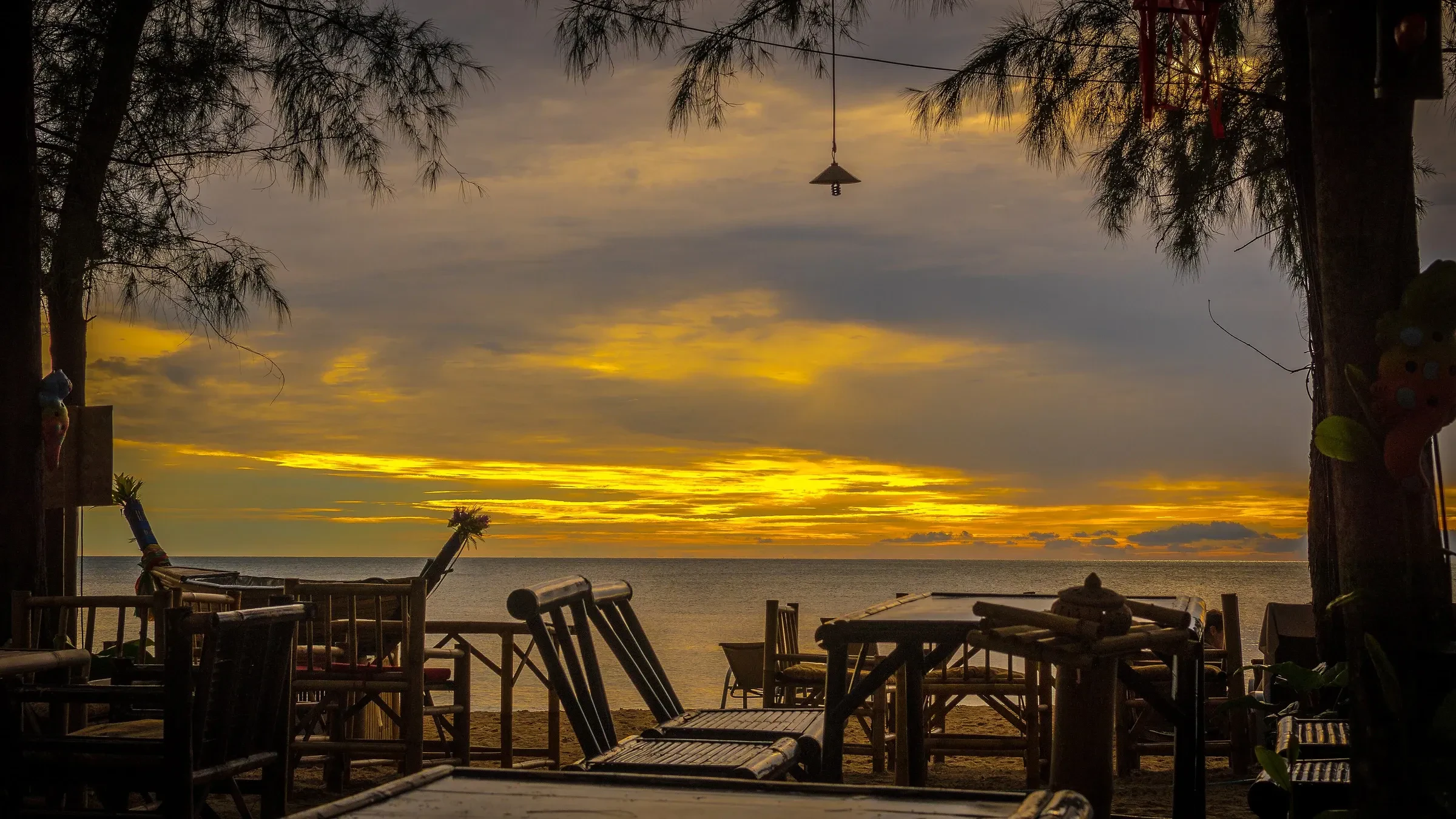
Almost everything sits along the west coast road, roughly in order from the ferry pier at Saladan down to the national park. Long Beach (Phra Ae) is the liveliest stretch, with the most bars and restaurants for a sunset drink. Klong Dao, closer to Saladan, is calmer and better for swimming. Further south, Klong Khong and Klong Nin thin the crowds out again, and Kantiang Bay, the last proper beach before the national park, is the quietest of the lot, backed by a headland with a viewpoint above it. As a rough rule, the further south you go, the fewer people you share the sand with.
Lanta Old Town
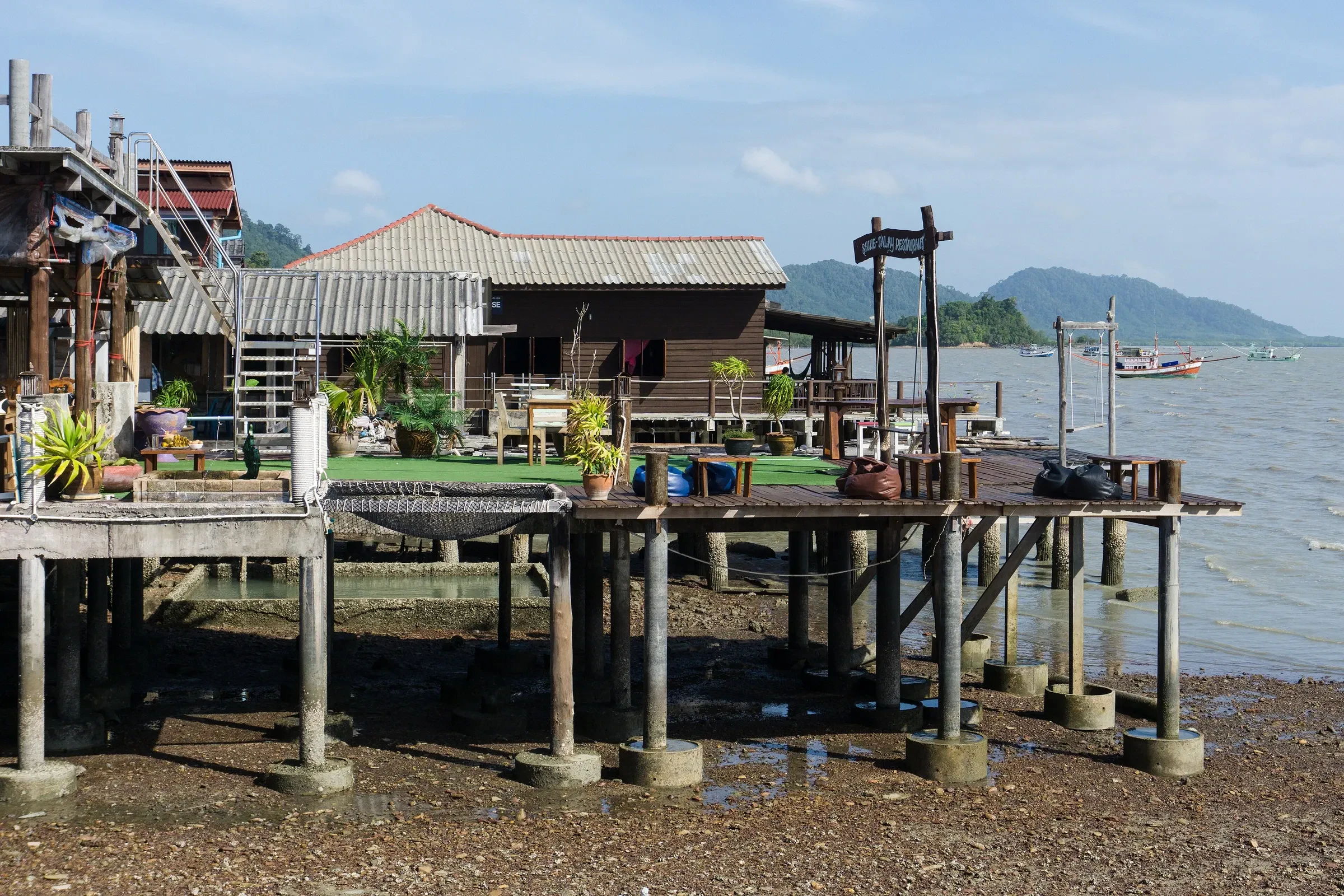
On the sheltered east coast, Lanta Old Town is a row of wooden, stilted shophouses built out over the water, put up by Chinese and Chao Ley traders long before the west coast beaches were developed for tourism. It's a half-day stop rather than a base: a walk along the pier boardwalk, a seafood dinner at one of the restaurants built on stilts above the water, and a look at the older shophouses that still work as homes and small shops rather than tourist facades.
Mu Ko Lanta National Park and Laem Tanod
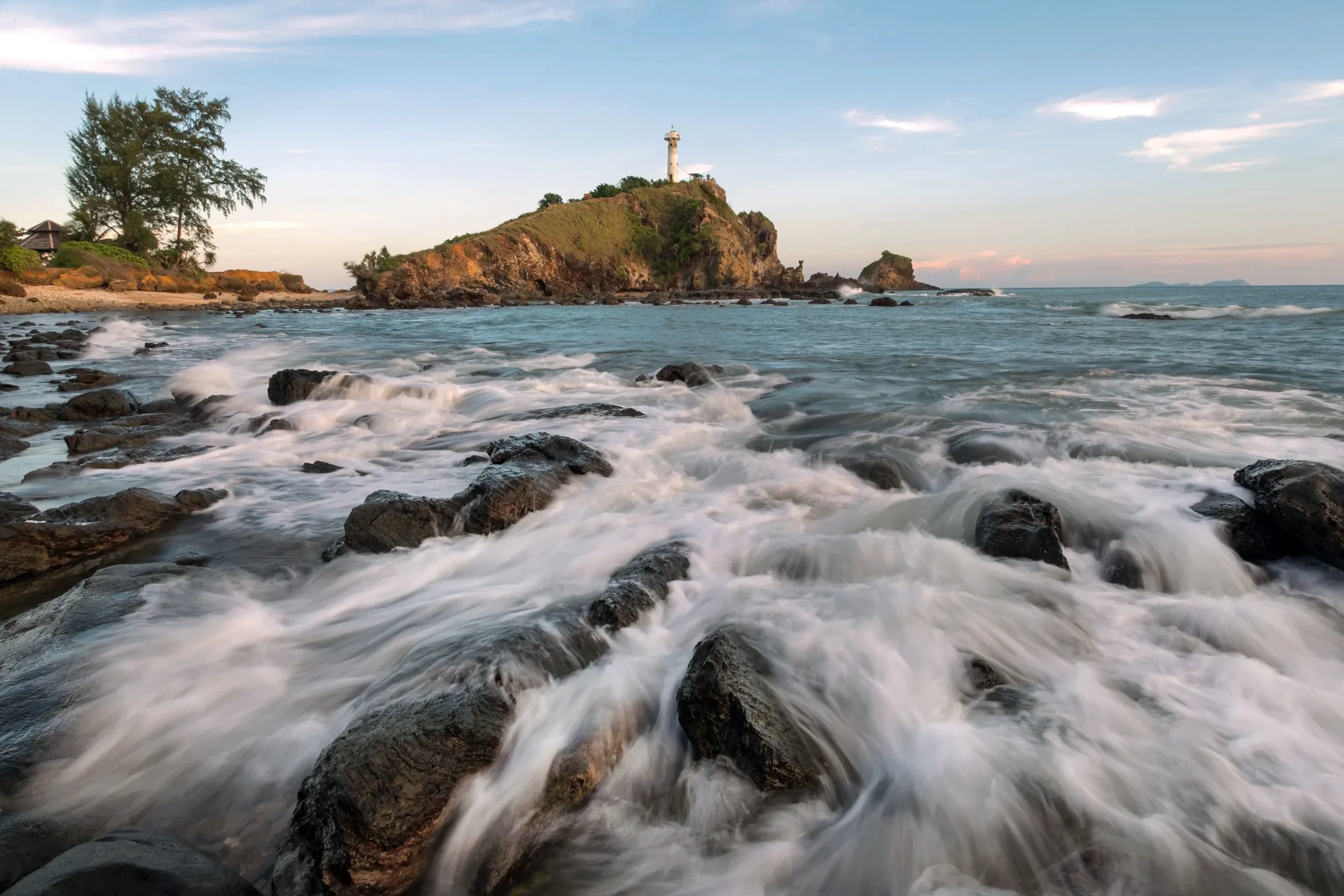
The island's southern tip is Mu Ko Lanta National Park, reached by the west coast road past Kantiang Bay. The park headquarters sit at Laem Tanod, where a short walkway and viewpoint look out over the strait towards Koh Rok, with a lighthouse and a stretch of forest trail behind the beach. Entry is 200 baht for foreign adults and 100 baht for children aged 3 to 14, payable at the park gate, and it's an easy add-on to a scooter day exploring the south of the island.
Things to do
Koh Rok and Koh Haa: the snorkelling and diving day trips
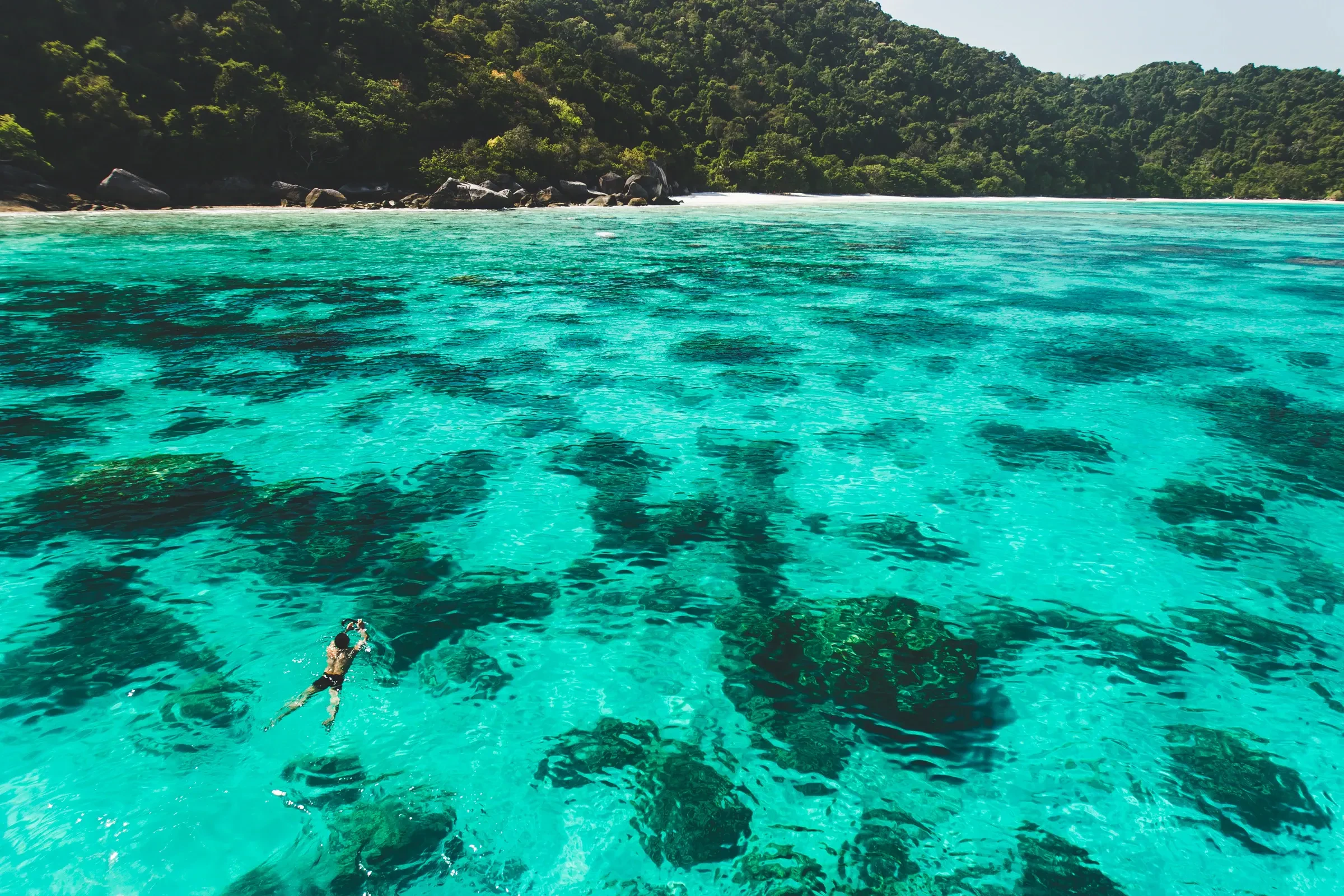
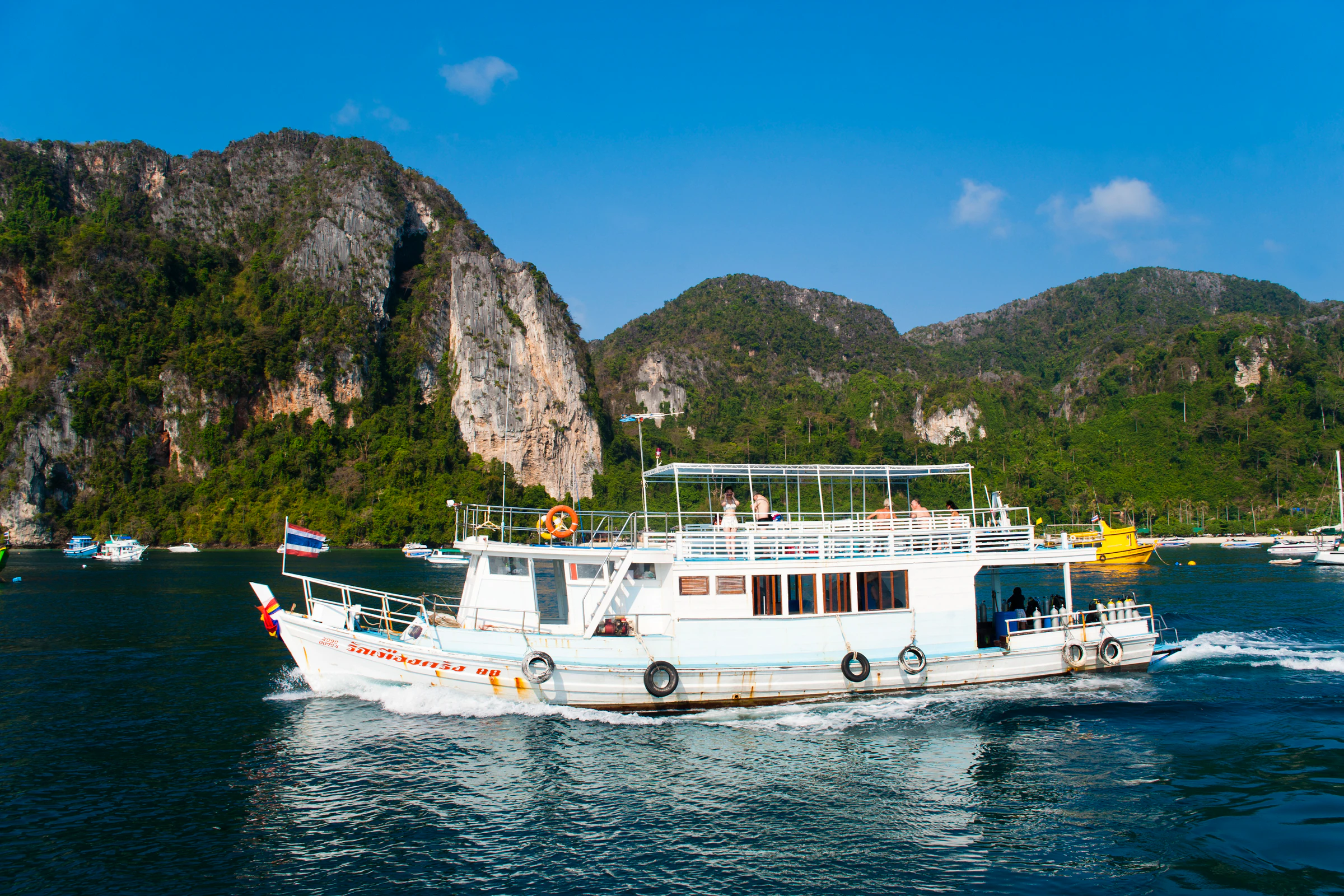
The best snorkelling near Koh Lanta isn't on Lanta itself but a boat ride south, at Koh Rok and Koh Haa, both part of the same marine park system as Laem Tanod. Koh Rok has a shallow reef close to a white-sand beach that suits snorkellers of any level; Koh Haa is better known among divers for its underwater swim-through cavern. A full-day speedboat trip taking in both costs roughly 1,600 baht per person, usually with lunch included, plus a national park fee on top, which the park lists at 200 baht for foreign adults and 100 baht for children (some operators quote more, so ask what's included). The park lists Koh Rok as closed from 1 June to 30 September. Dive shops on Lanta also run trips further out to Hin Daeng and Hin Muang, two connected pinnacles rated among Thailand's best dive sites and covered in more detail in our Thailand diving guide. The currents there suit divers with a few logged dives rather than someone straight out of an Open Water course.
The four islands and Emerald Cave
A second, separate boat trip runs north from Lanta to Koh Kradan, Koh Mook, Koh Chuak and Koh Ngai, stopping to swim into the Emerald Cave on Koh Mook, a tunnel that opens onto a hidden, cliff-ringed lagoon. You swim the tunnel in a life jacket, and when you can go depends on the tide. The cave is inside Hat Chao Mai National Park, which lists its own 200 baht fee for foreign adults, and it shuts from about 1 June to 30 September. Ask your operator whether the fee is included. It's a longer day than the Koh Rok and Koh Haa trip and covers different water, so pick one or the other rather than trying to fit both in.
Just the beach
Plenty of people come to Koh Lanta and do none of the above. A rented scooter and a stretch of west coast sand is a legitimate full itinerary here, and after the pace of Koh Phi Phi or Phuket, most travellers find a day or two of doing nothing is exactly what the island is for.
What to eat
Koh Lanta's food leans on its Chao Ley and Muslim-Thai heritage: look for seafood curries with a milder, more herb-forward profile than the coconut-heavy curries further north, plus fresh-caught grilled fish and prawns at beachfront restaurants up and down the west coast. Lanta Old Town's stilted restaurants are a good spot for a slower seafood dinner over the water. See our Thai food guide for how Lanta's cooking fits into the wider southern Thai picture.
Best time to visit
November to April is Koh Lanta's high season: calm seas, full ferry schedules, and the park's islands open for Koh Rok and Koh Haa trips. May to October is the low season, when the southwest monsoon brings rough seas to the Andaman coast. Most passenger ferry routes to Lanta from Ao Nang and Koh Phi Phi cut their schedules back sharply or stop running altogether, a large share of the island's restaurants and resorts close for the season, and most of the smaller islands in Mu Ko Lanta National Park, including Koh Rok and Koh Haa, close from around mid-May to mid-October (the park lists Koh Rok as closed from 1 June to 30 September). The one route that keeps running all year is the road and car-ferry crossing from Krabi, so you can still reach Lanta in low season. It's just quieter, with far fewer places open once you arrive.
Getting there and around
From Krabi: by road, it's a drive down the coast to Ban Hua Hin pier, a car ferry across to Koh Lanta Noi, then a bridge onto the main island of Koh Lanta Yai. Door to door, budget 2.5 to 4 hours by taxi, minivan or your own transport. This route runs all year, which makes it the reliable option outside the ferry season.
From Ao Nang: a direct ferry calls at Railay and Koh Jum on the way to Saladan pier, about 1.5 to 2 hours and roughly 550 to 700 baht, but it only runs from November to April. See our Thailand island hopping guide for the fuller ferry timetable across the Andaman coast.
From Koh Phi Phi: a ferry runs the other direction too, about 1 to 1.5 hours and roughly 450 to 850 baht, with several sailings a day in high season and a much thinner schedule outside it. Our Koh Phi Phi guide covers the island at the other end of that crossing.
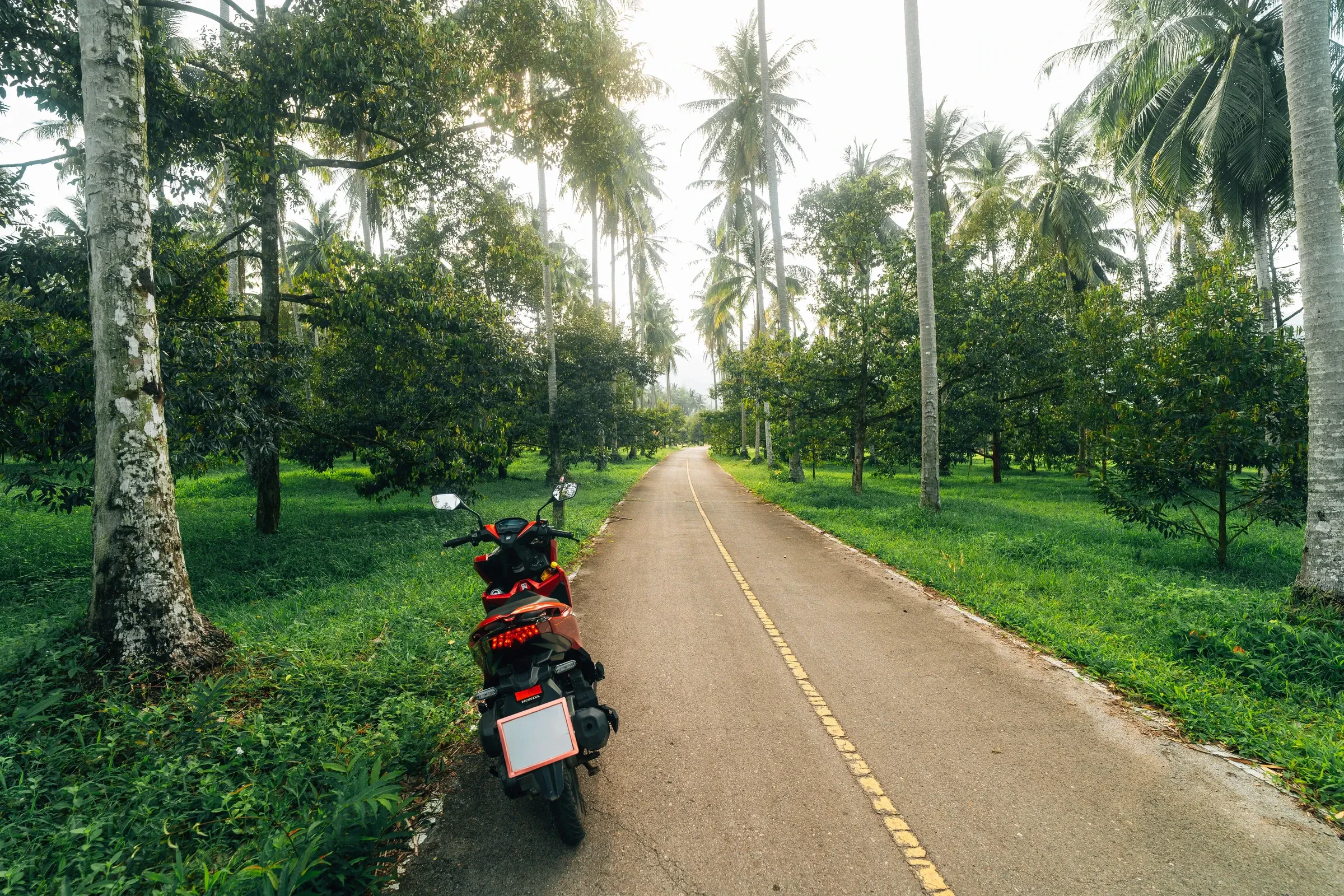
Getting around Koh Lanta: the west coast road runs the length of the island, and a rented scooter, from roughly 200 to 300 baht a day, is the standard way to get between beaches, Old Town and the national park. To ride one legally in Thailand you need a motorcycle licence from your home country plus an International Driving Permit that carries the motorcycle category. Thailand recognises IDPs issued under the 1949 Geneva Convention, and a car-only licence or IDP doesn't cover even a small scooter. Helmets are compulsory by law for rider and pillion, and riding without a valid licence can bring a fine of up to about 2,000 baht, and most policies exclude claims while you ride without one. Without both documents, don't ride: book a taxi or a private driver instead, or stick to songthaews between beaches.
How long to spend, and which route guide to use
Three to four days covers Koh Lanta at an easy pace: a day split between two or three west coast beaches, a half-day for Old Town and the national park, and a day for a Koh Rok and Koh Haa or four islands boat trip. If you're planning Lanta as one stop on a wider Andaman coast trip alongside Krabi, Phuket and Koh Phi Phi, our Andaman coast itinerary lays out a full 1-week, 10-day or 2-week route with Lanta built in as the slower finish.