Thailand rewards planning around a handful of experiences rather than trying to see everywhere. Some need a booking months out, the Full Moon Party's dates and Yi Peng's ticketed lantern releases among them. Others just need the right season or the right operator. Below is what each one is, where to do it and what it costs, with a link through to the full guide for the detail.
1. Bangkok's temples and the river
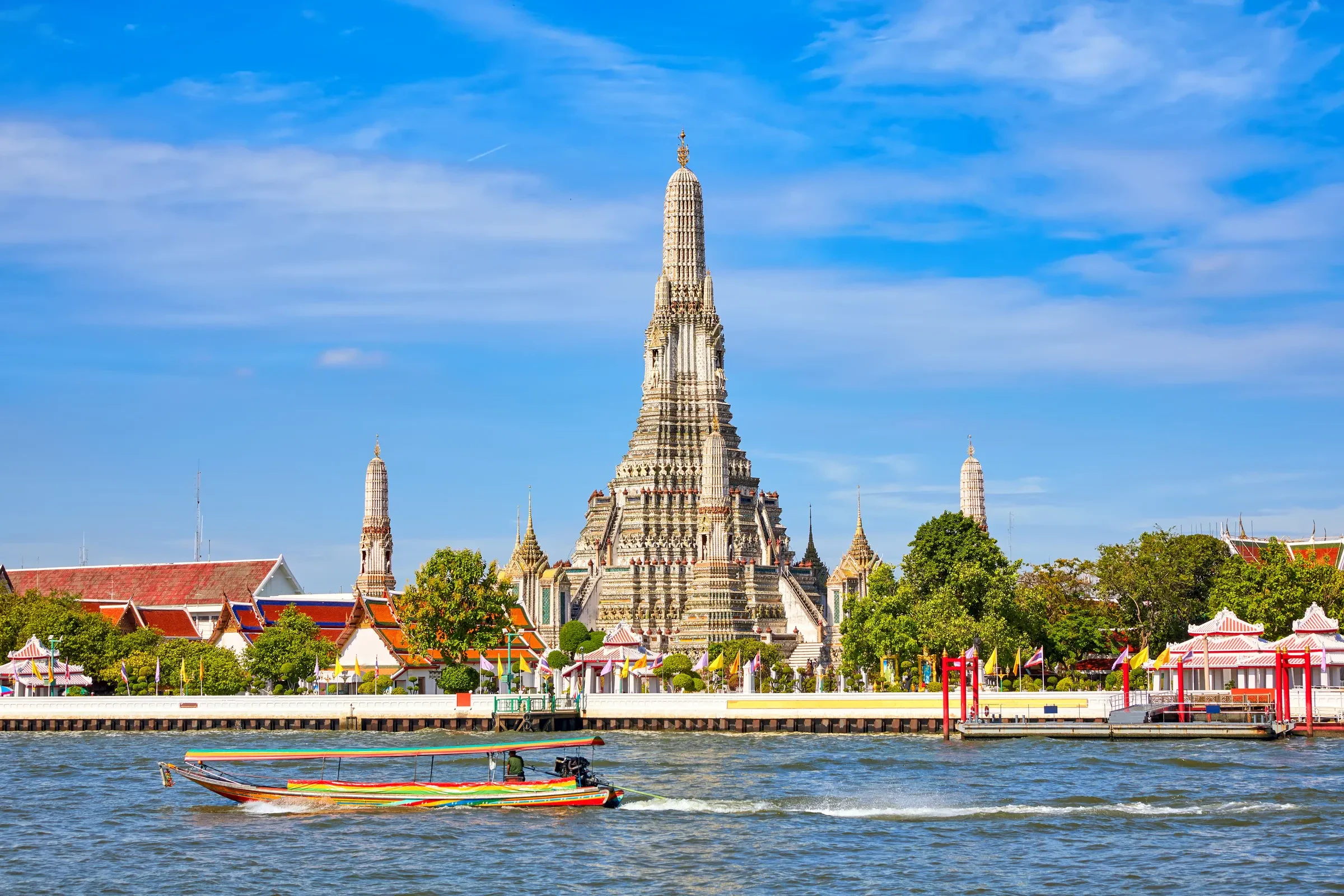
Give the Grand Palace and Wat Phra Kaew (500 baht), Wat Pho's reclining Buddha (300 baht) and Wat Arun across the river (200 baht) a single morning, moving between them on the Chao Phraya's cheap orange-flag commuter boats rather than fighting traffic. It's the one experience on this list almost everyone does on their first day, and it works as well as a half-day stopover as it does with a full day added for Chinatown or a rooftop bar at night. See things to do in Bangkok for the full order of temples and how the river boats connect them.
2. Bangkok street food
Yaowarat Road in Chinatown after dark is Bangkok's best-known food strip, an easy add-on to the temple morning since it's a short ride away. Victory Monument is the address for boat noodles, small bowls costing as little as 10 to 15 baht each, ordered round after round. Most dishes across the city cost 40 to 80 baht. Our Bangkok street food guide covers where to go by night and by day, including the weekend night markets.
3. The northern loop and a cooking class in Chiang Mai
Bangkok, Chiang Mai, Pai and Chiang Rai make up the classic northern loop, usually done over a week to 10 days by overnight train and van. In Chiang Mai itself, a farm cooking class is worth the half or full day: about 800 to 2,500 baht on 2026 listings, depending on length and school, including a market visit and five or six dishes cooked in an open-air kitchen. See the northern Thailand itinerary for the route and Chiang Mai food for the cooking class detail.
4. The Mae Hong Son Loop
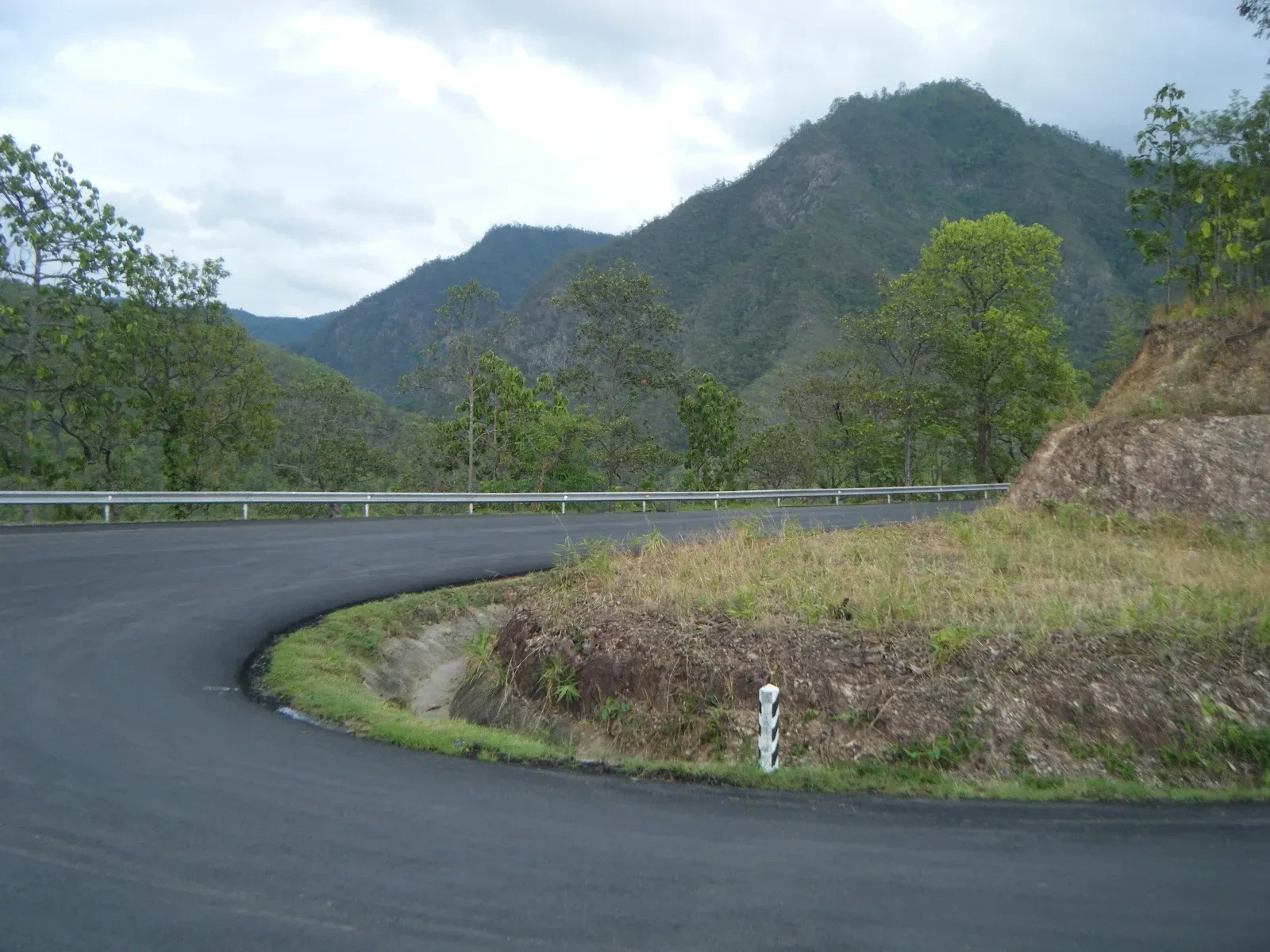
For riders, the loop out of Chiang Mai through Pai, Mae Hong Son and Mae Sariang is the country's best-known motorbike route: about 600 to 610 km, with roughly 1,864 curves on the Pai to Mae Hong Son stretch alone, on top of the 762 between Chiang Mai and Pai. To ride it legally yourself you need a motorcycle licence from home plus an International Driving Permit that carries the motorcycle category. Without both, go by van or car, or ride pillion behind a licensed local rider. The Mae Hong Son Loop guide has the full route, licence rules and a 1 week or 10 day plan.
5. Ayutthaya and Sukhothai by bike
Thailand's two old capitals both reward a bike over a walking tour. Ayutthaya, a short train ride from Bangkok, charges 80 baht per temple or 300 baht for a combined seven-temple ticket (some guides still quote older prices, so check the sign at the gate), with bikes for hire at the station for about 50 to 100 baht a day. Sukhothai's historical park costs 200 baht for the Central Zone plus 120 baht for the North Zone, and a full day lets you add a side trip to Si Satchanalai. See the Ayutthaya guide and Sukhothai guide for the routes between temples.
6. A raft house in Khao Sok
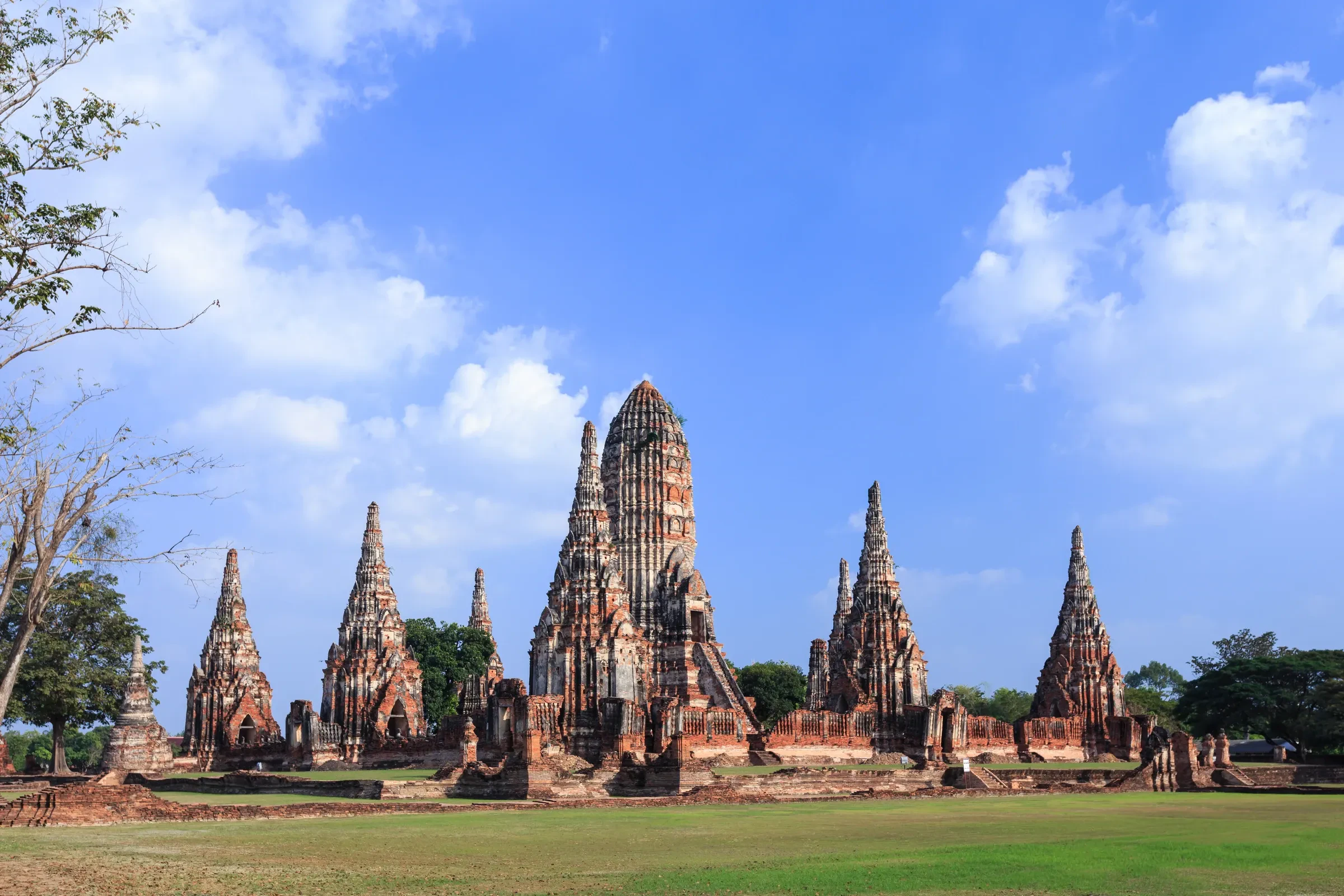
Cheow Lan Lake's floating raft houses, moored between limestone karst towers in Khao Sok National Park, are one of the few overnight stays in Thailand that are a destination in their own right rather than just a base. A night there usually comes with a lake tour by longtail boat, a cave stop and a jungle walk. The Khao Sok guide covers how to book a raft house and how long to spend there, and it also features on our Southern Thailand Jungle & Islands trip.
7. Island hopping on the Andaman or Gulf side
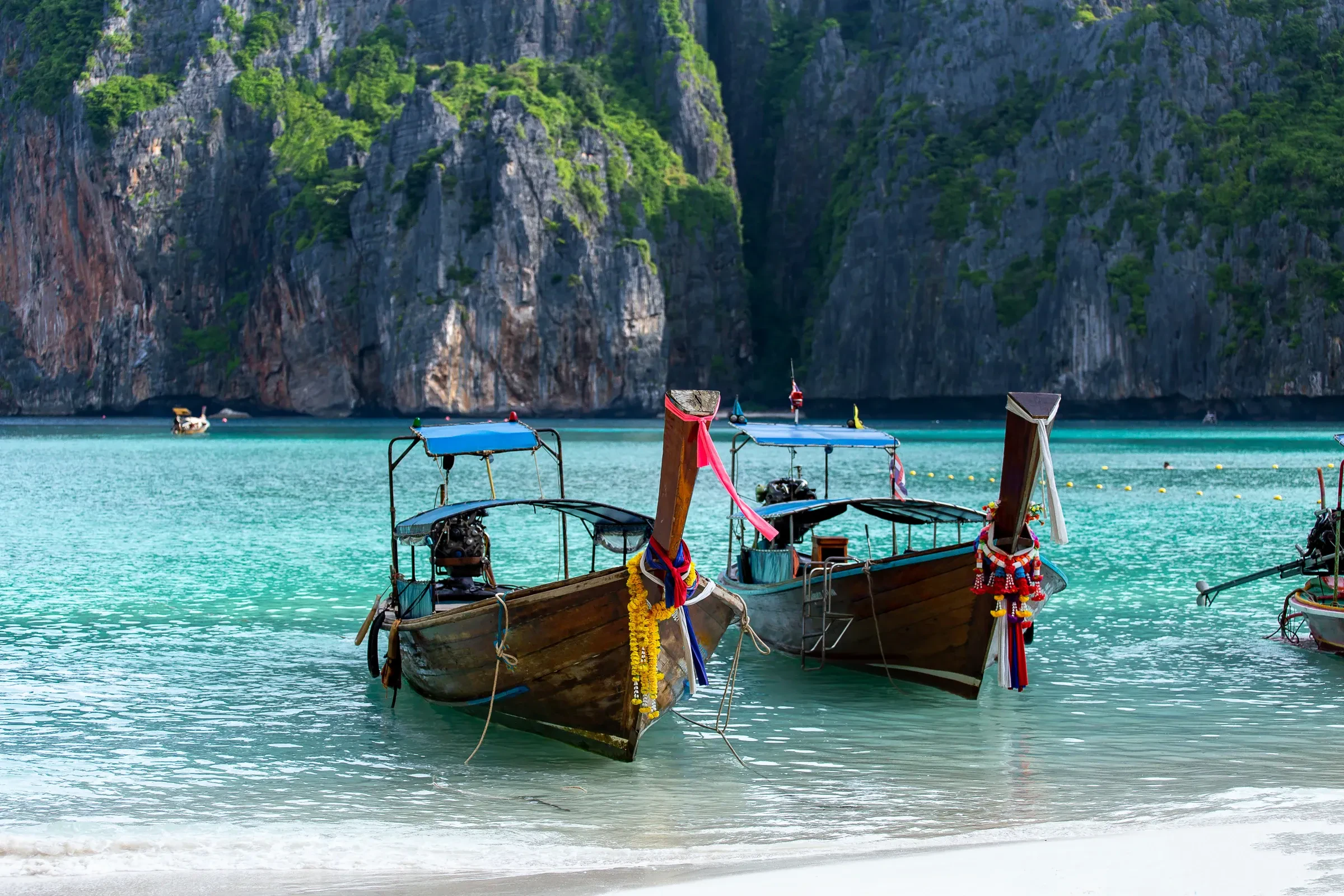
Thailand's two coasts suit different trips. The Andaman side (Phuket, Krabi, Koh Phi Phi, Koh Lanta) works well as day trips from one base or a slower ferry crawl down the coast, and runs November to April. The Gulf side (Koh Samui, Koh Phangan, Koh Tao) is more of a proper hop from island to island, and its weather window runs February to September. Our island hopping guide compares the two, with route guides for the Andaman coast and the Gulf islands.
8. Diving on Koh Tao
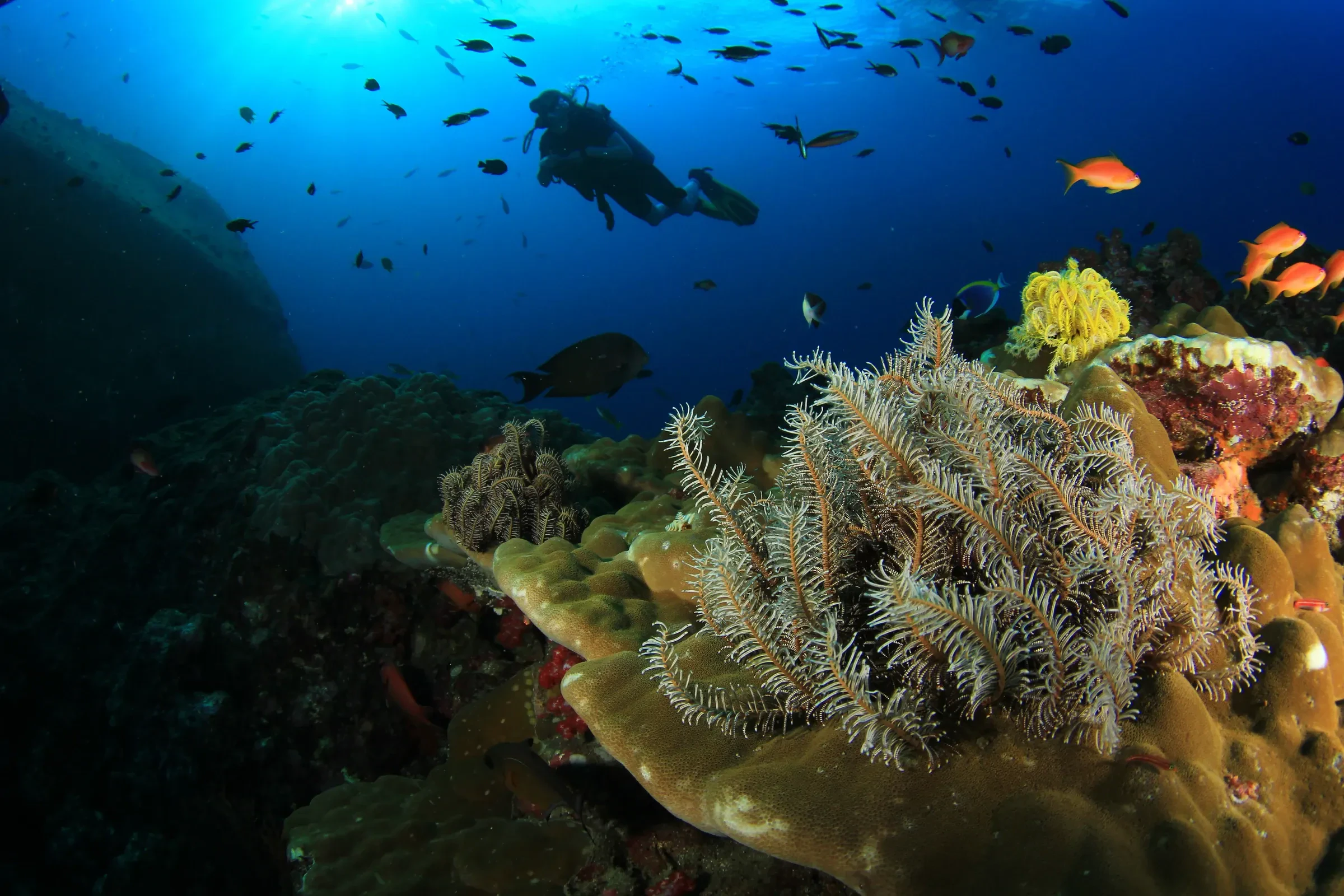
Koh Tao is one of the cheapest places in the world to get a PADI Open Water certificate: about 9,500 to 12,500 baht for the three to three and a half day course, or 8,500 to 11,900 baht for the two day Advanced course. February to September is the best diving season, and whale sharks are seen most often in spring, though dive operators disagree on the exact months and nobody can promise a sighting. The Koh Tao diving guide covers course prices, dive sites and how to pick a school.
9. Rock climbing at Railay
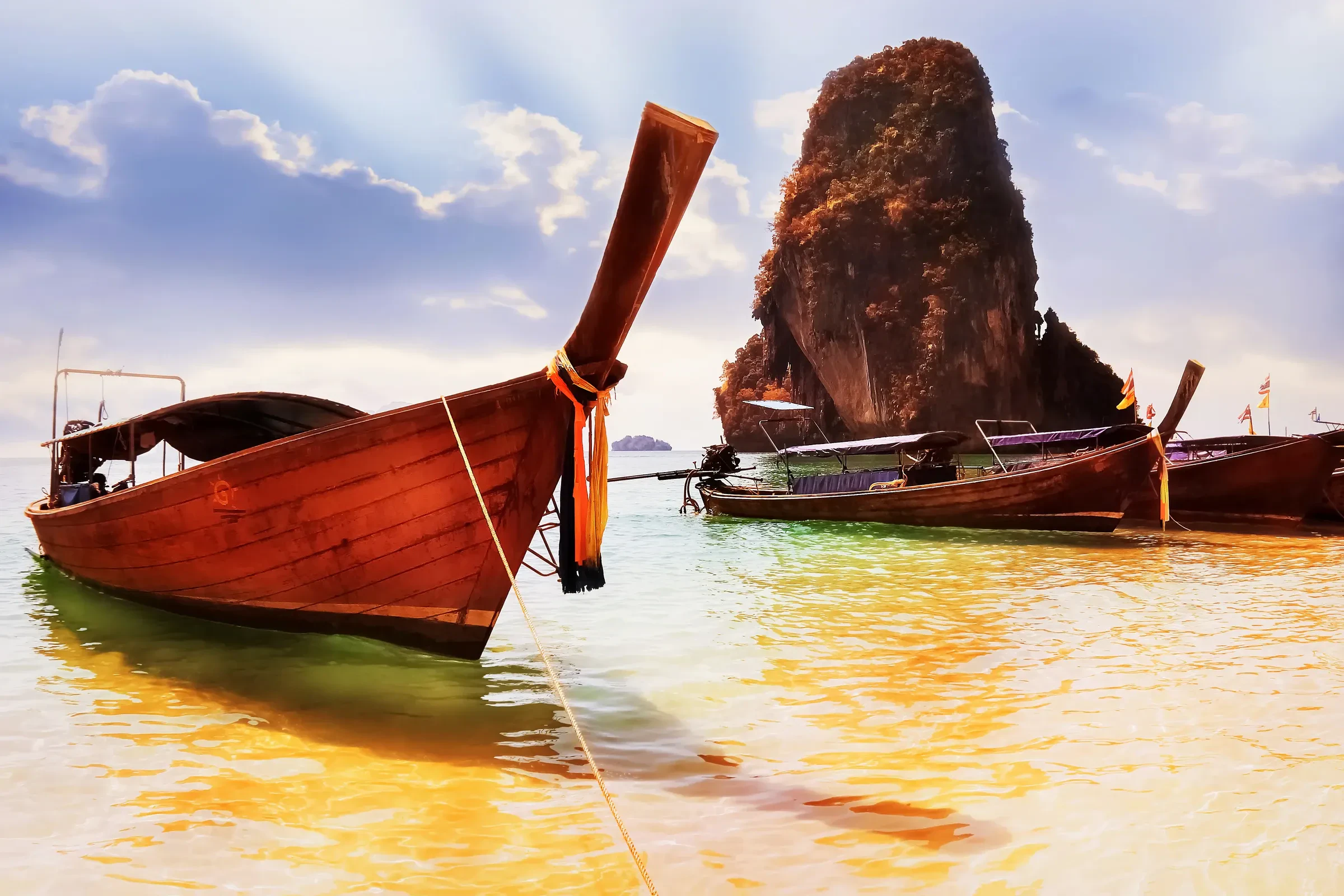
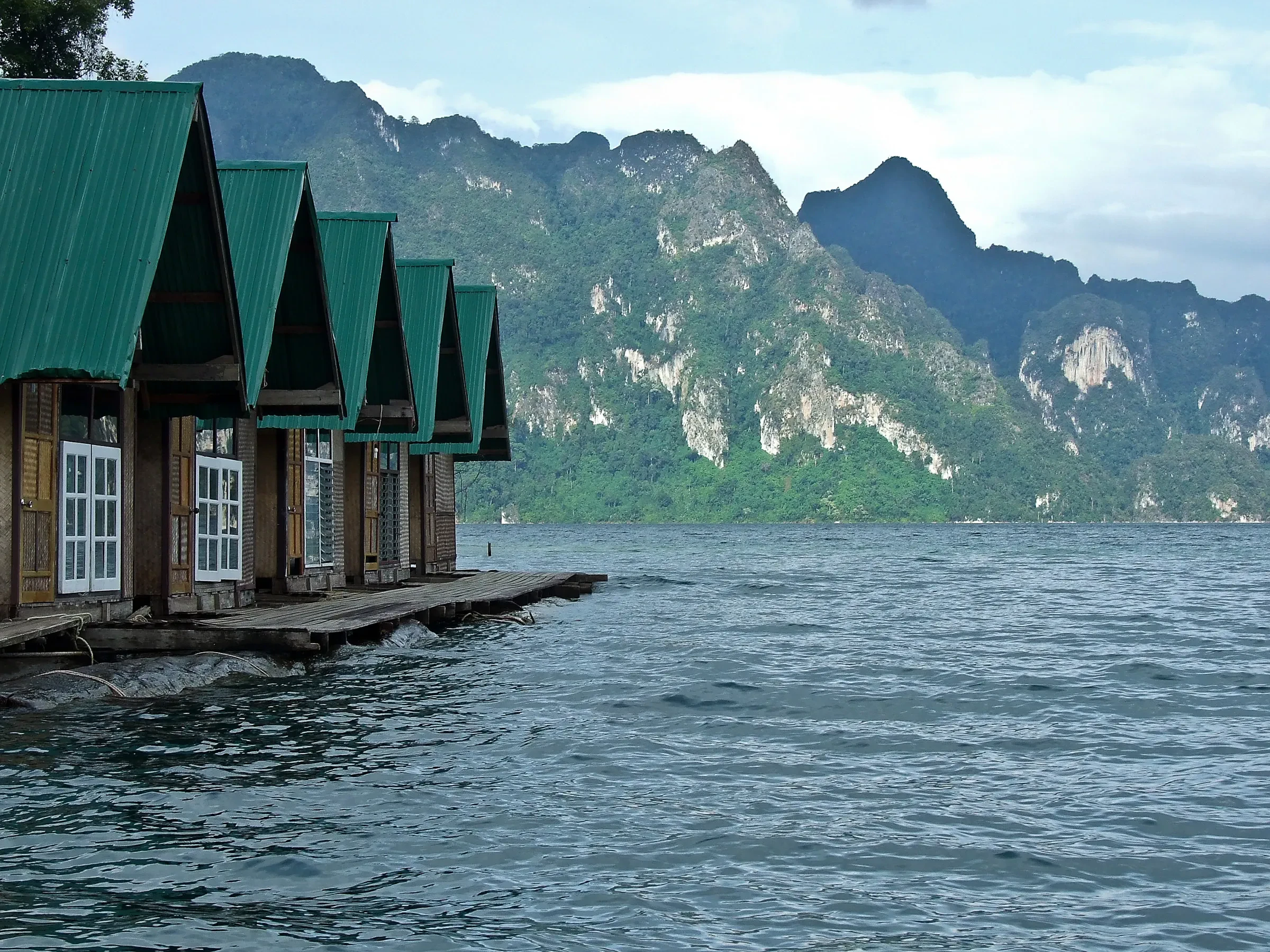
Railay and neighbouring Tonsai, reachable only by longtail boat from Ao Nang, carry some of the best-known limestone sport climbing in Asia. A half-day taster with gear and an instructor costs about 800 to 1,500 baht and needs no experience. Deep water soloing, climbing unroped over the sea from a longtail boat, is a Railay speciality if you can swim confidently. See the Krabi guide for Railay's climbing schools, or the Railay rock climbing trip if you want a full week built around it.
10. Maya Bay
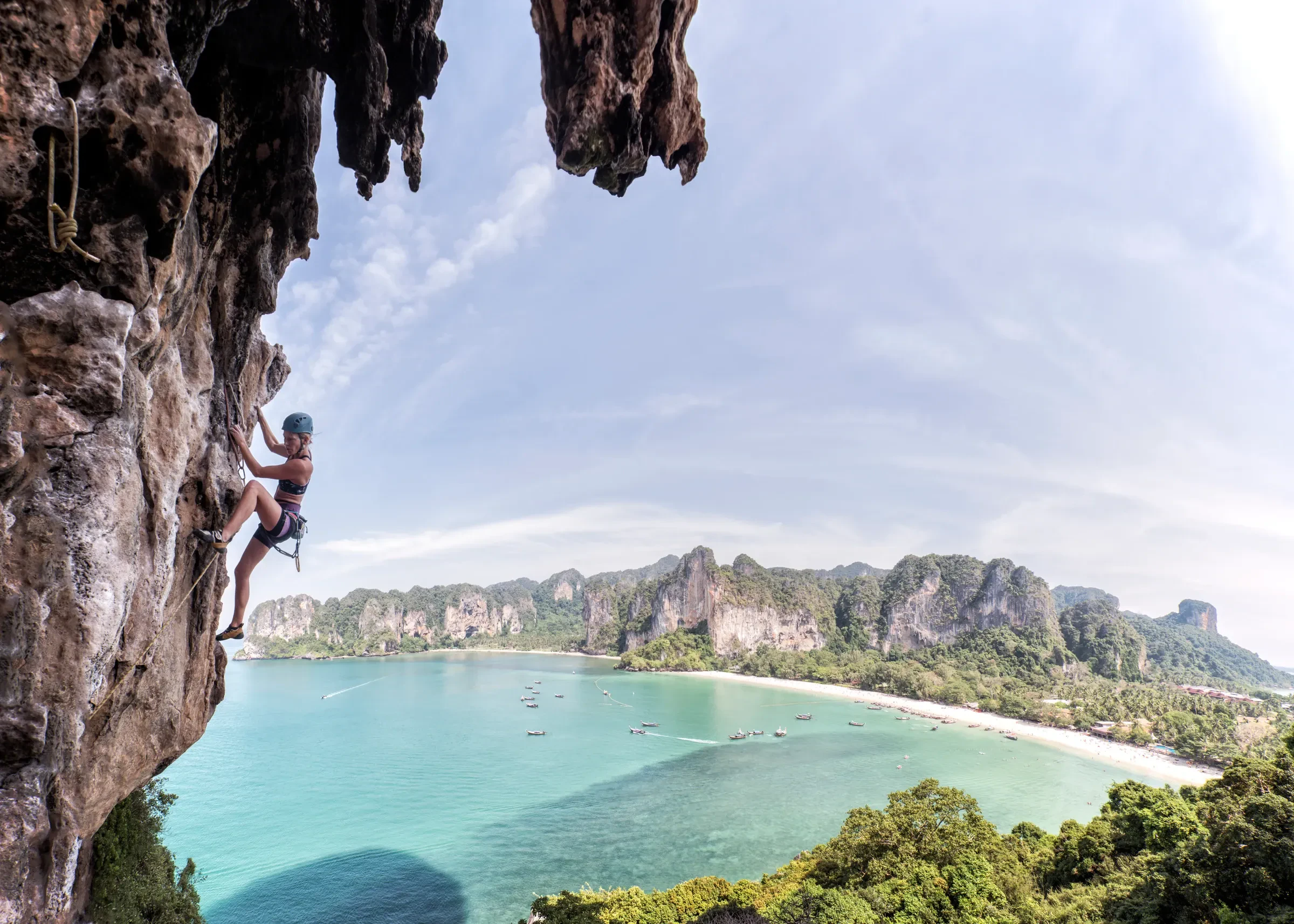
The cove from The Beach, on Koh Phi Phi Leh, now runs on booked, timed slots with a cap on numbers. Swimming has been banned since it reopened in 2022, boats moor at neighbouring Loh Samah Bay rather than in the bay itself, and it closes completely every year, currently from 1 August to 30 September, to let the coral recover. Most people see it as part of a half-day boat trip that also calls at Pileh Lagoon, which is still fine to swim in. The Koh Phi Phi guide covers how to book the slot and what else to see on the island.
11. The Full Moon Party
Once a month on Haad Rin Sunrise Beach, Koh Phangan, from about 9pm until after sunrise, entry costs a 200 baht wristband. The date moves when the full moon falls on a Buddhist holiday, so always check it about two months out. Full details, current dates and how to stay safe on the night are in the Full Moon Party guide.
12. Loy Krathong and Yi Peng
Loy Krathong, when people float candle-lit rafts on rivers and lakes across the country, falls on the full moon of the twelfth Thai lunar month. Chiang Mai celebrates it alongside Yi Peng, its own lantern festival. Hanging lanterns and parades happen freely around the city, but releasing a sky lantern within Chiang Mai itself is banned, with criminal penalties. The famous mass releases happen only at licensed, ticketed events outside the city. See the Loy Krathong guide and Yi Peng guide for exact dates and where to go.
13. Songkran
Thailand's water festival New Year runs 13 to 15 April every year, a fixed government date rather than a lunar one. Bangkok and Chiang Mai see the biggest water fights, though several towns run their own extra days either side of the main dates. Keep your phone in a waterproof pouch and stay off motorbikes for the three days. The Songkran guide has the regional dates and the rules.
14. A Muay Thai night
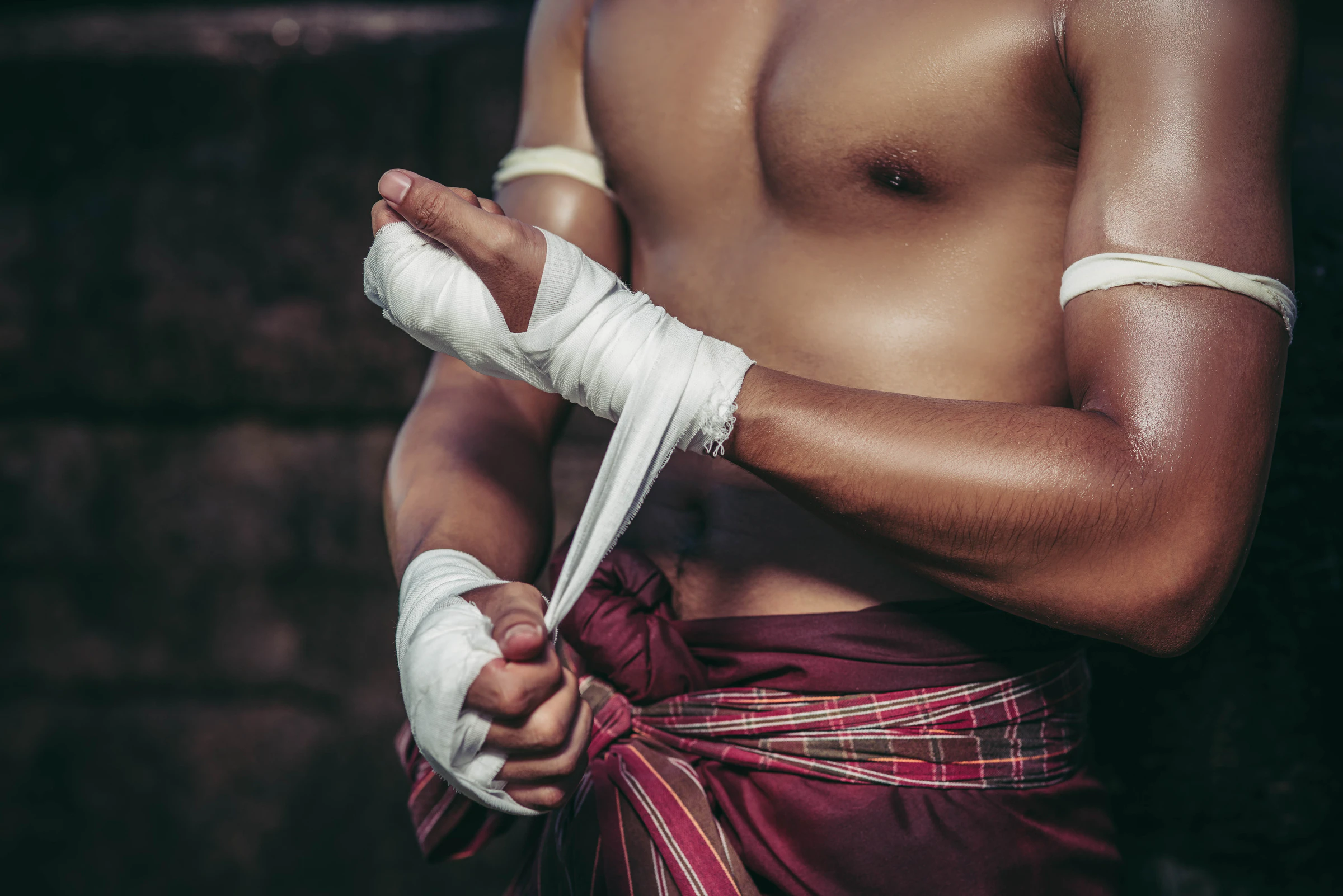
Watching a fight at Bangkok's Rajadamnern or Lumpinee stadium is one of the more memorable nights out in the city, with tickets starting at 1,500 baht at Rajadamnern. If you'd rather train than watch, our Muay Thai camp trip builds a Bangkok to Koh Phangan route around it. See things to do in Bangkok for how a fight night fits alongside the temples and Chinatown.
15. An ethical elephant sanctuary, not a riding camp
We don't recommend elephant riding. Choose a venue that doesn't offer it, and look through its own photos for saddles, chains or hooks before you book. Elephant Nature Park, the best-known rescue project near Chiang Mai, doesn't allow riding, and a single-day visit costs about 3,500 baht on its own site. ChangChill, in Mae Wang district, describes itself as an observation-focused venue with four resident elephants. Check its current programme and price when you book. World Animal Protection's assessment of 236 venues across Thailand, covering February 2024 to January 2025, found nearly two in three elephants in poor conditions and more than 40% still used for rides. A venue's actual policy matters more than the word "sanctuary". See things to do in Chiang Mai for the fuller list of venues.
All 15, at a glance
| Experience | Where | Typical cost |
|---|---|---|
| Temples and the river | Bangkok | 500 baht for the Grand Palace, 300 for Wat Pho, 200 for Wat Arun |
| Street food | Bangkok (Yaowarat, Victory Monument) | 10 to 80 baht a dish |
| Northern loop and a cooking class | Chiang Mai, Pai, Chiang Rai | 800 to 2,500 baht for the class |
| Mae Hong Son Loop | Chiang Mai, Pai, Mae Hong Son, Mae Sariang | Bike rental plus fuel; van or car if you don't hold a motorcycle licence and IDP |
| Ayutthaya and Sukhothai by bike | Day trips from Bangkok, or en route north | 80 to 300 baht in entry fees at Ayutthaya, about 50 to 100 baht a day for a bike |
| A raft house | Khao Sok, Cheow Lan Lake | Varies by raft house; usually includes a lake tour |
| Island hopping | Andaman coast or Gulf islands | Varies by ferry route and season |
| Diving | Koh Tao | 9,500 to 12,500 baht for PADI Open Water |
| Rock climbing | Railay, near Ao Nang | 800 to 1,500 baht for a half-day taster |
| Maya Bay | Koh Phi Phi Leh | Included in a Phi Phi boat trip; national park fee applies |
| Full Moon Party | Haad Rin, Koh Phangan | 200 baht entry wristband |
| Loy Krathong and Yi Peng | Chiang Mai, nationwide | Free to join; ticketed for the mass lantern release |
| Songkran | Bangkok, Chiang Mai, nationwide | Free to join |
| A Muay Thai night | Bangkok stadiums | From 1,500 baht at Rajadamnern |
| Ethical elephant sanctuary | Near Chiang Mai | About 3,500 baht for a day at Elephant Nature Park; check other venues' prices |
Planning notes
Seasons matter more here than in most countries, because Thailand's two island coasts have opposite weather: the Andaman side is calmest November to April, the Gulf side February to September, and the Full Moon Party runs year-round regardless. If you want both an island coast and the north on one trip, January to April is the window when the Andaman side, the Gulf side and the northern loop are all workable at once. The trade-off is smoke: the north gets hazy with agricultural burning from around February to April, so it's rarely a perfect window on all fronts (see best time to visit Thailand). Motorbike experiences, the Mae Hong Son Loop or renting a scooter anywhere, always need a motorcycle licence from home plus an International Driving Permit carrying the motorcycle category. Without both, book a van, a car or a pillion seat instead, since riding without the correct paperwork usually isn't covered by travel insurance either. For festivals, book lantern-release tickets and Full Moon Party accommodation as early as you can once dates are confirmed, since both sell out well ahead in high season.
Prefer to travel with a group?
If you'd rather have someone else handle the logistics, our Thailand group trips cover several of the experiences on this list, from the northern loop and an ethical elephant sanctuary to Khao Sok's raft houses, Railay's climbing and a Muay Thai camp on Koh Phangan.
Keep planning
For which regions and towns to base yourself in, see where to go in Thailand. For food beyond street stalls and cooking classes, see Thai food, region by region. For the full festival calendar, see festivals in Thailand, and for is-it-safe questions around some of these experiences, see is Thailand safe for solo female travellers.