Bangkok is Thailand's capital, a city of about 10 million people on the Chao Phraya River. Chiang Mai is the north's main city, about 700 km north of Bangkok, walled at its centre and a fraction of the size. Nearly every Thailand trip touches both: Bangkok for the arrival, the royal temples and Chinatown, Chiang Mai for the Old City, the mountains and the food that built its reputation.
Bangkok vs Chiang Mai at a glance
| Bangkok | Chiang Mai | |
|---|---|---|
| Cost per day | 800 to 1,300 baht | 700 to 1,200 baht |
| Best months | November to February | November to mid-February |
| Pace | Fast, dense, a proper megacity | Slower, walkable, a fraction of the size |
| Sights | Grand Palace, Wat Pho, Wat Arun | Old City temples, Doi Suthep |
| Food | Pad thai, tom yum, boat noodles, Chinatown street food | Khao soi, sai ua, khan tok dinners |
| Nightlife | Rooftop bars, Khao San Road, Sukhumvit and Silom | Night markets and low-key bars, much quieter |
| Day trips | Ayutthaya, Kanchanaburi, the floating markets | Doi Suthep, Chiang Rai, Pai (better as a stop than a day trip) |
| Getting around | BTS, MRT, river boats, Grab | Walking, songthaews, Grab |
| Ease for first-timers | Easy: signed transit, English widely spoken | Easy: small enough to walk most of it |
Pace
Bangkok moves fast. Traffic, a sprawling BTS and MRT network and street food at all hours mean there's always somewhere to be and a queue to join, which rewards a tight two or three days more than a slow wander. Chiang Mai is the opposite: the Old City is walkable in an afternoon, songthaews cover the rest, and the cafes in Nimman are built for sitting still. That change of pace is a big part of why people head north after Bangkok.
Winner: Chiang Mai, if you want to slow down; Bangkok, if you're short on time and want a lot packed in.
Sights and temples
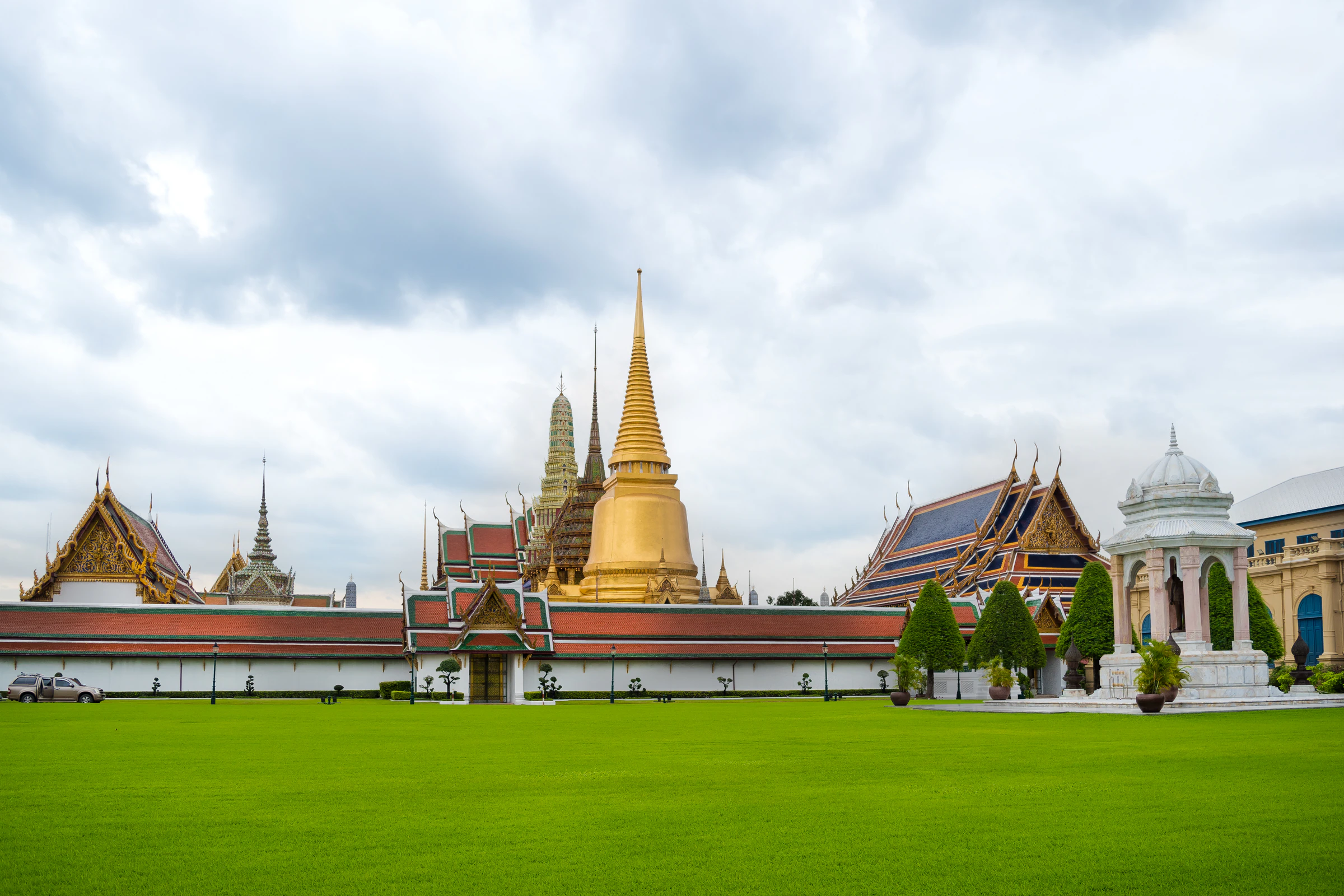
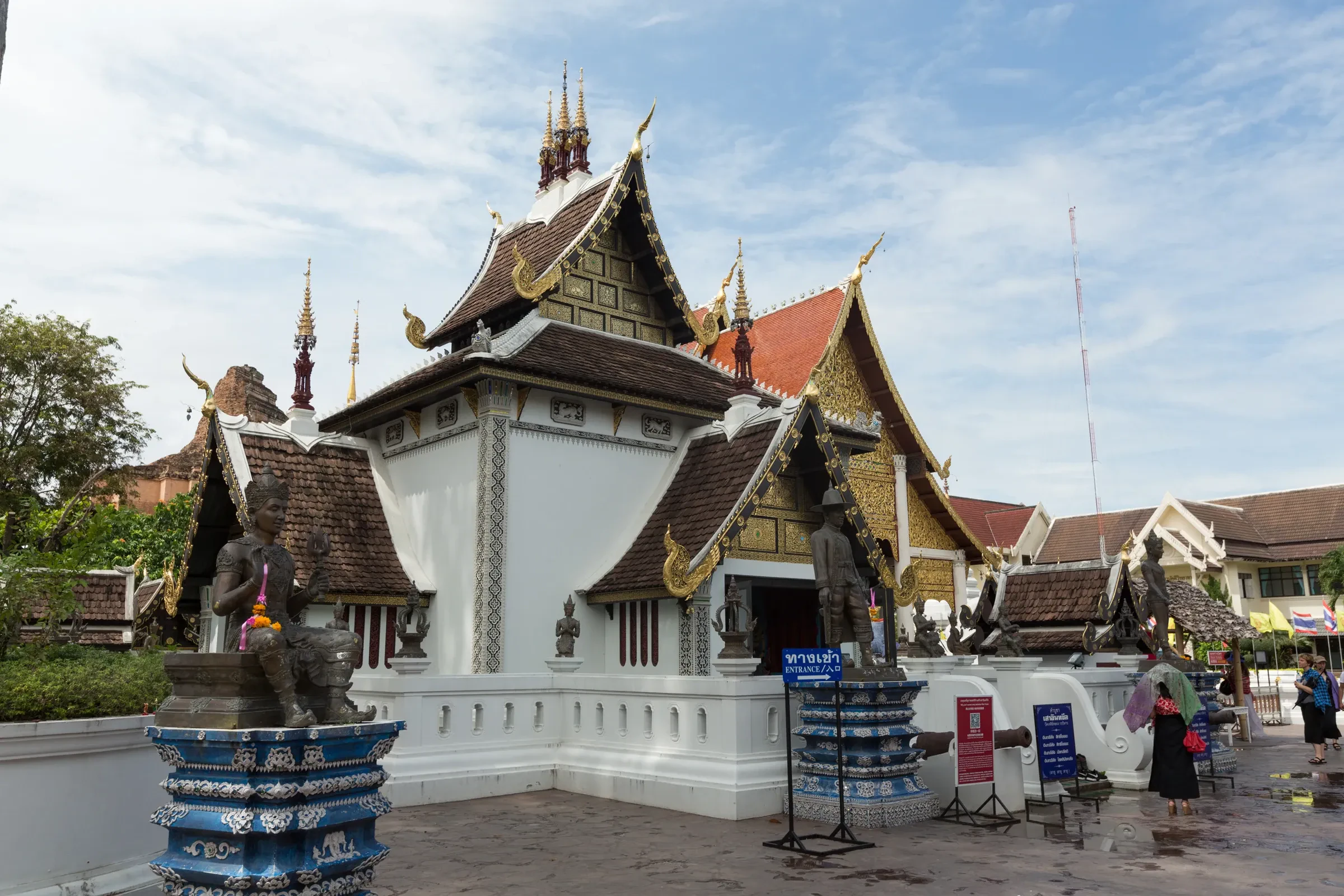
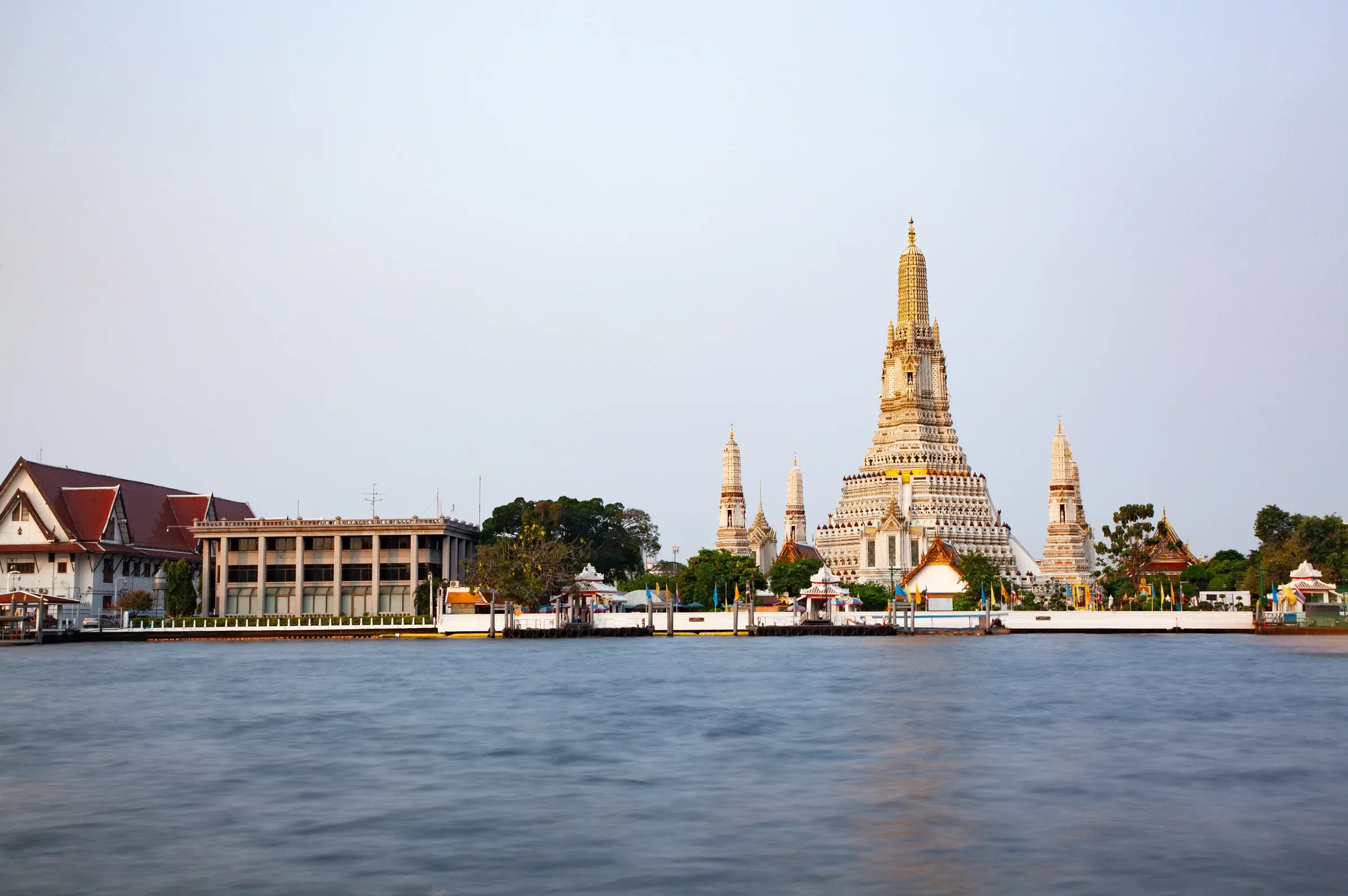
Bangkok's headline trio sits in the Old Town: the Grand Palace and Wat Phra Kaew (500 baht), Wat Pho's reclining Buddha (300 baht) and Wat Arun across the river (200 baht), all doable in a single morning with the Chao Phraya boats linking them. Our Bangkok things-to-do guide has the full list, including Chatuchak Weekend Market and Jim Thompson House. Chiang Mai's Old City packs in more temples over a smaller area, among them Wat Phra Singh and Wat Chiang Man, plus Wat Phra That Doi Suthep on the mountain above town. Bangkok's sights are grander and better known; Chiang Mai's are more numerous and closer together on foot. See our Chiang Mai things-to-do guide for the full list.
Winner: Bangkok, for the single biggest sights; Chiang Mai, for an easy morning of temple-hopping on foot.
Food
Bangkok is where Thailand's regional cooking meets in one city: pad thai, tom yum goong, boat noodles around Victory Monument, and Chinatown's Yaowarat Road for a full night of grazing. It's the easiest place to try a bit of everything before you specialise. Chiang Mai cooks with less coconut milk and more herbs: khao soi is the dish to chase from stall to stall, alongside sai ua sausage and a khan tok set dinner. Our Thailand food guide covers both regions dish by dish.
Winner: a tie. Go to Bangkok for range, Chiang Mai for depth in one style.

Nightlife
Bangkok has the country's biggest nightlife by a distance: rooftop bars over the skyline, Khao San Road's backpacker strip, and Sukhumvit and Silom for clubs and late bars. Chiang Mai's nights are built around its night markets instead, the Sunday Walking Street and the nightly Night Bazaar, with a smaller, calmer bar scene that mostly wraps up earlier than Bangkok's.
Winner: Bangkok, clearly, if nightlife is a priority.
Day trips
From Bangkok, Ayutthaya's brick temple ruins are an easy train ride away, Kanchanaburi covers the River Kwai and the Death Railway, and Amphawa is a calmer alternative to the touristy Damnoen Saduak floating market. From Chiang Mai, Doi Suthep and the Sticky Waterfall are half-day trips, and Chiang Rai's White Temple and Blue Temple make a long but doable day (11 to 13 hours, mostly in a van) or, better, a night away. Pai is really an onward stop rather than a day trip: the minivan alone takes about 3 to 4 hours each way over 762 bends.
Winner: Chiang Mai, for the sheer number of good day trips within reach; Bangkok's best day trip, Ayutthaya, is the easier win for a single spare day.
Cost
Chiang Mai and the north are the cheapest part of Thailand to travel through: our Thailand cost guide puts daily spend at 700 to 1,200 baht outside your bed, against 800 to 1,300 baht in Bangkok, mostly because Chiang Mai's food, activities and songthaew rides run a little cheaper than Bangkok's taxis and rooftop bars. A dorm bed in Chiang Mai starts from about 100 to 200 baht a night; Bangkok's cheapest dorms run from around 150 baht, but its social hostels with a pool climb toward 700 to 1,000 baht.
Winner: Chiang Mai, for the lower daily cost.

Weather and the north's burning season
Bangkok is hot all year, so its "best time" really means driest rather than cool: November to February brings highs around 32 to 34°C and little rain, April is the hottest month at around 36°C, and September and October are the wettest, with a real flood risk on low-lying streets. Chiang Mai's cool season, November to mid-February, is genuinely pleasant, with January averaging about 22°C. The one thing worth planning around is Chiang Mai's smoky season, about February to April and worst in March, when farm burning fills the valley with haze. In 2026, air quality hit an AQI of 231 on 2 April, and Chiang Mai, Lamphun and Phayao provinces were declared disaster zones on 4 April. Bangkok isn't affected by the northern burning season in the same way. See Chiang Mai's weather guide and Bangkok's weather guide for the month-by-month detail.
Winner: Bangkok, during the burning season (about February to April); otherwise a tie at November to February for both.
Getting between them
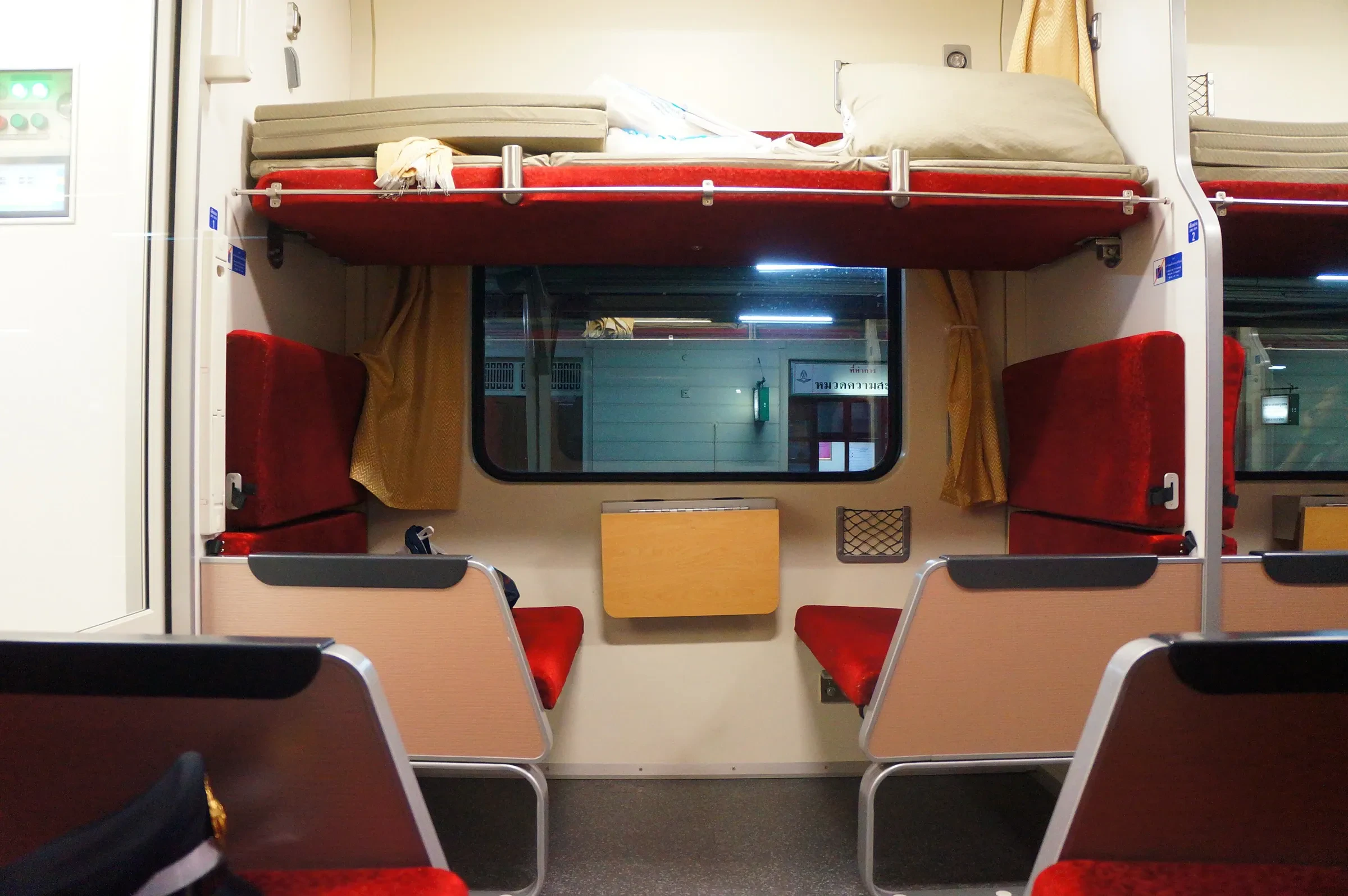
The overnight sleeper train is the classic route between the two. Special Express 9 leaves Bangkok's Krung Thep Aphiwat Central Terminal at 18:40 and is due into Chiang Mai around 07:15, often running 30 to 60 minutes late. A 2nd-class berth costs about 940 baht for an upper bunk and about 1,040 baht for a lower one, so check the current fare on the State Railway's D-Ticket site. Tickets go on sale up to 180 days ahead, and lower berths sell out fast. It saves a hotel night and puts you in Chiang Mai in time for breakfast.
Flying takes about 1 hour 15 minutes, with budget airlines using Don Mueang and full-service carriers using Suvarnabhumi, and flights through the day. Fares vary a lot: budget airlines are cheapest booked ahead, while full-service fares are several thousand baht (Thai Airways listed fares from about 2,500 baht in 2026).
The overnight VIP bus from Bangkok's Mo Chit terminal takes about 10 to 11 hours and costs about 500 to 900 baht, cheaper than the train, but less comfortable for an overnight ride.
Winner: the sleeper train, for the overnight save and the ride itself; fly instead if your schedule is tight.
Which should you choose?
| Traveller type | Choose Bangkok if... | Choose Chiang Mai if... |
|---|---|---|
| Short on time | You have 2 to 3 days and want the big sights fast | You'd rather spend a short trip somewhere slower and walkable |
| Budget-focused | You're happy trading a bit more cost for the transit network | You want the cheapest daily spend in the country |
| Nightlife matters | Rooftop bars and a proper club scene are part of the trip | You're happy with a quieter night market and an early finish |
| Travelling February to April | You want to avoid the smoke altogether | You're prepared to skip it and come back another season |
| First trip to Thailand | You want an easy, English-friendly introduction to the country | You want the north's temples and mountains first |
Why not both?
Almost everyone does. A week covers Bangkok for 2 nights, the overnight train north, and 3 nights in Chiang Mai, the shape of our 1-week Thailand itinerary. Ten days adds Pai; two weeks adds the Gulf islands after flying south from Chiang Mai, as in our 10-day and 2-week routes. Three weeks or a month gives room for Chiang Rai, Khao Sok or a second coast on top, covered in our 3-week and 1-month itineraries, or in the dedicated northern Thailand itinerary if you'd rather stay in the north the whole time.
Keep planning
Read the full Bangkok guide and Chiang Mai guide, or go deeper with things to do in Bangkok, things to do in Chiang Mai and the Thailand food guide. For the wider country, see the Thailand travel guide and Thailand cost guide.