Vietnam vs Thailand at a glance
| Vietnam | Thailand | |
|---|---|---|
| Cost per day | About US$30 to 40 including a dorm bed (400,000 to 600,000 dong for food and drinks alone) | About US$30 to 45 for food, drinks and local transport before your bed (1,000 to 1,500 baht), 20 to 40% more on the islands |
| Best months | No single dry season for the whole country; late February to May comes closest | Mid-December to about 20 February for the whole country |
| Flight time from the UK | Nonstop Heathrow to Hanoi or Ho Chi Minh City on Vietnam Airlines, about 11.5 to 12.5 hours | Nonstop to Bangkok, roughly 11 to 12 hours out |
| Flight time from the US | One nonstop, San Francisco to Ho Chi Minh City (about 16 hours, a few days a week); otherwise one stop | No nonstop; about 19.5 hours with one stop is the quickest |
| Flight time from Australia | Nonstop to Ho Chi Minh City from Sydney, Melbourne and Perth (about 6.5 hours from Perth) | Nonstop from Sydney, Melbourne and Perth: Perth about 7 hours, Sydney or Melbourne about 9.5 |
| Visa | Visa-free 45 days for UK, German, French, Spanish, Italian and Swedish passports; e-visa (US$25 to 50, up to 90 days) for the US, Canada, Australia, New Zealand, Ireland and India | Visa-free 30 days for the same passports since 15 September 2026, plus a free TDAC arrival card |
| Beaches and islands | A long coastline, but the best spots (Phu Quoc, Nha Trang, Mui Ne) are stops on a longer route, not a dense island chain | Two island coasts, the Gulf and the Andaman, close enough together to combine on one trip |
| Food | Pho, banh mi and a street food scene that changes noticeably region to region | Street food and night markets, easy to find and eat well almost anywhere |
| Culture and history | Imperial Hue, French colonial streets, war history in Hanoi and Ho Chi Minh City, hill-tribe villages near Sapa | Buddhist temples, royal palaces and hill-tribe villages, spread across a bigger network of cities |
| Nightlife | Real but calmer overall: Hanoi's Ta Hien beer corner, Ho Chi Minh City's Bui Vien walking street | A bigger part of the trip everywhere: Bangkok's bars, Chiang Mai's markets, Koh Phangan's parties |
| Adventure | The Ha Giang Loop's mountain passes, Phong Nha's cave country, trekking near Sapa | Diving at Koh Tao and the Similan Islands, island-hopping, less mountain trekking |
| Getting around | A long north to south shape: the Reunification train, sleeper buses and cheap domestic flights link the regions | Bangkok works as a hub, with quick flights, buses and ferries out to the north and both coasts |
| Solo-friendliness | Straightforward for solo and female travellers, according to official advice | One of the easier countries in Asia to travel alone, including for women |
Cost per day
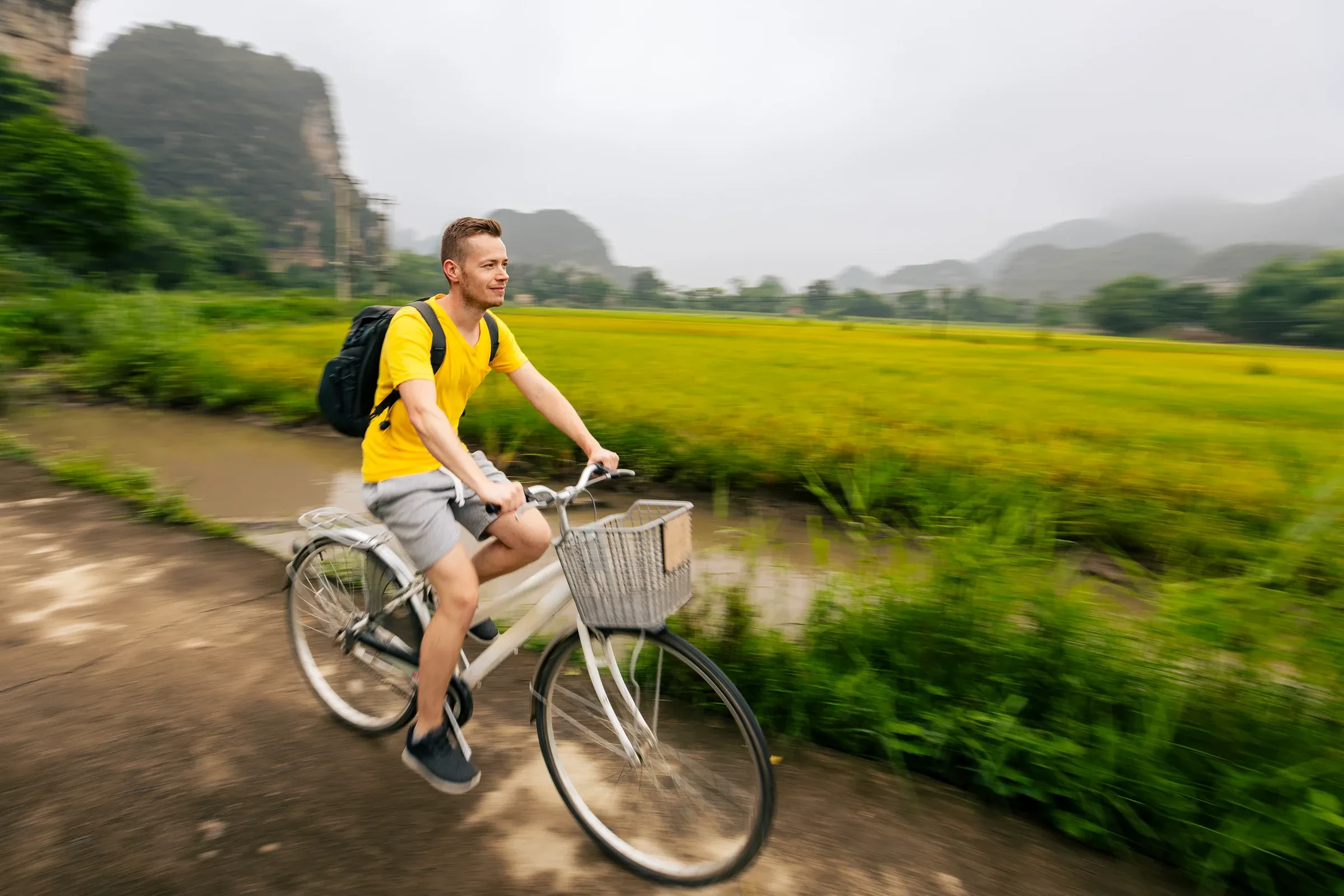
Vietnam looks a little cheaper day to day on our figures. Our Vietnam guide puts food and drink at about 400,000 to 600,000 dong a day (about US$15 to 23), and most backpackers at about US$30 to 40 a day including a dorm bed (Vietnam cost breakdown). Our Thailand guide puts food, drinks and local transport at 1,000 to 1,500 baht a day (about US$30 to 45) before your bed, with island stops costing 20 to 40% more than the mainland (Thailand cost guide). The two budgets are measured slightly differently, so treat the gap as rough. Neither country is expensive by global standards, and the gap matters less than how many islands or overnight trains you add to either route.
Winner: Vietnam, by a small margin.
Best months to go
Thailand has one clear window: mid-December to about 20 February, when the whole country is dry (Thailand best time guide). Vietnam doesn't have one answer, because it stretches across several climate zones: the north is at its clearest from October to November, the centre sees its rain and floods from about September to December, and the south is mostly dry from November to April. Late February to May is the closest thing to a compromise if you're covering the whole country in one trip (Vietnam best time guide).
Winner: Thailand, for a simple answer. Vietnam rewards planning your route around its regional seasons rather than picking one month for the whole country.
Visa and entry
Thailand is now the simpler visa on paper: 30 days visa-free since 15 September 2026 for the UK, US, Canada, Australia, New Zealand, Ireland, EU passports and India, plus a free TDAC arrival card filed online before you land (Thailand visa guide). Vietnam splits by passport: British, German, French, Spanish, Italian and Swedish citizens get 45 days visa-free for any purpose, longer than Thailand's exemption, while the US, Canada, Australia, New Zealand, Ireland and India need an e-visa (US$25 to 50, applied for only at evisa.gov.vn, up to 90 days) (Vietnam visa guide).
Winner: Depends on your passport. If yours is on Vietnam's 45-day list, Vietnam wins outright; otherwise Thailand's visa-free entry is the lighter admin.
Beaches and islands
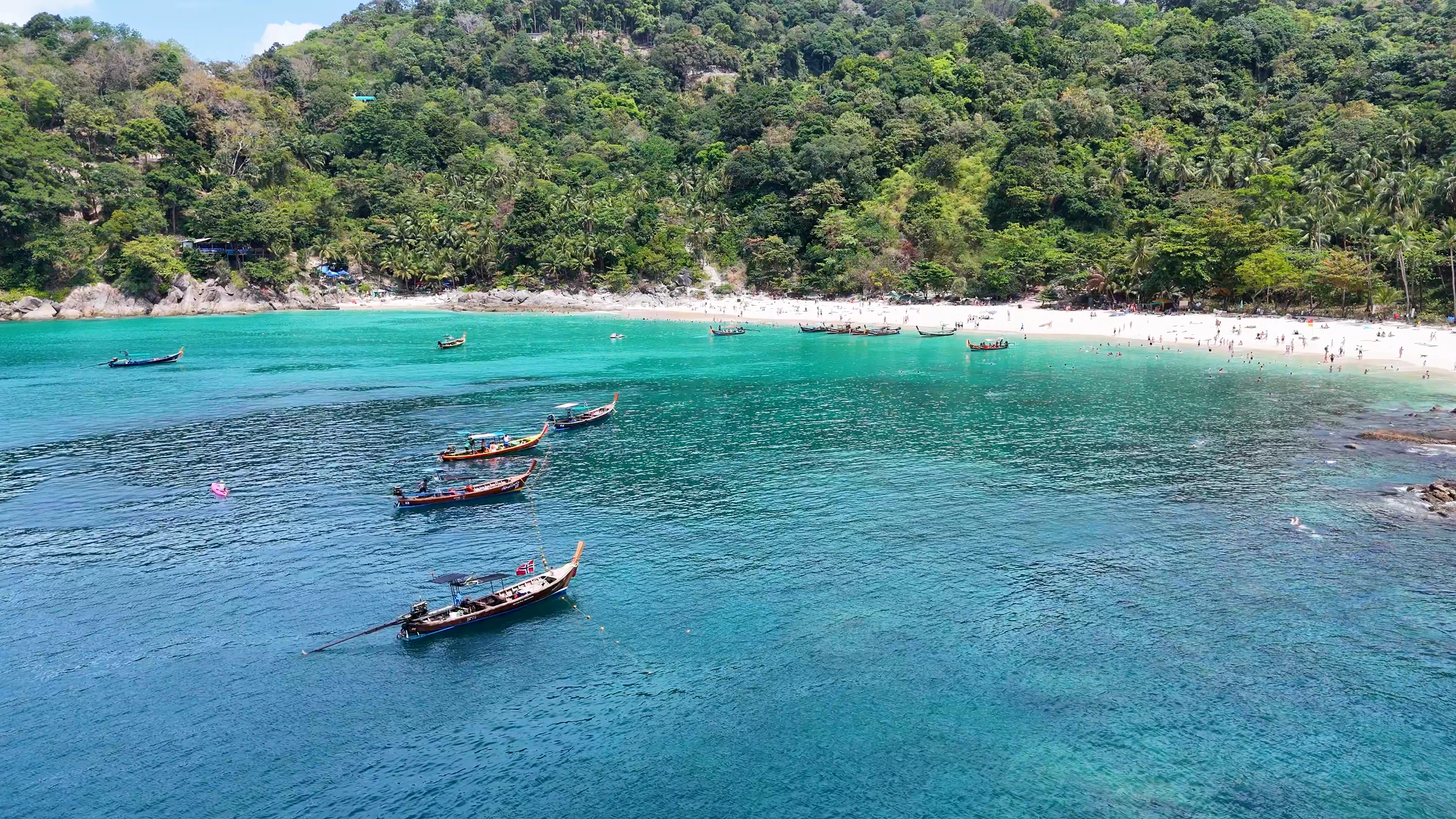
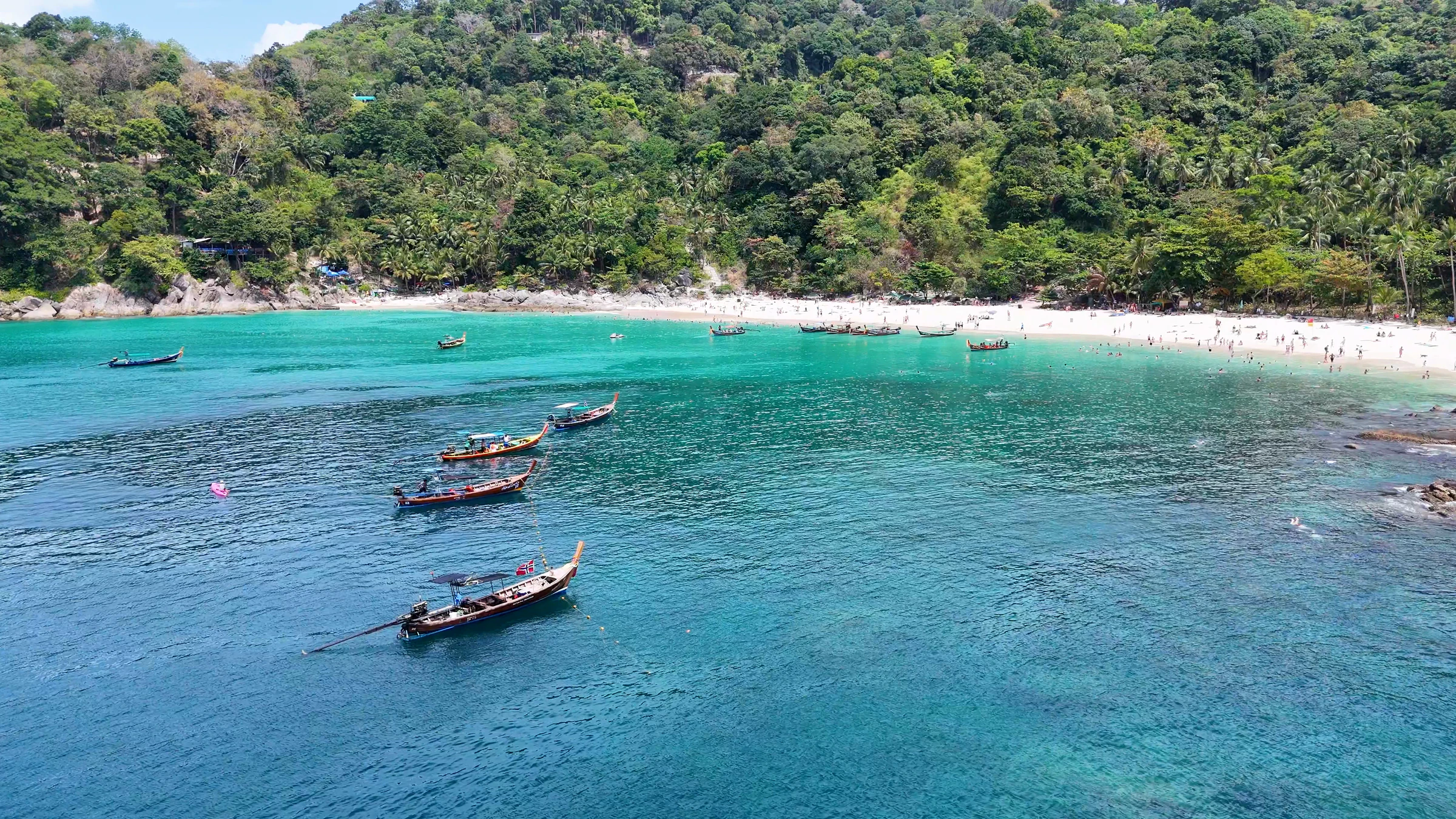
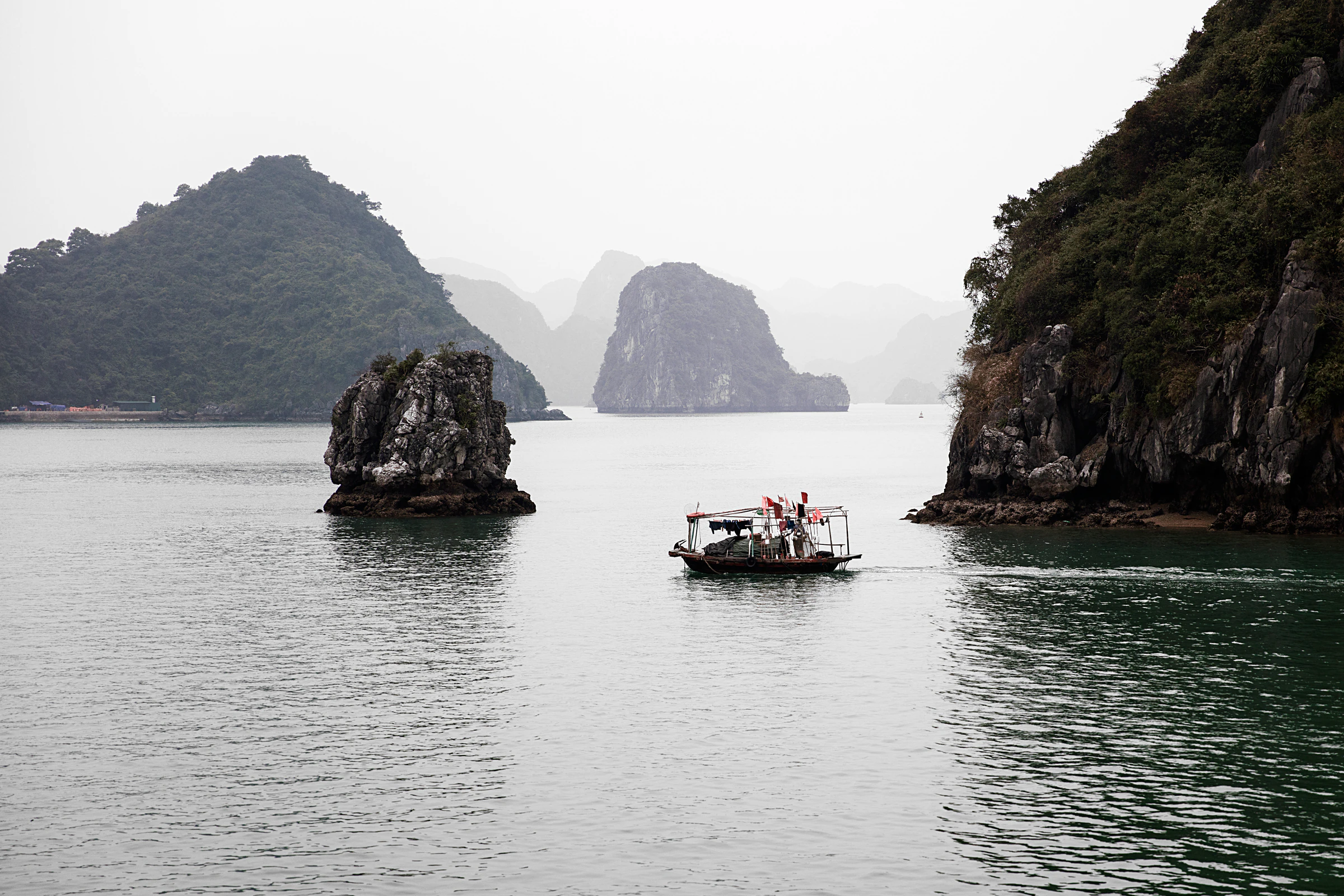
Thailand's two coastlines, the Gulf and the Andaman, hold a denser cluster of islands within easy reach of each other: Koh Samui, Koh Phangan and Koh Tao on one side, Phuket, Krabi and Phi Phi on the other. Vietnam's coastline is longer overall but its best beach stops, Phu Quoc, Nha Trang, Mui Ne and the karst-studded waters of Ha Long and Lan Ha Bay, sit further apart, so they read as stops on a longer route rather than a self-contained island-hopping leg.
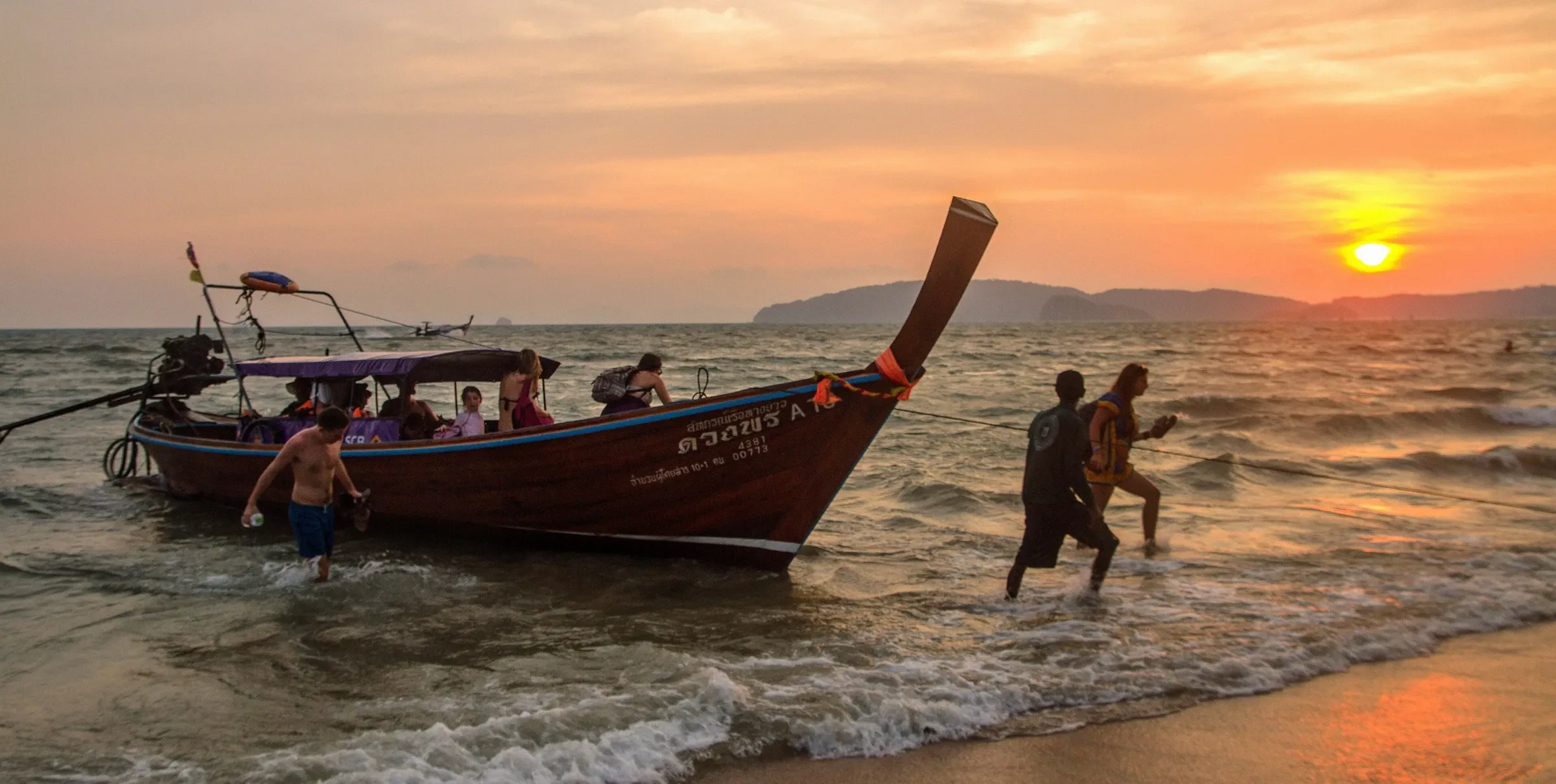
Winner: Thailand, for island-hopping in a short trip.
Food
Vietnamese food changes noticeably as you move: pho, bun cha and egg coffee in the north, bun bo Hue and imperial dishes in the centre, com tam and banh mi with sweeter flavours in the south (Vietnam food guide). Thai food is more consistent wherever you are, and street food and night markets make it easy to eat well without planning ahead.
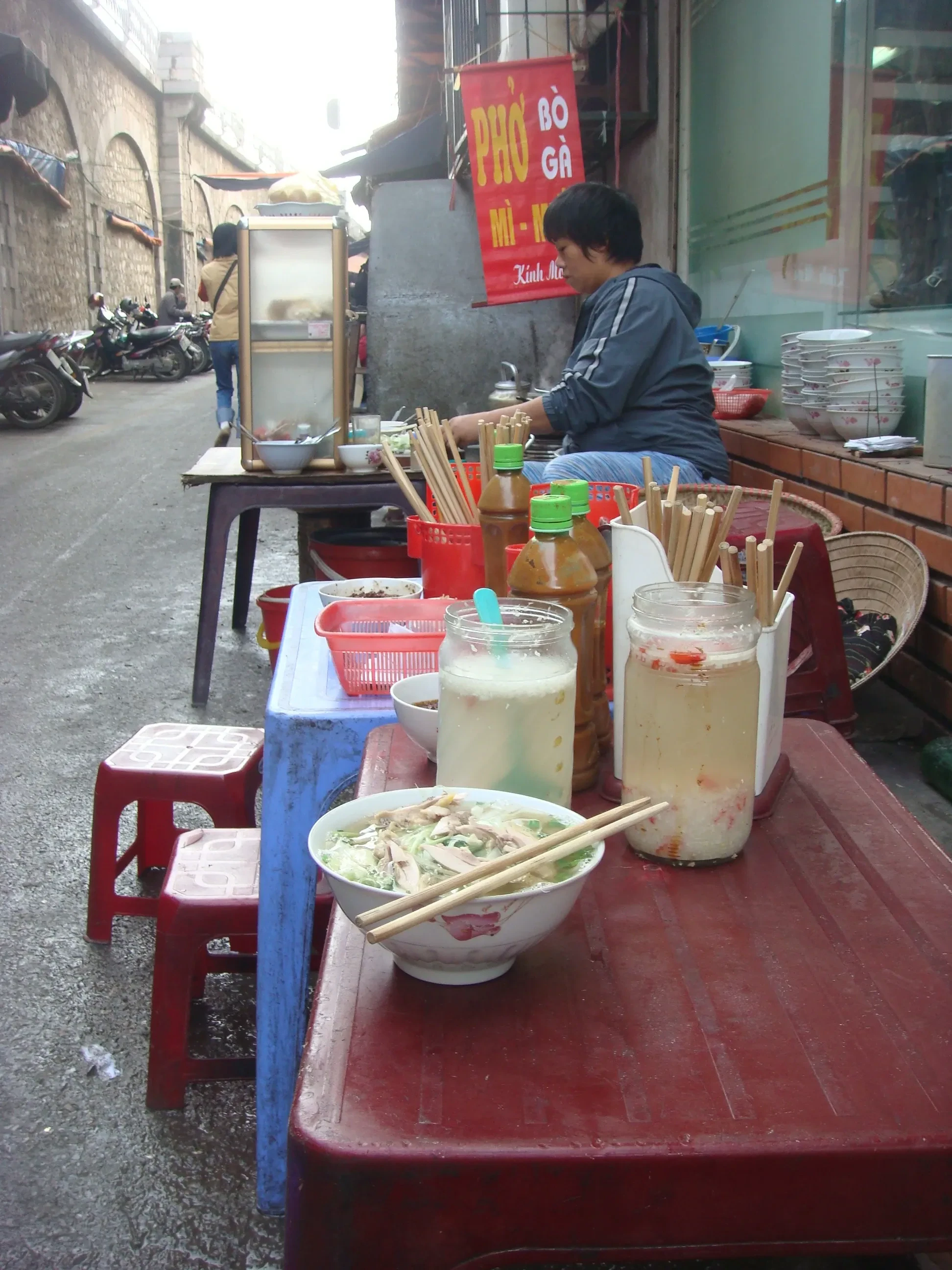
Winner: Tie. Vietnam rewards moving between regions; Thailand rewards not having to think about it.
Culture and history
Vietnam's history is closer to the surface: French colonial streets in Hanoi and Hoi An, the imperial capital at Hue, and war history sites in both Hanoi and Ho Chi Minh City that most visitors build a half day around. Thailand's culture centres more on its temples and royal history, spread across a bigger network of cities from Bangkok's Grand Palace to Chiang Mai's old town, plus hill-tribe villages in the north similar to those near Vietnam's Sapa.
Winner: Tie, on different strengths: Vietnam for 20th-century history, Thailand for temples and royal architecture.
Nightlife
Thailand's nightlife is bigger and spread across more of the trip: Bangkok's bars, Chiang Mai's night markets and Koh Phangan's parties all sit on the usual route. Vietnam has real nightlife too, Hanoi's Ta Hien beer corner and Ho Chi Minh City's Bui Vien walking street, but it winds down earlier and matters less to the overall shape of a trip.
Winner: Thailand.
Adventure
Vietnam's big adventure days are inland: the Ha Giang Loop's mountain passes by motorbike, Phong Nha's cave country, and trekking through Sapa's rice terraces. Thailand's adventure leans towards the water: diving at Koh Tao, one of the world's busiest certification spots, and at the Similan Islands on the Andaman side, plus general island-hopping (Thailand diving guide).
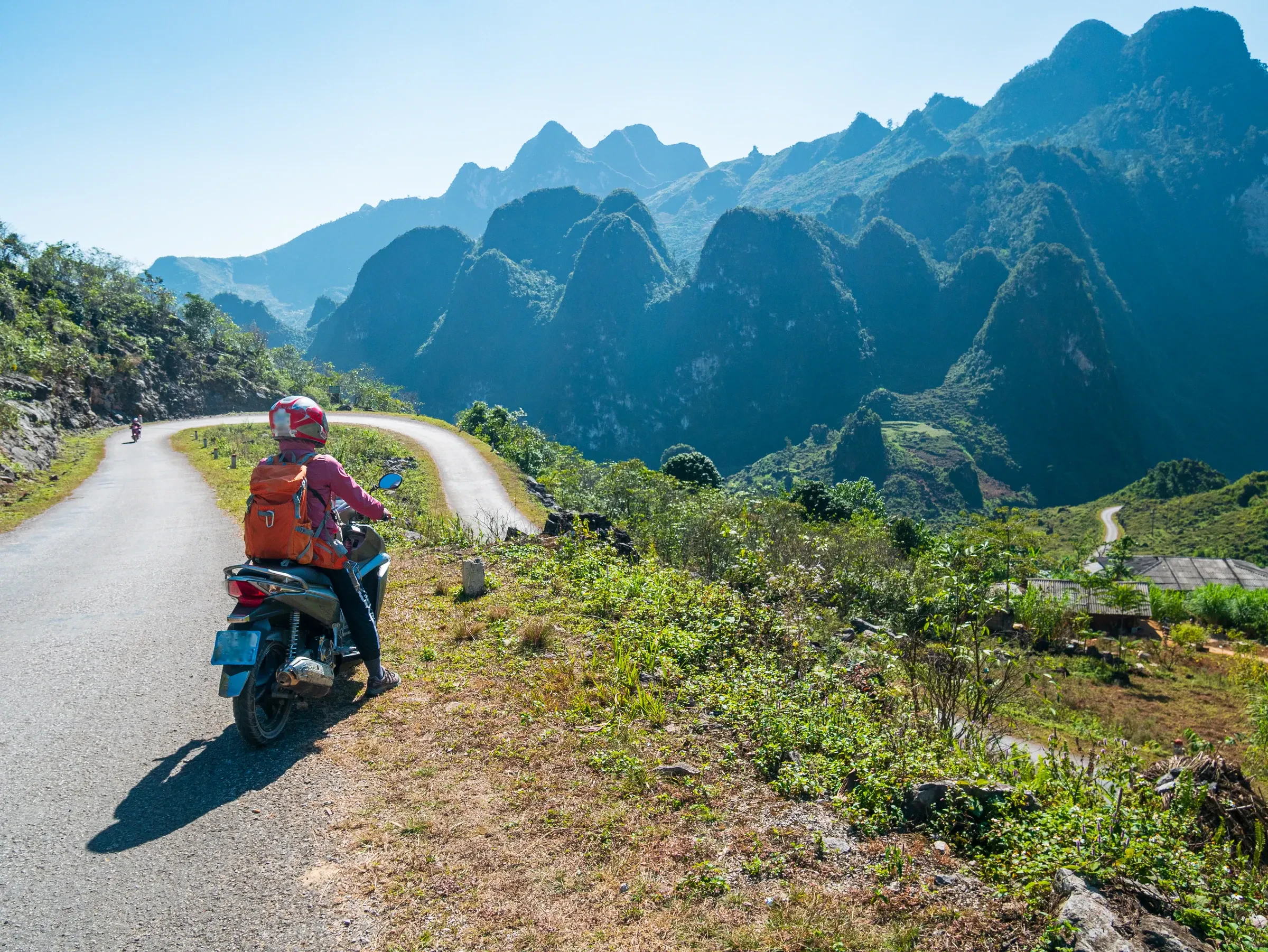
Winner: Tie. Choose Vietnam for mountains and caves, Thailand for diving and islands.
Getting around
Vietnam's shape decides your route: it's a long, narrow country running north to south, so most trips move in one direction, linked by the Reunification train, sleeper buses and cheap domestic flights between the main hubs. Thailand works more like a hub and spokes: Bangkok connects by quick flights, buses and ferries to Chiang Mai in the north and both island coasts, so it's easier to build a shorter loop without one long overland leg.
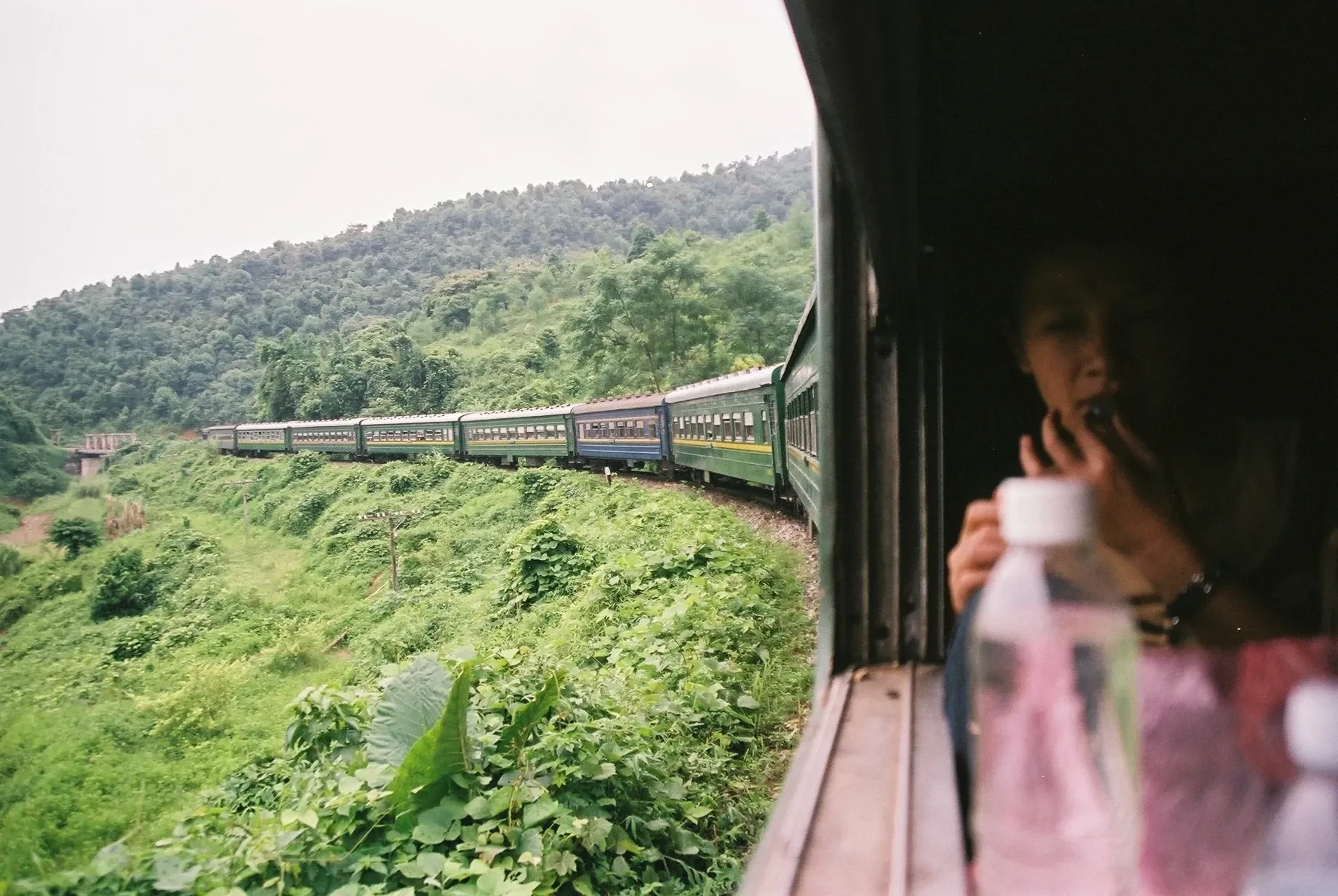
Winner: Thailand, for a shorter trip. Vietnam's shape suits a longer one better.
Solo-friendliness
Both countries are easy to travel alone. Official advice for Vietnam points to everyday risks like drink spiking and motorbike theft rather than anything more serious, and the same goes for Thailand, where the main practical risks are scooters and, on full moon nights, drink spiking (Vietnam safety guide, Thailand safety guide). Both have busy backpacker and hostel scenes that make it easy to meet other solo travellers.
Winner: Tie.
Which should you choose?
| Choose Vietnam if | Choose Thailand if |
|---|---|
| You have 2 weeks or more and want range in one country | You have 1 to 2 weeks and want a tighter, simpler route |
| Your passport gets 45 days visa-free (UK, Germany, France, Spain, Italy, Sweden) | You want the simplest visa-free entry regardless of passport |
| You want mountains, caves and rice terraces alongside beaches | You want islands and diving to be the centre of the trip |
| You want a first taste of Vietnam's war and colonial history | You want temples, royal history and a bigger nightlife scene |
Why not both?
Plenty of people do both, since a short flight links them and there's no need to choose. A 3-week route works well: start in Bangkok, take the overnight train to Chiang Mai, fly south to Koh Phangan for a few island days, then fly on to Hanoi for Ha Long or Lan Ha Bay, Ninh Binh and Hue, finishing in Hoi An or Ho Chi Minh City. Our Thailand and Vietnam trip follows a version of this route over 21 days.