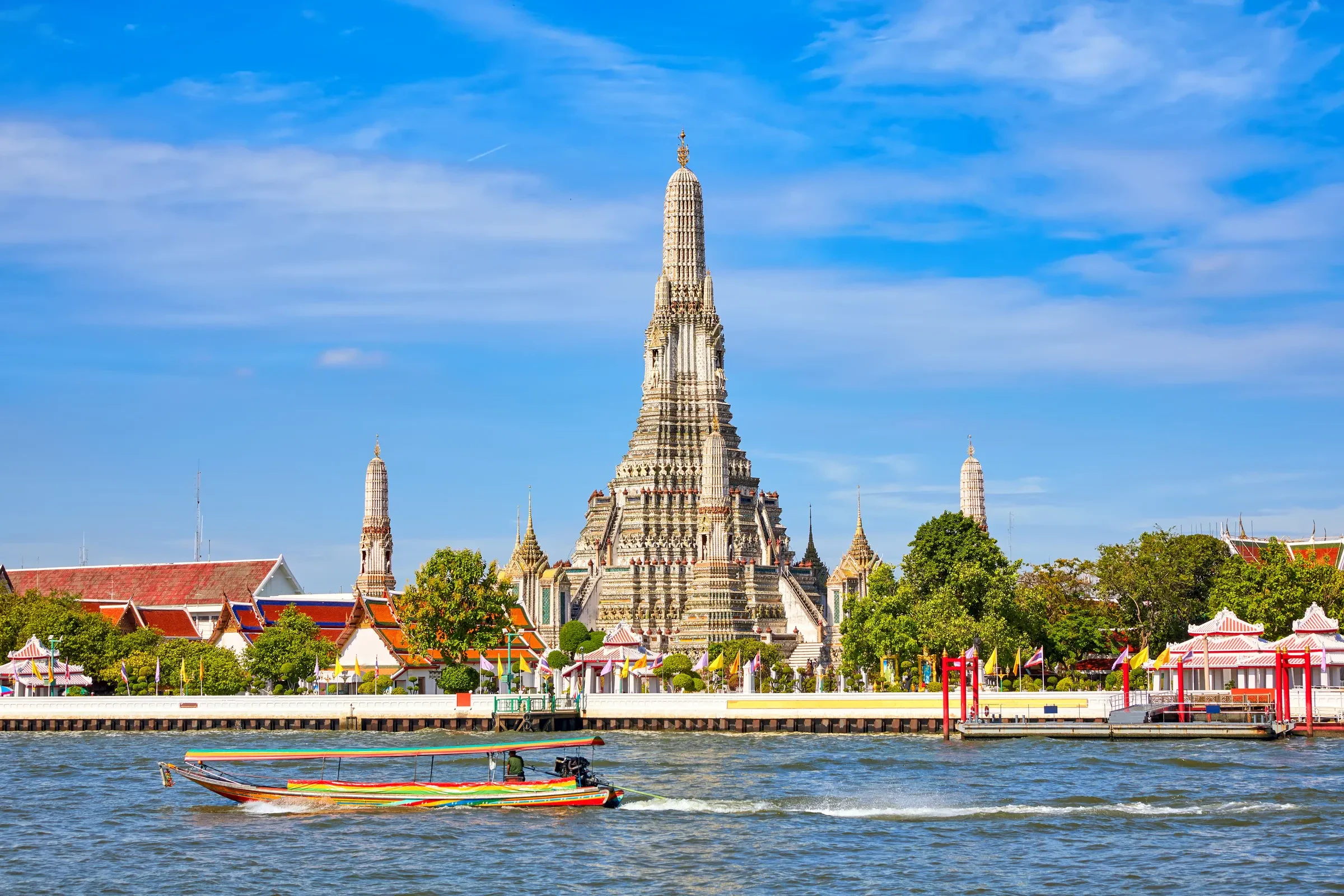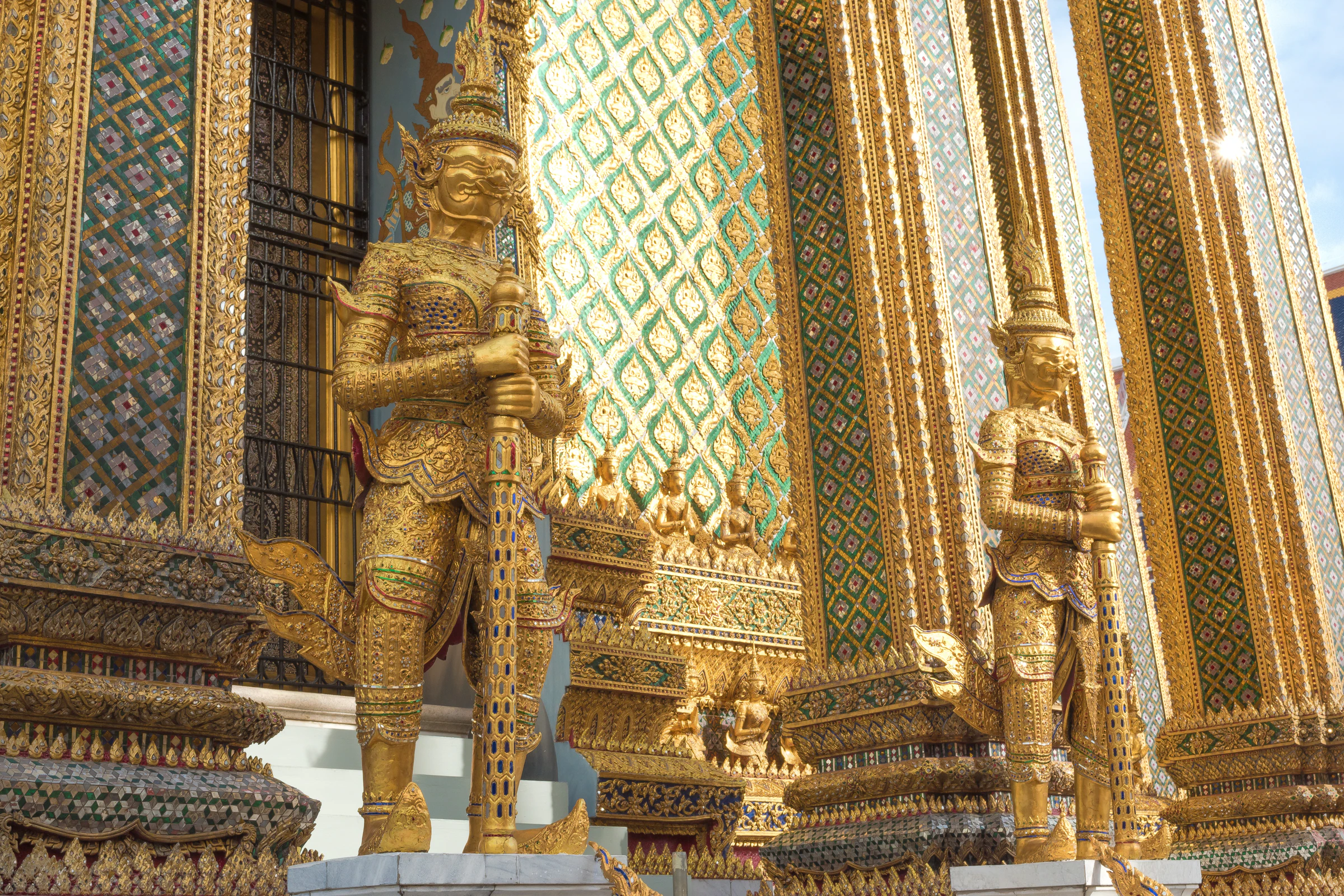
Phuket packs more into one base than almost anywhere else on Thailand's Andaman coast: its own beaches, an old trading-port town, and a pier that piles on boat trips to Phang Nga Bay, Koh Phi Phi and the Similan Islands. That's also why it splits opinion. Some of the criticism, aimed squarely at full-volume Patong, is fair. The rest is easy to miss if you only pass through on the way to Krabi or Koh Lanta. Here's what's actually worth your time, where to find it and what it costs. For which area to base yourself in, see the Phuket travel guide; for the weather, see the best time to visit.
1. The beaches: Kata, Karon, Kata Noi, Nai Harn and Freedom Beach
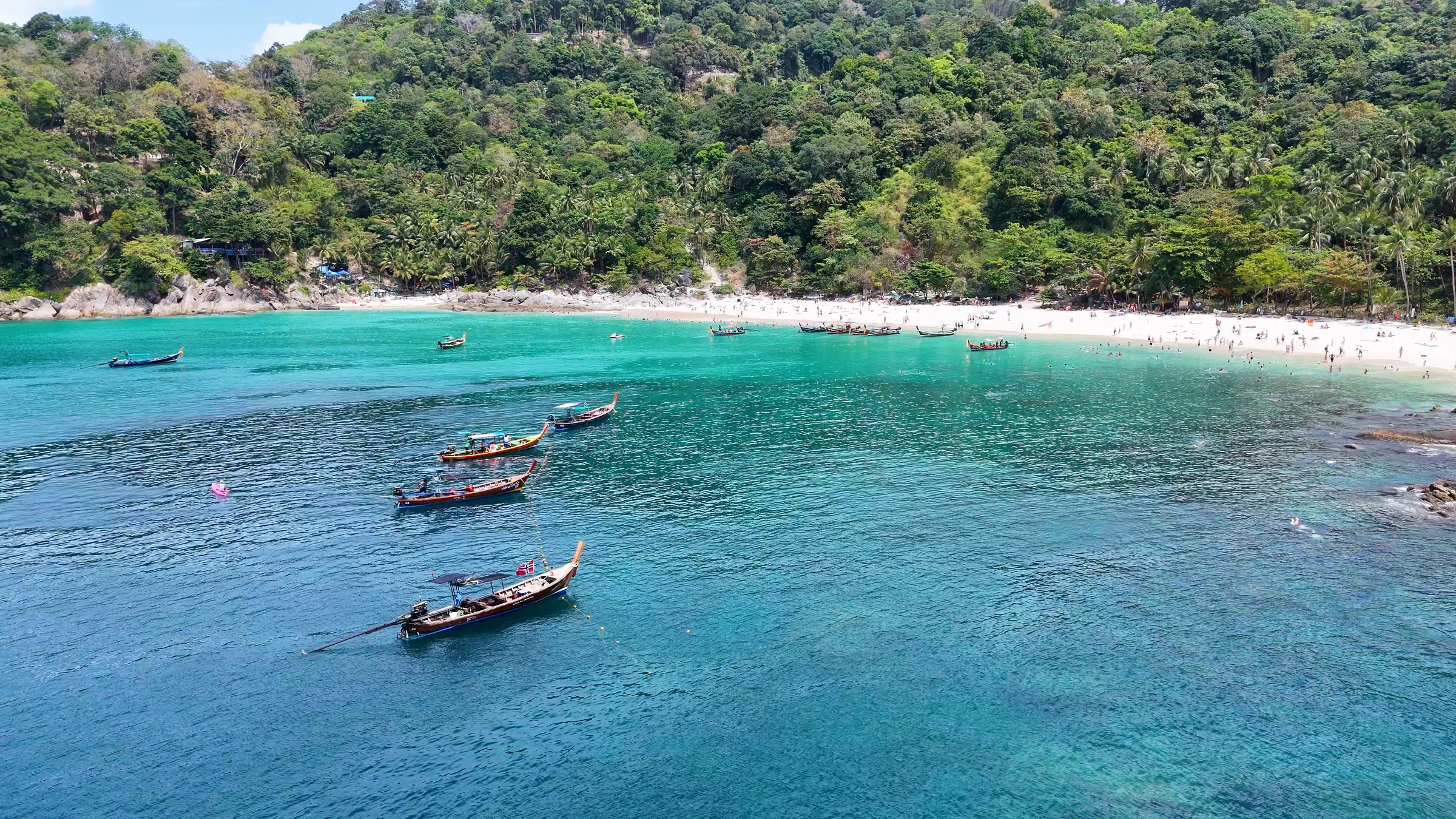
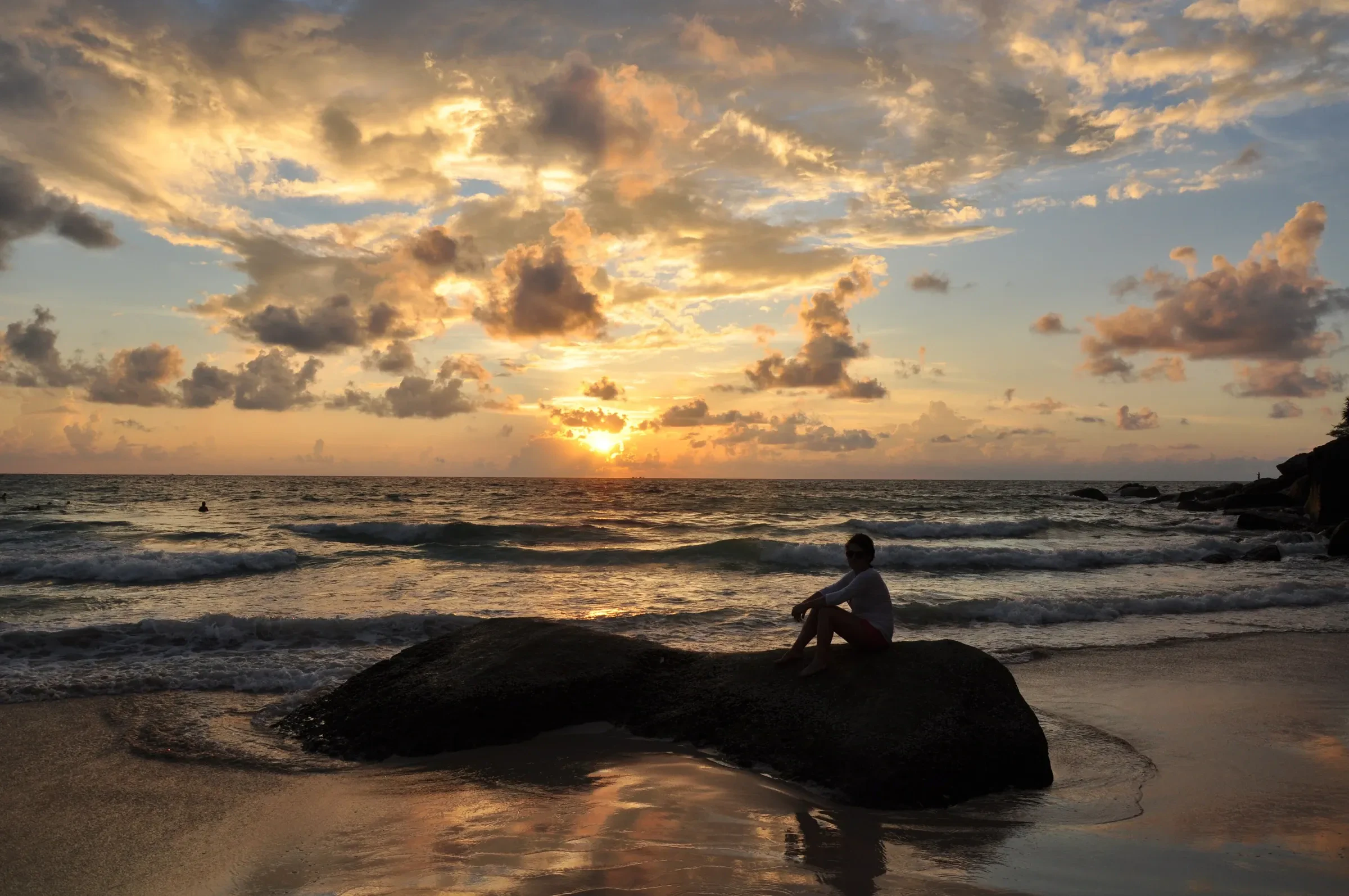
Phuket's west coast is a run of beaches, and each one has its own character. Kata is a compact resort town with an easy walk to the sand, calmer than Patong without feeling remote. Karon, next door, is quieter still and has one of the island's longest stretches of sand. Kata Noi, a short walk south of Kata over a headland, is smaller and less built-up, a good pick for an afternoon away from the crowds. Nai Harn, further south near Promthep Cape, stays quiet because the beachfront belongs to a monastery, so nothing new gets built on it: expect soft white sand, clear water and a mix of locals, divers and long-stay expats rather than day-trip crowds. Freedom Beach, tucked below a headland south of Patong, has no road in. You reach it by a 10-minute longtail boat from Patong (about 1,200 to 1,500 baht return, shared or negotiated with the boatman) or a steep hiking trail (200 baht entry), and there's no dock, so you wade the last few metres in. Boats mostly run from December to May; outside that, swells make the crossing unreliable.
And Patong, honestly: it's Phuket's busiest beach and its nightlife centre, built around Bangla Road's bars, clubs and touts. The beach itself is unremarkable next to Kata or Karon, and it's louder and pushier than either. If nightlife on your doorstep is the plan, it delivers. If you want a beach to actually relax on, base in Kata or Karon and treat Patong as a night out rather than somewhere to stay.
2. Phuket Old Town and the Sunday Walking Street
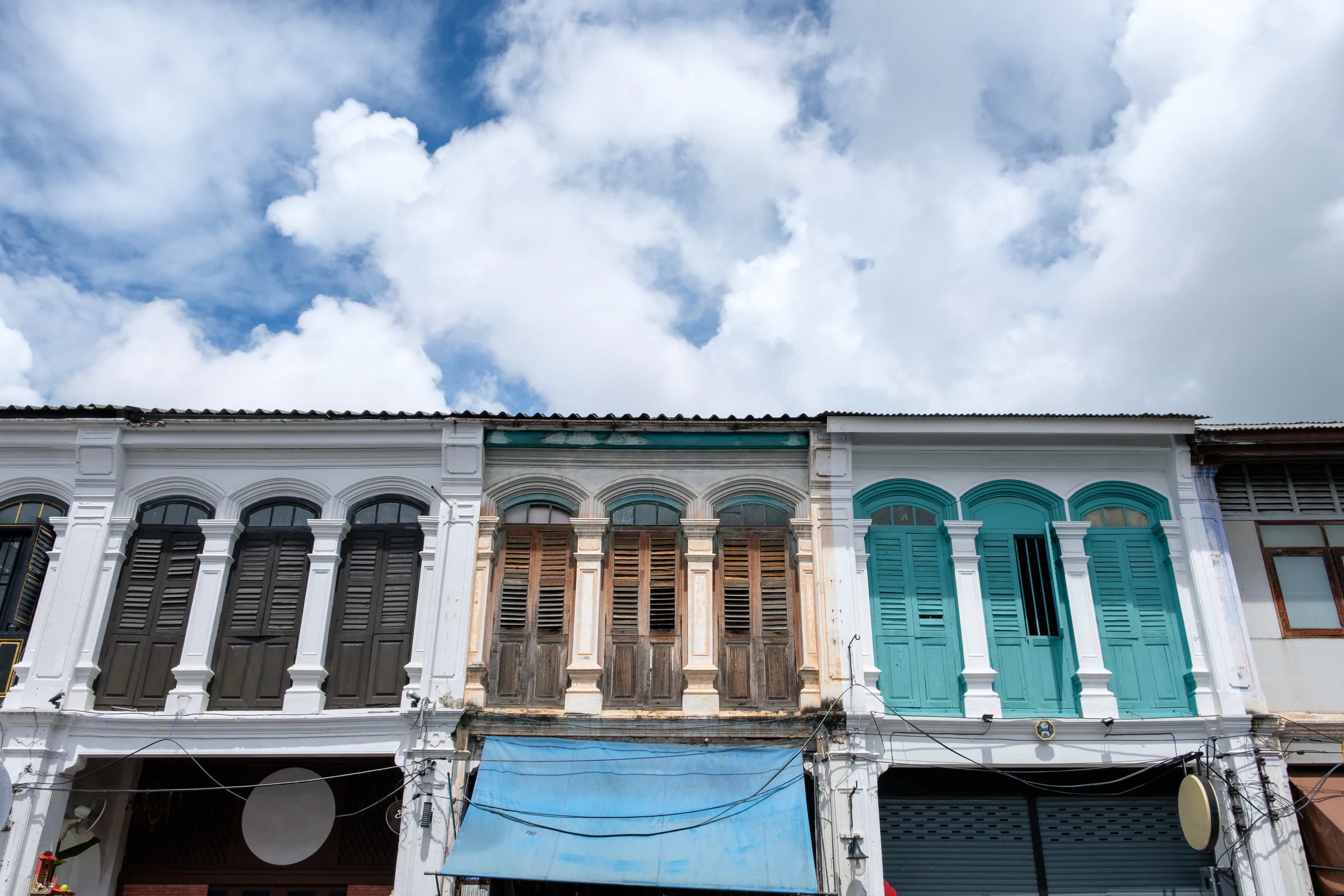
Inland from the beaches, Old Phuket Town is a grid of Sino-Portuguese shophouses left over from the island's tin-mining boom, their facades painted in faded pastels around covered arcades and old trading-house courtyards. It's worth an evening on its own, and especially the Sunday Walking Street market on Thalang Road, running from about 4pm to 10pm with street food stalls and local crafts under the lit-up shophouses. Try moo hong, a Phuket-style braised pork dish that traces back to the town's Hokkien mining community, from one of the market's food stalls. Old Town has no cover charge; budget for food and drink as you go.
3. The Big Buddha
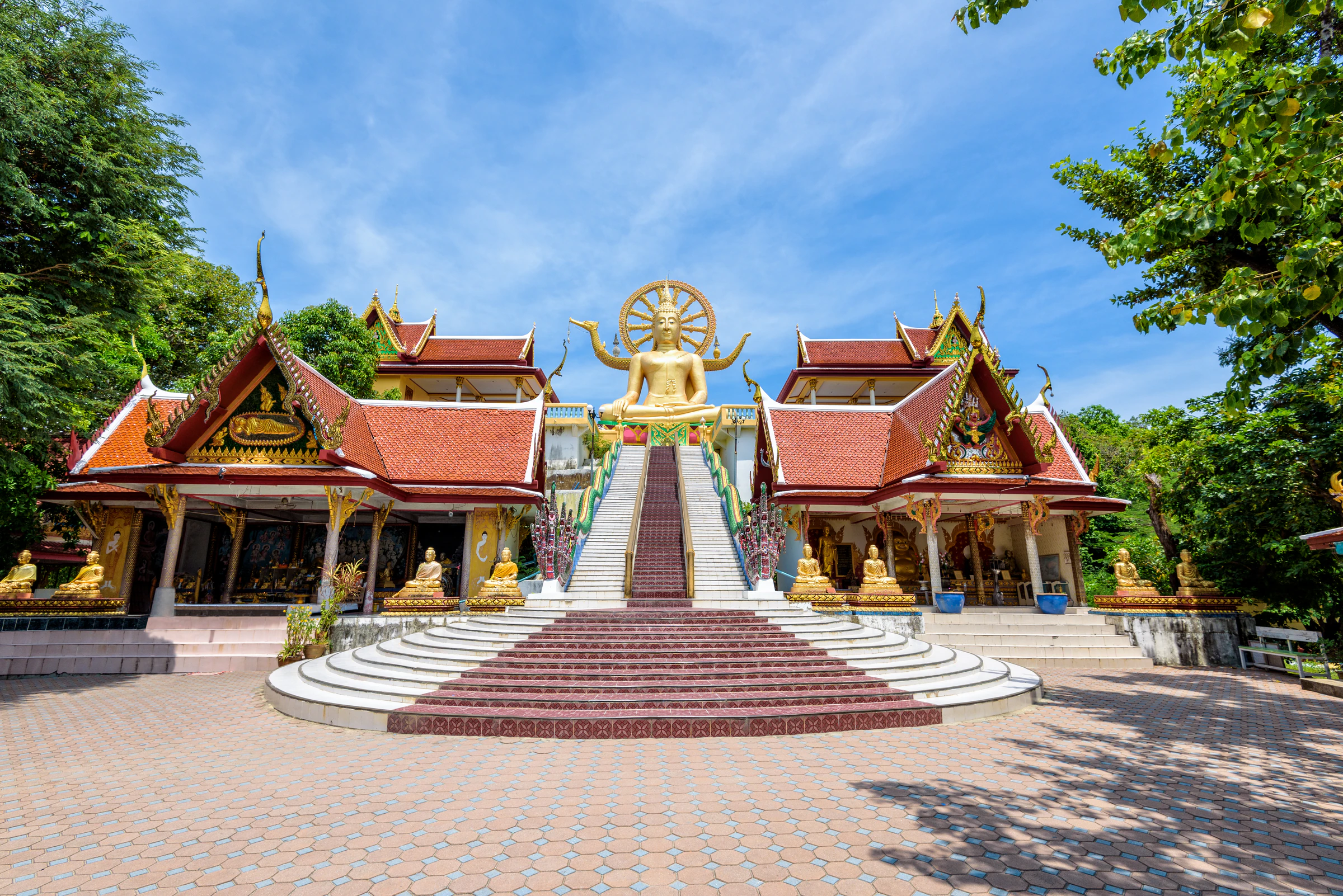
At 45 metres tall on a hilltop above Chalong, the Big Buddha (Phra Phutta Ming Mongkol Akenakiri) is one of the tallest Buddha statues in Thailand and visible from much of the south of the island. Entry is free. The site reopened on 3 March 2026 after being closed since the August 2024 landslide on Nakkerd Hill, and it's listed as open daily from 9am to 6pm, with last entry at 5:30pm. Access has changed several times since 2024, so check the same-day status before you make a special trip, especially in heavy rain. Most people arrive by Grab, Bolt or rental scooter via the steep final climb off West Chaofa Road; there's no public bus to the top. Strong walkers can hike up from Patak Road in Karon in about an hour. Cover your shoulders and knees, as at any Buddhist site, and allow 45 minutes to an hour, including the views back over the island.
4. Promthep Cape at sunset
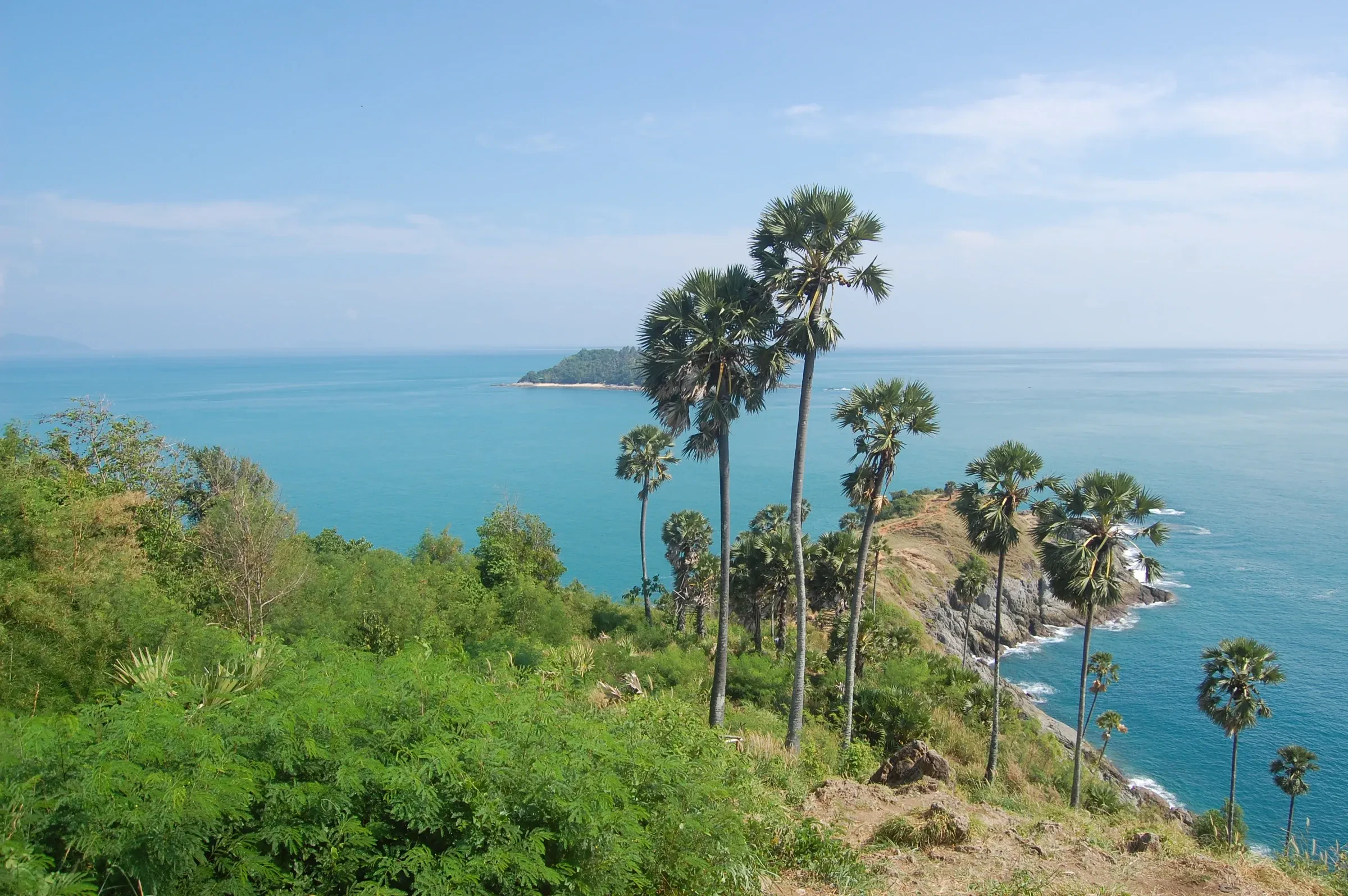
Phuket's southernmost point, near Nai Harn and Rawai, is the island's best-known sunset spot. The white Kanchanaphisek Lighthouse at the top has a small free museum with old navigation instruments and a staircase up to a viewing gallery, and a shrine surrounded by elephant statues sits nearby under the trees. It's free to visit. Arrive at least 45 minutes before sunset in December to February to get a spot on the upper platform before the crowd of tripods fills in; outside peak season it's less of a scramble. Allow 30 minutes to an hour.
5. Phang Nga Bay and James Bond Island
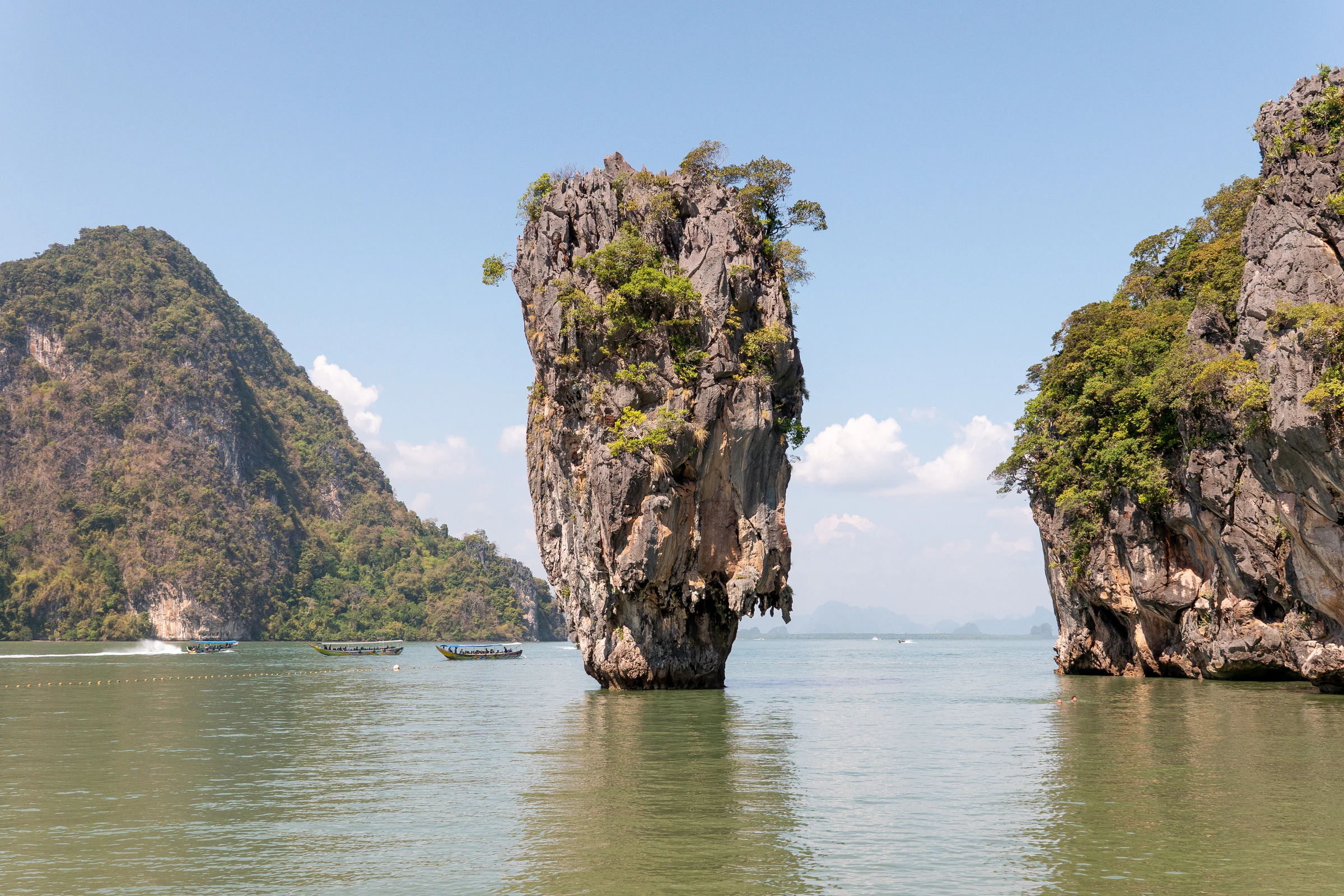
A full-day boat trip out of Phuket runs through Phang Nga Bay's limestone karsts, past the tilted rock spire of Ko Khao Phing Kan, better known as James Bond Island after the 1974 film, with sea kayaking through half-submerged caves and a lunch stop at Koh Panyi, a Muslim fishing village built entirely on stilts. Tours run 8 to 10 hours door to door and cost from about 1,200 baht on a shared big boat up to 4,500 baht for a private speedboat, most including hotel transfers, kayaking, an English-speaking guide and lunch. Book the day before in high season; it's a popular trip and boats fill up.
6. A day trip to Koh Phi Phi
Speedboats to the Phi Phi islands, including Maya Bay, leave from Phuket's piers, with the crossing taking about 45 minutes to an hour each way and a full day, door to door, running 7 to 8 hours. Public ferries from Rassada Pier take about 1 to 2 hours. Group tours with lunch start from around 1,600 baht on a budget boat, up to 3,000 to 4,000 baht for a more comfortable speedboat, on top of the Mu Ko Phi Phi National Park fee (listed at 400 baht for a foreign adult). Maya Bay itself has had a cap on visitor numbers since it reopened in 2022. Boats no longer anchor on the beach, and swimming in the bay isn't allowed, so visitors stay in knee-deep water. The bay closes every year for a coral and reef-shark recovery programme. In 2026 that ran from 1 August to 30 September, and it reopened on 1 October. The dates can shift slightly from year to year. If you'd rather stay a night or two than rush back for the last boat, the Koh Phi Phi guide has the detail, and the Andaman coast itinerary covers it as one stop in a longer route through Krabi and Koh Lanta.
7. The Similan Islands, in season
The Similan Islands are a national park of granite islands about 60 to 65 km northwest of Phuket, known for clear water and some of Thailand's best diving. The park closes for the monsoon every year, and the 2026 closure ran from 16 May to 15 October, so this one only works outside the monsoon. The park sets its own dates, so check the opening date before you book. Most boats leave from a pier near Khao Lak, itself about two hours or more from Phuket by road, so a Similan day trip runs long: expect to be travelling or on the water for most of the day. A two-dive day trip from Phuket costs from about 4,900 baht plus a 700 baht park fee; a snorkelling or sightseeing day trip runs at a similar price. Given the distance, divers who want more time often book a multi-day liveaboard out of Phuket or Khao Lak instead of a single long day trip.
8. Diving Phuket's own reefs
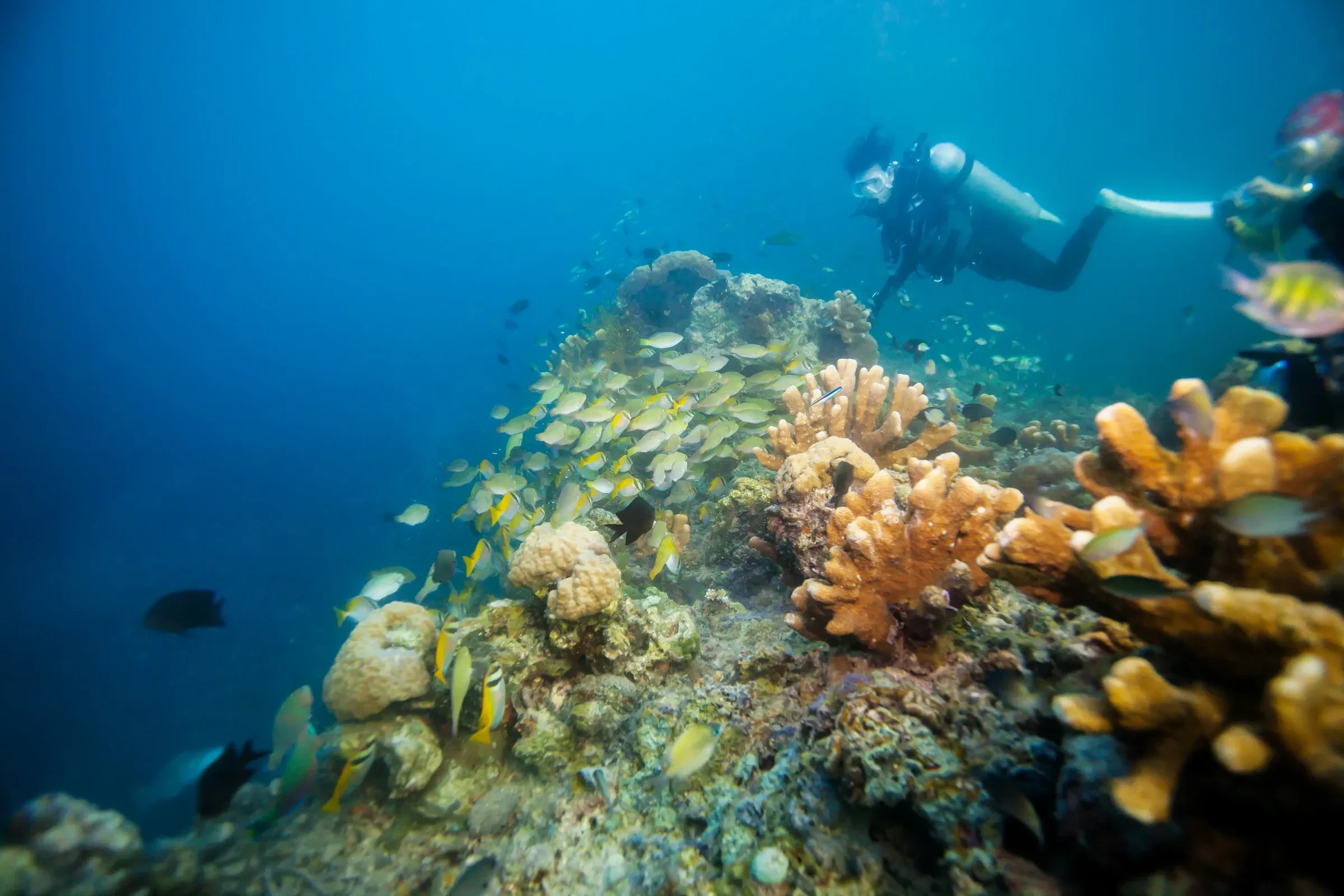
You don't have to go as far as the Similans to dive well from Phuket. Two dives at the Racha Islands, close reefs with easy, current-free visibility, cost from about 4,000 to 4,300 baht, and a day trip to Phi Phi and Shark Point, which adds swim-throughs and a chance of resting leopard sharks, runs around 4,400 baht plus a national park fee. A Discover Scuba try-dive for first-timers starts from about 2,200 baht. The Thailand diving guide has the full breakdown of sites, seasons and PADI course prices on both coasts.
9. A Muay Thai class or camp
Rawai, on Phuket's southern tip, has become one of the country's Muay Thai hubs, with camps like Sinbi and AKA Thailand training everyone from complete beginners to fighters. A single drop-in class runs about 300 to 600 baht, a week of training around 2,000 to 3,500 baht, and a full month at a well-known camp about 8,000 to 14,000 baht for training alone, or 18,000 to 35,000 baht if you want to live in. Prices move often, so treat these as a starting point and ask the camp for a current quote. Group sessions typically run twice a day, Monday to Saturday.
10. The Phuket Vegetarian Festival
Every October, Phuket Town turns over to the Vegetarian Festival. In 2026 it runs from 10 to 18 October: nine days of street processions, yellow-flagged jay food stalls (no meat, dairy or the allium family) and, at several shrines, mediums known as ma song piercing their cheeks as an act of purification. It runs across Old Town's Jui Tui and Bang Neow shrines and several others around the island. It's striking to watch, but keep your distance from the mediums during processions and ask before photographing anyone up close. Our Phuket Vegetarian Festival guide has the exact 2026 dates and how to watch respectfully.
Things to do in Phuket at a glance
| Experience | Where | Cost | Time needed |
|---|---|---|---|
| Beaches (Kata, Karon, Kata Noi, Nai Harn, Freedom Beach) | West and south coast | Free, boat to Freedom Beach about 1,200 to 1,500 baht return | Half a day to a full day |
| Old Town and Sunday Walking Street | Phuket Town, Thalang Road | Free entry, pay for food | An evening |
| The Big Buddha | Nakkerd Hill, above Chalong | Free | 45 minutes to an hour |
| Promthep Cape at sunset | Southern tip, near Nai Harn | Free | 30 minutes to an hour |
| Phang Nga Bay and James Bond Island | Boat trip from Phuket's piers | About 1,200 to 4,500 baht | 8 to 10 hours |
| Day trip to Koh Phi Phi | Boat trip from Phuket's piers | From about 1,600 baht plus park fee | 7 to 8 hours |
| Similan Islands (closed mid-May to mid-October) | Via Khao Lak, about 2 h+ from Phuket | From about 4,900 baht plus 700 baht park fee | A full day, or a liveaboard |
| Diving Phuket's own reefs | Racha Islands, Phi Phi, Shark Point | From about 2,200 baht (try-dive) to 4,400 baht | Half a day to a full day |
| A Muay Thai class or camp | Rawai | About 300 baht for a class, from 2,000 baht a week | An hour to several weeks |
| Vegetarian Festival | Phuket Town and island-wide | Free to watch | One evening or several days, in October |
Practical notes
We don't recommend or book elephant rides, elephant camps or animal shows anywhere on Phuket. If seeing elephants matters to you, ask any operator directly whether animals are ridden or made to perform before you hand over money, and treat a firm no as the minimum bar.
Scooters need a real licence and an IDP. The same rule applies here as on the rest of the Thai mainland: to ride legally you need a motorcycle licence from home plus an International Driving Permit that covers motorcycles (Thailand recognises IDPs issued under the 1949 Geneva Convention). Police checkpoints operate across the island, and fines for riding without the right paperwork run up to about 2,000 baht. Most travel insurance policies exclude riding without a valid licence, and we don't arrange scooter rental on our trips.
The sea is the real risk here, not the beaches themselves. From May to October, the southwest monsoon brings rip currents and red flags to Phuket's west-coast beaches. In June 2025, three people drowned within two days at Kata, Karon and Bang Tao, and officials warned visitors not to ignore the flags. A red flag means stay out of the water, not "be careful," however calm the sea looks. If you're travelling in the rainy season, check the best time to visit Phuket guide and treat any red flag as final.
Keep planning
For where to base yourself and how to get around, see the Phuket travel guide. If you're choosing between coasts, our Krabi vs Phuket and Phuket vs Koh Samui comparisons cover the difference. For a full route through the Andaman coast, see the Andaman coast itinerary and the Thailand island hopping guide; our Southern Thailand: Khao Sok & Andaman trip covers Ao Nang, Railay and Koh Phi Phi with a Trip Host from day one, if you'd rather travel this coast as part of a group.