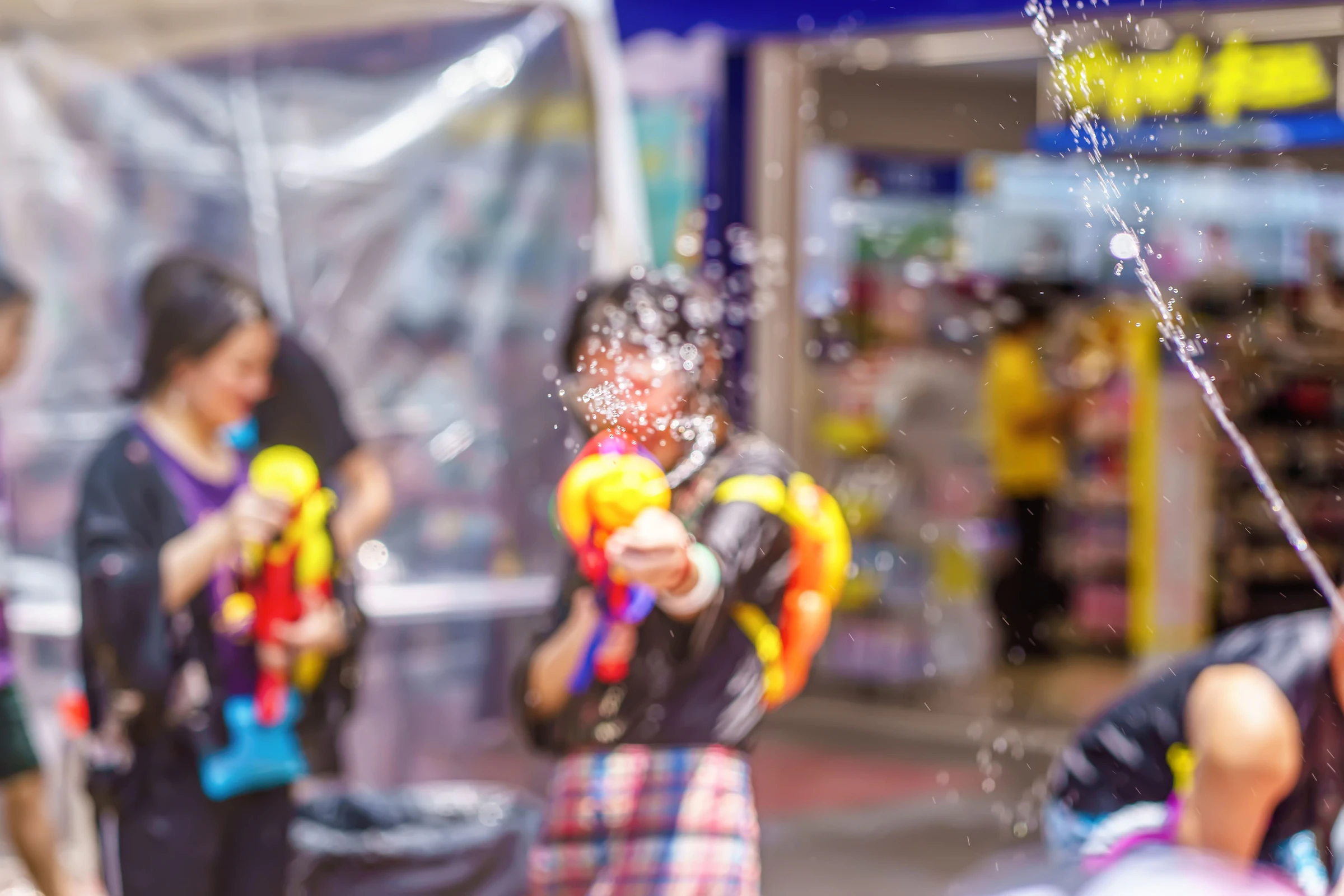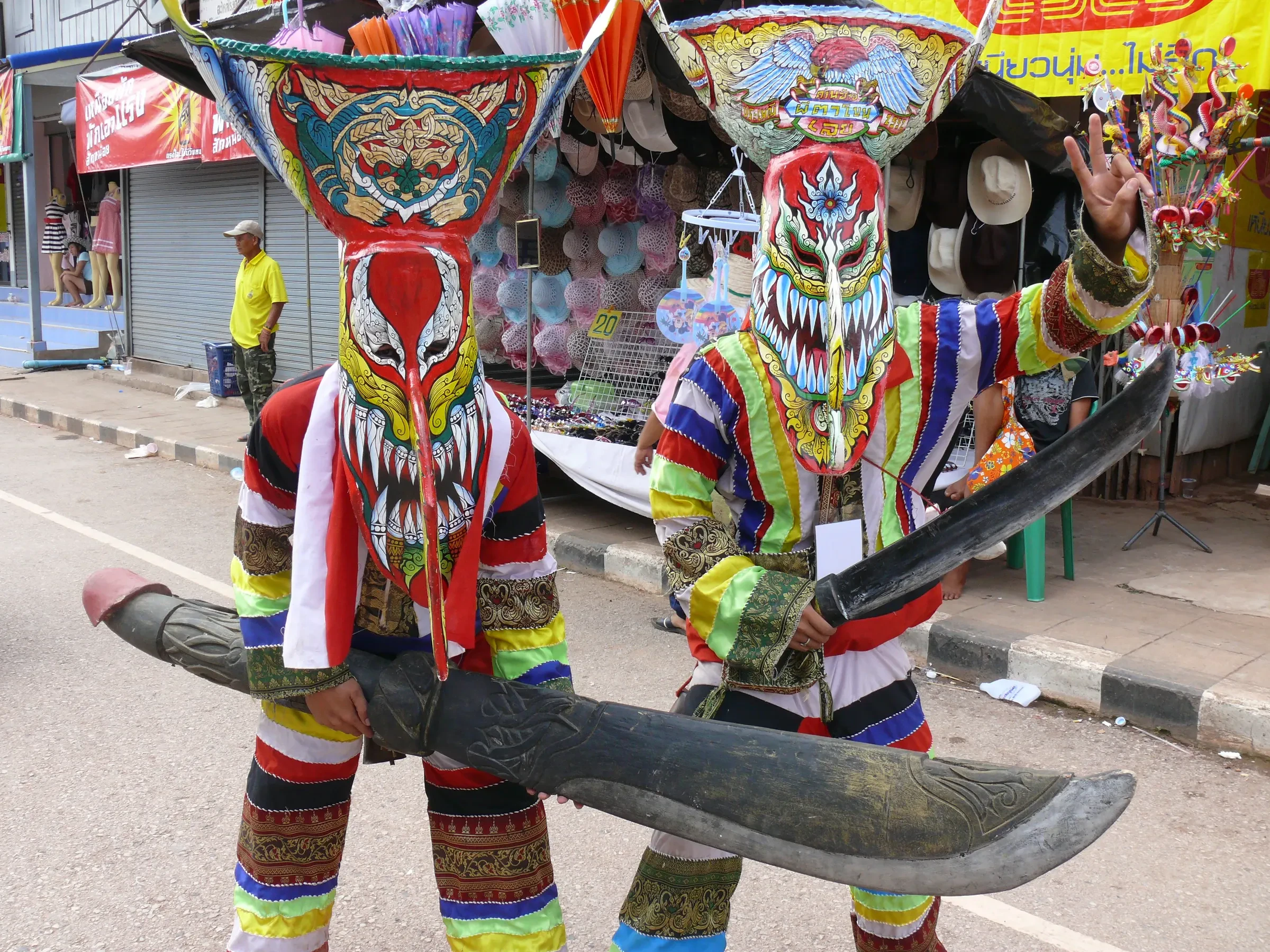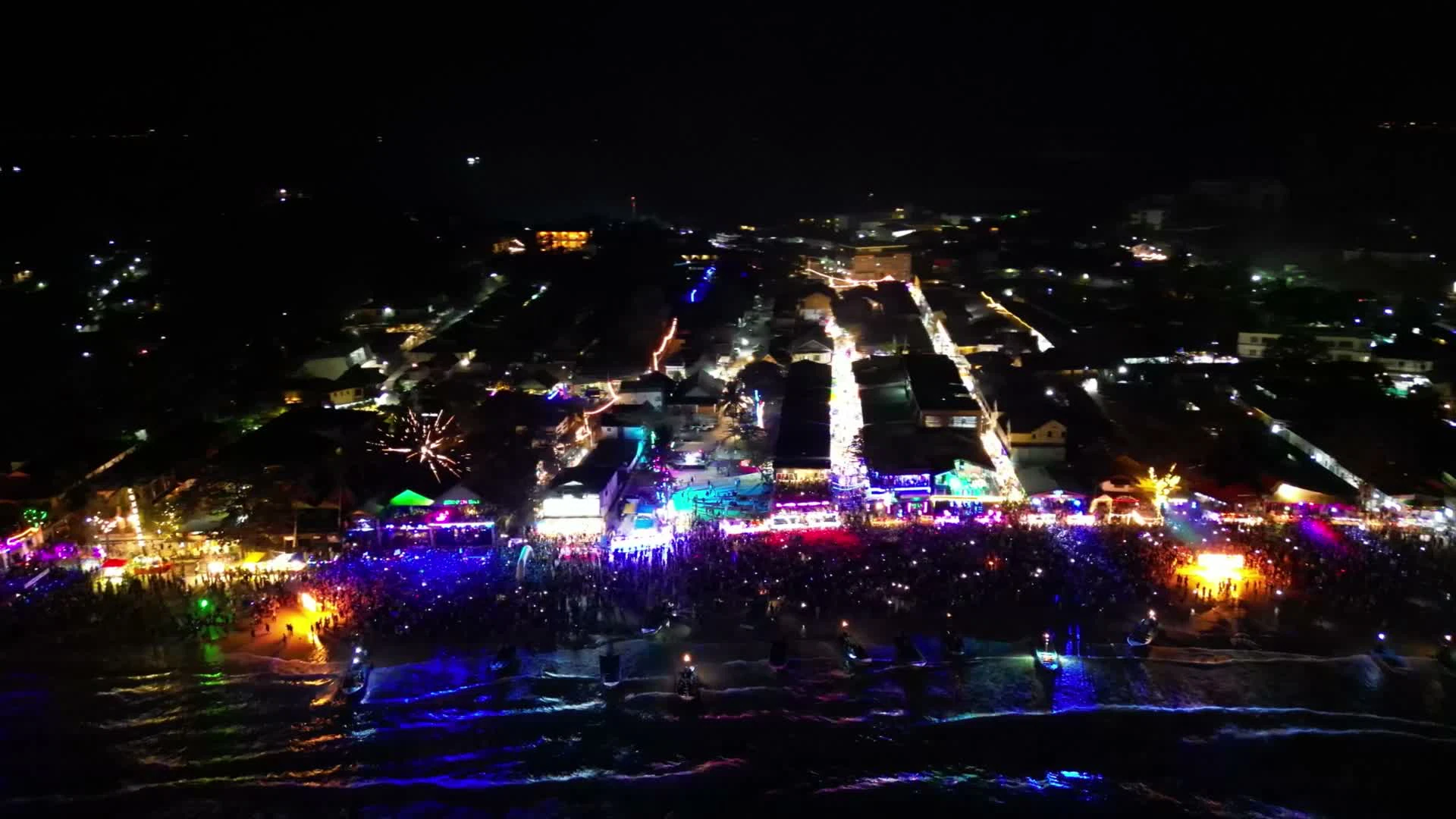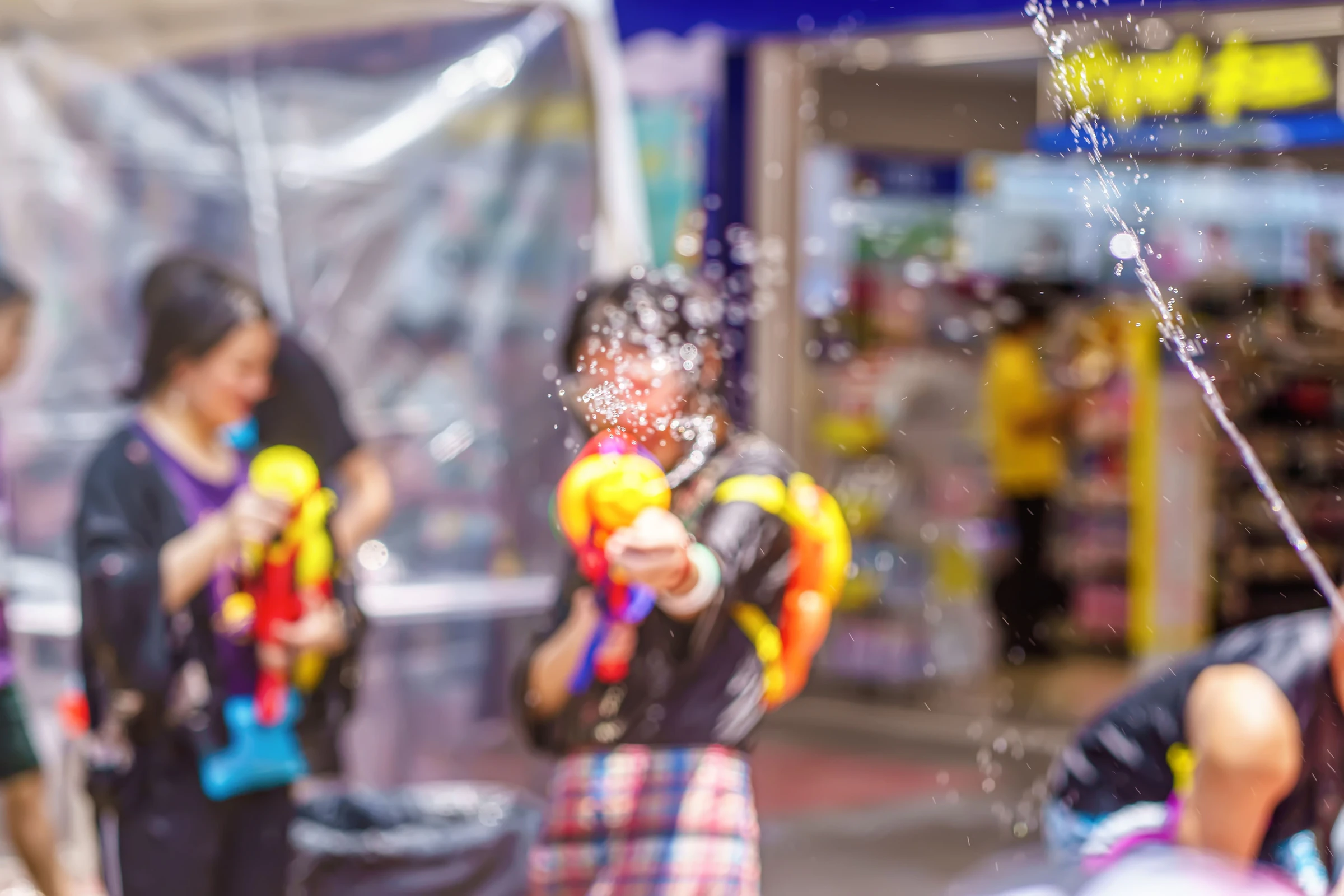
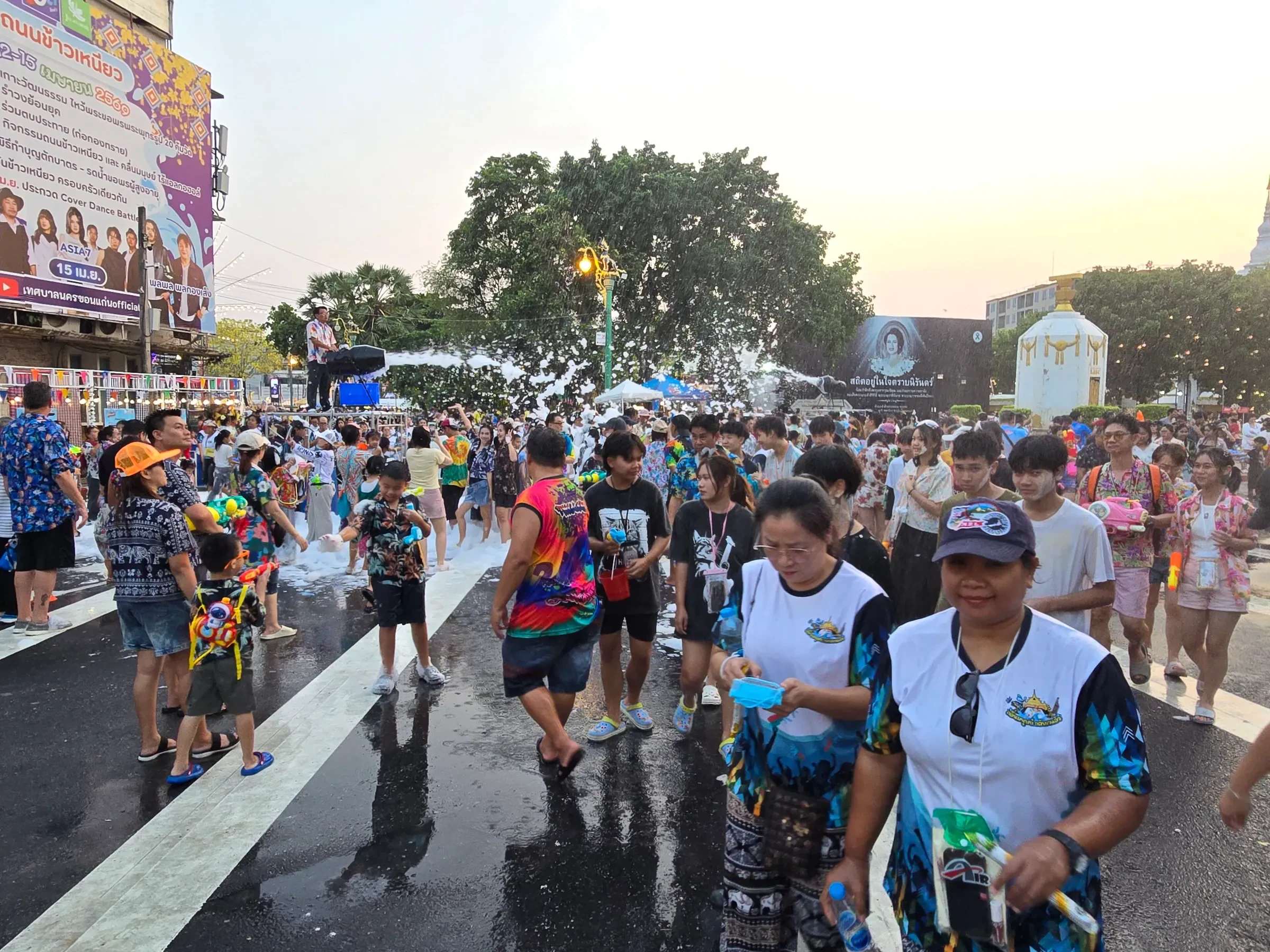
For three days in April, Thailand turns into one giant water fight. Strangers soak each other with buckets and water guns, pick-up trucks cruise the streets with barrels in the back, and nobody stays dry. Behind the party there's a quieter festival about family, respect and a fresh start. This guide covers both, plus the dates, the best places to go and the rules you need to know.
What Songkran is
Songkran is the traditional Thai New Year. The name comes from a Sanskrit word for the sun moving into a new sign of the zodiac. In 2023, UNESCO added "Songkran in Thailand, traditional Thai New Year festival" to its list of the Intangible Cultural Heritage of Humanity.
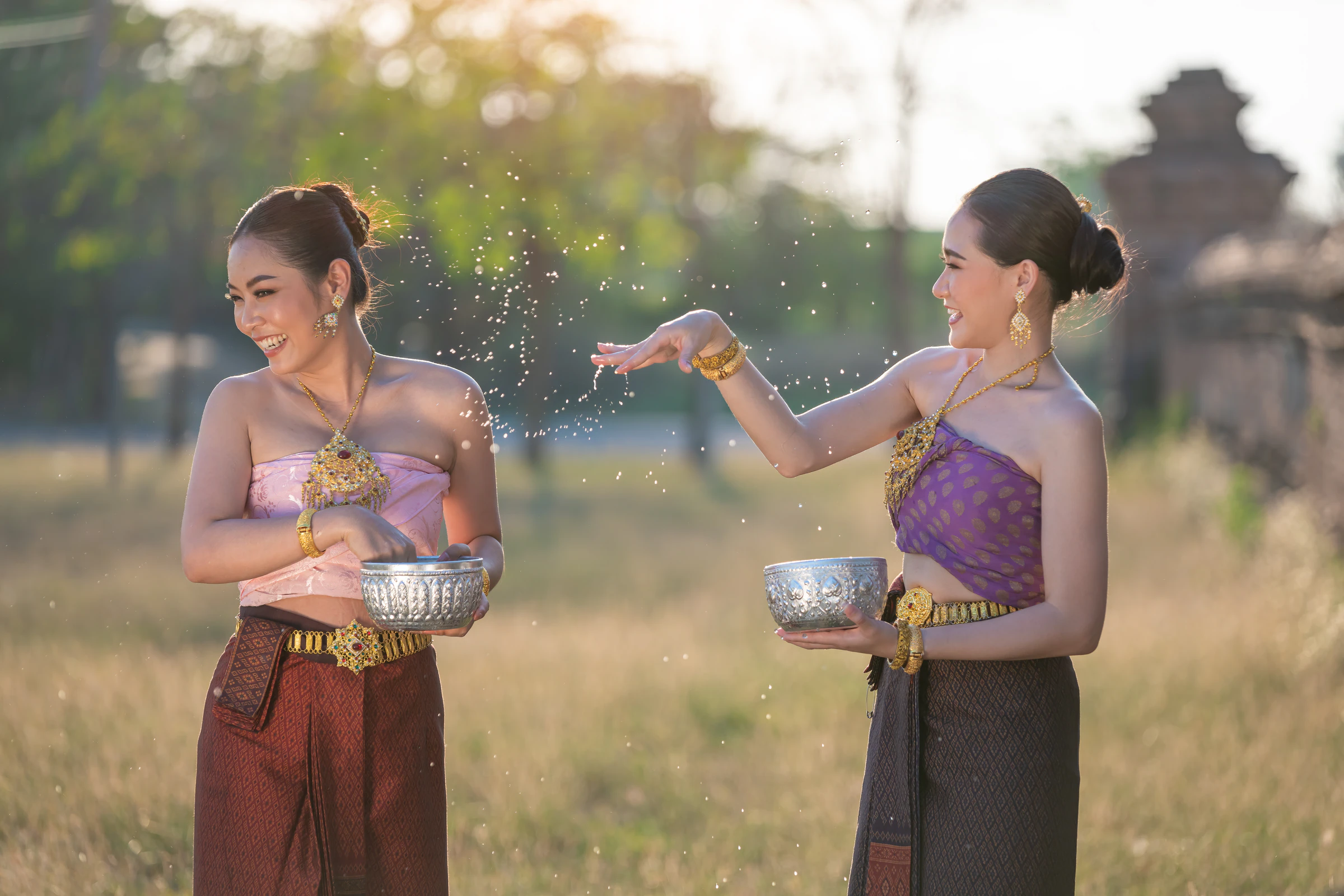
Water is at the heart of it, as a symbol of cleansing and good luck:
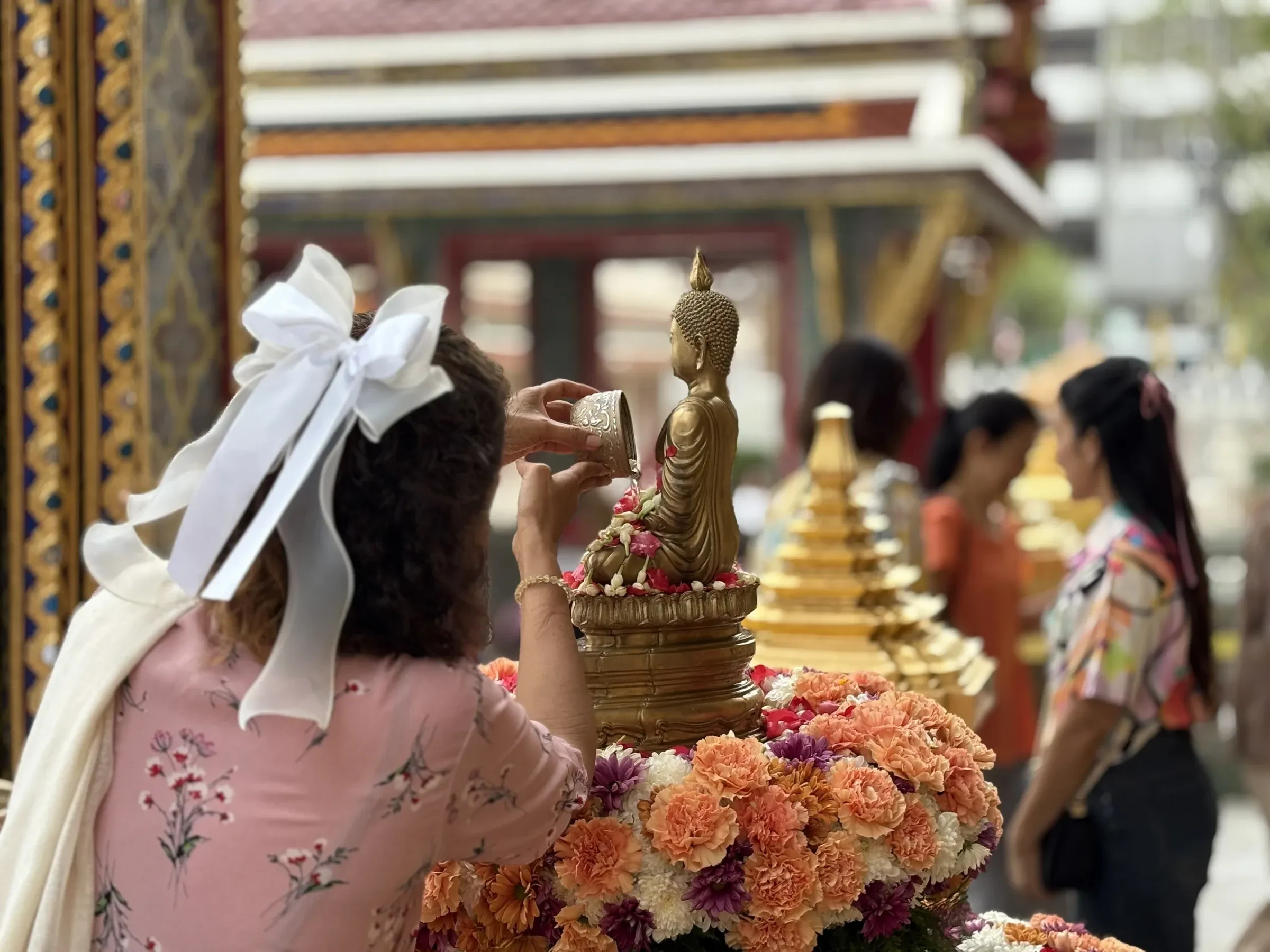
- Bathing Buddha images. People pour scented water over Buddha statues at temples and at home.
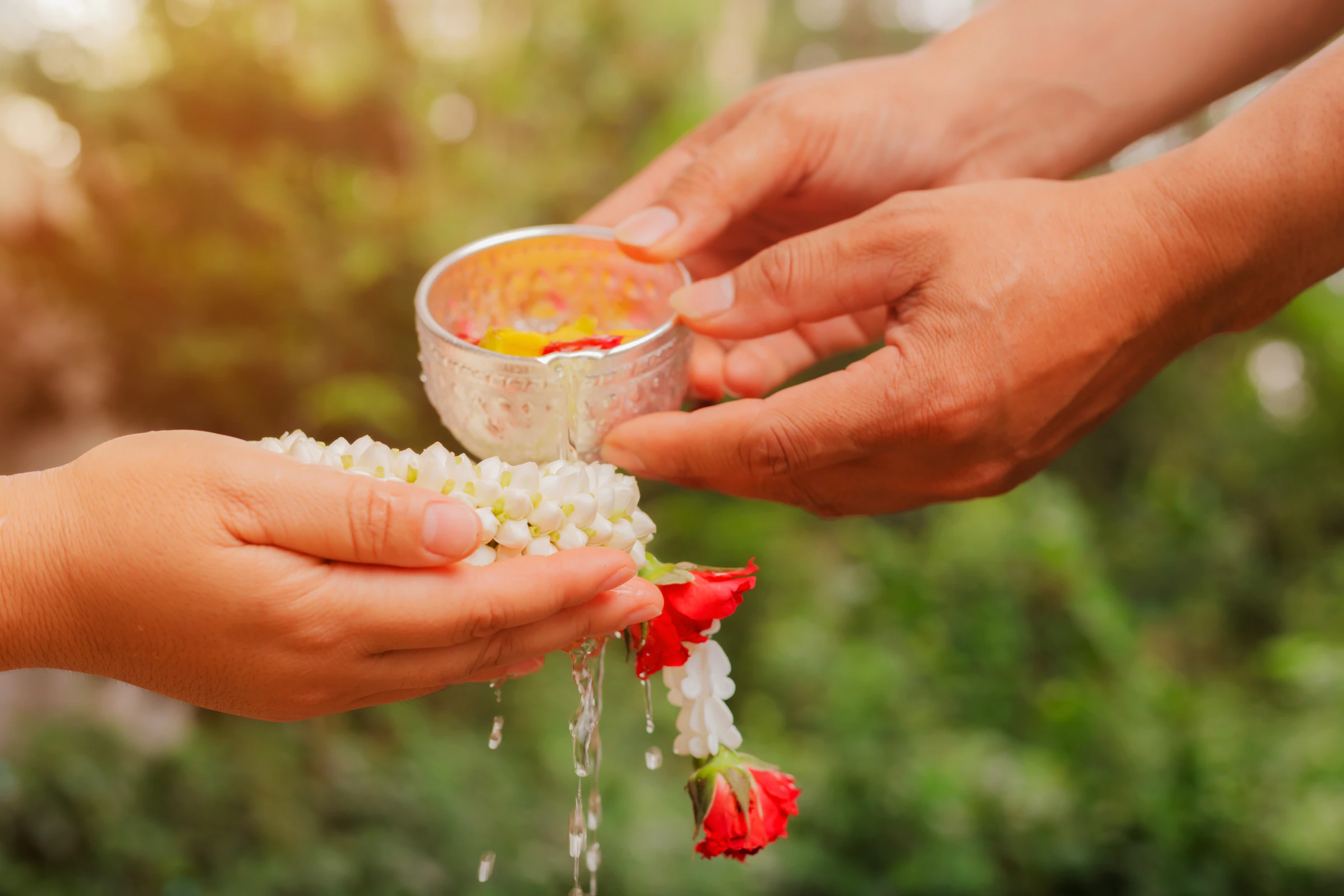
- Rod nam dam hua. Younger people pour water gently over the hands of parents and elders and ask for their blessing.
- Merit making. Families give food to monks in the morning and build small sand stupas in temple grounds.
- The water fights. The splashing started as a gentle blessing and grew into the street party it is today.
Many Thais go home to their families, so Bangkok empties out while the provinces fill up.
What happened at Songkran 2026
Songkran 2026 was held on the usual public holiday, Monday 13 to Wednesday 15 April, with events in Bangkok starting around 10 April. The Tourism Authority of Thailand had said in March that the festival would go ahead in every region.
Bangkok reported 4.95 million participants across 94 venues between 10 and 15 April, up from 2.56 million in 2025, according to The Nation, via Asia News Network. Siam Square was the busiest at 1.53 million, followed by ICONSIAM at 1.47 million and Silom at 652,974. It also reported 336 tonnes of waste.
Bangkok set up 88 alcohol-free water-play zones, including Silom, Khao San, Siam Square and CentralWorld, with water play ending by 10pm and no powder or large water cannons. That was zone-based rather than a citywide ban on drinking, and nationally alcohol sales were barred from midnight to 11am. In Chiang Mai, the third World Songkran Tha Pae ran on Tha Pae Road from 13 to 15 April, 6pm to midnight, with a 130-metre water tunnel and more than 15 DJs.
The roads were still the main danger. The "seven dangerous days" from 10 to 16 April saw 1,242 accidents and 242 deaths. Accidents were down 35.59% and deaths down 9.70% on the three-year average, but motorbikes were in 64.55% of crashes. Tourism Authority of Thailand figures for 11 to 15 April were forecasts rather than final tallies: about 500,000 international arrivals and roughly US$909 million in revenue.
Songkran is a UNESCO-listed tradition and a national family holiday, not just a tourist party. Bangkok's 4.95 million participants in six days gives a sense of the scale, and the temple visits and blessings carry on underneath the splashing.
Dates for 2027 and 2028
| 2027 | 2028 | |
|---|---|---|
| Songkran national holiday | Tue 13 to Thu 15 April | Thu 13 to Sat 15 April |
| Maha Songkran Day | Tue 13 April | Thu 13 April |
| Wan Nao | Wed 14 April | Fri 14 April |
| Wan Thaloeng Sok (new year) | Thu 15 April | Sat 15 April |
The official dates are fixed at 13 to 15 April each year. The Thai government sometimes adds extra days off, and it may add a substitute holiday when one of the days falls on a weekend, as in 2028. These are announced closer to the time. The 2027 dates come from the public-holiday list reported in September 2026.
Regional dates
The celebrations stretch well beyond the official three days, and each region has its own calendar. The Tourism Authority of Thailand's 2026 programme, which has now run, gives a good idea of what to expect:
| Region | 2026 celebration window | Main places |
|---|---|---|
| Bangkok | 9 to 15 April | Silom Road, Khao San Road, riverside venues |
| North | 4 to 19 April | Chiang Mai, Sukhothai, Nan, Tak |
| East | 5 to 21 April | Chon Buri, Pattaya, Rayong, Trat |
| Central | 9 to 26 April | Ayutthaya, Kanchanaburi, Nakhon Pathom |
| South | 3 to 19 April | Phuket, Surat Thani, Chumphon |
| North-east | 1 to 30 April | Khon Kaen, Udon Thani, Surin |
We'll add the 2027 programme when the Tourism Authority of Thailand publishes it, usually in March.
Where to celebrate Songkran
Chiang Mai
Many people think Chiang Mai does Songkran best. The action centres on the moat around the Old City, where people scoop water straight from the moat, and on Tha Phae Gate. The city's revered Phra Buddha Sihing image is carried in procession from the Nawarat Bridge area along Tha Phae Road and through Tha Phae Gate to Wat Phra Singh, and people splash it as it passes for good luck. The celebrations here often start a day or two before 13 April. In 2026 the World Songkran Tha Pae event added a 130-metre water tunnel on Tha Pae Road in the evenings.
Bangkok
Silom Road and Khao San Road are the two big water-fight zones. In 2026, Khao San was open for water play from 13 to 15 April, noon to 10pm, with bag checks at the entrances. For a gentler version, go to a temple in the morning, when families come to make merit and bathe the Buddha images.
Pattaya and Chon Buri
Pattaya's party goes on after the rest of the country has dried off. The town holds "Wan Lai" days later in the month: in 2026, Naklua celebrated on 18 April and Pattaya's big beach-road finale was on 19 April.
Phra Pradaeng
In Phra Pradaeng, just south of Bangkok in Samut Prakan province, the Mon community holds its own Songkran about a week or more after the main holiday, with parades, traditional dress and Mon food. In 2026 it ran from 24 to 26 April.
The islands
Phuket, Koh Samui and Koh Phangan have water fights too, mostly in the main towns, with beaches close by for drying off. They're a good choice if you want a bit of Songkran without a whole week of it.
Songkran day by day
The official three-day holiday has its own rhythm, layered underneath the water fighting, which tends to run throughout all three days wherever you are:
- Maha Songkran Day (13 April). The old year ends. People clean their homes, bathe Buddha images at temples, and the street water fights typically start in earnest.
- Wan Nao (14 April). A day between years, traditionally for preparing food and gathering sand for temple stupas. It's often the biggest water-fighting day in tourist areas.
- Wan Thaloeng Sok (15 April). New year's day itself. Younger people pour water over the hands of parents and elders (rod nam dam hua) to ask for their blessing, and families visit temples to make merit.
How to join in
- Bathe a Buddha image. Most temples set up a small bathing station during Songkran; a gentle pour of scented water is welcome from visitors too.
- Take part in rod nam dam hua respectfully. If you're staying with a Thai family or invited to a community event, pouring water over an elder's hands and wishing them well is a genuine part of the festival, not just the water fight.
- Join the street water fights where they're expected. Silom, Khao San and the Chiang Mai moat are set up for exactly this; elsewhere, read the room.
What to wear and bring
- Quick-drying clothes that aren't see-through when wet. Everything you carry will get soaked.
- Sandals with a good grip. Wet streets get slippery fast.
- A waterproof phone pouch on a lanyard, and carry only the cash and cards you need for the day.
- Sunglasses or swimming goggles, especially if water is coming from the canals or the moat.
- Sunscreen and a hat. April is Thailand's hottest month, often 35 to 40 degrees Celsius in Bangkok, so drink water as well as anything else on offer, and keep an eye on your drink in busy areas.
Songkran and our Thailand trips
We run a trip built around the festival itself: seven days from Bangkok to Chiang Mai, with the temples and Bangkok's own water fight on Day 2, an overnight sleeper train north, and three days in Chiang Mai's Old City for the festival's biggest days. Chiang Mai's Old City fills up for Songkran and prices rise, so we book accommodation well ahead of each departure.
April is also the hottest month in Thailand, and the north is in its burning season, with smoky air in Chiang Mai and Pai from about March to April. Our other Thailand trips run in the cooler, clearer months instead. Each trip page shows its dates.