Thailand, Vietnam, Laos and Bali share a climate (hot, humid, with a rainy season) and a lot of the same packing problems: what to wear at a temple, how to stay dry, and what to do about diving gear or a trek. This list covers all four, with the differences called out where they matter. It's written for a backpack or a large daypack, not a suitcase, since you'll be moving every few days.
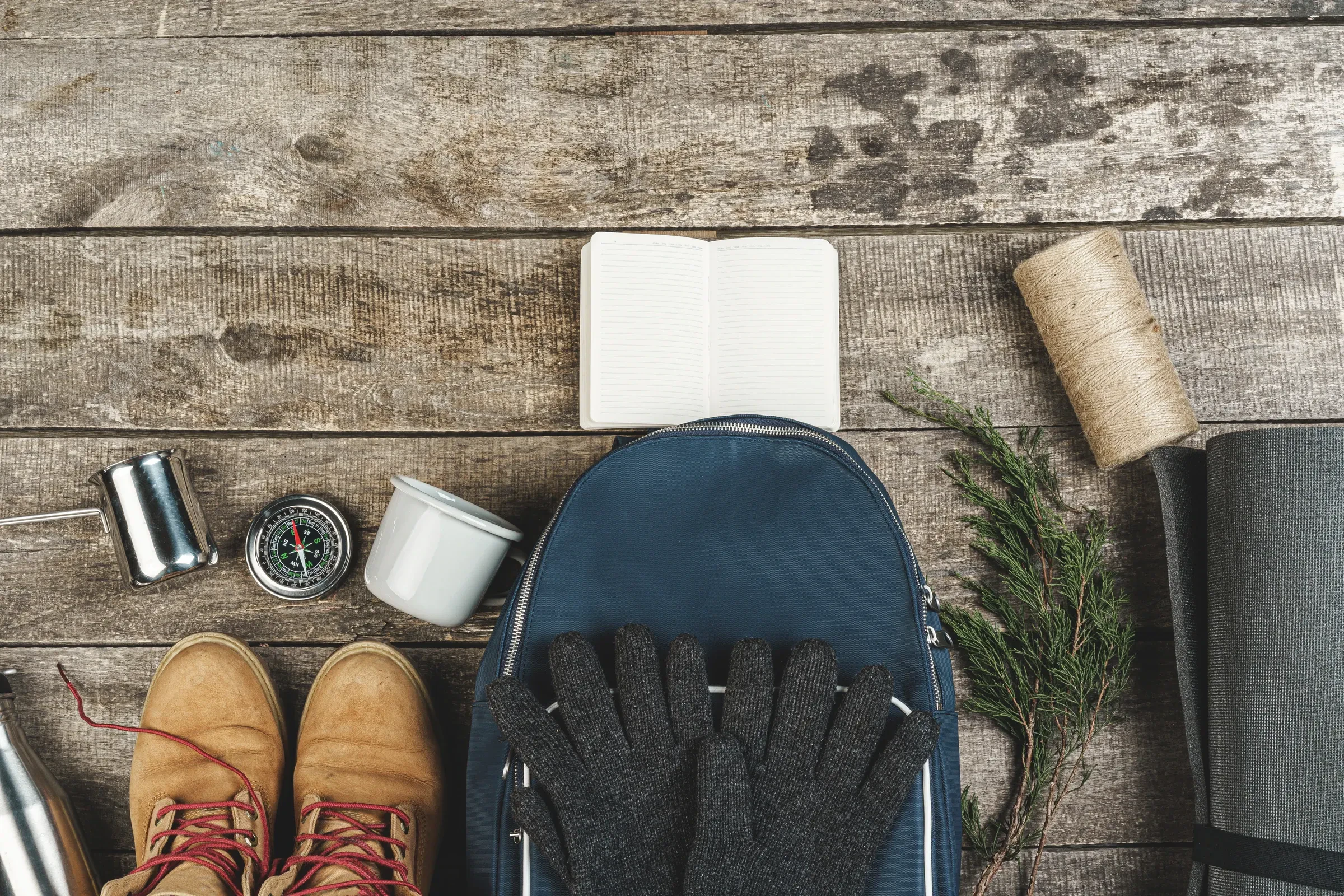
Clothes: pack less than you think
Laundry is cheap and quick almost everywhere on this route, usually charged by the kilo and ready the same or next day, so five to seven days of clothes is enough for a month-long trip.
- Quick-dry T-shirts or vests (4 to 5): cotton takes a long time to dry in humid air
- A long-sleeve shirt or light hoody: for air-conditioned buses and trains, which run cold
- Shorts (2 to 3) and one pair of lightweight, loose trousers that double as temple wear
- Swimwear (2, so one can dry while you wear the other)
- A light rain jacket rather than an umbrella, which is awkward on a motorbike or a boat
- Sandals or flip-flops for the beach and showers, plus one pair of trainers or trail shoes if you're trekking
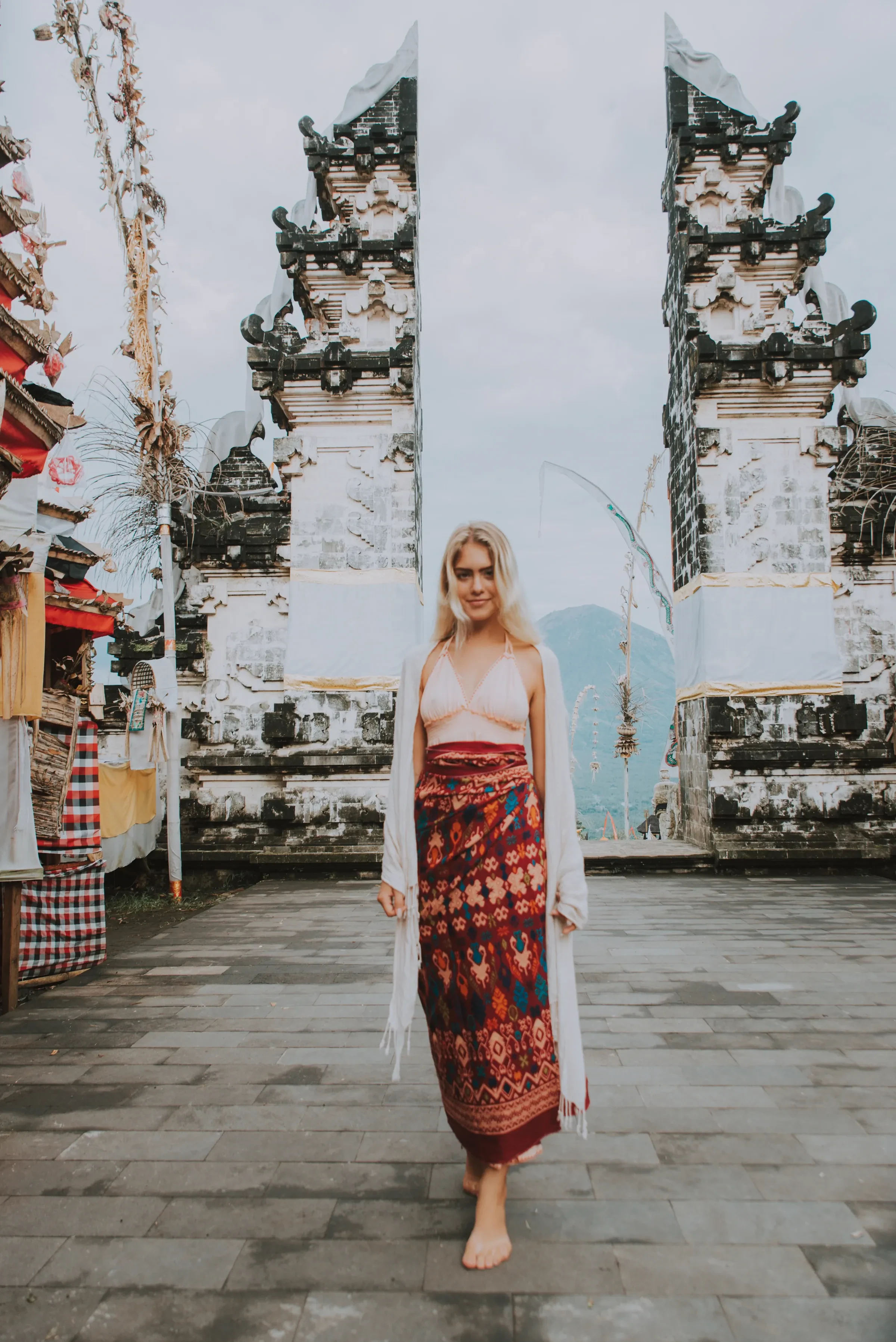
- A sarong or a large scarf. It covers your shoulders at short notice, works as a beach towel, a blanket on a cold overnight bus and a changing screen
Away from tourist beaches, Southeast Asia dresses fairly modestly, so pack a few things that cover your shoulders and knees for towns, markets and any religious site, not only the big temples.
Temple and pagoda dress code
Every country on this route follows some version of the same basic rule: cover your shoulders and knees to go inside a temple, pagoda or mosque.
- Thailand. The Grand Palace and Wat Phra Kaew in Bangkok enforce it strictly and turn people away at the gate. Sarongs are available to borrow or rent there, but it costs time in the queue, so dress for it. Other temples are more relaxed but still expect covered shoulders.
- Bali. Hindu temples ask visitors to wear a sarong and a sash, which is usually included in the entry fee or rented on site. Away from temples, dress more modestly than on the beach, especially in Ubud and the villages.
- Laos. The same shoulders-and-knees rule applies at Buddhist temples, and women shouldn't touch monks or hand things to them directly.
- Vietnam. Pagodas such as Hanoi's Temple of Literature and Hoi An's assembly halls expect the same modest dress, though it's less strictly enforced than in Thailand.
Carry your sarong or a scarf so you're never turned away, and check our Bangkok guide and the Ubud and Mount Batur section of the Bali and Indonesia guide for specific temple rules.
Rainy season packing: what actually changes
The rainy season (roughly May to October in most of the region, though the Gulf islands and central Vietnam run on their own calendar) doesn't mean rain all day. It usually means a short, heavy downpour, often in the afternoon, then sunshine again.
- A packable rain jacket beats a poncho for comfort, but a cheap poncho is worth carrying as a backup for motorbikes and open-sided tuk-tuks
- A dry bag (5 to 10 litres) for your phone and passport on boats, waterfalls and river crossings
- Quick-dry fabrics throughout, since cotton stays damp for days in humid weather
- A spare pair of socks and shoes you don't mind getting wet, and a plastic bag to keep wet shoes away from dry clothes in your pack
- A dry bag or liner inside your backpack, not just a rain cover, since heavy downpours find their way through zips
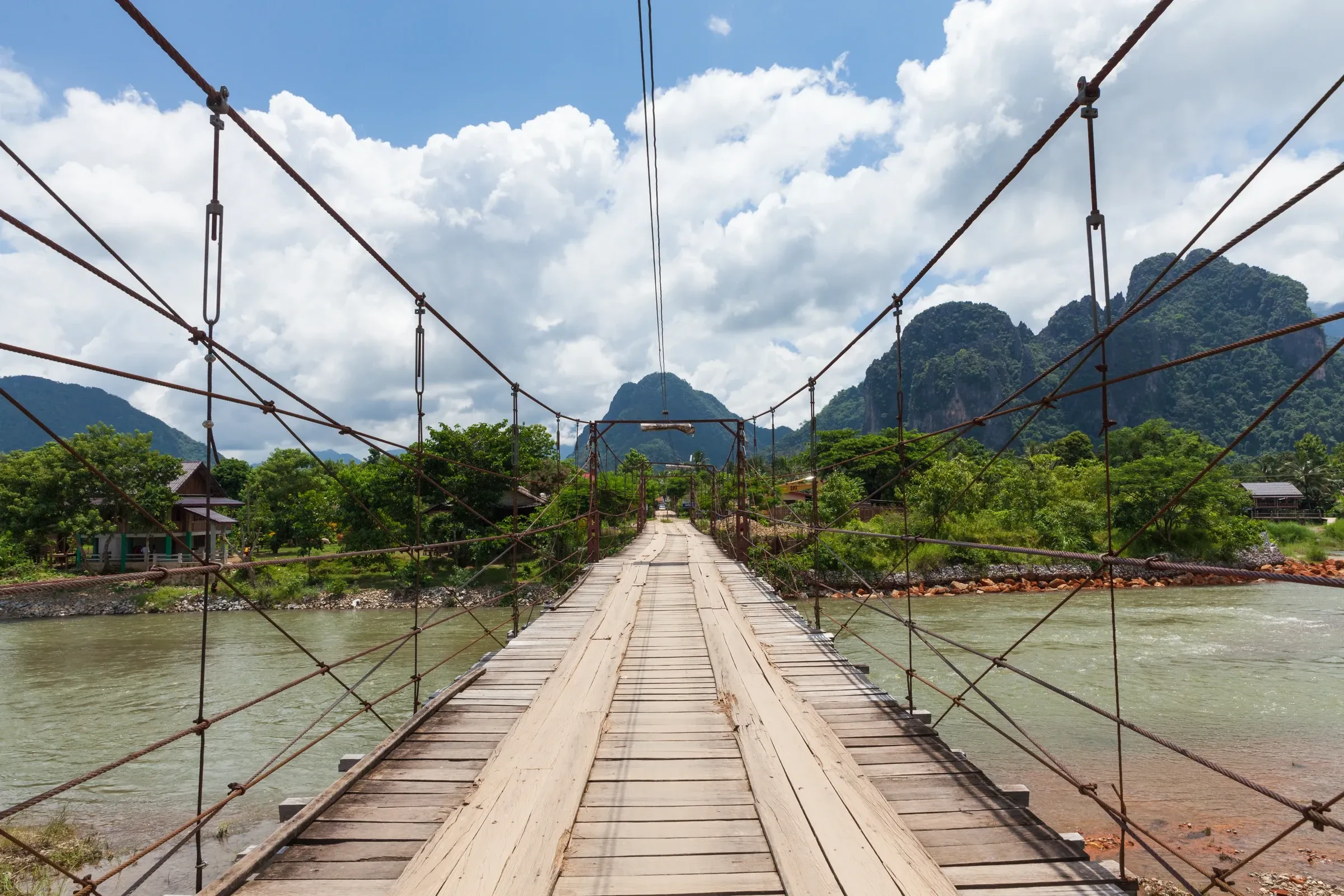
Roads in the hills, such as Chiang Mai to Pai or the passes on Vietnam's Ha Giang Loop, get slippery in the rainy season, so pack closed shoes with grip if you're riding. Our Ha Giang Loop guide and Southeast Asia's best time to visit guides break the seasons down by region.
Trekking gear
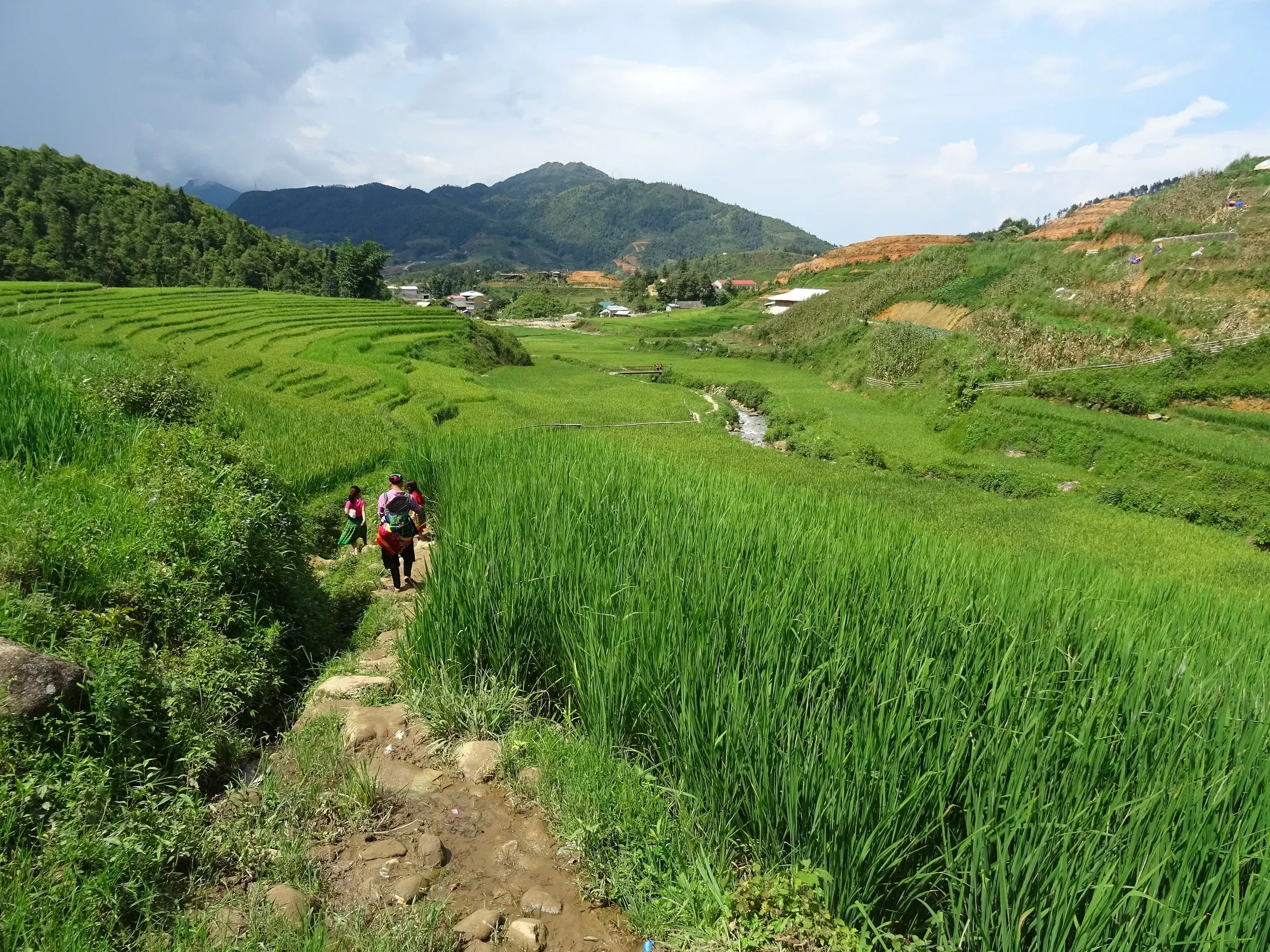
Whether it's a half-day walk to a waterfall or a multi-day trek in Sapa or northern Laos, a handful of basics cover most of it:
- Broken-in trail shoes or boots, not brand new ones
- A 20 to 30 litre daypack, with a rain cover
- A headlamp, for early starts such as the Mount Batur sunrise trek in Bali, which usually begins hiking around 2am
- A refillable water bottle with at least 1.5 litres of capacity, plus purification tablets or a filter if you're somewhere without bottled water
- A light fleece or thermal layer for cooler mountain mornings in Sapa, Chiang Mai's hills or Laos's Nam Ha area, even though the lowlands are hot
- A dry bag for electronics if the trek crosses rivers or waterfalls
- Insect repellent and a buff or bandana for dust on unpaved trails
Multi-day treks with a local operator, such as trekking around Sapa, usually include a porter option for your main bag, so you only carry a daypack.
Diving and snorkelling kit
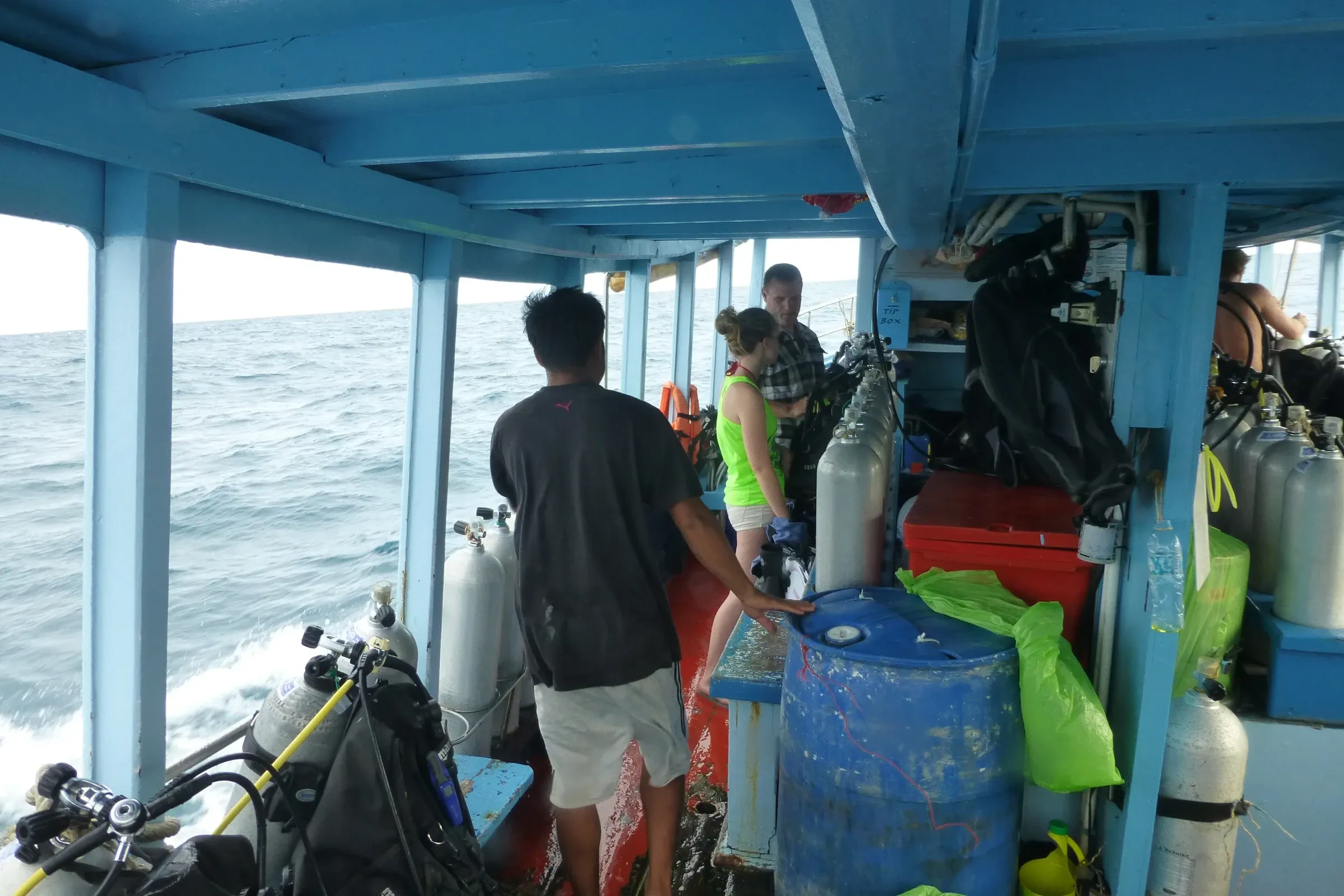
Most dive schools on Koh Tao in Thailand and the Gili Islands in Indonesia, both popular places to learn, rent full gear, so there's little you need to buy before you go.
- Your own mask, if you have one and know it fits well; rental masks are the item most likely to leak
- A rash vest or light wetsuit top, which protects against sun and stingers and means you can use less sunscreen in the water
- Reef-safe sunscreen (see below), since regular sunscreen washes off onto the reef
- A dry bag for the boat, and a waterproof phone pouch for snorkelling photos
- Earplugs designed for swimmers, if you're prone to ear infections after repeated dives
Our PADI diving guide covers how the Open Water course works, what it costs at each location, and the medical form you'll need to fill in before you start.
Sun, bugs and the rest of your health kit
- Reef-safe sunscreen. Thailand bans sunscreen containing oxybenzone, octinoxate, 4-MBC or butylparaben in its marine national parks, with fines of up to 100,000 THB, so check the label before you pack it, not after you land. Check the label in any case: reef-safe sunscreen can cost more locally, or be hard to find on small islands.
- Insect repellent with DEET or picaridin. Mosquitoes that carry dengue bite during the day, with peaks in the early morning and late afternoon, and they're more of a problem in the rainy season
- Rehydration salts, for heat, spicy food or an upset stomach
- A small first-aid kit: plasters, antiseptic, any regular medication in its original packaging, and a decongestant for flights and altitude changes if you're heading to the hills
- A menstrual cup or enough of your usual products, since tampons in particular can be hard to find outside big cities
- A physical or digital copy of your travel insurance and passport, kept separately from the originals
Documents, money and electronics
- A universal travel adapter. Thailand's sockets take types A, B, C and O, Vietnam's and Laos's take A, B and C, and Bali and the rest of Indonesia use C and F. All four run on 230V, so a device rated for 110V only needs a voltage converter as well as an adapter.
- A power bank, for long travel days and overnight buses or trains with no sockets. On flights it goes in your cabin bag, never checked luggage (see "Rules that catch travellers out" below)
- An unlocked phone or a spare, and a data eSIM or local SIM, since data is cheap across the region
- Printed and digital copies of your passport, visa or entry approval, and insurance policy
- A padlock, for hostel lockers and zips on overnight transport
- Small notes in the local currency, since street stalls, tuk-tuks and small guesthouses often can't change large bills
See the visa and entry guides for Thailand, Vietnam, Laos and Bali and Indonesia for SIM cards and what else to sort out before you fly.
Rules that catch travellers out
Some items cause trouble at customs or on a plane, so check them before you pack.
- Vapes and e-cigarettes. Leave them at home. Thailand has banned them since 2014, covering import, sale and possession, and has cracked down on them since 2025. Vietnam has banned e-cigarettes, including importing them, since 1 January 2025 (National Assembly Resolution 173/2024/QH15). Laos banned the import, sale and use of e-cigarettes and heated tobacco through 2021 amendments to its tobacco control law (WHO). Indonesia regulates them rather than banning them, with tighter rules due from July 2026, so check the current rules before you bring one into Bali.
- Prescription medicine. Carry it in the original packaging with a copy of the prescription. Thailand's embassies say you can bring up to 30 days' supply for personal use, and controlled medicines need a permit from the Thai FDA, applied for online at least 14 days before you arrive. Ask the embassy if you're unsure whether yours is controlled.
- Power banks. Thailand's aviation authority (CAAT) says power banks go in cabin baggage only, never checked luggage, and a maximum of two. Up to 100 Wh is normally allowed, 100 to 160 Wh needs airline approval, and CAAT forbids charging one from the aircraft or using it to charge a device in flight. Other airlines have their own rules, so check yours.
- Drones. Thailand requires registration with both the NBTC and CAAT, and flying without it can bring a fine or jail. In Laos, drones over 200 g need a licence (see our Laos visa and border guide). Unless you've arranged the paperwork, leave the drone at home.
What to leave at home
- A hair dryer. It's bulky, and one built for 110V can be damaged by the 230V supply
- Heavy hiking boots, unless you're doing a specific multi-day trek. Trail shoes or trainers cover almost everything else
- A full-size towel. A quick-dry travel towel packs smaller and dries faster, and many hostels rent or provide one
- A vape or e-cigarette. Banned or restricted in several countries on this route (see above)
- Expensive jewellery or a laptop you can't afford to lose, especially on beach and party stops
- A whole suitcase of "just in case" clothes. You can buy almost anything from a market stall cheaply if you're missing it
Packing for a group trip
If you're joining one of our trips, your welcome pack or pre-departure email lists anything specific to your route, such as trekking kit for a jungle day or a sarong for a temple visit on Day 1. You still need to bring your own gear; we don't supply personal kit like sunscreen, repellent or swimwear.