Koh Tao earned its reputation one certification at a time. The water is warm and usually calm, the best dive sites are a short boat ride from the beach, and with dozens of schools competing for your business, courses cost a fraction of what they do almost anywhere else. This guide goes into the detail our main Koh Tao travel guide and scuba diving in Thailand only touch on: 2026 course prices, how to pick a school, the specific dive sites, the season, and what to sort out before you get in the water.
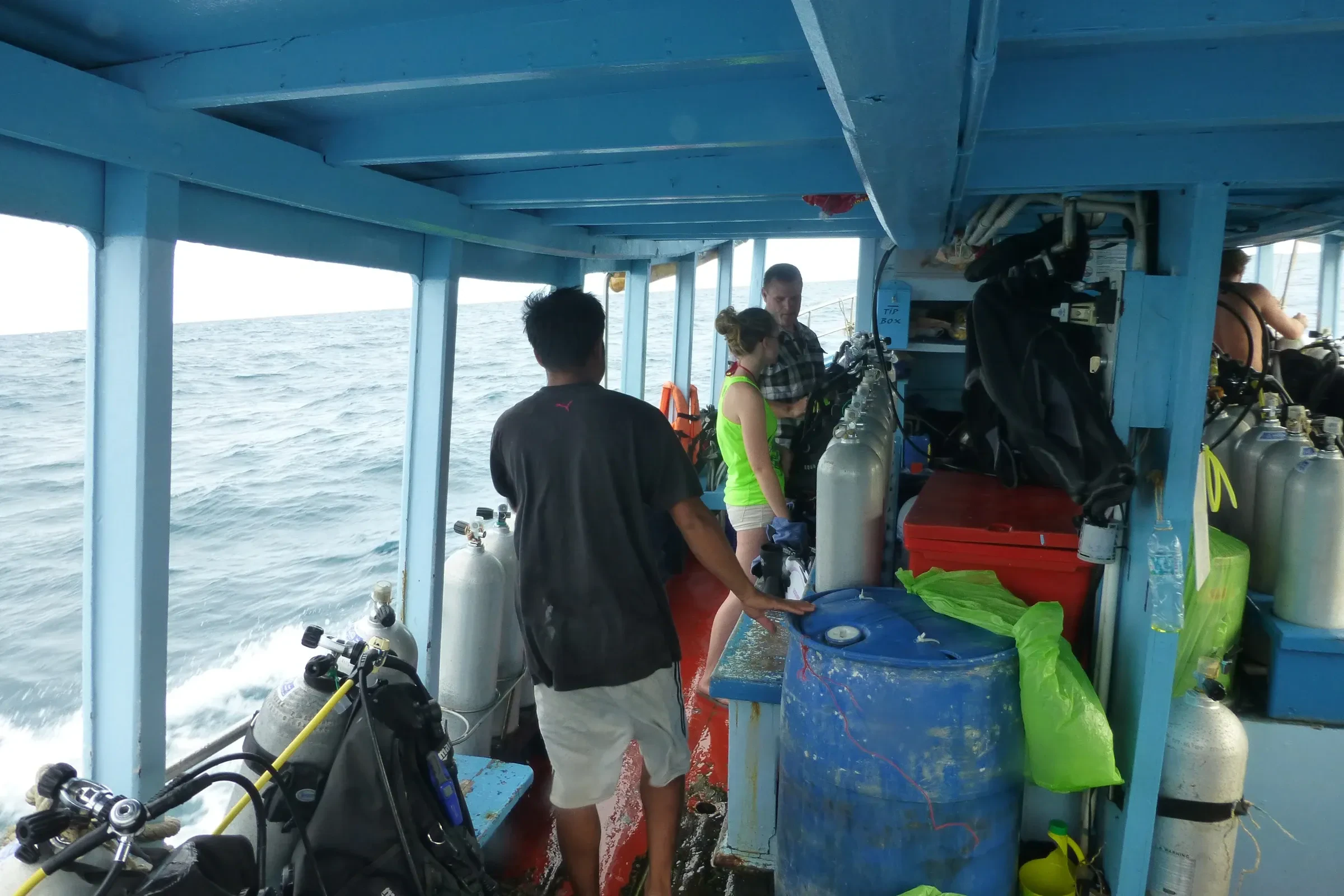
How much does diving cost on Koh Tao in 2026?
| Course or dive | Price | Length |
|---|---|---|
| Discover Scuba Diving | about 2,500 to 4,000 baht | Half a day, one sea dive |
| PADI Open Water | about 9,500 to 12,500 baht | 3 to 3.5 days, 4 sea dives |
| PADI Advanced Open Water | about 8,500 to 11,900 baht | About 2 days, 5 adventure dives |
| Fun diving (2 boat dives) | from about 1,800 to 2,500 baht | Half a day |
Most Open Water packages include a few nights' dorm accommodation, so check whether you need to book a bed separately. Equipment, the certification fee and (per the section below) dive insurance are usually included; ask about park or National Park fees, since a few sites add these on top. Koh Tao also charges every visitor a 20 baht fee at the pier.
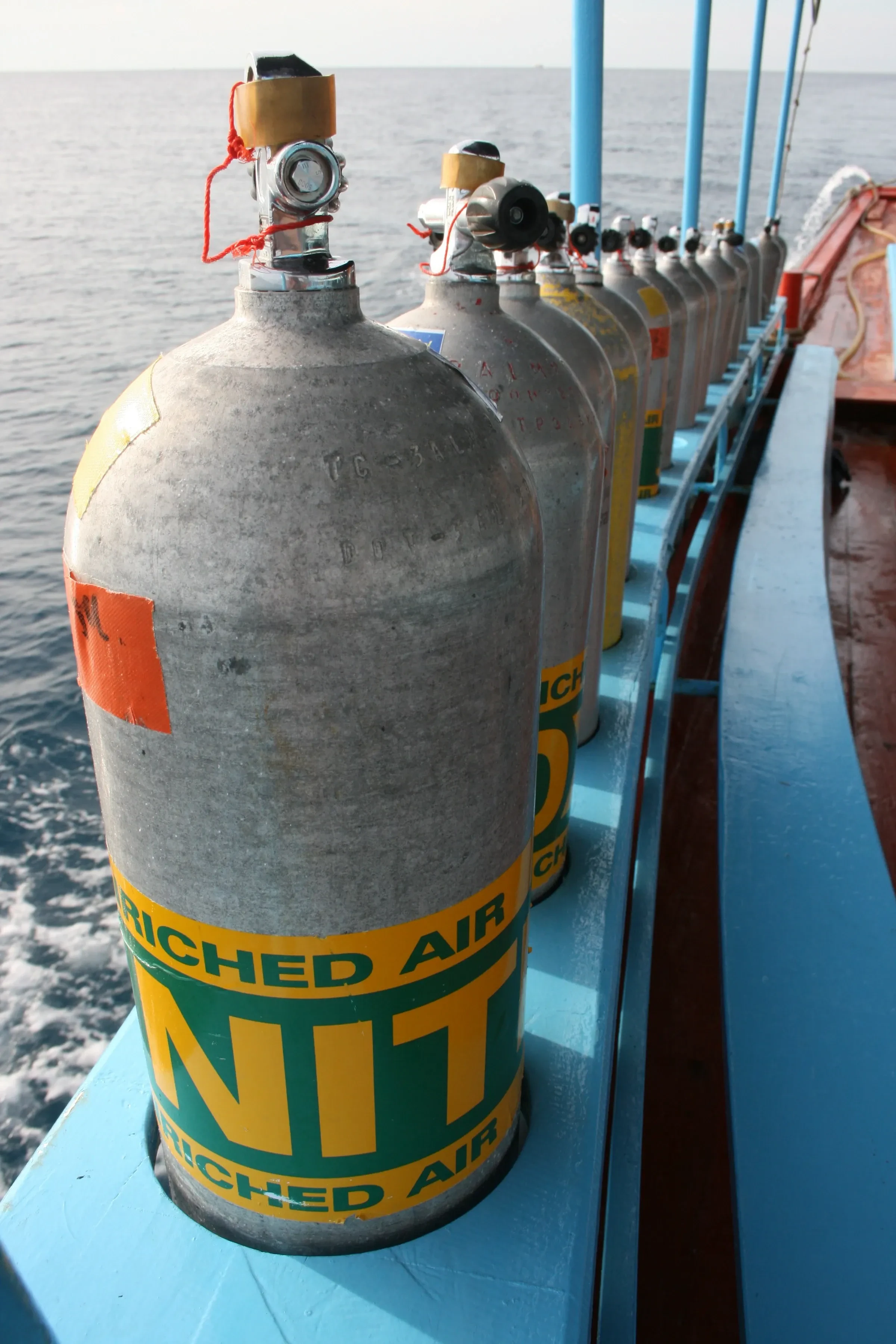
Choosing a dive school on Koh Tao
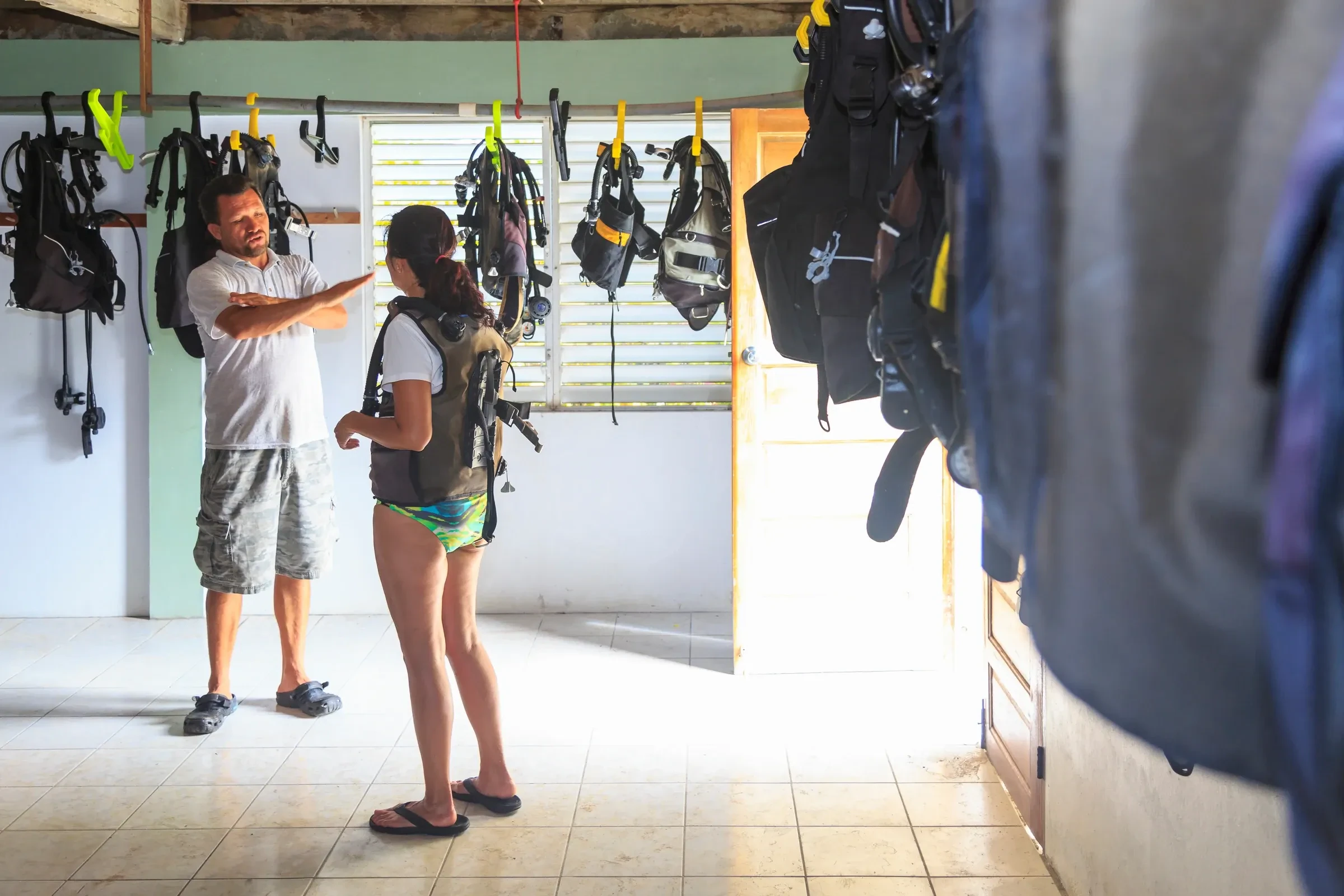
With 50 or more schools on an island this size, the difference between a good and a mediocre course is the school, not the brand on the door. A few things worth checking before you hand over a deposit:
- PADI or SSI. Both are recognised worldwide and train to the same international entry-level standard, so pick the school over the agency.
- Group size. Four students per instructor or fewer is ideal. Ask directly, since "small groups" on a website can still mean eight.
- Instructor ratio on the boat, not just in the pool. Bigger boats sometimes split one group across two instructors only for the shallow sessions.
- Recent reviews that name instructors, rather than generic five-star scores.
- Not the cheapest board on Sairee Beach. A big gap between one school's price and everyone else's is usually made up somewhere, in group size, equipment age or how quickly they push you through the syllabus.
Our PADI Open Water certification guide covers how the course itself is structured, if you want the detail before you compare schools.
The best dive sites around Koh Tao
Chumphon Pinnacle
About 12 km northwest of the island, a boat ride of around 45 minutes, this is Koh Tao's best-known pinnacle, rising from around 30 to 40 metres to a shallow point at about 15 metres. Expect big schools of fish, barracuda and, in season, a chance of a whale shark. Currents and depth make it a site for certified divers, usually Advanced Open Water, rather than a first Open Water dive.
Sail Rock
Sail Rock (Hin Bai) sits in open water roughly 20 km from Koh Tao, closer to Koh Phangan, and rises to about 15 metres above the surface before dropping to around 40 metres below it. Its main draw is the Chimney, a vertical swim-through you enter at about 16 metres and exit at 6, along with big schools of barracuda and, at the right time of year, whale sharks.
Japanese Gardens
Just off Koh Nang Yuan, this is Koh Tao's classic beginner site: shallow, sloping gently from about 2 to 12 metres, usually calm, and covered in some of the island's most varied coral. It's a regular choice for Open Water training dives and for a relaxed, easy fun dive.
Shark Island
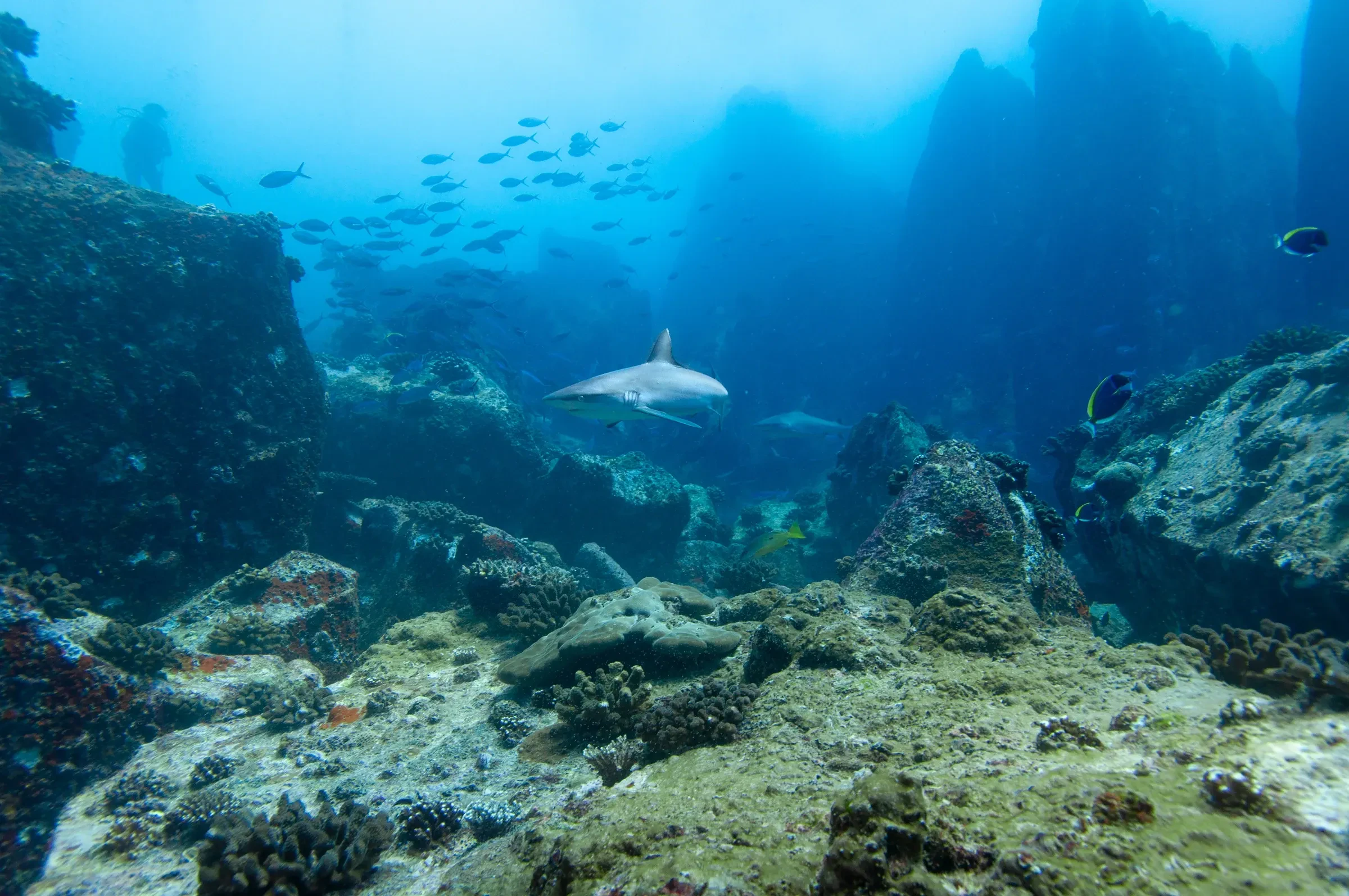
A shallow granite outcrop with a profile from the surface down to about 25 metres, sheltered enough on one side for a calm dive even when the current is running elsewhere. Despite the name, sightings are usually of blacktip reef sharks resting on the sand rather than anything to worry about.
Best time to dive on Koh Tao
| Months | Conditions |
|---|---|
| February to April | The best months: flat seas and visibility often 15 to 30 metres |
| May to September | Good diving, with July and August the busiest |
| October | Rain increasing, sea getting rougher |
| November | The worst month: the wettest and roughest, with dives sometimes cancelled |
| December | Improving through the month, often 10 to 25 metres visibility |
The Gulf's monsoon runs roughly October to December and peaks in November, the opposite of the Andaman coast on the other side of the country. Our best time to visit Thailand guide covers how that affects the rest of a trip.
Whale sharks on Koh Tao
Whale sharks are seen around Koh Tao's pinnacles in most months, but two windows give you better odds: roughly February to May, and again from around September to October, when nutrient-rich water draws them in to feed. Dive operators don't agree on the peak: some put it at March to October, others at June to September. Sightings are never guaranteed in any window, and Chumphon Pinnacle, Southwest Pinnacle and Sail Rock are the sites where they turn up most often.
Insurance and the medical form
Dive insurance is compulsory on Koh Tao for any boat-based diving or snorkelling, and most schools build a basic policy into their course and fun-dive prices if you don't already have your own. Check what it actually covers, since basic accident cover is not the same as cover for a hyperbaric chamber, which most standard travel insurance excludes.
Thailand's marine rules, in force since April 2025, also ban feeding fish and touching coral, so don't touch anything underwater. Before your first dive, every student fills in a medical questionnaire. If you answer yes to any question, for example about asthma, heart or ear problems, or fainting, you'll need a doctor's sign-off before you can start, so it's easier to sort that at home than on the island. You'll also need to swim 200 metres (or 300 metres with mask, fins and snorkel) and float or tread water for 10 minutes, no particular stroke or time limit required. Our PADI Open Water certification guide has the full medical and fitness rules.
Diving on our trips
Our Koh Tao Dive & Islands trip is built entirely around this island: a full PADI Open Water course with a spare day built in for bad weather, a boat trip to Koh Nang Yuan, and two nights on Koh Phangan afterwards. Thailand in 2 Weeks gives Koh Tao two nights as part of a longer route through the north and the Gulf islands, with an optional Discover Scuba session if you'd rather try one dive than commit to the full course.