The best things to do on Koh Samui
1. Choose your beach: Chaweng, Lamai, Bophut, Maenam or Choeng Mon
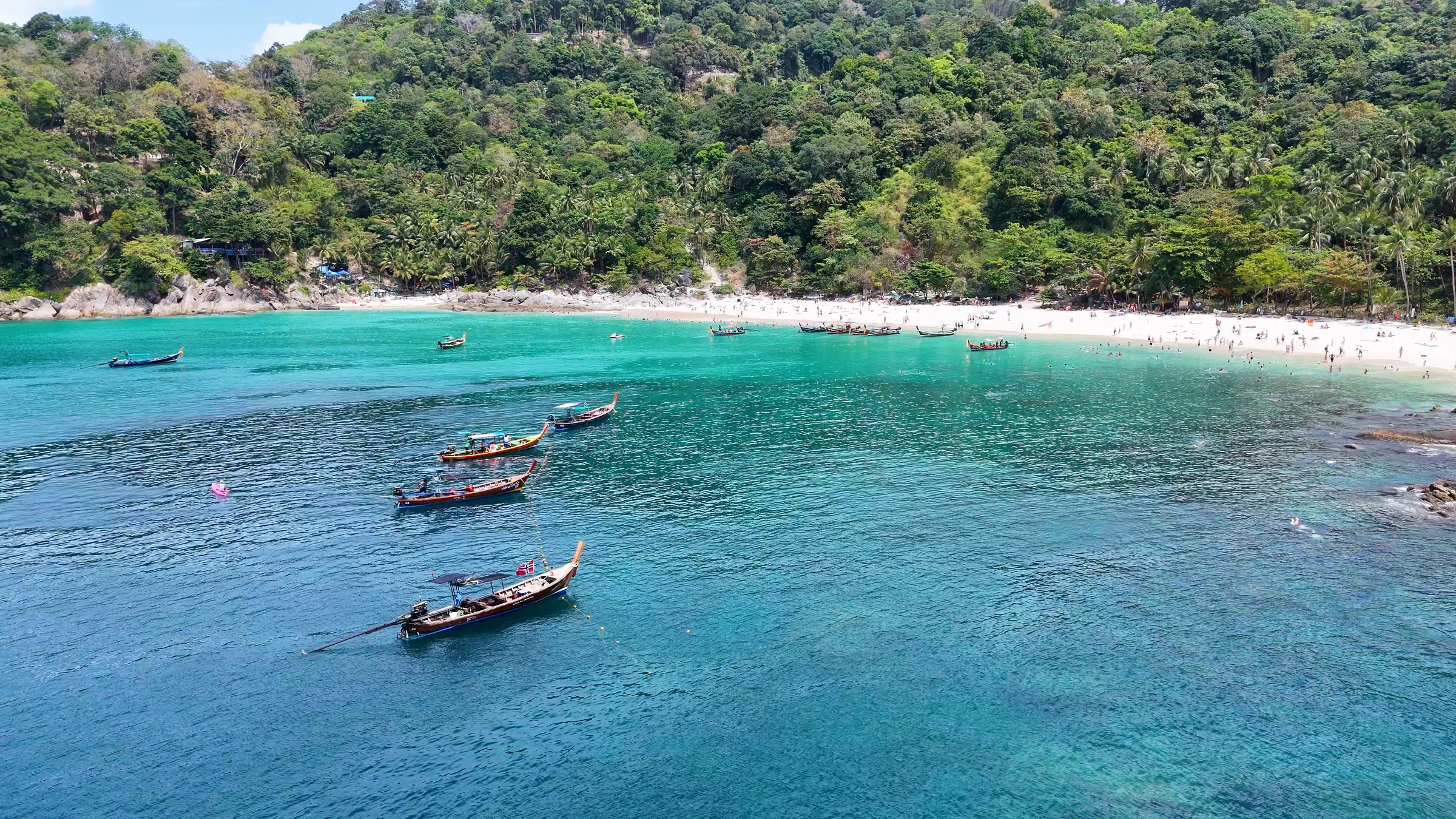
Samui's four main areas each suit a different kind of stay, so it's worth picking the right one rather than defaulting to whichever hotel photo looked best. Chaweng is the longest beach and the busiest strip on the island: the widest choice of hostels and bars, the easiest place to meet other travellers, and Samui's party centre, with bars and clubs running late most nights. If that's not your scene, Lamai is a quieter, cheaper version of the same beach, Bophut's Fisherman's Village trades nightlife for old shophouse cafes, and Maenam is the calmest and most affordable of the four. Choeng Mon, tucked into the north east near the airport, is a smaller, sheltered bay that's mostly resorts rather than hostels, but it's a pleasant half-day out even if you're not staying there, with calmer water than the west coast beaches.
2. Browse Fisherman's Village night market
Bophut's Fisherman's Village is a row of old Chinese-Thai shophouses turned into restaurants, bars and shops, and the street closes to traffic for a walking market on Friday evenings from about 5pm to 11pm. Some listings say it also runs on Monday and Wednesday, but Friday is the big night. Expect grilled seafood, noodle stalls and hoy tod (oyster omelette) alongside handicraft stalls, at a more relaxed pace than Chaweng's beach road. It works well for a first or last evening on the island, since it's an easy stroll rather than a big night out.
3. See the Big Buddha and Wat Plai Laem
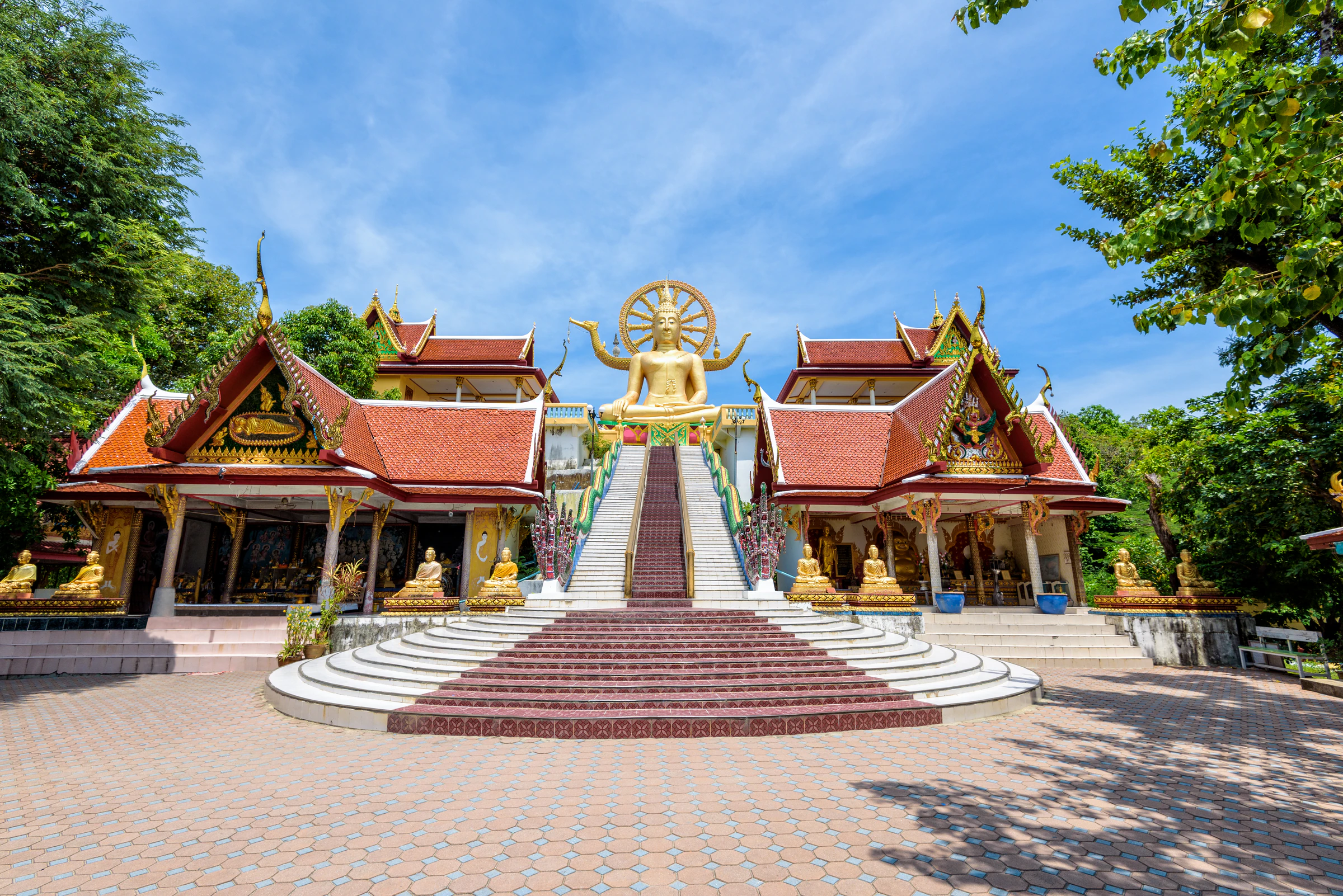
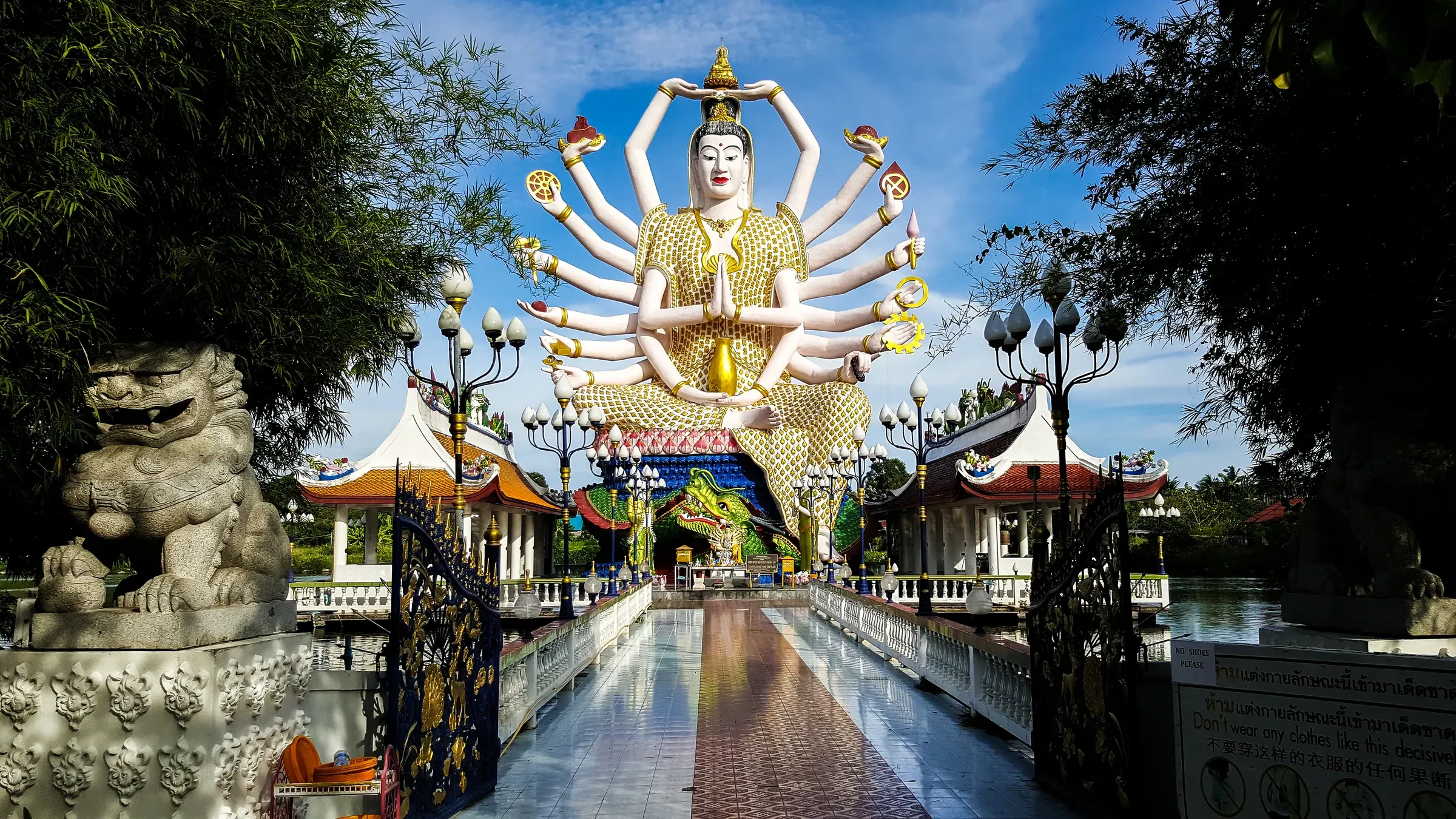
Wat Phra Yai, better known as the Big Buddha, sits on a small island connected by a causeway near Bangrak in the north east, and it's free to visit. Both temples are working places of worship, so cover your shoulders and knees and take your shoes off before entering any building. Monks turn away visitors in beachwear. A short drive away, Wat Plai Laem is worth pairing it with: the temple's centrepiece is a striking white, multi-armed statue of Guanyin, the Chinese goddess of mercy, standing over a lake stocked with fish (a donation buys a bag of fish food). Wat Plai Laem is free to enter too, and the two are easy to see back to back on the same morning.
4. Visit the Hin Ta Hin Yai rocks
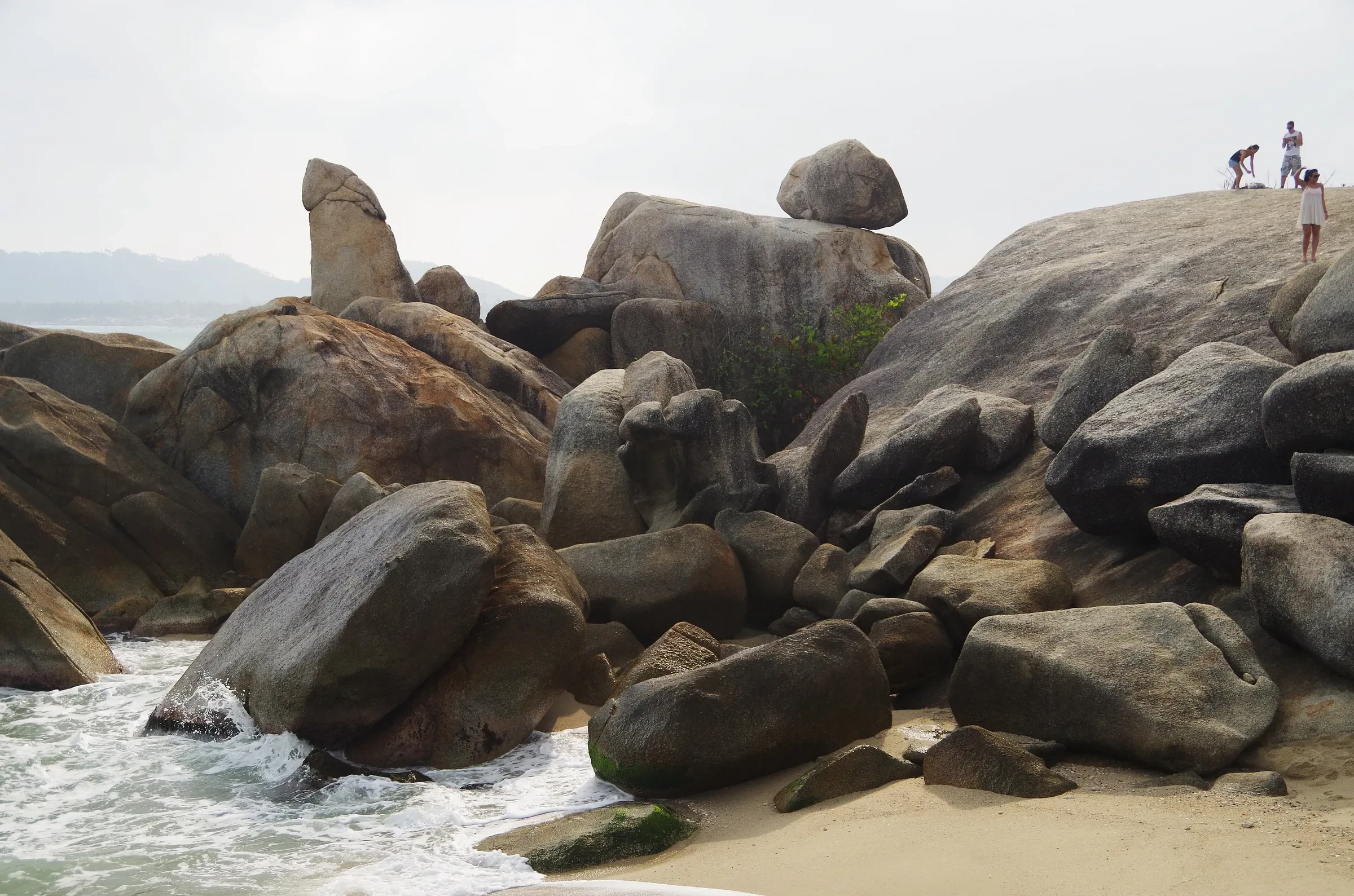
At the southern end of Lamai beach, two rock formations known as Hin Ta and Hin Yai ("grandfather" and "grandmother") have become one of Samui's most photographed, and least subtle, natural landmarks, with a folk legend attached about a couple who drowned nearby. There's no entrance fee, just a small parking charge, listed at about 20 baht for a scooter and 40 for a car. It's a quick stop rather than something to build a whole afternoon around, best combined with a walk along Lamai beach itself.
5. Cool off at Na Muang waterfalls
Na Muang has two waterfalls a short drive apart in the south of the island, inland and closest to Lamai. Na Muang 1 is a short walk from the car park to a pool most people swim in. Na Muang 2 is a longer climb: roughly 15 to 20 minutes from the car park to the base of the drop, then about 35 minutes more to the pool above it. Sources disagree on entry (free at both, or a small fee for Na Muang 2), and parking is a few tens of baht. Go after rain for the fullest flow, but take care at the top pool: the rocks are slippery and falls there have killed visitors.
Elephant rides and shows are sold near both car parks. We don't recommend them, and you don't need one to see the falls.
6. Take a day trip to Ang Thong Marine Park
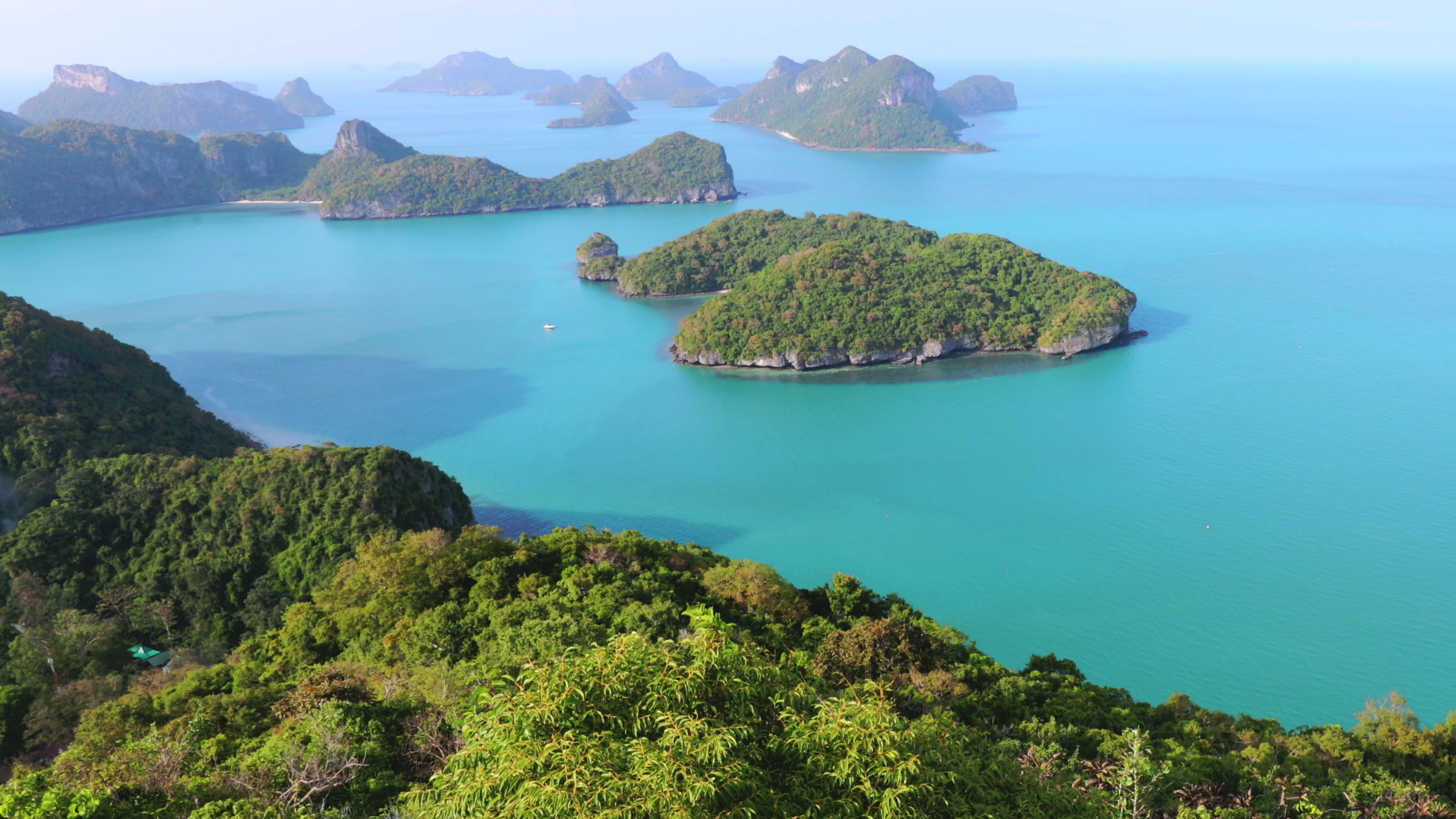
Ang Thong is a national park of 42 limestone islands west of Samui, and it's the best full-day trip the island offers: kayaking between the islets, snorkelling and a steep but short climb to a viewpoint over the whole bay, usually with lunch included. Speedboat day trips from Samui are listed from about 1,700 baht and big-boat tours from about 950 baht. The park's own entrance fee, 300 baht for a foreign adult (150 for a child), is charged on top and paid in cash at the park, so check what a tour includes before booking. The park usually closes from 1 November to 15 December, with the exact dates depending on the weather, so it isn't an option on a late-year trip. Our Koh Phangan guide covers the same park's day trips from that side of the Gulf, which run on a similar closure.
7. Island-hop to Koh Phangan and Koh Tao
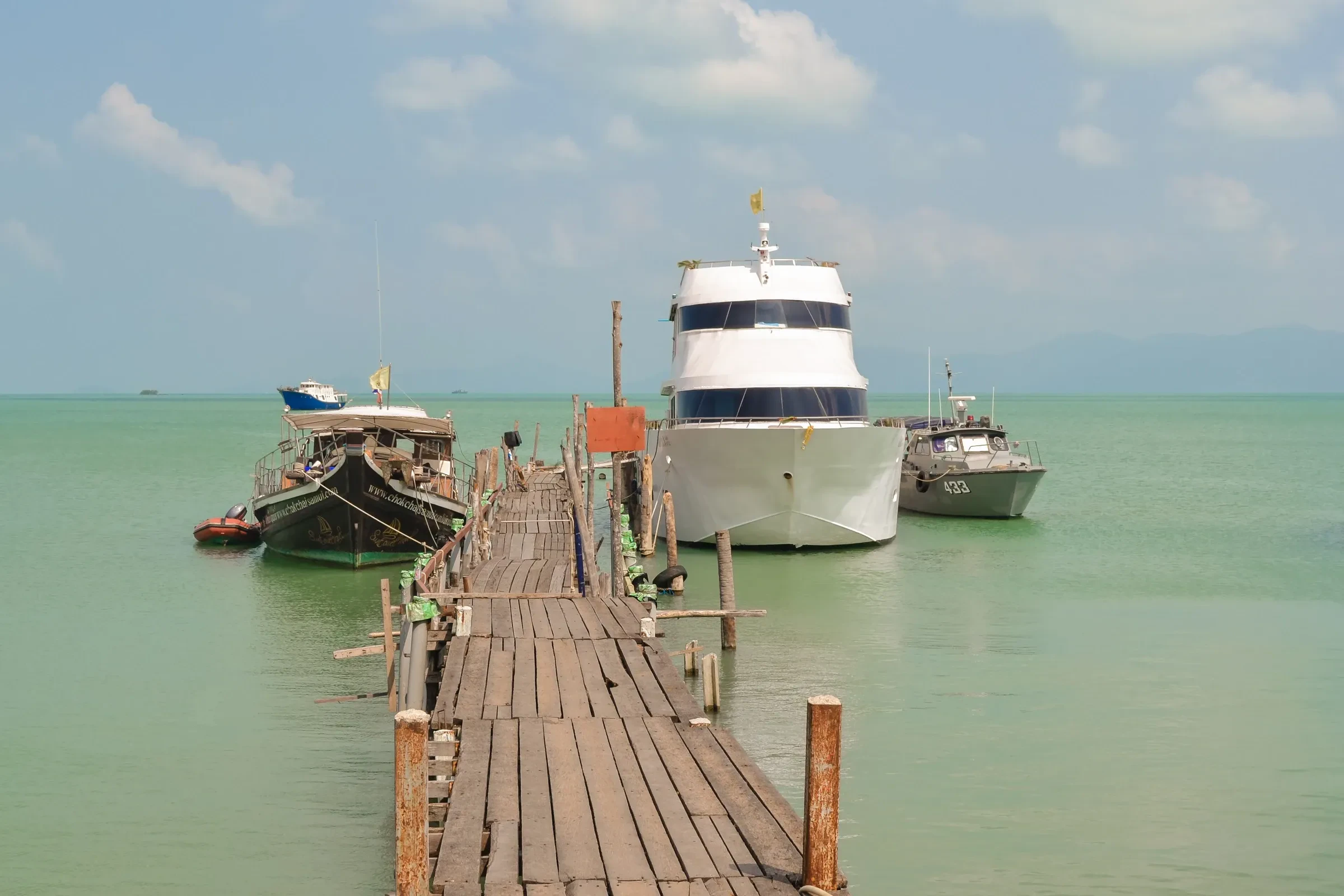
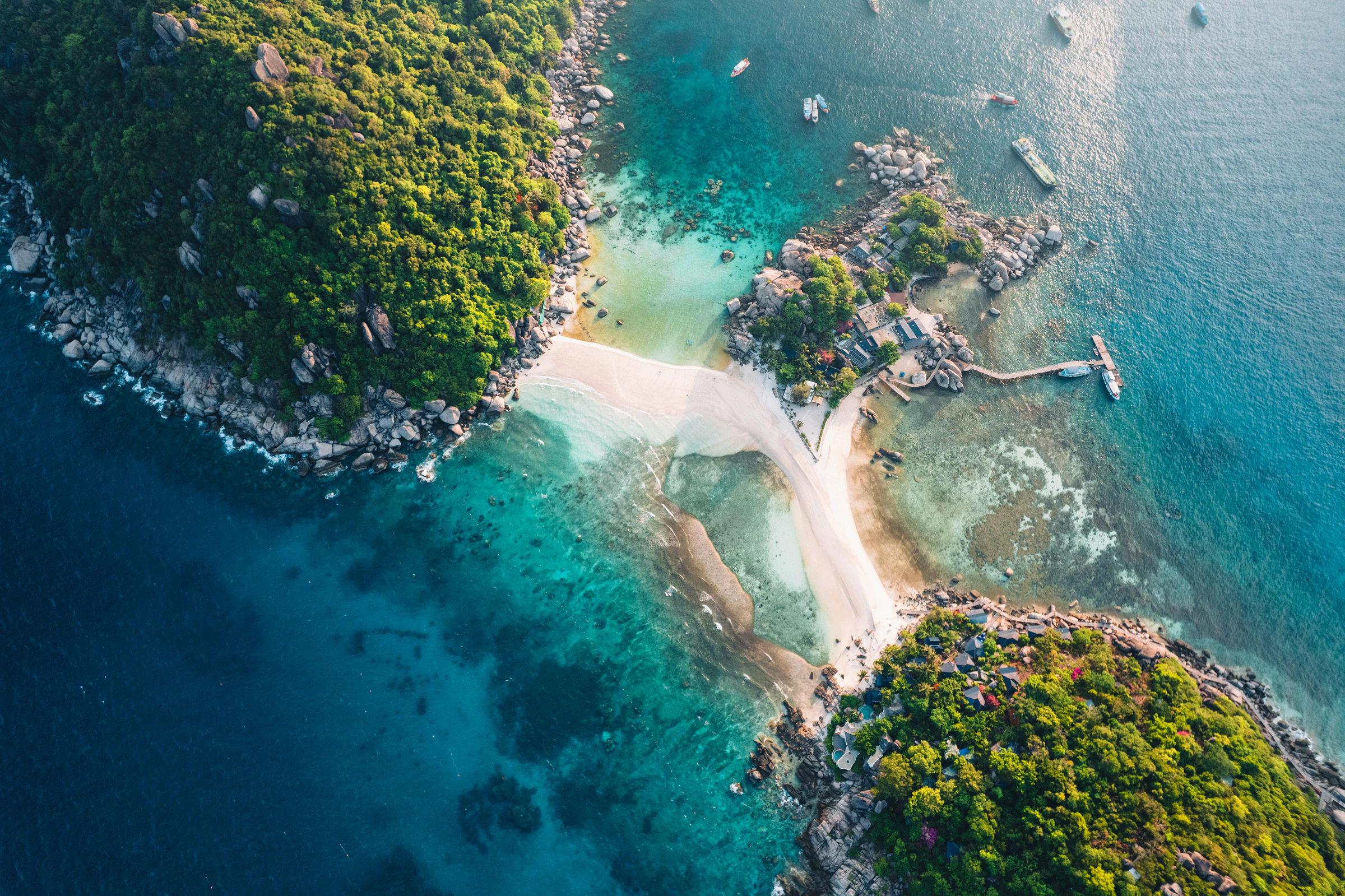
Samui's piers make it the easiest jumping-off point for the other two Gulf islands. Koh Phangan is about 30 to 45 minutes away by Lomprayah or Seatran ferry, for about 250 to 370 baht, and is worth it for a beach day, the Full Moon Party if the dates line up, or Phaeng Waterfall. Koh Tao is 1.5 to 2.75 hours away depending on the operator and route, from about 700 baht, and it's the region's dive base if you want to try a Discover Scuba dive or start a PADI Open Water course; see our Thailand diving guide for course prices and what's involved. Either island works as a single day trip or as the next stop if you're island-hopping through the Gulf, which our Gulf islands itinerary lays out in full.
8. Take a cooking class or train at a Muay Thai gym
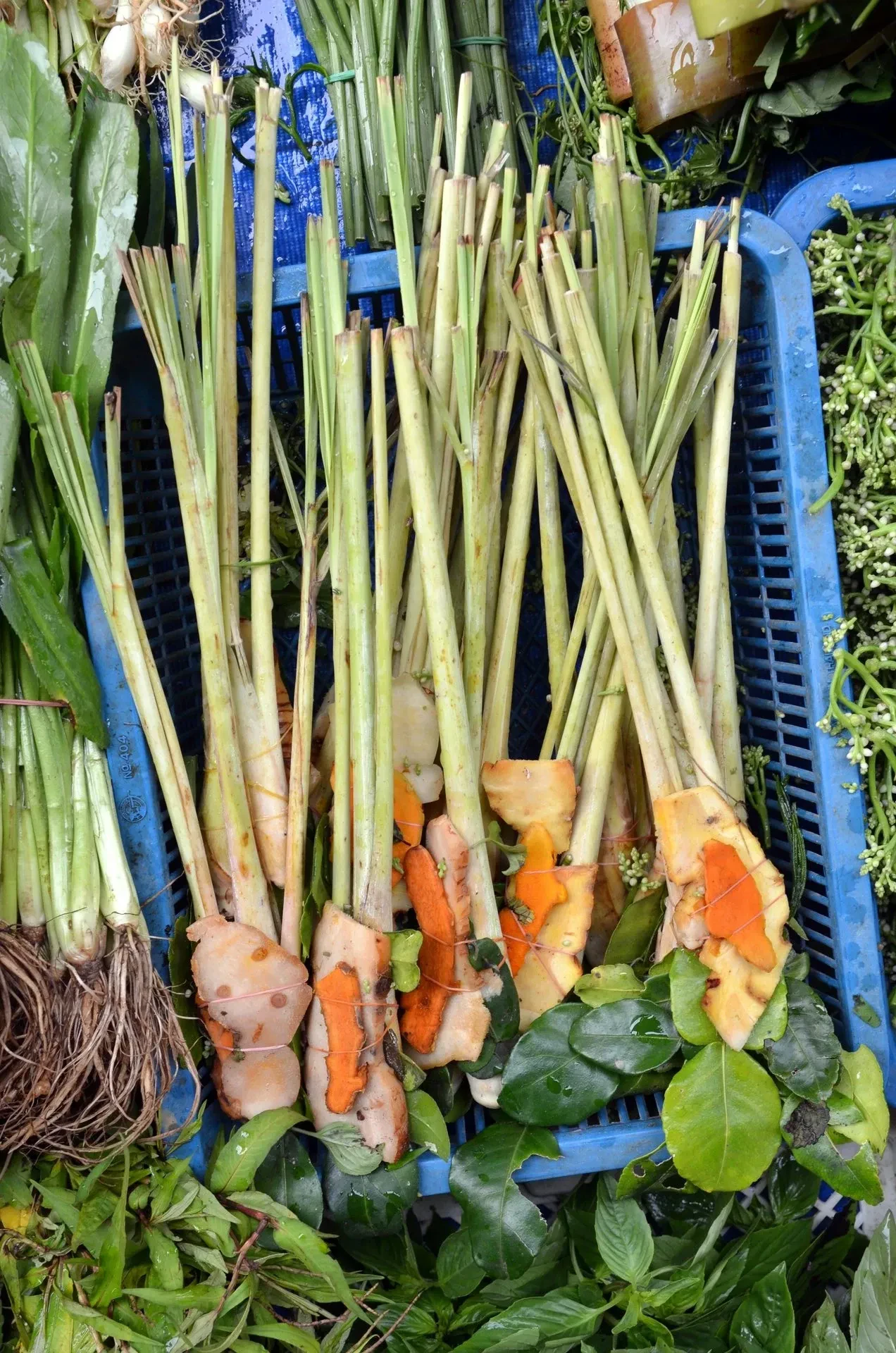
A half-day Thai cooking class typically starts from about 2,200 baht, usually including a market or garden visit, several dishes cooked in an open-air kitchen and hotel pickup. If you'd rather work up a sweat, Samui has several Muay Thai gyms around Chaweng and Lamai running beginner-friendly drop-in sessions, from about 400 baht for a single class up to a few thousand baht for a week's unlimited training. No experience or training partner is needed for a first session.
Where each one is and what it costs
| Thing to do | Where | Cost | Time needed |
|---|---|---|---|
| Choose your beach | Chaweng, Lamai, Bophut, Maenam or Choeng Mon | Free | Half a day to several days |
| Fisherman's Village night market | Bophut, Friday evenings | Free to browse; street food from about 60 baht | 1 to 2 hours |
| Big Buddha (Wat Phra Yai) | Bangrak, north east coast | Free | 30 to 45 minutes |
| Wat Plai Laem | A short drive from the Big Buddha | Free | 30 minutes |
| Hin Ta Hin Yai rocks | Southern end of Lamai beach | Free, plus about 20 baht (scooter) or 40 baht (car) to park | 20 to 30 minutes |
| Na Muang waterfalls | Inland in the south, near Lamai | Free or a small fee, plus parking | 1 to 2 hours for both |
| Ang Thong Marine Park day trip | Boat from Samui's piers | Speedboat from about 1,700 baht, plus a 300 baht park fee | Full day |
| Ferry to Koh Phangan | Samui's piers | about 250 to 370 baht | 30 to 45 minutes each way |
| Ferry to Koh Tao | Samui's piers | from about 700 baht | 1.5 to 2.75 hours each way |
| Thai cooking class | Schools mostly near Chaweng and Lamai | From about 2,200 baht | Half a day |
| Muay Thai session | Gyms around Chaweng and Lamai | From about 400 baht for a drop-in | 1.5 to 2 hours |
Practical notes
Renting a scooter. To ride legally you need a motorcycle licence from your home country plus an International Driving Permit that carries the motorcycle category. A car-only licence or IDP doesn't cover a scooter, and helmets are compulsory for rider and pillion. Police checkpoints can fine you up to about 2,000 baht for riding without the right paperwork, and most travel insurance won't pay out if you crash without a valid licence. Rental prices vary by shop and season, so agree the price and photograph the bike before you ride off, and never leave your passport as a deposit. Our Mae Hong Son Loop guide covers the same rule in more detail. If your paperwork doesn't stack up, use taxis, songthaews or ride-hailing instead.
Getting around without a scooter. Samui taxis run on fixed zone prices rather than meters, so agree the fare before you get in. Blogs quote anything from about 200 to 800 baht for the airport to Chaweng, so treat any single figure with caution. Shared songthaews on the main roads are cheaper, with blogs quoting about 30 to 80 baht for short hops. Grab, Bolt and inDriver all work on the island, but availability is patchy, so it helps to have more than one app installed.
Jellyfish. Box jellyfish are rare but dangerous in the Gulf, and stings have killed swimmers off Samui and Koh Phangan in past years. Thailand's tourism authority lists both islands among the places where they have been seen, and says jellyfish come inshore more often in the monsoon months. After sightings were reported in August 2025, a Thai marine scientist advised swimming only in netted areas and staying out of the sea at dusk and at night; officials put up warning signs at the high-risk beaches. If someone is stung, get them out of the water, pour vinegar over the sting for at least 30 seconds, don't rub it or rinse it with fresh water, and call 1669 for an ambulance.
The rainy season. Samui follows the Gulf's own weather pattern rather than the rest of Thailand's, running opposite to the Andaman coast. The best months are February to September; October to December is the rainy season, with November the wettest month and the one most likely to bring rough seas and ferry delays. See our best time to visit Thailand guide for the month-by-month detail.
On animal experiences. You'll see elephant rides and animal shows advertised around the island, including at the Na Muang waterfalls. We don't recommend or book them, and they're not part of anything we run.
Keep planning
- Koh Samui travel guide: areas, getting there and when to go
- Koh Phangan travel guide
- Koh Tao travel guide
- Gulf islands itinerary: Koh Samui, Koh Phangan and Koh Tao in 1 week or 10 days
- Phuket vs Koh Samui
- Koh Samui vs Koh Phangan vs Koh Tao