This has confused a lot of people. In May 2026 Thailand's foreign ministry published a draft that put India on the visa-on-arrival list instead of the visa-free list. That draft was changed in July, and when the final rules were published on 31 August 2026, India was in the 30-day visa-exempt group. Some news and visa sites in September still said Indians had "lost" visa-free entry or "moved to visa on arrival". They're wrong: India is on the Tourism Authority of Thailand's official list. For other passports, see our Thailand entry requirements guide.
Is Thailand visa-free for Indians?
Yes. Indians have been visa-exempt since 10 November 2023, first for 30 days and then, from 15 July 2024, for 60. From 15 September 2026 it's back to 30 days. There's nothing to apply for beforehand and no visa-on-arrival fee to pay; the immigration officer simply stamps you in when you land.
The conditions:
- It's for tourism only. For business meetings you need a Non-Immigrant "B" visa.
- Visa-exempt entries by land are limited to 2 per calendar year, according to the Tourism Authority of Thailand, and some official sources include sea arrivals. The cap doesn't cover air arrivals, though the UK government words it more broadly, so check with a Thai mission if you plan to fly in more than twice in a year.
- If you entered before 15 September 2026, you keep the stay you were given.
- Visa on arrival now exists only for citizens of Azerbaijan, Belarus and Serbia. So if an agent offers to arrange "VOA" for an Indian passport, say no. You don't need it.
Don't count the days yourself. Your entry stamp shows the last date you can stay, so check it before you leave the immigration desk.
Staying longer than 30 days: the e-Visa
The Thai Embassy in New Delhi confirms the 30-day exemption continues for Indian passport holders from 15 September 2026. If you want longer, you have two options: a Tourist Visa applied for online before you travel, or one extension in Thailand.
To extend in Thailand, go to an immigration office, fill in form TM.7 and pay 1,900 THB. You can do this once, for up to 30 days. It's the officer's decision, and Thai embassies say extensions are still available under the new rules.
A Tourist Visa, applied for online, gives you 60 days on arrival, extendable by 30 days. Every Thai visa now goes through thaievisa.go.th, and you must be outside Thailand while you apply.
- Register with an email and password. The activation link expires in 30 minutes.
- Choose the Thai mission that covers where you live, then Tourist Visa. Mumbai covers Maharashtra, Gujarat, Goa and Madhya Pradesh. Chennai covers Tamil Nadu, Karnataka, Kerala, Andhra Pradesh, Telangana and Puducherry. Kolkata covers West Bengal, Bihar, Jharkhand, Odisha, Chhattisgarh and the Andaman and Nicobar Islands. New Delhi covers the rest, including Delhi, Punjab, Haryana, Rajasthan, Uttar Pradesh and the north-east.
- Enter your details. Your passport photo page is read automatically.
- Upload a passport scan (all four corners and the machine-readable zone), a photo (JPG, under 200 KB, white background, taken in the last 6 months), bank statements, flight bookings, hotel bookings and proof of address, such as a utility bill.
- Sign the declaration and pay by card.
- The approval comes by email as a PDF. Print it and show it at check-in and at immigration.
Processing times aren't guaranteed, so apply 3 to 4 weeks ahead, and no earlier than 3 months before travel. The portal asks for proof of at least 20,000 THB, such as three months of bank statements. Since 27 April 2026 all Thai missions in India charge ₹3,000 for a single-entry Tourist Visa and ₹13,500 for multiple entry.
Use thaievisa.go.th and nothing else, because copycat sites charge extra.
Don't overstay. It costs 500 THB a day up to 20,000 THB and can lead to detention, deportation and a ban of up to 10 years.
Entry checklist
- Passport valid for 6 months from arrival, with at least one blank page
- Return or onward ticket (people have been refused entry without one)
- TDAC filed at tdac.immigration.go.th within 3 days before arrival (free)
- Proof of funds: sources give 10,000 or 20,000 THB per person, so carry about 20,000 THB or the equivalent, or be ready to show a card or bank balance
- Hotel booking or address for your first night
- Travel insurance
- No vape, and a Thai FDA permit if you carry medicine containing codeine
- e-Visa PDF, if you're staying more than 30 days without extending
There's no tourist entry fee yet. A 450 THB fee is still only a proposal, and the earliest the government aims to start collecting it is early 2027.
Flights from India to Thailand
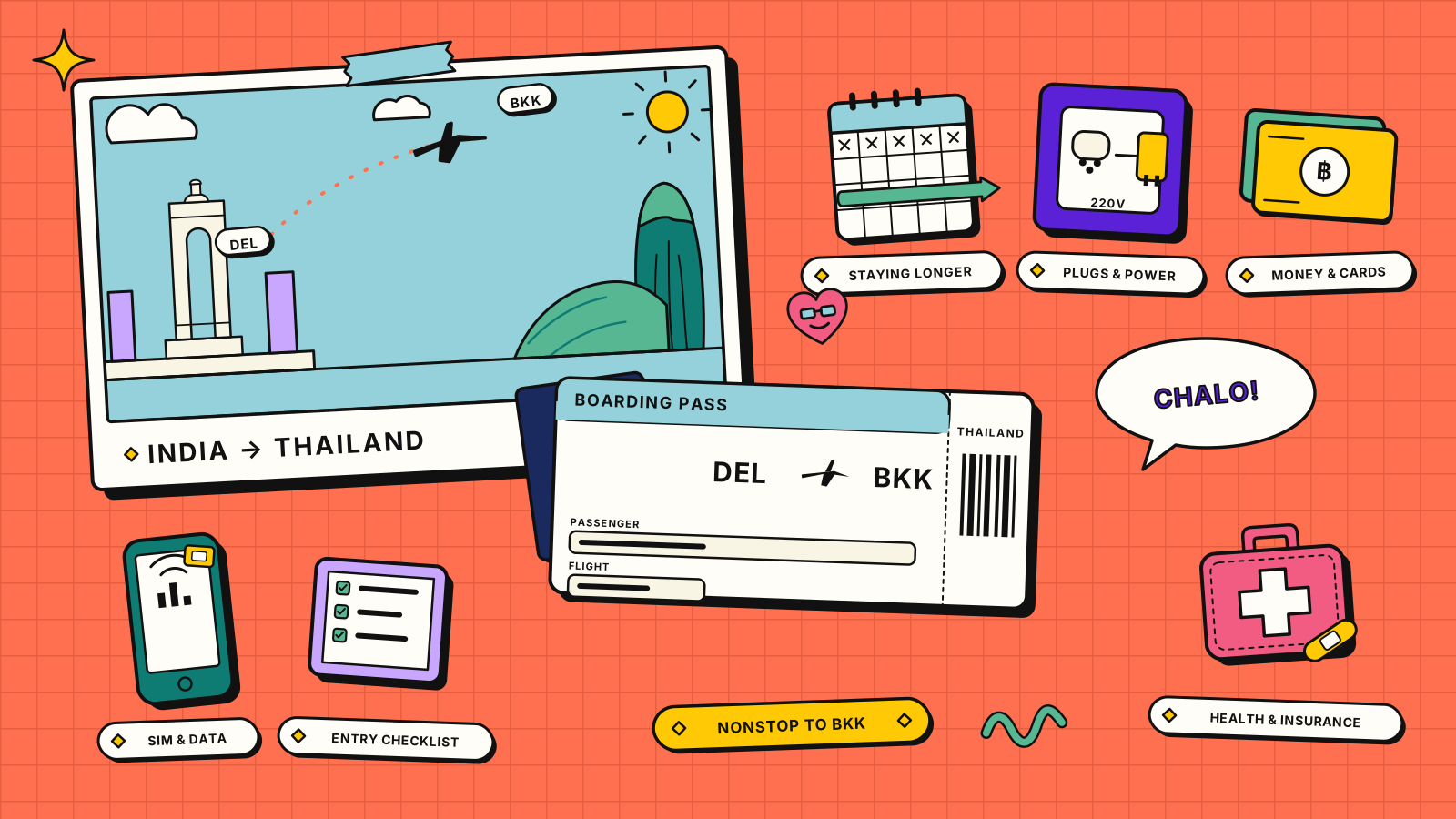
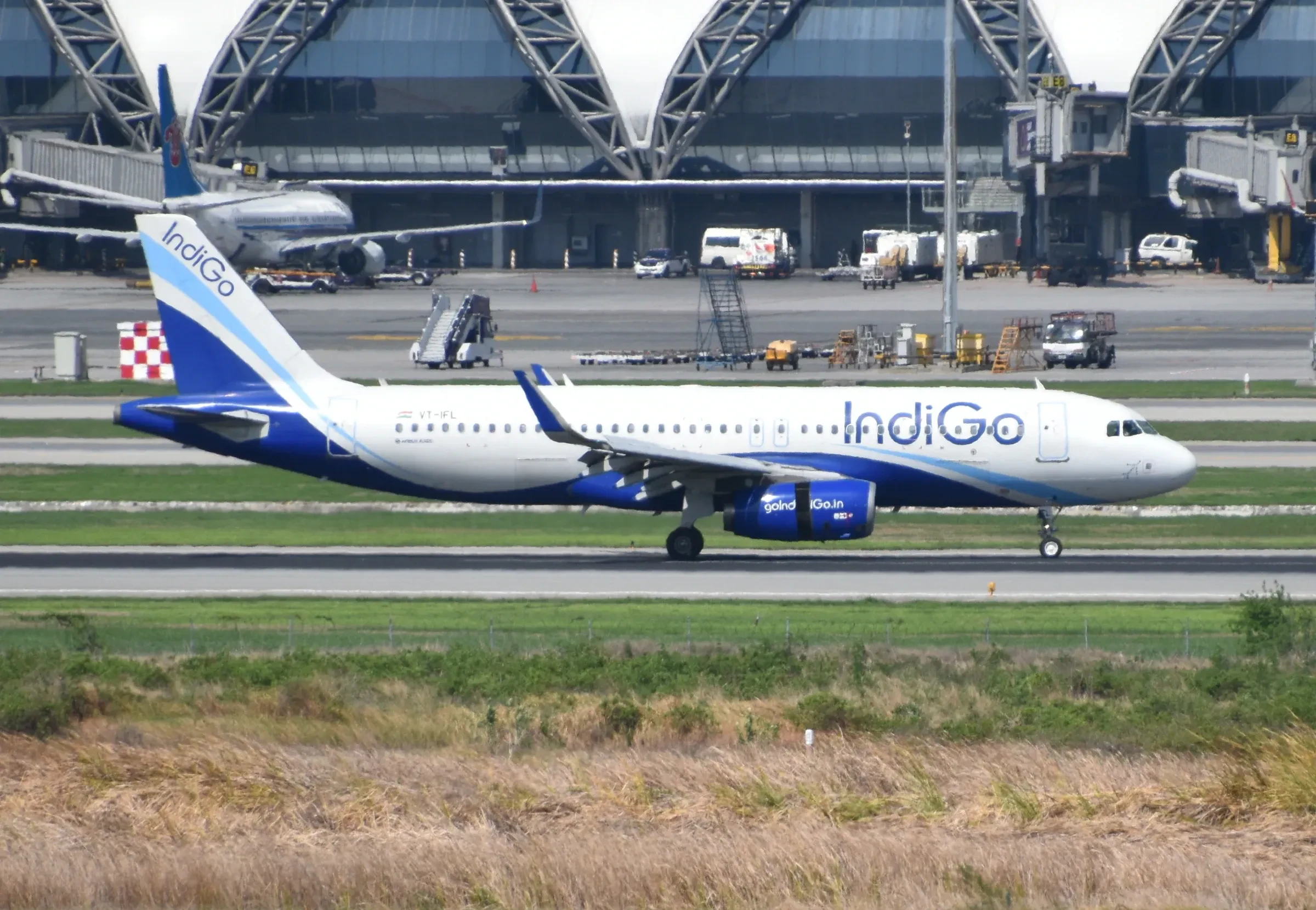
You're spoilt for nonstop flights from India. Most go to Bangkok Suvarnabhumi (BKK), and many go straight to Phuket (HKT).
| Airline | Nonstop routes to Bangkok |
|---|---|
| IndiGo | Delhi, Mumbai, Bengaluru, Chennai, Kolkata, Hyderabad and more. Guwahati from 27 October 2026 |
| Air India and Air India Express | Air India from Delhi, Mumbai and Kolkata. Air India Express from Bengaluru, Chennai, Kolkata and Varanasi (weekly), and Kochi from 25 October 2026 |
| Thai Airways | Delhi, Bengaluru, Chennai, Hyderabad, Kolkata, Ahmedabad |
| SpiceJet | Delhi and Kolkata are listed on booking sites, but no start date has been announced. Check with the airline |
| Thai AirAsia, Thai AirAsia X, Thai VietJet | Thai AirAsia X from Delhi. Thai AirAsia restarts its Don Mueang flights from Gaya on 25 October 2026, Ahmedabad on 6 November, Guwahati, Hyderabad and Lucknow on 16 November, and Jaipur on 17 November. Thai VietJet from Mumbai and Kolkata. Thai Lion Air cut its India flights in mid-2026, so check its current schedule |
Nonstops to Phuket: IndiGo from Delhi, Mumbai and Bengaluru, Akasa Air from Mumbai and Bengaluru, Air India from Delhi, Air India Express from Bengaluru, and Thai VietJet from Mumbai (from 25 October 2026). Schedules change by season, so check before you book.
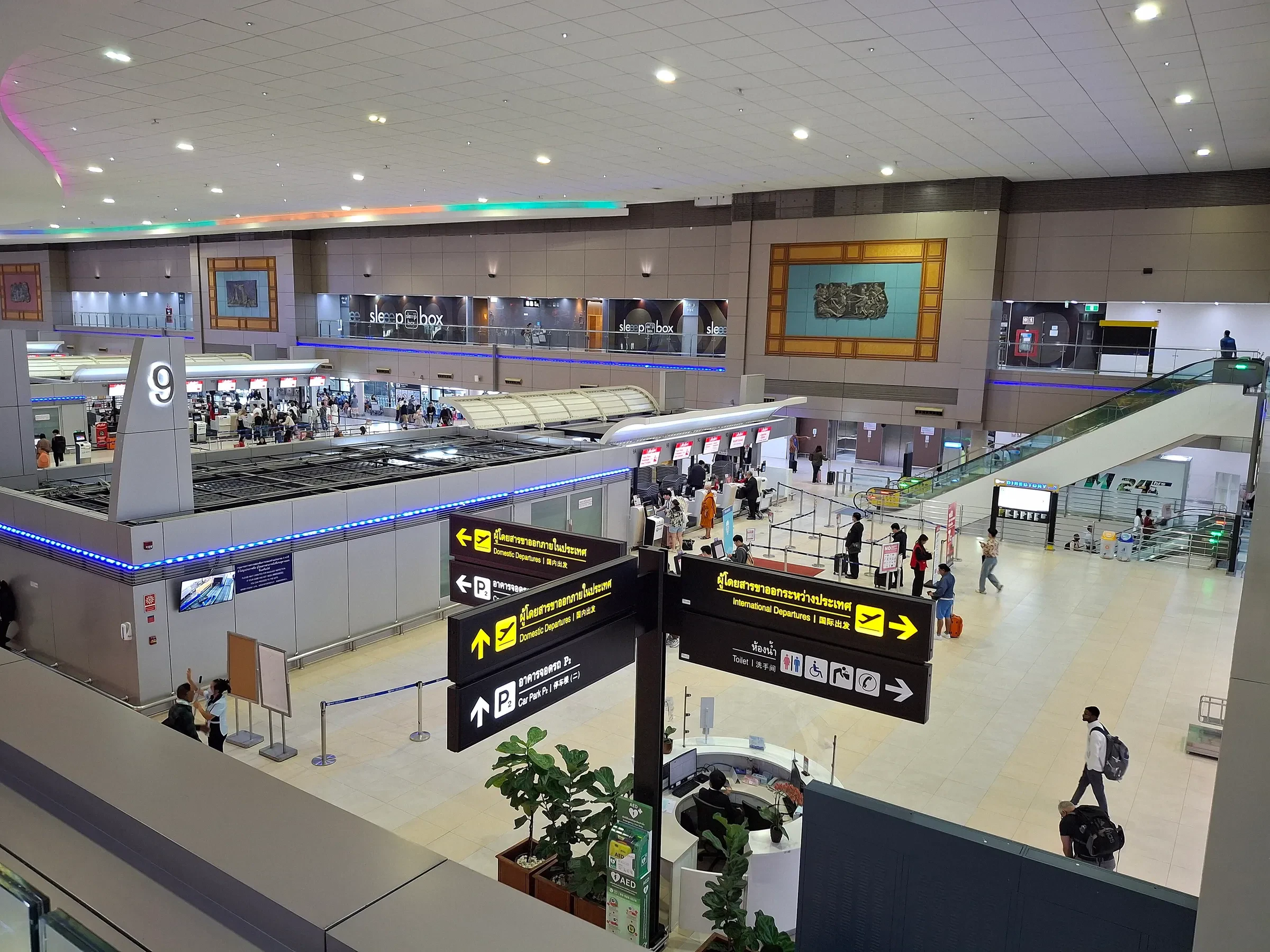
Check which Bangkok airport your flight uses, because Thai AirAsia and Thai AirAsia X use Don Mueang (DMK). The two airports are about 1-1.5 hours apart by road.
Low-cost connections through Singapore (Scoot) or Kuala Lumpur (AirAsia) are another option, but with so many nonstops they rarely save much. AirAsia X ends its Delhi to Kuala Lumpur flights on 25 October 2026.
When to fly
Fares usually follow the seasons. Thailand's high season (November to February, plus Songkran in mid-April) is busy, and the Indian summer holidays in May and June are a peak time for travel out of India too. Compare a few dates on the airline's own booking page before you commit. Our best time to visit Thailand guide covers the weather month by month.
What to bring from India
Plug adaptor. Thai sockets take types A, B, C and O, at 220 V, 50 Hz. Indian sockets are types D and M, so bring an adaptor for anything with a three-pin plug. A thin two-pin charger plug (type C) fits Thai sockets as it is. India runs at 230 V, 50 Hz, so you don't need a voltage converter.
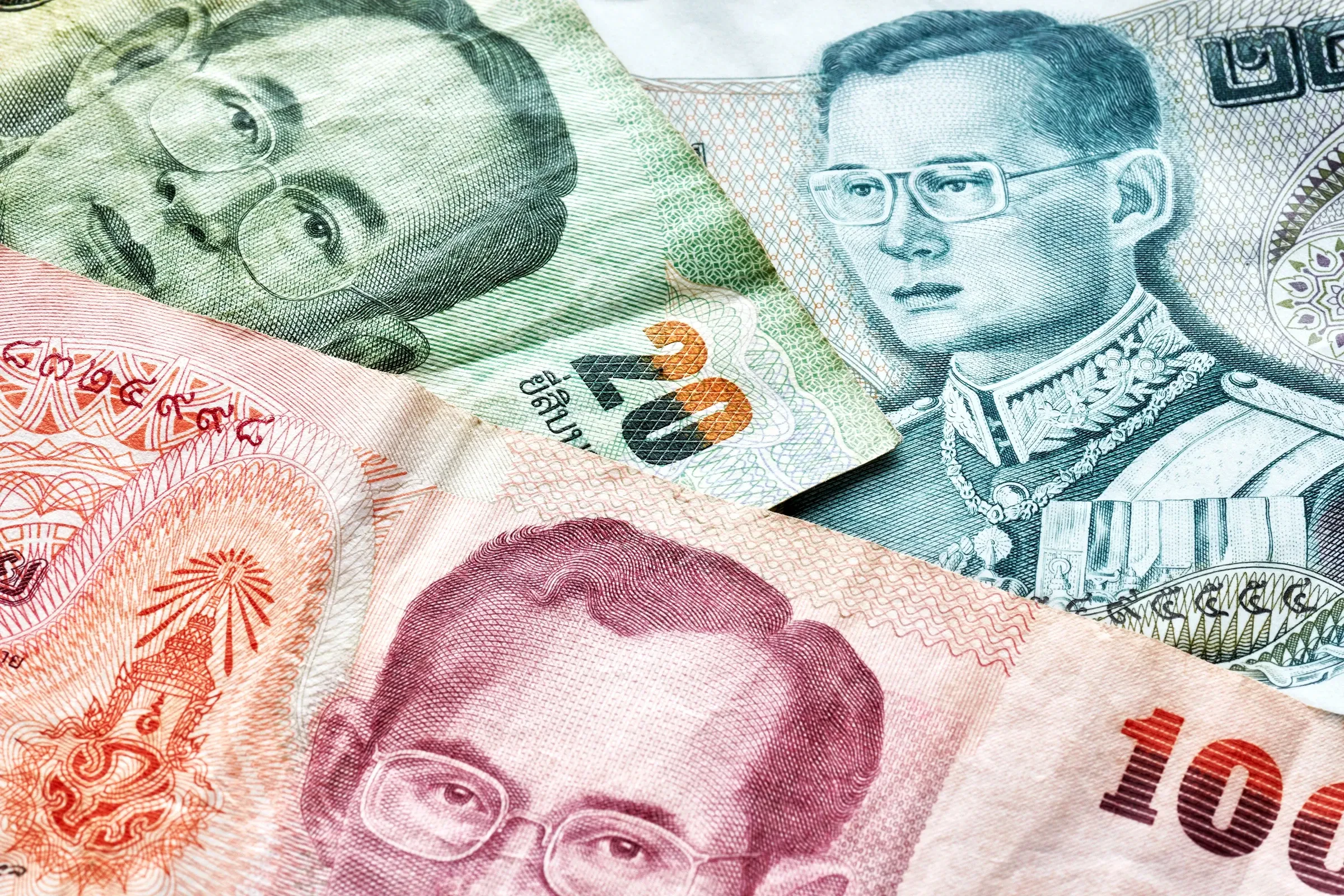
Money and cards. The currency is the Thai baht (THB). Thai ATMs charge foreign cards a flat 220-250 THB per withdrawal (up to 350 THB at some machines), and AEON ATMs about 150 THB. When a machine or card terminal offers to charge you in rupees, decline and pay in baht. Before you go, switch on international use for your debit and credit cards in your bank's app: under RBI rules, Indian cards work only in India until you enable it. RBI rules also limit how much foreign currency in notes you can buy to US$3,000 per trip, so carry anything more on a forex card, and you can take up to ₹25,000 in rupees out and back. Carry about 20,000 THB or the equivalent, which also covers the funds question at immigration. When you come home, declare foreign currency notes over US$5,000 (or US$10,000 in total, including cards and cheques) to Indian customs.
Insurance. You don't need it for entry, but private hospitals in Thailand ask for a payment guarantee before treating you. Buy a travel policy with medical cover.
Medicines. Check these before you pack:
- Codeine and other opioids need a Thai FDA permit from permitfortraveler.fda.moph.go.th. Apply at least 14 days before you arrive. Some Indian cough syrups and painkillers contain codeine (often listed as codeine phosphate), so read the label before you pack them. The Thai FDA's traveller guidance makes no exception for low doses, so any codeine medicine needs a permit. Otherwise, leave it at home.
- Amphetamine-based ADHD drugs are banned. Methylphenidate is allowed up to 30 days' supply with a doctor's prescription.
- Ordinary medicines are fine up to 30 days' supply. Keep everything in original packaging, and declare permit medicines at the red channel.
Duty-free. The allowance is 1 litre of alcohol and 200 cigarettes (or 250 g of tobacco). Customs does check at Suvarnabhumi, and fines can reach 10 times the value.
Vape and cannabis. Vapes are illegal to bring in, own or use, with fines typically 5,000-30,000 THB. Cannabis is medical-only with a Thai prescription, and taking it out of Thailand is illegal.
Everything else. Pack reef-safe sunscreen, mosquito repellent with DEET or picaridin, and clothes that cover shoulders and knees for temples. The rest is in our Southeast Asia packing list.
Arrival day, step by step
- In the 3 days before you fly: file your TDAC and save the confirmation. Set up a travel eSIM if you want data on landing.
- Immigration at BKK, DMK or HKT: show your passport and, if asked, your return ticket and funds. You'll be stamped in for 30 days.
- Customs: red channel for permit medicines, more than 200 cigarettes or 1 litre of alcohol, or more than US$15,000 in cash. Green for everything else.
- SIM and cash: AIS, TrueMove H and dtac have counters at BKK, DMK and HKT. Tourist SIMs cost about 299-599 THB, and you need your passport. Look for an AEON ATM.
- Into the city:
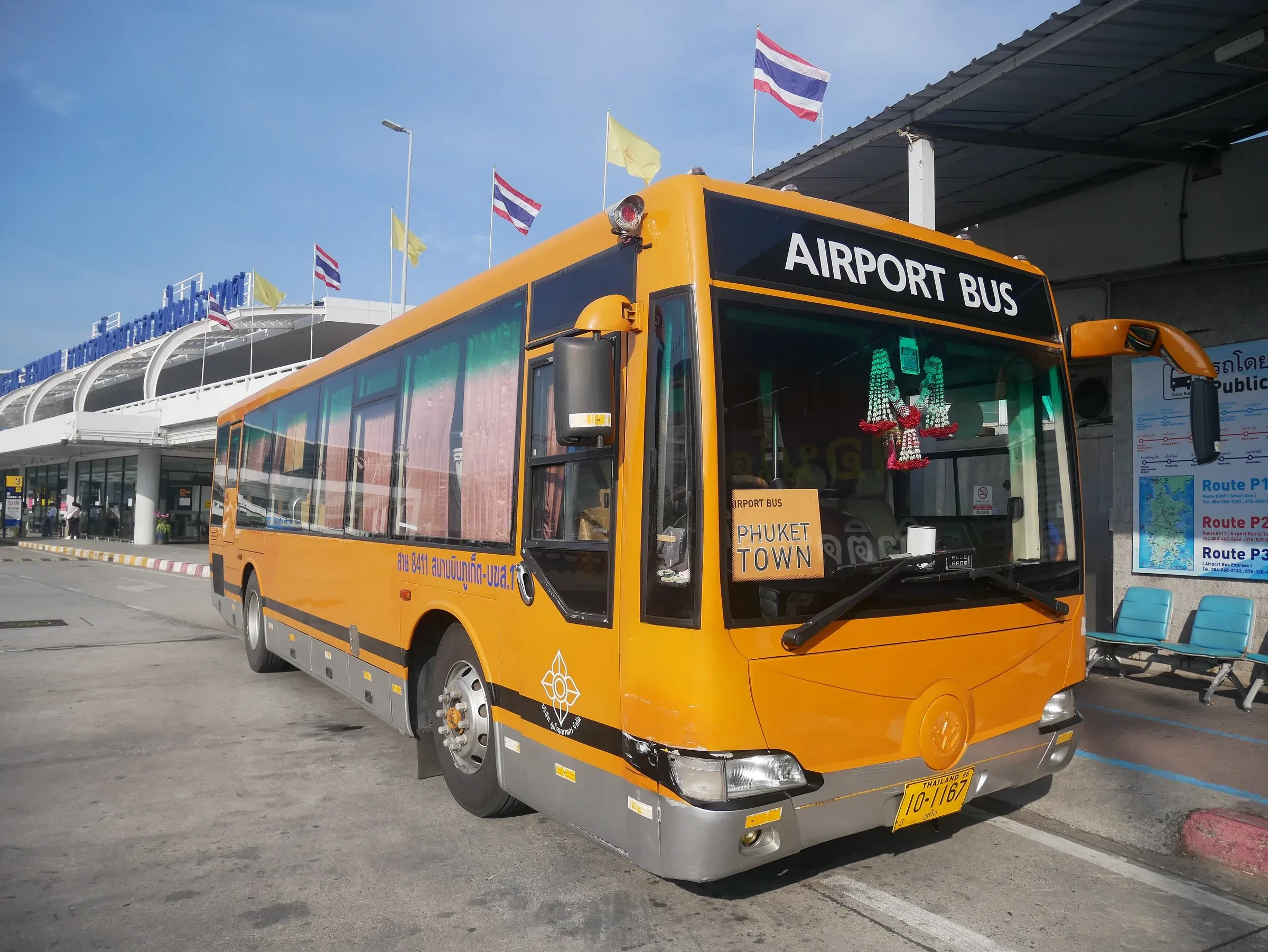
- From Suvarnabhumi (BKK): the Airport Rail Link runs from the basement (level B1) to Phaya Thai, 05:30 to midnight, for about 45 THB. Public metered taxis charge the meter plus a 50 THB airport fee plus expressway tolls, usually 400-600 THB in total. Grab picks up from Level 1, Gate 4. - From Don Mueang (DMK): the SRT Red Line runs to Krung Thep Aphiwat station (fares 12-42 THB by distance). Airport buses A1 and A2 cost 30 THB, and A3 and A4 cost 50 THB (the A4 goes to Khao San Road). Taxis charge the meter plus 50 THB plus tolls. - Changing between BKK and DMK: there's a free shuttle bus for passengers with an onward boarding pass. Allow 1-1.5 hours by road. - From Phuket (HKT): the Airport Bus runs to Phuket Town for 100 THB, and the Smart Bus to Patong, Karon and Kata for about 100 THB. A metered taxi to Patong costs about 750 to 1,000 THB in total, including a 100 THB airport fee.
Travel Thailand with us
Thailand Express covers the highlights in 8 days, so it fits into a week's leave plus a weekend. Thailand Diving Tour is 8 days of islands and diving. Ages 18 to 40, and I'm with the group the whole way as your Trip Host.