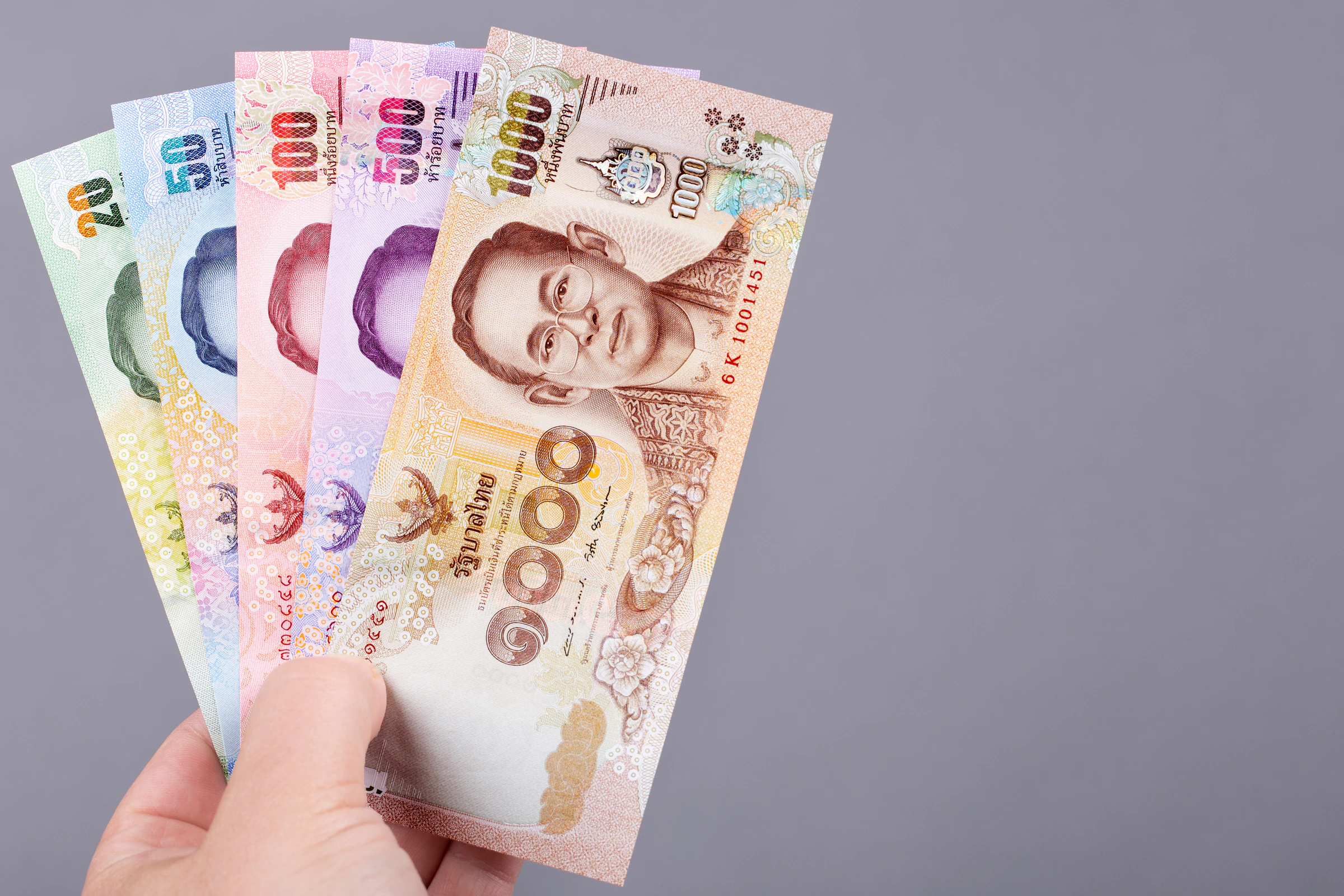
Bangkok is hot all year, so "best time" here really means driest and least hot rather than cool. Three things drive the calendar: a dry season from November to February, a hot season from March to May, and a rainy season from roughly May to October that peaks in September.
This guide goes month by month with average temperatures and rainfall, then covers the heat, the rains and flood risk, and the two big dates worth timing a trip around: Songkran and New Year. For the rest of the city, see our Bangkok travel guide, and for the wider country, see the best time to visit Thailand.
Bangkok weather by month
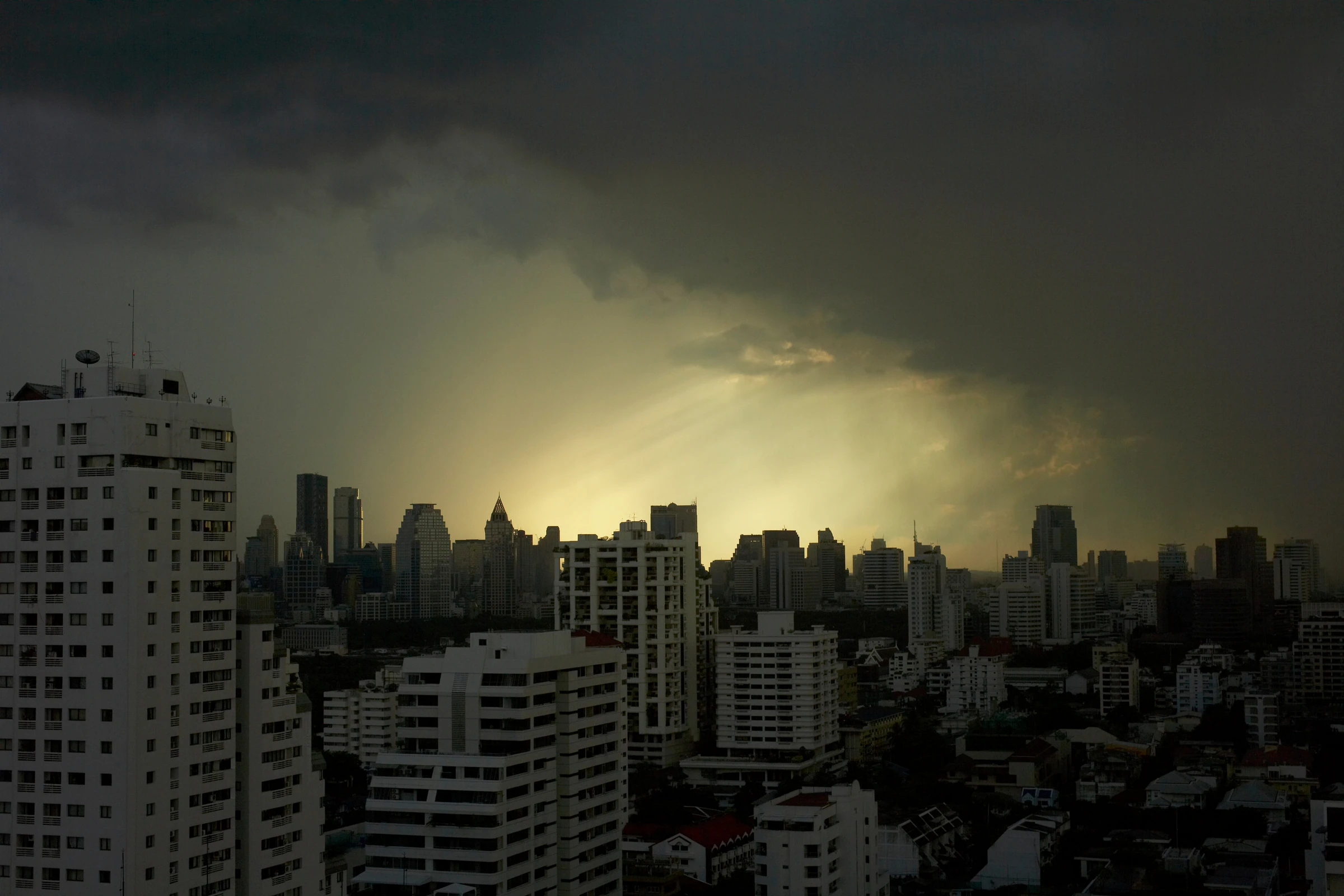
The table shows the 1991 to 2020 climate normals for the Bangkok Metropolis weather station, which NOAA publishes (we read them in Wikipedia's Bangkok climate table, checked 6 October 2026). Other sources use different stations or periods and show lower rainfall totals (some put September nearer 240 to 290 mm), so treat the numbers as a guide rather than a promise. Any single year runs hotter, cooler, wetter or drier.
| Month | Average high | Average low | Average rainfall |
|---|---|---|---|
| January | 32.7°C | 23.4°C | 24 mm |
| February | 33.7°C | 24.8°C | 21 mm |
| March | 34.7°C | 26.4°C | 51 mm |
| April | 35.7°C | 27.2°C | 93 mm |
| May | 35.1°C | 26.9°C | 217 mm |
| June | 34.1°C | 26.4°C | 199 mm |
| July | 33.5°C | 26.1°C | 190 mm |
| August | 33.3°C | 25.9°C | 227 mm |
| September | 33.2°C | 25.4°C | 336 mm |
| October | 33.3°C | 25.2°C | 289 mm |
| November | 33.1°C | 24.7°C | 45 mm |
| December | 32.3°C | 23.2°C | 12 mm |
A few things jump out. Bangkok's temperature barely moves through the year, staying within about 3°C of average highs. Rainfall does the real work: December is almost dry, while September gets nearly 30 times as much rain.
The dry season: November to February
This is the most comfortable stretch. Rain is rare, humidity drops and the daytime highs, while still warm, are the lowest of the year. It's also the busiest and most expensive time to visit, so book flights, hostels and the overnight train north early, especially around Christmas, New Year and the last two weeks of December.
The hot season: March to May
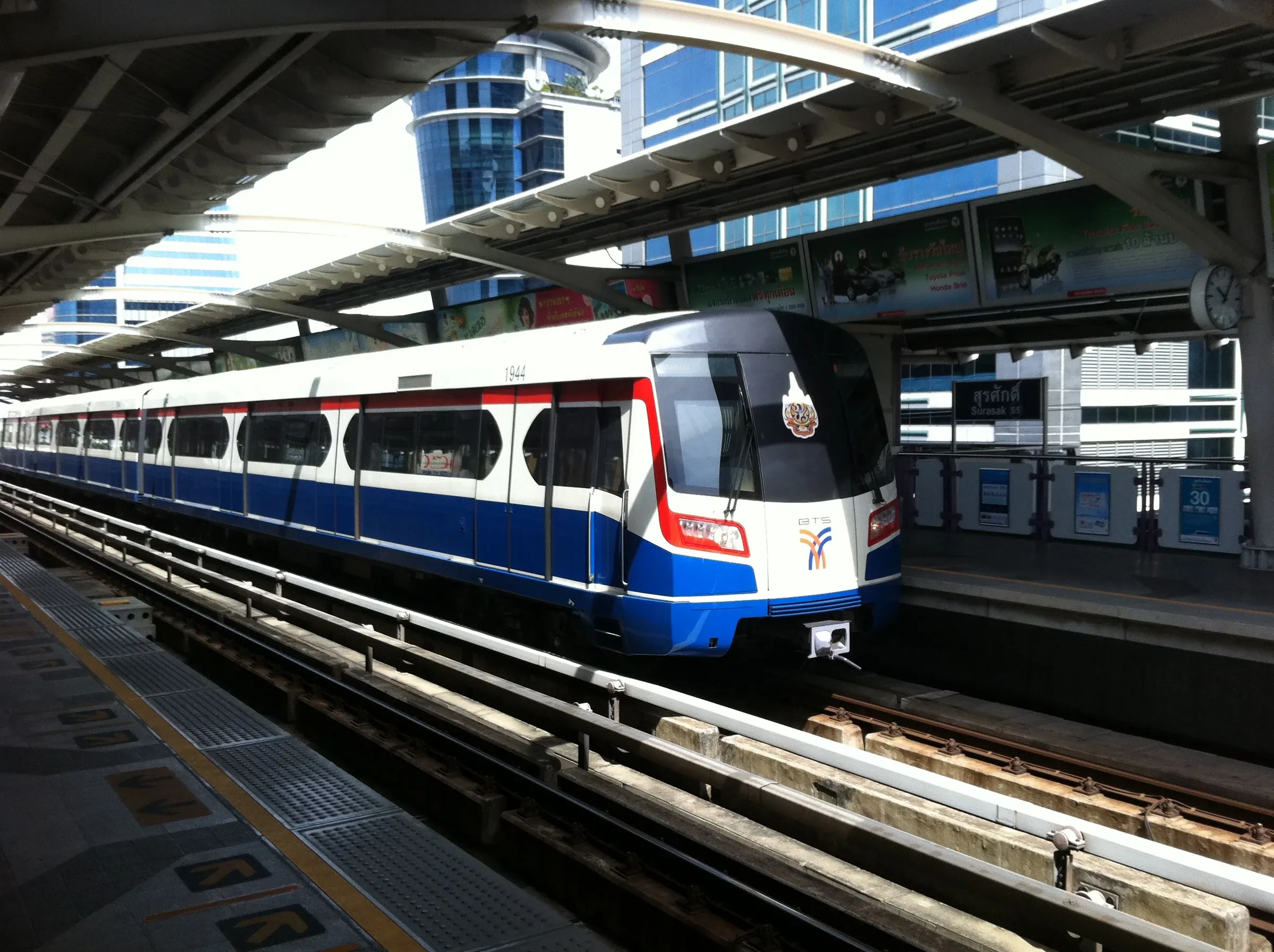
April is Bangkok's hottest month, with an average high of about 36°C, and the humidity makes it feel hotter still. Stick to early mornings and evenings for sightseeing, use air-conditioned malls and the BTS to break up the day, and drink more water than feels necessary. It's also when Songkran falls, which at least means a citywide water fight to cool down in (see below).
The rainy season and flood risk: June to October
Rain builds through the middle of the year and peaks in September, Bangkok's wettest month by a wide margin, with October close behind. Downpours are usually short and heavy rather than day-long, so a rainy afternoon rarely writes off a whole day of sightseeing.
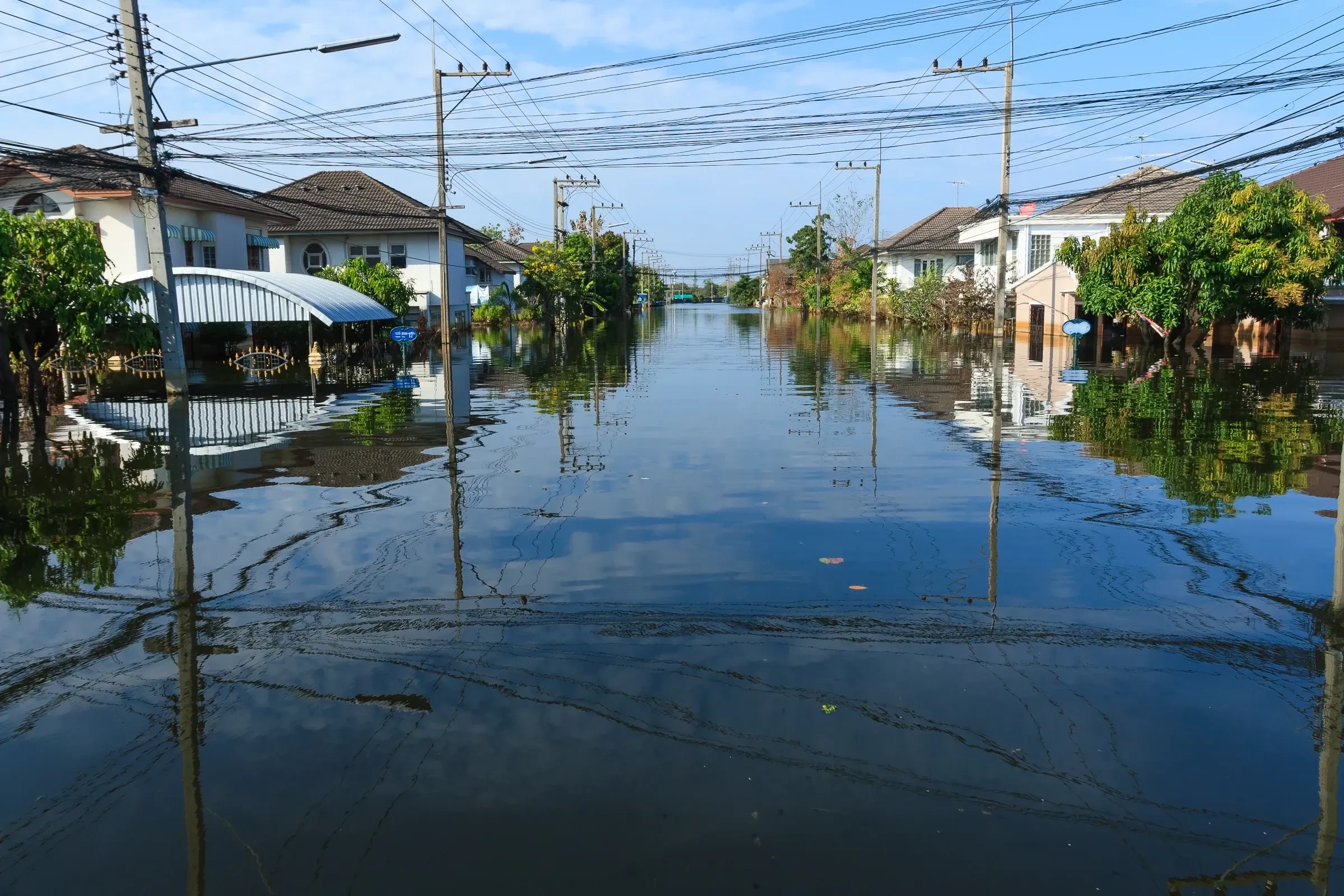
Flooding is a recurring risk in this window, on top of the heavy rain. Bangkok sits on flat, low-lying delta land. After heavy rain from 24 September 2026, Bangkok's governor declared a flood disaster area across all 50 districts on 26 September, after close to 300 mm of rain in some areas, with some main roads closed and around 4,200 people moved to shelters (The Star and Khaosod English, 26 to 27 September 2026). Reports on 29 September said both airports, the BTS, MRT and Airport Rail Link were running and most tourist sites were open. A day earlier, The Star reported that over 200 of about 700 identified flood-risk points still needed work (25 September 2026). Expect the odd flooded street or delayed Grab ride in September or October, and check local news and your government's travel advice if heavy rain is forecast during your stay.
When Songkran falls
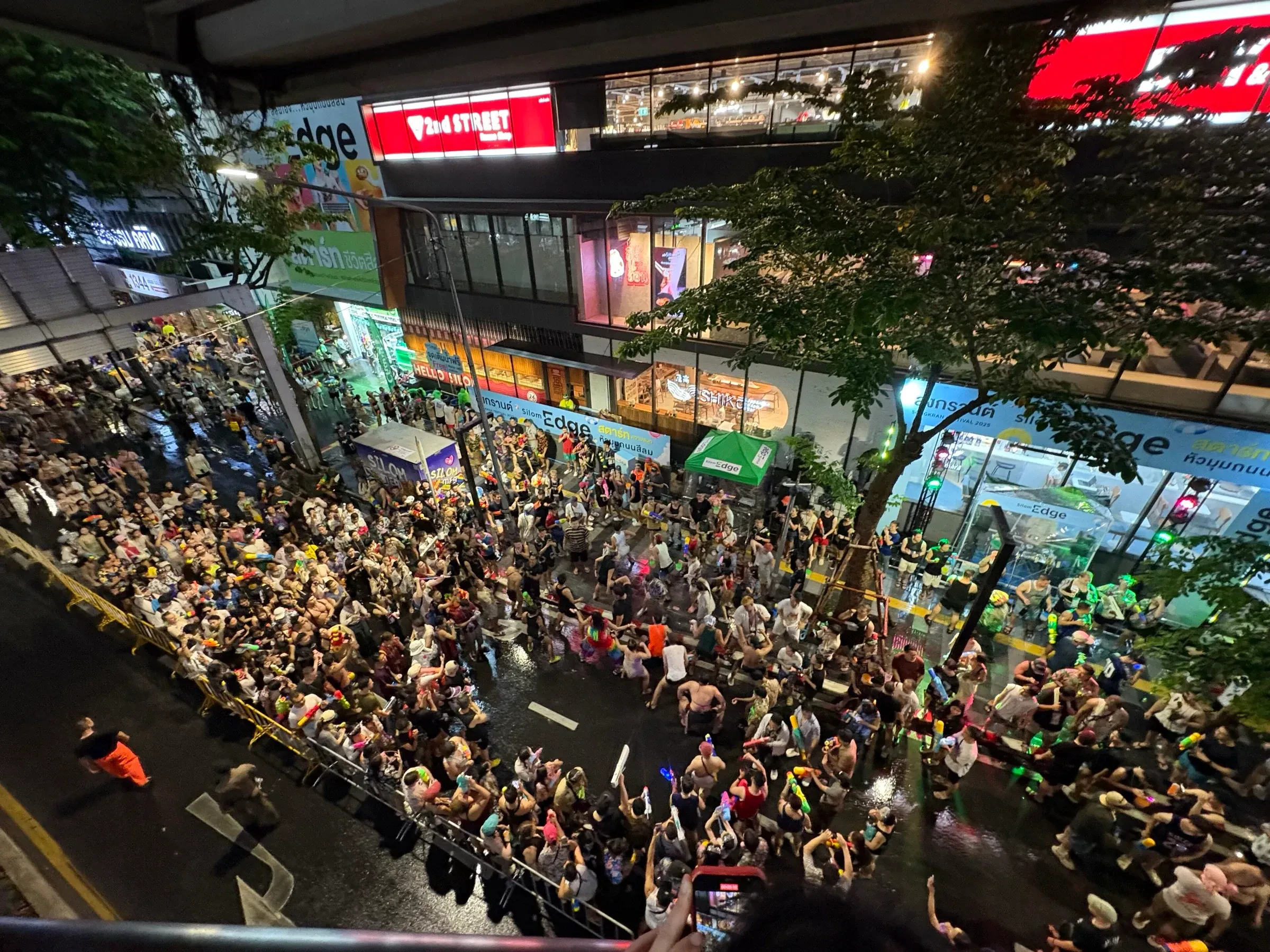
Songkran, the Thai New Year, runs 13 to 15 April every year and turns much of Bangkok into a water fight, centred on Khao San Road and Silom Road. It lands in the hottest week of the year, which is part of the appeal: getting soaked is a good way to cope with 36°C heat. Our Songkran guide has the rules on what's banned (high-pressure water guns, for one) and where else in the country to celebrate.
New Year in Bangkok
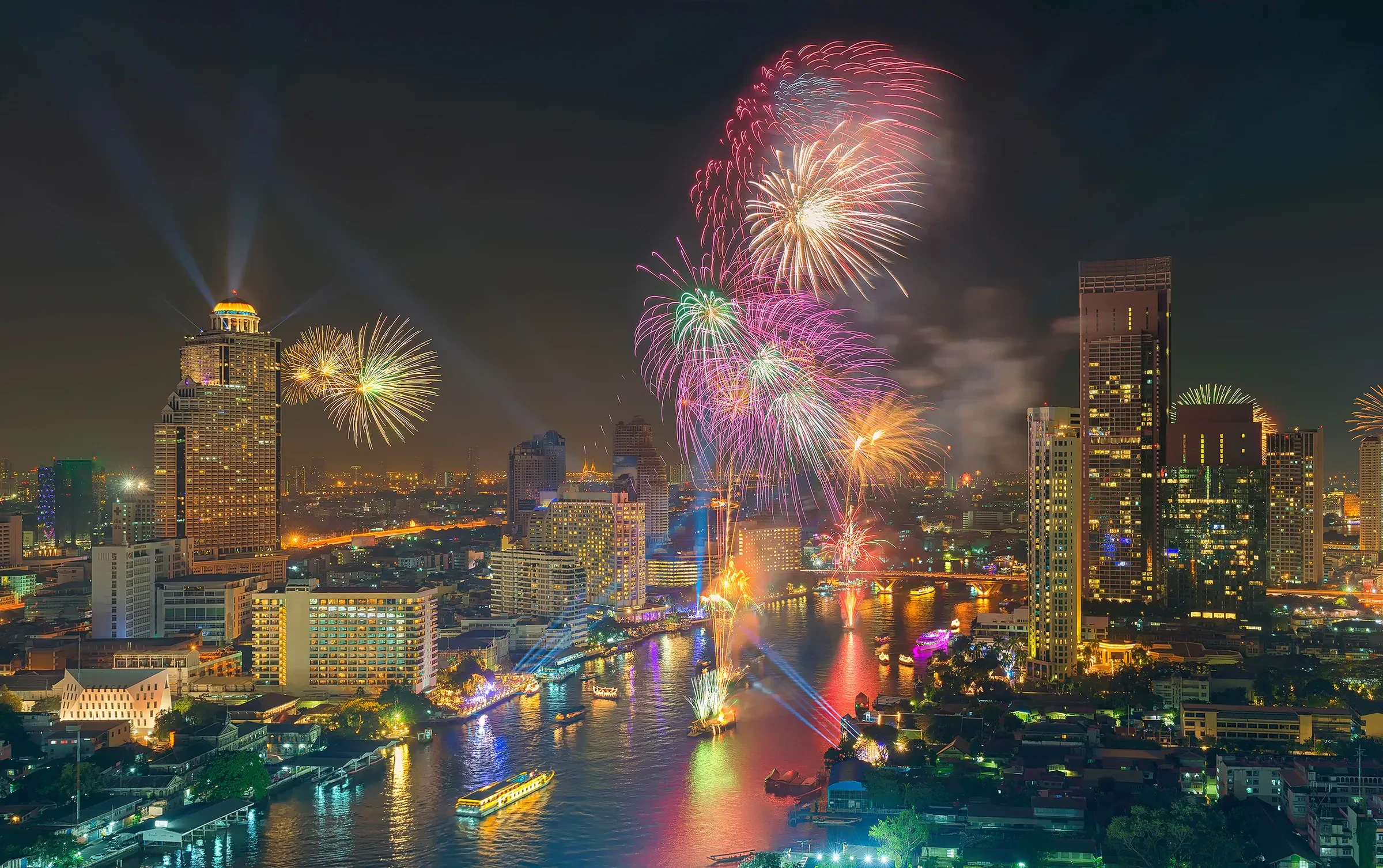
Bangkok's New Year's Eve countdown is one of the biggest in Southeast Asia, with the main event at CentralWorld drawing large crowds for a free concert, live screens and a fireworks display at midnight on 31 December. Several roads around the venue close to traffic for the evening. It falls right at the start of the dry season's busiest, most expensive weeks, so accommodation books up well ahead.
Best time for...
- A first visit, sightseeing and day trips: November to February, for the driest, least hot weather.
- A tighter budget: June to August, when rooms are cheaper and rain usually falls in short afternoon bursts.
- Songkran: 13 to 15 April, accepting that it's also the hottest week of the year.
- New Year's Eve: book well ahead for the last two weeks of December.
- Avoiding flooding and heavy rain: anything outside September and October.
Bangkok on our trips
Every one of our Thailand and multi-country trips starts in Bangkok, and we time them to avoid the worst of the heat, the rains and the smoky season further north. The exception is our Songkran trip, which runs in April for the festival.