Chiang Mai's weather comes down to three seasons: a cool, dry one from November to February, a hot, smoky one from March to April, and a wet, green one from May to October. Which one suits you depends on whether you'd rather deal with crowds, smoke or rain, because all three months have a trade-off somewhere.
This guide goes month by month with average temperatures and rainfall, then covers the burning season and the festivals worth timing a trip around. For the rest of the country, see our best time to visit Thailand guide, and for the wider trip-planning picture, see the Chiang Mai travel guide.
Chiang Mai weather by month
The table below is built from the 1991 to 2020 climate normal for Chiang Mai, as published by the World Meteorological Organization. Treat it as a guide rather than a promise: any single year runs a bit hotter, cooler, wetter or drier.
| Month | Average high | Average low | Average rainfall |
|---|---|---|---|
| January | 30.0°C | 15.7°C | 11 mm |
| February | 32.9°C | 16.8°C | 10 mm |
| March | 35.4°C | 20.1°C | 20 mm |
| April | 36.7°C | 23.4°C | 54 mm |
| May | 34.7°C | 24.2°C | 168 mm |
| June | 33.2°C | 24.5°C | 118 mm |
| July | 32.1°C | 24.3°C | 149 mm |
| August | 31.6°C | 24.0°C | 223 mm |
| September | 32.0°C | 23.7°C | 207 mm |
| October | 31.7°C | 22.6°C | 124 mm |
| November | 30.8°C | 19.9°C | 41 mm |
| December | 29.2°C | 16.9°C | 14 mm |
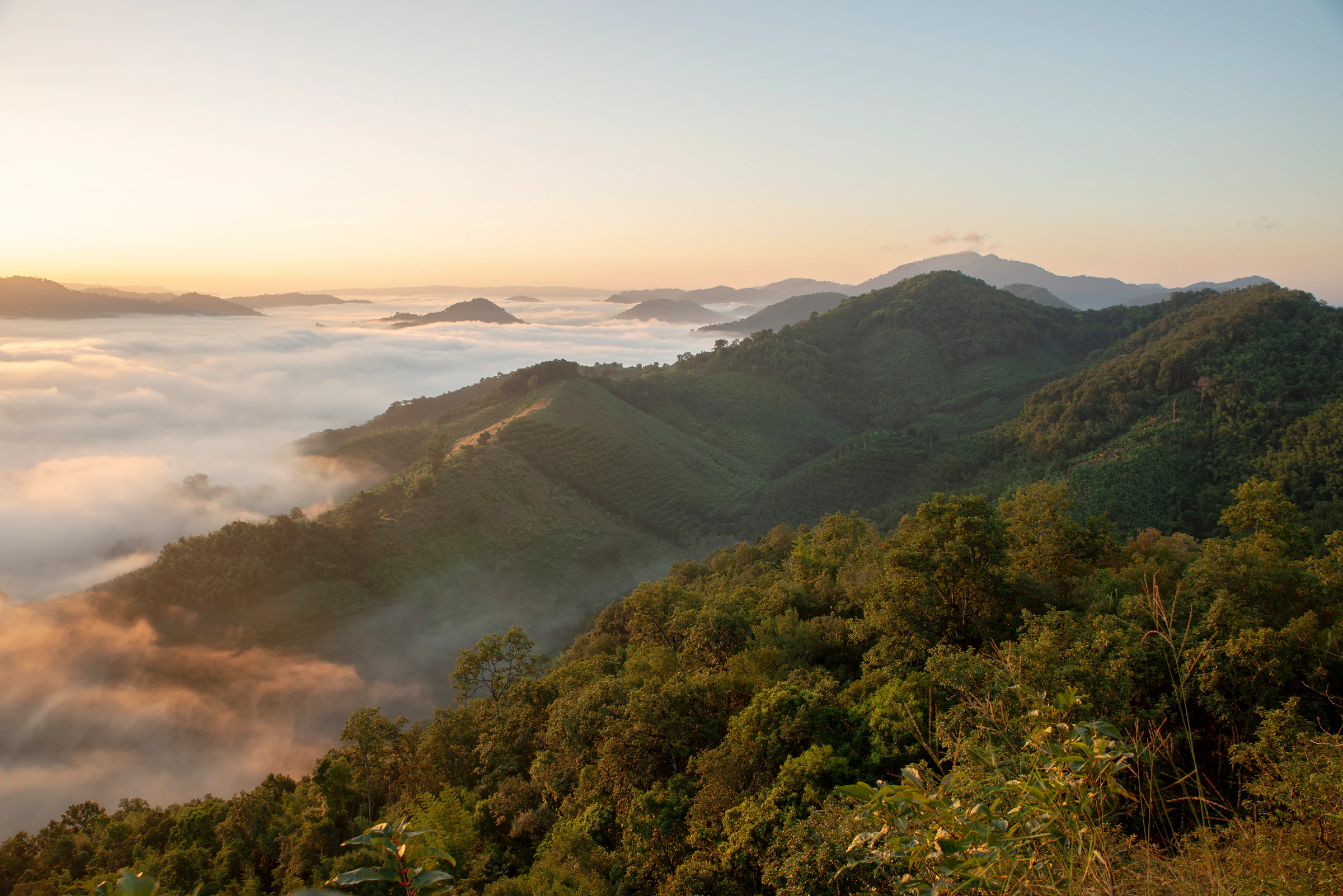
A few things jump out. December and January have the coolest nights, cool enough for a light jacket after dark. April is the hottest month by day, not the wettest, since the rains only really start in May. August is both hot and the wettest month, while February is the driest.
The cool season: November to February
This is the best window for most people. Skies are clear, humidity is lower, and the average low drops into the high teens, cool enough that mornings and evenings need a layer. Daytime highs stay in the low 30s, which is comfortable for temple-hopping and day trips. It's also the busiest and most expensive time to visit, so book the overnight train from Bangkok and popular hostels early, especially around Christmas, New Year and the late November festivals below.
The hot and smoky season: late February to April
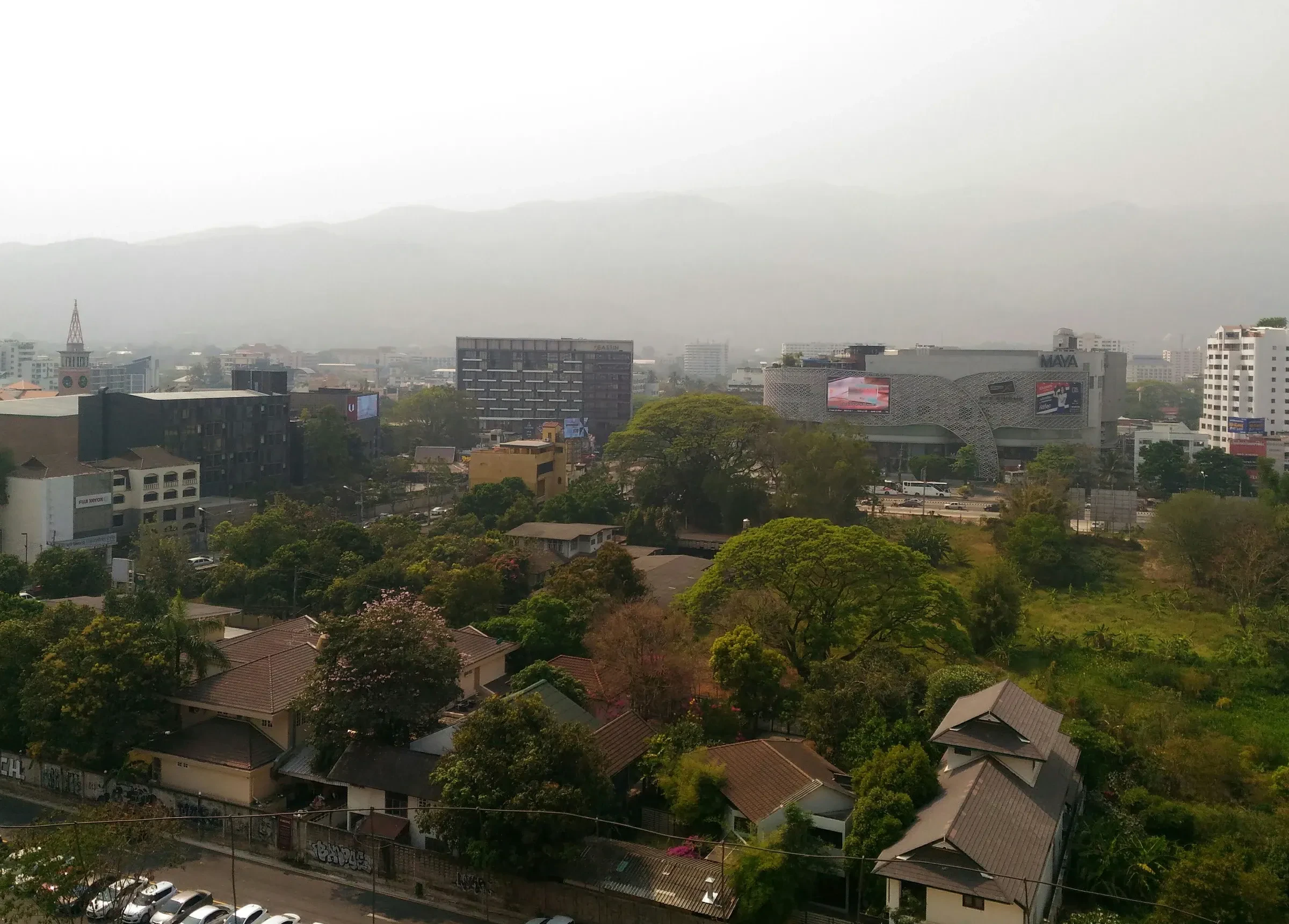
March and April are the hottest months, with average highs above 35°C, but the bigger issue is smoke. Farmers in the region and across the border burn fields and forest undergrowth from around late February through April, and the smoke has nowhere to go in a valley ringed by mountains. It's usually worst in March, though in bad years such as 2026 the air turns unhealthy as early as January.
In 2026, this wasn't a minor haze. Chiang Mai was ranked among the world's most polluted major cities on several days in March and early April, including 2 April, when the city recorded an AQI of 231, in the "very unhealthy" band on the standard 0 to 500 scale (good is 0 to 50, unhealthy is 151 to 200, very unhealthy is 201 to 300). On 1 April, PM2.5 levels in some districts topped 300 micrograms per cubic metre, roughly ten times the WHO's guideline. On 4 April 2026, Thailand's Ministry of Interior declared Chiang Mai, Lamphun and Phayao provinces disaster zones because of the air, along with Pai and Mae Sariang districts further north.
If you're travelling in this window anyway, check the daily air quality index before you go out, wear a proper N95-style mask on bad days, and take it seriously if you have asthma or another respiratory condition. If you can shift your dates, avoid the north entirely from about February to April and head to the Gulf islands instead, which have their own good weather then. Our Thailand weather guide covers how the seasons line up around the rest of the country.
The rainy season: May to October
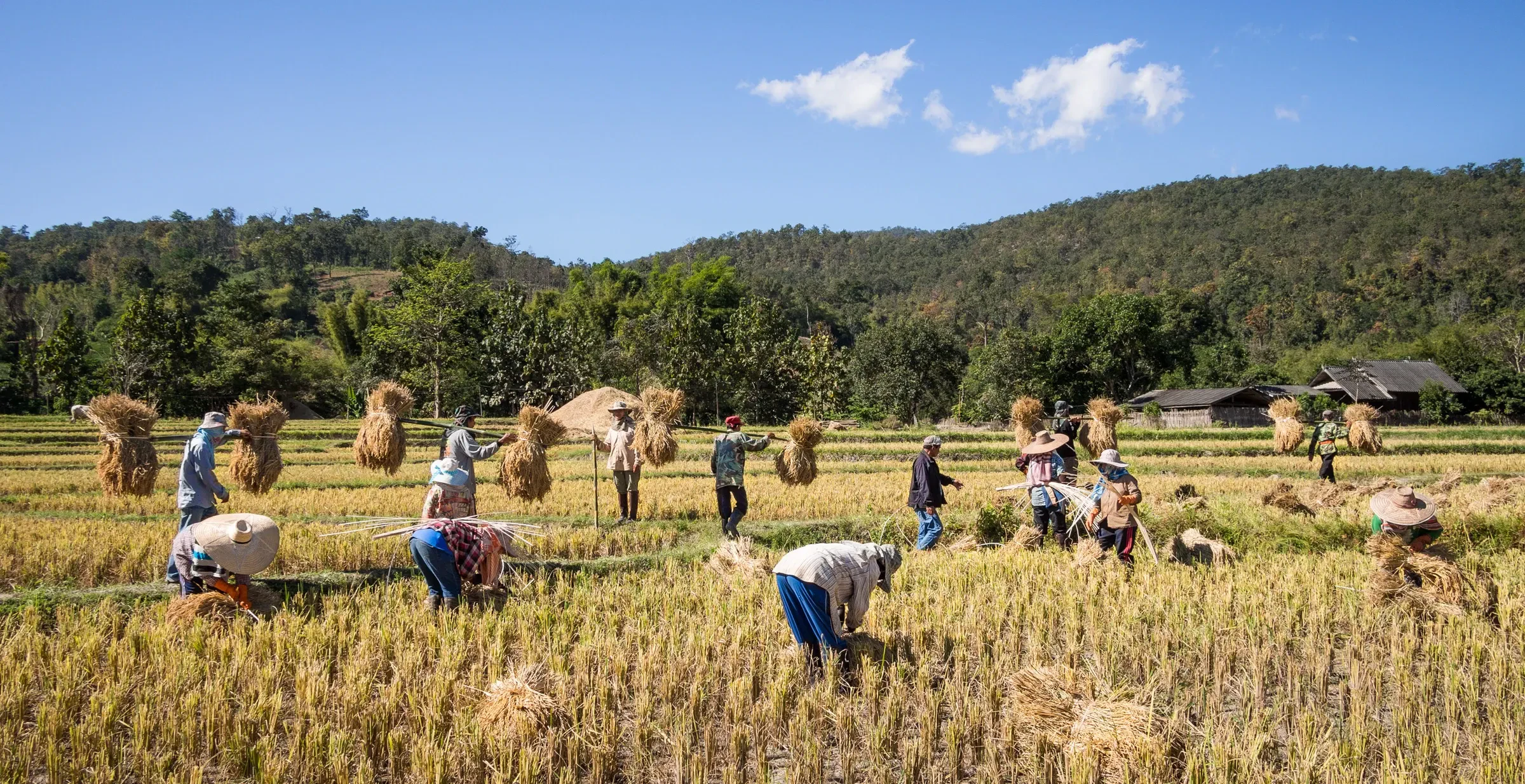
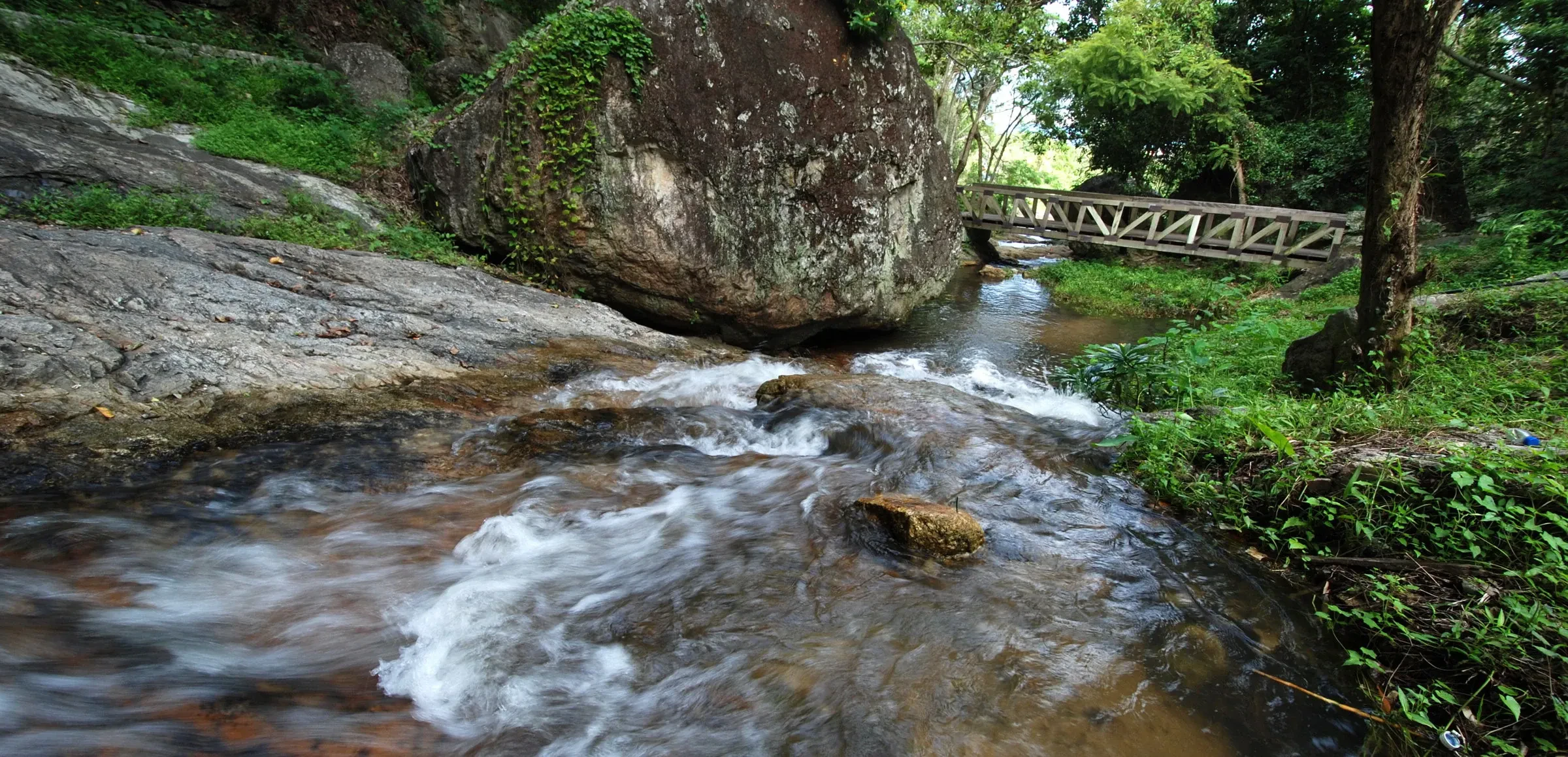
Don't write off the rains. They usually arrive as a heavy shower for an hour or two in the afternoon, not all-day drizzle, and mornings are often clear. The country turns green, hotel and hostel prices drop, and the city is far less crowded. August and September are the wettest months, and the road to Pai can get slippery in heavy rain, so build in some flexibility if you're planning day trips or the drive north. By late October the rains are easing and the hills are at their greenest.
When Yi Peng and Loy Krathong fall
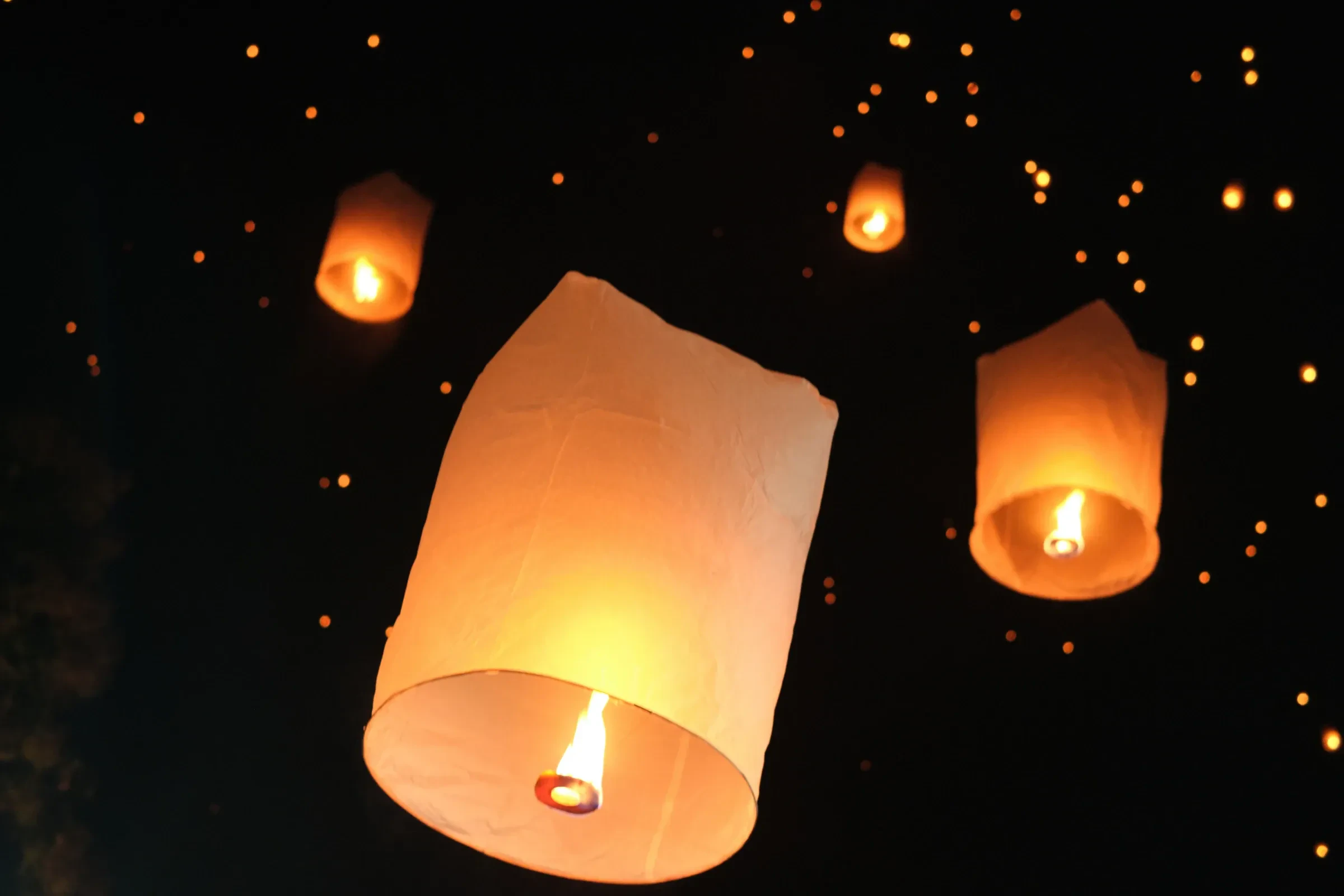
Chiang Mai's two lantern and lights festivals land in the middle of the good season, which is part of why they're worth planning around. Loy Krathong and Chiang Mai's own Yi Peng sky lantern festival fall together in 2026: Loy Krathong is on 24 November, with Yi Peng's city events running 24 to 26 November, right as the cool, dry season is settling in. Expect the city to be busy, hostels to fill up, and flights into Chiang Mai to be cut back on the main release nights, so avoid booking a late-evening arrival then. The festival follows the full moon, so it moves each year: in 2027 Loy Krathong is expected on 13 November, with some calendars showing 14 November, and Yi Peng around 13 and 14 November (estimated, so confirm nearer the time). Full details, including where lantern releases are legal, are in our Yi Peng guide and Loy Krathong guide.
When Songkran falls
Songkran, the Thai new year water festival, runs 13 to 15 April every year, with Chiang Mai's celebrations often starting a day or two early around the Old City moat. That puts it squarely in the hottest, smokiest stretch of the year. It's still one of the best places in the country to experience Songkran, since the water fights help with the heat, but don't expect clear mountain views, and check the air quality if smoke is a concern for you. Our Songkran guide has the regional dates and rules.
Best time for...
- A first visit, sightseeing and day trips: November to mid-February, for clear skies and cool mornings.
- A tighter budget: June to September, when rooms are cheaper and the city is quieter, and most rain falls in short afternoon bursts.
- Yi Peng and Loy Krathong: book around 24 to 26 November 2026 (Loy Krathong is 24 November, Yi Peng's ticketed releases are 24 and 25 November), and expect the cool season's crowds on top of the festival crowds.
- Songkran: 13 to 15 April, accepting that it's also the hottest and often smokiest week of the year.
- Avoiding the smoke: anything outside roughly February to April (March is the worst).
Chiang Mai on our trips
Several of our small-group trips for 18 to 40 year olds spend time in Chiang Mai. Our northern Thailand trips run in the cool season, and some also in the green season, so they miss the smoke. The exception is our Songkran trip, which is timed for the April festival and so lands in the hottest, smokiest stretch.