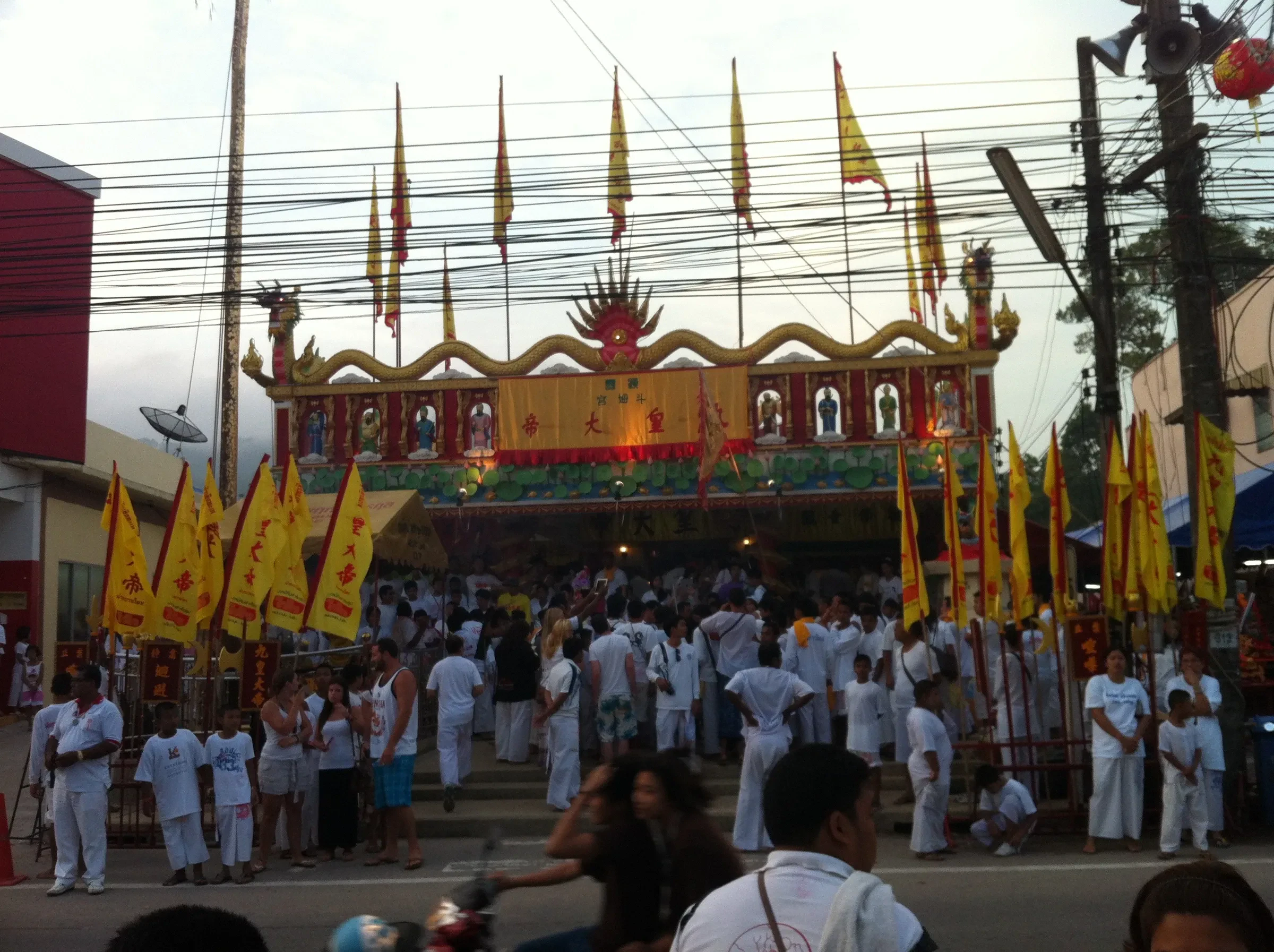
For nine days every autumn, Phuket Town turns white. Devotees dress in white, yellow flags hang over the food stalls, and the streets fill with processions, drums and firecrackers. At the front of each procession walk the mediums, in a trance, with skewers and blades through their cheeks. It's a lot to take in, and some people find the piercings hard to watch. If you're in Phuket in October, though, it's a rare look at the island's Chinese heritage, and the food alone is worth a morning.
What the Phuket Vegetarian Festival is
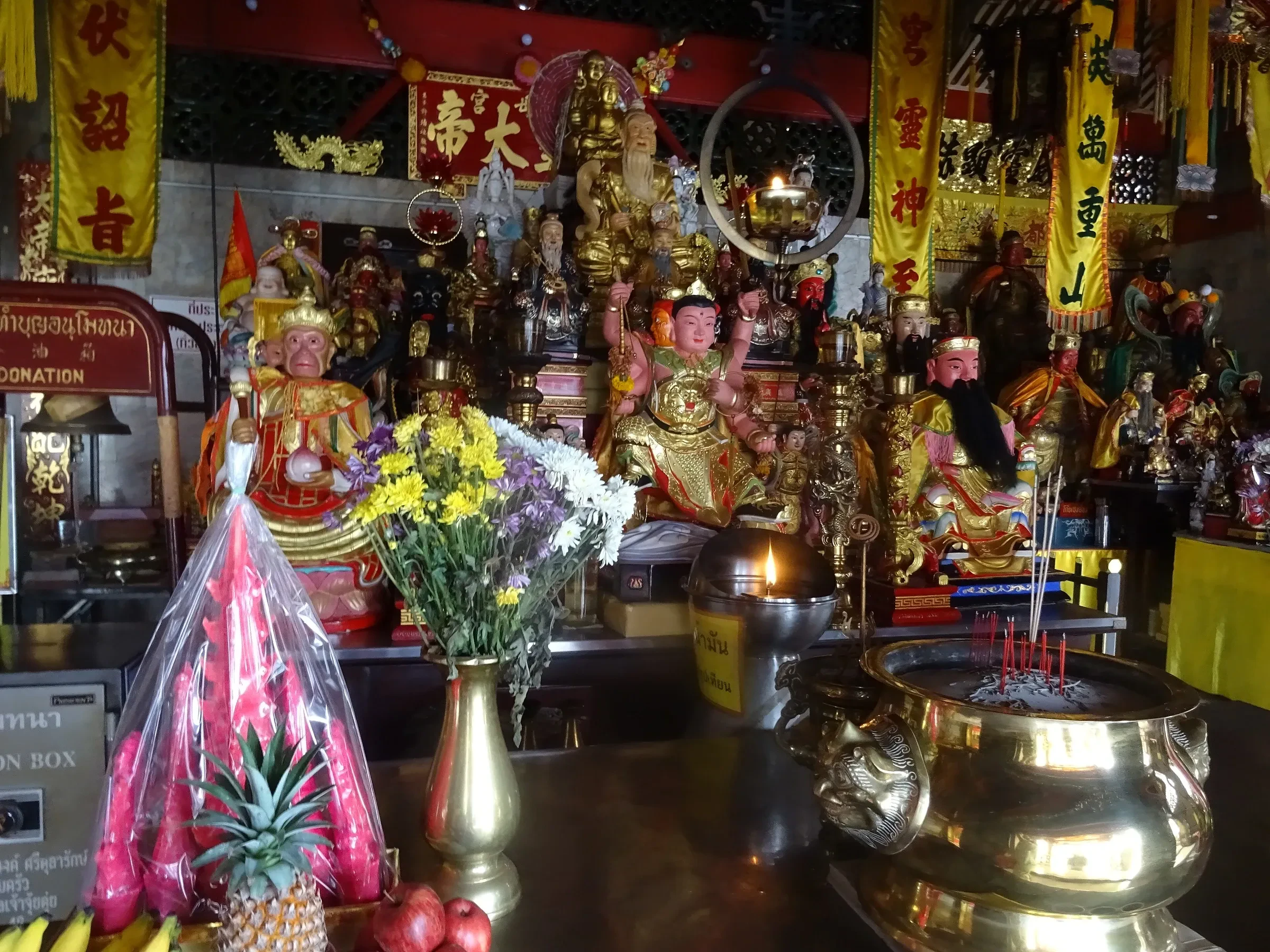
The festival honours the Nine Emperor Gods. For nine days, devotees follow a strict diet, avoid alcohol, sex and arguments, wear white and take part in ceremonies at the shrines. The aim is to purify body and mind and bring good luck for the year ahead.
Phuket has a large community descended from Chinese immigrants, many of whom came to work in the tin mines. The story goes that the festival started in Kathu around 1825, when a travelling Chinese opera troupe fell ill. They got better after keeping the vegetarian rite, and the local community has held it every year since.
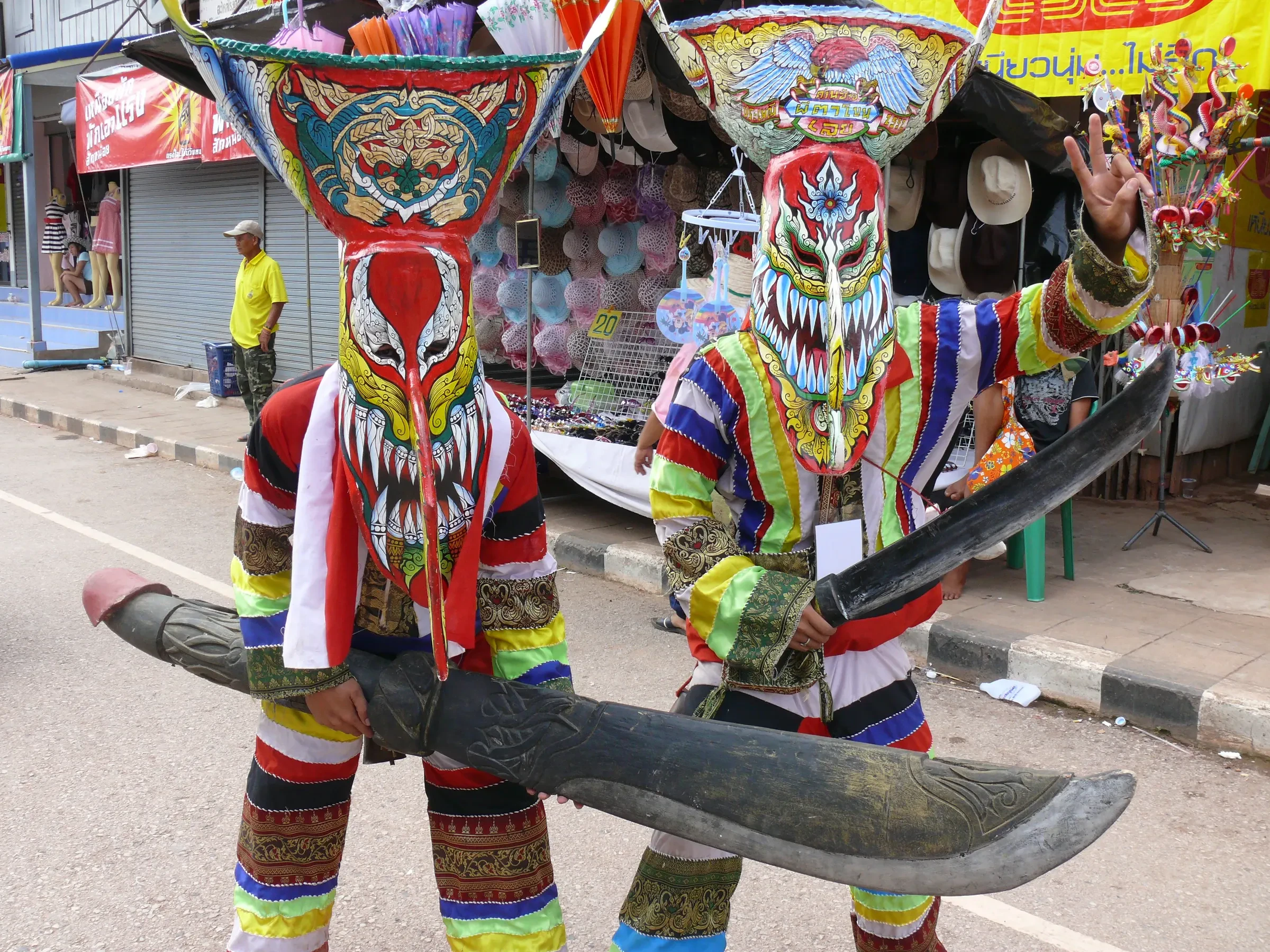
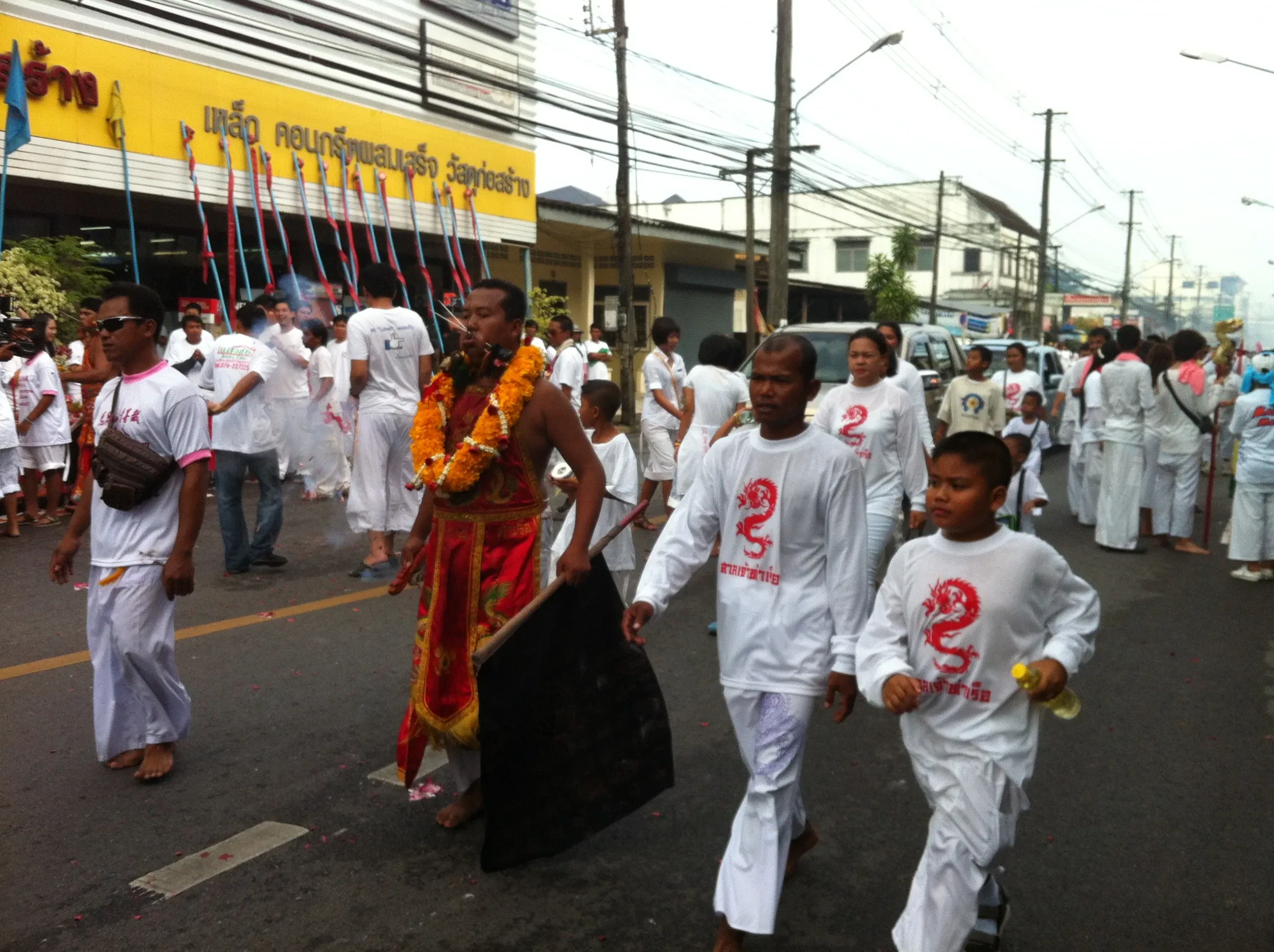
The best-known ritual is performed by the mediums, called ma song. They believe the gods enter their bodies during the festival and protect them from pain. In a trance, they pierce their cheeks with skewers, knives and other objects and lead the processions through town. Others walk on hot coals or climb ladders of blades at the shrines.
Dates for 2027
| 2026 | 2027 (expected) | |
|---|---|---|
| Pole-raising ceremony (eve) | Fri 9 October | Wed 29 September |
| Festival (9 days) | Sat 10 to Sun 18 October | Thu 30 September to Fri 8 October |
The festival follows the Chinese lunar calendar, so it moves every year. The 2027 date comes from the same calendar. The Tourism Authority of Thailand publishes the framework dates, and each shrine sets its own procession times, usually in late September or early October. Check the morning's route locally the day before.
Where to see it
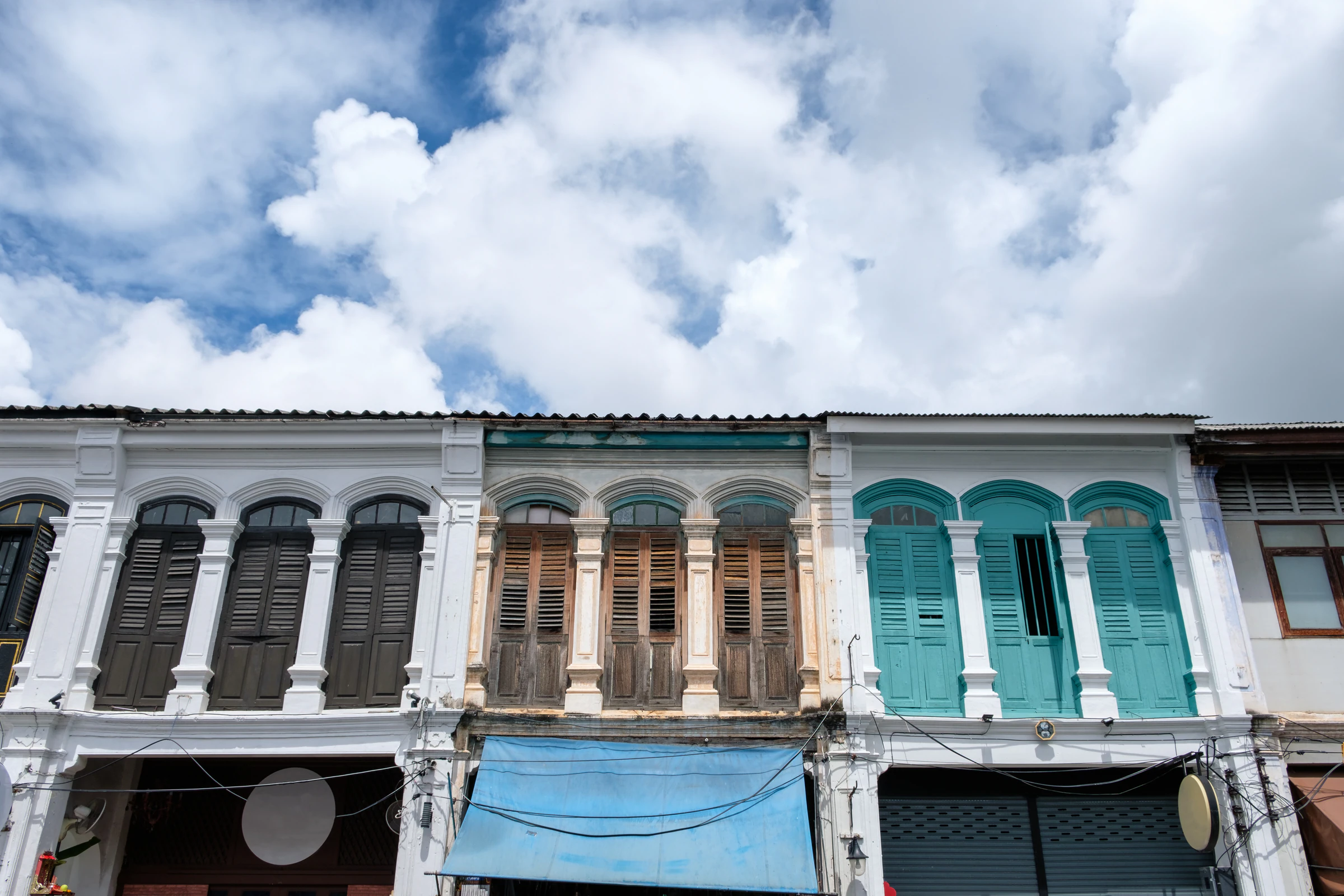
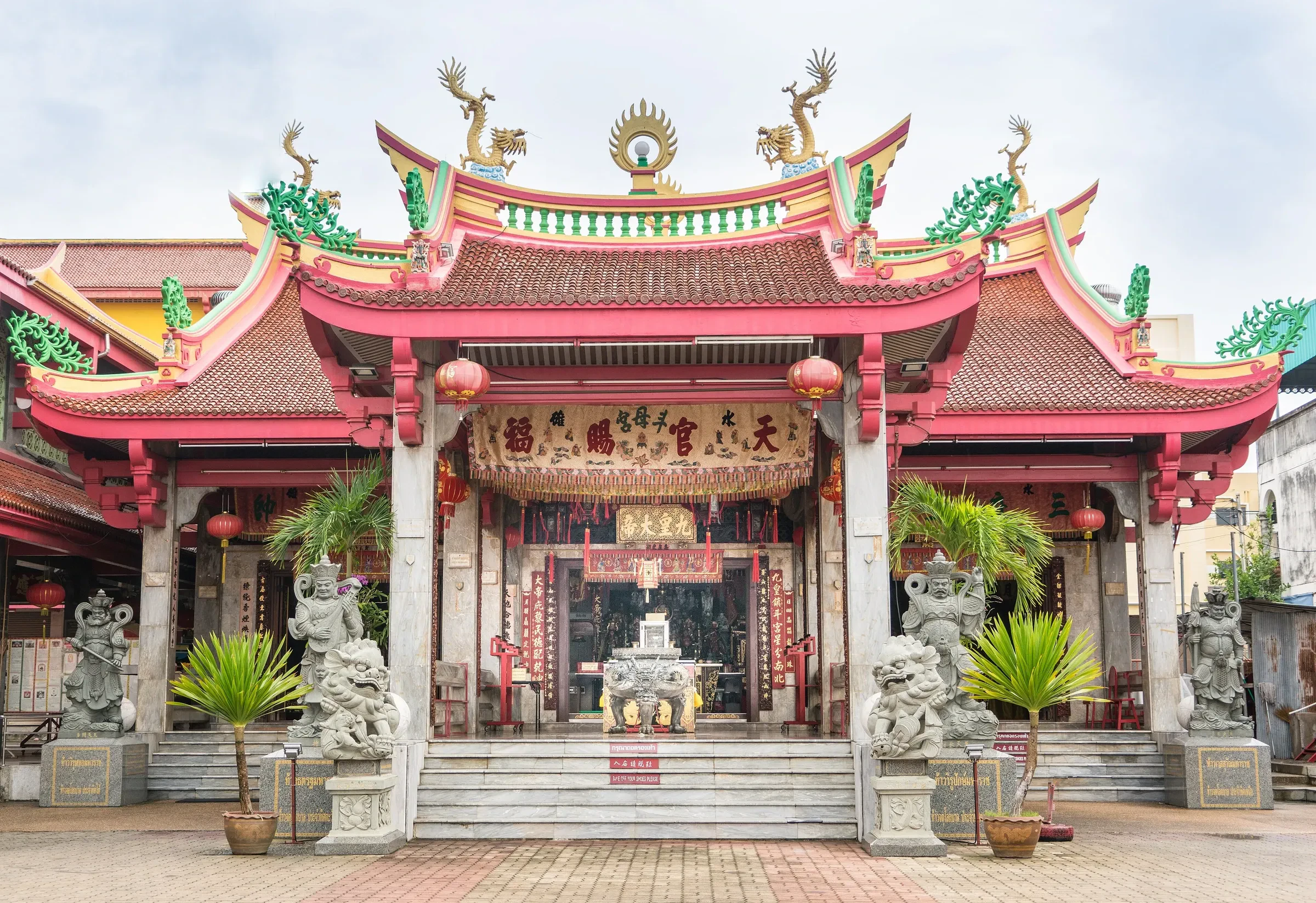
Phuket Town is where the festival is at its biggest, and within it a few shrines stand out:
- Jui Tui Shrine. One of the two biggest and busiest, in the middle of Phuket Old Town, with some of the largest processions and evening ceremonies.
- Bang Neow Shrine. The other major shrine, a short walk from Jui Tui, also known for a big procession and firewalking.
- Kathu. Where the festival is said to have started in 1825, a little way inland from Phuket Town, with its own procession and a more local feel.
- Sam Kong and Sui Boon Tong. Smaller but still significant shrines, worth checking if the crowds at Jui Tui and Bang Neow feel like too much.
What happens during the festival
The processions
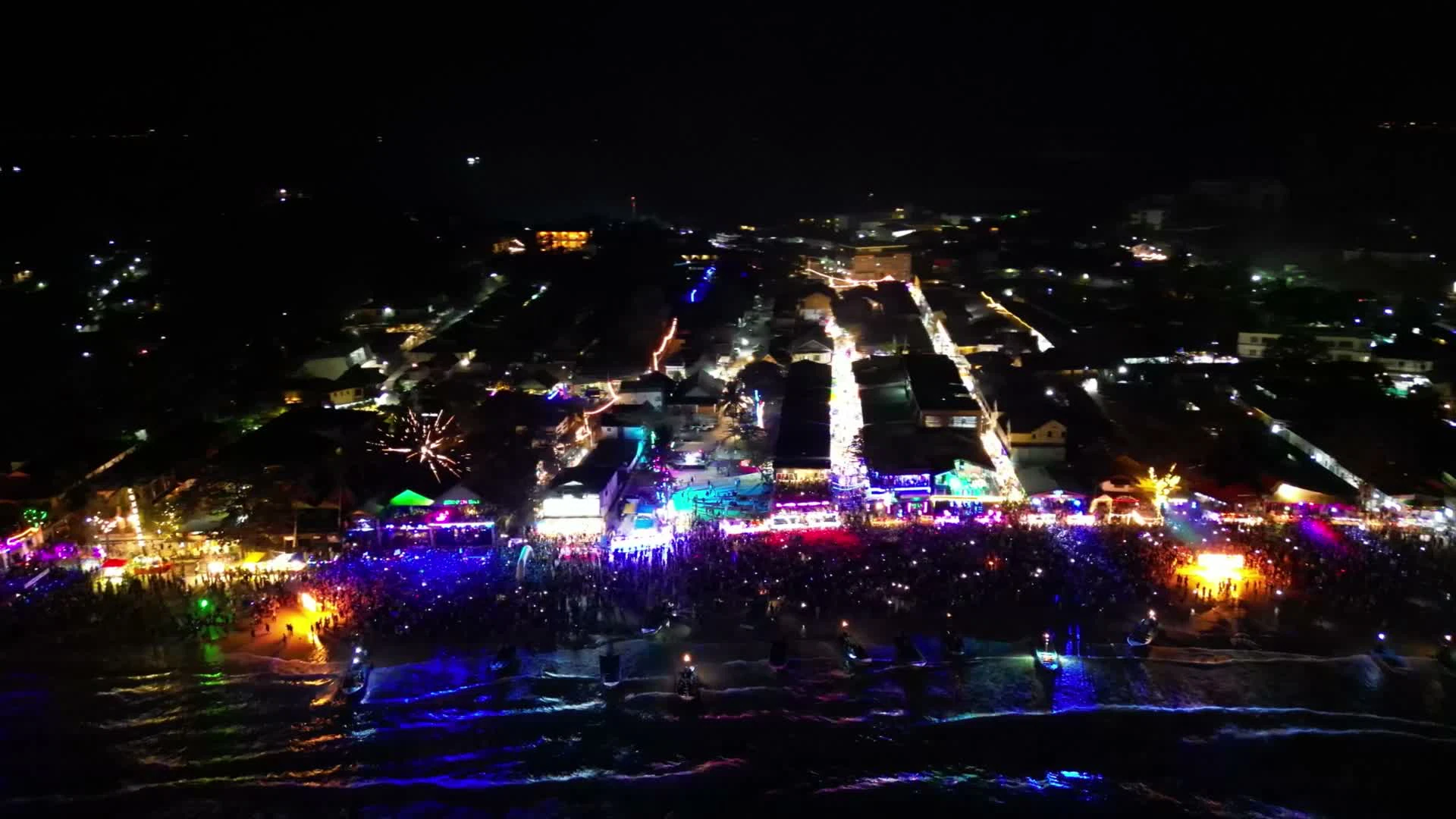
Most mornings, a different shrine leads a street procession through Phuket Town. They start early, often between 6am and 8am, and end back at the shrine by late morning. The mediums walk in front, followed by devotees carrying portable shrines and images of the gods, and people along the route set up offering tables and set off strings of firecrackers. The last night, 18 October in 2026, ends with a huge procession and firecrackers at Saphan Hin, when the gods are seen off.
Evening ceremonies
In the evenings, several of the main shrines hold ceremonies such as firewalking and ladder climbing. The shrines post their own schedules.
The food
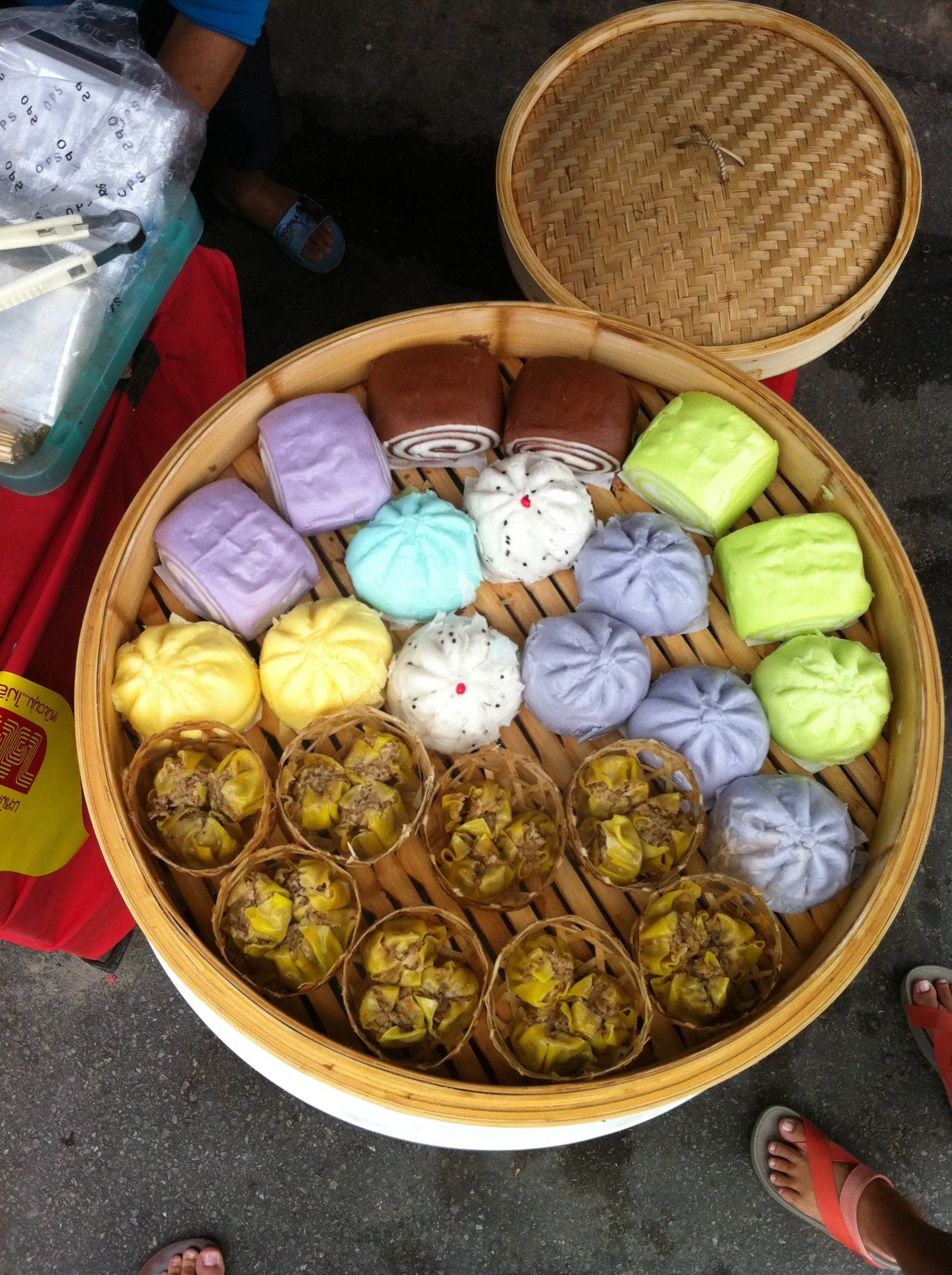
For most visitors, the food is the best bit. Stalls across Phuket Town sell "jay" food, marked with yellow flags. Jay is stricter than vegetarian: no meat, fish, dairy or eggs, and also no garlic, onions, shallots, chives or leeks. Expect mock meats made from soy and wheat, noodles, curries and sweets. The streets around the Jui Tui shrine and Phuket Old Town are packed with stalls.
How to join in and watch respectfully
What to wear and bring
White clothing is the visible sign of respect, and it also happens to be practical: long sleeves, long trousers and closed shoes protect you from firecracker sparks. Bring earplugs, since the firecrackers are extremely loud, especially on the last night; pharmacies in Phuket Town sell them cheaply during the festival. A mask or scarf and sunglasses help with the smoke, and a torch is useful if you're walking back from an evening ceremony down an unlit side street.
The festival and our trips
None of our trips visits Phuket in October, when the Andaman coast is still in its rainy season. Our Thailand Island Hopping Tour covers the Andaman islands near Phuket, starting in Ao Nang in Krabi, from January to April, when the sea is calm. Thailand in 2 Weeks runs from Bangkok via Chiang Mai to the Gulf islands in the drier months.