What makes Ayutthaya special
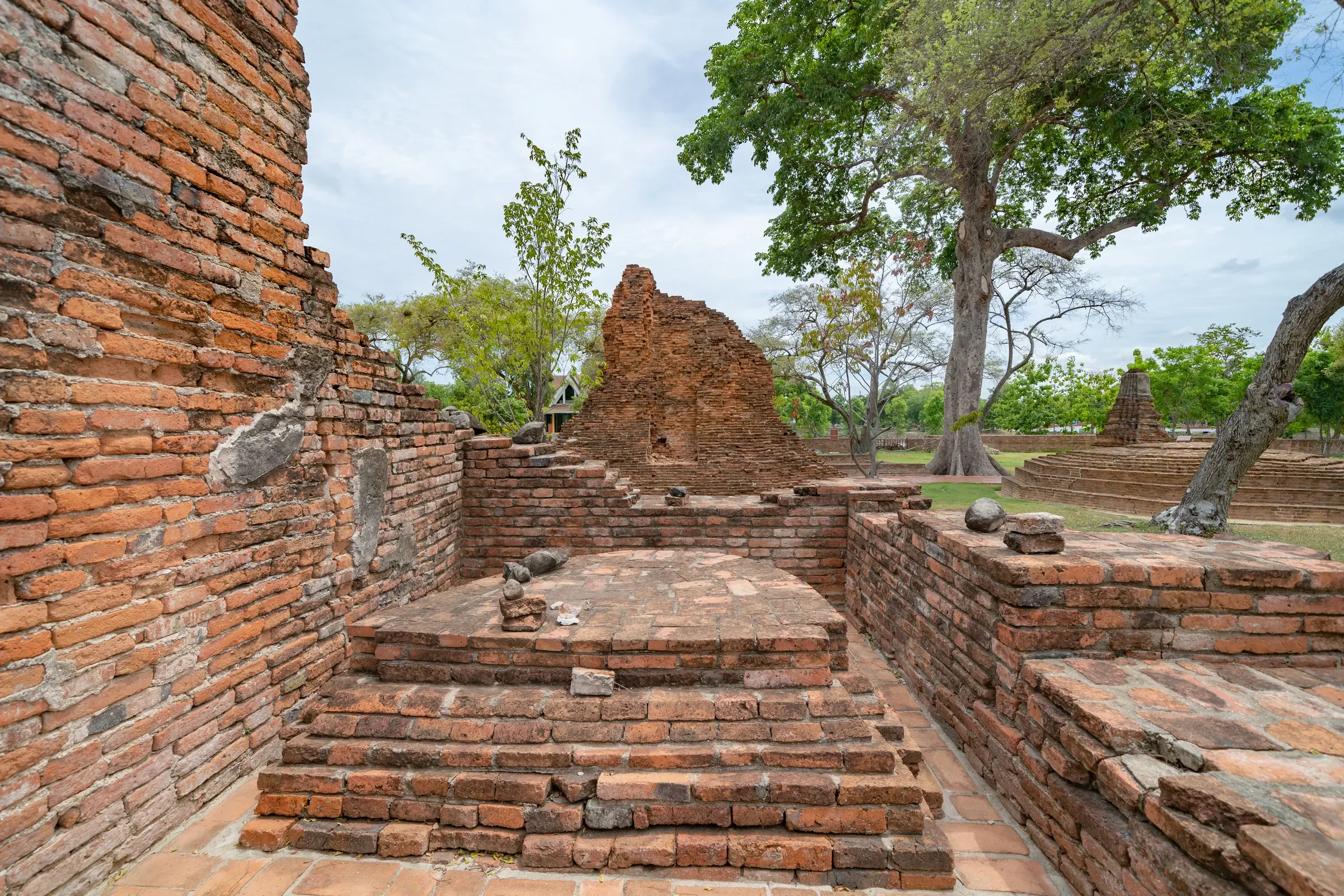
Ayutthaya was the capital of the Siamese kingdom from 1350 until 1767, when it ranked among the largest and richest cities in Asia and traded with Persia, Japan, China and the European powers. The Burmese army burned it down, and what's left, red brick prangs (towers) and rows of headless Buddha statues, is what UNESCO listed as a World Heritage Site in 1991. It's quieter than the Grand Palace back in Bangkok, and cycling between temples at your own pace is a proper change of gear from the city.
The temples worth your time
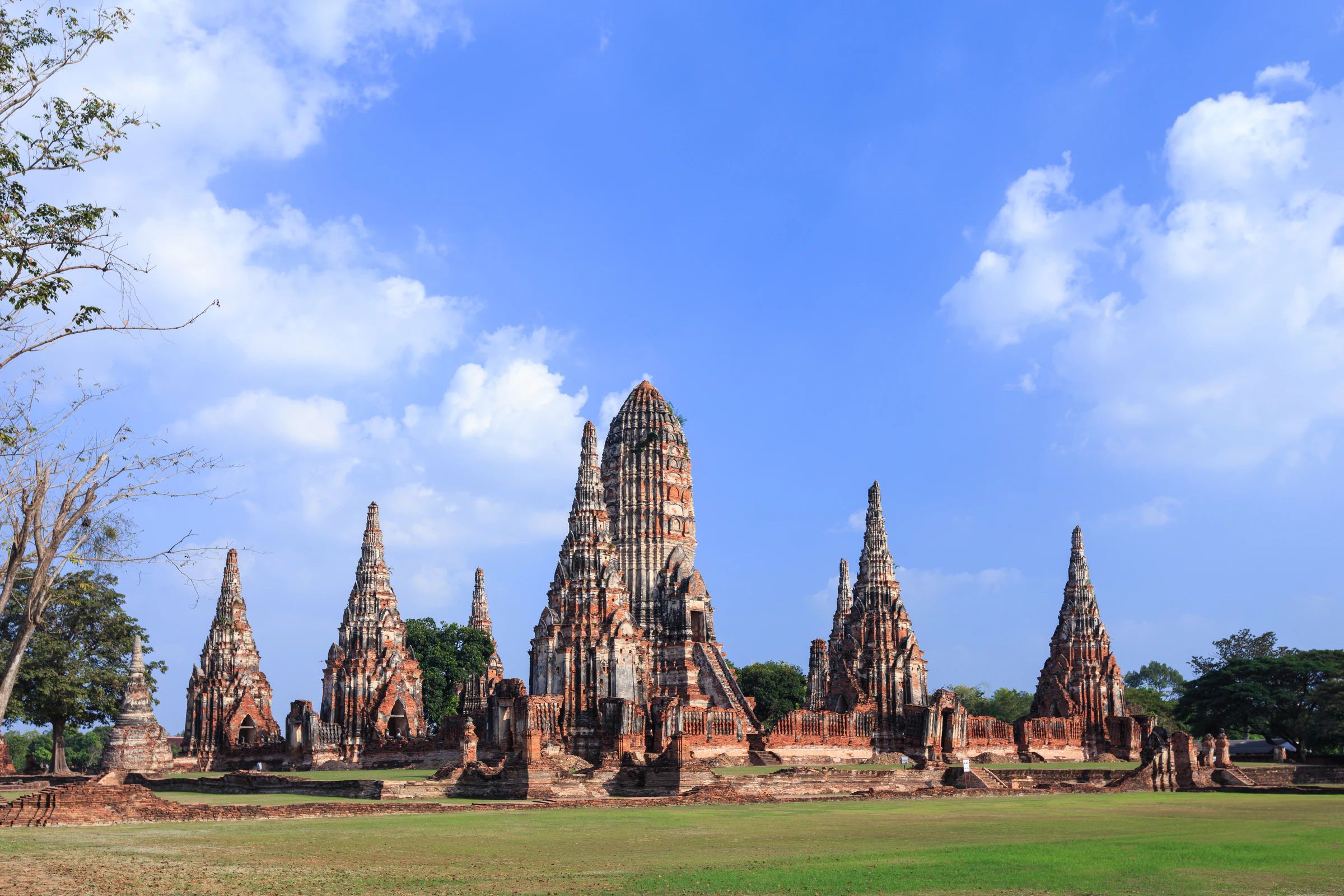
The historical park sits on an island formed by the Chao Phraya, Pa Sak and Lopburi rivers, with most of the major ruins inside it and a couple, including Wat Chaiwatthanaram, just across the water.
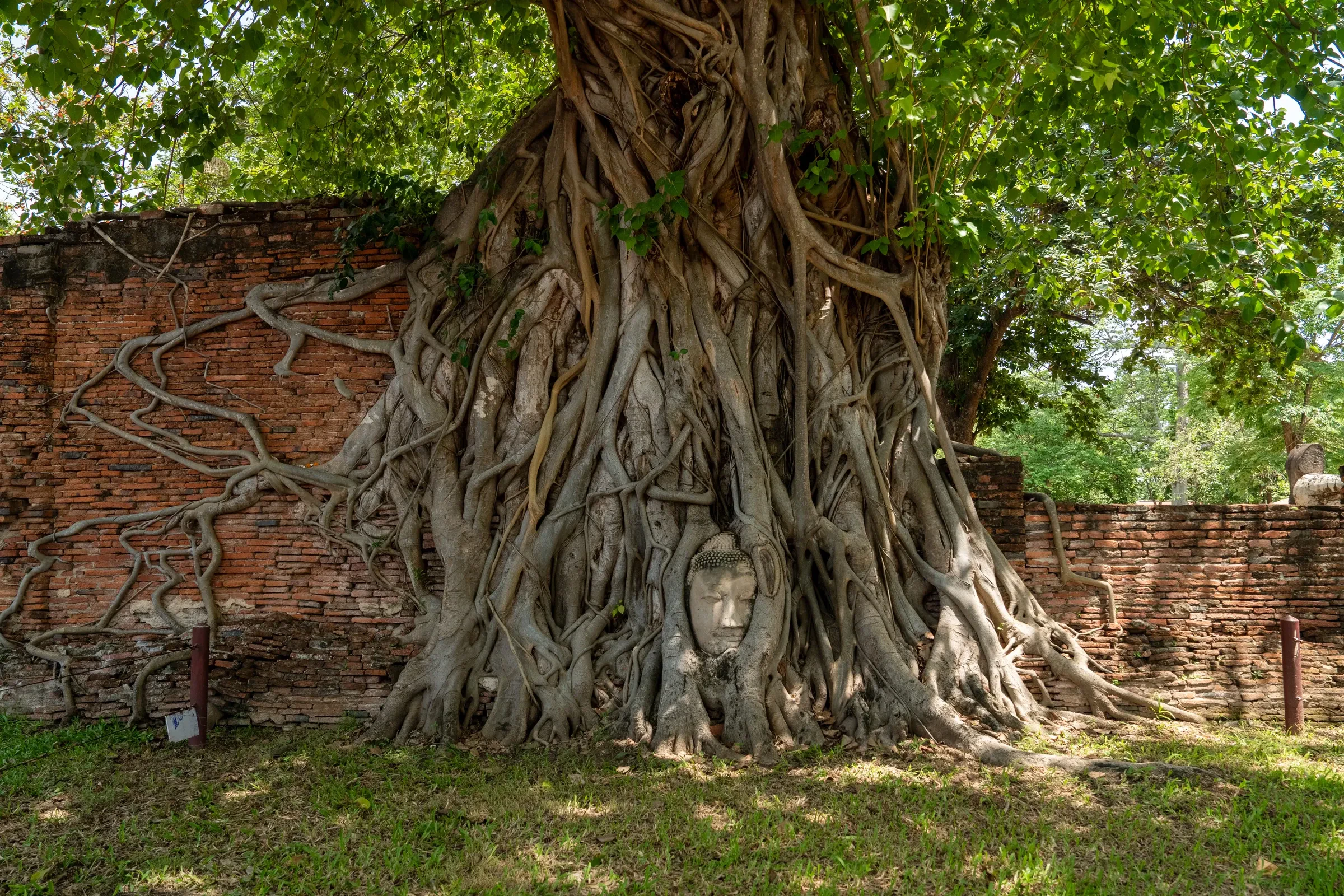
- Wat Mahathat: Ayutthaya's best-known image, a sandstone Buddha head wrapped over the centuries in the roots of a strangler fig tree. Give it 30 to 45 minutes, and get there early if you want to photograph it without a queue.
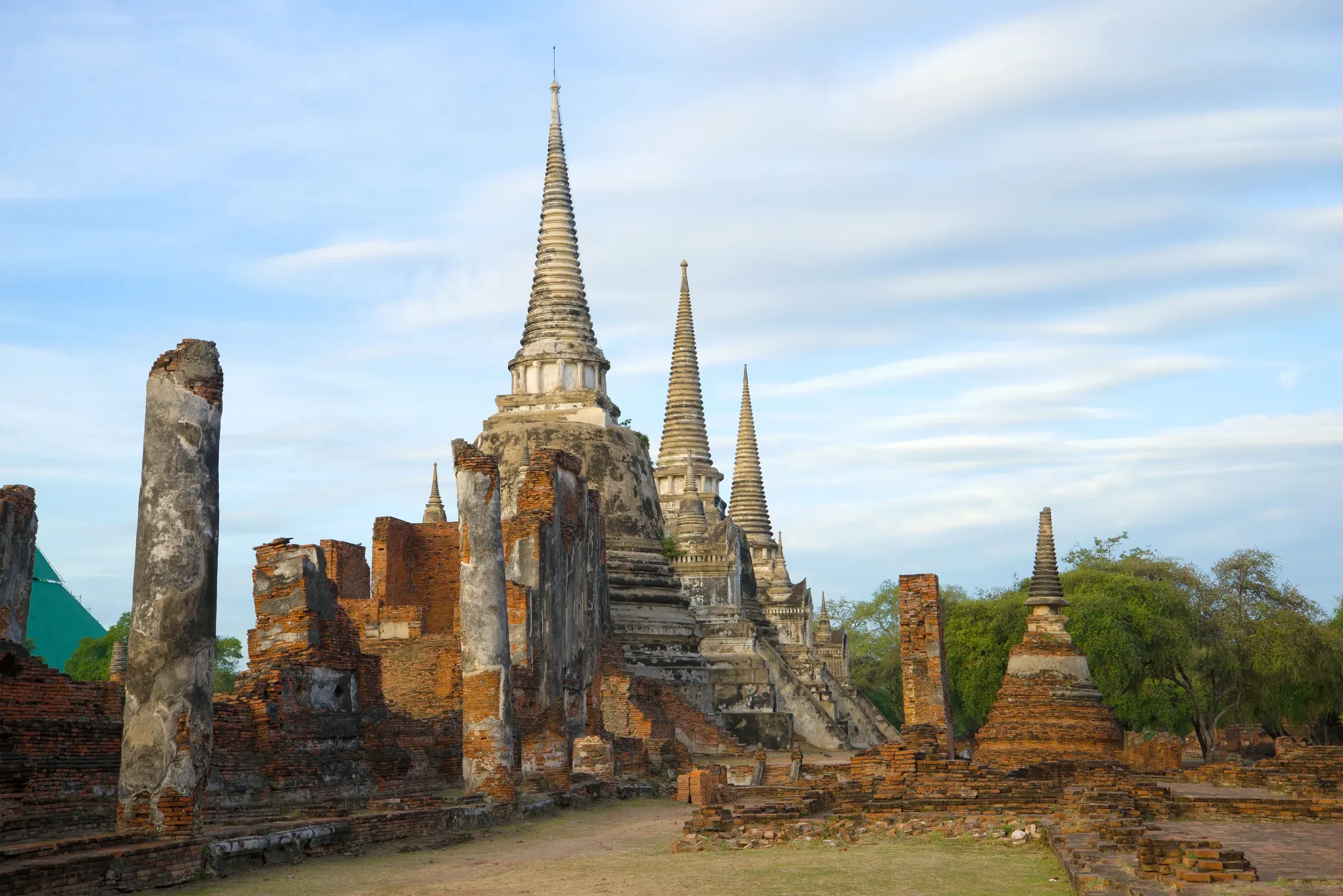
- Wat Phra Si Sanphet: the former royal temple, with three restored chedis (stupas) that once held the ashes of Ayutthaya's kings. Probably the single most photogenic row of ruins in the park. 30 minutes is enough.
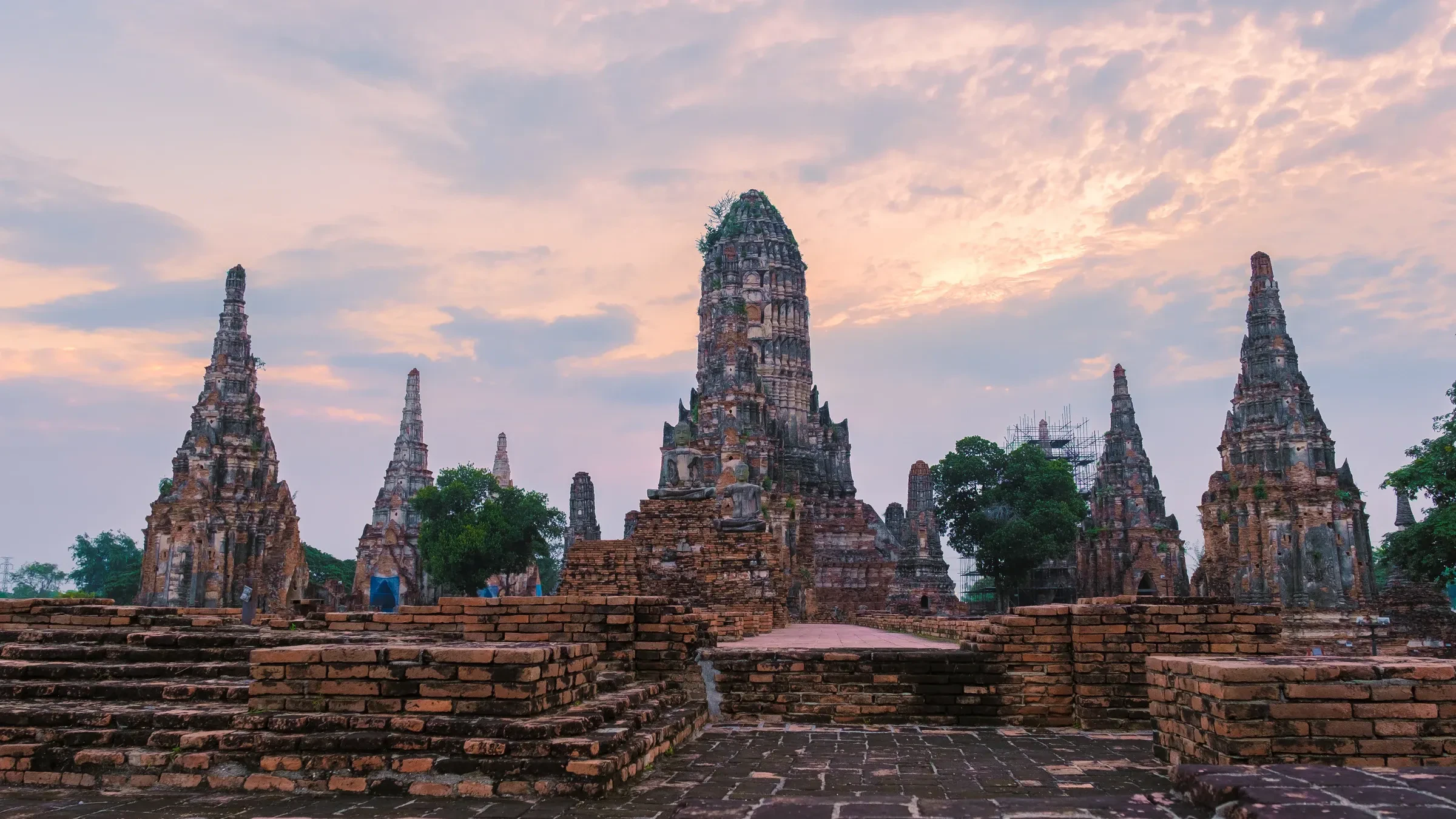
- Wat Chaiwatthanaram: a Khmer-style temple by the river, built to resemble Angkor Wat. It sits across the water from the main island, so you'll need a short tuk-tuk ride or a boat to reach it, and it's the best spot in Ayutthaya at sunset, when the central prang turns into a silhouette. Give it an hour if you're staying for that.
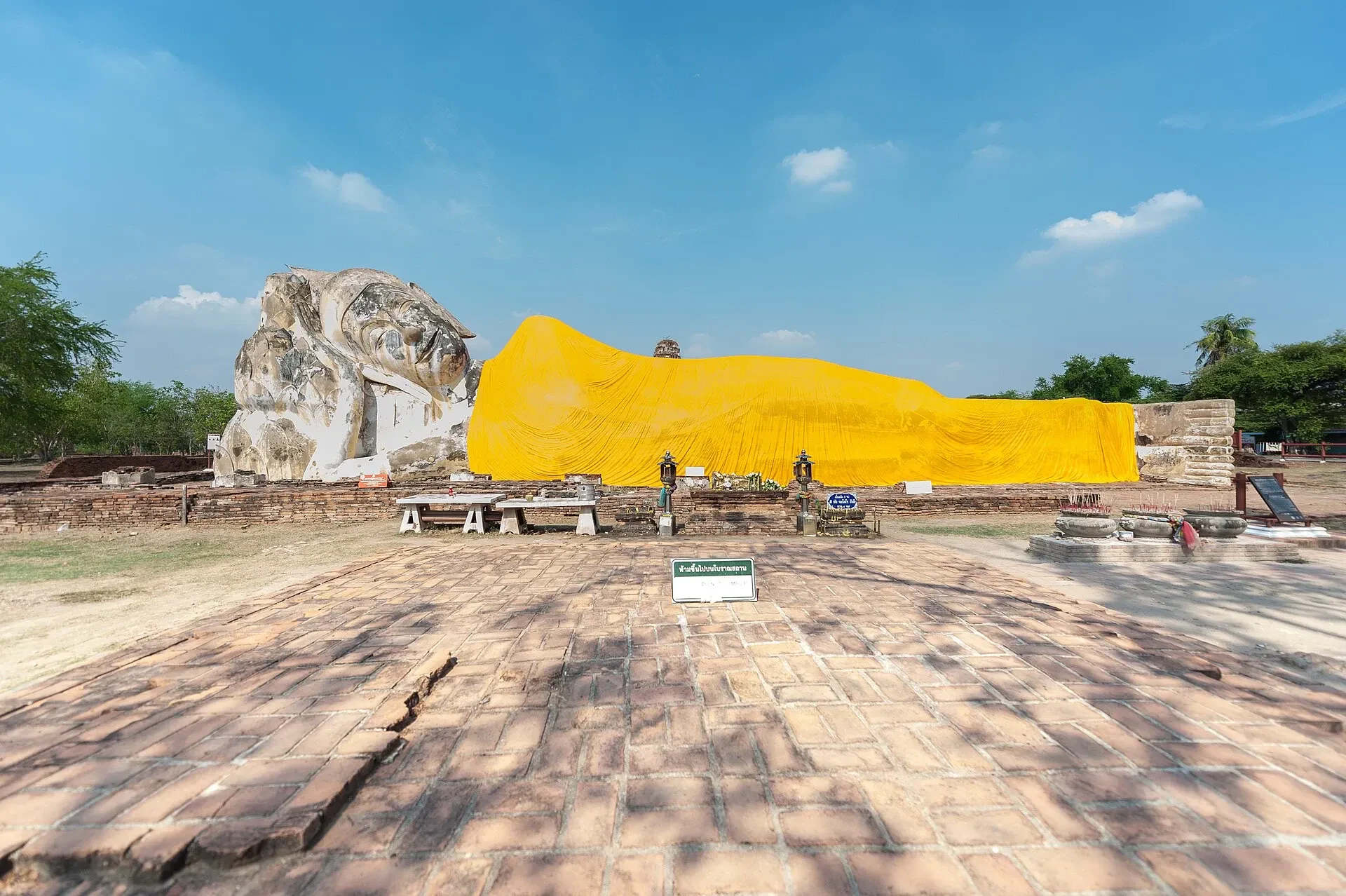
- Wat Lokayasutharam: an open-air, 42-metre reclining Buddha with no entry fee, an easy 15 to 20 minute stop between the bigger sites.
- Wat Ratchaburana, Wat Phra Ram, Wat Maheyong and Wat Kudi Dao round out the combined ticket, worth adding if you have a full day and want more than the headline four.
Getting around the island
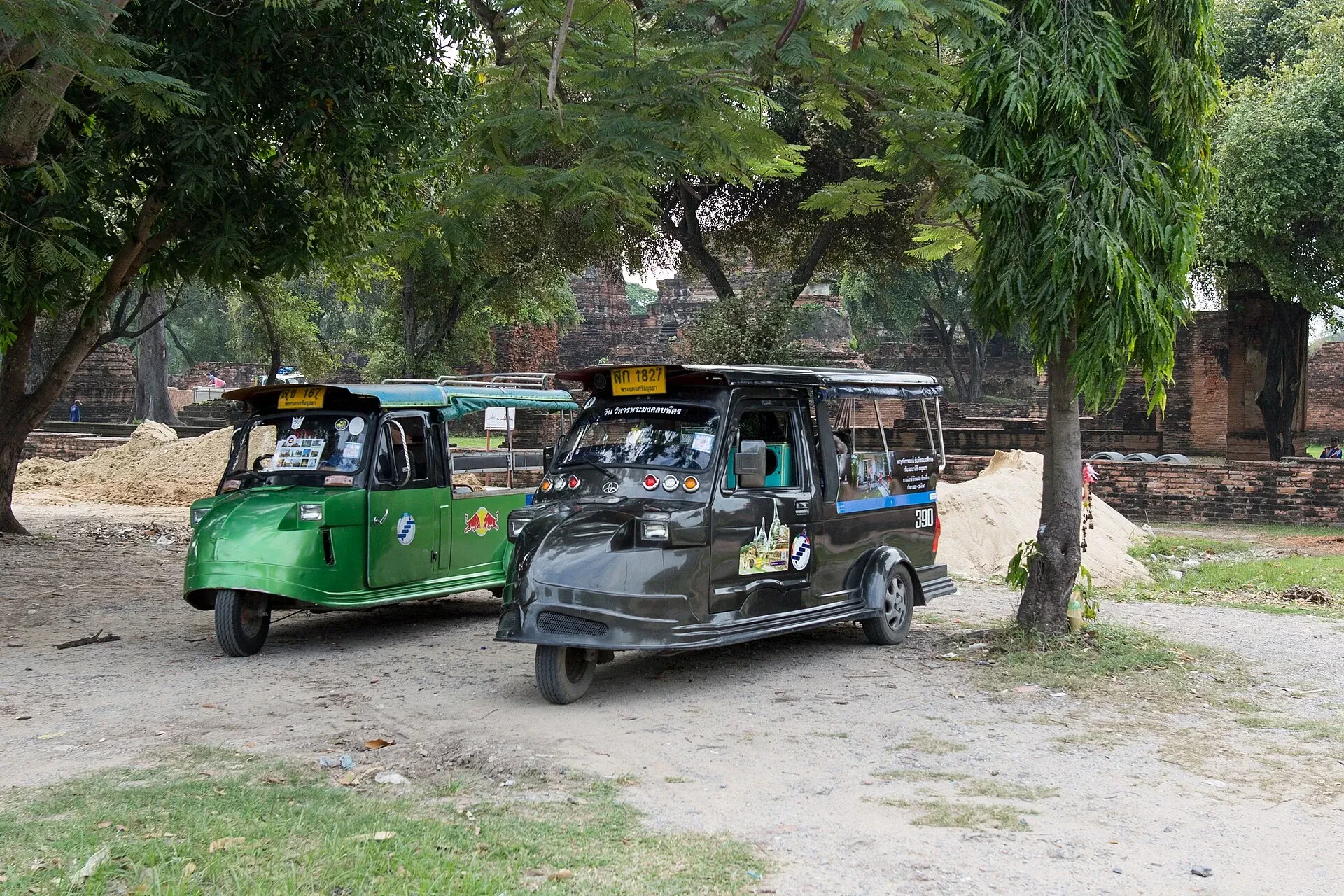
Most people rent a bicycle just outside the train station for about 50 to 100 baht a day, the easiest way to cover the historical park at your own pace, though there's almost no shade and the roads can get busy with tour buses. A hired tuk-tuk (around 200 to 400 baht an hour, agree the price before you set off) works better in the heat of the day, or if you'd rather have a driver who knows a sensible loop between sites, including the crossing to Wat Chaiwatthanaram. Entry to each major temple runs 80 baht for foreign visitors (the Fine Arts Department raised fees in May 2025), or you can buy a combined ticket covering seven sites (Wat Mahathat, Wat Ratchaburana, Wat Phra Si Sanphet, Wat Phra Ram, Wat Chaiwatthanaram, Wat Maheyong and Wat Kudi Dao) for 300 baht, valid for 30 days. Some guides still quote the older 50 and 220 baht prices, so carry cash and check the sign at the ticket window. The combined ticket only pays off if you're visiting four or more of those seven; Wat Lokayasutharam is free and isn't part of it.
In the 2025 to 2026 cool season, several of the main temples (Wat Mahathat, Wat Ratchaburana, Wat Phra Ram, Wat Phra Si Sanphet and Wat Chaiwatthanaram) were lit up on Friday, Saturday, Sunday and public holiday evenings from 1 November to 28 February, as part of the Ayutthaya Nawa programme. It doesn't run year-round and the dates are set each season, so check whether it's on before you travel, and treat it as a bonus rather than the reason for the trip.
A word on the elephant camps
Ayutthaya has a few elephant camps offering rides and shows. We don't recommend them. Riding puts sustained weight on an elephant's spine, and the camps that offer it generally rely on training methods that cause the animals real, repeated harm. Spend that time on the temples instead.
What to eat
Ayutthaya has its own version of boat noodles, a rich, dark broth traditionally ladled from small boats along the canals, and it's distinct from Bangkok's take on the same dish. The town is also known for kung phao, whole river prawns grilled over charcoal and often served at open-air restaurants along the riverbank near Wat Chaiwatthanaram, a good way to close out an afternoon of temple-hopping.
Best time to visit and what to wear
November to February is the most comfortable stretch, cooler and drier, and that matters more here than in most places, since the temple grounds have almost no shade. April and May are the hottest months, often mid-to-high 30s°C, and cycling between ruins at midday in that heat is genuinely unpleasant. Ayutthaya's province falls in Thailand's Central region for Songkran, which runs a longer window here (9 to 26 April) than in Bangkok itself. As at any Thai temple, cover your shoulders and knees; some sites will turn you away or hand you a sarong if you don't.
Getting there from Bangkok
Trains to Ayutthaya now leave from Krung Thep Aphiwat Central Terminal, Bangkok's newer main station, rather than the old Hua Lamphong terminus: most long-distance and northbound services shifted there in recent years, and Hua Lamphong now handles only a handful of local trains. The journey takes about 1 to 2 hours depending on the service, with third-class ordinary fares from about 20 baht. A newer air-conditioned commuter service, Bangkok Connex, launched in August 2026 and runs a few times a day between the two stations, with station tickets only and no online booking. Buy your ticket at the station on the day, since seats on the cheaper services aren't reserved.
A river cruise is the slower, pricier alternative: a handful of operators run a day cruise up the Chao Phraya River from Bangkok to Ayutthaya, usually with lunch on board and a coach back, and it takes most of a day each way rather than an hour. It suits people who want the river itself to be part of the trip, not just a way of getting there.
Day trip vs overnight
A day trip covers the four headline temples comfortably: an early train out, a morning and early afternoon on the bikes, and a train back before dinner in Bangkok. An overnight only really earns its place if you want to catch the evening light-up on a night it's running, or you'd rather explore at a slower pace with an early start the next morning, ahead of the heat and the tour groups. For a first visit, our Bangkok guide and Thailand itineraries both treat Ayutthaya as a single extra day added onto a Bangkok stay, which is enough for most people.
If you're drawn to old Thai capitals rather than temple-hopping for its own sake, our planned guide to Sukhothai covers Thailand's other, older former capital, further north and a different atmosphere again. Our planned Kanchanaburi guide covers the other common Bangkok day trip, built around the Bridge on the River Kwai rather than temple ruins.
If you'd rather see Ayutthaya as part of a longer group trip through Thailand than sort out the logistics yourself, trips like our Thailand Express start in Bangkok and leave room either side for a day trip like this one before the group heads north.