Chiang Mai packs a lot into a small city. You can do the Old City temples in a morning, then spend the rest of your trip on markets, food, mountains and, if you choose carefully, an ethical elephant visit. This guide goes deeper than our Chiang Mai travel guide, with more attractions and current prices for each one.
Fees and hours below were checked in early October 2026. Prices change, so treat them as a guide rather than a promise.
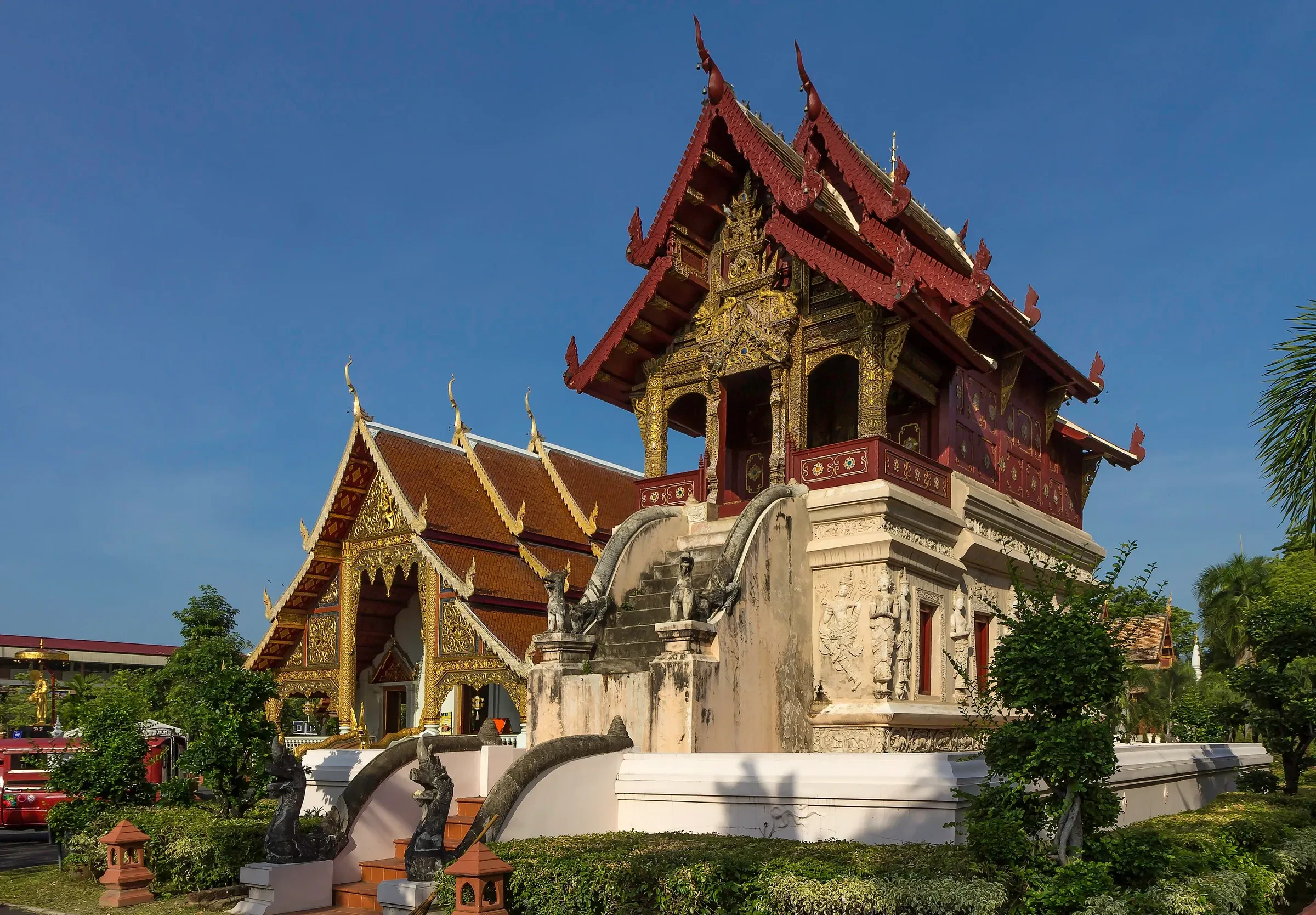
Old City temples
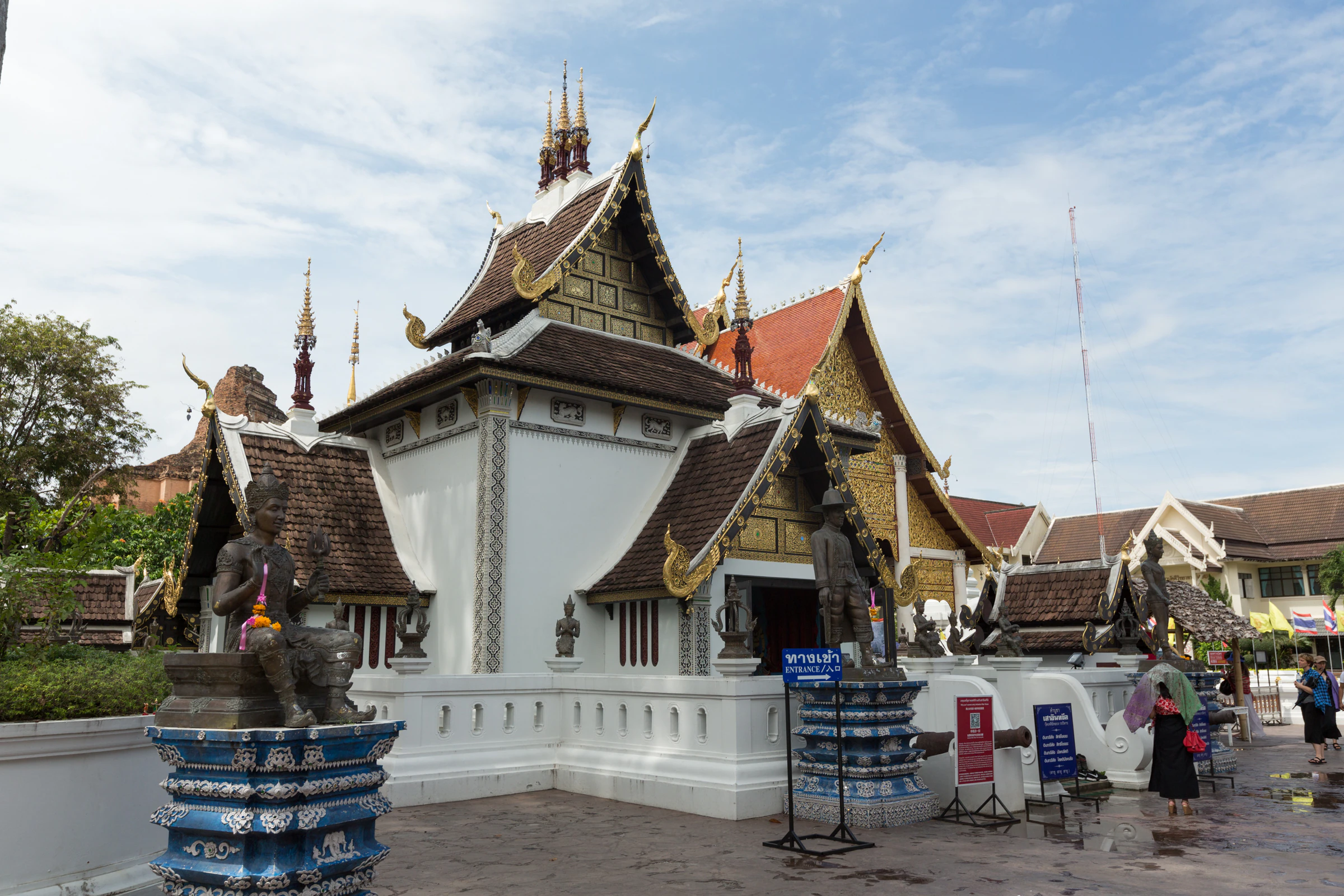
The walled Old City holds dozens of temples, and a handful are worth planning around.
- Wat Chedi Luang. A huge, partly ruined brick chedi from the 14th and 15th centuries, once among the tallest structures in ancient Siam before a 16th-century earthquake brought down its top. Entry for foreigners is about 40 to 50 baht.
- Wat Phra Singh. One of the city's most revered temples, home to the Phra Singh Buddha image. The grounds are free, and foreigners reportedly pay about 40 to 50 baht to enter the main halls.
- Wat Chiang Man. In the north-east corner of the Old City, said to be Chiang Mai's oldest temple, with a chedi ringed by stone elephants.
- Wat Umong. A forest temple outside the walls, built around brick tunnels you can walk through, with talking-tree signs and a small lake. It's free to enter.
- Wat Phra That Doi Suthep. The city's best-known temple, on the mountain above town. See the day trips section below.
Cover your shoulders and knees at every temple, and take your shoes off before entering any building with a Buddha image.
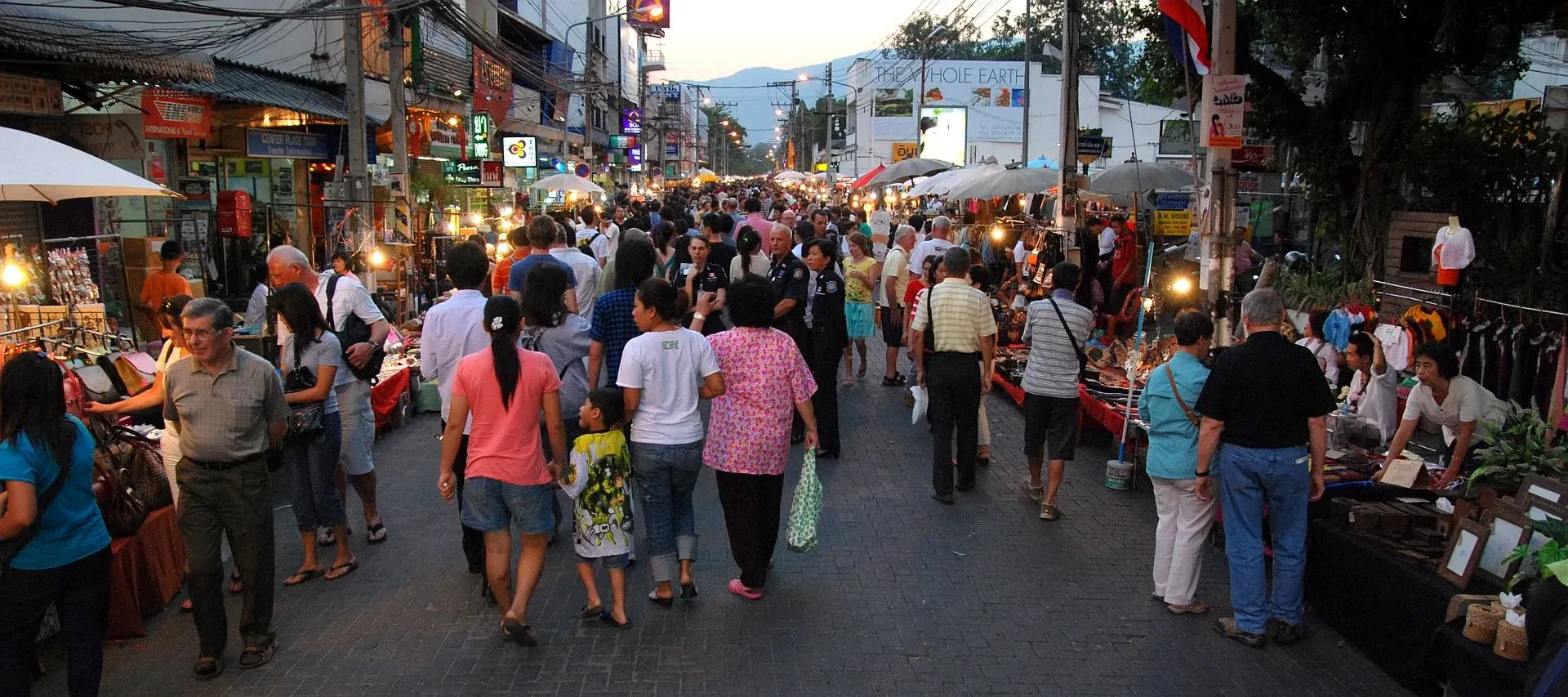
Night markets
- Sunday Walking Street. Every Sunday from about 4pm to 10pm, running from Tha Phae Gate along Ratchadamnoen Road through the Old City. Food, crafts and monk-blessing stalls, packed with people after 6pm.
- Saturday Walking Street. On Wualai Road, just south of the Old City, from about 4pm to 10pm. Smaller and more local than the Sunday market, known for silverwork.
- Night Bazaar. Open every night from about 5pm to 11pm on Chang Khlan Road. More souvenirs and fewer bargains than the walking streets, but it doesn't depend on the day of the week.
Bargaining is normal at all three, though most food stalls have fixed prices.
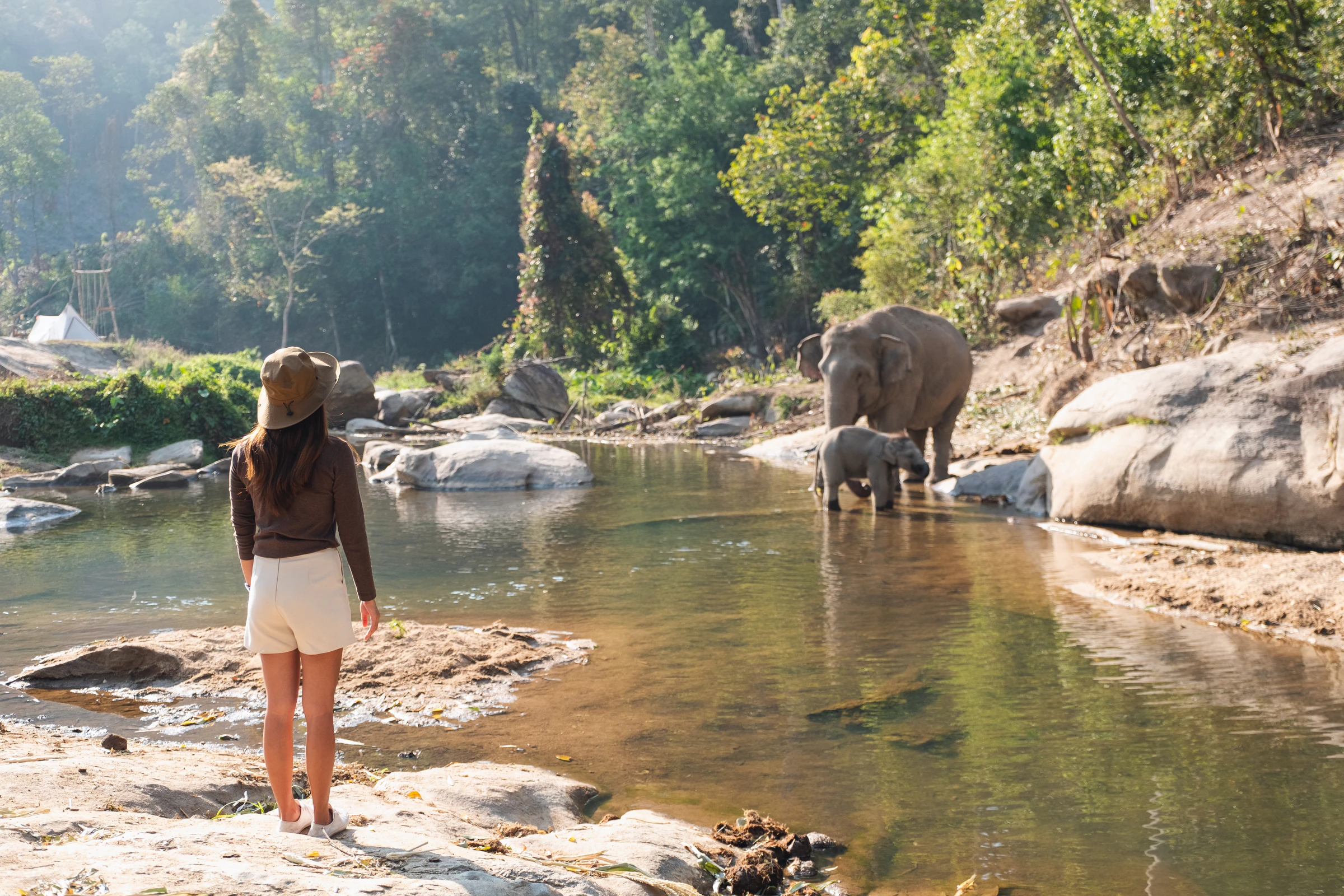
Elephant sanctuaries, done right
Chiang Mai's elephant camps range from genuine rescue projects to places that still ride or bathe their animals. World Animal Protection's rule is simple: look, don't touch. No riding, no bathing, no close contact.
ChangChill, in Mae Wang district, is on World Animal Protection's list of elephant-friendly venues and runs observation-only forest walks. Its website doesn't list prices, so ask what a programme costs before you book.
Elephant Nature Park, about 60 km north in Mae Taeng, is the best-known rescue park and doesn't allow riding. A half-day visit costs about 2,500 baht with hotel pickup, and full-day programmes cost more. Some programmes include hands-on feeding, so ask what's included if you want observation only.
Avoid any venue offering elephant rides, bathing or shows. World Animal Protection's latest assessment of 236 venues across Thailand found nearly two in three captive elephants in poor conditions and more than 40% still used for rides, so read the fine print before booking.
Cooking classes
Farm-based cooking schools outside the city collect you from your hotel, walk you round a local market to pick ingredients, and teach you five or six dishes in an open-air kitchen. 2026 listings run from about 800 to 2,500 baht, depending on length and school. The evening option fits well after a morning at an elephant sanctuary.
Zipline and canopy tours
Chiang Mai's forest, about an hour from the Old City near Mae Kampong village, has a well-known zipline and canopy course: a half-day of ziplines, sky bridges, abseiling and forest walks, guided in small groups. Packages that include hotel transport and lunch run from about 3,900 to 4,300 baht, with early-morning, mid-morning and afternoon departure times. It's a full half day, so it works best as its own outing rather than paired with a temple visit.
Chiang Mai Night Safari
A drive-through and walking zoo park south of the city, with a tram ride past open enclosures after dark. Reported prices for foreign adults range from about 700 to 1,200 baht depending on the package and the source, with a cheaper option for the walking-only Jaguar Trail section, so check the official ticket site before you go. It suits an evening when you want something low-effort after a full day of temples.
Nimman and the cafes
Nimmanhaemin Road, west of the Old City, is Chiang Mai's café district. Spend an afternoon wandering the side sois, then stay on for dinner. It's where the city's students, designers and remote workers spend their evenings, and it has a different feel from the Old City: more polished, less touristy.
Day trips from Chiang Mai
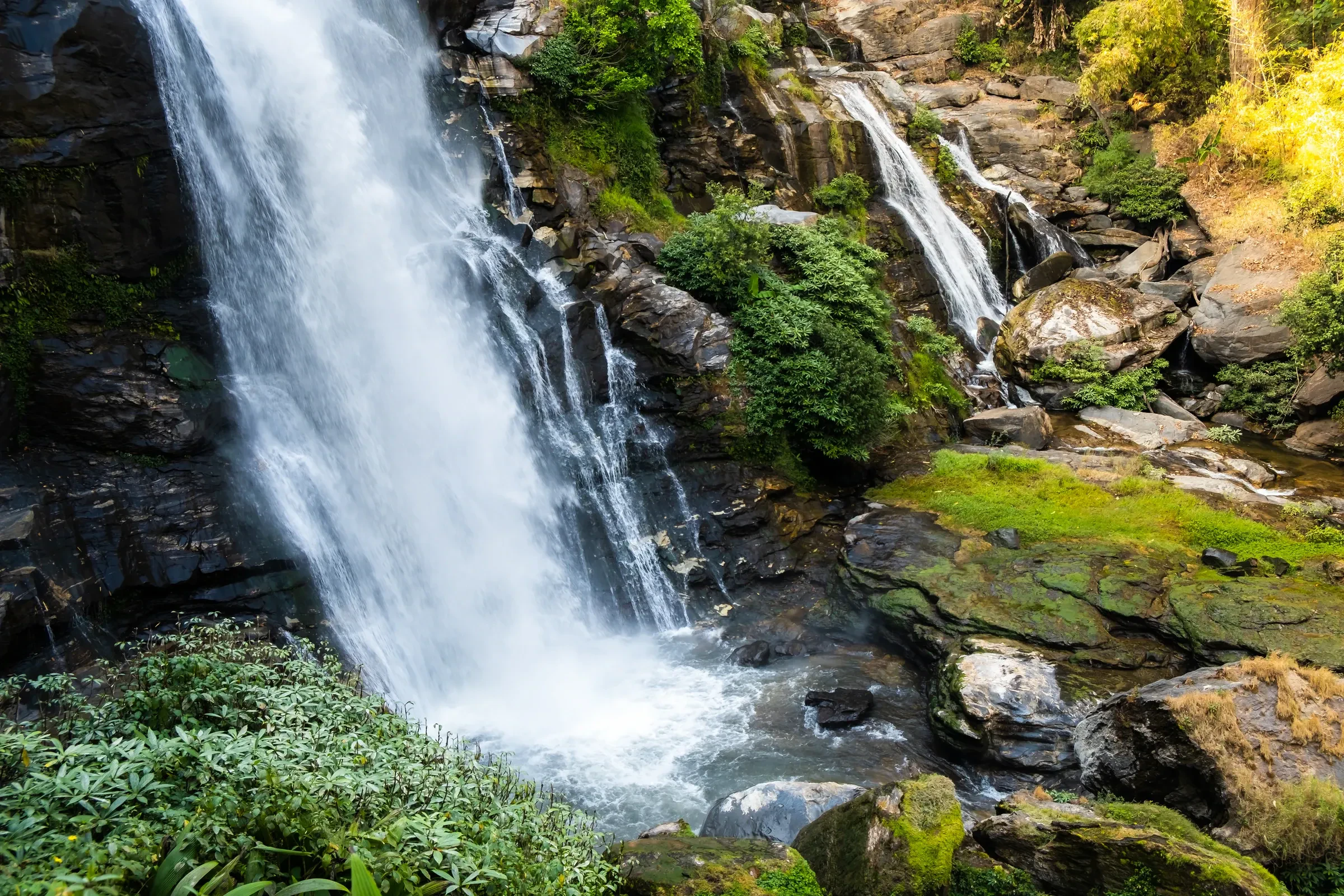
- Doi Suthep. Wat Phra That Doi Suthep sits on the mountain above the city. Foreigners pay 30 baht for the temple; the national park has charged foreigners 100 baht for its nature areas since October 2025, covering the Monk's Trail, Huai Kaew waterfall and Doi Pui village. Shared songthaews run from near Chang Phuak Gate for about 40 to 50 baht each way.
- Doi Inthanon. Thailand's highest mountain, with waterfalls, two royal chedis and a cool summit trail. The park fee is 300 baht for foreign adults, plus about 30 baht per vehicle. It's a long day best done with a tour or hired driver.
- Sticky Waterfall (Bua Tong). A limestone waterfall you can walk up because the rock isn't slippery. It's free, about 60 km (roughly 1.5 hours) north of the city, and makes a good half day with a hired songthaew.
- Grand Canyon Water Park. A flooded former quarry with inflatables, kayaks and a zipline, about 1,200 baht for the day. A good pick for a hot, lazy afternoon.
- One-day trekking. Hikes in the hills south-west of the city, often around Mae Wang, run about 1,900 baht and usually include a waterfall stop and a village visit.
- Chiang Rai. Day tours cover the White Temple (200 baht entry), the Blue Temple and often the Golden Triangle. Budget tours cost about 1,200 to 1,600 baht, but the day runs 11 to 13 hours, most of it in a van. Our Chiang Mai travel guide has more on staying a night in Chiang Rai instead.
When to do this
Most of the above works year-round, but the elephant visits, treks and day trips are far more pleasant outside the smoky season. See our Chiang Mai weather guide for the month-by-month breakdown, and check the Yi Peng lantern festival and Songkran guides if your visit lines up with either.
If you come for Yi Peng, know the lantern rules. Loy Krathong falls on 24 November in 2026, with ticketed mass lantern releases on 24 and 25 November and city events from 24 to 26 November. Releasing a sky lantern inside Chiang Mai city is illegal outside licensed sites, and the airport safety zone carries much heavier penalties, so only join a licensed event outside the city.
Chiang Mai on our trips
Three of our small-group trips for 18 to 40 year olds stop in Chiang Mai, and each one includes the elephant sanctuary morning and a farm cooking class from this list.