Krabi vs Phuket at a glance
| Krabi | Phuket | |
|---|---|---|
| Cost per day | 1,200 to 1,800 baht | 1,100 to 2,000 baht |
| Best months | November to April | November to April |
| Flight time from the UK | No direct flights; via Bangkok, about 11 h 30 min plus a connection | Some direct seasonal flights (about 12 h out); otherwise via Bangkok |
| Flight time from the US | Via Bangkok only, one stop minimum | Via Bangkok only, one stop minimum |
| Flight time from Australia | Via Bangkok only, one stop minimum | Some direct Jetstar flights from Perth, Melbourne and Sydney |
| Visa | 30 days visa free for most Western passports | Same as Krabi |
| Beaches | Railay's beaches and cliffs; Ao Nang's own beach is average | A beach for every mood, from Patong to Kamala |
| Food | Southern Thai coastal food, same dishes as Phuket | Southern Thai coastal food, same dishes as Krabi |
| Culture | A river town and a climbing scene | Sino-Portuguese Old Town and the Vegetarian Festival |
| Nightlife | A walking street of bars in Ao Nang; Railay is quiet at night | Patong's Bangla Road, Thailand's biggest party strip |
| Adventure | Rock climbing and deep water soloing at Railay | Diving day trips and liveaboards |
| Ease for first-timers | Simple once you accept the longtail to Railay | Easy, but skip the tuk-tuks |
| Getting around | Longtail boats and songthaews | Grab, Bolt and songthaews |
| Solo-friendliness | Good; small, walkable bases | Good; more hostels and a bigger social scene |
Beaches
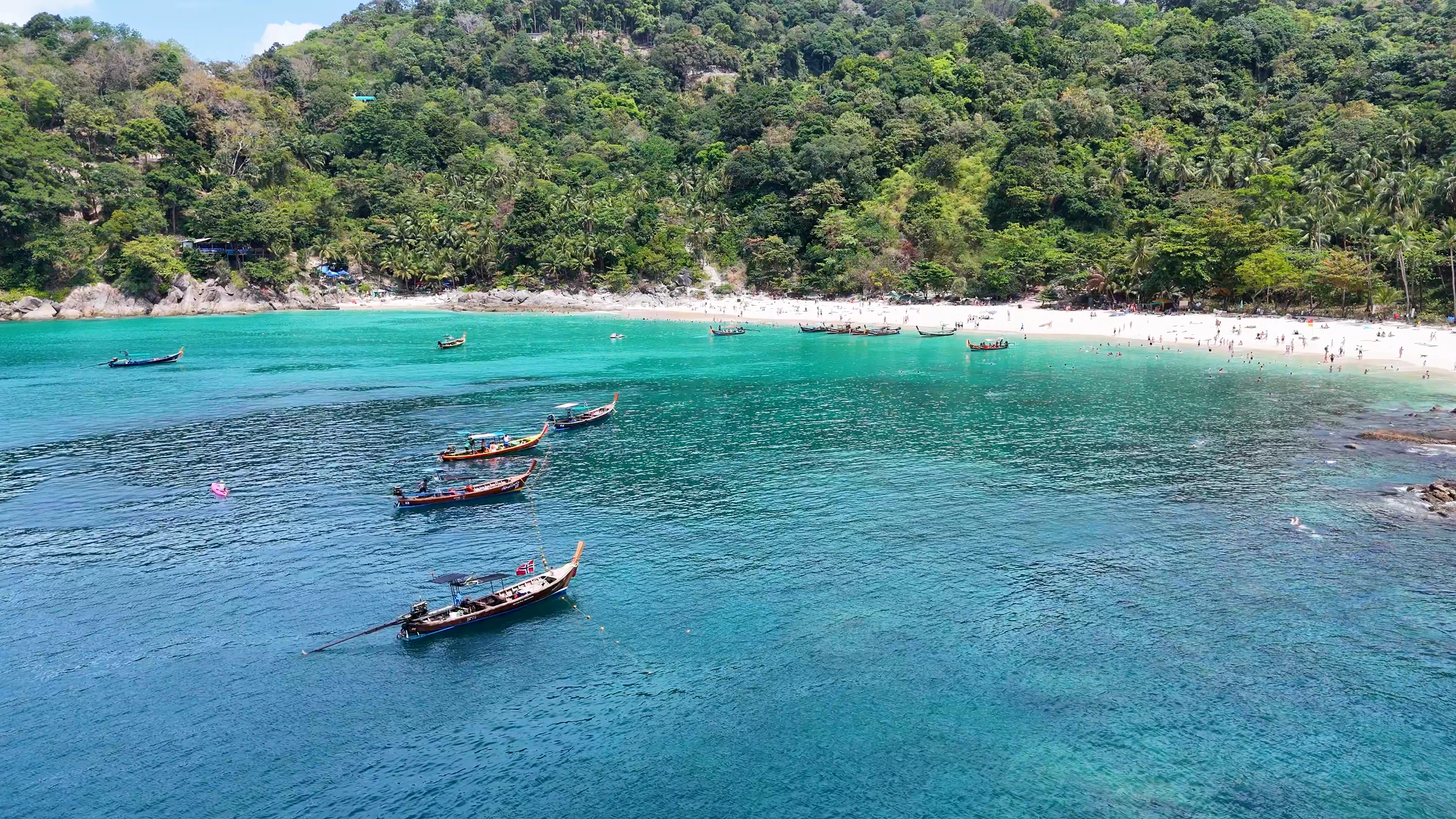
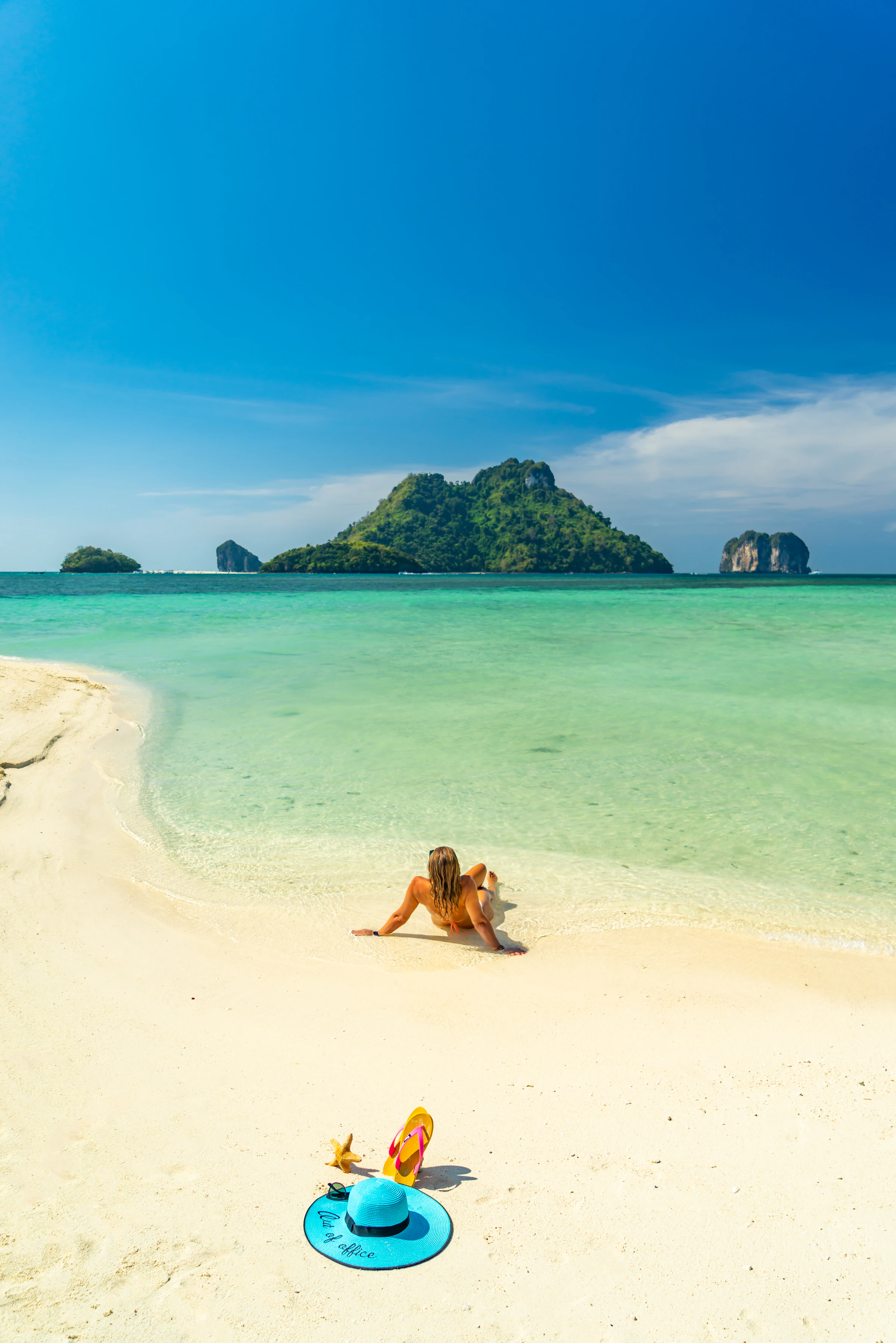
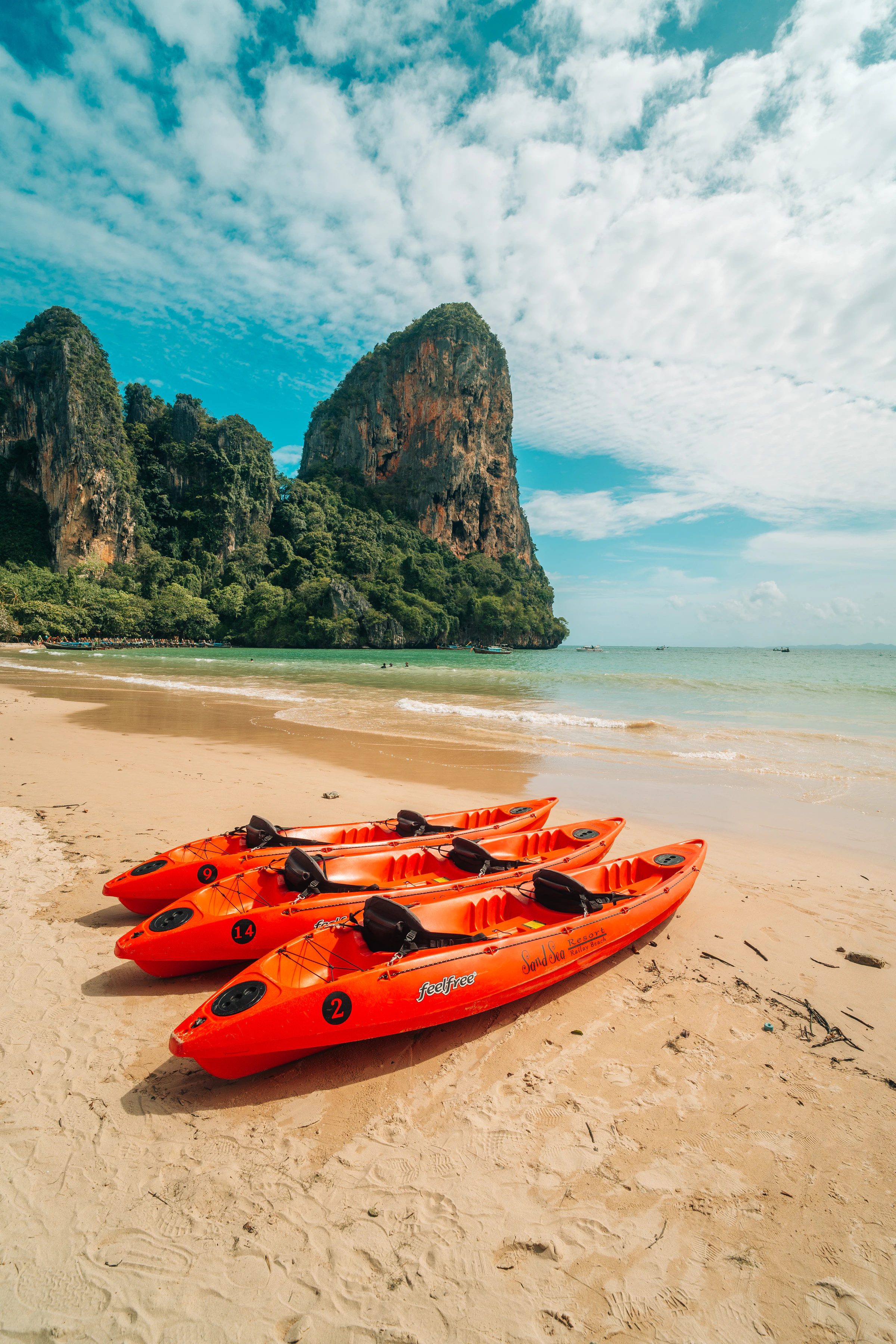
Ao Nang's own beach isn't really the draw. It's the launch pad for better ones nearby. A longtail ride away, Railay has Railay West for sunset, Railay East's mangroves, and Phra Nang Cave Beach tucked under the cliffs with its shrine. Phuket spreads its beaches down the whole west coast instead: Kata and Karon for a calmer stay, Kamala for something quieter, Patong if you want the sand and the nightlife in the same postcode. Phuket's west-coast beaches also turn dangerous to swim in from May to October, when rip currents bring red flags. Krabi's beaches are gentler, but the longtail crossings themselves can be cancelled in those same months.
Winner: tie. Railay's setting is more dramatic; Phuket gives you more beaches to pick between.
Scenery
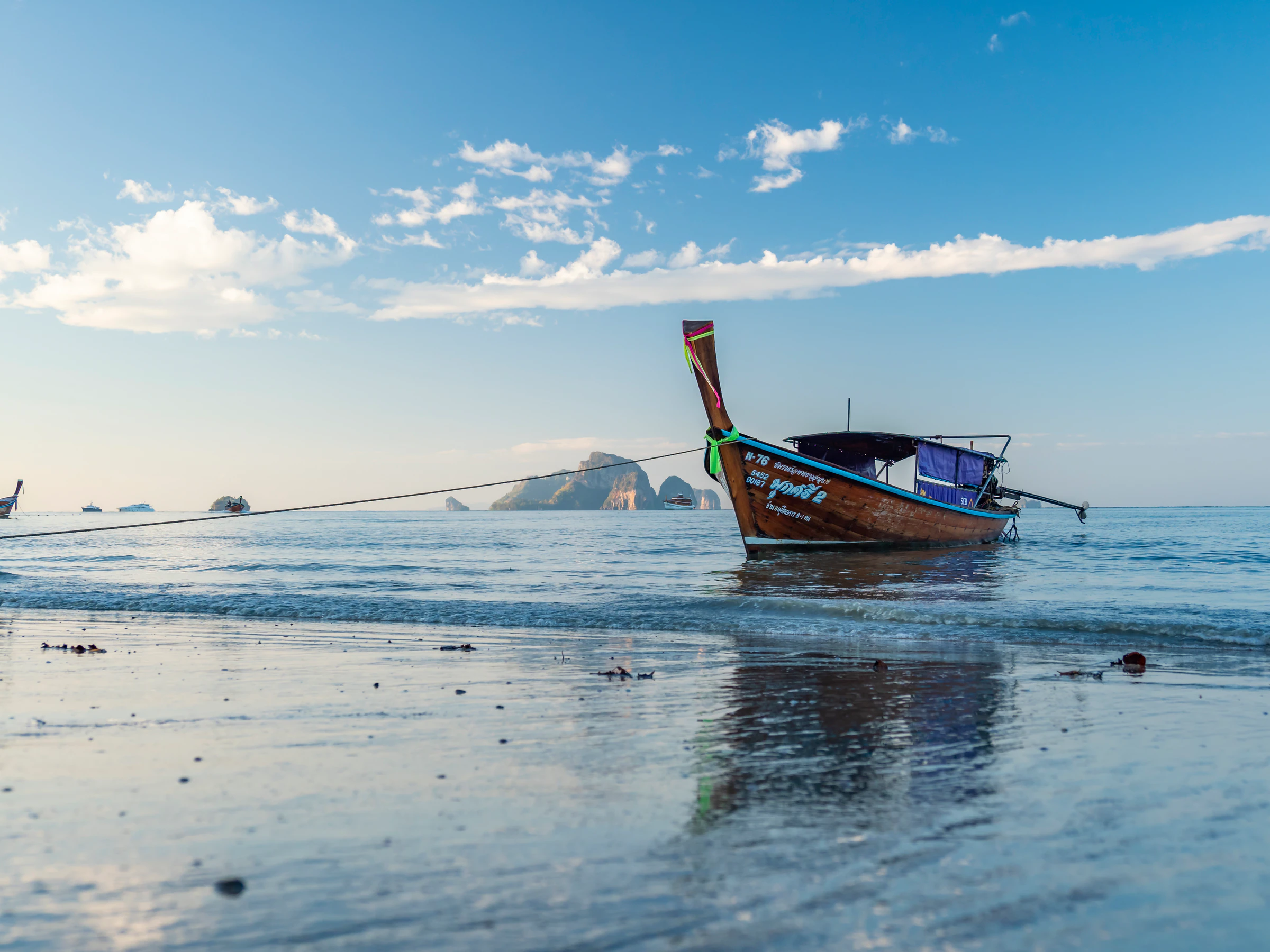
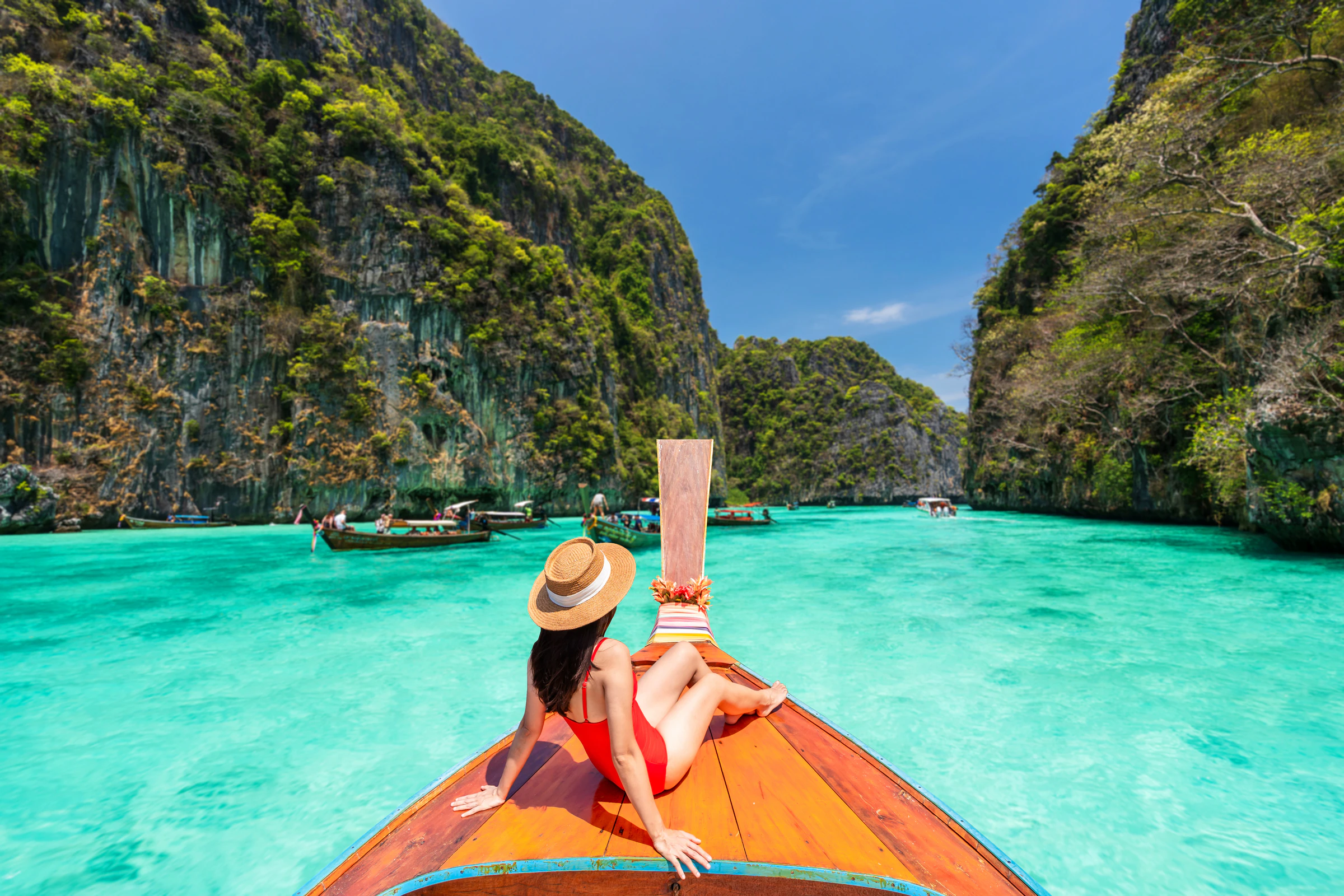
Krabi's limestone karst towers, rising straight out of turquoise water, are Thailand's most photographed stretch of coast, and Railay's climbing walls put you right up against them. Phuket is a bigger, greener island with its own high points, the Big Buddha above Chalong and Promthep Cape at sunset, but nothing here quite matches Krabi's karsts up close.
Winner: Krabi.
Nightlife
Patong's Bangla Road is the loudest strip on this coast: the widest choice of bars, clubs and activity desks packed into a few streets. Ao Nang has its own walking street of restaurants and bars, enough for a decent night out, but nowhere near Patong's scale, and Railay goes quiet once the sun sets. If nightlife matters to your plans, that's a real point in Phuket's favour.
Winner: Phuket.

Island day trips
Both coasts run day trips to similar scenery, but the logistics differ. From Ao Nang, the four islands longtail day (Chicken Island, Poda, Tup and Mor's sandbar) runs from about 1,100 baht per person for a shared group tour, and the quieter Hong Islands cost from around 1,200 baht including lunch, both a short longtail ride away. From Phuket's piers, the range is wider: Phang Nga Bay and James Bond Island (from about 1,200 baht), Koh Phi Phi by speedboat (from about 1,600 baht, a 45-minute to 1-hour crossing), and, in season, the Similan Islands via Khao Lak (from about 4,900 baht plus a park fee). Krabi and Ao Nang can reach Koh Phi Phi too, though the crossing takes longer, 50 minutes to 2 hours depending on the boat.
Winner: Phuket, for range. Krabi wins on price for its own four islands and Hong Islands trips.
Diving
Phuket is the bigger diving base on this coast: Racha Islands, Shark Point and Phi Phi's reefs as half-day trips, plus the Similan Islands (closed in the rainy season, roughly mid-May to mid-October; the park announces the dates each year) and liveaboards departing from Phuket or nearby Khao Lak. Krabi's dive shops reach the same Phi Phi sites and Koh Lanta's Hin Daeng and Hin Muang, but Phuket has more schools, more boats and an easier route to a liveaboard. Our Thailand diving guide covers courses, sites and prices for the whole Andaman coast.
Winner: Phuket.
Food
There's no real difference here. Both sit on the same stretch of southern coast, so you'll find the same dishes either way: massaman curry, khao mok gai (Thailand's take on chicken biryani), the sour tamarind curry gaeng som, roti from the beach-town breakfast stalls, and grilled seafood sold by weight at dinner. Our Thai food guide has more on the south's cooking, region by region.
Winner: tie.
Cost
Krabi runs slightly cheaper day to day, about 1,200 to 1,800 baht against Phuket's 1,100 to 2,000 baht, and Phuket's top end mostly reflects Patong's tourist pricing rather than anything you're forced to pay. The bigger cost trap on Phuket is transport: unmetered tuk-tuks charge fixed, high fares (Patong to Phuket Town is often quoted at 500 to 800 baht), so skipping them for Grab or Bolt matters more to your budget than which island you pick.
Winner: Krabi, slightly.
Getting around: Phuket's taxis vs Krabi's longtails
Phuket's tuk-tuks are the well-known trap: unmetered, with fixed cartel rates that make even a short hop expensive (Patong to Kamala is often quoted at about 350 baht). Grab or Bolt cost a fraction of that for the same trip and cover the island well, and a metered or fixed-price taxi from the airport to Patong runs about 600 to 1,000 baht. Songthaews link Phuket Town to each beach for roughly 20 to 50 baht, but they radiate from town rather than running beach to beach, and they stop by about 5pm or 6pm.
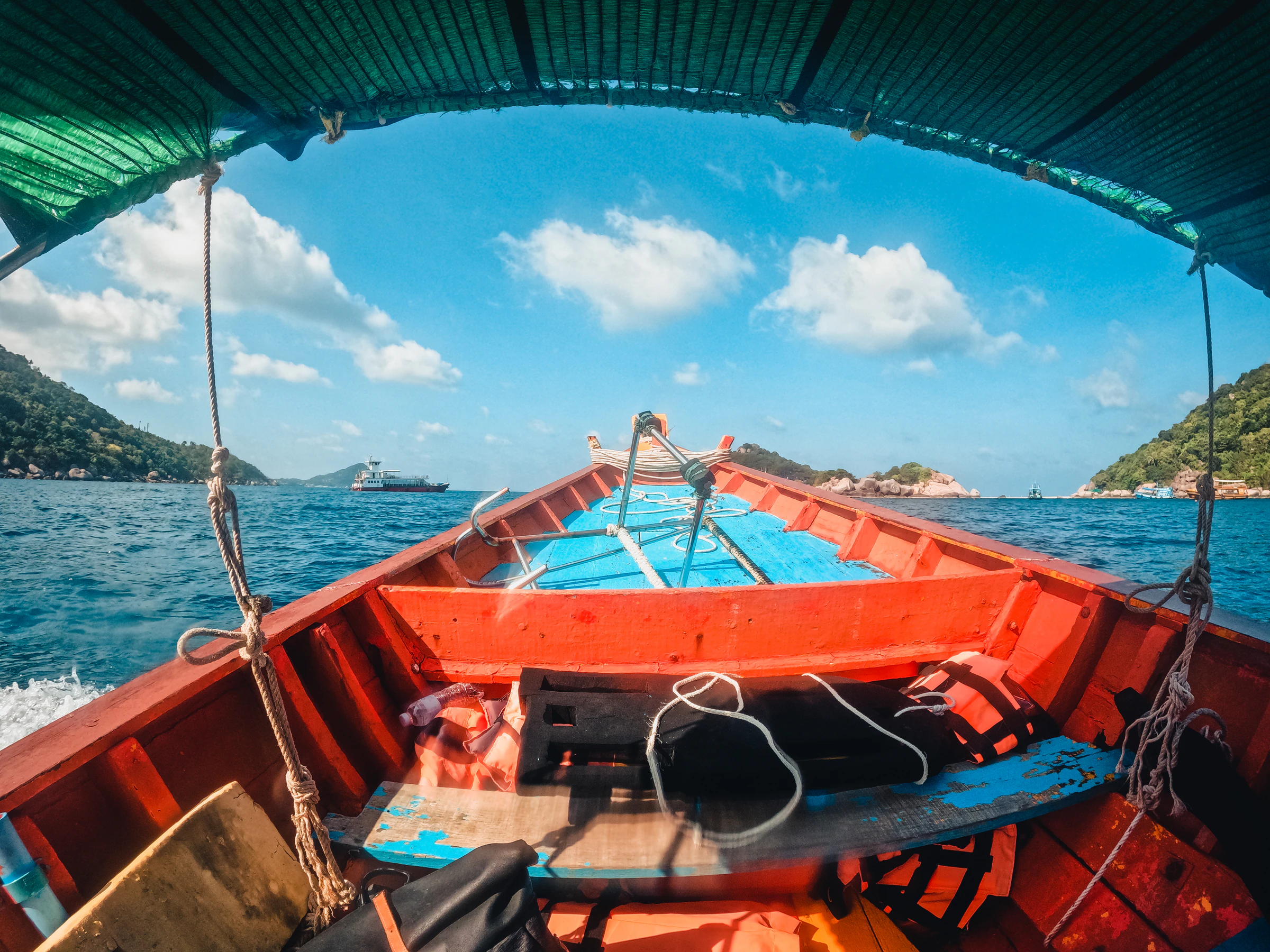
Krabi works differently. Songthaews and taxis cover Ao Nang and Krabi Town, but Railay has no road at all, so a longtail boat, about 100 to 150 baht one way, is the only way in or out, running more often at high tide. It's a simpler system once you accept the boat, though it also means Railay's crossing can be cancelled outright in rough weather, something that never happens to a Grab ride in Phuket.
Winner: Krabi, if you don't mind the boat. Phuket, if you'd rather not depend on the tide.
Airports and getting there
Phuket International Airport (HKT) is the bigger of the two, with direct flights from Bangkok, other Thai cities and a long list of international routes, including seasonal direct flights from London and Jetstar's direct routes from Perth, Melbourne and Sydney. Krabi International Airport (KBV) is smaller and connects mainly through Bangkok, though direct international routes are growing (Finnair from Helsinki and SAS from Copenhagen both add Krabi routes in winter 2026). From HKT it's a straightforward road transfer to any west-coast beach; from KBV it's about 30 to 40 minutes by taxi or shared minivan to Ao Nang, then a longtail on to Railay.
Winner: Phuket.
Season
There's no difference to plan around here. Both coasts run on the same Andaman season, calm and dry from November to April, wet and rougher from May to October under the southwest monsoon. The risk just shows up differently. On Phuket, the danger is in the water: rip currents bring red flags to the west-coast beaches in the rainy season. Around Krabi, the risk is to your plans: rough seas can cancel the Ao Nang to Railay longtail and the ferries onward to Koh Phi Phi and Koh Lanta.
Winner: tie.
Which should you choose?
| If you're... | Choose |
|---|---|
| A first-time solo traveller who wants an easy social scene | Phuket |
| Coming for the climbing and the karst scenery | Krabi |
| Building a trip around nightlife | Phuket |
| Watching your budget closely | Krabi |
| Flying long-haul and want a direct or near-direct flight | Phuket |
| Planning a diving trip or liveaboard | Phuket |
| Happy to base in one small town rather than choose a beach | Krabi |
| After the most photogenic base for the money | Krabi |
Why not both?
Plenty of trips do exactly this: fly into one, ferry down the coast, fly out of the other. Phuket to Krabi (via the Ao Nang or Railay piers) takes about 1.5 to 2.5 hours by ferry depending on the boat, with several sailings a day in high season, and some routes also call at Koh Phi Phi on the way.
A week covers Phuket for 2 to 3 nights, then a ferry to Ao Nang and Railay for the rest. Ten days to 2 weeks lets you add a night or two on Koh Phi Phi or Koh Lanta between the two. Our Andaman coast itinerary lays out the full 1-week, 10-day and 2-week versions of this route day by day, and the Thailand island hopping guide has every ferry connection on this coast if you want to string together a longer loop.